2025 European Society for Medical Oncology (ESMO) Annual Meeting under the International Bio Conference: Professional Overview and Research Reports
1. Conference Overview at the International Bio Conference
1.1 Basic Information
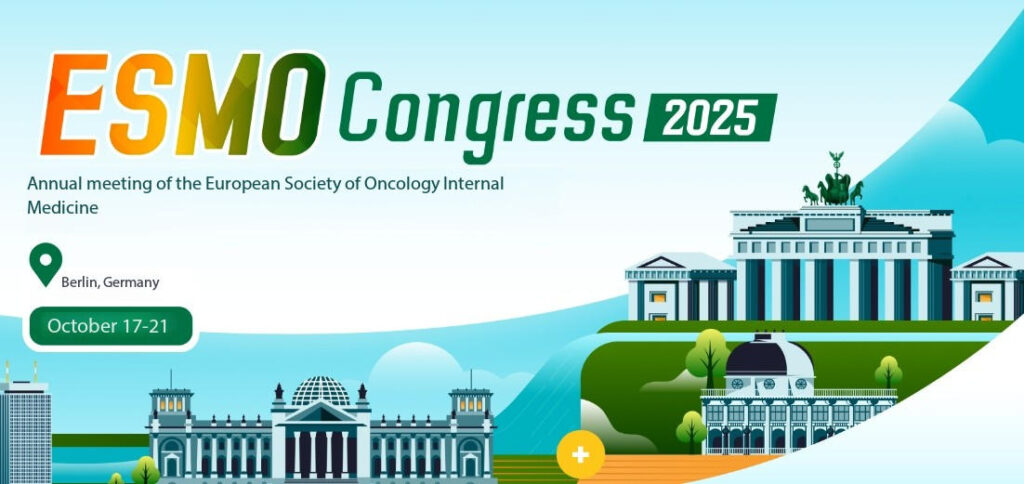
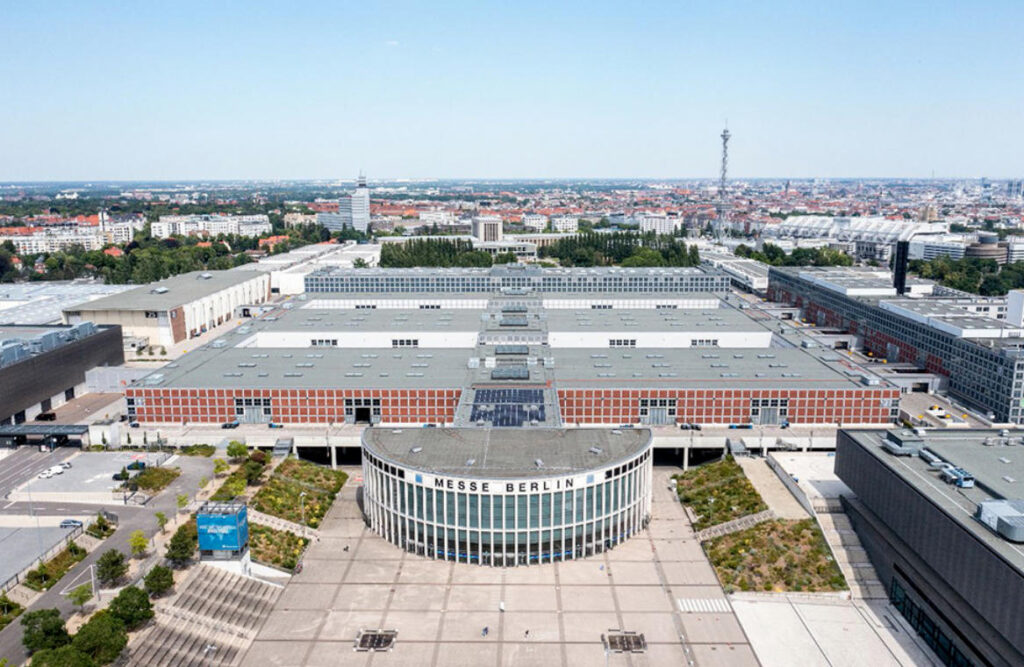
The 2025 European Society for Medical Oncology (ESMO) Annual Meeting will take place from October 17 to 21 at Messe Berlin in Germany. As one of Europe’s most prestigious and influential oncology conferences under the international bio conference, it is expected to attract over 30,000 oncology professionals from more than 150 countries and regions worldwide. Organized by the European Society for Medical Oncology (ESMO), founded in 1975, this conference is hosted by the world’s leading professional organization in medical oncology, which currently has over 25,000 members globally.
1.2 Conference Themes and Highlights

ESMO 2025 will spotlight the latest research advances and cutting-edge technologies in oncology, providing clinicians, researchers, patient advocates, journalists, and pharmaceutical professionals with a platform to share and understand the newest developments in oncology, translating science into optimal cancer patient care. The scientific program will be developed by a committee of over 300 international experts, covering a wide range of topics from basic research to the latest discoveries in cancer immunotherapy, from tumor care to palliative care, and from rare cancers to drug approvals.
Highlights of this year’s meeting include:
- Breakthrough Research Announcements: Over 2,000 abstracts accepted, including multiple Latest Breakthrough Announcements (LBAs)
- Diverse academic formats: Plenary sessions, Proffered Papers, Mini Oral presentations, Poster sessions, and e-Poster sessions
- Multidisciplinary discussion platforms: Providing opportunities for experts across oncology fields to exchange insights and experiences
- Industry-academia integration: Over 300 exhibitors will showcase the latest oncology products, technologies, and services
1.3 Conference Schedule

According to information published on the ESMO official website(https://www.esmo.org/meeting-calendar/esmo-congress-2025/registration), the conference will run for five days from Friday, October 17 to Tuesday, October 21. The specific schedule is as follows:
- October 17 (Friday): Conference registration opens; select academic sessions and satellite symposia commence
- October 18–20 (Saturday–Monday): Main academic sessions, including plenary sessions, oral presentations, poster sessions, and industry exhibitions
- October 21 (Tuesday): Selected academic sessions and closing ceremony
Currently, the ESMO website has published titles for some oral presentations, while abstract titles for Breakthrough Research (LBA) will be released on September 20.
2. Key Research Areas Analysis for the International Bio Conference
2.1 Advances in Antibody-Drug Conjugates (ADC) Research
2.1.1 Clinical Applications of ADC Drugs in Solid Tumors

As a major breakthrough in cancer therapy, Antibody-Drug Conjugates (ADCs) will showcase several significant research findings at ESMO 2025. ADCs deliver cytotoxic drugs to tumor cells by linking monoclonal antibodies to toxic agents via linkers, enhancing efficacy while reducing systemic toxicity.
Notably, ADC research has made substantial progress in breast cancer. Among these, the DESTINY-Breast11 (DB11, NCT05113251) study will be presented at ESMO 2025. This trial advances the use of trastuzumab deruxtecan (T-DXd) from advanced-stage patients to high-risk early-stage patients, evaluating its efficacy in neoadjuvant therapy. These findings are expected to further solidify the foundation for achieving a “cure” in HER2-positive breast cancer.
Additionally, novel ADC drugs such as EMI-LE or Emiltatug Ledotin (Dato-DXd) will present updated data. This novel B7-H4-targeted ADC, carrying a novel oritadine payload, demonstrated encouraging activity at the May 2025 ESMO Breast Cancer Congress, particularly showing good efficacy in patients previously treated with sacituzumab govitecan and trastuzumab deruxtecan.
In the lung cancer arena, Iza-Bren (BL-B01D1), an EGFR×HER3 bispecific antibody-drug conjugate, will have its Phase I global study results presented at ESMO 2025. This study evaluated Iza-Bren’s safety and efficacy in patients with metastatic or unresectable non-small cell lung cancer and other solid tumors.
DS-3939, an antibody-drug conjugate targeting tumor-associated mucin 1 (TA-MUC1), will also present preliminary results from its first-in-human study at the ESMO Congress. This research may offer new treatment options for MUC1-positive solid tumors.
2.1.2 Application of ADC Drugs in Hematologic Malignancies
ADC drugs have also made significant progress in the study of hematologic malignancies. Particularly in the fields of lymphoma and multiple myeloma, several novel ADC drugs are currently undergoing clinical trials.

In diffuse large B-cell lymphoma (DLBCL) and Hodgkin lymphoma (HL), novel CD30-targeted ADCs such as Polatuzumab vedotin have demonstrated promising efficacy. Long-term follow-up data in refractory/relapsed patients will be presented at ESMO 2025.
2.1.3 Safety and Resistance Management of ADC Drugs
As ADC drugs gain broader adoption in clinical practice, safety and resistance management have become focal points. At ESMO 2025, experts will discuss strategies to optimize ADC utilization, including dose adjustments, combination regimens, and post-resistance treatment options.
Of particular note, experts will share the latest data on the unique safety profiles of ADCs and how personalized treatment strategies can maximize efficacy while minimizing toxicity. Additionally, research on ADC resistance mechanisms will be thoroughly explored at the conference, providing guidance for clinical practice.
2.2 Advances in Small and Large Molecule Drug Research
2.2.1 Small-Molecule Targeted Therapies
Small-molecule targeted drugs play a crucial role in cancer treatment, particularly for patients with driver gene-positive tumors. ESMO 2025 will feature multiple significant research findings on these agents.
In the field of non-small cell lung cancer (NSCLC), multiple novel small-molecule targeted drugs will present their latest data. These include:

- HRS-7058: A KRAS G12C inhibitor. Results from its Phase I, multicenter, first-in-human study will be presented at the ESMO Congress.
- HRS-4642: A KRAS G12D inhibitor, with Phase I trial results to be presented at the meeting
- Olomorasib: A second-generation KRAS G12C inhibitor, with intracranial efficacy data in KRAS G12C-mutated NSCLC patients to be presented at ESMO 2025
In melanoma, novel combination therapies of BRAF and MEK inhibitors will present updated clinical data. Particularly in patients with BRAF V600 mutation-positive advanced melanoma, novel combination strategies show promise for further improving efficacy.
2.2.2 Large-Molecule Biologics
Large-molecule biologics, particularly monoclonal antibodies and fusion proteins, play a pivotal role in tumor immunotherapy. ESMO 2025 will feature multiple significant research findings on these agents.
In the immune checkpoint inhibitor field, multiple novel PD-1/PD-L1 and CTLA-4 inhibitors will present updated data. Particularly in combination regimens, these agents demonstrate synergistic effects that significantly improve patient survival.
In the field of bispecific antibodies, multiple bispecific antibodies targeting different tumor-associated antigens will present the latest clinical data. For example, in the area of non-small cell lung cancer, research on bispecific antibodies targeting EGFR and MET will be announced at the conference.
2.3 Advances in Gene and Cell Therapy (GCT)
As a cutting-edge technology in oncology, gene and cell therapy (GCT) will showcase multiple breakthrough research findings at ESMO 2025.

2.3.1 Chimeric Antigen Receptor T-Cell (CAR-T) Therapy
CART therapy has demonstrated significant efficacy in hematologic malignancies. At ESMO 2025, experts will discuss expanding this technology’s application to solid tumors. Challenges specific to solid tumor CART therapy—such as tumor microenvironment suppression, target selection, and delivery system optimization—will be thoroughly explored.
2.3.2 Tumor-Infiltrating Lymphocyte (TIL) Therapy
TIL therapy has demonstrated efficacy in solid tumors such as melanoma and cervical cancer. The ESMO 2025 Congress will showcase the latest research advances in TIL therapy, including strategies to enhance TIL expansion efficiency, improve their survival capacity within the tumor microenvironment, and optimize combination treatment approaches.
2.3.3 Applications of Gene Editing Technologies in Cancer Therapy
Applications of gene editing technologies like CRISPR/Cas9 in cancer therapy will also be highlighted at ESMO 2025. Experts will discuss leveraging gene editing to develop novel tumor vaccines, enhance immune cell function, and directly target genetic mutations within tumor cells.
Of particular note in the sarcoma field, the ARTEMIS-002 study will present Phase II results for HS-20093 in patients with recurrent or refractory sarcomas, potentially offering new directions for gene therapy in sarcoma.
2.4 Advances in Nucleic Acid Therapeutics
2.4.1 Application of mRNA Vaccines in Cancer Therapy
mRNA vaccines, as a novel immunotherapy approach, demonstrate significant potential in cancer treatment. Multiple mRNA vaccine studies will present updated data at the ESMO 2025 Congress.

Personalized mRNA vaccines represent a current research hotspot. Moderna’s mRNA-4157 (V940) vaccine combined with pembrolizumab for melanoma treatment will be presented at ESMO 2025. This vaccine is designed based on patient-specific tumor mutations to activate immune responses targeting tumor cells.
Significant advances in tumor-associated antigen mRNA vaccines will also be presented. For instance, preliminary results from a randomized Phase II trial of the BNT111 vaccine combined with cemiplimab in melanoma patients who failed anti-PD-(L)1 therapy will be disclosed at ESMO 2025.
Additionally, the latest data on EVM16, a personalized mRNA cancer vaccine developed by Everest Medicines, will be presented at ESMO 2025. This vaccine incorporates neoantigens with high immunogenic potential, predicted using proprietary AI technology based on each patient’s unique tumor mutations. It aims to activate neoantigen-specific tumor-killing T cells and inhibit tumor growth.
2.4.2 siRNA and Other Nucleic Acid Therapeutics
Beyond mRNA vaccines, other nucleic acid therapeutics like siRNA also demonstrate potential in cancer treatment. At ESMO 2025, experts will discuss leveraging siRNA technology to target tumor-associated genes, thereby inhibiting tumor growth and metastasis.
A study on a multifunctional mRNA/siRNA nanovaccine platform will be presented at the conference. This platform for treating triple-negative breast cancer combines mRNA encoding the tumor-associated antigen MUC1 with small interfering RNA (siRNA) targeting the immune checkpoint molecule CTLA-4. This dual immunotherapy strategy aims to overcome the “cold” tumor microenvironment of triple-negative breast cancer and enhance therapeutic efficacy.
2.5 Advances in Tumor Vaccine Research
2.5.1 Therapeutic Tumor Vaccines

Therapeutic tumor vaccines represent a key research direction in current tumor immunotherapy, with multiple significant findings to be presented at ESMO 2025.
HPV-related cancer vaccines have achieved significant progress. The latest data on the BNT113 vaccine will be presented at ESMO 2025. This mRNA vaccine targets HPV16 E6 and E7 antigens and has demonstrated favorable safety and immunogenicity in HPV16-positive malignant tumor patients.
Tumor-specific antigen vaccines will also showcase significant advancements at the conference. For instance, Phase I/II trial results for the PDC*Lung01 vaccine combined with anti-PD-1 therapy in untreated stage IV non-small cell lung cancer patients will be presented at ESMO 2025.
2.5.2 Preventive Tumor Vaccines
Although preventive tumor vaccines are not a primary focus at the ESMO meeting, several studies will discuss strategies to reduce tumorigenesis risk by preventing oncogenic viral infections. Specifically, the role of HPV vaccines in preventing cervical cancer and other HPV-related cancers, along with approaches to enhance vaccination uptake, will be explored during the conference.
2.6 Advances in Peptide Drug Research
Peptide drugs offer unique advantages in cancer treatment, including high specificity, low immunogenicity, and excellent tissue penetration. At the ESMO 2025 Congress, multiple peptide drug studies will showcase the latest advances.
Peptide vaccines targeting tumor-specific antigens represent a current research hotspot. These vaccines activate specific T-cell responses to attack tumor cells expressing particular antigens. At ESMO 2025, studies on novel peptide vaccines applied to various solid tumors and hematologic malignancies will be presented.
Peptide-directed drug delivery systems will also be highlighted at the conference. These systems leverage the targeting properties of peptides to deliver chemotherapy drugs or radionuclides specifically to tumor sites, enhancing efficacy while reducing systemic toxicity.
A study on peptide nucleic acid (PNA)-mediated radionuclide therapy will be presented at ESMO 2025. This research explores how PNA can enhance the targeting and efficacy of radionuclide therapy.
2.7 Advances in PD-1/PD-L1 Inhibitor Research
2.7.1 Monotherapy with PD-1/PD-L1 Inhibitors
As cornerstones of tumor immunotherapy, PD-1/PD-L1 inhibitors have demonstrated significant efficacy across multiple cancer types. The latest research advances in PD-1/PD-L1 inhibitor monotherapy will be presented at ESMO 2025.
Of particular note, long-term follow-up results from the GDFATHER-01 study will be disclosed at ESMO 2025. This study evaluated the efficacy of a neutralizing anti-GDF-15 antibody combined with nivolumab in patients with recurrent/refractory non-squamous non-small cell lung cancer, urothelial carcinoma, and hepatocellular carcinoma who had received multiple prior lines of anti-PD-1/PD-L1 therapy. Results indicate this combination regimen achieves deep, long-lasting responses.
2.7.2 Combination Therapy with PD-1/PD-L1 Inhibitors
Combination therapy involving PD-1/PD-L1 inhibitors with other treatment modalities remains a key focus of current research. Multiple pivotal combination studies will present updated data at the ESMO 2025 Congress.
PD-1 Inhibitor Combined with Chemotherapy: Results from the Phase III randomized trial (PAULIEN study) comparing pembrolizumab plus chemotherapy versus pembrolizumab monotherapy as first-line treatment for advanced non-small cell lung cancer with PD-L1 tumor proportion score (TPS) ≥50% will be presented at ESMO 2025.
PD-1 Inhibitor Combined with CTLA-4 Inhibitor: Long-term survival data from studies of botensilimab combined with balstilimab for advanced solid tumors will be presented. This combination regimen demonstrated a survival plateau across multiple solid tumor types.

PD-1 Inhibitor Combined with Novel Immunomodulators: Results from the Phase II study (TeLuRide-005) evaluating EIK1001 (Toll-like receptor 7/8 co-agonist) combined with pembrolizumab and chemotherapy as first-line treatment for Stage IV NSCLC will be presented at ESMO 2025.
2.7.3 Mechanisms of PD-1/PD-L1 Inhibitor Resistance and Overcoming Strategies
With the widespread clinical adoption of PD-1/PD-L1 inhibitors, resistance has become a prominent challenge. At ESMO 2025, experts will delve into the mechanisms of resistance to PD-1/PD-L1 inhibitors and strategies to overcome them.
NuCana Therapeutics’ study on the synergistic effects of NUC-7738 with PD-1 inhibitors will be presented at ESMO 2025. Utilizing patient-derived organoid models, this research reveals the synergistic mechanism of NUC-7738 and PD-1 inhibitors in renal cell carcinoma, offering novel insights for overcoming PD-1 inhibitor resistance.
Additionally, the role of the tumor microenvironment in PD-1/PD-L1 inhibitor resistance and strategies to remodel the tumor microenvironment through combination therapies will be thoroughly discussed at the conference.
2.8 Research Advances in GLP-1 Receptor Agonists for Tumor Therapy
2.8.1 Relationship Between GLP-1 Receptor Agonists and Tumorigenesis Risk
In recent years, the potential role of GLP-1 receptor agonists in cancer treatment has garnered significant attention. At ESMO 2025, multiple studies will explore the relationship between GLP-1 receptor agonists and cancer risk.
A large-scale study evaluating the association between GLP-1 receptor agonists and obesity-related cancer risk demonstrated that these agents not only do not increase cancer risk but are associated with a reduction in obesity-related cancers. This study, involving over 170,000 patients, found GLP-1 drugs were linked to lower cancer incidence, particularly for obesity-related cancers.

Further research suggests GLP-1 receptor agonists may possess direct anti-cancer effects beyond weight loss. A comparative study examining the impact of GLP-1 receptor agonists versus bariatric surgery on obesity-related cancers revealed a 41% relative risk reduction for GLP-1 receptor agonists compared to bariatric surgery, indicating potential anti-cancer effects independent of weight loss.
2.8.2 Potential Applications of GLP-1 Receptor Agonists in Tumor Therapy
The direct application of GLP-1 receptor agonists in tumor therapy is also a current research focus. At the ESMO 2025 Congress, multiple studies will explore the therapeutic potential of GLP-1 receptor agonists across different tumor types.
In colorectal cancer, GLP-1 receptor agonists may exert anticancer effects through multiple mechanisms, including inhibiting tumor cell proliferation, inducing apoptosis, and modulating the tumor microenvironment. One study evaluated the efficacy of GLP-1 receptor agonists combined with conventional chemotherapy regimens for advanced colorectal cancer, showing that this combination therapy may improve patient survival rates.
In pancreatic cancer, GLP-1 receptor agonists may exert anticancer effects by inhibiting tumor angiogenesis and tumor cell invasion. A study evaluating GLP-1 receptor agonists in a pancreatic cancer mouse model demonstrated that they may delay tumor growth and enhance chemotherapy sensitivity.
2.9 Advances in Tumor Immunotherapy
2.9.1 Novel Immune Checkpoint Inhibitors
Beyond PD-1/PD-L1 and CTLA-4, multiple novel immune checkpoint molecules are being investigated as new targets for tumor immunotherapy. Several studies on novel immune checkpoint inhibitors will present updated data at ESMO 2025.
LAG-3 Inhibitors: Studies evaluating novel LAG-3 inhibitors combined with PD-1 inhibitors for various solid tumors will be presented at ESMO 2025. These investigations assess the safety and efficacy of this combination regimen, particularly in patients resistant to PD-1 inhibitors.

TIM-3 Inhibitors: Research on combining TIM-3 inhibitors—another key immune checkpoint molecule—with PD-1 inhibitors for treating various cancers will also be presented. One study evaluated the efficacy of TIM-3 inhibitors combined with pembrolizumab in advanced non-small cell lung cancer, suggesting this combination may improve patient survival rates.
2.9.2 Adoptive Cellular Immunotherapy
Adoptive cellular immunotherapy, encompassing CAR-T cell therapy, TIL therapy, and TCR-T cell therapy, demonstrates significant potential in cancer treatment. Multiple adoptive cellular immunotherapy studies will present updated data at ESMO 2025.
CAR-T cell therapy has achieved remarkable success in hematologic malignancies, and its application in solid tumors is a current research hotspot. A Phase I/II study evaluating CAR-T cell therapy for solid tumors will be presented at ESMO 2025, exploring strategies to overcome challenges in CAR-T cell therapy for solid tumors.
TCR-T cell therapy is another key area of current research. Efficacy and safety results from the Phase I clinical trial of IMA203, a T-cell receptor (TCR)-targeted T-cell therapy targeting PRAME, in treating patients with previously treated advanced or metastatic uveal melanoma will be announced at ESMO 2025.
2.9.3 Tumor Microenvironment Modulation
The tumor microenvironment plays a critical role in tumorigenesis, progression, and treatment response. At ESMO 2025, multiple studies will explore enhancing tumor treatment efficacy through microenvironment modulation.
Tumor-Associated Fibroblast (CAF) Targeted Therapy: One study evaluated the efficacy of CAF-targeting therapies combined with immune checkpoint inhibitors for solid tumors. Results suggest this combination may reshape the tumor microenvironment, enhancing immunotherapy outcomes.
Regulation of Tumor Metabolic Microenvironments: Another study explores strategies to enhance immunotherapy efficacy by modulating tumor cell metabolic pathways. This research evaluated the efficacy of drugs targeting specific tumor cell metabolic pathways in combination with PD-1 inhibitors for treating various solid tumors, suggesting this combination therapy may improve patient survival rates.

3. Exhibitor and Attendee Analysis of the International Bio Conference
3.1 Major Exhibiting Companies
The ESMO 2025 Annual Meeting is expected to attract approximately 300 exhibitors, including leading global pharmaceutical companies, biotechnology firms, medical device manufacturers, and medical technology companies. Major pharmaceutical companies such as Roche, Pfizer, and Novartis have confirmed their participation, where they will showcase their latest oncology products and research advancements.
Roche will highlight its latest advancements in ADC drugs and immunotherapy, including novel ADC agents such as Polatuzumab vedotin and Glofitamab. Additionally, Roche will showcase innovative treatment solutions for lung cancer, breast cancer, and hematologic malignancies.
Pfizer will present its latest research achievements in small-molecule targeted therapies and immunotherapy, including novel ALK inhibitors, RET inhibitors, and PD-1 inhibitors. Of particular note are Pfizer’s innovative products for prostate cancer and melanoma treatment.
Novartis will highlight its latest advancements in CAR-T cell therapy and tumor vaccines, including its CAR-T product Tisagenlecleucel and personalized mRNA vaccines. Additionally, Novartis will showcase its innovative treatment solutions for various solid tumors and hematologic malignancies.
Beyond these major pharmaceutical companies, several biotechnology firms specializing in oncology will also exhibit, including Moderna, BioNTech, Gilead Sciences, and BeiGene. These companies will present their latest research achievements in mRNA vaccines, cell therapies, and novel targeted drugs.
3.2 Exhibitor Focus Areas
Based on past ESMO conference experiences and current hotspots in oncology research, exhibitor presentations at the 2025 conference will primarily focus on the following areas:

ADC Drugs: As one of the hottest research directions in cancer treatment, multiple companies will present their latest advancements in ADC drug development and applications. This includes clinical data on novel ADCs, optimized linker technologies, and payload designs.
Immunotherapy: Research advances in PD-1/PD-L1 inhibitors and novel immune checkpoint inhibitors will be a key focus. Exhibitors will present latest data on monotherapy and combination regimens, along with application experience across different cancer types.
Targeted Therapy: Small-molecule targeted drugs addressing specific gene mutations will be another key focus. Exhibitors will present their latest research findings on targets such as EGFR, ALK, ROS1, and KRAS, along with advances in understanding resistance mechanisms and strategies to overcome them.
mRNA Vaccines and Cell Therapy: Following the success of companies like Moderna and BioNTech in mRNA technology, the application of mRNA vaccines in cancer treatment will be a prominent theme. Additionally, CAR-T cell therapy and other cell-based therapies will be key exhibits.
Digital Health and Precision Medicine Tools: Multiple companies will showcase their latest products and technologies in areas such as tumor genomic analysis, liquid biopsy, and AI-assisted diagnostics. These tools aim to empower clinicians with more precise tumor diagnosis and treatment decision-making.
3.3 Attendee Preference Analysis
ESMO 2025 is expected to attract over 30,000 attendees globally, including medical oncologists, surgeons, radiation oncologists, researchers, nurses, and pharmaceutical industry representatives. Analysis of past ESMO conference feedback and current oncology research priorities reveals the following attendee preferences:
Latest Clinical Data: Attendees prioritize the latest clinical trial results, particularly those from pivotal Phase III trials and breakthrough studies (LBA). These data provide direct guidance for clinical practice, enabling physicians to make more evidence-based treatment decisions.
Guideline Updates: ESMO’s clinical practice guidelines serve as critical benchmarks in oncology treatment. Attendees closely follow guideline revisions, especially changes regarding first-line treatment recommendations for different cancer types, combination therapy regimens, and treatment options after resistance develops.
Multidisciplinary Treatment Strategies: As cancer treatment grows increasingly complex, multidisciplinary collaboration models are gaining prominence. Attendees expressed strong interest in implementing multidisciplinary approaches in clinical practice and optimizing the sequencing and combination of different treatment modalities.
Advances in Precision Medicine: Precision medicine stands as a core focus in contemporary oncology research. Attendees closely followed the latest developments in tumor molecular subtyping, biomarker discovery, and personalized treatment strategies.
Emerging Therapeutic Technologies: Attendees demonstrated strong interest in the application of novel treatment technologies such as ADCs, mRNA vaccines, cell therapies, and artificial intelligence in cancer care. These technologies represent the future trajectory of oncology treatment and may drive paradigm shifts in therapeutic approaches.
Education and Training Opportunities: The ESMO Annual Meeting offers a wealth of educational and training opportunities, including symposia, workshops, and continuing education courses. Attendees highly value these activities for enhancing their professional skills and knowledge.
4. Multi-dimensional Research Analysis related to the International Bio Conference
4.1 Investment Analysis Dimension
4.1.1 Promising Investment Areas
Based on research advances presented at ESMO 2025 and current hotspots in oncology research, the following areas are considered the most promising for future investment:

ADC Drugs: As one of the hottest research directions in oncology treatment, the development and application of ADC drugs will continue to attract substantial investment. Innovations in novel target ADCs, bispecific ADCs, and cleavable linker technologies hold particularly high investment value .
mRNA Technology: Applications of mRNA technology in vaccines and other therapeutics are rapidly expanding. Innovations in personalized mRNA vaccines, tumor-associated antigen mRNA vaccines, and mRNA delivery technologies hold significant investment potential.
Cell Therapy: Innovations in CAR-T cell therapy, TCR-T cell therapy, and tumor-infiltrating lymphocyte (TIL) therapy hold immense market potential. Cell therapy technologies achieving breakthroughs in solid tumor treatment will be particularly valuable for investment.
Novel Immune Checkpoint Inhibitors: Beyond PD-1/PD-L1 and CTLA-4, emerging immune checkpoint molecules like LAG-3, TIM-3, and TIGIT are being investigated as novel targets for tumor immunotherapy. Inhibitors targeting these molecules and their combination therapy regimens present high investment potential.
GLP-1 Receptor Agonists in Cancer Therapy: As the potential role of GLP-1 receptor agonists in cancer prevention and treatment gains recognition, research and development in this area may attract increased investment. Studies exploring combination therapies with GLP-1 receptor agonists alongside traditional chemotherapy or immunotherapy hold particularly high investment value.
4.1.2 Investment Risk Assessment
While innovative oncology therapies hold substantial market potential, investors should also consider the following risk factors:
Clinical Development Risks: Clinical trial outcomes for new drugs and therapies carry uncertainty, potentially failing to meet anticipated efficacy or safety standards. For instance, studies presented at the ESMO 2025 Congress may yield less-than-expected results, impacting the valuation of relevant companies.
Regulatory Risk: The approval process for new drugs and therapies involves uncertainty, potentially facing rigorous regulatory scrutiny and delayed approvals. Regulatory requirements may be particularly stringent for innovative therapies like cell and gene therapies.

Market Competition Risk: Competition in oncology is highly intense, with multiple companies potentially developing products in the same therapeutic area. For instance, in the ADC drug and mRNA vaccine sectors, several companies have already launched similar products, potentially intensifying market competition and increasing pricing pressure.
Reimbursement and Pricing Risks: Reimbursement coverage and pricing strategies for new drugs and therapies directly impact their market performance. High-cost innovative therapies, in particular, may face pressure from payers, potentially limiting market penetration.
Technology Risks: Emerging technologies such as mRNA technology and cell therapy remain in developmental stages, potentially presenting technical bottlenecks and manufacturing challenges. These factors may affect product quality, yield, and cost.
4.1.3 Key Companies to Watch
Based on research advances presented at ESMO 2025 and current trends in oncology, the following companies warrant investor attention:
Roche: As a global leader in oncology, Roche’s innovations in ADC drugs and immunotherapy will continue to drive industry progress. Its novel ADC drugs and immunotherapy combination regimens presented at ESMO 2025 may unlock new market opportunities.
Moderna: Moderna’s leadership in mRNA technology and its progress in cancer vaccine research make it a key focus for investors. Notably, the results of its mRNA-4157 vaccine combined with pembrolizumab for melanoma treatment, to be presented at ESMO 2025, could significantly impact the company’s valuation.
BioNTech: BioNTech’s innovative research in mRNA vaccines and personalized cancer therapies warrants attention. Its personalized mRNA vaccines, developed in collaboration with Pfizer, may unlock new market opportunities across multiple cancer types.

NuCana: NuCana’s NUC-7738 synergistic effects with PD-1 inhibitors will be showcased at ESMO 2025. This research may reveal novel tumor treatment strategies, delivering potential commercial value for the company.
Everest Medicines: The latest data on Everest Medicines’ personalized mRNA cancer vaccine EVM16 will be presented at ESMO 2025. Designed based on each patient’s unique tumor mutations, this vaccine demonstrates high innovation and market potential.
4.2 Industry Trend Dimension
4.2.1 Technological Trends
Based on research advances presented at ESMO 2025, the following technological trends are anticipated to shape future oncology development:
Continuous Innovation in ADC Drugs: ADC drugs will continue to play a vital role in cancer treatment. Discoveries of novel targets, optimized linker technologies, and more efficient payload designs will drive progress in this field. Dual-specificity ADCs and ADCs capable of crossing the blood-brain barrier may become key research focuses.
Widespread Adoption of mRNA Technology: The successful application of mRNA technology in vaccines will drive its broader use in cancer therapy. Beyond preventive vaccines, novel applications such as therapeutic mRNA vaccines, mRNA-encoded cytokines, and mRNA-modified immune cells will emerge as research hotspots.
AI in oncology: Artificial intelligence will play an increasingly vital role in tumor diagnosis, treatment decision-making, and prognosis prediction. AI models leveraging vast clinical data and genomic information may enable physicians to achieve more precise tumor classification and personalized therapy.

Integrated Multomics Approach: The combined application of genomics, transcriptomics, proteomics, and metabolomics will provide a more comprehensive perspective on tumor research. This integration will aid in discovering novel therapeutic targets, predicting treatment responses, and revealing tumor heterogeneity.
Microbiome-Targeted Therapeutic Strategies: Growing evidence indicates the gut microbiome plays a significant role in tumorigenesis and treatment response. Microbiome-targeted therapeutic approaches—such as probiotics, prebiotics, and fecal microbiota transplantation—may emerge as novel directions in cancer treatment.
4.2.2 Transformation of Treatment Paradigms
Based on research advances presented at the ESMO 2025 Annual Meeting, the following shifts in treatment paradigms are anticipated to shape the future of oncology:
Shift from Monotherapy to Combination Therapy: Monotherapy is gradually being replaced by the combined application of multiple treatment modalities. In particular, the combination of immunotherapy with targeted therapy, chemotherapy, radiotherapy, and surgery will become the mainstream treatment model .
Shift from “one-size-fits-all” to personalized therapy: With the advancement of precision medicine, cancer treatment is transitioning from a “one-size-fits-all” approach based on tumor location and histological type to personalized therapy tailored to individual patient genetic profiles. This trend will accelerate with the discovery of more molecular targets and improvements in detection technologies.

Shift from Late-Stage Treatment to Early Intervention: Growing evidence suggests that intervening during the early stages of cancer may yield superior outcomes. For example, the DESTINY-Breast11 study evaluated the efficacy of T-DXd in the neoadjuvant setting by extending its application from advanced patients to high-risk early-stage patients.
Shift from Systemic Therapy to Combined Local and Systemic Approaches: For certain tumor types, particularly in patients with oligometastatic disease, combining local therapies (such as surgery or radiotherapy) with systemic treatments may enhance cure rates. For instance, a study comparing surgery and radiotherapy after slurelimab-combined chemotherapy induction therapy in patients with unresectable stage IIIB-IIIC NSCLC demonstrated that this combined approach may improve patient survival.
Shift from Treatment to Prevention and Health Management: With advances in cancer prevention and early detection technologies, oncology is expanding beyond disease treatment toward prevention and health management. For instance, GLP-1 receptor agonists may possess preventive effects against obesity-related cancers, a finding that could transform cancer prevention strategies.
4.2.3 Market Landscape Shifts
Based on research advances presented at ESMO 2025 and current trends in oncology, the following market landscape shifts are anticipated:
Rapid Growth of the ADC Drug Market: With the successful application of multiple ADC drugs across various cancer types, the ADC drug market will continue its rapid expansion. Particularly in breast cancer, lung cancer, and hematologic malignancies, ADC drugs may partially replace the market share of traditional chemotherapy agents.

Further Expansion of the Immunotherapy Market: Immunotherapy, particularly PD-1/PD-L1 inhibitors, will maintain a significant position in the oncology treatment market. With the development of novel immune checkpoint inhibitors and optimization of combination therapy regimens, the market penetration of immunotherapy will further increase.
Rise of mRNA Technology and Cell Therapy Markets: Following the success of companies like Moderna and BioNTech in mRNA technology, mRNA vaccines will rapidly expand their application in cancer treatment. Concurrently, CAR-T cell therapy and other cell therapies will assume greater importance in treating hematological malignancies and solid tumors.
Consolidation in the Precision Medicine Market: As technologies like genomic analysis and liquid biopsies mature, the precision medicine market will undergo consolidation, with large integrated solution providers potentially gaining greater market share. These companies can offer one-stop services spanning tumor detection, molecular subtyping, and personalized treatment plans.
Regional Market Differentiation: Oncology treatment markets will exhibit divergent development trajectories across regions. In developed countries, innovative therapies will see broader adoption, while cost-effective treatment options may gain greater traction in developing nations. For instance, Chinese innovator companies like BeiGene are developing novel therapies targeting cancers prevalent in the Chinese population.
4.3 Dimensions for Clinical Decision-Making
4.3.1 Key Updates in Treatment Guidelines
Based on research advances presented at the ESMO 2025 Congress, the following key updates to treatment guidelines warrant clinicians’ attention:
Non-Small Cell Lung Cancer (NSCLC) Treatment Guideline Updates: Several pivotal studies will influence NSCLC treatment guidelines. For instance, the efficacy of atezolizumab combined with chemotherapy and bevacizumab in untreated recurrent and metastatic cervical cancer will be evaluated, regardless of PD-L1 status. Additionally, the PAULIEN study comparing pembrolizumab plus chemotherapy versus pembrolizumab monotherapy as first-line treatment for advanced NSCLC with PD-L1 TPS ≥50% will provide crucial reference for clinical decision-making.
Breast Cancer Treatment Guidelines Update: The DESTINY-Breast11 study extends the use of trastuzumab deruxtecan (T-DXd) from advanced patients to high-risk early-stage patients, potentially altering neoadjuvant treatment guidelines for HER2-positive breast cancer. Additionally, data on EMI-LE or Emiltatug Ledotin (Dato-DXd) in HER2-low breast cancer will offer clinicians new treatment options.

Urothelial Carcinoma Treatment Guidelines Update: Long-term benefit data for nivolumab adjuvant therapy in muscle-invasive bladder cancer (MIBC) will be updated, providing crucial reference for clinical decision-making. Data from the Chinese population presented at the 2024 ESMO Asia Congress show consistent benefit trends with the ITT population, confirming nivolumab’s value in Chinese clinical practice for urothelial carcinoma.
Hepatocellular Carcinoma (HCC) Treatment Guidelines Update: Novel combination regimens will influence HCC treatment guidelines. For instance, data on T+A combined with TACE in unresectable HCC will offer clinicians new therapeutic options. Additionally, based on the latest research findings, the ESMO HCC clinical guidelines will update recommendations regarding immunotherapy and targeted therapy.
Melanoma Treatment Guidelines Update: Novel combination therapies and adjuvant treatment strategies will reshape melanoma treatment guidelines. For instance, three-year survival data from pembrolizumab neoadjuvant-adjuvant therapy will provide crucial reference for clinicians. Additionally, data on IMA203—a TCR-T cell therapy targeting PRAME—in uveal melanoma will offer new treatment options for advanced-stage patients.
4.3.2 Optimization of Combination Therapy Regimens
Based on research advances presented at ESMO 2025, the following combination therapy optimization strategies warrant clinicians’ attention:
Immunotherapy Combined with Chemotherapy: Multiple studies confirm that PD-1/PD-L1 inhibitors combined with chemotherapy enhance treatment efficacy across various cancer types. For instance, the PAULIEN study evaluating pembrolizumab plus chemotherapy as first-line therapy for advanced non-small cell lung cancer (PD-L1 TPS ≥50%) will present results at ESMO 2025, providing crucial data for optimizing this combination regimen.
Immunotherapy combined with targeted therapy: The combination of immunotherapy and targeted therapy may produce synergistic effects. For instance, results from the GEIS, ISG, and UCL IMMUNOSARC II studies evaluating sunitinib plus nivolumab for advanced alveolar soft part sarcoma will be presented at ESMO 2025, offering crucial guidance for optimizing this combination regimen.
Immunotherapy Combined with Radiotherapy: The combination of immunotherapy and radiotherapy may enhance antitumor immune responses through multiple mechanisms. A study comparing surgery with radiotherapy after slurelimab plus chemotherapy induction therapy in patients with unresectable stage IIIB-IIIC NSCLC demonstrated that this combination approach may improve patient survival.
Dual Immune Checkpoint Inhibitor Combination Therapy: Long-term survival data from the study of botensilimab and balstilimab combination therapy for advanced solid tumors will be presented at ESMO 2025. This research demonstrates that the combination regimen achieves a survival plateau across multiple solid tumor types, offering clinicians a new therapeutic option.

Combination of ADC Drugs with Immunotherapy: ADC drugs may enhance immunotherapy efficacy through multiple mechanisms. For example, T-DXd may amplify antitumor immune responses by inducing immunogenic cell death, potentially producing synergistic effects when combined with PD-1 inhibitors. A study evaluating this combination in HER2-positive breast cancer demonstrated improved patient survival rates.
4.3.3 Personalized Treatment Strategies
Based on research advances presented at ESMO 2025, the following personalized treatment strategies warrant clinicians’ attention:
Molecular Subtyping-Based Treatment Decisions: Increasing evidence indicates that tumor molecular subtyping provides critical guidance for treatment decisions. For instance, the LAURA study evaluating osimertinib in unresectable stage III EGFR-mutated NSCLC based on molecular minimal residual disease (MRD) analysis demonstrated that MRD status may predict patient prognosis and treatment response.
Treatment decisions based on tumor microenvironment characteristics: Tumor microenvironment features may influence treatment response and prognosis. For instance, a study examining the relationship between thymic health and immunotherapy outcomes in cancer patients suggested that thymic function could affect immunotherapy efficacy.
Treatment Decisions Based on Patient Status: Beyond tumor characteristics, patient status should also inform treatment decisions. For instance, a study comparing cyclophosphamide versus doxorubicin as first-line therapy for elderly patients with advanced soft tissue sarcoma demonstrated that lower-toxicity regimens may be more suitable for geriatric patients.
Dynamic Adjustment Based on Treatment Response: Treatment regimens should be dynamically adjusted during therapy based on patient response and tolerance. For instance, a study evaluating treatment strategies in phase III melanoma patients randomized to nivolumab or ipilimumab + nivolumab based on pathological response to single-agent nivolumab neoadjuvant therapy demonstrated that this personalized approach may improve patient survival.
Personalized treatment based on pharmacogenomics: Pharmacogenomics research can predict patient response to specific drugs and toxicity risks. For example, a study evaluating pharmacogenomics-guided chemotherapy selection in patients with advanced solid tumors demonstrated that this approach may enhance treatment efficacy and safety.
4.4 Academic Research Dimension
4.4.1 Novel Findings in Basic Research
Based on research advances presented at the ESMO 2025 Annual Meeting, the following new discoveries in basic research warrant attention:

New Advances in Tumor Microenvironment Research: Multiple studies will explore the role of the tumor microenvironment in tumorigenesis, progression, and treatment response. For instance, one study evaluated the role of cancer-associated fibroblasts (CAFs) in modulating the tumor immune microenvironment, revealing that CAFs may suppress antitumor immune responses through multiple mechanisms.
New Findings in Tumor Metabolic Reprogramming: Metabolic reprogramming of tumor cells is a key feature of tumorigenesis. One study evaluated the effects of GLP-1 receptor agonists on tumor cell metabolism, suggesting they may exert anticancer effects by inhibiting glycolysis and glutamine metabolism in tumor cells.
New Insights into Tumor Immune Evasion Mechanisms: Tumor cells evade immune surveillance and attack through multiple mechanisms. A study evaluating GDF-15’s role in tumor immune evasion demonstrated that neutralizing anti-GDF-15 antibodies combined with nivolumab can induce deep, long-lasting responses in patients with recurrent/refractory non-squamous non-small cell lung cancer, urothelial carcinoma, and hepatocellular carcinoma who have undergone multiple lines of anti-PD-1/PD-L1 therapy.
New Advances in Tumor Stem Cell Research: Tumor stem cells represent a critical root cause of tumor recurrence and metastasis. A study evaluating novel therapeutic strategies targeting tumor stem cells demonstrated that these approaches may enhance treatment efficacy and reduce recurrence risk.
New Insights into Tumor Metastasis Mechanisms: Tumor metastasis is the primary cause of death in cancer patients. A study evaluating the role of tumor cell exosomes in metastasis suggests exosomes may promote tumor cell invasion and metastasis through multiple mechanisms.
4.4.2 Advances in Translational Medicine Research
Based on research advances presented at the ESMO 2025 Annual Meeting, the following translational medicine developments warrant attention:
Clinical Applications of Liquid Biopsy Technology: Liquid biopsy technology holds significant value in early tumor detection, treatment efficacy monitoring, and recurrence prediction. For instance, research on Natera’s Signatera ctDNA monitoring technology in colorectal cancer patients, presented at ESMO GI 2025, demonstrated that incorporating Signatera ctDNA monitoring improves identification of patients suitable for metastasis-directed therapy (MDT).
AI Applications in Oncology: Artificial intelligence is rapidly advancing in tumor diagnosis, treatment decision-making, and prognosis prediction. For instance, a study externally validated AI models using CT radiomics to predict early-stage lung cancer recurrence, demonstrating that AI models may accurately forecast patient outcomes.

Applications of Spatial Transcriptomics Technology: Spatial transcriptomics technology enables analysis of gene expression patterns while preserving tissue spatial architecture, offering novel perspectives for tumor research. A study evaluating its application in tumor heterogeneity research demonstrated its potential to reveal spatial distribution characteristics of the tumor microenvironment and intercellular interactions.
Application of organoid models in drug development: Organoid models can simulate tumor biology and drug responses, serving as critical tools for drug discovery. For instance, NuCana’s research using patient-derived organoids demonstrated synergistic effects between NUC-7738 and PD-1 inhibition in renal cell carcinoma, suggesting these models may predict drug efficacy and resistance.
Discovery and Validation of Novel Biomarkers: Novel biomarkers hold significant promise for early tumor detection, prognostic prediction, and treatment response assessment. For instance, a study evaluating novel circulating tumor DNA (cfDNA) markers for early lung cancer detection demonstrated their potential to enhance detection sensitivity and specificity.
4.4.3 Innovations in Clinical Trial Design
Based on research advances presented at ESMO 2025, the following clinical trial design innovations warrant attention:
Adaptive Design: Adaptive design allows adjustments to trial parameters—such as sample size, treatment allocation, and endpoints—based on accumulated data during the trial. This approach enhances trial efficiency and accelerates drug development. For instance, a study evaluating adaptive design in assessing novel ADC drug efficacy demonstrated that this approach may reduce sample size requirements and shorten trial duration.
Platform Trials: Platform trials simultaneously evaluate multiple treatment regimens within the same patient population, boosting research efficiency. For instance, the KEYMAKER-U01 study assessed various investigational drugs combined with pembrolizumab and chemotherapy for treatment-naive stage IV non-small cell lung cancer. This platform design enables concurrent evaluation of multiple combination therapies.
Umbrella and Basket Trials: Umbrella trials evaluate different targeted therapies across distinct molecular subtypes of the same tumor type, while basket trials assess the same targeted therapy across different tumor types sharing the same molecular subtype. These designs accelerate precision medicine development. For example, a study evaluating the basket trial design for the KRAS G12C inhibitor HRS-7058 in patients with advanced solid tumors harboring the KRAS G12C mutation demonstrated that this approach may accelerate drug approval across different tumor types.
Multi-regional clinical trials: Multi-regional trials assess treatment efficacy and safety differences across ethnic and geographic populations. For instance, a global multi-regional Phase III trial evaluating nivolumab adjuvant therapy in muscle-invasive bladder cancer showed consistent benefit trends in the Chinese population compared to the ITT cohort, confirming the treatment’s efficacy across diverse groups.
Biomarker-Driven Enrichment Trials: Biomarker-driven enrichment trials target patient cohorts positive for specific biomarkers, enhancing trial efficiency and success rates. For instance, a study evaluating PD-L1 expression levels as a biomarker for enriching patient groups receiving pembrolizumab combined with chemotherapy for advanced non-small cell lung cancer showed that patients with high PD-L1 expression may derive greater benefit from this combination therapy.
5. Summary and Outlook of the International Bio Conference

5.1 Summary of Key Conference Findings
As one of the most influential academic gatherings in global oncology, the ESMO 2025 Annual Meeting will showcase the latest research advances and innovative achievements in cancer treatment. Based on currently available information, key outcomes can be summarized as follows:
Continuous Innovation in ADC Drugs: Multiple ADC drug studies will present the latest data, including the novel B7-H4-targeted ADC EMI-LE, the EGFR×HER3 bispecific ADC Iza-Bren, and the TA-MUC1-targeted ADC DS-3939. These findings will further solidify the pivotal role of ADCs in cancer therapy.
Optimization and Expansion of Immunotherapy: Significant advances will be presented in both monotherapy and combination regimens of PD-1/PD-L1 inhibitors. Notably, long-term follow-up results from the GDFATHER-01 study, survival plateau data from the combination of Botensilimab and Balstilimab, and progress in multiple novel immune checkpoint inhibitors will provide critical insights for optimizing immunotherapy.
Breakthroughs in mRNA Vaccines and Cell Therapy: Personalized mRNA vaccines and cell therapies will demonstrate significant breakthroughs. Data from Moderna’s mRNA-4157 vaccine combined with pembrolizumab for melanoma, Everest Medicines’ personalized mRNA cancer vaccine EVM16, and IMA203—a TCR-T cell therapy targeting PRAME in uveal melanoma—will offer new directions for cancer treatment.
New Advances in Targeted Therapies: Multiple novel small-molecule targeted drugs will present latest data, including KRAS G12C inhibitor HRS-7058, KRAS G12D inhibitor HRS-4642, and second-generation KRAS G12C inhibitor Olomorasib. These findings will offer new treatment options for driver gene-positive tumors.
Potential Applications of GLP-1 Receptor Agonists in Cancer Therapy: Multiple studies will demonstrate the potential role of GLP-1 receptor agonists in cancer prevention and treatment. These findings suggest that GLP-1 receptor agonists may possess direct anti-cancer effects beyond weight reduction, offering novel approaches for cancer prevention and therapy.
5.2 Future Research Directions

Based on research advances presented at the ESMO 2025 Annual Meeting, future directions in oncology research can be anticipated as follows:
Exploration of Novel Targets and Mechanisms: Future research will continue to explore new targets and mechanisms for tumor therapy, with particular focus on the tumor microenvironment, metabolic reprogramming, and immune evasion. For instance, investigations into novel targets such as GDF-15, TA-MUC1, and GLP-1 receptors may offer fresh directions for cancer treatment.
Integration and Innovation of Therapeutic Technologies: The convergence of different therapeutic technologies will be a key future research direction. Synergistic effects may emerge from integrating mRNA technology with immunotherapy, ADC technology with bispecific antibodies, and cell therapy with gene editing techniques, potentially enhancing treatment efficacy.
Deepening Advancements in Precision Medicine: With progress in genomics, proteomics, and metabolomics, precision medicine will evolve to deeper levels. Future research will increasingly focus on tumor molecular heterogeneity and dynamic changes, developing more precise predictive biomarkers and therapeutic strategies.
Widespread Application of Artificial Intelligence in Oncology: AI will play an increasingly vital role in tumor diagnosis, treatment decision-making, and prognosis prediction. Future research will explore leveraging AI to integrate multi-source data, enhancing the precision and efficiency of cancer treatment.
Innovations in Prevention and Early Intervention Strategies: Advances in tumor prevention and early detection technologies will position prevention and early intervention as key research directions in oncology. For instance, the potential role of GLP-1 receptor agonists in tumor prevention may reshape prevention strategies, while the application of mRNA vaccines in early tumor intervention could improve cure rates.
5.3 Recommendations for Clinical Practice and Industry Development
Based on research advances presented at the ESMO 2025 Annual Meeting, the following clinical practice and industry development recommendations warrant attention:

Clinical Practice Recommendations:
- Adopt a multidisciplinary collaborative treatment model: For patients with complex tumors, a multidisciplinary collaborative treatment model should be adopted. This involves integrating the expertise of specialists from surgery, internal medicine, radiation oncology, pathology, and imaging to develop personalized treatment plans.
- Focus on novel biomarker applications: Clinical practice should emphasize the use of emerging biomarkers such as molecular residual disease (MRD), circulating tumor DNA (cfDNA), and tumor microenvironment characteristics, which may guide treatment decisions and prognosis assessment.
- Emphasis on Individualized and Dynamic Treatment Adjustments: Clinical practice should dynamically adjust treatment plans based on patient characteristics and treatment responses to achieve personalized and precision medicine.
- Strengthen comprehensive treatment management: Beyond the treatment itself, emphasize holistic management encompassing pre-treatment assessment, intra-treatment monitoring, post-treatment follow-up, adverse reaction management, and quality-of-life enhancement.
- Prioritizing patient education and involvement: Clinical practice should emphasize patient education and engagement, helping patients understand treatment options, potential adverse reactions, and expected outcomes to improve treatment adherence and quality of life.
Industry Development Recommendations:
- Strengthen Basic Research-to-Clinical Translation: The industry should accelerate the translation of laboratory discoveries into clinical therapies by enhancing collaboration between basic research and clinical applications. Particular emphasis should be placed on strengthening industry-academia-research partnerships in fields such as mRNA technology, cell therapy, and novel targeted drugs to improve translation efficiency.
- Focus on Differentiated Competitive Strategies: In high-demand areas like ADC drugs, immunotherapy, and targeted therapies, companies should pursue differentiated competitive strategies by developing products and technologies with unique advantages. Examples include ADC drugs targeting novel targets, optimized linker technologies, and payload designs that may offer competitive differentiation.
- Strengthen Development of Combination Therapies: The industry should intensify efforts to develop combination treatment regimens, particularly integrating immunotherapy with targeted therapies, chemotherapy, radiotherapy, and surgery. These synergistic approaches may enhance treatment efficacy and expand market share.
- Prioritize real-world data collection and application: Companies should emphasize gathering and utilizing real-world data. Real-world studies can evaluate drug efficacy, safety, and cost-effectiveness in actual clinical practice, providing support for market promotion and health insurance negotiations.
- Focus on emerging market development: Companies should prioritize emerging markets, especially populous nations like China and India, as well as regions with significant cancer burdens. In these markets, companies can increase market penetration by offering affordable innovative treatment options and strengthening academic outreach.
In summary, the ESMO 2025 Congress will showcase the latest research advances and innovative achievements in oncology, providing crucial guidance for clinical practice and industry development. With continuous progress in precision medicine and immunotherapy, cancer treatment is evolving toward greater individualization, precision, and efficiency, offering patients more therapeutic options and improved outcomes.