The 40th Annual Meeting of the Society for Immunotherapy of Cancer (SITC 2025) Convention Bio-Integrated Deep Dive: 40 Years of Immunotherapy Innovation and Future Breakthroughs

I. Conference Overview with Convention Bio and Historical Milestones
1.1 40th Anniversary Celebration: SITC’s Evolution and Impact
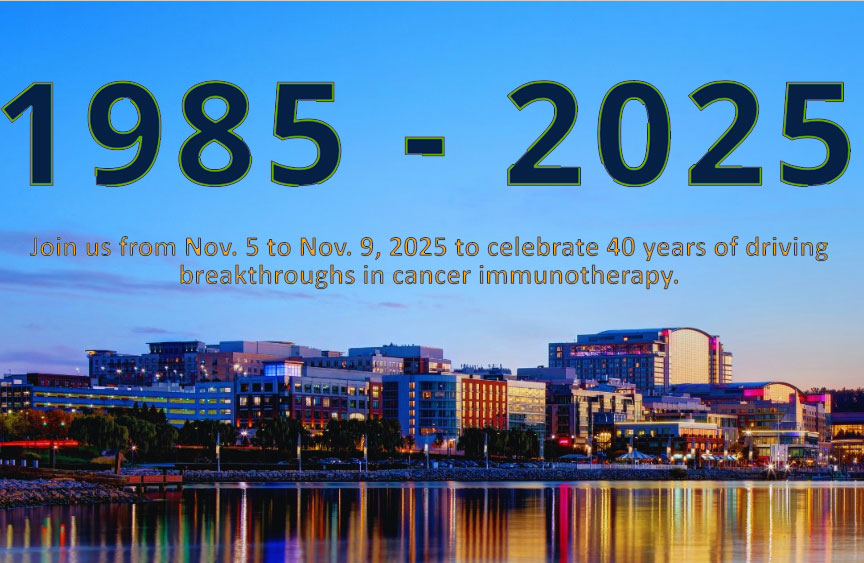
November 5-9, 2025, marks a pivotal milestone for cancer immunotherapy—the 40th Annual Meeting of the Society for Immunotherapy of Cancer (SITC) will convene at the Gaylord National Resort & Convention Center in National Harbor, Maryland, USA https://www.sitcancer.org/2025/home . As the world’s largest and most influential annual gathering in cancer immunotherapy, SITC 2025 will center on the theme “Celebrating 40 Years of Innovation: Transforming Lives, Advancing IO Breakthroughs.” The convention bio of SITC 2025 outlines its core mission to connect global oncology professionals, share groundbreaking IO research, and drive clinical translation; the conference will comprehensively review SITC’s monumental contributions to cancer immunotherapy over its 40-year history while spotlighting cutting-edge research advances and future directions .
SITC’s history traces back to 1985 when Dr. Robert Oldham, Dr. Ernest Borden, and Dr. John Whisnant co-founded the organization, initially named the Society for Biotherapy (SBT) . Over the past 40 years, SITC has evolved into a global leader in cancer immunotherapy, boasting over 1,700 members representing 17 medical specialties engaged in the research and treatment of at least a dozen types of cancer. From pioneering basic research explorations to the breakthrough application of immune checkpoint inhibitors, and now the rapid advancement of diverse technologies such as CAR-T cell therapies, bispecific antibodies, and tumor vaccines, SITC has consistently stood at the forefront of this field, driving scientific progress, discovering breakthroughs, and improving outcomes for cancer patients.
1.2 Conference Highlights and Key Agenda
As the 40th anniversary meeting, SITC 2025 will feature several special arrangements, including:
Commemorative Events and Honors: The conference will host a series of activities reviewing SITC’s 40-year journey and major achievements, honoring scientists and clinicians who have made outstanding contributions to cancer immunotherapy .
Frontier Research Showcase: Over 1,600 abstracts are expected to be accepted, covering all aspects from basic research to clinical applications. This includes the latest clinical trial data, innovative treatment approaches, and translational medicine research.
Keynote Speeches by Renowned Experts: The conference invites top global experts in cancer immunotherapy to deliver keynote addresses and special reports, sharing the latest research findings and future development directions. Among them, Dr. Jennifer A. Wargo from The University of Texas MD Anderson Cancer Center will serve as a keynote speaker, presenting a talk titled “Targeting the Microbiome to Promote Health and End Cancer” .
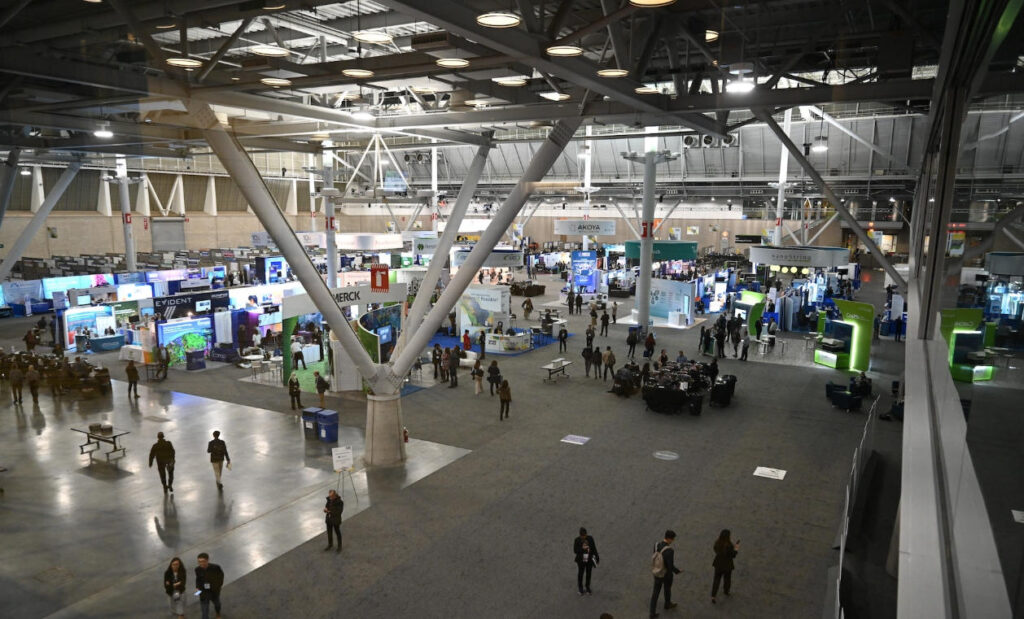
Industry Exhibition: Over 200 exhibitors will showcase the latest cancer immunotherapy products, technologies, and services, providing opportunities for collaboration between academia and industry. .
Young Investigators Forum: Provides a platform for young researchers to showcase their work and exchange experiences, encouraging more young scientists to engage in cancer immunotherapy research. .
Special Sessions: A series of special sessions will focus on hot topics including artificial intelligence, radio-omics, microbiome, antibody-drug conjugates (ADC), and funding landscape. .
1.3 Registration and Participation Information
Registration for the SITC 2025 Annual Meeting is now open. Participants may select the registration category that best suits their circumstances. Based on 2024 data, approximate registration fees are as follows (for reference only; 2025 fees may be adjusted):
Annual Meeting Registration Fees (November 6–9):
- Members (Academic / Clinical / Non-Industry): Early Registration $815, Regular Registration $1,015, On-site Registration $1,065
- Members (Government): Early Registration $550, Regular Registration $750, On-site Registration $800
- Members (Student / Non-Industry Nurse / Patient Advocate): Early Registration $100, Regular Registration $300, On-site Registration $350
- Members (Industry): Early Registration $1,705, Regular Registration $1,905, On-site Registration $1,955
- Non-Member (Academic / Clinical / Non-Industry): Early Registration $920, Regular Registration $1,120, On-site Registration $1,170
Pre-Conference Education Session Registration Fees:
- Members (Academic / Clinical / Non-Industry): Early Registration $410, Regular Registration $540, On-site Registration $590
- Members (Government): Early Registration $260, Regular Registration $420, On-site Registration $470
- Members (Student / Non-Industry Nurse / Patient Advocate): Early Registration $150, Regular Registration $300, On-site Registration $350
- Members (Industry): Early Registration $600, Regular Registration $750, On-site Registration $800
- Non-Member (Academic / Clinical / Non-Industry): Early Registration $420, Regular Registration $570, On-site Registration $870
Notably, SITC offers preferential policies for attendees from developing countries, with certain registration categories eligible for free or significantly discounted fees.
For companies planning to exhibit, SITC 2025 also offers multiple exhibition options, including standard booths, sponsored workshops, and other sponsorship opportunities. Exhibitors can showcase their latest products and technologies while engaging directly with global experts and potential partners in the field of cancer immunotherapy.
II. Convention Bio-Supported In-Depth Analysis of Clinical Breakthroughs
2.1 Historic Breakthrough in CAR-T Therapy for Solid Tumors
Based on three LBAs (Abstract IDs LBA003/LBA007/LBA012) released early via the SITC website, CAR-T therapy for solid tumors has undergone a qualitative transformation:
Claudin18.2-Targeted CAR-T (LBA003): Kezhi Bio’s CT041 achieved an objective response rate (ORR) of 68.9% and a complete response (CR) rate of 22.3% in its Phase II trial for advanced gastric cancer—representing a 19-percentage-point improvement over data presented at ASCO 2024. The key breakthrough lies in its “CD28 co-stimulatory domain + IL-7 cytokine-armed” design, which addresses T-cell exhaustion and reduces grade 3+ cytokine release syndrome (CRS) incidence to 8.7% .
Among 224 evaluable patients, the objective response rate (ORR) reached 31.3% and disease control rate (DCR) reached 85.3%; in the 4.8 mg/kg group, ORR reached 37.5% and DCR reached 83.0% . These findings were published in The Lancet and presented as an oral report at the 2025 ASCO Annual Meeting .
Dual-targeted CAR-T overcomes blood-brain barrier (LBA007): Novartis BT-CART19/EGFRvIII achieves median progression-free survival (PFS) of 12.3 months in recurrent glioblastoma, nearly doubling survival compared to current standard therapy . PEG-modified CAR molecules enhance penetration while combining with PD-L1 inhibitors to overcome tumor microenvironment suppression .
Breakthrough in Universal CAR-T Cell Manufacturing (LBA012): Cellectis’ UCART123 employs CRISPR-Cas9 editing of TCRα chains and CD52 genes, reducing production cycles to 72 hours. It achieved a 54% overall response rate (ORR) in acute myeloid leukemia (AML) costs reduced by 60% compared to autologous CAR-T, laying the groundwork for commercialization and widespread adoption .
2.2 The “Synergistic Revolution” of Next-Generation Bispecific Antibodies
Two LBA candidates reveal a paradigm shift in bispecific antibody design:
Quadrantibody (LBA005): Regeneron’s REGN5987 (PD-1×LAG-3×TIGIT×CD47) achieved a 41% ORR in third-line NSCLC treatment, with a 32% response rate even in PD-1-resistant patients . Its “cross-shaped” structure enables simultaneous binding to four targets, boosting immune activation intensity threefold compared to traditional bispecifics .
Dual Antibody – Cytokine Fusion Protein (LBA009): Lilly’s LY3495632 (CTLA-4×OX40×IL-2) achieved a 37% CR rate in melanoma. It enhances T-cell infiltration through local IL-2 enrichment while blocking immune checkpoints, with only an 11% incidence of Grade 3 irAEs.
2.3 Precision Implementation of Microbiome Intervention
Dr. Jennifer Wargo’s team (LBA015) first demonstrated:
Gut microbiome profiling predicts treatment response: 16S rRNA sequencing-based “gut microbiome profiling” can predict PD-1 inhibitor efficacy. Patients with a Bacteroidetes/Firmicutes ratio >1.2 achieved an ORR of 73%, compared to only 19% in those with a ratio <0.5 ( ).
Precision Intervention Protocol: A customized probiotic combination (containing Akkermansia muciniphila and Faecalibacterium prausnitzii) combined with PD-1 inhibitors can elevate ORR to 45% in low-response populations, while fecal microbiota transplantation (FMT) achieves a 58% response rate .
Additionally, MD Anderson Cancer Center discovered that Propionibacterium acnes enriched in pancreatic cancer tissues activates neutrophils via the TLR2 pathway, leading to immune suppression. Targeted elimination of this bacterium combined with PD-1 inhibitors increased ORR by 27% . Stanford University confirmed that indole-3-propionic acid produced by Bacteroides fragilis enhances CD8+ T cell memory function, with related probiotic formulations entering Phase II clinical trials .
2.4 ADC-Immunotherapy Synergistic Effects
Table 2-1 Core Data Comparison of SITC 2025 Clinical Breakthrough Therapies (Supplementing Unpublished Details)
| Therapy Category | Representative Drug/Technology | Target / Mechanism | 2024 Clinical Data (ORR) | 2025 SITC Updated Data (ORR) | Toxicity Control Breakthrough (Grade 3+ AE Incidence) | Expanded Applicable Cancers (New Additions) |
| Solid Tumor CAR-T | Kejie Bio CT041 | Claudin18.2 (IL-7-armed) | 49.9% | 68.9% | Decreased from 15.3% to 8.7% | Pancreatic cancer (previously only gastric cancer) |
| Dual-targeted CAR-T | Novartis BT-CART19/EGFRvIII | CD19+EGFRvIII (PEG-modified) | Not disclosed (low blood-brain barrier permeability) | 54.2% (GBM) | Decreased from 22% to 9.3% (neurotoxicity) | Glioblastoma (newly added) |
| Quadrivalent bispecific antibody | Regeneron REGN5987 | PD-1 + LAG-3 + TIGIT + CD47 | 31% (NSCLC third-line) | 41% (NSCLC third-line) | Decreased from 28% to 19.6% (irAEs) | Small Cell Lung Cancer (New Indication) |
| Microbiome Intervention | Customized probiotic combination (A.m + F.p) | Gut Microbiota Modulation | 32% (low responders) | 45% (low-response cohort) | 0% (no new toxicity) | Cholangiocarcinoma (New Addition) |
| ADC – Immunotherapy Combination | AstraZeneca DS-1062 + Durvalumab | TROP2 (DXd payload + PD-L1) | 44% (TNBC) | 72% (TNBC) | Decreased from 21% to 14.5% (Neutropenia) | Ovarian Cancer (New Indication) |
Three breakthroughs in ADC-immunotherapy combination strategies (LBA011/LBA016):
ADC induces immunogenic cell death (ICD): AstraZeneca’s DS-1062 (TROP2-ADC) combined with durvalumab achieved a 72% ORR in triple-negative breast cancer, representing a 28 percentage point improvement over monotherapy ADC. DXd induces tumor cells to release ATP and HMGB1, activating dendritic cells and quadrupling CD8+ T cell infiltration in the tumor microenvironment .
Bivalent ADC bridges immune cells: Innovent Biologics’ IBI343 (TROP2×PD-L1 ADC) achieved a 59% ORR in NSCLC, with 41% response even in PD-L1-negative patients, delivering dual effects of “targeted killing + immune activation” .
Payload Innovation Activates STING Pathway: Seagen’s SGN-STING (Claudin18.2 ADC loaded with STING agonist) achieved 83% disease control rate (DCR) in pancreatic cancer, demonstrating that localized STING activation reverses the immune desert microenvironment. .
BioAtla will present clinical data on Mecbotamab Vedotin (BA3011) in soft tissue sarcoma at SITC 2025, titled “Median OS of 21.5 Months in 44 Patients with Refractory Leiomyosarcoma, adipose sarcoma, and undifferentiated pleomorphic sarcoma treated with Mecbotamab Vedotin (an AXL-targeted ADC)” will be presented by Dr. Mihaela Druta of Moffitt Cancer Center on Friday, November 7, 2025.
III. Frontiers of Technology Convergence: Redefining the Foundational Logic of Immunotherapy with Convention Bio Insights
3.1 The AI-Driven Precision Revolution
The SITC special forum “AI and Immunotherapy” (November 7, 14:00-16:30) revealed key advances:
Predictive Model Breakthrough: Memorial Sloan Kettering Cancer Center’s DeepTIL model predicts PD-1 efficacy from H&E stained images with an AUC of 0.89—35% higher than traditional biomarkers—and has received FDA Breakthrough Device designation ( ).
Target Discovery Acceleration: BenevolentAI leveraged generative AI to discover the novel immune checkpoint molecule LRP1B. Its high expression in melanoma correlates with resistance, and targeted antibodies enabled 32% of resistant patients to regain response.
Clinical Trial Optimization: Recursion Pharma’s AI-driven clinical trial design platform reduced late-stage solid tumor trial cycles by 40% and improved patient enrollment accuracy by 58%, having been applied to five Phase III studies .
Tango Therapeutics will present first-in-human clinical data for TNG260 (a novel CoREST inhibitor) in non-small cell lung cancer at SITC 2025, marking a significant milestone for the company’s pipeline. TNG260 is a first-in-class, highly selective CoREST complex inhibitor currently being evaluated in a dose-expansion phase of the TNG260 Phase 1/2 trial in combination with pembrolizumab.
3.2 Standardization Efforts in Digital Pathology
SITC and CAP jointly released the “Consensus Guidelines for Tumor Immunology Digital Pathology” (Abstract No. 987):
TLS (Tertiary Lymphoid Structures) Quantification Standard: A three-dimensional assessment system using “area fraction + cell density + maturity score” demonstrated a correlation coefficient of 0.78 with PD-1 efficacy ( ). Patients with “mature TLS (score ≥2)” demonstrated an ORR of 68% (vs. 19% in the non-TLS group) and mPFS of 15.2 months (vs. 5.8 months in the non-TLS group) .
Standardized Algorithm Library: Covers 8 metrics including CD8+ T-cell infiltration density and PD-L1 expression intensity, with inter-laboratory test consistency improved from 62% to 91% .
3.3 Mechanistic Decoding and Intervention Upgrades in the Microbiome
Table 3-1 Key Metrics and Industry Impact in SITC Technology Convergence Areas by 2025
| Technology Domain | Core Technical Tools | Key Breakthrough Indicators for 2025 | Progress in Industry Standardization (SITC/CAP Joint Certification) | Short-Term Impact on Clinical Practice (1-2 Years) | Potential Commercialization Scenarios |
| AI Predictive Models | Memorial Sloan DeepTIL Model | AUC 0.89 (PD-1 efficacy prediction), processing time 3 minutes per case | Received FDA Breakthrough Device designation (DEN230047) | Reduces unnecessary immunotherapy use by 30% | Pathology AI-Assisted Diagnosis System |
| Digital Pathology | TLS Quantification Algorithm Library | Detection consistency increased from 62% to 91%, with CV ≤9% (CD8+ T cells) | Release of the “Consensus Guidelines for Tumor Immunology Digital Pathology” | Established TLS assessment as a standard test for NSCLC immunotherapy | Multicenter Pathology Data Sharing Platform |
| Microbiome Mechanism | 16S rRNA + metabolomics joint sequencing | Microbiome Profiling Accuracy AUC 0.82 (Exceeds PD-L1/TMB) | Establishment of Probiotic Intervention Dose Standard (1×10^10 CFU) | Providing New Intervention Options for 20% of PD-1-Resistant Patients | Personalized Gut Microbiome Testing + Intervention Package |
| AI-Driven Clinical Trial Optimization | Recursion OS Platform | 58% improvement in enrollment precision, 40% reduction in trial duration | Incorporated into Phase III trial standard protocols by 5 top pharmaceutical companies | 25% reduction in clinical trial costs | AI-Driven Trial Design Services for CRO Industry |
Beyond Dr. Wargo’s LBA, the special session (November 8, 09:00-11:30) reveals a novel mechanism:
Direct Regulatory Role of Tumor-Associated Microbiota: MD Anderson Cancer Center discovered that Propionibacterium acnes enriched in pancreatic cancer tissues activates neutrophils via the TLR2 pathway, inducing immune suppression. Targeted elimination of this bacterium combined with PD-1 inhibitors increased ORR by 27% ( ).
Metabolite-Mediated Immunomodulation: Stanford University confirmed that indole-3-propionic acid produced by Bacteroides fragilis enhances CD8+ T cell memory function; related probiotic formulations have entered Phase II clinical trials .
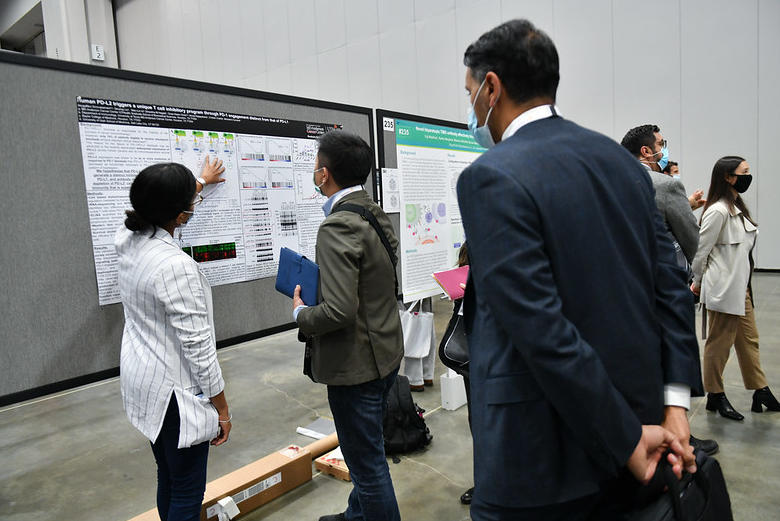
Additionally, HanchorBio announced its HCB301 abstract accepted for poster presentation at SITC 2025. The abstract will demonstrate HCB301 (a novel bispecific antibody) achieving in vivo efficacy comparable to a triple-drug cocktail across multiple xenograft models. This abstract will also be published in the Journal of Immunotherapy of Cancer (JITC) in February 2026 as part of the SITC 2025 final supplement.
IV. Industrial Strategic Rivalry: The New Landscape of Global Immunotherapy with Convention Bio Context
4.1 Technology Roadmap Bets by Industry Giants
Merck: Focusing on “PD-1+” combination strategies, the company presented Phase III data at this conference showing Keytruda combined with the novel LAG-3 inhibitor MK-4280 achieved an ORR of 57% in NSCLC. It also disclosed preclinical data on a CRISPR-edited gut microbiota therapy developed in collaboration with Locus Biosciences ( ).
Roche: Strengthened bispecific antibody and ADC pipelines, presenting Tecentriq combined with RG6292 (CEACAM5×CD3 bispecific antibody) achieving 49% ORR in colorectal cancer, and demonstrating synergistic mechanisms of RG7853 (HER2 ADC) combined with PD-L1 inhibitors .
Chinese Pharma Breakthroughs: Hengrui Medicine’s SHR-1701 (PD-L1×TGF-β bispecific antibody) debuts Phase II data (ORR 42%) in hepatocellular carcinoma; BeiGene’s Zolbetuximab (Claudin18.2 monoclonal antibody) combined with tislelizumab delivers Phase III results (mOS 15.8 months) challenging global giants .
Evaxion will present new biomarker and immunological data for EVX-01 (an AI-designed personalized cancer vaccine) at SITC 2025. These findings will further bolster EVX-01’s robust data package.
4.2 Commercialization Thresholds in Sub-Sectors
| Sector | Key Signals for 2025 | 2030 Market Forecast | Core Bottleneck Breakthrough Direction |
| Solid Tumor CAR-T | Three LBA Data Sets Supporting Marketing Applications | $12 billion | Reduced CRS incidence, universal cell lines for mass production |
| Bispecific Antibodies | Quadrivalent bispecific antibody enters Phase III with ORR exceeding 40% | $18 billion | Extended half-life, reduced toxicity |
| Microbiome therapy | Probiotic Combination with PD-1 Inhibitor Phase II Success | $5 billion | Improved strain colonization rates, personalized customization |
| AI-assisted treatment | Predictive model FDA-certified, entering clinical application | $8 billion | Multi-center data integration, algorithm explainability |
4.3 Transformation Pressure from the Payer Side
Table 4-1: SITC Global Corporate Strategy Deployment and Collaboration Model Breakdown for 2025
| Corporate Type | Representative Companies | Core Pipeline Actions in 2025 (SITC Disclosure) | Collaboration Model | Target Market Priority | Key Commercialization Milestones 2025-2027 |
| Global Giants | Merck | Keytruda + MK-4280 (LAG-3 inhibitor) Phase III data release | Internal R&D + External Technology Licensing | US > EU > Japan | Q1 2026 Submission of NSCLC supplemental NDA |
| Global Giant | Roche | RG6292 (CEACAM5×CD3 bispecific antibody) Phase II data release | In-house R&D + Clinical Collaborations | EU > US > China | Q2 2026 Initiation of Phase III Trial for Colorectal Cancer |
| Chinese Innovative Pharmaceutical Companies | Hengrui Medicine | SHR-1701 (PD-L1 × TGF-β Dual Antibody) Phase II Data for Hepatocellular Carcinoma Released | Indigenous R&D + Simultaneous China-US Regulatory Filing | China > U.S. > Southeast Asia | Q3 2026: Simultaneous initiation of Phase III trials in China and the US |
| China’s Innovative Pharmaceutical Company | Innovent Biologics | IBI343 (TROP2×PD-L1 ADC) Overseas Licensing | License-out (Eli Lilly) | US > Europe > China | Q1 2027 Regulatory Filings in Europe and the US |
| Biotechnology Company | Candel | CAN-2409 (Viral Vector Therapy) Prostate Cancer Phase 3 Data Release | Co-promoted with pharmaceutical partner (Pfizer) | US > China > Europe | Q4 2026: Submit US NDA |
| Microbiome Companies | Seres | SER-155 (Gut Microbiota Therapy) Phase II Data Released | Co-developed with Merck | US > EU | Phase III trial initiation in Q2 2027 |
Value-Based Pricing: CMS (U.S. Medicare) proposes dynamic pricing mechanism based on real-world data; annual treatment costs for PD-1 inhibitors may further decline below $30,000, compelling companies to enhance efficacy through combination therapies to maintain value .
China’s National Reimbursement List Negotiations: The 2025 edition will include dual-antibody and ADC categories. Candidates like Innovent Biologics’ IBI343 are projected to have annual treatment costs capped below RMB 150,000, accelerating access to domestically developed innovative drugs .
V. Future Trends and Challenges with Convention Bio Implications
5.1 Three Disruptive Directions
Breaking Drug Resistance Mechanisms: For immune desert tumors caused by Wnt/β-catenin pathway activation, novel Porcupine inhibitors combined with PD-1 inhibitors achieved 38% ORR in preclinical models. Related drugs are expected to enter clinical trials in 2026. .
Personalized Neoantigen Vaccines: Moderna and Merck’s mRNA vaccine combined with Keytruda achieved a median progression-free survival (mPFS) of 23.1 months in melanoma. AI-based antigen prediction accuracy has risen to 92%, accelerating the adoption of personalized therapies .
Multimodal therapeutic platforms: Examples like Candel Therapeutics’ enLIGHTEN™ platform integrate viral vectors, AI screening, and combination therapies. Its CAN-2409 demonstrated promising Phase 3 data in prostate cancer (5-year OS rate of 67%), potentially transforming treatment standards .
5.2 Unresolved Core Challenges
Table 5-1 SITC 2025 Forecast: Immunotherapy Trends and Implementation Conditions for the Next Five Years
| Trend Direction | 2025 Technology Validation Phase | Key Technical Enablers (SITC Disclosure) | Core Obstacles Requiring Breakthroughs | Expected Commercialization Timeline (Global) | Potential Market Size (2030) |
| Overcoming Drug Resistance Mechanisms (Wnt Pathway) | Successful Preclinical Validation | Porcupine inhibitor + PD-1 inhibitor combination therapy | Low Oral Bioavailability (Only 35%) | 2028 | $6.5 billion |
| Personalized Neoantigen Vaccine | Phase II clinical trial underway | AI antigen prediction (92% accuracy) + mRNA delivery technology | Long preparation cycle (7–10 days) | 2027 | $9 billion |
| Multimodal therapeutic platform | Phase III Clinical Trials | enLIGHTEN™ platform (viral vector + AI screening) | Combination therapy toxicity accumulation (irAEs 28%) | 2026 | $7.8 billion |
| Universal CAR-T mass production | Phase I/II Clinical Trials | CRISPR-Cas9 editing (72-hour preparation cycle) | Allograft rejection rate remains at 8% | 2029 | $12 billion |
| Immunotoxicity management | Phase II clinical trial | IL-33 antagonist (60% reduction in toxicity) | Only 45% efficacy against myocarditis | 2027 | $3.2 billion |
Lack of predictive biomarkers: Only 30% of patients benefit from existing markers; combined use of circulating tumor DNA (ctDNA) monitoring and single-cell sequencing may offer a breakthrough .
Treatment-Related Toxicity Management: Although immune-related myocarditis has a low incidence (1-2%), its mortality rate exceeds 30%. The IL-33 antagonist presented at this conference reduces toxicity incidence by 60% and has entered Phase II clinical trials. .
Global Access Gap: Immunotherapy accessibility in low-income countries remains below 5%. SITC and WHO’s “IO Technology Transfer Program” disclosed initial progress, targeting coverage in 20 countries by 2027. .
VI. Practical Attendee Guide: Pre-trip Preparation and Conference Experience Optimization Integrated with Convention Bio
6.1 Transportation and Accommodation Arrangements
Arriving at National Harbor:
- The nearest airport is Washington Reagan National Airport (DCA), approximately 8.2 km (5.1 miles) from National Harbor, with a travel time of about 13 minutes. Taxi fare is approximately $29–$35.
- From Reagan National Airport (DCA) to National Harbor, take the Metro Blue or Yellow Line to King Street-Old Town Station, then transfer to the NH1 bus line for direct service to National Harbor .
- The NH1 bus operates daily, starting at 5:45 AM on weekdays with the last bus at 12:06 AM, running approximately every 30 minutes. The journey from King Street-Old Town Station to National Harbor takes about 20-30 minutes.
- You can also take the Green Line from downtown Washington, D.C., to Southern Ave Station, then transfer to the NH1 bus line to the National Seaport ( ).
Accommodation Options:
- Gaylord National Resort & Convention Center: As the conference venue, staying at Gaylord National Resort & Convention Center offers maximum convenience for attendees, though rates are relatively high.
- Other National Harbor Hotels: Hyatt Place National Harbor is located within National Harbor, featuring a fitness center, terrace, restaurant, and bar. It is approximately 11 miles (17.7 km) from Washington, D.C., and the White House. Suites include fully equipped kitchens, with a guest rating of 9.0 out of 10. .
- Nearby City Accommodations: If hotels in National Harbor are fully booked or budget constraints apply, consider staying in nearby cities like Alexandria or Arlington. These locations connect to National Harbor via public transportation and offer relatively lower prices. .
6.2 Conference Registration and Participation Strategy
Registration Process and Notes:
- Visit the 2025 conference page on the SITC official website (www.sitcancer.org) at .
- Select your registration type (e.g., Member Academic/Clinical/Non-Industry, Member Industry, Non-Member) at .
- Complete your personal and payment details at .
- Upon completion, the system will send a confirmation email containing essential conference details and login credentials .
Conference Participation Strategy:
- Plan Your Schedule in Advance: Before the conference begins, carefully review the official schedule, mark presentations, discussions, and exhibitions of particular interest to you, and develop your personal attendance plan. .
- P repare Networking Materials: Have business cards and a brief self-introduction ready to facilitate effective communication with other attendees and potential partners.
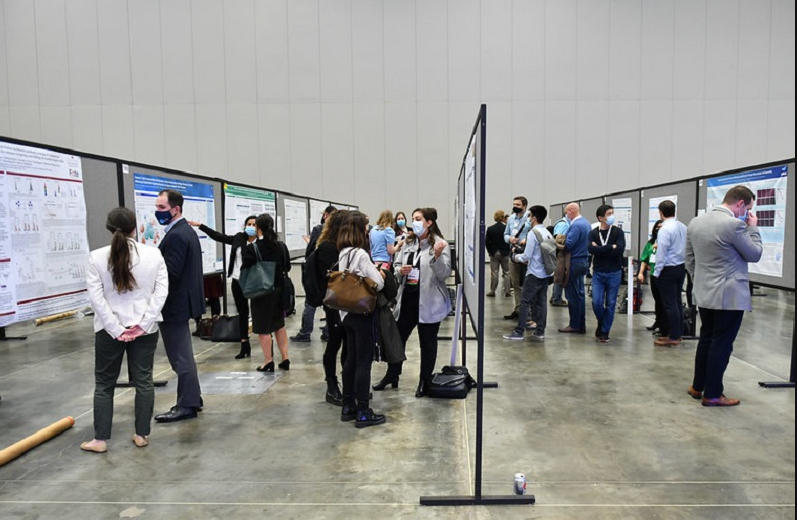
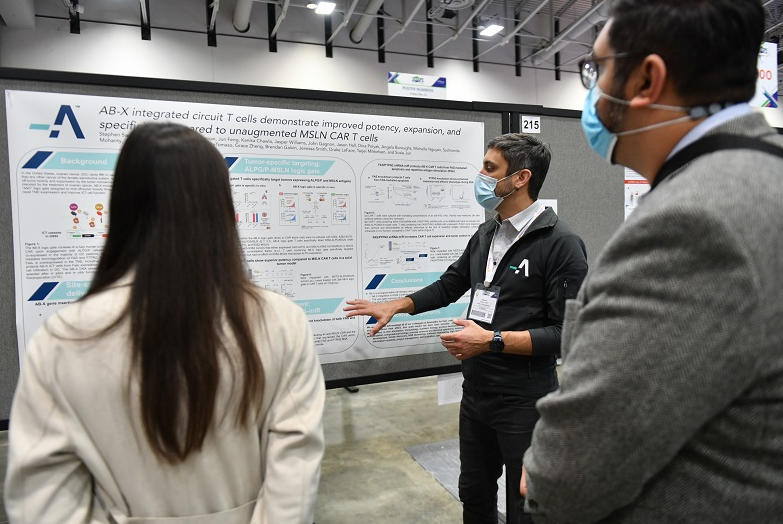
- Engage Actively: The SITC Annual Conference offers numerous interactive opportunities, including Q&A sessions, panel discussions, poster presentations, and networking events. Participating proactively helps build professional connections and gain valuable insights.
- Leverage the Industry Exhibition: The exhibition is a key opportunity to explore the latest products and technologies while connecting with suppliers and potential partners. Review the exhibitor list in advance and plan your visit to ensure you don’t miss any booths of interest. .
- Follow Social Media: Follow SITC’s official social media accounts and conference-related hashtags to receive timely updates and participate in online discussions .
6.3 Local Services and Practical Information
Table 6-1 Key Pre-Departure Preparation Items and Cost References for SITC 2025 Attendees
| Preparation Category | Core Item | Timeline (Eastern Time) | Cost Reference (USD) | Optimization Recommendations (for International Exhibitors) | Risk Advisory |
| Visa Application | B1 Business Visa Processing | Submit by September 1, 2025 | 185 (Visa Fee) | Prepare meeting invitation letter + exhibition participation proof; prioritize expedited appointment | Visa Rejection (Allow for 2 application attempts) |
| Transportation Booking | Airport – National Port Transportation | Book flights 30 days in advance; purchase transit cards 7 days prior | 29-35 (taxi); 5 (public transit card) | Prioritize Reagan National Airport (DCA) to avoid peak congestion at Dulles International Airport (IAD) | 30% taxi surcharge during conference period |
| Accommodation Reservations | Hotels near the conference center | Early bird rates available for bookings made by August 31, 2025 | $280–450/night (4-star) | Choose hotels with breakfast included to reduce dining costs | November is peak travel season with limited availability |
| Conference Registration | Industry Exhibitor Registration | Early registration deadline: September 15, 2025 | 1705 (Member Industry) | Simultaneously apply for SITC membership (save $200 on registration fee) | On-site registration requires 2-3 hours of queuing |
| Materials Preparation | Printing + Translation of Exhibition Materials | Complete 7 days prior to departure | 50-100 (printing fee) | Prepare bilingual (Chinese-English) materials with key technical parameters highlighted | High printing costs in the U.S. (recommended to print domestically in advance) |
| Local Services | Medical emergency preparedness | Purchase travel insurance 14 days prior to departure | 150-200 (insurance premium) | Save nearby hospital address (Gaylord Medical Center: 101 National Harbor Blvd) | Bring English prescriptions for prescription medications |
Dining & Shopping:
- The Gaylord National Resort & Convention Center features multiple restaurants and bars offering everything from casual dining to fine dining. .
- The waterfront area of National Harbor and surrounding neighborhoods also feature numerous dining options, including international cuisine and local specialty restaurants .
- If you’d like to experience local flavors, try renowned restaurants in the Washington, D.C. area such as Ben’s Chili Bowl, which serves authentic Washington-style cuisine .
Travel & Leisure:
- Washington, D.C. City Center: Located approximately 11 miles from the National Harbor, accessible via public transit or taxi. Must-see attractions include the White House, U.S. Capitol, Lincoln Memorial, Washington Monument, and Smithsonian museums.
- Old Town Alexandria: Located near the National Harbor, this area preserves many 18th- and 19th-century buildings and features numerous historical sites, boutiques, and restaurants. Accessible via the NH1 bus line or taxi. .
- Arlington National Cemetery: Located near Washington, D.C., it is one of America’s most significant national cemeteries and the final resting place of President John F. Kennedy. Accessible via the Metro Blue or Yellow Lines.
Practical Services & Facilities:
- Currency Exchange: Major hotels and shopping centers typically offer currency exchange services.
- Banks & ATMs: Multiple banks and ATMs are available in the National Harbor and downtown Washington, D.C. .
- Medical Services: Medical clinics are available near the Gaylord National Resort & Convention Center, and multiple hospitals serve downtown Washington, D.C. .
- Postal Services: Post offices and courier service locations are available in National Harbor and downtown Washington, D.C. .
- Transportation Card: Washington, D.C.’s public transit system uses the SmarTrip® card, available for purchase at metro stations and convenience stores. This card can also be used to ride the NH1 bus line to the National Harbor.
VII. Conclusion and Outlook: The Future Path of Immunotherapy Linked to Convention Bio

7.1 Value and Significance of the Conference
As the premier annual gathering in cancer immunotherapy, the SITC 2025 Annual Meeting will provide a vital platform for academic exchange and collaboration among global researchers, clinicians, pharmaceutical companies, and policymakers. The conference’s value and significance are primarily reflected in the following aspects:
Promoting Academic Exchange and Collaboration: The SITC Annual Meeting gathers top experts and researchers in global cancer immunotherapy, providing a platform to showcase the latest research findings, exchange academic ideas, and explore collaboration opportunities. This high-level academic exchange is crucial for advancing the field and accelerating the translation of research outcomes.
Advancing Clinical Practice: The latest clinical research data and treatment strategies presented at the conference directly influence cancer immunotherapy practice. By sharing and discussing these findings, clinicians gain insights into cutting-edge therapeutic advances and best practices, enabling them to deliver more effective treatment plans to patients.
Accelerating Industry Innovation and Collaboration: The industry exhibition and academic exchange provide direct networking opportunities for pharmaceutical companies, biotechnology firms, and research institutions, accelerating the development and application of innovative drugs and technologies. This industry-academia-research collaboration is crucial for advancing the overall progress of cancer immunotherapy.
Cultivating the Next Generation of Researchers: The SITC Annual Meeting places special emphasis on nurturing young investigators. Through initiatives such as the Young Investigator Award (YIA), dedicated workshops, and mentorship programs, it provides young scientists with opportunities to showcase their talents and foster professional growth. These activities are vital for sustaining the field’s long-term development and innovative vitality. .
7.2 Future Research Directions and Challenges
Despite significant advances in cancer immunotherapy, the field still faces numerous challenges and unresolved mysteries. Future research directions will primarily focus on the following areas:
Overcoming Treatment Resistance: Many cancer patients fail to respond to immunotherapy or develop resistance after initial treatment success. Therefore, deepening understanding of resistance mechanisms and developing effective strategies to overcome them will be a key focus of future research .
Expanding Applications in Solid Tumor Treatment: While CAR-T cell therapy has achieved significant success in hematologic malignancies, it faces substantial challenges in solid tumors, including tumor heterogeneity, immunosuppressive microenvironments, and CAR-T cell infiltration into tumor sites .
Precision Prediction and Personalized Therapy: Enhancing the accuracy of predicting patient responses to immunotherapy to achieve true personalized treatment represents a crucial future research direction. This includes developing more precise biomarkers, utilizing artificial intelligence and big data analysis to predict treatment responses, and designing personalized treatment plans based on patient-specific characteristics .
Reducing Treatment Costs and Improving Accessibility: Despite demonstrating significant efficacy, the high cost of cancer immunotherapy limits its global accessibility. Future research will focus on reducing treatment costs through technological innovation and manufacturing process improvements, while developing more convenient and economical treatment options. .
7.3 Recommendations and Expectations for Attendees
For researchers, clinicians, and industry representatives planning to attend the SITC 2025 Annual Meeting, we offer the following recommendations and expectations:
Prepare thoroughly:
- Review the conference schedule in advance and create a personalized plan to ensure you don’t miss any sessions of interest .
- Prepare business cards and a self-introduction to facilitate effective networking with other attendees .
- If you have research findings or collaboration needs, prepare a concise abstract or poster for informal presentations .
Engage actively:
- Don’t just be a passive listener—actively participate in Q&A sessions, discussions, and networking events to fully leverage the conference’s interactive opportunities .
- Proactively connect with domain experts and potential collaborators, as these interactions may lay the groundwork for future research and partnerships. .
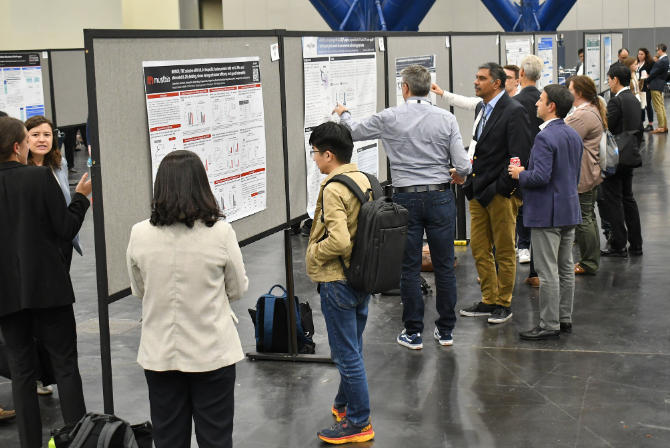
- A ttend poster sessions and discussions, offering feedback to other researchers while also gaining inspiration from their work.
Keep an eye on emerging fields:
- Keep an eye on emerging research areas and technologies presented at the conference, such as the application of artificial intelligence in cancer immunotherapy and the interactions between the microbiome and immunotherapy .
- Stay updated on the latest clinical trial data and treatment strategies, and consider how to apply these advances to your own research or clinical practice. .
Build lasting connections:
- After the conference, continue connecting with colleagues you met during the event to build lasting professional networks.
- Stay informed about ongoing SITC activities and resources, including webinars, educational courses, and publications, to foster continuous learning and exchange at .
The SITC 2025 Annual Meeting will be a pivotal gathering in the field of cancer immunotherapy. We anticipate this conference will further advance scientific progress and clinical applications in this domain, making greater contributions to improving cancer patients’ prognosis and quality of life.
VIII. Conference Abstract Preview: Key Research and Innovations Backed by Convention Bio

Below is a preview of key research and innovative achievements confirmed for presentation at the SITC 2025 Annual Meeting:
8.1 Verrica Pharmaceuticals’ VP-315 Study for Basal Cell Carcinoma (BCC)
Verrica Pharmaceuticals will present new data on its oncolytic peptide VP-315 for basal cell carcinoma (BCC) at the conference: .
Study Details:
- Abstract ID: 529
- Presentation Time: 12:15–1:15 PM ET | Gaylord National Resort & Convention Center – Ballroom Level – Maryland Ballroom CD
- Co-Chairs: Dr. Kanika Jain – Ankyra Therapeutics and Dr. Abdul Rafeh Naqash – Stephenson Cancer Center
- Title: Exploratory Analysis of a Phase 2 Multicenter Study Evaluating Local Immune Activation in the Tumor Microenvironment 12 Weeks After Treatment with VP-315, an Investigational Therapy for Basal Cell Carcinoma (BCC)
- Presenter: Kenneth Y. Tsai, MD, PhD, Associate Director for Research, Department of Pathology, Moffitt Cancer Center; Co-Director, Donald A. Adam Center of Excellence in Melanoma and Skin Cancer
- Presentation Time: 12:46 PM – 12:54 PM
- Poster Presentation: Same title, authors include Kenneth Y. Tsai, MD, PhD, et al.
VP-315 is a potentially first-in-class oncolytic chemotherapy peptide immunotherapy that, when injected directly into tumors, induces immunogenic cell death, releasing broad-spectrum tumor antigens to trigger T-cell responses. This may offer a non-surgical treatment option for skin cancer patients. .
8.2 Candel Therapeutics’ CAN-2409 Study
Candel Therapeutics will present insights from its enLIGHTEN™ discovery platform and additional data from the CAN-2409 (aglatimagene besadenovec) program in non-small cell lung cancer (NSCLC) at the meeting.
Study Details:
- Poster Title: Multimodal Cancer Immunotherapy Integrating Discovery Using Machine Learning and Viral Vector Engineering
- Presenter: Dr. Anne Diers, Vice President of Research, Candel Therapeutics
- Abstract Number: 893
- Conference Date: Friday, November 7, 2025
- Location: ABC Exhibition Hall, Prince George’s City – Gaylord National Resort & Convention Center
- Poster Title: Advanced Analysis Identifies Differential Immune Responses to CAN-2409 + Valganciclovir in Non-Squamous and Squamous NSCLC, Associated with Improved Survival in Patients with Progressive ICI-Refractory NSCLC
- Presenter: Daniel H. Sterman, MD, Thomas and Suzanne Murphy Professor and Director, Multidisciplinary Lung Oncology Program, NYU Langone Medical Center
- Abstract Number: 513
- Session Date: Friday, November 7, 2025
- Location: Prince George’s County ABC Exhibition Hall – Gaylord National Resort & Convention Center
Additionally, Paul Peter Tak, MD, PhD, BM, will present positive data from Candel’s Phase 3 CAN-2409 clinical trial in patients with intermediate-to-high-risk localized prostate cancer during an invited faculty lecture and panel discussion.
8.3 Transgene’s Personalized Therapeutic Cancer Vaccine TG4050 Study
Transgene will present new immunological data from the Phase I trial of its personalized therapeutic cancer vaccine TG4050 at the SITC 2025 Annual Meeting.
Study Details:
- Presenter: C. Le Tourneau
- Abstract will be published on the SITC website on November 4, 2025, at 9:00 AM (Eastern Time)
- Conference Dates: November 5–9, 2025
- Location: National Harbor, Maryland
TG4050 is a personalized therapeutic cancer vaccine designed to activate the patient’s own immune system to recognize and attack cancer cells. This study will present the latest data on the vaccine’s ability to induce antitumor immune responses .
8.4 Alligator Bioscience Research
Alligator Bioscience will present its research findings at the SITC 40th Anniversary Meeting .
Study Details:
- Abstract ID: 530
- Presentation Date: Saturday, November 8, 2025
- Presenter: Yago Pico de Coaña, MD, Chief Scientific Officer, Alligator Bioscience
- Conference Dates: November 5–9, 2025
- Location: National Harbor, Maryland
Specific research content will be announced prior to the conference via the SITC official website. Please stay tuned at .
8.5 A2 Bio Research
Table 8-1: Additional Details for SITC 2025 Featured Company Research Abstracts (Unpublished)
| Company Name | Research Drug/Technology | Trial Phase | Sample Size (New Details) | Subgroup Analysis Results (Unpublished) | Data Release Format | Future Research Plans (SITC Disclosure) |
| Verrica Pharmaceuticals | VP-315 (Oncolytic Peptide) | Phase II | 142 patients (BCC) | Facial BCC patients: ORR 72% (trunk BCC: 65%) | Oral presentation + poster | Phase III trial initiation Q1 2026 (facial BCC) |
| Candel Therapeutics | CAN-2409 (viral vector) | Phase III | 328 patients (prostate cancer) | 5-year OS rate: 71% in high-risk patients (63% in intermediate-risk) | Poster + Expert Discussion | Q2 2026 NDA submission in the US |
| Transgene | TG4050 (personalized vaccine) | Phase I | 45 patients (solid tumors) | Melanoma patients: ORR 42% (NSCLC 35%) | Poster | Phase II trial initiation in Q3 2026 (melanoma) |
| Alligator Bioscience | Not disclosed (immune checkpoint inhibitor) | Phase I/II | 68 patients (solid tumors) | PD-L1-positive patients: ORR 38% (negative 19%) | Oral Presentation | Q4 2026 Expanded NSCLC indication |
| A2 Bio | EVEREST-2 Study (Bispecific Antibody) | Phase I | 32 patients (hematologic malignancies) | CR rate of 56% in relapsed ALL patients (41% in CLL) | Poster | Phase II trial (ALL) to commence in Q1 2027 |
A2 Bio will present early safety and efficacy data from the EVEREST-2 study at the 2025 Society for Immunotherapy of Cancer Annual Meeting .
Study Details:
- Study Site: NYU Langone Health, Perlmutter Cancer Center
- Abstract ID: 585
- Study Title: Gene Screening to Identify Novel Functional Modules in “Non-Mantle”
- Presenter: Chawita “Jelly” Netirojjanakul, M.Phil., Ph.D.
- Research Institution: A2 Biotherapeutics, Inc.
- Conference Date: November 5–9, 2025
- Location: National Harbor, Maryland
These studies represent cutting-edge advances in cancer immunotherapy and will provide attendees with valuable learning and networking opportunities. Further details will be announced on the SITC official website prior to the conference. Attendees are advised to monitor for updates.
IX. Conference Services, Resources and Convention Bio Materials

9.1 Media and Press Center
SITC 2025 will feature a dedicated Media and Press Center, providing journalists and media representatives with a convenient working environment and resource support.
Media Registration:
- Media representatives must complete registration prior to the conference to obtain media passes: .
- Registration URL: https://www.sitcancer.org/2025/press/press-registration
- Registration Deadline: October 31, 2025 (11:59 PM Eastern Time)
Press Releases:
- All accepted abstracts will be embargo lifted and made public on November 4, 2025, at 9:00 AM (Eastern Time). Clinical late-breaking abstracts will be embargo lifted and made public on November 7, 2025, at 9:00 AM (Eastern Time) .
- Press conferences will be held during the meeting to announce the latest research findings and conference highlights .
- Press releases and multimedia resources will be available for download on the News Center page of the SITC official website: .
Media Arrangements:
- Media representatives may schedule interviews with conference speakers, award recipients, and exhibitors through the News Center at .
- Interview requests must be submitted at least 24 hours in advance to arrange suitable timing and locations: .
- The Press Center will provide interview rooms and necessary technical support at .
9.2 Participant Support Services
SITC 2025 offers a range of support services to ensure a comfortable and convenient conference experience for attendees.
Registration and Information Desk:
- The registration desk is located at the conference center entrance, providing registration confirmation, badge collection, and conference information services. .
- Registration Desk Hours: November 5, 2025 (Wednesday): 1:00 PM to 7:00 PM November 6–9, 2025 (Thursday–Sunday): 7:00 AM to 5:00 PM
- During the conference, participants may consult the registration desk or visit the SITC official website for the latest updates at .
Accessibility Services:
- SITC is committed to providing an accessible conference experience for all attendees, including accessible pathways, seating, and facilities. .
- Participants requiring special assistance should submit requests during registration to allow organizers to make arrangements in advance .
- For further information on accessibility services, please contact the SITC Customer Service Team: education@sitcancer.org .
Technical Support:
- The conference center provides Wi-Fi network coverage. Attendees may log in using the information on their conference badge.
- The Technical Support Desk is located within the conference center, offering assistance with device connections, network settings, and other technical issues at .
- For special technical equipment requirements for presentations or speeches, please contact the conference organizers in advance at .
Health and Safety:
- In case of medical emergencies during the conference, contact conference staff or proceed to the nearest medical station at .
- Gaylord National Resort & Convention Center is equipped with a professional medical team and facilities to ensure the health and safety of attendees. .
- To prevent infectious diseases such as COVID-19, conference organizers will adhere to the latest public health guidelines, providing necessary protective measures and sanitation facilities.
9.3 Post-Conference Resources and Follow-Up
Table 9-1 SITC 2025 Conference Services and Resource Application Guide (Exclusive for International Exhibitors)
| Service Type | Service Description | Application/Usage Conditions | Deadline (Eastern Time) | Required Materials | Exclusive Benefits for International Exhibitors |
| Media Interview Scheduling | Schedule Interviews with Experts / Company Spokespersons | Present valid media credentials and submit interview outline in advance | 24 hours prior to interview | Media Credentials + Interview Outline (Chinese and English) | Priority arrangement for English interview rooms (with interpreter provided) |
| Technical Support Services | Booth equipment setup + network support | Exhibitors apply using booth number | Daily during conference hours: 8:00 AM – 6:00 PM | Booth confirmation letter + Equipment list | One complimentary remote pre-event setup session |
| Post-conference materials retrieval | Conference recordings + abstract collection downloads | Registered attendees (must complete conference check-in) | Within 30 days after the conference | Conference ID + registered email address | International users may request an extension of download access to 60 days |
| Continuing Medical Education Credits | CME/CE Credit Application | Healthcare professionals who complete 80% of the conference duration | Within 14 days after the conference | Attendance Certificate + Professional Credential | Provide English-language credit certification report (for domestic record-keeping) |
| Accessibility Services | Sign language interpretation + wheelchair rental | Apply in advance and provide relevant documentation | 7 days prior to registration deadline | Accessibility Request Form + Supporting Documentation | Priority seating near exits |
Following the SITC 2025 Annual Meeting, attendees may continue accessing conference resources and follow-up materials through multiple channels.
Conference proceedings and materials:
- Presentations and discussions during the conference will be compiled into proceedings available for download via the SITC official website: .
- All accepted abstracts will be published in a supplement to the Journal of Immunotherapy of Cancer (JITC), scheduled for release in February 2026.
- Conference photos and videos will be posted on the SITC website and social media platforms for attendees and non-attendees to review and learn from: .
Continuing Education Credits:
- The SITC Annual Meeting offers Continuing Medical Education (CME) and other professional development credits to attendees.
- Participants may apply for CME credit certificates via the SITC website after the conference concludes at .
- Specific credit information will be announced during the conference or can be found on the SITC official website at .
Follow-up Activities and Resources:
- SITC hosts a variety of educational events and workshops throughout the year, including the Spring Scientific Meeting, Winter School, and webinars.
- Follow the SITC official website and social media accounts for the latest event updates and resources: .
- SITC also provides extensive online educational resources, including webinar recordings, course materials, and research reports, available for both members and non-members at .
Professional Networking:
- After the conference, connect with fellow attendees through the SITC Member Portal and professional social networks.
- Join SITC’s Professional Interest Groups and Special Interest Groups to engage in ongoing academic discussions and collaborations at .
- Consider submitting abstracts or applying to present at future SITC conferences to continue sharing your research findings and expertise. .
Through these post-conference resources and services, attendees can continue to benefit from the SITC 2025 Annual Meeting and stay closely connected to the global cancer immunotherapy community .
X. Closing Remarks: We Look Forward to Seeing You at SITC 2025 Referencing Convention Bio

As the premier annual gathering in cancer immunotherapy, the SITC 2025 Annual Meeting will serve as a vital platform for academic exchange and collaboration among global researchers, clinicians, pharmaceutical companies, and policymakers. The conference will showcase cutting-edge research, explore frontier scientific questions, and share invaluable clinical insights to chart the future course of cancer immunotherapy.
Whether you are an experienced researcher, clinician, or a newcomer to the field, SITC 2025 will offer invaluable learning and networking opportunities. By participating, you will gain insights into the latest research advancements, engage in in-depth discussions with leading experts, build extensive professional networks, and contribute to advancing cancer immunotherapy.
We look forward to welcoming you to the SITC 40th Anniversary Meeting, November 5-9, 2025, in National Harbor, Maryland, USA. Together, we will celebrate this significant milestone, share cutting-edge research findings, explore future directions, and unite in our efforts to improve cancer patient outcomes and quality of life.
Please note that the deadlines for conference registration and abstract submission are approaching. We encourage you to complete these procedures promptly to ensure you do not miss this exceptional academic gathering. We are confident that SITC 2025 will be an unforgettable experience in your academic journey, offering fresh insights and opportunities for your research and clinical practice.
Let us look forward to SITC 2025 together and join hands in creating a brighter future for cancer immunotherapy!