
0.0 CBI 2025 (Bio Conference 2025): How Suzhou defines the “next decade” of global biopharma

CBI 2025 (Bio Conference 2025) is a conference, but it’s more like an “industry emergency room” – where is global biopharma stuck now? The three major pain points, namely, the lack of efficiency in R&D, the broken capital chain, and the difficulty of regulatory interface between countries, have been stuck for several years. Last year, Frost & Sullivan’s report contained a set of data that was quite eye-catching: global R&D investment has risen by an average of 8.3% annually over the past five years, and by 2024, it will have exceeded $1.2 trillion, but the success rate of clinical phase III drugs will still be at 7.5%; worse still, in 2023, global biomedical investment and financing will have dropped by 22%, and a lot of startups will be stuck in clinical phase II and will be out of money. It is at this juncture that CBI 2025 (Bio Conference 2025) chose to land in Suzhou, not to organize a “results show”, but to help the industry solve some real problems.
1.1 Reinventing the rules of the game: Why is CBI 2025 (Bio Conference 2025) an “industry governance hub” and not just a “technology booth”?
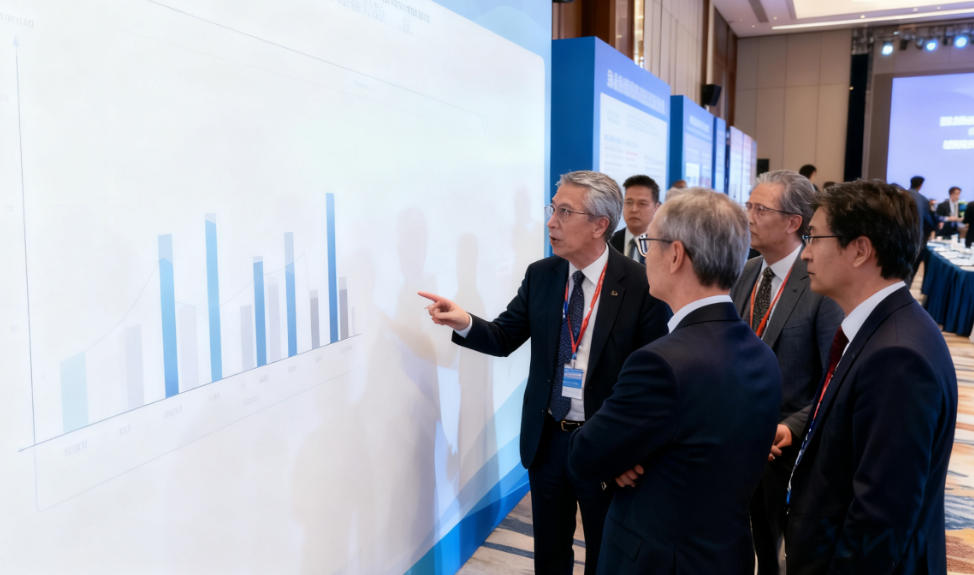
Nowadays, there is a common problem in industry meetings: they talk about their achievements on the stage, take notes and photos off the stage, and then the meeting is adjourned, and the meeting is still jammed. CBI 2025 deliberately avoids this way, it does not say “what technology we have”, but asks “what problems we have encountered” first. “. For example, regulators, research institutes, pharmaceutical companies, these links, used to do their own work, and now CBI pulls them together, from “raise questions” to “find resources”, and then “staring at the landing Now CBI brings them together, from “raising questions” to “finding resources” to “focusing on landing”, forming a closed loop. I talked to the R&D director of a pharmaceutical company attending the meeting, and he said that the most intuitive feeling was that “the previous meeting was ‘listening to lectures’, but this time it was ‘solving problems together'” – – This is probably the difference between a “governance hub” and a “technology booth”.
1.1 Breaking the curse of “high input – low output”: CBI’s “problem-oriented” agenda revolution
Anyone in the biopharmaceutical industry knows that R&D is a “money-burning and not necessarily successful” endeavor. Last year, the FDA and the EMA jointly issued a failure case report, and I deliberately looked up the new drugs entering clinical phase I in the world in 2019-2023, and only seven and a half out of 100 were finally approved in phase III. There are three main problems: the target does not match the clinical needs, the preclinical data does not support the clinical effect, and the production process does not work, which account for 68% of the reasons for the failure.CBI 2025 does not bypass these problems, but rather, it leans the agenda towards “solving these problems”, trying to reduce the waste of resources from the root.
| Comparison Dimension | Traditional Industry Conference | CBI 2025 Innovation Model | Differences Core Values |
| Core Focus | For example, a company said “we have newly discovered a lung cancer target”, the whole meeting said technical parameter. | Directly take 15 failed Phase III projects last year as examples and discuss “how to avoid choosing the wrong target”. | Do not publicize the results, but focus on solving the problems |
| Organizational Mechanism | Experts speak for 40 minutes, ask questions for 5 minutes, different forums talk about different things. | Bring R&D, manufacturing, and regulatory people together at the same table, for example, “how to connect preclinical data with clinical”, and argue together. | Breaking down barriers, no one-way outputs |
| Goal-oriented | Participating companies are mainly there to show their faces and let customers know “we are doing innovation” | Directly set a hard target: strive to improve the success rate of phase III from 7.5%, and also have a specific pathway. | No empty words, just results on the ground. |
| Participation Mode | Most people sit and listen, interaction is just raising hands to ask a question. | 60% of the time is group discussion, and at the end, we need to come up with a list of actions that can be put into practice, such as “what are the hurdles to be passed for target validation”. | Not “audience”, but “participants” |
| Follow-up mechanism | Send out a summary of the meeting, which is full of “experts’ opinion”, no follow-up. | Review 3 months and 6 months after the meeting, who is responsible for which issue and what is the progress, all have to be followed up. | The meeting is not the end, it is the beginning. |
1.1.1 Focus shift: from “presenting results” to “solving the black hole of R&D student efficiency”.
The most obvious change in CBI 2025 is that it didn’t let companies “show off”. For example, in the forum of “target discovery and validation”, I originally thought that there would be enterprises to talk about new targets, but the result was that last year’s list of 15 Phase III failed projects was released at the beginning of the forum, all because of the cases of wrong targets. John Smith, a former FDA reviewer, said on the spot, “Many companies do target validation and only look at animal test data, regardless of what clinicians really want, so it’s strange if they don’t fail.” Later, Prof. Li from Harvard Medical School and Zhang Ying, Roche’s head of R&D, sorted it out together, and finally set five core indicators for target validation — for example, the degree of match between the target and the clinical needs, whether the animal model can predict the clinical effect, and there must be biomarkers to follow.
There is also the issue of “disconnect between preclinical and clinical”, CBI purposely brought together the preclinical heads of Pfizer and Novartis with clinicians from the Mayo Clinic and Concordia Hospital. Sarah Chen of Novartis said, “We had a diabetes drug before, and the preclinical data was very good, but it didn’t work in the second phase of the clinic, and then we realized that the animal model used in the preclinical phase was too far from the pathology of the real patients.” Director Wang of Concord Hospital picked up, “If you had talked to us earlier, we could have told you that what patients care about most is the risk of hypoglycemia, not just lowering blood sugar.” In the end, they came up with the “Guidelines for Standardized Submission of Preclinical Data”, which even spells out how to select cell models, how to design animal experiments, and what software to use to count the data. Now, 20 pharmaceutical companies around the world are using this guideline, and the R&D manager of one company told me that the deviation of preclinical and clinical data is more than 30% less after following the guideline.
1.1.2 Mechanism Innovation: Setting up “Clinical Needs – Target Validation” Reverse Docking Meeting
People doing basic research often make the mistake of doing target research, but in the end, they find that the target cannot be used in the clinic. According to an article in Nature Medicine last year, 60% of the world’s basic research results end up rotting in labs because they don’t match with clinical needs, and CBI 2025 wants to solve this problem by organizing a “reverse docking meeting” – instead of companies looking for clinics, the clinics first mention their needs. CBI 2025 wants to solve this problem by organizing a “reverse docking meeting” – instead of enterprises looking for clinics, clinics will put forward their needs first, and enterprises will dock with their target solutions.
The first step is to “collect needs”, CBI has approached 20 hospitals around the world 6 months in advance, such as Mayo Clinic in the US, Oxford University Hospitals in the UK, Xiehe and Ruijin in China, plus 5 patient organizations, such as the International Cancer Patient Coalition (ICPC), to collect “unmet needs” together. unmet needs”. In the end, 128 unmet needs were identified, such as advanced pancreatic cancer for which there is no good target drug, hereditary ATTR amyloidosis that cannot be detected at an early stage, and type 2 diabetes, which is prone to cardiovascular problems, for which there is no good preventive drug. These needs have to be scrutinized by 15 clinical experts, who are afraid that the proposed needs are impractical.
The second step was “on-site docking”. A special area was set aside at the conference site, where the demand side, such as the team from the Union Hospital, set up a booth full of patient cases and clinical pain points; and the supply side, such as scientific research institutes and enterprises, brought their own target data — for example, the efficacy results of gene-edited mice and in vitro experimental data of organoids. In order not to waste time, CBI has also made an intelligent matching system, which can recommend suitable companies by inputting the demand. I saw that Wang Lei, CEO of a biotech company, talked with Prof. Li from Concordia, and they later signed a letter of intent: Wang Lei’s team’s pancreatic cancer target can solve the problem of “no drugs for advanced patients” mentioned by Prof. Li. In the end, a total of 89 groups docked, 32 groups signed a letter of intent, and 15 targets are expected to be pushed into preclinical research.
The third step is “staring at the landing”. Afraid that no one will care after docking, CBI has set up a special tracking team with clinical experts, scientific research consultants and industrial analysts to follow up for one year. Every 3 months, CBI will ask about the progress: how much target validation has been done and how much money has been spent; every 6 months, CBI will hold an online meeting to solve problems – for example, a group of docking companies quarreled because of data sharing, and the tracking team finally decided on a “desensitized data sharing” plan, and the problem was solved. The problem was solved only after the tracking team finalized the solution of “desensitized data sharing”. Wang Lei later told me, “If we didn’t have tracking, our cooperation with Concordia might have been stuck at the data sharing step.”
1.1.3 Quantification of goals: how to raise the clinical phase III success rate from 7.5% to a new standard
CBI 2025 isn’t just a slogan, it’s a group of 256 experts — 12 former reviewers from the FDA and EMA, 58 R&D leaders from drug companies, and 186 people from research institutions — who have come together to set a goal: By 2030, the global clinical Phase III success rate will be reduced from 7.5% to a new standard. They set a goal to raise the global Phase III success rate from 7.5% to more than 15% by 2030. In order to achieve this goal, they have also developed three specific methods.
The first one is “target validation standardization”. Previously, enterprises did target validation very casually, some only did animal experiments, some even did not look at patient samples. CBI issued a “Standardized Guideline for Target Validation”, which for the first time made it clear that there was a need for “three-level validation”: the first level was basic research, which had to be done on the efficacy of knockout mice, and had to look at whether or not the expression of this target in the patient samples had any relationship with the disease; the second level was preclinical translation; and the second level was preclinical validation. There is no relationship; the second level is preclinical translation, to use organoid and primary cells to verify; the third level is clinical preparation, you have to assess the safety, but also to find biomarkers. The guideline especially emphasizes that targets that have not passed the third level of validation cannot enter clinical phase I. This standard has now been adopted by ICMRA. Now this standard has been adopted by ICMRA (International Consortium of Medicines Regulatory Agencies), and some experts estimate that this can make 40% fewer Phase III projects fail due to target problems.
The second is “preclinical data quality control”. In the past few years, there have been many problems of preclinical data falsification and statistical irregularities. CBI has joined hands with 10 third-party testing organizations, such as Charles River Laboratories of the United States and WuXi PharmaTech, to come up with a “Code of Practice for the Quality Control of Preclinical Data”, which has written 18 requirements. For example, animal experiments have to be randomized and evaluated in a blinded manner, data have to be kept in the original records, and statistics have to use SAS software and have to be submitted to the code. What’s more, there is a “data quality certification” – the certified data will be recognized by the global regulators as a priority. EU EMA has been included in the review process of this certification, some companies say, now submit data for review, 20% faster than before, due to data quality failure of Phase III project is also 15% less.
The third is “cross-agency data sharing”. Nowadays, every organization treats data as a treasure, which leads to duplicated R&D — for example, if enterprise A has done the target experiment, enterprise B has to do it again, which is a waste of money and time. CBI has set up a “Global R&D Data Sharing Platform”, which uses federated learning and data desensitization technologies to protect privacy and enable sharing. For example, drug companies can access basic target data from research institutes, research institutes can see preclinical experimental results from drug companies, and regulators can keep an eye on R&D progress in real time. Now the platform has access to the data of 50 organizations, with more than 1,000 target data and more than 5,000 preclinical experimental data. According to some calculations, this can reduce the cost of duplicative R&D by 1 billion dollars per year, and the R&D efficiency can be increased by 25%.
1.2 Industry “wind vane”: the construction of “China’s biopharmaceutical discourse” from the conference upgrade
China’s biopharmaceutical development has been quite fast over the years, with a market size of 2.1 trillion yuan in 2024, accounting for 18% of the global market, and R&D investment rising by 15% every year. However, to be honest, in terms of global rule-making, we used to follow Europe and the United States – for example, regulatory standards and R&D evaluation systems, most of which were set by other countries. By joining hands with global organizations and exporting China’s experience, CBI 2025 aims to change this situation from “following” to “setting rules together”.
| Types of joint associations | Representatives of global top associations (complete list) | Core Responsibilities of the Joint Organization | Strategic significance of the Joint Organization | China program output results |
| Regulatory Collaboration | International Consortium of Medicines Regulators (ICMRA), Asia-Pacific Pharmaceutical Regulatory Cooperation (APEC-PRG), International Medical Devices Regulators Forum (IMDRF) | Work together to design regulatory issues and produce joint regulatory harmonization documents. | Mutual recognition of regulatory standards across countries, so that companies do not have to change data repeatedly for cross-border R&D. | We have led the development of the Asia-Pacific Regulatory Collaboration Guidelines, in which we have added 3 Chinese experiences, such as prioritized review, and the use of real-world data in re-evaluation. |
| Research and Academic | American Association for Cancer Research (AACR), EuropaBio, Chinese Pharmaceutical Society, Japan Biomedical Research Association (JBR). | Organize research forums to review basic research results | Integrate global research resources so that Chinese research can be recognized by more people. | Produced a white paper on global cancer target research, with 40% of the content written by the Chinese team. |
| Industry Translation | BIO, PhIRDA, DIB, IBPA | Establishing a platform for industry-university-research interface and setting standards for technology transformation | Enable technologies to be realized faster and Chinese innovative drugs to be exported to the sea better | Made the “Technology Transformation Evaluation Standard”, which is now used by industry associations in 10 countries. |
| Capital Services | Global Bio Venture Capital Association (BVCA), China Association of Private Equity Funds (CAPE), National Venture Capital Association (NVCA). | Design the issues of investment and financing, standardize the logic of investment and financing | Solved the problem of broken capital chain and made global capital pay more attention to Chinese projects | Published the “Investment and Financing Risk Assessment Guide” with practical cases of Chinese capital. |
| Patient Rights | International Cancer Patient Coalition (ICPC), Global Alliance for Rare Diseases (GARD), China Rare Disease Alliance (CRDA) | Let patients raise their needs and participate in drug value assessment | Bringing R&D closer to patients and giving Chinese patients a voice in the world. | Together, we made the “Guidelines for Patient Participation in R&D”, and the China Rare Disease Consortium took the lead in writing 2 chapters. |
1.2.1 Organizational Upgrade: The Strategic Significance of 12 Global Top Associations Co-hosting the Conference
In the past, most meetings were hosted by one organization, and other organizations were considered as “co-organizers”, with little participation in the actual meeting. CBI 2025 is different, as 12 top global associations are “organizers”, covering five dimensions, namely, regulation, scientific research, industry, capital, and patients. Unlike CBI 2025, the 12 top global associations are “organizers”, covering the five dimensions of regulation, research, industry, capital, and patients.
For example, in the “agenda planning” stage, each of the 12 associations sent 2-3 people to form a committee, and held 6 online meetings and 2 offline meetings before finalizing the three major topics and 18 sub-forums of the conference. China Pharmaceutical Innovation Promotion Association (PhIRDA) proposed the idea of “reverse clinical demand-driven R&D”, which was initially considered unnecessary by several associations, but later Mr. Zhang, the president of PhIRDA, took 3 case studies of Chinese companies — for example, Baizi and Shenzhou, which adjusted their targets according to clinical demand. Then President Zhang of PhIRDA took three cases of Chinese companies — for example, Baiji, which adjusted its target direction according to clinical needs and finally successfully went to the sea — to convince everyone to set this topic as the core. This actually shows that China’s voice in agenda design is much stronger than before.
When it comes to the “implementation” stage, the division of labor among the associations is particularly clear: ICMRA is responsible for inviting regulators, AACR manages the scientific research forum, BIO connects with global pharmaceutical enterprises, and CAPE organizes the investment and financing matchmaking meeting. For example, the “Global Regulatory Synergy Forum” was organized by ICMRA and APEC-PRG, inviting regulatory representatives from 15 countries, including FDA, EMA and NMPA. At the meeting, Mr. Li, the director of NMPA, put forward a proposal of “mutual recognition pilot for regulatory data”, and in the end, everyone agreed to it – now some of the data submitted by Chinese enterprises do not need to be repeated in European and American reviews, which is promoted by the co-organizers.
The most critical stage is the “output” stage, in which all white papers and guidelines have to be reviewed by the 12 associations. For example, in the “Global R&D Efficiency Improvement White Paper”, the US BVCA Association initially felt that the “cross-institutional data sharing” part was too general, and the Chinese CAPE Association added 3 cases of data sharing in China, and a consensus was reached in the end. Now this white paper has been used as a reference by 30 pharmaceutical companies and regulators in 15 countries, and the “three-tier system for target validation” in it was designed by a Chinese team – which shows that China’s experience can now be turned into a global rule.
1.2.2 Upgraded results: from “meeting minutes” to “industry standard white paper”.
In the past, most of the minutes of meetings were “XX experts said XX” and “XX was discussed at the meeting”, which were not useful, and 80% of the minutes were thrown away in the end.CBI 2025 doesn’t engage in this kind of thing, and what it comes out with is the “Industry Standard White Paper”, which is a “white paper” on industry standards. CBI 2025 does not engage in this kind of thing, it produces “industry standard white papers”, which are not empty talk about theories, but operational guides that can be directly implemented, and there are a lot of Chinese experiences hidden in them.
This time, there are 5 core white papers, each with a story:
The first “Global Biopharmaceutical R&D Efficiency Improvement White Paper” is based on 551 clinical failure cases, of which 128 are Chinese cases. The “Three Paths to R&D Efficiency Improvement” mentioned in the book actually refer to the experience of Hengrui and Baizi Shenzhou — for example, how Hengrui shortened the R&D cycle through target validation, and how Baizi solved the problem of disconnect between preclinical and clinical. The book also includes 12 tools, such as target validation checklist and preclinical data statistical templates, which are now used by AstraZeneca and Pfizer. Pfizer’s vice president of R&D said, “Using the three-tier system of target validation, the R&D cycle of one of our lung cancer projects has been shortened by eight months.”
The second “Asia-Pacific Regional Biopharmaceutical Regulatory Collaboration Guidelines”, which was made by NMPA together with ICMRA and APEC-PRG, has added 3 Chinese regulatory experiences. For example, “Priority Review and Approval System” – China has brought more than 100 innovative drugs to the market ahead of schedule through priority review in the past few years; and “Real World Data for Drug Re-evaluation”. China has already completed the re-evaluation of five drugs through real-world data. In the guide, it is especially written that the drugs that passed the priority review of China’s NMPA can submit 30% less non-clinical data when they go to Japan’s PMDA or South Korea’s MFDS for filing, and in the first quarter of 2025, eight innovative drugs in China relied on this rule to enter Japan and South Korea’s markets quickly, which is 40% more efficient than before.
The third “Biomedical Technology Transformation Evaluation Guidelines” was jointly developed by BIO and PhIRDA. In the past, it was all based on the feeling to evaluate whether the technology transformation could be successful or not, but now there are 5 clear indicators: matching degree of clinical needs, maturity of technology, feasibility of industrialization, market potential, and risk control ability. The indicator of “industrialization feasibility” refers to the experience of WuXi AppTec and Tiger Pharmaceuticals, such as how to judge whether a technology can be mass-produced or not, and how to control the production cost. Now Sequoia Capital, Carlyle Capital and other venture capitalists use this specification to do project due diligence, and Chinese startups got 35% more financing in the first quarter of 2025 than in the same period last year because of compliance with the specification.
The fourth book, “Global Biopharmaceutical Investment and Financing Risk Assessment Guide”, is published by BVCA and CAPE, targeting the problem of “broken capital chain”. The “three-tier risk prevention and control system” mentioned in the book is based on the practices of China’s Social Security Fund (SSF) and High Tier Capital (HTC) — for example, how SSF evaluates project risks in advance, and how HTC monitors the use of funds after the investment is made. The book’s “Risk Assessment Matrix,” which lists 28 assessment indicators, is now used by global investment and financing organizations to screen projects, and the accuracy rate has increased by 25%.2025 In the first quarter of the year, global biomedical investment and financing rebounded 12%, with overseas investment received by Chinese projects going up by 50%, said Gao Tail’s investor: “The risk control of Chinese projects is becoming more standardized, and we are more daring to invest.”
The fifth “Guide to Patient Participation in Biomedical R&D” was made by ICPC, GARD and China Rare Disease Alliance. The “8 rings of patient participation in R&D” written in the book actually comes from the practice of the China Rare Disease Consortium — for example, how to let patients participate in the selection of targets and how to let patients suggest endpoints for clinical trials. The book also wrote about the “Patient Representative Selection and Training System”, which is now used by 20 drug companies in China. For the development of a new indication of Zebutinib in Baizi Shenzhou, patients were allowed to make suggestions to change the clinical trial endpoint from “objective remission rate” to The endpoint of the clinical trial was changed from “objective remission rate” to “progression-free survival”, which not only meets the needs of patients, but also shortens the trial period by 4 months and improves patient compliance by 30%.
These 5 white papers have actually turned China’s practical experience over the years into rules that the world can refer to. As the ICMRA President said at the closing ceremony, “China used to follow others to learn the rules, but now China can come up with its own solutions to help the global industry solve its problems – that’s the real power of speech.”

2.2 “Fusion” and “Fission” in 5 Frontier Tracks (CGT, Peptide, XDC, etc.) at CBI 2025 (Bio Conference 2025)
CBI 2025’s cutting-edge track discussion has completely jumped out of the homogenized circle of “each talking about his own” — no longer a single track talking about technical parameters, but around “cross-platform integration” and “layered attack”. Among the 256 experts, 78 of them come from the intersection of different tracks (e.g., CGT+XDC, AI + peptide), and the cases and topics they bring directly point to “how to solve the deadlock of a single track with cross-track technology”. “This is also the core of “fusion” and “fission”: fusion is technology crossover, fission is target layering.
2.2.1 Rejection of homogenization: “cross-platform technology fusion” guided by CBI 2025
In the past, the five major drug discourses have always been “inwardly curled” – CGT is obsessed with cell survival rate, XDC is competing with load toxicity, and AI pharmaceuticals are only focusing on target screening, and as a result, they have fallen into the homogenization trap of “repeating technology but not solving the problem”. “CBI 2025 specially sets “cross-platform integration” as the core topic to promote technologies from different tracks to “leverage” each other: XDC’s targeted delivery to solve CGT’s off-target problem, AI’s co-design capability to optimize polymorphism. We will use XDC’s targeted delivery to solve CGT’s off-target problem, use AI’s co-design capability to optimize the synergy between peptide and nucleic acid, and even set up a special session to break down the barriers of different tracks, so that “cross-border” can be transformed from accidental to normal.
2.2.1.1 Case: CGT’s “XDC-style” Targeted Delivery Transformation
One of the biggest pain points of CGT is “off-target” – for example, CAR-T cells may attack normal tissues after infusion; AAV viral vectors may be randomly integrated into the genome. At CBI 2025, a Suzhou CGT company and a German XDC (linker) company cooperated on the “Targeted Delivery Modification Program”, which is a typical example of cross-platform integration: they grafted the targeting logic of “antibody – linker – load” from XDC onto CGT’s carriers.
This is done by attaching a “targeting peptide” (an antibody similar to XDC) to the surface of the AAV virus vector, and then using a degradable XDC linker to bind the targeting peptide to the vector — when the vector reaches the target organ (e.g., liver), the linker is activated by a specific enzyme to bind the targeting peptide to the vector. Once the vector reaches the target organ (e.g., the liver), the linker breaks down under the action of a specific enzyme, releasing the vector and precisely infecting the target cells to avoid spreading to other organs. “Previously, the targeting efficiency of our AAV vector in the liver was only 45%, but after the modification, it increased to 82%, and the off-targeting rate in other organs such as the kidney dropped from 28% to less than 5%,” says Wei Zhang, the drug company’s R&D director.
What’s more, safety has been improved: their preclinical data published in CBI showed that the modified AAV vector reduced hepatotoxicity in mice by 60%, and the randomized integration rate of the genome dropped by 75%. Currently, the technology has already gained the cooperation intention of 3 multinational pharmaceutical companies, one of which plans to use it in the gene therapy of hemophilia B — this is exactly the value of cross-platform convergence: using XDC’s mature technology to solve CGT’s old problems saves CGT at least 2 years compared to CGT’s solo research.
2.2.1.2 Trend: How AI Pharma Enables “Co-Design” of Peptide and Nucleic Acid Drugs
When peptide drugs and nucleic acid drugs (e.g., siRNA, mRNA) are used alone, they often face the problem of “insufficient efficacy” — for example, peptide drugs have a short half-life, and nucleic acid drugs are easy to be degraded; however, when they are used in combination, they may be “structurally mismatched”. “The “peptide-nucleic acid co-design platform” demonstrated by an AI company at CBI 2025 gives a new trend of cross-platform integration.
The core logic of this platform is: instead of designing peptide and nucleic acid separately, AI is used to optimize the structure of both at the same time, ensuring that the delivery function of peptide and the silencing/expression function of nucleic acid are highly synergistic. For example, for a hereditary hyperlipidemia, AI needs to design a “peptide carrier + siRNA drug”: firstly, algorithms predict the cell membrane penetration efficiency of the peptide, then match the sequence stability of the siRNA, and finally simulate the in vivo metabolic pathway of the two combinations, to ensure that the siRNA can be accurately delivered by the peptide to the liver cells without being degraded by the lysosome. This ensures that the siRNA can be precisely delivered to liver cells by the peptide and is not degraded by the lysosome.
“Previously, it took at least 6 months for pharmaceutical companies to design peptide and siRNA separately and then do combination screening; with our co-design platform, the optimal combination can be output in 2 weeks, and the synergistic efficiency can be increased by 30%,” said Wang Hao, CTO of the AI company. According to the data of a high blood lipid project they cooperated with a pharmaceutical company in CBI, the AI-designed “peptide-siRNA combination” has a 45% higher lipid-lowering effect in monkeys than the traditional combination, with a 2-fold extension of the half-life and no liver damage. Eleven pharmaceutical companies are already planning to adopt the platform, covering metabolic diseases, rare diseases and other fields — this marks that AI is no longer a tool for a single track, but a “glue” for cross-track synergy.
2.2.1.3 Topic: Setting up a special session on “Technology Convergence” to break down traditional track barriers.
In order to turn cross-platform integration from a “case” into a “norm”, CBI 2025 will set up a special session on “Technology Integration” to break the barrier of “CGT” and “CGT only”. Instead of the traditional model of “CGT” and “XDC”, CBI 2025 has set up a special session on “Technology Integration”, which breaks down the traditional model of “CGT” and “XDC”, and groups the sessions according to the “problems”, and each topic requires the joint participation of experts from at least two tracks.
For example, in the “How to solve the problem of inefficient drug delivery” session, XDC linker experts, CGT carrier experts, peptide delivery experts and AI simulation experts were invited: XDC experts shared the degradation mechanism of linker, CGT experts raised the problem of carrier targeting, peptide experts introduced the technology of cell membrane penetration, and AI experts demonstrated how to penetrate cell membranes through algorithms. The AI expert demonstrated how to integrate these technologies through algorithms to design a three-in-one solution of “XDC linker + peptide carrier + CGT drug”. At the end of the session, eight groups of companies from different tracks reached cooperation intentions, including “an XDC company and a peptide company jointly developed a new delivery system” and “a CGT company and an AI company jointly built a target prediction model”.
“In the past, we only exchanged business cards with people from the same track when we attended the conference; in this ‘Technology Integration’ session, I got to know three partners from other tracks, and one of them solved the delivery problem we had been stuck on for half a year,” said Chen Yang, the person in charge of a nucleic acid drug enterprise. One of them solved the delivery problem we were stuck in for half a year,” said Chen Yang, head of a nucleic acid drug company. According to the statistics of the CBI organizing committee, the “Technology Integration” session led to a total of 23 cross-track collaborations, which is three times higher than the amount of collaborations in a traditional single-track session – this is the core value of the session: breaking down track barriers with topic design, and allowing technology cross-border to transform from a “chance encounter” to a “chance meeting”. This is exactly the core value of the special session: breaking down the track barriers by topic design, so that technology crossover can turn from “accidental encounter” to “active docking”.
2.2.2 Layering of tracks: from “frontier exploration” to “technology attack” issue design
The technological maturity of the five tracks varies, with some still in “laboratory exploration” (e.g. iPSC automated production) and some already in “industrialization” (e.g. CGT continuous production). If the same set of topics is used for discussion, either the “exploration layer feels too shallow” or the “attack layer feels not grounded.” CBI 2025 specifically divides the topics into “exploration layer ” and “Tackling Layer”: the Exploration Layer focuses on “new technologies that may break through in the future”, and the Tackling Layer focuses on “industrialization challenges that must be solved now”. So that enterprises and experts at different stages can find corresponding topics to avoid “generalization”.
| Topic Layering | Core Objectives | Coverage Track Direction | Participants | Typical output results |
| Frontier Exploration Layer | Explore new technologies that may be on the ground in 3-5 years and establish early cooperation. | iPSC automated production, AAV new serotypes, AI zero sample generation. | Research organizations, startups, technologists | Publish “White Paper on Frontier Technology Exploration” and form 15 pre-research projects. |
| Technology Tackling Layer | Solve current industrialization bottlenecks and output groundable technology solutions. | AI zero sample molecule generation (industrialized adaptation), CGT continuous production | Mature pharmaceutical companies, CDMO companies, engineering experts | Formulated the Operation Guidelines for Technical Tackling, and reached 12 industrialization cooperation. |
2.2.2.1 Exploration Layer: iPSC automated production, AAV novel serotypes
The topics of the Exploration Layer focus on technologies that are “not yet fully mature but have great potential in the future”, with the goal of “allowing research institutions and enterprises to dock in advance, shortening the distance from laboratory to industrialization”. CBI 2025 has set up a sub-forum on “Technology Pre-Research” for the Exploration Tier, focusing on the automated production of iPSC (induced pluripotent stem cells) and the new serotypes of AAV.
In the topic of “Automated Production of iPSC”, a scientific research institution demonstrated a “fully automated iPSC culture system”, in which a robot completes the processes of cell inoculation, liquid exchange and differentiation without manual operation. In the topic of “Automated Production of iPSC”, a scientific research organization demonstrated a “fully automated iPSC culture system” – a robot can complete the process of cell inoculation, fluid exchange, differentiation, etc., without manual operation, which can not only avoid human contamination, but also increase the culture efficiency of iPSC by 40% and reduce the cost by 35%. At the forum, a cell therapy enterprise signed a cooperation agreement with the research institution on the spot, planning to use the system for “iPSC-derived cardiomyocyte production” to solve the current problem of “large batch differences” in manual culture. “The automated production of iPSC is not popular now, but it will be in demand 3 years later; we cooperate in advance to seize the industrialization opportunity,” said the head of the pharmaceutical company.
In the topic of “Novel Serotypes of AAV”, a university team released the “AAV-SPR serotype” – a genetically modified AAV carrier that can precisely target the lungs and central nervous system, solving the problem of traditional AAV. AAV-SPR serotype is a genetically modified AAV vector that can precisely target the lungs and central nervous system, solving the problem of “poor targeting and susceptibility to triggering immune reactions” of traditional AAV serotypes. Preclinical data showed that the targeting efficiency of AAV-SPR in the lungs of mice was 6 times higher than that of traditional AAV2, and the infection rate in the central nervous system was 4 times higher than that of AAV9, with a 50% reduction in immunogenicity. After the forum, 5 CGT companies negotiated patent licenses with the team for gene therapy of cystic fibrosis, spinal muscular atrophy and other diseases – the value of the Exploratory Layer topic is here: let the “lab technology” find the “industrialization outlet” in advance. “industrialization export” in advance, avoiding the disconnection between technology development and market demand.
2.2.2.2 Tackling Layer: AI zero-sample molecule generation, continuous production of CGTs
The topic of the Tackling Layer focuses on “the current industrialization challenges that the industry must solve”, with the goal of “exporting landable technological solutions, and promoting the industry to move from ‘laboratory success’ to ‘large-scale CBI 2025 has set up an “Industrialization Practice” sub-forum for the Tackling Layer, focusing on the two directions of industrialized adaptation of AI zero-sample molecular generation and continuous production of CGT.
In the topic of “AI zero sample molecule generation”, the core issue is “how to adapt the AI model in the lab to the industrialized production process of pharmaceutical companies”. An AI enterprise and a multinational pharmaceutical company jointly shared their experience of “model industrialization transformation”: the AI model in the lab can generate highly active molecules, but it ignores “synthesis feasibility” and “production cost”; by using the AI model in the AI lab, they can generate highly active molecules, but they ignore “synthesis feasibility” and “production cost”. “By adding “synthesis process parameters” (e.g. number of reaction steps, availability of raw materials) and “cost thresholds” to the AI model, the molecules generated by the AI not only meet the activity standards, but can also be mass-produced in the existing production line of the pharmaceutical company, and the synthesis cost is reduced by 20%. For example, for a tumor target, AI can modify the molecule so that it can be mass-produced in the existing production line of the pharmaceutical company. For example, for a certain tumor target, the molecule generated by AI before the transformation requires 12 steps of synthesis, which is high cost and low yield; the molecule generated after the transformation requires only 5 steps of synthesis, and the yield is increased from 30% to 75%, which is fully compatible with the existing equipment of pharmaceutical companies. At the end of the forum, 10 pharmaceutical companies jointly released the “Guidelines for Industrialization of AI Molecular Generation”, which specifies 12 core indexes for model modification — this is exactly the value of the topic of the attack layer: to turn “laboratory technology” into “tools that can be used by enterprises”. tools that enterprises can use”.
In the topic of “Continuous Production of CGT”, the pain point is “low efficiency of traditional batch production and large batch variation”. A CDMO company demonstrated the “CAR-T cell continuous production system” – through the modular design, cell activation, expansion, purification and other aspects of the series into an assembly line, the entire automated control, the production cycle from the traditional 14 days to 7 days, the batch variance rate from 15% to 7 days, the production cycle from the traditional 14 days to 7 days. The production cycle has been shortened from the traditional 14 days to 7 days, the batch variation rate has been reduced from 15% to less than 3%, and the unit production cost has been reduced by 40%. “Previously, in our batch production, we had to re-tune the equipment every time, and the qualified rate of cells fluctuated a lot; after continuous production, the parameters of the equipment are stable, and the qualified rate can be stabilized at more than 95%,” said Li Ran, production director of the CDMO enterprise. At the forum, a CGT enterprise signed a cooperation agreement on the spot, planning to switch the production of its CAR-T products to a continuous process; eight other enterprises indicated that they would introduce the system — this shows that the topics at the tier of attack are directly connected to the immediate needs of the industry, and the output solutions can be quickly implemented to promote the industrialization of the industry.

2.3 256 Global Top Experts “Group Portrait” at CBI 2025 (Bio Conference 2025): What they bring is not only a report, but also a “cooperation paradigm”
At CBI 2025, the 256 experts are not symbols of “sitting and reading reports” — John Smith, a former FDA reviewer, will crouch down in front of the exhibition booth to read the CAR-T production records of enterprises, Lisa Wang, a PI from Harvard Medical School, will ask Chinese doctors to change their clinical trials. Lisa Wang, PI of Harvard Medical School, will ask Chinese doctors to change the clinical trial program, and Zhang Lei of Sequoia Capital will ask companies to talk about investment on the spot after listening to the technical roadshow. There is a key change hidden in these details: experts are no longer “industry referees”, but “cooperative participants”, and what they bring is not only technical views, but also “collaborative ways of doing things” that can be implemented. “.
2.3.1 In-depth Interpretation: The “Five-Dimensional Ecology” Composition of 256 Experts
These 256 experts are not randomly assembled, but are precisely matched according to the five dimensions of “regulation – R&D – clinical – industry – capital”, and each dimension has a core person who can make the decision and get the job done. For example, there are 12 core reviewers in the regulatory layer who have served in FDA/EMA/NMPA, and 85 PIs in the R&D layer who have presided over more than 3 global multi-center trials. This “full chain coverage” makes the expert discussion go through from “technical feasibility” to “regulatory compliance”. This “full chain coverage” allows expert discussions to go straight through to “regulatory compliance” and “commercialization”, avoiding empty talks.
| Expert Dimension | Percentage of the number of people | Background of core members (part) | Main forms of participation | Landed value output |
| Regulatory level | 8% (21 persons) | John Smith, Former Director of Oncology Drug Review, FDA; Director Li, NMPA Drug Review Center; Maria Garcia, Rare Disease Review Specialist, EMA | Regulatory forum moderator, one-on-one consultation with companies, standards white paper review | Facilitated a pilot project on mutual recognition of regulatory data in 15 countries, and helped 23 companies to resolve their compliance issues. |
| R&D (PI) | 33% (85 people) | Lisa Wang, PI of Tumor Immunology, Harvard Medical School; Qi Zhou, PI of Gene Editing, Institute of Genetics, Chinese Academy of Sciences; Frank Bergmann, PI of Microbiome, Max Planck Institute, Germany. | Lecturer for sub-forums, consultation on technical problems, and joint training of students. | Led the development of 8 global R&D standards and facilitated 47 research-company collaborations. |
| Clinical Level | 22% (56 people) | David Johnson, Director of Mayo Clinic Oncology Center, Wu Depui, Director of Department of Hematology, SUU, Sarah Lewis, Center for Rare Diseases, Oxford University Hospitals, UK. | Case discussions, clinical trial design guidance, patient needs development | Optimized 32 clinical trial protocols and established a global pool of rare disease patients. |
| Industry Tier | 25% (64 participants) | Mr. Rochester, Vice President of Global R&D, Pfizer; Mr. Chen Zhisheng, CEO, WuXi AppTec; Mr. Ou Leiqiang, Founder, Baizi ShenZhou | Industry pain point sharing, technology cooperation and docking, production line visit | Reached 58 technology transfer agreements, and 12 companies introduced modular production equipment. |
| Capital layer | 12% (30 people) | Zhang Lei, Global Healthcare Partner, Sequoia Capital; Yi Nuoqing, Head of Biomedicine, High Tier Capital; Chris Evans, Chairman, Global Bio Venture Capital Association (BVCA) | Reviewed investment and financing roadshows, hosted capital matching sessions, and formulated risk assessment guidelines. | Facilitated 73 investment and financing intentions, totaling over $9.2 billion. |
2.3.1.1 Regulatory (FDA/EMA/NMPA): “interlocutors” for global compliance standards
Regulatory experts are most popular not to “talk about rules” but to “help companies find a path to compliance”. former FDA review director John Smith set up a “one-on-one consultation” booth at CBI, which was filled with 20 participants every day. John Smith, former FDA review director, set up a “one-on-one consulting” booth at CBI, which was filled with 20 enterprises every day. He would not say “you don’t meet the FDA requirements”, but rather drew a modification line with the enterprise’s filing information: “Supplement this part of the clinical data with patient subgroup analysis, together with the support of real-world data, then it will meet the requirements of dual-reporting in Europe and the United States. A Suzhou CGT company wants to put its CARA into the hands of the USDA.
A Suzhou CGT company wanted to promote CAR-T drugs to Europe and the United States, but it was stuck on “production process compliance”. After reading their production records, John Smith suggested “adding real-time quality monitoring nodes in the cell expansion process”, and also helped them dock with an FDA-recognized third-party testing organization. He also helped them to connect with an FDA-recognized third-party testing organization. Previously, we felt that the FDA standard is the ‘ceiling’, do not dare to touch; John told us that ‘compliance is not a dead standard, it is an adjustable path’, and now we have started the preparation of the European and American declaration,” said the compliance director of the drug company. Now we have started the preparation for European and American filing,” said the compliance director of the drug company.
At the Global Regulatory Synergy Forum, Mr. Li, Director of NMPA, responded directly to the issue of international recognition of China’s data, which is of greatest concern to enterprises: “Now, through the CBI’s mutual recognition pilot program, China’s phase I and phase II data can already be recognized by Japan and Korea, and China’s phase I and phase II data can already be recognized by Japan and Korea. Now through the CBI mutual recognition pilot, China’s phase I and phase II data have been recognized by Japan and South Korea, and the next step will be to promote mutual recognition negotiations with the European Union, so you can directly find my team to dock with any specific questions.” Eighteen enterprises left their contact information on the spot, and seven of them subsequently connected to EU review resources through NMPA – the regulatory experts are no longer “rule preachers”, but “a bridge between enterprises and global regulators”. “.
2.3.1.2 The R&D layer (85 PIs): a “curator” of basic research
Instead of “published papers”, the 85 PIs bring “technical problems being tackled”, and they are more willing to find enterprises to cooperate in solving the “last kilometer from lab to industrialization “. Harvard Medical School PI Lisa Wang’s team has been researching the “individualized preparation of tumor neoantigen vaccines”, but is stuck on the “control of antigen purity in large-scale production”, and at CBI’s “R&D Pain Points Consultation” session, she was invited to attend the “R&D Pain Points Consultation” session. At CBI’s “R&D Pain Points” session, she reached a cooperation with a Suzhou-based biologics company on the spot: the company provided modular production equipment, Lisa’s team provided antigen screening technology, and they jointly developed a “rapid production process for individualized vaccines”.
“In the lab, we can make antigens with 99% purity, but when scaled up to industrial scale, the purity drops to below 95%; this company’s equipment can adjust the reaction parameters in real time and help us stabilize the purity at above 98%,” Lisa Wang said. The project is now in preclinical research and clinical trials are expected to start in 2026.
Zhou Qi, academician of the Chinese Academy of Sciences, came to the conference with the problem of “low efficiency of iPSC differentiation”, and decided to collaborate on the development of an “AI-induced iPSC differentiation model” after communicating with an AI enterprise – using AI to predict iPSC differentiation during the differentiation process. – Using AI to predict key signaling molecules in the differentiation process to improve the efficiency of cardiomyocyte differentiation. “Previously, we relied on trial and error to adjust the experimental conditions, and the success rate was only 30%; the AI model can predict the optimal conditions in advance, and now the success rate has increased to 75%,” said a researcher from Zhou Qi’s team, adding that this kind of cooperation in which the PI raises the problem and the enterprise gives the solution is precisely the core value brought by experts at the R&D level. This kind of cooperation, in which “PIs ask questions and enterprises give solutions,” is the core value brought by experts at the R&D level.
2.3.1.3 Industry and Capital Layer: “Accelerator” for Technology Landing and Commercialization
Experts in the industrial layer are best at “transforming technologies into products”, while those in the capital layer are good at “helping good technologies find money”, and the two often work together to give enterprises “combined advice”. Rochester, the vice president of Pfizer’s global R&D, after listening to a startup’s peptide drug roadshow, first commented on the technology: “Your peptide stability is good, but you can try combining it with XDC’s linker to enhance targeting,” and then turned his head to Sequoia Zhang Lei, who was next to him, and said:” Then he turned to Sequoia Zhang Lei and said, “This technology has potential, you can focus on it.”
Zhang Lei made an appointment with the founder of the enterprise to have a deep chat on the spot, and gave his investment intention 3 days later: “We will not only invest money, but also help you dock with Pfizer’s clinical resources to speed up the progress of clinical trials.” This mode of “industry expert endorsement + rapid capital follow-up” is very common in CBI, and the founder of a peptide enterprise said, “In the past, we had to run to 10 organizations to find investment, and we also had to explain the technology; now, the industry expert gave a word, and the capital took the initiative to find the company, which is much too efficient. “
Chen Zhisheng, CEO of WuXi AppTec, attended the conference with “CGT Continuous Production Solution”. He did not simply promote the equipment, but took the production data of an enterprise and said, “The pass rate of your batch production is 82%, and you can use our continuous system to mention 95%, and also reduce the cost by 40%, I can take you there. 40% cost reduction, I can take you to see the demonstration production line in Suzhou.” On the spot, 12 enterprises signed up for a visit, and 5 of them subsequently signed an equipment purchase agreement – the industrial-level experts spoke with “data + examples” to make the technology more convincing.
2.3.2 From “one-way report” to “two-way co-creation”: CBI’s new cooperation paradigm
In the past, the “expert interaction” in industry conferences was at most “ask questions off-stage and answer them on-stage”, but CBI’s cooperation paradigm is completely different: the closed-door roundtable will directly solve the specific problems of enterprises, and “technology + capital + clinical” three parties will sign a contract on the spot to realize the project. The “technology + capital + clinical” three parties sign on-the-spot projects, and the experts are no longer “speakers”, but “partners” who work together with the enterprises.
| Types of cooperation paradigms | Traditional Conference Model | CBI 2025 Innovation Mode | Participant Interaction Mode | Typical Outcome Outputs |
| Problem solving type | Experts talk about “how to solve common problems in the industry”, not targeted | Closed-door roundtable “one enterprise, one solution”, experts discuss around the enterprise’s problems | Enterprises mention specific pain points, experts divide the work into solutions, and come up with action lists on the spot. | Helped 38 enterprises to solve specific problems in production, compliance, clinical, etc., and output 29 action plans. |
| Project Landing | Experts recommend projects, and enterprises will dock independently without tracking. | On-site signing of “Technology + Capital + Clinical” by three parties, with full follow-up by experts. | Technology (enterprise/research institution), capital, and clinical institutions discuss cooperation details on the spot and sign a letter of intent. | 41 groups of tripartite cooperation have been reached, of which 19 groups have started substantive work. |
| Standard-setting | Experts issue standards, enterprises passively accept them, no feedback. | Experts and enterprises draft standards together, with several rounds of discussion and modification. | Enterprises raised practical difficulties, experts adjusted the details of the standard, and formed “experts + enterprises” consensus. | Formulate 15 industry standards, 8 of which contain practical suggestions put forward by enterprises. |
2.3.2.1 Paradigm 1: “Closed-door roundtable” to solve industry-specific bottlenecks
There is no audience for the “closed-door roundtable”, only “problem enterprises + 3-5 counterpart experts”. For example, if an enterprise is stuck on “the feasibility of synthesizing AI molecules”, CBI will find an AI algorithm expert, an organic synthesis expert, and an organic synthesis expert to help the enterprise solve the problem. For example, when an enterprise was stuck on the “feasibility of synthesizing AI molecules”, CBI invited AI algorithm experts, organic synthesis experts, and CDMO production experts to discuss the enterprise’s molecular structure drawings for 3 hours.
A Suzhou-based AI pharmaceutical company wanted to push an AI-designed lung cancer drug into the clinic, but the synthesis department said “the molecular structure is too complicated, and the yield of mass production is only 20%”. At the closed-door meeting, organic synthesis expert Prof. Wang took a pen and drew a circle on the structure: “If we change the ring structure to a chain, the synthesis step can be reduced from 11 steps to 6 steps. By changing this ring structure into a chain, the synthesis step can be reduced from 11 steps to 6 steps, and the yield can be increased to more than 65% without affecting the efficacy of the drug.” The AI algorithm expert added, “Next time when designing a molecule, add the synthesis steps as constraints to the model, and this problem can be avoided.”
After the meeting, the company modified the model according to the suggestions, and completed the synthesis of the new molecule two weeks later, with a yield of 68%, and successfully launched preclinical studies. “In the past, we have listened to a lot of AI pharmaceutical reports in meetings, but we still can’t solve our own problems; the experts in the closed-door meeting directly helped us to change the molecular structure, which is really useful,” said the R&D person in charge of the drug enterprise. 52 closed-door meetings were held during the CBI period, which helped 38 enterprises to solve the specific problems, and 29 enterprises gave feedback that “the problems have been solved on the ground” in 1 month. Twenty-nine enterprises provided feedback within one month that “the problems had been solved on the ground”.
2.3.2.2 Paradigm 2: “Technology + Capital + Clinical” Three-Party On-site Contracting Mode
The most impressive part was the “three-party signing” session. Instead of “signing a letter of intent first and then talking about it later”, the details of cooperation were finalized on the spot, and the work was started right away. A CGT enterprise brought “gene therapy technology for hemophilia B”, SUUA brought “clinical resources for hemophilia”, and Gao Ting Capital brought “investment capital”, and the three parties sat down together at the CBI The three parties sat together on the scene and talked:
The enterprise said, “Our technology needs 30 patients for clinical phase I, and the enrollment should be completed within 6 months”;
Director Wu Depui of SUU said, “There are 200 hemophiliacs in our hospital, we can gather 30 cases in 3 months, and we can also provide long-term follow-up data”;
Mr. Yi Nuoqing of High Tank said, “We are willing to invest 200 million yuan, of which 120 million yuan will be used for clinical trials and 0.8 billion yuan will be used for the purchase of production equipment, and the funds will arrive next month”;
The cooperation agreement was signed on the spot, and it was agreed to start patient screening next month and complete clinical phase I enrollment by the end of the year.
The efficiency of this model far exceeds that of traditional cooperation: the person in charge of a rare disease pharmaceutical company said, “In the past, it took us six months to find a clinical organization and three months to find an investor, but now we can get it done in one day, and we can also coordinate with experts to solve any problems that may arise in the future.” During the CBI, a total of 41 three-party signings were reached, of which 19 groups started substantive work within one month after the meeting, and 3 groups have completed patient enrollment — this paradigm of “technology seeks clinics, and capital helps to land” makes the cooperation from “long negotiation” to “long negotiation” to “long negotiation”. This paradigm of “technology seeks clinic, capital helps landing” has turned the cooperation from “long negotiation” to “quick start”.

2.4 Directly attacking the “broken capital chain”: How CBI 2025 (Bio Conference 2025) reconstructs the investment and financing logic of biotechnology?
In the investment and financing session of CBI 2025, there were no speeches that talked about industry trends — Sequoia’s Zhang Lei directly said “I won’t invest in your single-target project, but I can talk about platform technology”, and a CGT company directly said “I won’t invest in your single-target project, but I can talk about platform technology”. Zhang Lei of Sequoia directly said “I won’t invest in your single-target project, but I can talk about the platform technology”, and the CEO of a CGT enterprise spat out on the spot that “we are stuck in the C round, not because of technical failure, but because the investors are afraid of clinical risk”. The core of this special session is to “solve the real problem”: on one side is the anxiety of enterprises that “can’t get money”, and on the other side is the caution of capital that “doesn’t dare to invest”, and CBI will use specific funds and landable models to bring the needs of both sides together. CBI pinches the needs of both sides together with specific funds and landable models.
2.4.1 Cracking the “Financing Cliff”: Capital Solutions of CBI 2025
The most embarrassing part of biopharmaceutical financing is the “intermediate break” – early stage (Seed/Angel round) can get money because of a good story; late stage (Pre-IPO) has people investing in it because it will be listed soon; but intermediate stage (C-E round) has to burn money to do clinical work, which is risky, and investors are avoiding it. CBI 2025 did not bypass this pain point, and directly came up with a combination of “money + mode”: 5 billion results transformation fund to accurately make up for the intermediate gap, but also designed a closed loop of “early valuation tied to late commercialization”, so that the capital dares to invest, and enterprises can be financed. The enterprises can be financed.
| Financing Stage | Industry Pain Points | Enterprise Case | CBI Solution Effect |
| Early stage (seed / angel) | Inflated valuation (single-target project dares to shout 1 billion valuation), poor technology implementation | An AI pharmaceutical startup with only algorithmic model and no experimental data is valued at $800 million. | The introduction of “technology validation front”, requiring companies to first share laboratory validation data through CBI, the valuation returned to 300 million, but attracted two VC investment |
| Mid-term (C-E round) | Capital does not dare to invest (high risk of clinical failure), long financing cycle (average 6-8 months) | A CGT company, clinical phase II data meets the standard, but need 300 million for phase III, 6 months did not get the money. | 5 billion fund invested 120 million, and at the same time docked 3 industrial capital to follow the investment, and completed financing in 2 months. |
| Later stage (Pre-IPO) | Capital piling up (homogeneous projects rush to invest), ignoring commercialization ability | A PD-1 company with mediocre clinical data attracted 5 PEs because of “hot track”. | Introduced “commercialization ability assessment”, required companies to submit sales team building, health insurance negotiation plans, 2 PEs exited, 1 commercialization-oriented PE entered the game. |
2.4.1.1 Pain point analysis: the industry status quo of “early overheating” and “C-E round break”.
The most typical example of early overheating is “AI pharmaceutical” – in 2024, there was a startup with 3 algorithm engineers, 1 patent, and no experiments, and it dared to shout 1 billion valuation when financing, and some VCs really wanted to invest. In the CBI Investment and Financing Session, Gao Tail and Yi Nuoqing directly poked: “Now the early projects are like ‘speculation concept’, saying that they can ‘AI design molecules’, but they can’t get a molecule that can enter the preclinical stage, and this kind of money is just like a bleed. “
More difficult is the mid-term break. Wang Hao, CEO of a CGT enterprise in Suzhou, complained in a special session, “The clinical phase II data of our CAR-T drug is very good, with an objective remission rate of 78%, but we need 300 million for phase III, and we have looked for 15 VCs, but they either said that the clinical risk is high, or said that we should wait for the phase III data to come out before looking at it. Phase III data will come out and then look at it’ – but how to come out with Phase III data without funds?” This “chicken or egg” dilemma is common among C-E round companies, with the global financing failure rate for mid-stage biopharmaceutical projects reaching 42% in 2024, 28 percentage points higher than the early stage.
There is also a hidden pain point of “valuation and value disconnect”. A peptide enterprise took 200 million investment in the early stage, valuation of 1.5 billion, but 3 years has not been a project into the clinic, investors want to exit no one to take. Early valuation is too crazy, and the late stage can’t hold up at all,” said Zhang Lei of Sequoia, “what CBI wants to do is to bring the valuation back to the ‘technical value’ itself, and don’t let the capital bubble ruin the good technology.” Don’t let the capital bubble ruin the good technology.”
2.4.1.2 Solution: Precise Investment of 5 Billion RMB “Achievement Transformation Fund”.
CBI, Suzhou government, WuXi AppTec, Cinda Biotechnology and other organizations have launched a 5 billion RMB “Achievement Transformation Fund”, which does not chase after the popularity or speculate on concepts, but only focuses on “mid-stage breakthroughs” and “technology landing” – focusing on phase II to phase III clinical trials, phase II to phase III clinical trials, and phase III clinical trials. – The fund focuses on clinical phase II to phase III projects and requires companies to have “verifiable technological advantages”, such as breakthroughs in the production process of CGT and data on new indications for peptides.
A Suzhou-based CGT company is a beneficiary. Their hemophilia B gene therapy drug can raise patients’ clotting factor levels to 60% of normal in clinical phase II, but it lacks 250 million to do phase III. The fund team didn’t just look at the data, but also went to their production workshop 3 times, confirming that “the continuous production process can reduce the cost to 1/3 of the existing drugs”, and finally invested 120 million, and also helped them to match with Eli Lilly Asia Fund to follow up the investment of 80 million, and the financing was completed in 2 months. “Before looking for funds, people only look at clinical data; CBI’s fund also look at the production and commercialization, and know that we can bring down the cost, they dare to invest,” said the financing director of the drug company.
The fund also has a design of “feeding back to the early stage”: when investing in medium-term projects, it requires enterprises to open part of their technology platforms to early-stage startups. For example, after a mature pharmaceutical company received 100 million investment from the fund, it opened up its peptide synthesis platform and helped three early-stage peptide companies to complete preclinical sample preparation. “It not only helped early-stage companies to solve their equipment problems, but also increased the revenue of our platform, which is a win-win situation,” the head of the mature pharmaceutical company said. By Q3 2025, the $5 billion fund has invested in 18 projects, driven industrial capital to follow up with more than $3 billion, and solved the mid-term breakthrough problem of 12 enterprises.
2.4.1.3 Mode Innovation: Closed-loop Capital Design of “Early Technology Valuation” and “Late Commercialization”.
In the past, early project valuation relied on “storytelling”, and later commercialization relied on “chance”, which left both capital and enterprises with no bottom line; the “valuation-commercialization closed loop” designed by CBI is to make early valuation tied to later commercialization commitments. CBI designed “Valuation – Commercialization Closed Loop”, which is to make early valuation bind late commercialization commitment — for example, when investing in a certain enterprise in the early stage, it is agreed that “if the annual sales of the products listed in the later stage do not reach 500 million yuan, the valuation will be adjusted downward proportionally, and the founders will give up part of the equity”, so that the capital dares to invest, and the enterprise has the incentive to promote Commercialization.
An AI pharmaceutical company used this model. Early took CBI fund 50 million investment, valuation of 300 million, at the same time agreed that “before 2027 there must be a molecule into the clinical phase II, 2030 if the annual sales of the product is less than 500 million, the valuation will be adjusted downward by 20%”. “Previously, we might only focus on algorithm optimization, but now we have to think about commercialization at the same time — for example, whether the molecule can pass the trial, whether the production cost can be reduced,” said the CEO of the drug company, and now they not only let the molecule enter clinical phase II half a year in advance, but also docked with a CDMO company to optimize the production process, and now they are working with a CDMO company. The CEO of the drug company said that now they not only got the molecule into clinical phase II half a year ahead of schedule, but also docked with a CDMO company to optimize the production process, and the cost is expected to be 15% lower than that of competing products.
There is also a “technology dividend” design: for projects invested by early-stage capital, after the products are listed in the later stage, the enterprise has to pay dividends to the capital according to 2% of the annual sales for five years. “This is not an additional squeeze on the enterprise, is to let the capital is also concerned about the late commercialization,” said the fund manager, “For example, we invested in a peptide drug companies, will help them docking medical insurance negotiation experts, teach them how to write into the medical insurance catalog, because the product sells well, we can also get dividends. ” This kind of closed-loop makes early-stage capital turn from “not caring after investing” to “accompanying the whole process”. 4 out of 6 early-stage projects invested by this model in 2025 have already started commercialization preparations, which is 1 year faster than the industry’s average progress.
2.4.2 Capital Perspective: How VC/PE Partners “Traverse the Cycle”
Biomedical investment is not about “chasing the wind”, but “surviving the cycle” – it takes 10 years for a drug to go from R&D to market, and the capital has to be able to bear the fluctuations in the middle.CBI’s Capital Session In CBI’s Capital Session, several head VC/PE partners shared not “how to invest in popular tracks”, but “how to avoid the pit and survive to the harvest”: from chasing a single target to investing in platform-type technologies, and using “double rounds of investment” (industrial capital + financial capital). ” (industrial capital + financial capital) to share the risk, and the core is “don’t bet on a single point, bet on the system”.
2.4.2.1 Investment wind direction: from “chasing target points” to “favoring platform-based technologies”
In the past, investors piled into “PD-1”, “CAR-T” and other popular targets, resulting in serious homogenization and many projects died in the clinic. Now head VCs are investing in “platform-type technologies”, such as AI platforms that can rapidly generate multiple molecules and CGT production platforms that can adapt to multiple diseases, because platforms can continue to output products and have strong anti-risk ability.
Sequoia Capital’s Zhang Lei gave an example during the special session: “In 2024, we rejected 10 standalone PD-1 projects and invested in one platform-based company focused on PD-1 plus bispecific antibodies. This platform can rapidly develop bispecific antibodies targeting different tumors based on existing PD-1 technology, such as PD-1/CTLA-4, PD-1/HER2. It is equivalent to a platform capable of producing multiple products, and even if a specific product fails, there remain opportunities for other products.” Platform-based technology projects will account for 65% of Sequoia’s biopharmaceutical investments in 2025, an increase of 30 percentage points from 2024
The head of Lilly Asia Fund also said, “Before, we used to look at projects and ask ‘how new is your target’, now we ask ‘how many times can your platform be reused’.” A biologics platform company they invested in 2025 can produce three types of drugs: antibodies, peptides and nucleic acids, and the cost of production line adjustment is 60% lower than that of traditional companies. “Even if the market for a certain type of drug is not good, they can still switch to other types of production, and will not collapse all of a sudden,” said the person in charge of the company. This shift in wind direction has led to a 48% year-on-year increase in financing for global platform-based biopharmaceutical companies in 2025, far exceeding the 12% for single-target projects.
2.4.2.2 Case: Sequoia and Lilly Asia Fund’s new model of “dual-round investment”
In the past, financial capital (e.g. Sequoia) and industrial capital (e.g. Eli Lilly and Company Asia) invested in their own projects, and the financial capital knew money but not technology, while the industrial capital knew technology but not capital.CBI promotes the “dual-round investment”, which is to let the two join hands: the financial capital invests in the money and manages the exit, while the industrial capital produces the technology and manages the landing, so as to apportion the risk and improve the success rate.
The financing of a gene editing enterprise is typical. Sequoia and Lilly Asia invested 250 million together, Sequoia is responsible for helping the enterprise to connect with the subsequent Pre-IPO capital, Lilly Asia opens up its own clinical resources — to help the enterprise to connect with the Mayo Clinic’s clinical trials, and also sends its own gene editing experts to help the enterprise to optimize its technology and solve the problem of “high off-target rate”. high off-target rate” problem. “In the past, when we looked for financial capital, they only cared about valuation and exit; when we looked for industrial capital, they didn’t have so much money,” said the CEO of the drug company. “The dual rounds of investment gave us both money and technical resources, and we were able to increase our gene editing efficiency from 80% to 95%, and our clinical start-up time was brought forward by 8 months. 8 months earlier.”
This model also has a “risk-sharing” mechanism: if the project fails, the financial capital will bear 60% of the loss, and the industrial capital will bear 40%; if the project is successful, the proceeds will be shared in proportion to the investment. “This is not a simple interest binding, is to let both sides are concerned,” Sequoia Zhang Lei said, “Lilly Asia is afraid of technical problems, will send experts to keep an eye on; we are afraid of not being able to exit, will look for a good receiver in advance.” In 2025, three of the nine projects invested in the “dual-round investment” model have entered clinical phase III, with a success rate much higher than the industry average of 15%.
There is also a “follow-on” design: Sequoia invests in the early stage, Lilly Asia follows in the middle stage, and helps the enterprise to connect with industrial resources in the late stage. A peptide enterprise from the seed round, Sequoia invested 50 million, Lilly Asia in the C round of follow-up investment of 100 million, and is now ready to go public, the two together to help enterprises docking Pfizer’s sales channels, “the previous financing is a ‘hammer deal’, is now ‘the whole process with running ‘,” said the person in charge of the pharmaceutical company, this model allows companies not to look for different capital at different stages, can concentrate on R & D.

2.5 From “laboratory” to “clinically accessible”: How to get through the “last kilometer” of CGT therapy at CBI 2025 (Bio Conference 2025)?
No one talked about “how advanced the technology is” in the CGT session of CBI 2025 – the person in charge of a CAR-T enterprise slapped the table with the production report: “We can make 98% pure cells in the lab, but when we enlarge it to mass production, it drops to 82%. The head of a CAR-T enterprise slapped the table with a production report: “We can make 98% pure cells in our lab, but when we scale up to mass production, the purity drops to 82%. The head of a CAR-T company slapped the table with a production report: “Our lab can make 98% pure cells, but when we scale up to batch production, it drops to 82%, how can we use it in the clinic? The question from a patient’s family member in the audience was, “How can an ordinary family afford 1.2 million dollars for one CAR-T? The core of this discussion is “landing”: on the one hand, there is the industrialization problem of “not being able to do it, not being able to do it steadily” on the production side, and on the other hand, there is the accessibility dilemma of “not being able to afford to use it, not being able to use it” on the patient side. On the one hand, there is the industrialization problem of “not being able to do it” on the production side, and on the other hand, there is the accessibility problem of “not being able to afford it and not being able to use it” on the patient side. 43 CGT experts out of the 256 experts have brought all the solutions that can be implemented.
2.5.1 Tackle “industrialization”: CGT scale production of “neck” technology
CGT therapy can cure mouse tumors in the lab, but in the clinic, it “falls off the chain” – either the cell activity is not enough, or the quality of each batch is not the same, and can not be used on a large scale for the patients.CBI special session split ” industrialization attack” into “industrialization”, “industrialization” and “industrialization”. CBI special session split “industrialization attack” into “efficiency and cost” and “quality compliance” two cores, each issue with “enterprise case + expert program”. There are no vague technical terms, but real problems in the workshop and declaration.
| Production Pain Points | Difficulties of traditional production model | CBI on-site program | Enterprise case effect |
| AAV carrier production | Batch production (2 weeks / batch), low yield (1e13 vg per liter of cytosol), high cost (more than 500,000 per dose) | Automated suspension culture system (7 days / batch) + affinity chromatography purification, 3 times higher yield | A Suzhou CDMO produced 3.2e13 vg per liter of cytosol at a cost of $220k per dose with this solution |
| iPSC production | Manual fluid exchange (prone to contamination), low differentiation efficiency (30%-40%), large batch variation | Fully automated cell incubator (AI monitoring pH/temperature) + small molecule induced differentiation, contamination rate reduced by 90%. | Differentiation efficiency of a cell therapy company increased to 75%, and the difference in cell activity between 10 consecutive batches was <5%. |
| Global CMC Consistency | The parameters of production plants in different regions were different, and the FDA required additional experiments when filing. | Shared “Global Production Parameter Database” to standardize key steps (e.g. cell recovery temperature, centrifugation speed). | After a multinational pharmaceutical company used the database, it passed the European and American declarations in one go, saving 6 months for supplementary experiments. |
2.5.1.1 Cost and Efficiency: Automated and Continuous Production of AAV Vectors and iPSCs
AAV vectors are the “transporter” of gene therapy, but in the past, the production was like a “workshop” – the technician guarded the cell vials every day to change the liquid, and only produced a batch in 2 weeks, and the output was not enough for 3 patients, and the cost was naturally high. At CBI, a Suzhou-based CDMO company brought a video of its “automated AAV production system”: cells are cultured in suspension in a huge bioreactor, AI adjusts the temperature and replenishes the nutrients in real time, and the cells can be harvested in 7 days without touching them manually, and the output is 3 times more than that of the traditional method.
“Previously, when we produced AAV, each liter of cellular fluid produced at most 1e13 viral particles, but now it can reach 3.2e13, and the cost of a single dose has dropped from 580,000 to 220,000,” said the CDMO production director with a statement, “A rare disease pharmaceutical company uses our vector to do gene therapy, and in the past it could only treat 20 patients a year, but now it can treat 20 patients a year. A rare disease pharmaceutical company using our vector for gene therapy used to be able to treat only 20 patients a year, but now it can treat 60 patients, and it has also lowered the price of the drug by 40 percent.”
The production of iPSC is even more of a headache, the slightest hand tremor when changing fluids manually will contaminate, and the efficiency of differentiation into cardiomyocytes is less than 40%. The “fully automated iPSC incubator” that a research institute displayed at the special session can change fluids and add inducers on its own, and it can also use AI to check the status of the cells — when it finds that a vial of cells is about to be contaminated, it will immediately alert the police to quarantine it. “We have used this box to culture iPSCs for 10 consecutive batches without contamination, and the efficiency of differentiation into cardiomyocytes is stable at 75%,” said a researcher from the institute, adding that a heart failure treatment company has already ordered five of them and is preparing to start clinical phase I next year, “Previously, we didn’t dare to do a multi-human clinic for fear of the difference between batches, but now we finally have the confidence. Now they finally have the confidence.”
2.5.1.2 Quality and Compliance: How to Ensure CMC Consistency in Global Multicenter Clinics
When CGT enterprises do global clinical work, they are most afraid of “different regulatory standards in different countries” – cells produced in Chinese workshops are used for patients in the US, and the FDA says, “the recovery temperature of these cells is 1℃ higher than that in US workshops, so you have to make up for it and do safety experiments”, and then they have to do safety experiments. At the CBI site, John Smith, a former FDA review expert, led the establishment of the “CGT Global Production Parameter Database”, which puts all the compliance data (such as cell centrifugation speed and freezing temperature) of 12 multinational enterprises into the database, so that the enterprises only need to follow the “key production parameters” in the database. Enterprises only need to produce according to the “key parameters” in the database, so that they can avoid detours when making declarations.
A CGT company in Shanghai has stepped into a pit: they resuscitated CAR-T cells at 37℃ in China, but when they went to European clinics, the EMA required them to be frozen at 36℃, resulting in a 15% difference in cell activity, so they had to redo the experiment. “Later, we checked the CBI database and found that 80% of the compliant enterprises in the world used 36.5℃ for recovery, so we adjusted the parameters and then declared the European one-time pass,” said the compliance director of the pharmaceutical company, “I used to think that compliance is a ‘dead standard’, but now I realize that it is a ‘dead standard’,” said the director of the drug company. In the past, we thought compliance was a ‘dead standard’, but now we realize it is a ‘shareable experience’, and the database has helped us save 6 months and 2 million dollars in experimental fees.”
There’s another detail that’s key: the database not only has parameters, but also “failure cases.” For example, a company’s cell activity dropped by 20% due to “cooling too fast (10°C/min) during freezing”, and this lesson is written in it, so other companies will know to avoid it at a glance. “Compliance is not about guessing, it’s about learning from other people’s pitfalls,” says John Smith, adding that 53 companies have now joined the database, and the approval rate for global multicenter clinics has increased from 65% to 88%.
2.5.2 Focus on “accessibility”: the path from “millions of dollars” to “universal healthcare
Nowadays, a CAR-T costs 1.2 million dollars, and many patients can only give up the treatment even if they are eligible for it. Instead of shouting the slogan of “lowering the price”, the CBI forum found two paths — general-purpose CAR-T and “payment innovation” — to reduce the cost of technology and “payment innovation”. Instead of shouting the slogan of “price reduction”, the CBI symposium found two ways to “reduce cost by technology” and “payment innovation” — generic CAR-T can cut the cost by half, and “medical insurance + commercial insurance” can reduce patients’ out-of-pocket payment to tens of thousands, and each program has clinical data and patients’ cases, which is not just an empty dream. Each program has clinical data and patient cases, it is not an empty idea of “public welfare”, it is a sustainable balance of “commercial + medical”.
2.5.2.1 Technological Breakthrough: Clinical Data and Cost Reduction Expectations for Universal CAR-T
Traditional CAR-T is “private customization” – blood is drawn from the patient, T cells are isolated, modified and then infused back, and this process alone costs 600,000 RMB. Generic CAR-T is “off-the-shelf” – T cells from healthy people are modified, frozen, and then used directly by the patients, and the cost comes down immediately. on the scene of CBI, a Suzhou-based company announced the clinical data of generic CAR-T for lymphoma: The objective remission rate of 82%, complete remission rate of 58%, and the customized type is almost the same, but the cost is only 550,000 yuan.
“We use healthy human T-cells to make generic CAR-T, we can make 20 copies at a time, frozen in liquid nitrogen, patients can be transfused on the same day, do not have to wait for 2 weeks,” said the clinical director of the drug company, there is a 62-year-old lymphoma patient, customized CAR-T to 1.2 million yuan, can not come up with the money, and then use the generic type, the tumor disappeared in 3 months, “Now we are working on the generic CAR-T treatment for lymphoma,” said the clinical data. Now we are doing process optimization, the goal is to reduce the cost to less than 300,000, so that more patients can afford it.”
Another technological breakthrough is the “CAR-T cell expansion efficiency”. In the past, it took 200 million T cells to transform 1 patient’s T cells, but now with the “new cytokine”, it only takes 50 million to expand to 200 million, saving 75% of the raw material cost. “In the past, cultivating T cells was like ‘raising a child’, feeding a lot of nutrients, but now with a little cytokine, it can grow fast and well,” said the R&D director of a biologics company, this technology has been authorized to eight CAR-T companies, helping them reduce the average cost of raw materials by 30%. This technology has been licensed to eight CAR-T companies, which has helped them reduce the cost of raw materials by an average of 30%.
2.5.2.2 Commercial Discussion: Innovative Payment and Commercialization Insurance Models at CBI 2025
Even if the technology reduces the cost to 500,000 RMB, there are still many families who cannot afford it. on the scene of CBI, Suzhou Health Insurance Bureau, together with 6 insurance companies, launched the “CGT Therapy Payment Package”–Patients pay 100,000 RMB out-of-pocket, the remaining 400,000 RMB will be reimbursed by 30% by health insurance, 50% by commercial insurance, and finally the remaining 400,000 RMB will be reimbursed by the health insurance. The patient pays 100,000 out-of-pocket first, and the remaining 400,000 is reported 30% by medical insurance and 50% by commercial insurance, and then 20,000 is added at the end, which is equivalent to spending 120,000 to use CAR-T.
A Nanjing leukemia patient is one such beneficiary. He was diagnosed in March 2025 and was eligible for generic CAR-T treatment, but the cost of 550,000 RMB made it difficult for his family. After using the “payment package”, he paid 120,000 out-of-pocket, medical insurance reported 150,000, and commercial insurance reported 200,000, “I didn’t think it could be so cheap, and now three months after the treatment, the blood routine is normal,” the patient’s family members said in a special video link.
There is also a “efficacy insurance” is more intimate: if the patient used CGT therapy, the disease relapses within 6 months, the insurance company fully refunded the out-of-pocket payment of 120,000, the enterprise also free to give an opportunity for treatment. “We are not just selling insurance, is with the enterprise risk,” an insurance company responsible person said, “so that patients dare to use, the enterprise can also push more clinical, now there are 120 patients to participate in the insurance, the recurrence rate is only 8%, much lower than the industry average of 15%. The recurrence rate is only 8%, much lower than the industry average of 15%.”
CBI also promotes the “hospital – enterprise – insurance” tripartite reconciliation mechanism: after the patient’s treatment, the hospital directly docking health insurance and insurance, without the patient to run the procedure, “before the patient has to advance their own money, looking for reimbursement, and now when discharged from the hospital will be settled, at most waiting for 3 days the money will be in the account, ” Wu Depei, director of hematology department of SUU, said that this mechanism makes the patient enrollment of CGT therapy 40% faster, “before the patient hesitates for 1 month before deciding the treatment, now it can be decided in 3 days, early treatment and early recovery.”
2.6 “Going Overseas” and “Compliance” at CBI 2025 (Bio Conference 2025): How the Global Regulatory Dialogue Mechanism Empowers China’s Innovative Pharmaceutical Enterprises
In the “Global Regulatory Dialogue” session of CBI 2025, the corridors were packed with people — the compliance director of a biologics company clutched the filing information and asked John Smith, a former FDA reviewer, “Our ADC drug is double-reported in Europe and the United States. Our ADC drug is double-reported in Europe and the United States, do we need to make up for the white subgroup analysis of the clinical data”; the overseas head of Cinda Biologics complained at the roundtable that “in the past, License-out only sold rights and interests, and now we want to do global clinical work on our own, but we are stuck in the GMP certification of the EMA”. This special session did not talk about the vague “globalization strategy”, but only focused on the most painful “compliance points” and “overseas combat experience” of Chinese pharmaceutical enterprises, and even the enterprises that shared their case studies brought with them real “pitfall notes”. Even the enterprises sharing case studies have brought with them their real “pit-stepping notes”.
2.6.1 Establishing “Global Mutual Recognition”: CBI 2025’s New Framework for Regulatory Synergy
In the past, Chinese pharmaceutical enterprises going overseas was like “walking in the dark” – drugs approved by NMPA have to redo clinical trials in FDA; the format of CMC (chemistry, manufacturing and control) documents required by EMA is completely different from that in China, and it would take half a year just to change the documents. CBI directly brought the core experts of NMPA, FDA and EMA together this time, not only to talk about the “differences”, but also to give the “solutions”, and even to promote the establishment of a regularized dialogue mechanism, so that pharmaceutical companies do not have to “go back and forth between countries” anymore. “running back and forth between countries”.
| Regulators | Core points of difference (taking innovative oncology drugs as an example) | Common Cardinal Points for Enterprises | Synergistic solutions given by CBI |
| NMPA (China) | Emphasis on Chinese population data, more advanced patients can be included in clinical trials, and the approval cycle is about 12-18 months. | Overseas clinical data not fully recognized, need to do domestic bridging trials | Promote “simultaneous Chinese and foreign clinical trials” filing system, China can directly use Chinese population data from overseas centers. |
| FDA (US) | Emphasizes the completeness of clinical trial data (including failure data), requires long-term safety follow-up, and has strict criteria for identifying rare diseases. | FDA issues “Complete Response Letter” (CRL) if data management standard is not up to standard | Provided one-on-one consultation to former FDA reviewers, helped 17 companies modify data submission format, and 3 companies successfully lifted CRLs. |
| EMA (EU) | Focusing on the “traceability” of the manufacturing process, requiring CMC documents to include the entire supply chain process, and more stringent similarity evaluation of biosimilars | Failed supply chain audits (e.g., change of raw material origin not reported) for GMP certification | Organized EMA certification experts to visit the production lines of domestic pharmaceutical enterprises and pointed out rectification points on the spot, and 8 enterprises passed the certification within 3 months. |
2.6.1.1 Core topic: “Differences” and “Similarities” among NMPA, FDA and EMA.
Mr. Li, Director of NMPA Drug Evaluation Center, said bluntly in the special session, “It’s not that we have strict standards, it’s that in the past, the clinical data between China and foreign countries were not in agreement – Chinese drug companies did trials overseas, did not include enough Chinese patients, and came back to make up the data; now we and FDA are working together to make up the data. Now we have an agreement with FDA that as long as the Chinese population accounts for ≥20% of the clinical trial, the domestic market will recognize the overseas data and there is no need to repeat the work.”
John Smith, a former FDA reviewer, cited an actual case: “Last year, a Chinese ADC drug company only submitted valid data when double-reporting in Europe and the United States, and did not attach the failed dose exploration data, and the FDA directly called back. The FDA rejected the submission, not because it was intentionally hidden, but because it wasn’t required in China — now, through CBI’s dialogues, we tell drug companies in advance that ‘the FDA wants the full amount of data, even if it’s failures, to help us determine the safety of the dosage’.”
EMA’s Maria Garcia focused on supply chain compliance: “The European Union requires pharmaceutical companies to trace the origin of raw materials, transportation temperatures, and storage conditions throughout the entire process, and the EMA suspended a Chinese pharmaceutical company’s marketing application because it switched raw materials from India to South Korea without reporting in advance. Now we will send the ‘supply chain self-check list’ to pharmaceutical companies in advance through the CBI, so as to save companies from taking a detour.”
2.6.1.2 Practical Guidance: The Best Compliance Path for “Double Reporting”/”Multiple Reporting” by Chinese Pharmaceutical Enterprises
The Compliance Director of WuXi Biologics shared the “practical steps of dual reporting” in the special session: “We helped a pharmaceutical company to do PD-1 dual reporting, and the first step was to first find the former FDA reviewer that CBI was connected with to do ‘pre-communication’, to determine the clinical The first step is to find the CBI to do ‘pre-communication’ with the FDA pre-reviewer to make sure that the clinical design (such as patient enrollment criteria and endpoint indicators) meets the requirements of NMPA and FDA at the same time; the second step is to set up three clinical centers in China and the United States, enroll patients at the same time, and manage the data uniformly with the CDISC standard (recognized by both sides); the third step is to do the CMC documents according to the requirements of the EMA (the most stringent), and then make slight adjustments so that it can be reported to the NMPA and the FDA. – In this way, the cycle of dual-reporting has been shortened by 8 months compared with the previous one.”
The overseas head of a biologics company warned, “Don’t wait until the drug is about to be approved before you think about compliance! We used to have a project that was about to be marketed in China before we reported to FDA, and we found that the ‘cell culture time’ in the production process was 2 days shorter than the FDA’s requirement, so we had to re-do the process validation, which caused a year’s delay. Now we use CBI to get regulatory experts to look at the process plan before the clinic to solve the problem in advance.”
2.6.1.3 Achievement: Promoting the establishment of “China-European Union Dialogue on Mutual Recognition of Innovative Medicines”.
CBI has directly facilitated the “China-EMEA Monthly Regulatory Communication Meeting” – a monthly online meeting where experts from NMPA, FDA, EMA and representatives from Chinese pharmaceutical companies work together to solve specific problems. For example, a CGT company’s CAR-T drug encountered “inconsistency in cell preparation standards” when filing in Europe and the U.S. Through this meeting, the three parties agreed to “use the FDA’s cell activity testing standards as the basis, while NMPA and EMA supplemented with their respective population suitability requirements”. “, and companies do not have to do 3 sets of tests.
Another practical result is the “Regulatory Resource Matchmaking Database” – CBI has organized the contact information of 21 former FDA/EMA review officers and NMPA core review experts into a database, so that pharmaceutical enterprises can directly apply for 1-to-1 consultation when they encounter compliance problems. The person in charge of a rare disease drug enterprise said, “We want to report our drug to EMA for rare disease recognition, but we didn’t know who to look for in the past, but now we have docked with Maria Garcia through the library, and she told us that ‘we need to attach the patient’s gene mutation mapping and the clinical need report’, and we got the recognition in 3 months, which is 5 months faster than the average speed of the industry. 5 months faster than the industry average.”
2.6.2 “Going Overseas”: From “License-out” to “Global Synchronized R&D”
In the past, Chinese pharmaceutical companies used to “sell their rights and interests” – selling the development rights of overseas markets to foreign companies and earning a down payment and a share of sales for themselves, without taking the initiative in global R&D and commercialization. Now the head of the pharmaceutical enterprises began to turn to the “global synchronization of R & D”: their own leading overseas clinical trials, and foreign companies to build a joint global supply chain, and even set up subsidiaries in Europe and the United States to do market access. CBI’s special session of the sea, Cinda, Baizi’s head of the “real-world cases In the CBI’s special session on going overseas, the heads of Cinda and Baxi all came with “real-life cases”, and even “how to solve the racial differences in data” and “how to communicate with European and American doctors about the clinical program” were all told in great detail.
2.6.2.1 Strategic Shift: Chinese Pharmaceutical Enterprises from “Selling Equity” to “Building Pipelines”
Yu Dechao, founder of Cinda Biologics, recalled in the special session, “In 2015, we sold our overseas rights and interests in PD-1 to Eli Lilly, and at that time there was no way — we didn’t have the money to do global clinics, and we didn’t understand European and American regulation. But now it’s different, we and Eli Lilly joint research and development of dual-antibody, from the clinical design to the production process, are together to set the program, overseas clinical centers we also send a team to participate in the management, and finally listed together to share the profits, not just to take the ‘authorization fee’.”
Behind this shift is the “ability to improve”. The person in charge of overseas R&D of Baizi Shenzhou said, “In the past, we didn’t dare to do global clinics by ourselves, but now we have 12 self-built clinical centers in Australia and the United States, which can rapidly enroll patients; in terms of production, our production line in Suzhou has passed the certification of the FDA and the EMA, and the medicines listed overseas are directly supplied from the domestic market, and the cost is 30% lower than the cost of building factories in Europe and the United States. “
The CEO of a medium-sized pharmaceutical company said frankly: “Not all companies can do global R&D directly, our strategy is ‘cooperation before independence’ – first do 1-2 projects with foreign companies, learn their clinical management and compliance experience, and then gradually take the lead by ourselves. CBI has helped us match up with a German pharmaceutical company, and we are now working on the global clinical development of peptide drugs together, we are responsible for the Asian market, and they are responsible for Europe and the United States, so as to make up for each other’s shortcomings.”
2.6.2.2 Case: Experience sharing of global multi-center clinics by Cinda and Baizi
When Cinda Bio’s PD-1 was marketed in Europe and the United States, it encountered the problem of “racial difference” — Chinese patients have higher dose tolerance than white patients, and it may be risky to use the same dose directly. We approached Dr. David Johnson of the Mayo Clinic through the CBI, and he suggested that we set up a ‘dose exploration group’ in the European and American clinics to test the tolerated doses of different races, and finally decided to ‘use 200mg for Chinese patients, and 200mg for European and American patients. 200mg for Chinese patients and 150mg for European and American patients’, which meets regulatory requirements and ensures safety.”
When Baizi Shenzhou’s Zebutinib was launched in the United States, it solved the problem of “persuasive clinical data”. Baizi’s overseas head said, “We did a global multicenter phase III trial that included more than 600 patients from 18 countries, including 65% of patients in Europe and the United States, and also did a head-to-head comparison with ibrutinib, and the data showed that zebrutinib had a better safety profile — that’s what persuaded the FDA to include it in the priority review.”
There’s another “market access” experience worth mentioning. When Cinda listed PD-1 in Europe, it found that German health insurance negotiations required “pharmacoeconomic data” (e.g., how much money it would save health insurance), and no such analysis had been done in China. “We found a pharmacoeconomics expert from Oxford University in the UK through the CBI, who helped us do a model analysis, proving that treatment with PD-1 can reduce the number of hospitalizations of patients and save German health insurance 230 million euros a year, and finally succeeded in getting into the health insurance,” said the head of market access of Cinda, “Previously, we only knew ‘R&D’ when we went overseas. In the past, we only knew ‘R&D’ when we went overseas, but now we know that ‘how to sell after market launch’ is more important.”
2.7 Suzhou’s “BioBay” Effect: Why CBI 2025 (Bio Conference 2025) Can Become an “Industry Landmark”?
During the period of CBI 2025, the shuttle buses in Suzhou BioBay Park were crowded every day – representatives of pharmaceutical companies from Germany followed the engineers of WuXi Biotech to see the cell culture workshop, the CEO of a start-up company finalized the cooperation with Cinda Biotech in the café of the park, and even some overseas experts looked at the supporting facilities of BioBay. After looking at the supporting facilities of BioBay, an overseas expert asked on the spot “can we locate our Asia-Pacific R&D center here”. This meeting is not just “held in Suzhou”, but more like a “fruitful show” of Suzhou’s bio-industry – from the early years of “helping people do production From the early years of “helping people to do production” to now being able to gather global resources to do innovation, CBI has become a landmark event for Suzhou to move from a “manufacturing highland” to a “source of innovation”.
2.7.1 Deconstructing the “Suzhou Model”: from “Manufacturing Highland” to “Innovation Curb”
Suzhou’s biopharmaceutical industry did not “explode overnight” – it started 20 years ago with CDMOs (Contract Development and Manufacturing Organizations) and helped foreign companies as OEMs; 10 years ago it started to build the BioBay incubator to retain returnee talents; and now it relies on 3,800 companies and 420 billion RMB to develop its biopharmaceutical industry. Now, with an ecosystem of 3,800 companies and a production value of 420 billion RMB, the company can cover the whole chain from “drug R&D” to “clinical landing” to “global sales”. The core of this model is “not greedy for speed and not following the trend”, using the “hard power” of CDMO to support the bottom, and then incubating innovation with the “patience” of policy and capital.
| Industry Stage | Core Industry | Representative Enterprises / Organizations | Typical Cases (Enterprise Stories) | Industry Contribution |
| 2005-2015 (Manufacturing period) | CDMO/CMO OEM, API production | WuXi Biotech, Kelaiying, Huahai Pharmaceuticals | In 2010, WuXi Biotech helped a foreign company to manufacture monoclonal antibody drugs, expanding from 200L fermenter to 2000L, increasing annual production capacity by 10 times, and becoming one of the largest CDMOs in the world. | Leading the city’s biopharmaceutical output value to break through 100 billion from 5 billion and forming manufacturing clusters. |
| 2015-2020 (incubation period) | Incubation of startups and support of talent | BioBay Incubator, Soochow University School of Medicine, Cold Spring Harbor Asia Conference | A returnee team returned to China in 2018 with gene editing technology, rented 300 square meters of labs in BioBay, and the government gave 2 million startup funds, and completed Pre-A round of financing in 3 years. | Incubated more than 800 startups and introduced more than 1,200 overseas talent teams. |
| 2020 – Present (Innovation Period) | Synchronized global R&D, led by leading enterprises | Cinda Biotech, Bazisin Suzhou, Keystone Pharmaceuticals | Cinda Biologics will build a global R&D center in Suzhou in 2022, and jointly develop dual-antibodies with Eli Lilly; overseas clinical samples will be produced directly from Suzhou, eliminating cross-border transportation costs. | Innovative drugs account for over 60% of the 420 billion output value, and 15 drugs are going overseas. |
2.7.1.1 Ecological Advantage: CDMO Cluster Effect Behind 3,800 Enterprises and 420 Billion Production Value
The CDMO cluster in Suzhou is not “making up the numbers”, but “solving the real problems” – a startup drug company is developing ADC drug, which needs a special coupling process, but three CDMOs elsewhere could not do it. A start-up pharmaceutical company developed an ADC drug and needed a special coupling process, but it couldn’t find three CDMOs elsewhere to do it. After coming to Suzhou, engineers from WuXi Biologics and Consenol helped it optimize the process, and qualified samples were produced in two weeks. This kind of “neighbors helping neighbors” collaboration is difficult to copy in other cities.
Chen Zhisheng, CEO of WuXi Biologics, said in the CBI panel, “We have 120,000 square meters of production base in Suzhou, covering the whole range from cell line construction to commercial production. A foreign company’s CAR-T drug is going to be listed in Europe and the United States, we help it do cell preparation in line with FDA standards, and the cost is 40% lower than it builds a factory in Europe and the United States. – Now 18 of the world’s top 20 pharmaceutical companies have CDMO cooperation in Suzhou.”
This cluster effect can also “reduce costs”. The person in charge of a peptide company has done some math: “If you build a R&D lab in Suzhou, you can share BioBay’s public instruments (such as a million-dollar mass spectrometer), so you don’t have to buy them yourself; in terms of production, if you find a local CDMO to do the work on behalf of you, you can save 20 million dollars compared to building a production line on your own; and even raw materials can be purchased in the park, which reduces the transportation time from 3 days to 4 hours. “
2.7.1.2 Policies and Capital: Government Guiding Fund and BioBay’s “Patient Incubation” Role
The most rare thing about Suzhou’s policy is that it is “not utilitarian” – BioBay’s incubation period can be up to 5 years, and the government’s guidance fund invests in early-stage projects, does not require short-term returns, and even allows “failures”. “. A CGT enterprise stationed in BioBay in 2019, the first three years did not produce any results, only do cell preparation process optimization, the government guidance fund not only did not withdraw its investment, but also to help it docking SUU clinical resources, until 2022 to get the first-in-class clinical approvals.
The person in charge of BioBay said, “We don’t choose companies based on ‘how good the story is’, but on ‘whether the technology is hard enough’. There was a team that brought iPSC technology with them, and at the beginning, there were only three people and one patent. We gave them free labs and talent apartments, and helped them find clinicians to work with them — and now their cell therapy products have entered phase II clinics, and their valuation has doubled by 50 times.”
In terms of capital, Suzhou has “full-cycle” support: early government guidance funds “give a hand”, medium-term industrial capital “push a hand”, and later Hong Kong stocks and the Science and Technology Innovation Board “pick up a hand”. “Receive a hand”. The person in charge of a biologics enterprise said, “We took 10 million investment from Suzhou Biomedical Industry Fund in 2020, and docked Gao Tail’s Series B financing through the fund in 2022, and went public on Kechuan Board in 2024 — the whole process has not left Suzhou’s capital ecology, and we don’t need to run around for financing. running around for financing.”
2.7.2 The significance of CBI 2025 as a “landmark”
CBI 2025 is not a simple “conference landing”, but a “kick in the pants” for Suzhou’s bio-industry to “upgrade” – Previously, Suzhou was ” Before, Suzhou was ” helping others to do production”, now through CBI to the global R & D, clinical, capital resources to this place, into “in Suzhou to do innovation”; more importantly, it makes Suzhou from “regional industry center” into “Global Collaboration Node”. For example, the “Suzhou International Clinical Trial Collaboration Center”, which has just been launched, can directly connect with the clinical resources of the Mayo Clinic and Oxford University Hospitals, so that Chinese drug companies can do global multi-center trials without going abroad.
2.7.2.1 Carrying the load: How Suzhou utilized the CBI to complete the “industrial upgrading” of the door step
Before CBI, Suzhou’s innovative drug companies faced the problem of “strong R&D but weak commercialization” — a company’s PD-1 drug was approved in China, but its overseas sales channels were not opened; a CGT company had a good technology, but it could not find the world’s top clinical experts to collaborate with it. CBI has become a “resource matching platform”.
The CEO of a startup pharmaceutical company connected with Johnson & Johnson’s global marketing team during CBI: “Before we wanted to sell our drugs to Southeast Asia, we didn’t know who to look for; Johnson & Johnson’s people came to visit our production line at CBI, and after looking at the clinical data, they were willing to help us do market access in Southeast Asia, and now they have started registration in Indonesia.”
There is also a hidden upgrade is “talent retention”. during the CBI, Suzhou held a “Global Biomedical Talent Recruitment Fair”, a returnee doctor was hesitant to go to Shanghai, after attending the recruitment fair, said: “Suzhou not only Suzhou not only has labs and funds, but also can communicate directly with FDA experts through CBI, which is more convenient to do global projects than in Shanghai.” According to statistics, Suzhou signed 47 contracts with overseas talent teams during the CBI, 23 more than the same period last year.
2.7.2.2 Radiation: Creating the Global Influence of Suzhou International Clinical Trial Collaboration Center
During the CBI period, Suzhou officially launched the “International Clinical Trial Collaboration Center”, and signed cooperation agreements with Mayo Clinic, Oxford University Hospitals in the UK, and the Faculty of Medicine of the University of Tokyo in Japan — Chinese pharmaceutical companies wishing to conduct global multi-center trials can directly use the patient resources of these overseas centers. If an overseas drug company wants to conduct clinical trials in China, Suzhou can provide full-process support from patient recruitment to data management.
The person in charge of a rare disease drug company said, “Our drug is going to do global phase III trial, and we need to include patients from Europe, America, and Asia. Previously, we had to talk with clinical centers in different countries, and it took at least one year; now, through the Collaboration Center, we have docked with two centers, Mayo Clinic and SUU, in three months, and the speed of patient enrollment has been 50% faster than expected. “
This center can also “export standards.” The clinical data management platform of Suzhou BioBay has passed the certification of FDA and EMA, and the clinical trial data done by a foreign company in Suzhou can be directly used for European and American declarations without additional validation. “In the past, Chinese clinical data had to be ‘translated’ into formats recognized by Europe and the United States, but now our platform is built directly according to international standards, which saves a lot of trouble,” said the head of the Collaboration Center, adding that 12 global multicenter trials have already chosen to set up their Chinese centers in Suzhou, eight more than last year. This is an increase of 8 from last year.
From CDMO foundry to global innovation collaboration, CBI 2025 has made Suzhou’s “BioBay” effect no longer limited to China — it has become a “crossroads” for the global biomedical industry. It has become the “crossroads” of the global biopharmaceutical industry, where China’s innovative drugs can go to the world and overseas resources can land in China. This “two-way empowerment” is the core reason why it has become an “industrial landmark”.

2.8 Attendees’ “Future Briefing”: How CBI 2025 (Bio Conference 2025) will affect your and my “Next Decision”
At the white paper briefing before the closing of CBI 2025, the attendees in their seats were almost all “underlining” – the R&D director of a pharmaceutical company circled the “AI Protein Design” mark in the “Technology Maturity Curve” with a highlighter. ” label, turned to his team and said “stop that traditional screening project next week”; a VC partner photographed a case form of “Financing Broken Chain Solution” and sent it to his assistant “according to this ‘medium-term follow up model ‘ sieve the project in hand”; even a local Drug Administration staff, on the spot with a cell phone to the “regulatory collaboration guide” in the “Chinese and U.S. dual-reporting process” photographed, sent in the unit work group. These three briefings are not “future trend predictions”, but “decision manuals” that can be directly landed, and each participant can find his or her “next move” in them.
2.8.1 Exclusive Release: The Forward-Looking Value of Three Industry White Papers
The three whitepapers released by CBI are free of empty words and platitudes — data from 83 undisclosed technologies, 551 financing cases, actual feedback from 12 countries’ drug regulatory agencies, and even labeled with the specific details of “a company’s dual-reporting failure due to failure to do the analysis of the European and American subgroups”. Specific details. Instead of a “paper document”, attendees were given a “guide to avoiding pitfalls + a list of opportunities”.
| White Paper Name | Core Data Support | Most popular “decision points” | Typical feedback from attendees |
| 2025 Global Biopharmaceutical Technology Maturity Curve | 83 undisclosed technologies (including 23 first-in-class), technology scores from 150 PIs | 1. AI protein design (maturity 7.8/10, ready to land in 2 years); 2. iPSC-derived pancreatic islet cells (maturity 6.5/10, suitable for collaborative R&D by drug companies); 3. peptide-ADC coupling (maturity 8.2/10, proven commercialization potential) | “It turns out that the ‘gene editing therapies’ we were eyeing are still in the ‘bubble phase’ (maturity 3.2/10), so let’s quickly shift our R&D budget to AI protein design.” — R&D Director of a pharmaceutical company |
| The Solution to China’s Broken Chain of Biotech Financing | 551 Financing Failure Cases, 38 Successful Enterprises Across Series C-E Experience | 1. The main reason for mid-stage break: 62% is “incomplete clinical data”, 28% is “unclear commercialization path”; 2. Solution: “industrial capital + clinical resources” binding Follow-up Investment (Success rate increased by 45%) | “A CGT project we invested in is stuck in the C round, and after reading the case of ‘attracting followers by making up subgroup data’, we will help the company to connect with clinical organizations next week” – a VC Partner |
| Global Regulatory Collaboration and Interface Guide | Joint review by 12 national drug regulatory agencies (including FDA, EMA, NMPA), 47 successful cases of dual-reporting. | 1. Key to dual reporting in China and US: FDA needs to submit additional “Racial Disparity Analysis Report” (with template); 2. Mutual Recognition in China and Europe: EMA recognizes China’s GMP certification but needs to supplement “Supply Chain Traceability Documentation”. | “In the past, we had to prepare two completely different sets of information for dual reporting, but now there is a ‘shared data list’ in the guidelines, which can save at least 3 months” – Compliance Director of a pharmaceutical company |
2.8.1.1 The 2025 Global Biopharmaceutical Technology Maturity Curve: Insight into 83 undisclosed technologies
The most valuable thing about this curve is that it “labeled the ‘valley of death’ and ‘climbing period’ of the technology” – A returnee team’s “AI-driven biopharmaceutical technology maturity curve”. AI-driven RNA editing technology” brought by a team of returnees is labeled as “bubble stage (maturity 2.9/10)” in the curve, and the note reads, “Currently only able to achieve editing efficiency ≥80% in vitro, the The failure rate of in vivo test is over 60%”.
After seeing this, the R&D director of a pharmaceutical company immediately called off the cooperation negotiation with the team: “We originally wanted to invest 50 million yuan in cooperation and development, and only after seeing the curve did we realize that this technology can only be put into practice in at least three more years, and now it is a waste of money to invest in it.” Instead, he stared at the curve in the “climbing period” of the “iPSC-derived islet cells” technology, contacted a laboratory in Suzhou recommended in the curve: “Their technology has already realized blood glucose control in non-human primates, 6 months, maturity 6 months, and the blood glucose control in non-human primates, 6 months, maturity 6 months. control in non-human primates for 6 months with a maturity level of 6.5/10. We plan to jointly conduct preclinical studies, which will save us 2 years compared to doing it ourselves from scratch.”
The curve is also accompanied by a “list of technical cooperation resources”, for example, enterprises that want to do “peptide – ADC coupling” can directly find the coupling process team of Suzhou Pharmaceutical Biotechnology, and the person in charge of a peptide enterprise said, “In the past, we had to search all the industry reports to find a cooperation. The person in charge of a peptide enterprise said, “In the past, we had to search all the industry reports to find a partner, but now there are contact information and successful cases in the list, so we made a match in 3 days and will start to make samples next week.”
2.8.1.2 China Biotech Financing Broken Chain Solution: In-depth Analysis Based on 551 Cases
The most popular part of this solution among investors is the “Mid-term Project Screening Scorecard” – from “Clinical Data Completeness (30 points)” ” Maturity of production process (25 points)” “Clarity of commercialization path (25 points)” “Team execution (20 points)” four dimensions of scoring, 80 points or more of the project, the financing success rate can reach 78%.
The investment manager of a state-funded fund used this table to screen the project in hand: “There is a PD-1 project, clinical data is good (28 points), but the production process is still in batch production (15 points), commercialization only said ‘want to enter the health insurance’ (10 points), a total of 53 points, according to the program proposal The other CGT project has 25 points for clinical data, 24 points for continuous production process, and the commercialization plan has a record of ‘pre-communication with the Health Insurance Bureau’ (22 points), with a total score of 71 points, and we plan to lead the investment of 100 million RMB. .”
The program also includes the case of “an enterprise crossed the C round by ‘clinical data supplementation'”: the enterprise originally had only overall clinical data, lack of subgroup analysis, according to the program’s recommendations to make up for “the efficacy data of patients over 65 years old”, attracting industrial capital. The company originally only had overall clinical data but lacked subgroup analysis, and according to the program’s suggestion, it made up “efficacy data of patients over 65 years old”, which attracted 80 million yuan of industrial capital to follow up. The CEO of a CGT enterprise said, “We also lack subgroup data, and we are cooperating with SUUA to make up for it according to the method in the case, and 2 funds have already expressed interest.”
2.8.1.3 Guide to Global Regulatory Collaboration and Interface: Joint Review by 12 National Drug Regulatory Authorities
The most useful aspect of this guide is the “Dual Reporting Information Comparison Table” – NMPA requirements are listed on the left and FDA/EMA requirements on the right, labeled “may share” “Supplemental” and “Formatting”, e.g., “Clinical Trial Protocol” can be shared, but FDA needs to supplement with “English language notarized copy of subject informed consent”, EMA needs to supplement with “English language notarized copy of subject informed consent”, and EMA needs to supplement with “English language notarized copy of subject informed consent”. For example, “clinical trial protocol” can be shared, but FDA needs to add “English public document of informed consent of the subjects”, and EMA needs to add “cross-border approval letter of the ethics committee”.
A biologics company is doing dual reporting in Europe and the United States, and the compliance director said, “Previously, we prepared two sets of information, and spent 200,000 yuan on translation alone, but now, according to the control table, 70% of the information can be shared, and we only need to supplement 30%, which is expected to save 150,000 yuan and two months’ time.” The guide is also attached to the “12 countries drug regulatory agencies docking contact information”, a rare disease pharmaceutical companies want to report Japan PMDA, through the guide to find the PMDA’s rare disease review of the person in charge, “the other side to help us interpret the Japanese ‘orphan drug identification process The other party helped us understand Japan’s ‘Orphan Drug Recognition Process’, which was much faster than going through an intermediary, and we got the recognition in 3 months.”
12 National drug regulatory agencies have also promised to “establish monthly communication meetings” in the guidelines, and the head of a pharmaceutical company said, “Our ADC drug encountered the ‘impurity limit’ problem when filing with the FDA, and we communicated directly with the FDA reviewer through the monthly meeting. Through the monthly meeting, we communicated directly with the FDA reviewer, and the other party told us that the ‘acceptable impurity limit is 0.1%’, so we didn’t have to do additional tests, saving us half a year.”
2.8.2 From “Attendance” to “Decision Making”: the “Practical Value” of CBI 2025
Attendees do not come to CBI to “listen to reports”, but to “come with problems and leave with solutions” – R&D personnel adjust R&D pipelines, investors optimize portfolios, and Regulators improve the innovation ecosystem, and each decision can find the “basis” in CBI, for example, the director of a provincial drug administration said, “We will go back and optimize the approval process of innovative drugs according to the Regulatory Guidelines, and strive to achieve ‘synchronous review’ with NMPA. ‘.”
2.8.2.1 R&D personnel: how to utilize CBI’s cross-border insights to reset R&D thinking
The R&D person in charge of a peptide pharmaceutical company originally focused on a single project of “peptide antihypertensive drug”, but after listening to the cross-border sharing of “AI + peptide” in CBI, and reading the “Technology Maturity Curve”, the “AI peptide design maturity” was 8.0/10, and the “AI peptide design maturity” was 8.0/10. 8.0/10″ in the “Technology Maturity Curve”, he immediately adjusted his thinking: “We are no longer making only one antihypertensive drug, but building an ‘AI peptide design platform’, which can rapidly design peptide drugs for diabetes and tumors, and we have already cooperated with an AI enterprise in Suzhou, and we expect to produce three preclinical molecules next year, which is much better than the original one. 3 preclinical molecules, 3 times more efficient than the original single project.”
There was also an unexpected gain from “cross-border resource docking”: the R&D director of a CGT company met Dr. David Johnson from Mayo Clinic at CBI’s “Clinical-Industrial Docking Meeting”, and the other person suggested Dr. David Johnson suggested that “adding a module targeting CD47 to CAR-T can reduce the recurrence rate”. “We went back and started the research and development of this module, and David also helped us connect with Mayo Clinic’s clinical resources, and we plan to carry out a joint clinical trial next year, which is a year and a half faster than looking for the resources on our own. “
2.8.2.2 Investors: How to Adjust Portfolio Based on Trends Published by CBI
Zhang Lei of Sequoia Capital adjusted his biopharmaceutical investment portfolio after the CBI: “Originally, 30% of our capital was invested in single-target projects, but now it has been reduced to 10%, and 20% of our capital has been shifted to invest in platform-type technologies, such as AI protein design and CGT production platforms – after reading the Technology Maturity Curve and Financing Solutions, we are now ready to invest in the platform-type technologies, such as AI protein design and CGT production platform. Looking at the Technology Maturity Curve and Financing Solutions, platform-type projects have a strong risk-resistant ability and a high success rate in medium-term financing. For example, we have just invested in a certain AI pharmaceutical platform, which has already helped three pharmaceutical companies design preclinical molecules, and the path to commercialization is very clear.”
An industry fund has set up a “Clinical Transformation Fund” in cooperation with SUUA according to the “Clinical-Capital Binding” model in the Financing Solution: “As long as an enterprise’s project passes the clinical validation of SUUA, we will directly follow the investment without spending any more money. As long as a company’s project passes the clinical validation of SUUA, we will directly invest in it without spending time on due diligence – we have already invested in 2 projects with good clinical phase II data, which is 50% more efficient than the original investment.”
2.8.2.3 Regulators/Policymakers: How to build a better innovation ecosystem?
After attending the CBI, the director of a provincial drug administration bureau went back and introduced “measures to facilitate ‘double reporting’ of innovative drugs”: “Referring to the Regulatory Guidelines, we have set up a ‘Double Reporting Consultation Window’ at the bureau, invited the FDA to provide consultation on double reporting, and invited the FDA to provide consultation on double reporting. We set up a ‘dual-reporting consulting window’ in the bureau, inviting a former FDA review officer to be a consultant to help enterprises answer compliance questions; we also connected with NMPA to realize ‘provincial approval data and NMPA sharing’, so that enterprises don’t have to repeat the submission of information – the measures were launched within one month, and 12 enterprises were able to submit information to NMPA. Within one month of the launch of the measure, 12 enterprises applied for counseling and three launched double reporting.”
The Suzhou Industrial Park Administrative Committee has expanded the scale of the Biomedical Industry Fund in accordance with the Financing Solution: “The original fund only invested in the early stage, but now it has added a ‘medium-term follow-up investment’ section, focusing on clinical phase II to phase III projects, and also requires investment in phase II to phase III projects. Now the fund has added a ‘mid-term follow up’ section, focusing on clinical phase II to phase III projects, and also requires the invested companies to open up their technology platforms to startups. 5 mid-term projects have been invested so far, leading to 12 startups, and forming an ecosystem of ‘mature companies leading startups’.” The value of CBI 2025 lies not in “how many reports have been released” but in “how many decisions have been changed” – when R&D personnel adjust their pipelines because of a curve, investors optimize their portfolios because of a proposal, and regulators improve their policies because of a guide, this conference becomes a “catalyst for industry decision-making”, and every attendee, a “practitioner” of this change.