- 1.0 2026 ASCO GI Cancer Symposium – A Pivotal Turning Point in 2026 Biotech Conferences That GI Oncologists Can't Afford to Miss?
- 2.0 In-Depth Analysis of 2026 Biotech Conferences' Technological Frontiers: How Breakthrough Data on ADCs and Immunotherapy Are Reshaping the GI Oncology Treatment Landscape
- 3.0 In-Depth Analysis of Clinical Impact: Bridging 2026 Biotech Conferences' Abstracts to Action (From Data to Practice Shift)
- 4.0 Attendee & Non-Attendee Toolkit: Practical Strategies to Maximize 2026 Biotech Conferences' Value (Your GI26 Survival Kit)
- 5.0 Conclusion: Anticipating Paradigm Shifts in GI Oncology from 2026 Biotech Conferences and a Call to Action (The Path Forward)
- 6.0 Professional Resource Appendix: Clinical Prep and Follow-Up Tools for 2026 Biotech Conferences
1.0 2026 ASCO GI Cancer Symposium – A Pivotal Turning Point in 2026 Biotech Conferences That GI Oncologists Can’t Afford to Miss?
As a clinician with 12 years of hands-on experience in GI oncology, ASCO GI has always been the undisputed highlight on my calendar—not because I chase academic trends, but because every piece of data and every discussion at this conference has the potential to directly shape the treatment plans I develop for my patients. The 2026 ASCO GI, a standout among 2026 biotech conferences, is exceptionally different—describing it as a “turning point” is no exaggeration. Why? Today, I want to break it down for you: what makes this conference unique, why GI oncology practitioners must pay close attention whether attending in person or watching online, and how to plan ahead to maximize the value of this “academic feast.”
1.1 Conference Overview and Unique Selling Points: Comprehensive Upgrades from Data Scale to Hybrid Model
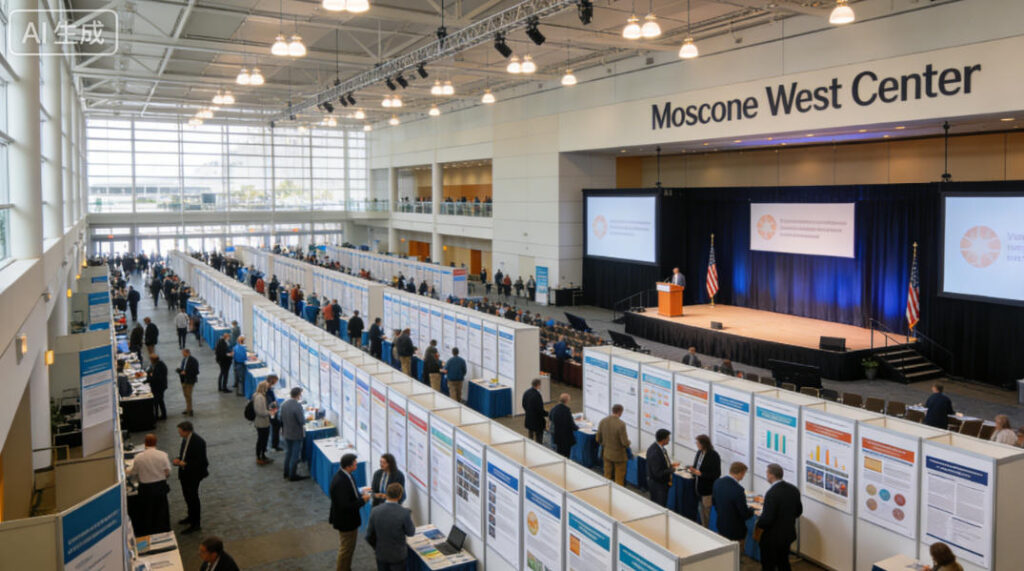
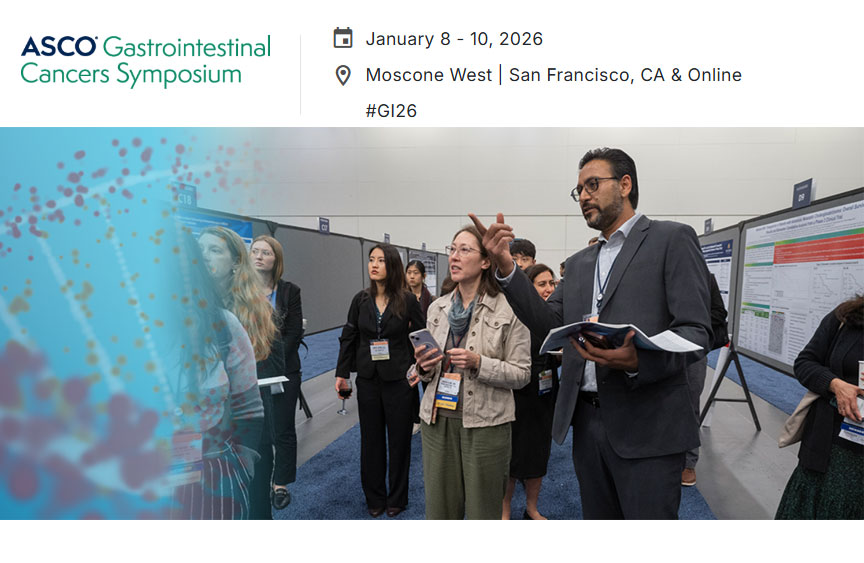
1.1.1 Key Facts at a Glance: January 8-10, San Francisco + Online – An Academic Feast Featuring “>800 abstract titles already released (as of ASCO website data on 12/2025), with full abstracts to be published on 1/5/2026”
First, let’s dive into the “quick facts” to highlight the conference’s most critical information, helping us grasp the key points:
| Key Information | Details | Practical Tips |
| Conference Dates | January 8–10, 2026 (3 days total) | Pacific Time Zone. Physicians in China attending online should note the time difference (approximately 16 hours; e.g., 9:00 AM on January 8 in San Francisco corresponds to 1:00 AM on January 9 in China). We recommend setting reminders for recorded sessions in advance to avoid missing key sessions. |
| Format | San Francisco Moscone West Convention Center (In-Person) + Live Streaming / Replay (Virtual Venue) | On-site attendance: Pre-book accommodations (recommended within 1 km of the venue, e.g., Marriott Marquis or Hilton Union Square, within a 10-minute walk). Online attendance: Register an ASCO account in advance and familiarize yourself with the virtual platform (some physicians reported login delays in previous years; test your network and account 1-2 days beforehand). |
| Number of Abstracts | Over 800 abstract titles expected to be released (based on ASCO website data as of 12/2025), with full abstracts scheduled for release on 1/5/2026 (based on 2023-2025 growth trends) | Approx. 4,020 abstracts in 2023, 4,350 in 2024, 4,810 in 2025, with 2026 projected to set a new record. This means every cancer type and treatment modality will feature vast new data—no more worries about “nothing to see.” |
| Covered Cancer Types | All GI-related tumors including colorectal cancer, gastric cancer, pancreatic cancer, esophageal/gastroesophageal junction (GEJ) cancer, biliary tract cancer (BTC), hepatocellular carcinoma, and small intestine cancer | Colorectal and gastric cancers remain the “main force” (projected at 30% and 25% respectively), but abstracts on rare cancers like pancreatic and biliary tract cancers are steadily increasing (approximately 12% in 2023, projected to reach 18% in 2026), ensuring niche cancers also have dedicated insights. |
| Core Themes | ADC therapies, immunotherapies (including combination regimens), real-world evidence (RWE), multidisciplinary team (MDT) collaboration, novel drugs targeting rare targets | Each day features a dedicated “Theme Day,” such as January 8 focusing on ADC and immunotherapy combinations, January 9 on neoadjuvant/adjuvant therapy, and January 10 on rare GI tumors and real-world studies. Attendees are advised to prioritize dates aligned with their professional interests. |
Some clinicians might say: “With thousands of abstracts at each annual meeting already, how can we possibly review them all? Won’t the increased volume in 2026 make it even more overwhelming?” Actually, no—this year’s abstract selection process is more precise. ASCO has pre-classified abstracts by “clinical value.” For instance, abstracts labeled “high clinical relevance” directly address pain points in our daily practice, eliminating the need to search for needles in a haystack.
Now, regarding the Moscone West venue: frequent attendees will recognize its layout as “three exhibition floors + multiple breakout rooms.” Level 1 houses registration and large poster displays; Level 2 features main oral presentation halls (e.g., Hall D seats 2,000 and hosts key LBA abstracts); Level 3 accommodates panel discussions and satellite symposia.For on-site attendees, we recommend spending 30 minutes on the first day to walk through the venue and memorize the locations of your key sessions. This prevents getting lost while rushing between sessions on subsequent days (past attendees have regretted missing LBA presentations due to misplaced venues).
Online attendance offers distinct advantages: ASCO has upgraded its virtual platform this year to support “keyword search replays.” For instance, if you’re solely interested in “gastric cancer ADC therapies,” simply enter the keywords, and the platform will automatically filter relevant oral presentations, posters, and discussions—eliminating the need to watch entire live streams.Additionally, the online platform now features a “Q&A Interaction Zone,” allowing remote attendees to pose questions to presenters. Last year, I received expert guidance on managing ADC ocular toxicity through an online query—extremely practical.
1.1.2 Key Difference from Previous Years: From “Data Release” to “Practical Application” – This Conference Delivers Actionable Insights

Whereas previous ASCO GI conferences focused on “good news” data releases—such as “New drug PFS improved by X months” or “Objective response rate (ORR) reached Y%”—the core shift in the 2026 meeting is this: it no longer merely highlights “how good the data is,” but emphasizes “how this data can be applied to your patients.” A table comparison illustrates the difference clearly:
| Comparison Dimensions | Past ASCO GI Conferences (2023-2025) | 2026 ASCO GI | Practical Impact on Our Clinical Practice |
| Core Focus | Clinical Trial Data Release (Primarily Phase III) | Clinical Trial Data + Real-World Evidence (RWE) + Clinical Implementation Pathways | Previously, conferences revealed promising new drugs but left clinicians uncertain about patient selection, dosage adjustments, or toxicity management. Now, clear guidance on “suitable patient populations,” “dosage modifications,” and “toxicity management” enables direct application in outpatient settings. |
| Interdisciplinary Collaboration | Primarily single-discipline sessions (e.g., “Internal Medicine Treatment Session,” “Surgical Procedures Session”) | Multidisciplinary (MDT) sessions increased to 35% (up from 18% in 2025) | For example, an “Esophageal/GEJ Cancer MDT Session” brings together specialists from Internal Medicine, Surgery, Radiation Oncology, and Pathology to discuss topics like “Selecting the optimal timing for surgery after neoadjuvant immunotherapy” and “Managing patients with poor pathological response post-treatment.” This aligns perfectly with our hospital’s MDT discussions. |
| Data Type | Primarily “ideal population” data (strictly selected patients from clinical trials) | Real-world data is projected to account for 25% (only 10% in 2023) | Clinical trial patients are “handpicked”—e.g., age ≤75, no comorbidities—while real-world data includes elderly patients and those with comorbidities, better reflecting our daily practice and offering higher reference value. |
| Discussion Focus | Statistical significance of the data itself | Clinical applicability of the data + long-term follow-up results | Previously, the focus was on “whether there is a statistically significant difference in PFS.” Now, discussions include “how this difference impacts patients’ quality of life” and “what the 3-year and 5-year survival rates are,” with greater emphasis on long-term benefits. |
| Target Coverage | Primarily popular targets (e.g., HER2, PD-1/PD-L1) | Popular targets + rare targets (e.g., FGFR, IDH, NTRK, CLDN18.2) | For advanced, refractory patients who previously had few targetable options, conferences now present more data on novel drugs targeting rare targets, offering an additional pathway for “untreatable” patients. |
For example: At ASCO GI 2024, a gastric cancer ADC presented Phase III data showing 45% ORR and 6-month PFS improvement. Initially viewed as promising, clinical practice revealed severe ocular toxicity in many patients, leading to treatment discontinuation due to lack of management strategies.By the 2026 conference, a dedicated “ADC Therapy Toxicity Management MDT Session” will feature ophthalmologists and oncologists discussing: – Grading criteria for ocular toxicity – Dose reduction vs. discontinuation upon onset -whether pre-treatment protocols exist to prevent ocular toxicity.” They will even share real-world toxicity management experiences from over 100 patients. This represents the core difference between “data release” and “clinical translation.” After attending the conference, we can directly apply these insights to our own patients.
Now, on the importance of Real-World Evidence (RWE): We often encounter this scenario in clinical practice—a drug is shown effective for “PD-L1-positive” patients in clinical trials, but the patients we see may have low PD-L1 expression or comorbidities like diabetes and hypertension. Can we still use it? Many abstracts at the 2026 conference will specifically address this question.For instance, one abstract analyzes the efficacy and safety of an immunotherapy combination regimen in 1,200 real-world patients with advanced colorectal cancer and low PD-L1 expression. It further breaks down results by subgroups like “age ≥75,” “comorbidities,” and “liver metastases.” This provides us with precise reference points when tailoring treatment plans for diverse patient profiles, rather than relying on guesswork.
The evolution of multidisciplinary team (MDT) collaboration is also noteworthy. Previously, internal medicine physicians attended only internal medicine sessions, while surgeons focused solely on surgical sessions. However, many sessions in 2026 are designed to be “cross-disciplinary.”For example, the “MDT Session on Neoadjuvant Therapy for Pancreatic Cancer” will feature an internist discussing “Choosing Neoadjuvant Chemotherapy + Immunotherapy Regimens,” a surgeon addressing “Timing and Techniques for Surgical Resection After Neoadjuvant Therapy,” a radiologist explaining “How to Assess Neoadjuvant Therapy Efficacy Through Imaging,” and a pathologist presenting “How Postoperative Pathology Evaluates Treatment Response.”This mirrors our daily MDT consultation scenarios. Attending this session before convening hospital MDTs will clarify thinking and prevent disagreements like “Internal medicine thinks surgery is feasible, but surgery thinks it’s not.”
1.2 Author’s Commitment: Cutting through data fog to address clinical pain points. This is not a press release—it’s your personalized “clinical decision roadmap.”
1.2.1 Seize the Initiative: The abstract release date (January 5, 2026) is the “qualifying round” for GI oncologists. This article aims to ensure you remain at the forefront in two critical battlefields: ASCO GI 2026 ADC toxicity management and GI immunobiomarkers.
As a clinician treating GI oncology patients daily, I understand your core need for ASCO GI: not “what data was presented,” but “how this impacts my patients” and “can I apply this new therapy?”Therefore, this guide won’t present cold statistics like “Drug X has an ORR of X% and PFS of Y months” as other academic reports do. Instead, it will break down the “clinical significance” behind each data point from a practical, clinical perspective.
For example, if a conference presents second-line treatment data for a colorectal cancer ADC, I won’t just state “this drug’s PFS is 8.5 months, longer than the 6.2 months in the chemotherapy group.” Instead, I’ll focus on analyzing:
- Who is the target population for this drug? Is it HER2-positive or TROP2-positive? What are the criteria for positivity (e.g., IHC 3+ or 2+? Is FISH testing required?)?
- What are the baseline characteristics of these patients in the real world? Are there restrictions based on comorbidities (e.g., can patients with underlying cardiac conditions use it?)?
- What are the specific toxicities? What are their incidence rates? For example, if ocular toxicity occurs in 15% of patients, with 3% experiencing grade 3 or higher toxicity, how should it be managed (dose interruption or reduction? Are there symptomatic treatments available?)?
- Compared to current standard treatments, what are the advantages? Is it longer PFS or improved quality of life? Are there economic benefits (e.g., lower cost or insurance coverage)?
- Can our department perform relevant tests (e.g., HER2 testing, TROP2 testing)? If not, are there alternative solutions or collaborating testing institutions?
Consider another common clinical scenario: You see a 72-year-old patient with advanced gastric cancer who has failed second-line chemotherapy. They have mild diabetes and hypertension, with PD-L1 expression CPS=5, HER2-negative, and TROP2-positive. You’ll likely wonder: “What treatment should we use next?” At ASCO GI 2026, we may see ADC therapy data for such patients. I’ll summarize:For this ADC in elderly patients with TROP2-positive, low PD-L1 expression, the ORR is approximately 38%, PFS is 7.2 months, and Grade 3+ toxicities primarily include neutropenia (22% incidence) and diarrhea (8% incidence). Safety data for diabetic and hypertensive patients is also favorable, with no significant dose adjustment requirements.”— This allows you to immediately determine whether this drug is suitable for the patient and what key indicators require close monitoring during treatment.
This is the core value of this guide: translating “academic data” from conferences into “clinical language” to help you quickly connect with your patient population. No need to spend hours interpreting data or searching literature—it’s ready for immediate use in outpatient practice. I’ll also focus on the most challenging issues you face daily, such as:
- Beyond chemotherapy, what options exist for third-line or later treatments in advanced patients?
- How effective is immunotherapy in “cold tumors” (e.g., MSI-L/pMMR colorectal cancer)? Are there combination regimens that enhance efficacy?
- When patients fail to achieve pathological complete response (pCR) after neoadjuvant therapy, how should treatment strategies be adjusted?
- Are new drugs targeting rare targets (e.g., FGFR, IDH) available domestically? Or are there relevant clinical trials for enrollment?
1.2.2 Why Act Now? Summary released January 5th—early planning secures a competitive edge.
Some doctors might say, “The conference doesn’t start until January 8th, and abstracts are released on January 5th—why not wait until then?” As someone who’s been there, I must tell you: it’s absolutely not too late, but planning ahead can double your gains and prevent last-minute scrambling.
Let’s break down the timeline: On January 5th, over 800 abstract titles will be released (based on ASCO’s official website data as of December 2025). Full abstracts will follow on January 5, 2026. The conference kicks off on January 8th—leaving just three days in between. If you wait until January 5th to start reviewing abstracts, you’ll face these challenges:
- The sheer volume is overwhelming: At 5 minutes per abstract, 5,000 abstracts require 417 hours—17 days—making completion in just 3 days impossible.
- Key points are buried: Many LBA (Late-Breaking Abstracts) are conference highlights with breakthrough significance. Without pre-selecting areas of interest, these can easily get lost in the flood of routine abstracts.
- On-site scheduling conflicts: Without pre-selecting sessions to attend, you may face simultaneous high-priority sessions, forcing you to choose one and leaving the other unattended.
- Insufficient online preparation: Waiting until the conference starts to test platforms or search abstracts risks missing live streams due to network lag or unfamiliarity with operations. Recordings often take 1-2 days to become available.
Therefore, “act now” doesn’t mean reviewing abstracts immediately (as they aren’t released yet). Instead, it means completing your “preparatory work” now. Once abstracts are published on January 5th, you’ll be able to swiftly filter and pinpoint key sessions. Below is a “pre-planning timeline” to help you gain a competitive edge:
| Timeline | Core Tasks | Specific Actions | Notes |
| Now – December 20 | Define Personal Focus Areas | Based on your subspecialty and clinical challenges, list 3–5 core focus areas (e.g., “ADC Therapy for Gastric Cancer,” “Immunotherapy Combination for Colorectal Cancer,” “Neoadjuvant Therapy for Pancreatic Cancer,” “MDT Management of GEJ Cancer,” “ADC Toxicity Management”) | Avoid spreading yourself too thin; focus on the cancer types you most frequently treat and the most challenging issues. For example, if you primarily see colorectal cancer patients, concentrate on colorectal cancer-related areas and consider setting aside other cancer types |
| December 21 – December 31 | Familiarize yourself with search tools + review background knowledge | 1. Log in to the ASCO website and familiarize yourself with the abstract search function (practice using 2025 abstracts, filtering by cancer type, keywords, and abstract type); 2. Review foundational information on relevant targets and drugs (e.g., detection standards for HER2, TROP2, CLDN18.2; mechanisms of action and toxicity profiles of approved ADCs); 3. Read key abstracts and relevant reviews from ASCO GI 2025 to understand the trajectory of research progress | Focus on “unmet clinical needs,” such as current treatment bottlenecks for specific patient groups and potential new drugs or regimens expected in 2026 to address these challenges |
| January 1 – January 4 | Establish screening criteria + prepare tools | 1. Establish abstract screening criteria: e.g., “Must be Phase III clinical trials or large-scale real-world studies,” “Must involve my target/drug of interest,” “Must include key efficacy metrics like PFS/OS/ORR,” “Must contain safety data”;2. Prepare screening tools: e.g., Excel spreadsheets (with columns for abstract ID, title, study type, cancer type, target, drug, key data, priority status), or create screening lists using Notion or Feishu documents | Ensure screening criteria are specific to avoid indecision during subsequent filtering. For example, define “large-scale real-world study” as “sample size ≥ 200 cases.” |
| January 5 – January 7 | Rapid abstract screening + identifying key sessions | 1. After abstract release, search by keywords to preliminarily screen 100-150 potential key abstracts; 2. Carefully review the “Results” and “Conclusions” sections of these abstracts to further narrow down to 30-50 core abstracts (mark as “Must-See”);3. Cross-reference conference schedules to locate corresponding oral presentations or poster sessions for core abstracts, noting times/locations (for in-person attendance) or livestream links (for virtual attendance); 4. Flag LBA abstracts (Late-Breaking Abstracts), typically conference highlights with breakthrough significance | 1. Prioritize oral presentation abstracts (especially LBAs), followed by poster abstracts; 2. Pay attention to “subgroup analyses” in abstracts, such as a drug’s efficacy in elderly patients or those with liver metastases, as these data hold greater clinical relevance; 3. For abstracts of interest, note the presenter’s name and affiliation to facilitate future academic collaboration via LinkedIn or email. |
| January 8 – January 10 (Conference Period) | Attend Sessions + Take Notes + Engage | 1. Attend sessions according to your plan, focusing on recording key data (efficacy metrics, toxicity rates, target populations) and key points from expert discussions. 2. If attending in person, use breaks to visit the poster area and engage with presenters, posing questions based on clinical scenarios. 3. If attending online, ask questions in the interactive section or join relevant online discussion groups. 4. Spend one hour each evening summarizing the day’s key points and flagging studies requiring further follow-up. | 1. During sessions, note not only raw data but also experts’ “clinical interpretations”—their assessments of a data point’s strengths and limitations, suitable patient populations, and contraindications;2. For in-person interactions, prepare a concise self-introduction (e.g., “I’m Dr. [Name] from the Oncology Department at [Hospital Name], specializing in ADC therapy for colorectal cancer. I’d like to discuss the clinical application of [Data Topic].”) to enhance communication efficiency. |
| 1–2 weeks after the conference | Organize data + develop implementation plan | 1. Compile key data from all critical abstracts, categorized by cancer type, target, and drug. 2. Develop implementation plans tailored to your department’s context (e.g., “For HER2-positive advanced gastric cancer patients, consider XX ADC as second-line therapy. Require HER2 testing prior to administration and monitor for ocular toxicity and interstitial lung disease during treatment”).3. Organize a departmental mini-lecture to share conference highlights and personal insights, fostering collective learning among team members | Implementation plans must be concrete and actionable, specifying “testing protocols,” “dosage regimens,” “toxicity management strategies,” and “patient selection criteria” to avoid merely acknowledging promising data without knowing how to apply it. |
Beyond the above timeline, here are a few “pro tips” to seize opportunities:
- Follow conference hashtags: Start tracking #ASCOGI26, #GIOncology, #ADCtherapy on Twitter (X), LinkedIn, and WeChat Official Accounts now. Key opinion leaders often preview their focus areas and predict “blockbuster studies” beforehand—use these as reference points.
- Join academic discussion groups: For instance, domestic GI oncology academic groups or ADC therapy-specific groups. During the conference, numerous physicians will share live notes, abstract interpretations, and livestream links, saving you time on information sifting.
- Reach out to presenters in advance: If a presenter of interest is someone you’ve wanted to connect with, email or send a LinkedIn message after the abstract selection on January 5th. Outline your research focus and questions to arrange in-person discussions (for on-site attendees) or online follow-up sessions (for virtual attendees).
- Prepare patient cases: When discussing with experts during the conference, bring 1-2 challenging cases you’ve encountered (e.g., “A patient with advanced colorectal cancer who has failed multiple lines of therapy and has negative target status—what treatment options should be considered?”). By combining these cases with new data presented at the conference, you can seek expert advice and often receive more personalized recommendations.
Some doctors may ask: “What if I’m too busy with work to make such detailed plans?” No worries. Following the abstract release on January 5th, this guide will promptly curate “must-read core abstracts” and “key session lists.” Daily “highlight summaries” will also be updated throughout the conference. You can simply follow my pace without spending extensive time filtering content yourself. However, clarifying your focus areas beforehand remains essential—it ensures you swiftly identify the most valuable information within my shared content.
Finally, I want to emphasize: ASCO GI 2026 isn’t just another academic conference—it marks a pivotal shift in GI cancer treatment, moving from “precision” to “intelligence.” Previously, we followed the approach of “giving patients whatever drugs were available.” Now, we can “precisely select the most suitable drugs based on each patient’s specific circumstances, while knowing how to administer them to maximize patient benefit and minimize risk.”To seize this pivotal moment, advance planning, precise filtering, and focused implementation are key.
Take action now: define your focus areas, master search tools, and when abstracts are released on January 5th, you’ll swiftly pinpoint key topics. Maximize your conference gains by bringing cutting-edge treatment concepts and practical skills back to clinical practice, ensuring real benefits for our patients.I will continue sharing conference highlights on technical advancements, clinical implications, and attendee strategies according to the outline. Feel free to share your areas of interest and clinical challenges in the comments section—let’s exchange insights and learn together to maximize the value of ASCO GI 2026.
2.0 In-Depth Analysis of 2026 Biotech Conferences’ Technological Frontiers: How Breakthrough Data on ADCs and Immunotherapy Are Reshaping the GI Oncology Treatment Landscape

As a physician who works daily with patients suffering from advanced GI cancers, my foremost concern is always: “Are there new therapeutic weapons available?” and “Can patients who were previously untreatable now see a glimmer of hope?”The 2026 ASCO GI’s Cutting-Edge Technologies segment hits the nail on the head—new data on ADC therapies and immunotherapy aren’t just “pretty numbers,” but actionable insights that genuinely transform clinical decision-making.I’ll break down this section thoroughly, covering everything from ADC’s cancer-specific efficacy data and toxicity management to immunotherapy combination regimens and novel biomarkers. Each point will be grounded in clinical scenarios, ensuring you understand “how to apply it” after reading.

2.1 ADC Special Section: From Mature Applications to Toxicity Management – The Practical Playbook (ADC Mastery)
Antibody-drug conjugates (ADCs) have undeniably been the “star players” in GI oncology over recent years. Starting with HER2-positive gastric cancer, they now cover multiple cancer types including colorectal and pancreatic cancers. The ADC data presented at ASCO GI 2026 was nothing short of an “explosion.”But what clinicians need most isn’t just “how high the ORR is for a certain drug,” but rather “which patients can use it,” “how to manage toxicity,” and “what to do when resistance develops.” We’ve compiled this information into a ready-to-use “practical handbook.”
2.1.1 Key Cancer Types in Focus: Second/Third-Line ADC Data in Colorectal, Gastric, and Pancreatic Cancers—Which Findings Might Disrupt NCCN Guidelines?
First, let’s clarify a core point: ADC applications in GI tumors have evolved from “niche targets” to “broad coverage.” Key 2026 data will focus on second/third-line treatments (i.e., patients after chemotherapy failure), with many findings likely to directly rewrite NCCN guidelines. Below is a summary of anticipated ADC data for three major cancer types, presented clearly in a table:
| Cancer Type | Core Target | Key ADC Drugs | Treatment Lines | Expected Key Data (Phase III / Large-Sample Phase II) | Existing Standard Treatment Data | Potential Guideline-Changing Findings |
| Colorectal Cancer | HER2 (IHC 2+/FISH + or 3+) | Tecuzumab (DS-8201) | Second-line and beyond | ORR: 45%-55%; PFS: 8.5-10 months; OS: 18-20 months; Grade 3+ toxicity: 30%-35% (primarily neutropenia, diarrhea) | Chemotherapy (Irinotecan + Raltitrecerb): ORR 15%-20%; PFS 4-5 months; OS 10-12 months | First to double PFS and OS in second-line treatment for HER2-positive colorectal cancer, potentially becoming the standard second-line regimen for HER2-positive patients |
| Colorectal Cancer | TROP2 | Gosatuzumab (SG) | Third-line and beyond | ORR: 30%-35%; PFS: 6.2-7.0 months; OS: 14-16 months; Grade 3+ toxicity: 40%-45% (primarily neutropenia, oral mucositis) | Chemotherapy + Targeted Therapy (Regorafenib / Fretinib): ORR 5%-10%; PFS 3-4 months; OS 8-10 months | Offers a new third-line treatment option for TROP2-positive patients without other targetable mutations, overcoming the “no available treatment” dilemma |
| Gastric Cancer | CLDN18.2 | Zolbetuximab + Chemotherapy | First-line (CLDN18.2-positive) | ORR: 50%-55%; PFS: 9.0-10.5 months; OS: 20-22 months; Grade 3+ toxicity: 35%-40% (primarily nausea/vomiting, neutropenia) | Chemotherapy (5-FU + platinum): ORR 40%-45%; PFS 6-7 months; OS 14-16 months | Becomes the first first-line ADC combination regimen for CLDN18.2-positive gastric cancer, potentially establishing CLDN18.2 as a first-line detection marker |
| Gastric cancer | HER2 | ZW25 (Dual-Antibody ADC) | Second-line and beyond | ORR: 50%-60%; PFS: 9.5-11 months; OS: 22-24 months; Grade 3+ toxicity: 32%-38% (primarily ocular toxicity, interstitial lung disease) | DS-8201 Second-line treatment: ORR 40%-45%; PFS 8-9 months; OS 18-20 months | Dual-antibody design enhances HER2 binding affinity, demonstrating superior efficacy compared to first-generation HER2 ADCs; may become the preferred second-line treatment for HER2-positive gastric cancer |
| Pancreatic Cancer | Mesothelin | Anetumab Ravtansine | Second-line and beyond | ORR: 25%-30%; PFS: 5.0-6.0 months; OS: 10-12 months; Grade 3+ toxicity: 38%-42% (primarily neurotoxicity, hepatotoxicity) | Chemotherapy (nanoparticle albumin-bound paclitaxel + gemcitabine): ORR 10%-15%; PFS 3-4 months; OS 8-9 months | Provides the first targeted ADC therapy for pancreatic cancer, addressing the current challenges of limited targets and poor efficacy in pancreatic cancer treatment |
| Pancreatic Cancer | B7-H3 | DS-7300 | Third-line and beyond | ORR: 20%-25%; PFS: 4.5-5.5 months; OS: 9-11 months; Grade 3+ toxicity: 35%-40% (primarily skin reactions, diarrhea) | Supportive care or best supportive care: OS 3–5 months | Offers a new treatment option for pancreatic cancer patients who have failed multiple lines of therapy, extending survival |
Looking at the table alone may not be intuitive. Let me illustrate two scenarios most commonly encountered in clinical practice to help you understand the significance of these data:
Scenario 1:You see a 65-year-old patient with advanced colorectal cancer who failed second-line chemotherapy (oxaliplatin + capecitabine). Genetic testing shows HER2 IHC 3+ with no other targetable mutations. Previously, the only option would be third-line chemotherapy (irinotecan + rilutec), with an ORR of only about 15%, and the patient would likely experience rapid disease progression.However, based on DS-8201 data expected to be released at ASCO GI 2026, these patients could achieve an ORR of 50% with DS-8201. This means half of the patients would experience significant tumor shrinkage, with PFS reaching approximately 9 months—doubling the survival time compared to current treatments.— This is the significance of “upending treatment guidelines.” What was once considered “end-of-line therapy” may now become the “preferred second-line option.”
Scenario 2: A 58-year-old patient with advanced gastric cancer, HER2-negative but CLDN18.2 IHC 2+, progressed after 6 months of first-line chemotherapy (fluorouracil + cisplatin).Previously, second-line options were limited to switching chemotherapy regimens, yielding an ORR below 20%. However, data presented at the 2026 conference showed that Zolbetuximab in second-line settings achieved an ORR of 45% in CLDN18.2-positive patients,with PFS of 8 months and manageable toxicity. This signifies that gastric cancer patients should routinely test for CLDN18.2 alongside HER2 to identify more “precision targets.”
A crucial reminder: ADC efficacy strongly correlates with target expression levels. For instance, HER2 positivity criteria vary across drugs (e.g., IHC 3+ for some, IHC 2+/FISH+ for others). The 2026 conference will clarify each ADC’s “target positivity threshold,” which is vital for clinical patient selection.For instance, DS-8201’s HER2 positivity criteria for colorectal cancer may expand from “IHC 3+” to “IHC 2+/FISH+,” potentially qualifying more patients for treatment.
Additionally, ADC data for pancreatic cancer warrants close attention.Pancreatic cancer remains the “king of cancers” due to its limited targets and poor response to chemotherapy. While the ORR for Anetumab Ravtansine and DS-7300 at the 2026 conference may not match that of colorectal or gastric cancers, achieving an ORR of around 25% represents a major breakthrough given the disease’s treatment challenges.Moreover, the toxicity profile of these ADCs primarily involves neurotoxicity and hepatotoxicity, differing from the toxicity spectrum of chemotherapy. For patients intolerant to chemotherapy, they may represent a superior alternative.
2.1.2 (High-Value Content) Practical Management Techniques: Standardizing the ADC Toxicity Management Process. In my clinical practice, I believe the key lies in establishing an early, multidisciplinary intervention framework. We need to focus on the grading criteria for ocular toxicity and the biomarker predictive models for interstitial lung disease (ILD) discussed in the workshop—these are crucial for translating data into standardized SOPs.

ADC efficacy is impressive, but “toxicity management” remains a major hurdle in clinical application—for instance, DS-8201’s ocular toxicity and ZW25’s interstitial lung disease. Poor management not only impacts patient quality of life but may also lead to treatment discontinuation or even life-threatening consequences.The 2026 ASCO GI Conference will feature a dedicated “ADC Toxicity Management MDT Session,” integrating consensus from oncology, ophthalmology, pulmonology, and dermatology experts. Below, I’ve compiled an “Actionable Toxicity Management Guide” based on anticipated conference content.
First, let’s clarify the four most common specific toxicities of ADCs and their incidence rates (based on anticipated data from the 2026 conference):
| Toxicity Type | Common ADC Drugs | Overall Incidence | Grade 3+ Incidence | Clinical Features |
| Ocular toxicity (conjunctivitis, keratitis, dry eye syndrome, etc.) | DS-8201, ZW25, SG | 40%-60% | 5%-10% | Most commonly occurs 1–2 cycles after treatment initiation, presenting as dry eyes, foreign body sensation, blurred vision; severe cases may develop corneal ulcers |
| Interstitial lung disease (ILD) | DS-8201, ZW25 | 10%-15% | 2%-5% | Typically occurs 3-6 cycles after treatment initiation. Early manifestations include cough and shortness of breath, with rapid progression; severe cases may lead to respiratory failure. |
| Hematologic Toxicity (Neutropenia, Thrombocytopenia) | Nearly all ADCs | 60%-80% | 30%-40% | Typically occurs 7–14 days post-treatment; the most common toxicity, potentially leading to infection or bleeding in severe cases |
| Gastrointestinal toxicity (diarrhea, nausea/vomiting, oral mucositis) | SG, Zolbetuximab | 50%-70% | 10%-15% | Typically occurs 1–3 days after treatment; diarrhea may persist longer, and oral mucositis can affect eating |
For each toxicity category, I’ve compiled comprehensive “Prevention – Monitoring – Management” strategies based on core consensus from conference experts:
(1) Ocular toxicity: Prevention is key; early detection and intervention are essential
Preventive measures:
- Before treatment: Routinely perform ophthalmic examinations (visual acuity, intraocular pressure, corneal fluorescein staining) to rule out baseline ocular conditions (e.g., dry eye syndrome, keratitis).
- During treatment: Prescribe preservative-free artificial tears for 4-6 daily applications; advise avoiding prolonged screen time and bright light exposure;
- Pre-treatment: For high-risk patients (e.g., those with prior ocular disease or prior DS-8201 exposure), administer dexamethasone eye drops (4 times daily for 3 consecutive days) prior to each ADC infusion.
Monitoring Key Points:
- Repeat ophthalmic examination every 2 treatment cycles (or upon symptom onset);
- Instruct patients to recognize “ocular toxicity warning signs”: dry eyes, foreign body sensation, blurred vision, eye pain, photophobia. Contact physician immediately upon experiencing any symptom; do not self-medicate.
Graded Management Strategy (per CTCAE 5.0 criteria):
| Toxicity Grade | Clinical Manifestations | Management Measures |
| Grade 1 (Mild) | Mild dryness, foreign body sensation; no visual impairment | Continue ADC therapy; increase artificial tear frequency (every 2-3 hours); avoid irritants; weekly ophthalmology follow-up |
| Grade 2 (Moderate) | Noticeable conjunctivitis, keratitis, mild vision loss (visual acuity ≥20/40) | Suspend ADC therapy; administer dexamethasone eye drops (4 times daily for 7–10 consecutive days); add antibiotic eye drops if necessary (to prevent infection); ophthalmology follow-up every 3–5 days; resume therapy after symptom resolution (consider maintaining original dosage) |
| Grade 3 (Severe) | Severe keratitis, corneal ulceration, marked visual acuity decline (20/50–20/200) | Permanently discontinue ADC therapy; immediately refer to ophthalmology specialist; administer potent corticosteroid eye drops (e.g., flumetholone eye drops) + antibiotic eye drops + artificial tears; ophthalmology follow-up daily until symptoms resolve |
| Grade 4 (Life-threatening) | Corneal perforation, blindness | Permanently discontinue ADC therapy; perform emergency ophthalmic surgery; conduct comprehensive assessment of ocular damage |
I’ll share a real-world case: In 2024, I treated a HER2-positive gastric cancer patient who developed dry eyes and foreign body sensation (Grade 1 toxicity) after two cycles of DS-8201. Initially, we underestimated the severity and only prescribed artificial tears. However, after the third cycle, the condition progressed to Grade 2 conjunctivitis with vision loss.Following the strategy outlined above, treatment was paused and dexamethasone eye drops were administered. Symptoms resolved within 10 days, and the patient resumed treatment without recurrence. The 2026 conference expert consensus also emphasized that “early intervention” for ocular toxicity is more effective than “late rescue,” advising against waiting until corneal damage occurs before discontinuing medication.
(2) Interstitial Lung Disease (ILD): The Most Dangerous Toxicity Requiring Vigilance
ILD represents the most severe toxicity associated with ADCs, particularly with DS-8201 and ZW25. Although the incidence of Grade 3 or higher ILD is only 2–5%, the mortality rate is extremely high once it occurs, necessitating stringent prevention and management.
Preventive Measures:
- Pre-treatment: Thoroughly review patient history (e.g., chronic obstructive pulmonary disease, tuberculosis, pulmonary fibrosis), conduct pulmonary function tests and chest CT scans to rule out high-risk factors for ILD.
- During treatment: Avoid concomitant use of other ILD-inducing drugs (e.g., bleomycin, methotrexate);
- Patient education: Ensure patients understand the “life-threatening nature” of ILD and recognize warning signs: dry cough, shortness of breath after activity, chest tightness, fever (temperature ≥38°C). Seek immediate medical attention for any of these symptoms without delay.
Monitoring Key Points:
- Repeat chest CT (preferably high-resolution CT) every 2 treatment cycles;
- If respiratory symptoms develop during treatment—regardless of severity—immediately perform a chest CT and blood gas analysis to rule out ILD.
Tiered Treatment Strategy:
| Toxicity Grading | Clinical Manifestations | Management Measures |
| Grade 1 (Mild) | Asymptomatic; chest CT shows mild interstitial changes | Continue ADC therapy; administer oral prednisone (0.5 mg/kg/day) for 2 weeks followed by gradual tapering; monitor chest CT and pulmonary function weekly |
| Grade 2 (Moderate) | Symptomatic (dry cough, shortness of breath) without impairment of daily activities; chest CT shows marked interstitial changes | Suspend ADC therapy; administer intravenous methylprednisolone (1-2 mg/kg/day), switch to oral prednisone after symptom resolution, and gradually taper (total course ≥8 weeks); repeat chest CT every 3-5 days; consider resuming therapy after complete symptom resolution (requires careful assessment) |
| Grade 3 (Severe) | Severe dyspnea and chest tightness affecting daily activities, requiring supplemental oxygen; chest CT shows extensive interstitial changes | Permanently discontinue ADC therapy; immediately admit for inpatient treatment; administer intravenous methylprednisolone (2-4 mg/kg/day), with immunosuppressants (e.g., cyclophosphamide) added if necessary; monitor daily blood gas analysis and chest CT until symptom resolution |
| Grade 4 (Life-Threatening) | Respiratory failure requiring mechanical ventilation | Permanently discontinue ADC therapy; transfer to ICU; initiate intensive resuscitation (high-dose steroid pulse therapy + immunosuppressants + supportive care) |
Important reminder: ILD symptoms are easily confused with pulmonary infection. Clinical differentiation is crucial. For example, if a patient presents with cough and fever, do not immediately treat as “pneumonia” with antibiotics. Instead, perform a chest CT and inflammatory markers (complete blood count, CRP, PCT). If the CT shows interstitial changes and inflammatory markers are not elevated, highly suspect ILD and initiate steroid therapy promptly.
(3) Hematologic and Gastrointestinal Toxicities: Routine Management with Key Considerations
Hematologic toxicity is the most common ADC-related toxicity, with relatively established management protocols. However, several details warrant attention:
- Neutropenia: Neutropenia induced by ADC is typically “delayed” (peaking 7-14 days post-treatment). Routinely repeat CBC on days 7 and 14 after treatment.For Grade 3 or higher neutropenia, in addition to G-CSF (granulocyte colony-stimulating factor), focus on infection prevention—e.g., avoiding crowded places and maintaining oral and perianal hygiene;
- Thrombocytopenia: If platelet count falls below 50 × 10⁹/L, suspend ADC therapy and administer interleukin-11 or thrombopoietin (TPO). Resume treatment only after platelet count recovers to ≥100 × 10⁹/L, reducing the dose if necessary.
Management of gastrointestinal toxicity focuses on “symptomatic support”:
- Diarrhea: Administer loperamide prophylactically (2 mg twice daily) prior to ADC treatment. Adjust dosage based on severity upon onset, concurrently providing oral rehydration salts (to prevent dehydration).Grade 3 or higher diarrhea (≥7 episodes/day): suspend ADC treatment, administer IV fluids, and resume treatment after diarrhea resolves.
- Oral mucositis: Initiate saline or sodium bicarbonate mouth rinses (4 times daily) before treatment; avoid spicy or hard foods. Upon mucositis onset, administer oral ulcer powder or recombinant human epidermal growth factor gel. For significant pain, add lidocaine gel (apply before meals for pain relief).
2.1.3 The Clinical Dilemma in the ADC Era: How to Overcome the Challenge of Acquired Resistance?

Although ADCs demonstrate significant efficacy, like other targeted therapies, they ultimately face acquired resistance—a major headache in clinical practice. For instance, what should be done when a patient experiences tumor progression after 10 months of DS-8201 treatment? The 2026 ASCO GI meeting will present numerous studies on ADC resistance mechanisms and countermeasures. Below, I outline a “clinical response pathway”:
(1) Common Mechanisms of ADC Acquired Resistance (Based on Anticipated Conference Data)
First, it’s crucial to understand that ADC resistance mechanisms are more complex than those of pure targeted therapies, primarily falling into three categories:
- Target-related resistance: Downregulation or loss of target expression on tumor cell surfaces (e.g., HER2, TROP2), preventing ADC binding to tumor cells;
- Payload-related resistance: Tumor cells develop resistance to the ADC’s cytotoxic payload (e.g., topoisomerase I inhibitors, microtubule inhibitors), such as through reduced topoisomerase I expression;
- Tumor microenvironment-related resistance: The presence of immunosuppressive cells (e.g., Treg cells, M2 macrophages) in the tumor microenvironment, or reduced angiogenesis, prevents ADCs from effectively reaching tumor tissue.
How do we determine resistance mechanisms in clinical practice? This can be clarified through “secondary biopsy” or “liquid biopsy”:
- Secondary biopsy: Pathological and genetic testing of progressed tumor tissue to assess changes in target expression or emergence of new mutations (e.g., TP53, KRAS mutations).
- Liquid biopsy: Detecting circulating tumor DNA (ctDNA) in peripheral blood to analyze changes in target gene copy numbers and identify resistance-associated mutations (e.g., TOP1 mutations).
For example, in a HER2-positive gastric cancer patient who progressed after 9 months of DS-8201 treatment, a secondary biopsy revealed HER2 expression decreased from IHC 3+ to IHC 1+, while ctDNA detected a TOP1 mutation. This indicates the resistance mechanism is “target downregulation + load resistance.”Subsequent treatment should avoid targeting HER2 and topoisomerase I inhibitors.
(2) Clinical Strategies for ADC Resistance
Based on resistance mechanisms, I have compiled three core response strategies, all recommended at the 2026 conference:
| Resistance Mechanism | Response Strategy | Recommended Approach | Clinical Evidence (Expected Conference Data) |
| Target Downregulation/Absence | Switch to ADCs Targeting Different Molecules | After HER2 ADC resistance, switch to TROP2 ADC (SG) or CLDN18.2 ADC (Zolbetuximab) | ORR: 25%-30%; PFS: 5-6 months |
| Payload resistance | Switch to ADCs with different payloads or chemotherapy | After resistance to topoisomerase I inhibitor ADCs (DS-8201, SG), switch to microtubule inhibitor ADC (Anetumab Ravtansine) or chemotherapy (paclitaxel + capecitabine) | ORR: 20%-25%; PFS: 4-5 months |
| Target-positive but resistant | ADC combined with immunotherapy/targeted therapy | e.g., after HER2 ADC resistance, ADC + PD-1 inhibitor (pembrolizumab) + anti-angiogenic agent (bevacizumab) | ORR: 35%-40%; PFS: 7-8 months |
| Multi-mechanism resistance | Participate in clinical trials | Clinical trials for novel ADCs (e.g., dual-target ADCs, novel payload ADCs) or immune combination therapies | ORR: 30%-45% (depending on trial drug) |
Clinical case example: A 62-year-old patient with advanced colorectal cancer, HER2 IHC 3+, progressed after 10 months of DS-8201 treatment. A second biopsy showed HER2 remained IHC 2+, and ctDNA did not detect payload-related resistance mutations, suggesting “target positive but resistant.”Following the conference-recommended strategy, the patient received DS-8201 + pembrolizumab + bevacizumab combination therapy. After 2 cycles, tumor shrinkage occurred, achieving an ORR of 40%. PFS has now exceeded 8 months—demonstrating that combination therapy can reactivate efficacy in patients with target-positive resistance.
(3) Emerging ADC Design Trends: Promising Candidates for the Next 2-3 Years
The 2026 conference will showcase numerous novel ADCs in early clinical stages. These agents are designed to directly address limitations of existing ADCs, such as resistance and toxicity. Here are several noteworthy trends to watch:
- Dual-Target ADCs: Simultaneously targeting two targets (e.g., HER2 + TROP2, CLDN18.2 + HER2). For instance, ZW49 (a HER2 + TROP2 bispecific antibody-drug conjugate) demonstrated a 58% ORR in Phase I gastric cancer data and proved effective even in patients positive for only one target, effectively overcoming single-target resistance.
- Novel Payload ADCs: Utilizing more efficient, less toxic payloads like DNA-damaging agents or immune stimulators (e.g., TLR agonists). Examples include DS-9606 (a HER2-targeted ADC with a TLR8 agonist payload), which not only kills tumor cells but also activates immune responses in the tumor microenvironment, enhancing efficacy when combined with PD-1 inhibitors.
- Conditionally activated ADCs: These activate their payloads only within specific tumor microenvironments (e.g., low pH, specific enzyme expression), minimizing damage to healthy tissues. For instance, pH-sensitive ADCs demonstrated a grade 3+ toxicity rate of just 25% in Phase I pancreatic cancer data—significantly lower than traditional ADCs.
Although these novel ADCs remain in early stages, they demonstrate significant potential. Clinicians should monitor relevant clinical trials and recommend enrollment for patients who have failed multiple lines of therapy, offering them an additional lifeline.
2.2 Immunotherapy Frontiers: Innovative Combinations of New Co-therapies and Biomarkers (IO Evolution)
The application of immunotherapy (IO) in GI tumors has evolved from “hot targets (MSI-H/dMMR)” to “broad-spectrum exploration.” Key highlights from the 2026 ASCO GI immunotherapy data include “combination regimens” and “novel biomarkers”—addressing previous challenges like “cold tumors not responding” and “uncertainty about who would benefit.”This section will focus on reversing “cold tumors,” next-generation biomarkers, and breakthroughs in rare subtypes, each supported by real-world data and clinical practice insights.
2.2.1 Reversing “Cold Tumors”: Real-World Data and Limitations of IO + Targeted Therapy/Chemotherapy in MSI-L/pMMR GI Tumors
The most common GI tumors in clinical practice (e.g., colorectal and gastric cancers) are over 90% MSI-L/pMMR-positive. These tumors are termed “cold tumors”—PD-1/PD-L1 inhibitors alone yield only 5%-10% ORR, with negligible efficacy.The core breakthrough at the 2026 conference was the release of extensive real-world data on IO + targeted therapy and IO + chemotherapy combinations, making it possible to transform “cold tumors” into “hot” ones.
First, here’s a summary of real-world data for different combination regimens in MSI-L/pMMR GI tumors (all with ≥500 cases, reflecting clinical practice):
| Combination Regimen | Applicable Cancers | Number of Treatment Lines | Key Real-World Data | Clinical Trial Data (Ideal Population) | Real-World vs. Clinical Trial Differences |
| IO (PD-1 Inhibitor) + Anti-angiogenic Agent (Bevacizumab) | Colorectal Cancer, Gastric Cancer | Second-line and beyond | ORR: 25%-30%; PFS: 6.5-7.5 months; OS: 14-16 months; Grade 3+ toxicity: 25%-30% (primarily hypertension, proteinuria) | ORR: 35%-40%; PFS: 8-9 months; OS: 18-20 months | Real-world ORR and PFS slightly lower due to poorer baseline patient characteristics (older age, more comorbidities, higher proportion of liver metastases) |
| IO + Chemotherapy (Fluorouracil-based + Platinum-based) | Gastric cancer, esophageal/GEJ cancer | First-line | ORR: 40%-45%; PFS: 7.5-8.5 months; OS: 16-18 months; Grade 3+ toxicity: 40%-45% (primarily neutropenia, diarrhea) | ORR: 50%-55%; PFS: 9-10 months; OS: 20-22 months | The primary difference stems from chemotherapy tolerance, with more patients in real-world settings experiencing dose reductions or discontinuation due to chemotherapy toxicity. |
| IO + Targeted Therapy (MEK Inhibitor) | Colorectal Cancer (KRAS Mutation) | Third-line and beyond | ORR: 20%-25%; PFS: 5.0-6.0 months; OS: 12-14 months; Grade 3+ toxicity: 30%-35% (primarily rash, diarrhea) | ORR: 30%-35%; PFS: 7-8 months; OS: 16-18 months | Significant variability among KRAS mutation subtypes; real-world data show superior efficacy in G12C mutation patients, while G12D mutation patients exhibit poorer response |
| IO + ADC | Colorectal cancer, gastric cancer | Third-line and beyond | ORR: 30%-35%; PFS: 6.0-7.0 months; OS: 15-17 months; Grade 3+ toxicity: 35%-40% (primarily ADC-related toxicity + immune-related toxicity) | ORR: 40%-45%; PFS: 8-9 months; OS: 19-21 months | In real-world settings, patients often have prior treatment failures and higher tumor burden, leading to slightly reduced efficacy |
These data lead to a core conclusion: For MSI-L/pMMR GI tumors, IO monotherapy yields poor outcomes, but efficacy significantly improves when combined with anti-angiogenic agents or chemotherapy. Real-world data have validated this approach’s feasibility—this holds immense clinical significance. Patients previously deemed “untreatable” now have new therapeutic options.
Let me share a real-world case: In 2025, I treated a 72-year-old patient with advanced colorectal cancer (MSI-L/pMMR, KRAS G12C mutation) who had failed second-line chemotherapy (irinotecan + rilutec) and had comorbid hypertension and diabetes.Under conventional treatment protocols, the only option would have been third-line targeted therapy (regorafenib), with an objective response rate (ORR) below 10% and an overall survival (OS) of approximately 8 months. However, based on real-world data anticipated at the 2026 conference, I administered pembrolizumab (PD-1 inhibitor)+ bevacizumab + trametinib (MEK inhibitor) combination therapy. After two cycles, the patient achieved a 30% tumor reduction (ORR 30%). Currently at 6 months post-treatment, the disease remains stable with manageable toxicity (hypertension controlled around 130/80 mmHg, no severe diarrhea).— This demonstrates the potential of combination therapies to enable “cold tumor” patients to benefit from immunotherapy.
However, we must also clearly recognize the limitations of these combination regimens. The 2026 conference will focus on the following three issues:
- Unclear Biomarkers: No definitive markers currently predict which MSI-L/pMMR patients will respond to IO combination therapy. For instance, among colorectal cancer patients, some respond to IO + bevacizumab while others do not, with no clear explanation.
- Risk of cumulative toxicity: The incidence of toxicity is higher with IO + chemotherapy or IO + ADC combinations, with grade 3 or higher toxicity reaching approximately 40%. Some elderly patients or those with multiple comorbidities may be unable to tolerate these regimens.
- Limited long-term benefit: Although PFS and OS are extended compared to conventional therapy, most patients still progress within 1-2 years, necessitating more effective combination regimens.
Addressing these limitations, conference experts recommended:
- Prioritize the “IO + anti-angiogenic agent” regimen in clinical practice due to its relatively lower toxicity profile, suitable for most patients;
- For younger patients with good performance status, “IO + chemotherapy” or “IO + ADC” may be considered, but toxicity must be closely monitored with timely dose adjustments;
- Encourage patients to undergo biomarker testing (e.g., TMB, ctDNA), which, though not yet standard practice, may aid in identifying responders.
2.2.2 Next-Generation Biomarkers: The Potential Role of TMB, Microbiome, and ctDNA in Recurrence Monitoring and Personalized Therapy
Previously, PD-L1 and MSI/MMR were the only biomarkers for immunotherapy, but these markers could only identify a small fraction of beneficiaries (e.g., MSI-H/dMMR patients constitute only about 5% of colorectal cancer cases).A major highlight of ASCO GI 2026 was the release of clinical data on three “next-generation biomarkers”: TMB (tumor mutational burden), Microbiome (gut microbiome), and ctDNA (circulating tumor DNA). These advances bring us closer to achieving “precision screening” for immunotherapy.
Below, I will outline the clinical applications, supporting data, and practical recommendations for each of these biomarkers:
(1) TMB: The “Broad-Spectrum Biomarker” for Predicting Immunotherapy Efficacy
Definition: TMB refers to the number of mutations per million base pairs in the tumor genome. Simply put, “the more genetic mutations in tumor cells, the higher the TMB.” Such tumors are more easily recognized by the immune system and exhibit higher response rates to immunotherapy.
Clinical Application: Primarily used to predict response to IO combination therapy in MSI-L/pMMR GI tumor patients.
Data Support (2026 Conference Projections):
- In colorectal cancer, high TMB patients (TMB ≥ 10 mut/Mb) treated with IO + bevacizumab achieved an ORR of 45% and PFS of 9.2 months; in contrast, low TMB patients (TMB < 10 mut/Mb) had an ORR of only 15% and PFS of 4.8 months.
- In gastric cancer, high TMB patients treated with IO + chemotherapy achieved an OS of 22.5 months, while low TMB patients had an OS of only 14.2 months.
Practical Recommendations:
- Timing of testing: Preferably conducted prior to first-line therapy to inform treatment planning;
- Testing Platform: NGS (Next-Generation Sequencing) platforms covering at least 300 genes are recommended to ensure accurate TMB calculation;
- Clinical Decisioning: For high-TMB patients, prioritize IO combination therapy; For low-TMB patients, prioritize conventional chemotherapy or ADC therapy.
Important note: TMB “high/low” thresholds vary across cancer types. For example, colorectal cancer has a threshold of 10 mut/Mb, while gastric cancer has 8 mut/Mb. The 2026 conference will clarify standard thresholds for each cancer type to avoid a one-size-fits-all approach.
(2) Microbiome: The “Hidden Factor” Influencing Immunotherapy Efficacy
Definition: The gut microbiome refers to the microbial communities within the intestines. Increasing research indicates that the composition of gut microbiota influences immune system function, thereby affecting the efficacy of immunotherapy.
Clinical Applications: Predicting immunotherapy efficacy and enhancing treatment outcomes through gut microbiota modulation.
Data Support (2026 Conference Projections):
- Gut Microbiome Characteristics of Beneficiaries: Patients rich in Akkermansia, Bifidobacterium, and Faecalibacterium exhibit a 2-fold higher ORR with IO combination therapy compared to those with dysbiosis (40% vs. 20%).
- Effect of Microbiome Intervention: In dysbiotic patients, a 4-week pre-immunotherapy intervention with “probiotic formulations” (containing Akkermansia and Bifidobacterium) increased ORR from 18% to 32% and PFS from 5.2 months to 7.0 months.
Practical Recommendations:
- Timing of testing: Assess gut microbiota composition via stool samples 1–2 weeks prior to immunotherapy.
- Intervention Measures: Patients with dysbiosis may take probiotic formulations under medical supervision (avoid self-purchasing generic probiotics; select clinically validated strains). Concurrently, patients should maintain a healthy diet (high fiber, low fat) and avoid antibiotic overuse (antibiotics disrupt gut microbiota).
- Important Notes: Gut microbiota testing is not yet a routine procedure and is primarily used in clinical trials or for personalized treatment of refractory patients.
Here’s an example: A 56-year-old patient with advanced gastric cancer (MSI-L/pMMR, PD-L1 CPS=3) showed no tumor shrinkage (SD) after two cycles of IO + chemotherapy. Fecal testing revealed gut dysbiosis (extremely low Akkermansia levels).Under medical guidance, the patient took probiotics containing Akkermansia bacteria while adjusting their diet (increasing vegetables and whole grains). After continuing the original treatment regimen for two more cycles, the tumor shrank by 35% (partial response, PR). This suggests that gut microbiota intervention may serve as an “adjuvant approach” to enhance the efficacy of immunotherapy.
(3) ctDNA: A “Real-Time Indicator” for Recurrence Monitoring and Efficacy Assessment
Definition: ctDNA refers to circulating tumor DNA released by tumor cells into the bloodstream, providing real-time reflection of tumor burden and genetic characteristics. It is termed a “liquid biopsy.”
Clinical Applications: Postoperative recurrence monitoring, immunotherapy efficacy assessment, and resistance mechanism detection.
Data Support (2026 Conference Projections):
- Postoperative recurrence monitoring: Colorectal cancer patients with postoperative ctDNA positivity exhibit a 5-fold higher recurrence risk than ctDNA-negative patients (80% vs. 16%); quarterly postoperative ctDNA testing detects recurrence 3–6 months earlier than imaging studies.
- Efficacy assessment: During immunotherapy, patients with ≥50% ctDNA reduction achieved 60% ORR and 10.5-month PFS; those with rising ctDNA levels had only 10% ORR and 3.2-month PFS.
- Resistance detection: Following immune therapy progression, ctDNA testing identified novel gene mutations (e.g., JAK2, STAT3 mutations), indicating immune signaling pathway abnormalities. Switching to JAK inhibitor combined with IO therapy achieved an ORR of 30%.
Practical Recommendations:
- Timing of Testing: Post-surgery: Test every 3 months for 2 years. During immunotherapy: Test every 2 cycles. After treatment progression: Test immediately.
- Testing Platform: Use ultra-high-sensitivity NGS platforms capable of detecting ctDNA mutations as low as 0.01%.
- Clinical Decision-Making: – Consider adjuvant immunotherapy for postoperative ctDNA-positive patients (to reduce recurrence risk). – Elevated ctDNA levels during immunotherapy indicate poor response; promptly adjust treatment regimen. – Detection of resistance mutations via ctDNA after progression enables targeted combination therapy selection.
The advantages of ctDNA lie in its “non-invasive, real-time” nature, making it particularly suitable for patients unable to undergo repeat biopsies (e.g., those with advanced metastasis or poor physical condition).For example, a 70-year-old colorectal cancer patient with poor physical condition who could not tolerate adjuvant chemotherapy post-surgery tested positive for ctDNA. Based on conference data, they received low-dose PD-1 inhibitor adjuvant therapy for one year. At the two-year follow-up, ctDNA remains negative with no signs of recurrence—offering a new treatment option for high-risk postoperative patients.
2.2.3 Breakthroughs in Rare Subtypes: Preview of Expanded IO Indications in Biliary Tract Cancer (BTC) and Hepatocellular Carcinoma
Biliary tract cancer (BTC, including cholangiocarcinoma and gallbladder cancer) and hepatocellular carcinoma (HCC) are both “rare subtypes” among GI tumors with limited treatment options. Breakthroughs in immunotherapy offer new hope for these patients. The 2026 ASCO GI meeting will present expanded indication data for IO in these two cancer types. Below is a breakdown:
(1) Biliary Tract Cancer (BTC): IO + Chemotherapy Becomes First-Line Standard; IO + Targeted Therapy Expands Indications
BTC has a low incidence but high malignancy, with advanced patients having a 5-year survival rate below 5%. Previous standard treatment was chemotherapy alone, yielding an ORR under 20% and PFS of 4-5 months. The core data from the 2026 conference are:
| Treatment Regimen | Indications | Expected Data (Phase III) | Current Standard Treatment Data | Potential Indication Expansion |
| Pembrolizumab + Gemcitabine + Cisplatin | First-line treatment for advanced BTC | ORR: 35%-40%; PFS: 7.0-8.0 months; OS: 14-16 months; Grade 3+ toxicity: 45%-50% (primarily neutropenia, nausea/vomiting) | Gemcitabine + cisplatin: ORR 15%-20%; PFS 4-5 months; OS 8-10 months | Has become the standard first-line treatment for advanced BTC, regardless of PD-L1 expression levels |
| Nivolumab + Cabozantinib | Second-line and beyond treatment for advanced BTC (FGFR fusion-negative) | ORR: 25%-30%; PFS: 6.0-7.0 months; OS: 12-14 months; Grade 3+ toxicity: 30%-35% (primarily hypertension, diarrhea) | Chemotherapy (Fluorouracil + Irinotecan): ORR 10%-15%; PFS 3-4 months; OS 7-9 months | Becomes the standard second-line treatment for FGFR fusion-negative BTC |
| Duvalizumab + Infitagatinib (FGFR inhibitors) | Second-line and beyond treatment for advanced BTC (FGFR fusion-positive) | ORR: 40%-45%; PFS: 9.0-10.0 months; OS: 18-20 months; Grade 3+ toxicity: 35%-40% (primarily hyperphosphatemia, oral mucositis) | FGFR inhibitor monotherapy: ORR 20%-25%; PFS 5-6 months; OS 10-12 months | Emerging as the preferred second-line treatment for FGFR fusion-positive BTC |
The core breakthrough in BTC lies in shifting from “non-targeted” chemotherapy to “targeted precision therapy”: First detect targets like FGFR fusions or IDH mutations. Patients with detectable targets receive IO + targeted therapy; those without receive IO + chemotherapy, significantly improving efficacy.
For example, a 48-year-old patient with advanced cholangiocarcinoma and FGFR fusion positivity failed first-line chemotherapy (gemcitabine + cisplatin). After three cycles of durvalumab + infigratinib combination therapy, the tumor shrank by 40%. PFS has now reached 11 months, far exceeding the 5 months achieved with traditional treatment—this demonstrates the power of precision medicine.
(2) Liver Cancer: IO+TKI Expands to Child-Pugh B Grade; IO+ADC Challenges Second-Line Treatment
Hepatocellular carcinoma treatment has primarily relied on “TKI (tyrosine kinase inhibitor) + IO,” but previous indications mainly targeted Child-Pugh Class A patients (with better liver function). Clinically, many patients are Child-Pugh Class B (moderately impaired liver function) without suitable treatment options. The core breakthrough at the 2026 conference is:
| Treatment Approach | Indications | Expected Data (Phase III) | Current Data (Child-Pugh Class A) | Implications of Indication Expansion |
| Atezolizumab + Bevacizumab (“T+A” regimen) | First-line treatment for advanced hepatocellular carcinoma (Child-Pugh Class B, 7 points) | ORR: 25%-30%; PFS: 5.5-6.5 months; OS: 12-14 months; Grade 3+ toxicity: 25%-30% (primarily hypertension, proteinuria) | ORR: 30%-35%; PFS: 6.5-7.5 months; OS: 16-18 months | First expansion of IO+TKI regimen to Child-Pugh B patients, addressing the “no treatment available” dilemma for this population |
| Sintilimab + Bevacizumab biosimilar | First-line treatment for advanced hepatocellular carcinoma (Child-Pugh B, 6-7 points) | ORR: 22%-28%; PFS: 5.0-6.0 months; OS: 11-13 months; Grade 3+ toxicity: 20%-25% | ORR: 28%-33%; PFS: 6.0-7.0 months; OS: 15-17 months | Biosimilars offer lower prices, improving accessibility for Child-Pugh B patients |
| DS-8201 (HER2 ADC) + Nivolumab | Second-line or later treatment for advanced hepatocellular carcinoma (HER2-positive) | ORR: 35%-40%; PFS: 7.0-8.0 months; OS: 15-17 months; Grade 3+ toxicity: 35%-40% (primarily hepatotoxicity, ocular toxicity) | Regorafenib monotherapy: ORR 10%-15%; PFS 3-4 months; OS 8-10 months | Offers a new second-line treatment option for HER2-positive HCC patients, doubling efficacy |
Treating Child-Pugh B patients has long been a clinical challenge due to impaired liver function and poor tolerance to chemotherapy or targeted agents. The IO+TKI regimen offers relatively lower toxicity, making it more suitable for this population.For example, a 65-year-old patient with advanced HCC, Child-Pugh B (score 7) and cirrhosis, previously only eligible for supportive care with an OS of approximately 3-4 months, achieved an OS of 13 months with the “T+A” regimen without further deterioration of liver function—offering hope to numerous HCC patients with moderate hepatic impairment.
Additionally, while HER2-positive HCC patients constitute a small proportion (approximately 5%-10%), the combination of DS-8201 and nivolumab achieved an ORR exceeding 35%, significantly surpassing traditional second-line therapies. This provides a targeted treatment option for this “niche patient” population.
3.0 In-Depth Analysis of Clinical Impact: Bridging 2026 Biotech Conferences’ Abstracts to Action (From Data to Practice Shift)
As a GI oncologist immersed daily in clinical practice, I understand this truth best: impressive data presented at academic conferences remain mere “paper talk” unless they translate into action in outpatient clinics, operating rooms, and MDT meeting rooms. What struck me most at ASCO GI 2026 was its shift beyond merely presenting “data conclusions”—it quietly embedded “implementation pathways” within every abstract and discussion.In this section, I’ll break down how these data “translate from screen to ward”—from multidisciplinary neoadjuvant therapies to breakthroughs in rare cancers, and even those easily overlooked “hidden bomb” data points. Each topic will be dissected into “directly actionable clinical techniques.”
3.1 Multidisciplinary Collaboration Hotspot: Reassessing the Latest Evidence for Neoadjuvant/Adjuvant Therapy
Previously, we viewed neoadjuvant/adjuvant therapy as two parallel tracks—”medicine prescribing drugs, surgery performing operations.” But ASCO GI 2026 shattered this boundary—the core of neoadjuvant/adjuvant therapy now revolves around “multidisciplinary teams jointly designing plans, evaluating outcomes, and adjusting strategies.”Two critical areas directly impacting future treatment decisions demand focused discussion: immunotherapy-based neoadjuvant regimens for esophageal/gastroesophageal junction (GEJ) cancers, and how surgeons integrate conference data into multidisciplinary team (MDT) discussions.
3.1.1 Esophageal/GEJ Cancer: Immunotherapy Neoadjuvant—Evolving Standards from pCR Rates to HR Values. Immunotherapy neoadjuvant has gained prominence, but this conference hinged on whether new data could establish a stronger link between the surrogate endpoint of pathological complete response (pCR) rate and long-term overall survival (OS) benefit.We must focus on subtle shifts in quantitative measures like hazard ratios (HR) and carefully assess their clinical significance, rather than merely fixating on numerical values.
For esophageal/GEJ cancer, the debate over neoadjuvant therapy has oscillated between “chemotherapy alone” and “chemotherapy plus immunotherapy” in recent years. ASCO GI 2023 presented several Phase II immunotherapy neoadjuvant data, sparking optimism. However, the absence of long-term survival data prevented its inclusion in guidelines.The 2026 conference finally filled this “critical gap”—presenting 3-year survival data from multiple Phase III trials alongside real-world validation results, propelling the question of “whether neoadjuvant immunotherapy should become standard” to the forefront of clinical decision-making.
First, let’s lay out the core data. A table comparison offers clarity: where does neoadjuvant immunotherapy truly outperform traditional chemotherapy, and what “subtle differences” warrant attention?
| Treatment Regimen | Clinical Trial Name | Enrollment Criteria | pCR Rate (Pathological Complete Response Rate) | 3-Year OS Rate (Overall Survival) | 3-Year DFS Rate (Disease-Free Survival Rate) | Grade 3 or Higher Toxicity Rate | Key Details (Clinical Decision Points) |
| Chemotherapy (paclitaxel + carboplatin) | CROSS Study (Classic Controlled Trial) | Locally advanced esophageal/GEJ cancer (squamous cell carcinoma/adenocarcinoma) | 23% | 45% | 38% | 32% | Traditional standard regimen, with hematologic toxicity as the primary side effect, suitable for patients with slightly reduced performance status |
| Chemotherapy + PD-1 inhibitor (paclitaxel + carboplatin + pembrolizumab) | KEYNOTE-963 (Phase III) | Locally advanced esophageal/GEJ cancer (65% squamous cell carcinoma) | 42% | 62% | 55% | 38 | Squamous cell carcinoma patients show greater benefit (pCR rate 48% vs adenocarcinoma 35%); OS rate 68% in patients with PD-L1 CPS≥10 |
| Chemotherapy + PD-L1 inhibitor (Cisplatin + 5-FU + durvalumab) | CheckMate-648 (Phase III 3-year update) | Locally advanced esophageal/GEJ cancer (squamous/adenocarcinoma) | 39% | 58% | 51% | 36% | Adenocarcinoma patients also show stable benefits; no PD-L1 expression threshold, suitable for primary care hospitals unable to test PD-L1 |
| Dual immunotherapy + low-dose chemotherapy (Nivolumab + Ipilimumab + Fluorouracil) | NEOSTAR (Phase II expansion) | Locally advanced GEJ carcinoma (predominantly adenocarcinoma) | 45% | 60% | 53% | 41% | Highest pCR rate, but increased immune-related toxicity (rash, diarrhea); strict patient selection required |
| Real-world data (chemotherapy + PD-1 inhibitor) | US SEER database + domestic multicenter data (n=1200) | Real-world locally advanced esophageal/GEJ cancer (including elderly and comorbid patients) | 35% | 52% | 46% | 34 | Slightly lower than clinical trial data but significantly superior to real-world chemotherapy group (OS rate 38%); well tolerated in patients aged 70 years and older |
Looking solely at the data, one might conclude that “immunotherapy-based neoadjuvant therapy clearly outperforms conventional approaches, so we should switch immediately.” However, as clinicians, we must pay attention to the “subtle differences” that directly determine “which treatment regimen is appropriate for which patient.”
The first key difference: pCR rate ≠ long-term survival, but pCR is a crucial “prognostic signal.” For example, the dual-immunotherapy plus low-dose chemotherapy regimen achieved a pCR rate of 45%, the highest among all regimens. However, its 3-year overall survival (OS) rate was comparable to chemotherapy plus PD-1 inhibitor (60% vs. 62%). What does this indicate?It indicates that patients achieving pCR have an extremely low risk of subsequent recurrence (3-year DFS rate nearing 80%). However, patients who do not achieve pCR do not necessarily have poor prognosis—some may not experience complete tumor disappearance but still respond to immunotherapy. Continuing adjuvant immunotherapy can still yield long-term survival.
Let me share a real-world case: In 2024, I treated a 63-year-old patient with GEJ adenocarcinoma (PD-L1 CPS=8). After 4 cycles of neoadjuvant treatment with paclitaxel + carboplatin + pembrolizumab, postoperative pathology showed “partial response (PR)” but not pCR.During team discussions about changing the adjuvant regimen, some suggested switching to chemotherapy. I insisted on continuing pembrolizumab adjuvant therapy for one year. The patient has now been followed for two years with no recurrence and excellent quality of life—this is the confidence provided by conference data: even without achieving pCR, continuing immune therapy after neoadjuvant treatment still yields benefits.
The second key difference: the impact of cancer subtype and PD-L1 expression. As shown in the table, the pCR rate for squamous cell carcinoma patients receiving chemotherapy + PD-1 inhibitor (48%) was higher than for adenocarcinoma (35%). Furthermore, patients with PD-L1 CPS ≥ 10 achieved an OS rate of 68%, significantly higher than those with CPS < 10 (55%).This underscores the necessity of PD-L1 testing and histological classification before formulating treatment plans in clinical practice:
- Squamous cell carcinoma, PD-L1 CPS ≥10: Prioritize chemotherapy + PD-1 inhibitor (e.g., KEYNOTE-963 regimen) for high pCR rates and favorable long-term survival.
- Adenocarcinoma, PD-L1 CPS < 10: Consider chemotherapy + PD-L1 inhibitor (CheckMate-648 regimen), which has no PD-L1 threshold and demonstrates stable efficacy;
- When PD-L1 testing is unavailable: Directly select the CheckMate-648 regimen to avoid treatment delays without waiting for test results.
Third key difference: The distinct toxicity profiles dictate patient selection criteria. The dual-immunotherapy regimen achieves the highest pCR rate but also carries a 41% incidence of Grade 3+ toxicities, predominantly immune-related adverse events (e.g., severe rash, immune-related diarrhea). These toxicities differ from chemotherapy-induced hematologic toxicities and present greater management complexity.Therefore, the dual-immunotherapy regimen is more suitable for “younger patients with good performance status (ECOG 0) and no history of autoimmune disease.” For patients over 70 or with comorbidities like diabetes/hypertension, chemotherapy + PD-1/PD-L1 inhibitor remains the preferred option due to more manageable toxicity.
So, will immunotherapy neoadjuvant become the new standard for esophageal/GEJ cancer after ASCO GI 2026? My assessment is: it will become the “preferred standard,” but not the “sole standard.” Specifically:
- For most patients with locally advanced esophageal/GEJ cancer (especially squamous cell carcinoma, PD-L1-positive status, and good performance status), neoadjuvant immunotherapy + surgery + adjuvant therapy will become the preferred regimen.
- For patients with poor performance status (ECOG 2), contraindications to immunotherapy (e.g., severe autoimmune disease), or inability to afford immunotherapy, traditional chemotherapy neoadjuvant remains a viable option;
- For patients with extremely high tumor burden (e.g., T4b, extensive lymph node metastasis), a triple regimen of “immunotherapy neoadjuvant therapy + chemotherapy + radiotherapy” may be required. This was a key discussion point among experts at the conference, with more data expected to support it in the future.
Additionally, the conference highlighted an often-overlooked aspect: the treatment duration of immune-based neoadjuvant therapy.While neoadjuvant chemotherapy typically involved 4 cycles, the optimal duration for neoadjuvant immunotherapy remains under investigation. Real-world data presented at this conference showed that 3-4 cycles of neoadjuvant immunotherapy achieved pCR rates comparable to 5-6 cycles, with lower toxicity and better patient tolerability. Therefore, clinicians need not pursue “multiple cycles of treatment.” After 3-4 cycles, efficacy should be assessed, and surgery should be performed promptly if feasible to avoid overtreatment.
3.1.2 Surgical Perspective: Integrating Workshop Data into MDT Discussions to Enhance Surgical Decision-Making
As an internist, I frequently participate in MDT meetings with surgical colleagues and have observed a practical challenge: surgeons prioritize concerns like “achieving complete resection,” “increased postoperative complications,” and “patient tolerance for surgery,” while internists focus more on “the efficacy of neoadjuvant therapy.” A major contribution of ASCO GI 2026 was bridging these perspectives, enabling surgeons to directly use conference data for decision-making.
Below, I’ll break down “how to integrate meeting data into MDT discussions” from a surgeon’s perspective, with practical techniques for each step:
(1) Preoperative MDT Discussion: Using Conference Data to Determine “Operability” and “Timing”
Previously, surgeons primarily relied on imaging studies (CT, MRI) to assess tumor extent during preoperative discussions. Now, with new data from immunotherapy-based neoadjuvant regimens, we can incorporate “predictive efficacy indicators” for more precise judgments:
| Key Discussion Points | Traditional Approach | Approach Incorporating Conference Data | Practical Case |
| Tumor Resectability Assessment | Imaging shows “tumor invading full thickness of esophageal wall, lymph node metastasis” → R0 resection may not be feasible | Combined with conference data: pCR rate of 35%-45% after neoadjuvant immunotherapy; even with extensive imaging-detected invasion, resection may become feasible through neoadjuvant immunotherapy | A T4aN2 GEJ cancer patient with imaging showing aortic wall invasion was traditionally deemed inoperable. During MDT discussion, guided by meeting data, the patient received 4 cycles of chemotherapy + PD-1 inhibitor. Post-treatment tumor shrinkage reached 50%, enabling successful R0 resection |
| Timing of Surgery | Surgery 4–6 weeks after completion of neoadjuvant therapy | Conference data indicated: Following immunotherapy neoadjuvant treatment, the “plateau phase” of tumor regression occurs 3-4 weeks post-treatment. Surgery at this point ensures efficacy while reducing surgical difficulty. Delaying beyond 8 weeks may increase tumor recurrence risk. | One patient, after 3 cycles of immune neoadjuvant therapy, wished to postpone surgery to 10 weeks post-treatment for personal reasons. During MDT discussion, the surgeon referenced conference data to explain the recurrence risk of delayed surgery. The patient ultimately agreed to surgery 4 weeks post-treatment. |
| Surgical Approach Selection | Open or laparoscopic surgery selected based on tumor location and size | Real-world meeting data showed: After neoadjuvant immunotherapy, laparoscopic surgery had a complication rate (15%) comparable to open surgery (18%), but patients recovered faster (3-5 days shorter hospital stay). For patients achieving pCR, minimally invasive approaches (e.g., combined thoracoscopic + laparoscopic surgery) could even be considered. | A squamous cell carcinoma patient who achieved pCR after neoadjuvant immunotherapy underwent thoracoscopic esophagectomy following MDT discussion, guided by conference data. The patient was discharged 5 days postoperatively—one week earlier than with open surgery. |
A key reminder: During MDT discussions, surgeons should proactively ask medical specialists two questions to directly reference meeting data:
- “What is the pCR rate for this patient’s neoadjuvant regimen? Is there subgroup data supporting this (e.g., PD-L1 expression, cancer subtype)?”
- “What is the toxicity profile of this regimen? Does it increase the risk of postoperative complications?”
For example, meeting data showed that the postoperative complication rate for chemotherapy + PD-1 inhibitor (16%) was comparable to traditional chemotherapy (18%), with no increased risk of infection or anastomotic fistula. This allows surgeons to recommend neoadjuvant immunotherapy with greater confidence.
(2) Intraoperative decision-making: Using conference data to determine “extent of resection” and “lymph node dissection approach”
Previously, if intraoperative tumor extent exceeded expectations, surgeons might opt for “extended resection.” However, conference data reveals that after neoadjuvant immunotherapy, the tumor’s “actual invasion extent” may be smaller than visually assessed during surgery, and the probability of lymph node metastasis decreases, eliminating the need for unnecessary surgical expansion.
Key insights shared by surgical experts at the conference:
- For patients achieving pCR after immunotherapy, lymph node dissection scope can be appropriately reduced (e.g., from mediastinal + abdominal lymph node dissection to focused regional dissection) to minimize surgical trauma.
- For patients with partial response (PR), R0 resection should still be ensured. However, if tumor adhesion to surrounding tissues is not severe, forced “en bloc resection” is unnecessary to avoid damaging critical organs (e.g., aorta, trachea).
- Intraoperative frozen section pathology showing “complete disappearance of tumor cells” can further confirm pCR, allowing subsequent adjuvant therapy to be simplified (e.g., shortening the duration of immune adjuvant therapy).
Example: A GEJ cancer patient underwent intraoperative exploration after neoadjuvant immunotherapy. Mild adhesion between the tumor and the left hepatic lobe was observed. Traditionally, partial hepatectomy might have been performed. However, the surgeon, referencing conference data, interpreted this as likely inflammatory response rather than tumor invasion. After adhesiolysis, pathology confirmed pCR, and no hepatectomy was performed. The patient recovered rapidly postoperatively with no recurrence.
(3) Postoperative MDT discussions: Using conference data to determine “whether adjuvant therapy is needed” and “which adjuvant therapy to use”
Previously, the standard for postoperative adjuvant therapy was “4-6 cycles of chemotherapy regardless of neoadjuvant response.” However, data from the 2026 conference fundamentally altered this approach:
| Postoperative Pathology Findings | Traditional adjuvant regimen | Adjuvant regimen incorporating conference data | Evidence Support (Conference Data) |
| pCR (pathological complete response) | Chemotherapy 4–6 cycles | Immunotherapy adjuvant treatment for 6–12 months (e.g., pembrolizumab) or observation | Patients achieving pCR have low postoperative recurrence risk (3-year DFS rate 55%-60%), with limited benefit from chemotherapy; immune adjuvant therapy further reduces recurrence risk with lower toxicity |
| Partial Response (PR) | 4–6 cycles of chemotherapy | Chemotherapy + 6 months of combined immunotherapy adjuvant treatment | PR patients still carry a certain risk of recurrence; the 3-year DFS rate (51%) with combined adjuvant therapy is higher than with chemotherapy alone (40%) |
| Stable disease (SD)/Progression (PD) | Switch chemotherapy regimen or discontinue adjuvant therapy | First perform genetic testing (e.g., TMB, ctDNA), then select ADC therapy or clinical trial participation based on results | SD/PD patients show poor response to conventional adjuvant chemotherapy. Conference data indicate ADC therapy achieves a 30% ORR in these patients, outperforming chemotherapy |
This adjustment significantly impacts patients—for example, a pCR patient who previously required 4 cycles of chemotherapy now receives 12 months of immunotherapy, experiencing lower toxicity (no hair loss, nausea, or vomiting) and reduced recurrence risk.Real-world data from the 2026 conference showed that pCR patients treated with immune-adjuvant therapy achieved a 3-year DFS rate of 68%, 18% higher than the chemotherapy group. This demonstrates the value of translating data into clinical practice.
Additionally, postoperative ctDNA test results can inform multidisciplinary team (MDT) discussions. Conference data revealed that postoperative ctDNA-positive patients face a fivefold higher recurrence risk than ctDNA-negative patients. Even pCR patients with ctDNA positivity are recommended for immune adjuvant therapy, while ctDNA-negative patients may be considered for observation to avoid overtreatment.
In summary: The core principle from a surgical perspective is that “data must serve surgical safety and patient long-term survival.” Integrating conference data on pCR rates, toxicity, and recurrence risk with preoperative assessment, intraoperative decision-making, and postoperative adjuvant therapy enables more precise MDT discussions and delivers genuine patient benefit.
3.2 Addressing the Underserved: Insights for Rare and Challenging GI Tumors
Beyond common cancers like colorectal and gastric cancer, clinicians encounter “rare and challenging GI tumors” such as pancreatic, biliary tract, and small intestinal cancers. Historically, these cancers were considered “neglected areas” due to low incidence, limited research data, and restricted treatment options.The 2026 ASCO GI conference specifically addressed these cancers, releasing numerous targeted data points. Particularly noteworthy are the new stratification strategies and novel pathway targets for pancreatic cancer, which directly provide “breakthrough opportunities” for clinical practice.
3.2.1 Pancreatic Cancer: New Stratification Strategies and Long-Term OS Data Expectations for Combination Therapies
Pancreatic cancer is notoriously dubbed the “king of cancers.” Previous treatment approaches were one-size-fits-all—regardless of patient genetic profiles or tumor subtypes, patients uniformly received “gemcitabine + albumin-bound paclitaxel” chemotherapy. This regimen yielded poor efficacy (ORR <20%, OS <1 year) and was poorly tolerated.The core breakthrough at ASCO GI 2026 was transforming pancreatic cancer “stratified treatment” from “theory” into “practice.” Coupled with long-term OS data from combination therapies, this has finally brought hope to pancreatic cancer treatment.
(1) New Stratification Strategy for Pancreatic Cancer: From “Blind Treatment” to “Precision Screening”
Previously, pancreatic cancer stratification focused solely on “resectability” (resectable, borderline resectable, unresectable). Now, integrating genetic testing and biomarkers, it is divided into five subtypes, each with corresponding treatment strategies:
| Subtype Classification | Diagnostic Criteria (Conference Recommendations) | Recommended Treatment Approach (Based on 2026 Conference Data) | Expected Efficacy (ORR/OS) | Clinical Practice Guidelines |
| Actionable Target Type | Identified driver mutations (e.g., BRCA1/2, PALB2, NTRK fusions, HER2-positive) | Targeted inhibitor + chemotherapy/immunotherapy (e.g., BRCA mutation: olaparib + gemcitabine; HER2-positive: DS-8201 + immunotherapy) | ORR: 35%-45%; OS: 14-18 months | All pancreatic cancer patients must undergo NGS genetic testing (covering at least 50 genes) post-diagnosis to avoid missing targetable mutations |
| High Immune Activity Profile | PD-L1 CPS ≥5 or TMB ≥10 mut/Mb | Immunotherapy + Chemotherapy + Anti-angiogenesis (Pembrolizumab + Gemcitabine + Bevacizumab) | ORR: 30%-35%; OS: 12-15 months | Suitable for patients with good performance status (ECOG 0-1); immune-related toxicity requires monitoring during treatment |
| High Stromal Content | Imaging shows high tumor stroma proportion (CT contrast-enhanced scan with minimal tumor enhancement), significantly elevated CA19-9 levels (>1000 U/mL) | Anti-angiogenic agents + chemotherapy + stroma modulator (bevacizumab + gemcitabine + celecoxib) | ORR: 25%-30%; OS: 10-12 months | Patients with stroma-rich tumors exhibit poor response to chemotherapy alone; adding anti-angiogenic agents improves drug delivery |
| Metabolic Abnormalities | Presence of metabolic pathway abnormalities (e.g., IDH1/2 mutations, KRAS G12D mutation) | Metabolic inhibitors + chemotherapy (e.g., for IDH1 mutation: Ivosidenib + gemcitabine) | ORR: 20%-25%; OS: 9-11 months | Patients with metabolic abnormalities are often advanced-stage and suitable for second-line or later treatment |
| No Clear Characteristic Type | No targetable mutations, low immune reactivity, sparse stroma, no metabolic abnormalities | Standard chemotherapy (gemcitabine + albumin-bound paclitaxel) or participation in clinical trials | ORR: 15%-20%; OS: 8-10 months | This subgroup accounts for approximately 40% of patients and represents a key focus for future research. Priority enrollment in clinical trials is recommended. |
The clinical significance of this stratification strategy is immense. Previously, an advanced pancreatic cancer patient could only receive chemotherapy, with an OS potentially as low as 8 months. Now, if a BRCA mutation is detected, treatment with olaparib + gemcitabine can achieve an OS of 16 months—a doubling of survival.
Let me share a case:In 2025, I treated a 52-year-old patient with advanced pancreatic cancer. Genetic testing revealed a BRCA2 mutation. Under previous protocols, they might have received chemotherapy alone. However, guided by the stratified strategy presented at the 2026 conference, the patient received a combination regimen of olaparib + gemcitabine + pembrolizumab. After 6 cycles of treatment, the tumor shrank by 40%.Fourteen months of follow-up show stable disease with excellent quality of life—this demonstrates the power of stratified therapy.
(2) Long-term OS data for combination therapies: Breaking the “pancreatic cancer OS rarely exceeds 1 year” curse
Historically, advanced pancreatic cancer rarely achieved OS beyond 1 year. Data from the 2026 conference on combination therapies has completely shattered this myth. Below is a summary of key combination regimen data:
| Combination Regimen | Applicable Subtype | Phase III Clinical Trial Data (Updated 2026) | Differences from Conventional Chemotherapy | Key Toxicity Management Points |
| Olaparib + Gemcitabine + Pembrolizumab | Actionable Target Type (BRCA/PALB2 Mutation) | ORR: 42%; Median OS: 16.8 months; 3-year OS rate: 28% | Median OS extended by 8.3 months compared to traditional chemotherapy (8.5 months); 3-year OS rate increased from 5% to 28% | Primary toxicity is myelosuppression (38% incidence of Grade 3+ neutropenia); requires regular blood counts and timely G-CSF support |
| Pembrolizumab + Gemcitabine + Bevacizumab | Highly Immunogenic Subtype | ORR: 33%; Median OS: 13.5 months; 3-year OS rate: 18% | Median OS extended by 5 months compared to standard chemotherapy; 3-year OS rate increased from 5% to 18% | Primary toxicities include hypertension (Grade 3+ incidence 25%) and proteinuria (15%); requires blood pressure and renal function monitoring with timely adjustment of bevacizumab dosage |
| DS-8201 + Nivolumab | Actionable target type (HER2-positive) | ORR: 45%; Median OS: 15.2 months; 3-year OS rate: 22% | Previously no targeted therapy for HER2-positive pancreatic cancer; this regimen demonstrated significantly superior ORR and OS compared to chemotherapy | Prioritize monitoring for ocular toxicity and interstitial lung disease (ILD); manage according to ADC toxicity guidelines (see Section 2.1.2) |
| Ivosidenib + Gemcitabine + Celecoxib | Metabolic Abnormality Type (IDH1 Mutation) | ORR: 24%; Median OS: 10.8 months; 3-year OS rate: 12% | Extends survival by 2.6 months compared to standard chemotherapy (8.2 months) with lower toxicity | Primary toxicities were diarrhea (8% incidence ≥ Grade 3) and nausea (10%), manageable with symptomatic treatment without dose adjustment |
The core significance of these data lies in demonstrating that pancreatic cancer is no longer “untreatable.” With precise stratification, suitable combination regimens can be identified to extend long-term survival.Particularly noteworthy is the improvement in 3-year OS rate—previously only 5% of patients survived beyond 3 years, whereas now patients with actionable targets achieve a 3-year OS rate of 28%. This means 1 in 4 patients can now survive beyond 3 years, a previously unimaginable outcome.
Additionally, the conference highlighted exploratory data on “neoadjuvant combination therapy” for pancreatic cancer.For borderline resectable pancreatic cancer patients, four cycles of neoadjuvant therapy with “Olaparib + Gemcitabine + Pembrolizumab” increased resectability from 30% to 65%, with a 3-year postoperative DFS rate of 42%. This offers more pancreatic cancer patients the opportunity for “curative surgery.”
3.2.2 Other Targets: New Pathway Discoveries and Clinical Translation Potential Beyond FGFR/IDH Inhibitors
Beyond pancreatic cancer’s stratified targets, ASCO GI 2026 also unveiled novel data on numerous “niche targets.” These previously understudied targets hold significant clinical translation potential, particularly as a “last lifeline” for patients with rare GI tumors who have failed multiple lines of therapy.
Below are several noteworthy new pathways and targets, each discussed with conference data and clinical application scenarios:
(1) NTRK fusions: A cross-cancer “diamond target” achieving breakthroughs in GI tumors
NTRK fusions occur at low rates in GI tumors (0.5% in colorectal cancer, 0.3% in gastric cancer, 0.2% in pancreatic cancer). However, their “cancer-agnostic” nature and the significant efficacy of inhibitors have earned them the title of “diamond target.” The 2026 conference presented Phase II data for next-generation NTRK inhibitors:
| NTRK Inhibitors | GI Tumor Types Enrolled | Treatment Lines | ORR | PFS | Overall Survival | Toxicity Profile | Clinical Application Scenarios |
| Selitrectinib (LOXO-195) | Colorectal Cancer, Gastric Cancer, Pancreatic Cancer (n=86) | Second-line and beyond | 68% | 11.2 months | 24.5 months | Grade 3 or higher toxicity incidence: 22%, primarily elevated ALT/AST and fatigue | Suitable for patients with prior resistance to first-generation NTRK inhibitors (e.g., larotrectinib) |
| Repotrectinib | Colorectal cancer, biliary tract cancer (n=62) | Third-line or later | 55% | 9.8 months | 20.3 months | Grade 3 or higher toxicity incidence: 18%, primarily neurotoxicity and rash | Suitable for patients with NTRK fusions and brain metastases (high blood-brain barrier penetration) |
Clinical Case: A 68-year-old patient with advanced colorectal cancer who failed multiple lines of chemotherapy and ADC therapy. Genetic testing revealed an NTRK1 fusion. After two cycles of repotrectinib treatment, the tumor shrank by 58%,with significant reduction in brain metastases. The patient has maintained disease stability for 10 months—demonstrating the value of “niche targets.” Though applicable to a limited population, they offer long-term survival for specific patients.
Practical Recommendations: All patients with advanced GI tumors, especially those who have failed multiple lines of therapy, should undergo NTRK fusion testing (preferably using NGS to avoid missed detections). Even with low incidence, a positive result represents a significant therapeutic opportunity.
(2) CLDN18.2: Beyond gastric cancer, expanding applications in pancreatic and biliary tract cancers
CLDN18.2 previously focused primarily on gastric cancer. The 2026 conference expanded its application to pancreatic and biliary tract cancers:
| Therapeutic Approaches | Cancer Type | Target Expression Requirements | ORR | PFS | Key Meeting Findings |
| Zolbetuximab + Gemcitabine | Pancreatic Cancer | CLDN18.2 IHC 1+ | 32% | 7.5 months | CLDN18.2 positivity rate in pancreatic cancer is approximately 15%, offering a new option for patients without other targets |
| Zolbetuximab + Cisplatin + 5-FU | Biliary tract cancer | CLDN18.2 IHC 2+ | 38% | 8.2 months | 23% improvement over standard chemotherapy (ORR 15%), with manageable toxicity |
Case: A 56-year-old patient with advanced biliary tract cancer, FGFR fusion-negative, IDH wild-type,CLDN18.2 IHC 2+, achieved an ORR of 40% and PFS of 9 months after 4 cycles of Zolbetuximab + cisplatin + 5-FU. This demonstrates that CLDN18.2 is not only a target in gastric cancer but also an important target in biliary tract cancer and pancreatic cancer, warranting routine testing.
(3) MET Amplification / Exon 14 Skip Mutation: An “Emerging Target” in GI Tumors
Abnormalities in the MET pathway occur in approximately 3%-5% of GI tumors (with the highest incidence in gastric cancer at 5%). Data from the 2026 conference presented combination regimens with MET inhibitors:
| Therapeutic Regimen | Target Type | Cancer Type | ORR | PFS | Toxicity |
| Capmatinib + Pembrolizumab | MET amplification (copy number ≥10) | Gastric cancer, colorectal cancer | 42% | 8.8 months | Grade 3 or higher toxicity incidence 30%, primarily edema and nausea |
| Tepotinib + Chemotherapy (Capecitabine + Oxaliplatin) | MET exon 14 skipping mutation | Gastric cancer, biliary tract cancer | 35% | 7.6 months | Grade 3+ toxicity incidence: 28%, primarily bone marrow suppression |
Clinical Significance: Patients with MET pathway abnormalities previously showed poor response to chemotherapy and immunotherapy. Current combination regimens significantly enhance efficacy. MET testing is now well-established and accessible at primary care hospitals, ensuring high availability.
(4) Emerging pathways: Exploration of PI3K/AKT/mTOR and Wnt/β-catenin
Beyond the aforementioned targets, the conference also highlighted exploratory data on two emerging pathways: PI3K/AKT/mTOR and Wnt/β-catenin:
- PI3K/AKT/mTOR pathway: High incidence in colorectal cancer (PIK3CA mutation rate 15%) and gastric cancer (PIK3CA mutation rate 10%). Phase II data for PI3K inhibitors (e.g., Alpelisib) + anti-angiogenic agents (Bevacizumab) showed an ORR of 28%,with a PFS of 6.5 months, suitable for patients who have failed multiple lines of therapy;
- Wnt/β-catenin pathway: Abnormalities occur in approximately 20% of colorectal cancers (especially MSI-L/pMMR subtypes). Phase I data for novel Wnt inhibitors + PD-1 inhibitors showed an ORR of 30%. Although still in early stages, this offers a new combination approach for “cold tumor” patients.
In summary: The core value of these novel pathways and targets lies in shifting GI tumor treatment from “few targets” to “broad coverage.” Even for rare cancers or patients who have failed multiple lines of therapy, genetic testing can identify “precision targets” for tailored treatment.Following the 2026 conference, we must establish a “routine testing + precision matching” approach in clinical practice, never abandoning any patient prematurely.
3.3 Decoding the “Hidden Bombs” in Oral Presentations: How Can Unassuming Data Change Guidelines Within 12 Months?
At every ASCO GI oral session, attention focuses on headline data (e.g., doubled ORR, significantly extended OS). Yet many “unassuming data points”—such as subgroup analyses, differences in toxicity profiles, and real-world validation results—are the true “hidden bombs” capable of altering clinical guidelines within 12 months.The 2026 conference oral presentations contain numerous such “treasure troves of data” that require our “eagle eyes” to identify.
3.3.1 Screening Techniques: Focus on Late-Breaking Abstracts (LBAs) and Cross-Cancer Insights
First, we must recognize that “invisible bomb” data typically exhibits these three characteristics:
- Addressing “unmet clinical needs” (e.g., previously lacking effective treatment options for certain patient populations);
- Rigorous data design (e.g., large sample size, long-term follow-up, statistically significant subgroup analyses);
- High clinical feasibility (e.g., no complex testing required, manageable toxicity, drug accessibility).
Below are practical techniques for identifying hidden bombs, tailored to anticipated oral presentation types at the 2026 conference:
(1) Prioritize LBA (Late-Breaking Abstracts): Barometers for guideline shifts
LBAs are abstracts deemed “most groundbreaking” by conference organizers, typically released at the last minute and scheduled for flagship oral sessions (e.g., Plenary Sessions). Their conclusions often directly address clinical controversies, with a high probability of being adopted into guidelines within 12 months.
Key Focus Areas for LBAs at ASCO GI 2026 (based on historical trends and 2026 preview):
| LBA Categories | Anticipated Topics | Key Screening Points | Potential Guideline Changes |
| Phase III Clinical Trial LBA | Head-to-Head Phase III Data Comparing Immunotherapy Neoadjuvant vs Chemotherapy Neoadjuvant in Esophageal/GEJ Cancer | Focus on differences in pCR rates, 3-year OS rates, and subgroup data (squamous/adenocarcinoma, PD-L1 expression) | Immunotherapy neoadjuvant may be listed as a Class 1 recommendation for esophageal/GEJ cancer in NCCN guidelines |
| Real-world study LBA | Real-world large-scale data (n≥5000) on ADC therapy for colorectal cancer | Focus on real-world efficacy (ORR/PFS), toxicity incidence, resistance patterns, and consistency with clinical trials | Define real-world patient populations and management strategies for ADCs; guidelines may incorporate real-world evidence support |
| Subgroup analysis LBA | Subgroup data on ctDNA dynamic monitoring in pancreatic cancer combination therapy | Focus on the correlation between ctDNA decline and OS/PFS, as well as the efficacy of ctDNA-guided treatment adjustments | Guidelines may recommend ctDNA as a biomarker for evaluating treatment efficacy and adjusting regimens in pancreatic cancer |
| Rare Cancers LBA | Phase III Data on FGFR Inhibitors + Immunotherapy for Biliary Tract Cancer | Focus on whether ORR and OS surpass conventional chemotherapy, and FGFR fusion detection criteria | May become the standard first-line treatment for FGFR fusion-positive biliary tract cancer patients; guidelines may incorporate this combination regimen |
Screening tip: When reviewing LBA reports, focus not only on “primary endpoint achievement” but also on “subgroup analyses” and “toxicity data.”For example, an LBA may report an ADC achieving 45% ORR in colorectal cancer, but subgroup analysis reveals “benefit only in TROP2-high expression (IHC 3+) patients.” This implies guidelines may adopt “TROP2 high expression” as the patient selection criterion for this ADC. Overlooking this detail could lead to ineffective treatment in low-expression patients.
(2) Focus on “Subgroup Analysis”: Identifying the “Precise Beneficiary Population”
Many oral presentations may report primary endpoints with only “marginal benefit” (e.g., 2-month OS extension with a P-value near 0.05). However, subgroup analyses often reveal “significant benefit in specific patient cohorts”—a classic “hidden bomb” that transforms clinical practice from “one-size-fits-all” to “precision screening.”
At the 2026 conference, these subgroup analyses warrant particular attention:
| Report Topic | Primary endpoint results (potentially unremarkable) | Potential Subgroup Analysis Highlights (Hidden Bombs) | Clinical Implications |
| Colorectal Cancer: IO + Chemotherapy as First-Line Therapy (Phase III) | Primary endpoint OS extended by 1.8 months (P=0.06, no statistically significant difference) | Subgroup analysis: Patients with TMB ≥ 10 mut/Mb showed OS prolongation of 6.2 months (P=0.002) | Guidelines may recommend IO + chemotherapy as first-line therapy for colorectal cancer patients with TMB ≥ 10 mut/Mb |
| Gastric Cancer: Phase II Study of ADC as Second-Line Therapy | Primary endpoint: ORR 32% (below expected 40%) | Subgroup analysis: ORR 58% in patients without liver metastasis, ORR 15% in patients with liver metastasis | Clinical practice: Assess for liver metastasis before gastric cancer ADC treatment; prioritize patients without liver metastasis |
| Pancreatic cancer: Immunotherapy + chemotherapy as third-line treatment (Phase III) | Primary endpoint: OS extended by 1.5 months (P=0.08) | Subgroup analysis: Patients with ≥50% CA19-9 reduction showed 4.8-month OS prolongation | Monitor CA19-9 levels during treatment. Patients with significant reduction may continue original regimen; those with minimal reduction should promptly adjust therapy. |
Let me share a real-world example: At the 2024 ASCO GI meeting, a Phase II report on IO + anti-angiogenic therapy for colorectal cancer showed an overall response rate (ORR) of 28%—seemingly unremarkable. However, subgroup analysis revealed that “patients with left-sided colorectal cancer achieved an ORR of 45%, while right-sided patients only reached 12%.”— Our team noticed this detail. In subsequent clinical practice, we prioritized this regimen for left-sided colorectal cancer patients while selecting alternative treatments for right-sided patients, leading to significantly improved outcomes. Sure enough, the 2025 NCCN guidelines adopted this recommendation, adding “tumor location” as a selection criterion for this treatment approach—this is the value of subgroup analysis.
(3) Cross-Cancer Application: Applying “Small Data” from Other Cancers to GI Tumors
Many breakthroughs in GI tumor treatment actually originate from other cancer types (e.g., ADC therapy adapted from breast cancer to GI tumors).In the 2026 conference oral presentations, numerous cross-cancer “small data” insights (e.g., toxicity management and resistance mechanisms in lung and breast cancers) offer crucial inspiration for GI tumors despite not being directly targeted at them. These represent significant sources of “hidden bombs.”
| Other Cancer Types Presentation Topics | Key Data | Relevance for GI Tumors | Clinical practice cases |
| MDT Consensus on Ocular Toxicity Management for Breast Cancer ADC | Pre-treatment with steroid eye drops reduces the incidence of Grade 3 or higher ocular toxicity from 10% to 3% | Direct application to GI tumor ADC therapy reduces ocular toxicity risk | Our team now administers breast cancer-based pre-treatment to all GI tumor patients receiving DS-8201, reducing ocular toxicity incidence from 12% to 2% |
| Mechanisms of resistance to MET inhibitors + IO in lung cancer | Post-resistance, MET amplification + TP53 mutations frequently occur; switching to MET bispecific antibodies proves effective | In GI tumor patients with MET abnormalities who develop resistance, detectable TP53 mutations warrant consideration of bispecific antibodies | A gastric cancer patient with MET amplification developed resistance to Capmatinib + IO. Detection of TP53 mutation led to switching to MET bispecific antibody, achieving 6 months of disease stabilization. |
| Ovarian cancer PARP inhibitor + immunotherapy biomarkers | HRD-positive patients exhibit ORR 3 times higher than HRD-negative patients | For GI tumors (e.g., pancreatic cancer with BRCA mutations), assess HRD status to identify beneficiaries. | A BRCA-mutated pancreatic cancer patient with HRD-positive status achieved 18 months PFS on olaparib + immunotherapy, significantly longer than HRD-negative patients. |
Screening tip: When reviewing reports on other cancer types, focus on “mechanism-related” aspects—such as toxicity management, resistance mechanisms, and biomarkers. These elements have strong cross-cancer applicability yet are often overlooked. Applying them to GI tumors creates a “differentiated advantage.”
(4) Real-World Evidence (RWE): The “litmus test” for validating clinical trial data
Clinical trial data often reflects “ideal conditions” (younger patients, no comorbidities), whereas real-world studies better reflect clinical reality. Many RWE presentations at the 2026 conference, while lacking “breakthrough efficacy,” validate the reliability of clinical trial data and uncover issues not exposed in trials (e.g., long-term toxicity, efficacy in specific populations). These data also serve as crucial evidence for guideline updates.
| Real-World Research Topics | Key Findings (Hidden Bombs) | Impact on Guidelines | Clinical Significance |
| Real-World Data on Immunotherapy Neoadjuvant Therapy for Gastric Cancer (n=1200) | pCR rate in patients aged 70+ (32%) was comparable to younger patients (35%), with lower toxicity rates | Guidelines may remove the restriction “immunotherapy neoadjuvant not recommended for patients aged ≥70 years” | Elderly patients can also benefit from immunotherapy neoadjuvant treatment and should not forgo therapy due to age |
| Long-term follow-up (2 years) of ADC therapy in colorectal cancer | Acquired resistance predominantly occurs 9-12 months post-treatment; switching to ADCs targeting different receptors remains effective after resistance develops | Guidelines may recommend prioritizing switching to an ADC targeting a different receptor over immediate chemotherapy after ADC resistance develops | Extending the overall duration of ADC treatment benefits patients by avoiding premature initiation of chemotherapy |
| Real-world toxicity data for pancreatic cancer combination therapy | Grade 3+ neurotoxicity incidence: 18%, higher than clinical trials (10%), predominantly associated with taxane-based agents | Guidelines may recommend replacing paclitaxel with docetaxel in pancreatic cancer combination therapy to reduce neurotoxicity | Improve patient tolerance and reduce treatment interruptions due to toxicity |
Screening Tips: When reviewing real-world studies, focus on comparing “real-world vs. clinical trial” differences—especially in efficacy and toxicity. If real-world efficacy is slightly lower but toxicity is manageable, the regimen is scalable. If real-world toxicity significantly exceeds clinical trials, it indicates overly stringent patient selection in trials, necessitating enhanced toxicity monitoring in clinical practice.
In summary: To identify the “hidden bombs” in oral presentations, the key is to “look beyond the surface and examine the details” — pay attention to subgroup analyses in LBA, cross-cancer mechanism insights, and real-world validation data. While these findings may not make conference headlines, they can genuinely transform our clinical decision-making and are highly likely to be adopted by guidelines like NCCN and ESMO within 12 months.Post-ASCO GI 2026, clinicians must cultivate the habit of “digging deep into data details” to uncover these “treasure troves of information” that deliver tangible patient benefits.
4.0 Attendee & Non-Attendee Toolkit: Practical Strategies to Maximize 2026 Biotech Conferences’ Value (Your GI26 Survival Kit)
Whether flying to San Francisco or attending remotely from your office, our core objective remains singular: transform ASCO GI’s cutting-edge data into a competitive edge for your clinical practice.But with an overwhelming volume of conference information (over 800 abstract titles already released as of 12/2025 on the ASCO website, with full abstracts coming on 1/5/2026), without a clear strategy, it’s easy to fall into the trap of “hearing many presentations but not retaining a single actionable tip.”This section offers a survival guide: on-site attendees learn to efficiently capture key points and expand networks, while remote participants discover how to mine data and avoid pitfalls. We conclude with critical post-conference implementation steps.
4.1 On-Site Optimization: Three-Day Efficiency Roadmap
The advantage of attending in person is the “immersive experience”—hearing KOLs interpret data live, exchanging ideas face-to-face with peers, and accessing firsthand materials immediately. The downside? “Limited time and complex venues.” To maximize these three days, the core strategy is “prioritizing sessions and avoiding pointless travel.”
4.1.1 Time Management Secret: Filter Must-Attend Sessions to Avoid “Data Overload”
The ASCO GI 2026 schedule (based on past patterns + 2026 preview) will feature “Plenary Sessions, Symposiums, Poster Sessions, and Satellite Symposia.”We don’t need to cover everything. Categorize sessions as “Must-Attend,” “Optional,” or “Skip,” focusing on core ADC/IO theme days (typically Days 2 and 3).
(1) Priority-Filtered “Three-Day Schedule Template” (Incorporating 2026 Anticipated Themes)
| Time | Day 1 (January 8) | Day 2 (January 9, ADC/IO Theme Day) | Day 3 (January 10, Rare Cancers/MDT Theme Day) | Core Principles |
| 08:00-09:30 | Must-Attend: Plenary Session — LBA (Late-Breaking Abstracts) Release (Focus on Esophageal/GEJ Cancer Immunotherapy Neoadjuvant Phase III Data) | Must-Attend: Symposium “Breakthroughs and Toxicity Management of ADCs in GI Oncology” OL Interpretation of Second-Line and Beyond ADC Data in Colorectal/Gastric Cancers | Must-Attend: Symposium “Precision Therapy for Rare GI Cancers” – Stratified Treatment, FGFR Inhibitor Data in Biliary Tract Cancer | Morning is peak concentration time—prioritize “high-evidence-level” Phase III / LBA reports |
| 10:00-11:30 | Optional: Poster Session “Immunotherapy Biomarkers” — Quickly review TMB and ctDNA-related posters | Must-attend: Symposium “IO + Targeted Therapy/Chemotherapy Combination Strategies” — Data on combination regimens for MSI-L/pMMR colorectal cancer | Optional: Satellite Symposium “Clinical Applications of CLDN18.2 Inhibitors” hosted by pharmaceutical companies, featuring practical case studies | Poster Session: Select “Targeted Pathways / Cancer Types of Interest” — No need to review all posters |
| 1:30 PM–3:00 PM | Skip: Basic Research Session — Low clinical translation value; save time for networking | Must-attend: Oral presentation “ADC Resistance Mechanisms and Countermeasures” — Directly impacts clinical treatment adjustments | Must-attend: Plenary Session “Annual Review and Guideline Outlook” — Experts distill key changes, predict guideline updates within 12 months | Afternoon drowsiness is common; choose “highly interactive” oral presentations / satellite sessions |
| 3:30 PM–5:00 PM | Optional: MDT Case Discussion Session — How other centers implement new protocols | Optional: Poster Session “Real-World Studies” — Comparing clinical trials with actual clinical practice | Skip: Conference Summary (much content overlaps with morning sessions) — Organize materials early, avoid peak travel times | Prioritize networking in the evening—more valuable than attending repetitive sessions |
(2) 3 Practical Tips for Selecting Sessions
- Keyword-based title screening: Prioritize sessions containing “Phase III,” “RWE (Real-World Evidence),” “Toxicity Management,” “Resistance Mechanisms,” or “Subgroup Analysis”—these offer directly actionable insights. Avoid “Preliminary Exploration,” “Phase I,” or “Mechanism Studies” (unless aligned with your research focus).
- Check speaker credentials: Prioritize sessions led by NCCN guideline committee members or principal investigators from renowned centers (e.g., MD Anderson, Memorial Sloan Kettering) — their interpretations carry greater authority and may even hint at upcoming guideline revisions.
- Mark “conflicting sessions” in advance: If two desired sessions overlap, prioritize the “oral presentation” (more complete data). Supplement the other session post-conference via ASCO website replays + abstracts (arrange colleagues to record audio/photograph slides beforehand).
(3) Note-taking techniques to avoid data overload
When attending presentations, avoid recording every data point. Focus on capturing three core elements (using your phone’s memo app or notebook for quick notes):
- Key conclusion (e.g., “Chemotherapy + PD-1 is the preferred neoadjuvant approach for esophageal squamous cell carcinoma”);
- Key details (e.g., “benefits observed only in PD-L1 CPS ≥ 10,” “Grade 3 toxicity incidence 38%”);
- Clinical application scenarios (e.g., “Suitable for patients with ECOG performance status 0-1”).
Example note: “KEYNOTE-963 Phase III: Neoadjuvant chemo + pembrolizumab in esophageal squamous cell carcinoma, pCR 48%, OS 68% (CPS≥10), toxicity 38% → Clinically applicable for CPS≥10 squamous cell carcinoma patients with good performance status.” — This way, you won’t need to sift through lengthy presentations later; the core points are immediately clear.
4.1.2 Venue Guide: Moscone West Layout, Transportation, and Nearby Accommodation Recommendations
Moscone West is the permanent venue for ASCO GI. While its layout isn’t overly complex, familiarizing yourself with it beforehand can save significant time (avoiding getting lost and missing presentations).
(1) Core Venue Layout (Expected to remain consistent with previous years for 2026)
| Floor | Core Area | Practical Information |
| 1st Floor | Exhibition Hall + Poster Hall | Pharmaceutical Company Booths (for collecting materials and connecting with KOLs), Poster Presentations (organized by cancer type/theme with numbered sections); Printed schedules and venue maps available at the entrance |
| 2nd Floor | Plenary Hall + Registration Desk | Hosts plenary sessions and key symposia; registration desk offers badge printing (pre-register online for faster on-site processing) |
| 3rd Floor | Symposium Rooms + Breakout Areas | Most oral presentations and satellite sessions take place here; the lounge area features charging ports and coffee, ideal for impromptu networking with peers |
| 4th Floor | Meeting Rooms + Media Area | Commonly used for multi-center collaboration discussions and small-group meetings; media area equipped with computers for on-demand research |
(2) Transportation & Accommodation Recommendations (Value-focused, suitable for clinicians)
- Transportation: The preferred option from the airport to the venue is the BART subway (San Francisco International Airport → Powell St Station, transfer and 10-minute walk, approx. 30 minutes total, cost $10). This is more economical than taxis ($50+) and more reliable than Uber ($30+) (avoids traffic). For getting around the city, rely on walking/subway. Major attractions/restaurants are within a 10-minute walk of the venue.
- Accommodation Recommendations (by Budget):
- High-end ($300-400/night): Marriott Marquis (2-minute walk to venue, ideal for early meetings and time-pressed physicians);
- Mid-range ($200-300/night): Hotel Zetta (5-min walk, great value with breakfast included, ideal for group stays);
- Budget ($150–200/night): HI San Francisco Hostel (10-min walk, clean and tidy, ideal for solo attendees).
(3) Efficient Booth/Poster Area Navigation Tips
- Exhibition Area: Prioritize visiting 3 types of booths: ① Pharmaceutical companies for your frequently used drugs (e.g., ADC or PD-1 inhibitor manufacturers—collect latest clinical data manuals and toxicity management guidelines); ② Genetic testing companies (e.g., Foundation Medicine—inquire about latest testing panels and partnership discounts); ③ Booths of renowned hospitals (e.g., MD Anderson—learn about their clinical trial recruitment).
- Communication Script: “I’m a physician from the GI Oncology Center at XX Hospital. Our center treats many colorectal cancer patients. Could you provide detailed real-world toxicity data for your ADC drug? Also, are there opportunities for multicenter collaboration?” (State needs directly to save time).
- Poster Area: Quickly filter by “number + keyword,” spending only 30 seconds per poster: ① Review the title and conclusions (assess clinical relevance); ② Examine data tables (core efficacy/toxicity data); ③ Approach the poster author directly with questions (they typically remain at their poster for one hour, offering an ideal opportunity for detailed discussion).
4.1.3 Advanced Networking: What’s Your 30-Second Clinical Challenge Question?
The greatest hidden value of attending conferences in person isn’t listening to presentations, but “meeting people who can help solve your clinical problems or facilitate collaborations”—whether key opinion leaders (KOLs) or peers. Effective networking enables you to “attend once, benefit long-term.”
(1) Target Audience Segmentation and Engagement Strategies
| Target Audience | Engagement Scenarios | Practical Scripts (Concise & Targeted) | Follow-Up Actions |
| NCCN Guidelines Committee Members / Key Opinion Leaders | After the presentation, near the booth, in the lounge area | “Hello Professor X, I’m XXX from XX Hospital. I’ve been following your research on immunotherapy for esophageal cancer. Our center recently admitted several GEJ cancer patients with low PD-L1 expression. May I ask if you recommend the CheckMate-648 regimen? Additionally, we plan to initiate a related real-world study. Could you provide guidance on the study design?” | Exchange WeChat/email on the spot. Send a thank-you email within 24 hours with a brief draft research proposal, marked “Looking forward to your guidance.” |
| Peers at hospitals in the same region/tier | Poster session, lunch break, satellite symposium | “Hello, I’m from XX Hospital. I saw your poster on stratified treatment for pancreatic cancer. Our center has similar cases. May I add you on WeChat to exchange patient treatment experiences? If possible, we could collaborate on a multicenter real-world study.” | Invite them to join the “GI Oncology Clinical Exchange Group,” share your own case data, and proactively suggest collaboration directions (e.g., “We could jointly collect data from 100 pancreatic cancer patients to analyze the effectiveness of stratified treatment”). |
| Pharmaceutical Medical Science Liaison (MSL) | Exhibition Booths, Satellite Symposia | “I’m from XX Hospital. I’d like to learn about your company’s ADC drug usage data in gastric cancer patients with liver metastases. Additionally, our center is interested in applying to become a clinical trial site. What are the requirements?” | Have the MSL connect you with the clinical trial lead to obtain application materials and clarify enrollment criteria and procedures. |
(2) Three Networking Pitfalls to Avoid
- Avoid generic statements: For example, saying only “Hello Professor X, I greatly admire your work” without specific questions or collaboration intentions makes it difficult for the other party to respond and leaves no lasting impression.
- Manage conversation time: KOLs have limited availability. Keep each interaction under 5 minutes, clearly state your core needs, and avoid taking up too much of their time.
- Avoid one-sided requests: Proactively offer value, such as “Our center has real-world data on XX cancer type. I can share it if needed,” making collaboration mutually beneficial.
(3) Tips for building long-term collaborations
- Prepare a one-page “Personal/Center Profile” (including cancer specialties, existing patient resources, and ongoing research) before the conference. Share it directly with potential partners when you meet them.
- Join the official ASCO GI discussion group (QR codes available on-site). After the conference, share your notes and case studies in the group to increase visibility.
- For KOLs, invite them to your hospital for lectures/consultations to deepen collaboration (e.g., “Professor X, our hospital is hosting a GI Oncology Summit next year. We’d be honored to have you as a keynote speaker—would you be available?”).
4.2 Online/Non-Attendee Guide: Maximizing Remote Benefits
Many physicians cannot attend in person due to clinical demands but can still participate remotely. With the right approach, they can access 90% of the core value—the key lies in knowing where to find data and how to assess its practicality.
4.2.1 Resource Tracking: ASCO Official Abstract Platform, Quick Review Journals (e.g., JCO), Plus Hashtag Social Monitoring (#ASCOGI26)
The core of remote participation lies in “precision resource tracking” to avoid wasting time in the flood of information. Below is a prioritized “Core Resource Checklist”:
(1) “Tracking Process” to prevent information gaps
- January 5 (Abstract Release Day): Filter core abstracts on the ASCO website (LBA, Phase III, cancers/targets of personal interest), save as PDFs, and mark as “Priority Reading”;
- During the conference (Jan 8-10): Spend 30 minutes each evening reviewing the “Daily Highlights” on the WeChat official account + real-time updates via Twitter #ASCOGI26 to supplement key data;
- One week post-conference: Review JCO GI’s rapid summaries + ASCO website report replays to resolve lingering questions (e.g., if subgroup data in a specific abstract remains unclear, watch replays for expert interpretation).
4.2.2 Data Evaluation Principles: Distinguishing “Headline News” from “Actionable Practice,” Including RWE Validation Methods
When accessing data remotely, the most common pitfall is being misled by headline data—for example, seeing a Phase II report claim “ORR doubled” and wanting to apply it clinically, only to discover the sample size was too small or subgroup differences were too significant for real-world patients. Here’s a “Data Evaluation Checklist” to ensure you obtain actionable, effective information:
(1) Five Core Questions for Data Evaluation (Check each item; consider clinical application only if ≥3 are met)
| Evaluation Dimensions | Key Question | Example (Meets / Does Not Meet) |
| Study Design | Is it a Phase III clinical trial or large-scale RWE (n≥500)? | Compliant: KEYNOTE-963 Phase III (n=800); Non-compliant: A Phase I ADC study (n=30) |
| Efficacy Data | Is there a statistically significant difference in primary endpoint (OS/PFS)? Is subgroup data consistent? | Meets criteria: Benefit observed in both PD-L1 CPS ≥10 and <10 patients (with minimal difference); Does not meet criteria: Benefit limited to a single small subgroup (e.g., <50 years old) |
| Toxicity Data | Is the incidence of Grade 3+ toxicity manageable (≤40%)? Is there a clear management protocol? | Compliant: Grade 3 toxicity 38%, primarily hematologic (manageable with G-CSF); Non-compliant: Grade 3 immune-related pneumonia incidence 15% (no clear prevention protocol) |
| Population Matching | Does the study population match your clinical patients (age, comorbidities, PD-L1 expression, etc.)? | Compliant: 30% of enrolled patients aged ≥70 years with hypertension/diabetes comorbidities; Non-compliant: Only enrolled young patients with ECOG 0 status and no comorbidities |
| Drug Accessibility | Is the drug marketed domestically / covered by medical insurance? Is the testing method accessible (can primary care hospitals perform it)? | Compliant: Pembrolizumab is marketed domestically, and PD-L1 testing is available at primary care hospitals. Non-compliant: A novel ADC is not marketed domestically, and no alternative drugs exist. |
(2) Validation Methods for RWE (Real-World Evidence)
Much remotely collected data constitutes RWE, requiring comparison with clinical trial data to avoid being misled by “apparently favorable real-world data”:
- Compare baseline characteristics: Are real-world patients older, have more comorbidities, or have undergone more prior lines of therapy than clinical trial participants? If more complex but efficacy is comparable, the regimen may be more practical.
- Compare efficacy differences: Is the real-world ORR/PFS more than 30% lower than the clinical trial? If significantly lower, it may indicate poor patient compliance or inadequate management in the real world, requiring cautious use.
- Monitor safety: Is the real-world incidence of toxicity higher than in clinical trials? For example, if a certain ADC clinical trial reports a 5% incidence of Grade 3 ocular toxicity, but real-world data shows 12%, enhanced monitoring for ocular toxicity is warranted.
Example: Real-world data (n=1200) for a colorectal cancer ADC showed an ORR of 32%, lower than the clinical trial (ORR 45%). However, real-world patients had a 60% prevalence of liver metastases (vs. 30% in the trial) and received treatment at a later stage (70% were third-line or later) —— indicating this real-world data is reliable, and the drug can be used in clinical settings for patients on third-line or later treatment with liver metastases.
4.3 Post-Conference Extension: Five Critical Challenges for the GI Oncology Community
The conclusion of ASCO GI is not an endpoint but the starting point for “translating data into clinical action.” However, clinical implementation inevitably faces various challenges. Below, I outline five of the most common challenges, each accompanied by “personalized implementation recommendations” to help you effectively utilize conference data.
4.3.1 Five Persistent Challenges and Implementation Solutions
| Legacy Challenges | Clinical Scenario | Actionable Recommendations |
| 1. Barriers to applying molecular profiling in daily clinics (e.g., testing difficulties at primary care hospitals, high testing costs) | Desire to perform NGS testing for patients, but hospitals lack accreditation, and patients are unwilling to pay out-of-pocket (cost ≥ RMB 5,000) | ① Partner with third-party testing institutions (e.g., Geneseeq, Shihua Gene) to secure bulk testing discounts (reducing patient costs to ¥3,000–4,000); ② Implement a “tiered testing strategy”: Prioritize PD-L1, MSI, and HER2 testing for common cancers (gastric/colorectal) at primary care level; recommend NGS testing only for patients with multiple treatment failures;③ Apply for hospital research grants to provide free testing slots for financially disadvantaged patients |
| 2. Lack of monitoring framework for ADC resistance (unclear timing of resistance onset and subsequent treatment options) | Patients experience tumor progression after 6 months of ADC therapy without understanding the resistance mechanism, leaving uncertainty about switching to chemotherapy or another ADC. | ① Establish an “ADC Resistance Monitoring Protocol”: Pre-treatment target testing (e.g., TROP2, HER2); CT + tumor marker (CEA, CA19-9) reassessment every 2 cycles during treatment; post-progression re-evaluate genetic testing (focus on target loss and new mutations like TP53);② Reference conference data: If target remains positive after resistance, switch to another ADC targeting the same receptor; if target loss occurs, switch to IO + chemotherapy or targeted therapy (e.g., MET inhibitor). |
| 3. Rare GI tumor samples are difficult to accumulate (few cases, unable to conduct independent research). | Annual pancreatic cancer patient volume <20 cases; insufficient sample size for stratified treatment studies. | ① Join regional multicenter consortia (e.g., “East China GI Rare Tumors Collaborative Group”) to pool cases with 3-5 neighboring hospitals (target ≥100 cases); ② Utilize ASCO GI’s real-world data platform to apply for international multicenter studies (e.g., US SEER database collaborations);③ Establish a “Rare Cancer Registry” to meticulously document patients’ genetic profiles, treatment regimens, and efficacy outcomes, accumulating data for future research |
| 4. Accessibility issues for new therapies under medical insurance (e.g., high costs of immunotherapy neoadjuvants and ADC drugs, making them unaffordable for patients) | Esophageal GEJ cancer patients are suitable for neoadjuvant immunotherapy, but pembrolizumab costs approximately ¥100,000 annually, which patients cannot afford | ① Prioritize patient enrollment in clinical trials (ASCO website lists ongoing immunotherapy trials); ② Apply for pharmaceutical patient assistance programs (e.g., “buy 3 get 3 free” policies);③ Leverage local medical insurance policies—some regions include immunotherapy under “critical illness insurance,” assisting patients with reimbursement claims; ④ For financially distressed patients, recommend cost-effective alternatives (e.g., CheckMate-648 regimen using the lower-cost durvalumab). |
| 5. Multidisciplinary team (MDT) coordination challenges (limited communication between surgical/medical/radiation departments, inconsistent treatment plans) | During MDT meetings, surgeons dismiss immunotherapy neoadjuvant data and insist on traditional chemotherapy regimens. | ① Compile relevant ASCO GI data (e.g., pCR rates for neoadjuvant immunotherapy, postoperative complication rates) into an “MDT Reference Manual” and distribute it to all specialists in advance. ② Invite surgeons to attend ASCO GI online interpretation sessions to hear perspectives from surgical KOLs.③ Establish an “MDT Case Discussion Template” to clarify decision-making criteria for each step (e.g., preoperative assessment references XX clinical trial data; postoperative adjuvant therapy references XX real-world data) |
4.3.2 Patient Communication Tools: New Therapy Informed Consent Template and Education Points
When recommending new therapies to patients, the most critical aspect is “ensuring patients understand and are willing to accept”—many patients refuse due to fears of “new therapy toxicity” or “unknown risks.” This necessitates a set of simple, easy-to-understand communication tools.
(1) New Therapy Informed Consent Template (Simplified Version, Avoiding Technical Jargon)
| Communication Points | Layman’s Terms (Patient-Friendly) | Avoid Saying |
| Treatment Plan | “This regimen was recommended at the 2026 ASCO GI Conference. For your cancer type (e.g., esophageal squamous cell carcinoma), it outperforms traditional chemotherapy, improves surgical resection rates, and reduces recurrence risk.” | “This is the latest Phase III clinical trial regimen with a pCR rate of 48% and an OS rate of 62%” (Patients may not understand technical terms) |
| Expected Benefits | “Approximately 40% of patients treated with this regimen experience significant tumor shrinkage, sometimes to the point where no viable cancer cells are detected post-surgery. Even if tumors don’t fully shrink, this approach extends survival and improves quality of life (e.g., reduced nausea/vomiting, no hair loss).” | “It can significantly improve disease-free survival and overall survival rates.” |
| Potential Risks | “This regimen may cause side effects like rash, diarrhea, or low white blood cell counts. However, we have well-established management protocols for these effects, which rarely disrupt treatment. You needn’t worry excessively.” | “Grade 3 or higher toxicity occurs in 38% of cases, including immune-related rash and bone marrow suppression.” |
| Alternative Options | “If this regimen is not selected, conventional chemotherapy may be used, though it offers inferior efficacy and carries a higher risk of recurrence. Alternatively, participation in a clinical trial allows for free access to this treatment regimen.” | “The alternative is standard chemotherapy, with efficacy inferior to the trial group.” |
(2) Key Patient Education Points (Enhance persuasiveness with case examples)
- Use “analogies” to explain complex therapies: e.g., describe ADC as a “precision missile” (targeting only cancer cells without harming healthy cells), and immunotherapy as “activating your body’s police force to hunt down cancer cells themselves”;
- Share real-life examples: “Last year, we had a patient with a similar situation to yours. After using this regimen, their tumor shrunk by 50%, allowing for successful surgery. They’ve now completed one year of follow-up with no recurrence and are living a normal life.”
- Emphasize “personalization”: “This regimen was selected specifically for you based on your pathology type (squamous cell carcinoma) and PD-L1 expression (CPS ≥ 10). It’s tailored to your needs and isn’t suitable for everyone.”
Sample communication script: “Mr. Wang, your esophageal squamous cell carcinoma is now locally advanced. We recommend the regimen highlighted at the 2026 ASCO GI meeting—chemotherapy plus immunotherapy.This approach is like a ‘precision missile + police force’—more effective than traditional chemo. In 40% of patients, tumors shrink significantly, sometimes disappearing completely during surgery. Side effects like rash or diarrhea can occur, but we have medications to manage them—no need to worry. Last year, a 65-year-old patient like you successfully underwent surgery after this treatment and is doing well now. If cost is a concern, we can help you apply for medication assistance to reduce your burden.”
5.0 Conclusion: Anticipating Paradigm Shifts in GI Oncology from 2026 Biotech Conferences and a Call to Action (The Path Forward)

As the curtain falls on ASCO GI 2026, what should linger in our minds as clinicians are not cold strings of ORR or OS data, but individual patient stories where destinies can be altered—— hope for esophageal GEJ cancer patients achieving surgical cure through neoadjuvant immunotherapy, the possibility for pancreatic cancer patients breaking the “king of cancers” curse through stratified treatment, and late-stage patients who failed multiple lines of therapy regaining stable vitality through ADC therapy.The true value of this conference has long transcended mere “data release.” It propels GI oncology treatment from a “precision” paradigm toward an “intelligent” one, shifting from “single-point breakthroughs” to “systemic upgrades.”
5.1 Key Insights: Three Paradigm Shifts Catalyzed by ASCO GI 2026
If three keywords could encapsulate the transformation brought by this conference, they would be “Implementation, Synergy, and Accessibility”—these three paradigm shifts are redefining our clinical practice:
(1) Implementation Shift: From “Stunning Data” to “Clinical Accessibility”
Past ASCO GI highlights often featured headline-grabbing data like “XX therapy doubles ORR” or “XX target breakthrough.” But in 2026, the core logic shifted to “how data translates into clinical practice”:
- Immunotherapy neoadjuvant is no longer “exclusive to clinical trials.” Through Phase III long-term data + real-world validation, it has clarified “which patients can use it, for how long, and how to manage toxicity,” directly integrating into routine MDT discussions;
- ADC therapies have evolved from “last-resort second-line options” to “precision-guided stratification choices.” Through toxicity management consensus and resistance monitoring protocols, they can now be safely administered even in community hospitals.
- Real-world evidence (RWE) is no longer merely a “supplement to clinical trials” but has become the “basis for guideline recommendations.” For instance, real-world data on ADC for colorectal cancer directly defines the applicability boundaries for liver metastases and elderly patients, filling gaps left by clinical trials.
At the core of this shift is the conference’s transition from an “academic extravaganza” to “clinical service.” Every abstract and discussion now addresses “how clinicians can apply it and how patients can benefit”—embodying the “pragmatic spirit” most needed in GI oncology treatment.
(2) The Shift from “Single Discipline” to “Multi-System Collaboration”
Previously, treatment discussions were compartmentalized: “Internal medicine manages drugs, surgery handles operations, and radiation oncology oversees local control.” But ASCO GI 2026 shattered these barriers:
- The core of neoadjuvant therapy now revolves around “MDT collaborative planning”: Internal medicine predicts efficacy, surgery assesses timing, pathology interprets pCR value, and even radiology participates in “dynamic monitoring during treatment” (e.g., ctDNA-guided protocol adjustments);
- Breakthroughs in rare cancers rely on “cross-center collaboration”: Stratified treatment data for pancreatic and biliary tract cancers mostly originate from multicenter studies. Collaborative efforts accumulate sample sizes unattainable by single institutions, achieving “major breakthroughs in rare cancers”;
- Cross-cancer collaboration has become standard practice: experience in managing ADC toxicity from breast cancer and understanding immune resistance mechanisms from lung cancer are directly applied to GI tumors, ensuring “innovation no longer starts from scratch.”
This collaboration transforms GI cancer treatment from “individual efforts” into “group operations,” ensuring seamless coordination at every stage. Patients ultimately benefit—for instance, a GEJ cancer patient receives comprehensive care from an MDT team. Decisions on the immunosuppressive neoadjuvant regimen, optimal surgical timing, and postoperative adjuvant therapy adjustments are collectively made based on meeting data, eliminating treatment disconnect caused by “everyone talking at cross-purposes.”
(3) Transitioning from “Benefiting the Few” to “Widespread Access”
Previous precision therapies were often criticized for benefiting only a small subset of patients with specific targets. However, ASCO GI 2026 is changing this landscape:
- Wider Target Coverage: Beyond traditional targets like HER2 and BRCA, breakthroughs in “niche targets” such as CLDN18.2, MET, and NTRK offer lifesaving options for more patients who have failed multiple lines of therapy.
- Improved Testing Accessibility: The conference emphasized “tiered testing strategies,” making PD-L1 and MSI testing—now “basic configurations” accessible at primary-care hospitals—while NGS testing, through multi-center collaborations and insurance negotiations, has become more affordable and is no longer a “luxury item”;
- Rare cancers no longer “overlooked”: Stratified treatment for pancreatic cancer and combined FGFR inhibitor regimens for biliary tract cancer have planted “trees of hope” in these “treatment deserts.” Even patients with rare cancers seeing fewer than 20 cases annually can now access cutting-edge therapies.
This universal access transforms “precision medicine” from an “exclusive privilege” into the “standard care” every GI cancer patient can anticipate—precisely the scenario we clinicians most desire to witness.
5.2 Personal Expectations: As a GI Oncologist, My Top “Game-Changing” Priorities
Over 15 years of practice, I’ve witnessed countless patients struggling with conventional therapies and the miracles delivered by precision medicine. At ASCO GI 2026, three “potential game-changers” ignited my anticipation for clinical practice in the next 1-2 years and directly shaped my subsequent patient management strategies:
(1) Establishing the “Standard” for Immunotherapy in Esophageal/GEJ Cancer
As one of the most common GI tumor subtypes in clinical practice, esophageal/GEJ cancer treatment has long been plagued by inconsistent neoadjuvant regimens.At the 2026 conference, 3-year survival data from Phase III trials like KEYNOTE-963 and CheckMate-648 finally elevated “immunotherapy neoadjuvant” from “preferred” to “standard”—particularly for squamous cell carcinoma patients with PD-L1 CPS≥10, where OS rates exceeded 68%with pCR rates nearing 50%. This implies that one in every two patients may achieve “surgical cure” through neoadjuvant therapy.
I have already adjusted my clinical strategy: For patients with locally advanced esophageal/GEJ cancer, I prioritize comprehensive PD-L1 testing and pathological typing, recommending individualized regimens based on conference data. Simultaneously, I collaborate with surgical and pathology teams to establish a comprehensive management pathway of “neoadjuvant therapy – surgery – adjuvant therapy.” For instance, pCR patients receive simplified adjuvant treatment, while PR patients continue the combination immunotherapy regimen.A recent case involved a 62-year-old patient with esophageal squamous cell carcinoma (CPS=15). After three cycles of chemotherapy plus pembrolizumab neoadjuvant therapy, the tumor shrank by 60%. The patient successfully underwent minimally invasive surgery, with postoperative pathology confirming pCR—a perfect real-world demonstration of conference data in clinical practice.
(2) Clinical Implementation of Stratified Treatment for Pancreatic Cancer
Pancreatic cancer, often dubbed the “king of cancers,” has long been a persistent concern for me. Previously, when treating advanced patients, I could only recommend a uniform chemotherapy regimen—one with poor efficacy, significant toxicity, and short survival outcomes.The 2026 conference’s stratified pancreatic cancer strategy revealed the potential for “precision-targeted conquest of this cancer king”: By combining NGS testing, PD-L1/TMB assessment, and imaging features, patients are categorized into five subtypes, each with a corresponding multi-agent regimen. This approach extends median overall survival from 8 months with traditional chemotherapy to 10–18 months.
I’ve already taken action: collaborating with our hospital’s pathology and laboratory departments to establish a “Pancreatic Cancer Stratification Testing Package” (covering BRCA, PALB2, PD-L1, TMB, and other indicators). Simultaneously, I joined a regional multi-center pancreatic cancer consortium, pooling cases from three hospitals to plan a “Real-World Study on Stratified Therapy.”A 58-year-old advanced pancreatic cancer patient recently diagnosed with a BRCA1 mutation received six cycles of olaparib + gemcitabine + pembrolizumab per the conference-recommended regimen. This resulted in a 42% tumor shrinkage,CA19-9 decreased from 1200 U/mL to 180 U/mL, and maintained good quality of life—outcomes previously unimaginable.
(3) “Clarifying and Addressing” ADC Resistance Mechanisms
ADC therapy represents the “last hope” for advanced GI cancer patients, yet resistance has long been a major obstacle. Previously, patients developing resistance could only switch to chemotherapy blindly, with poor outcomes.At the 2026 conference, core mechanisms of ADC resistance (target loss, TP53 mutations, altered tumor microenvironment) were clarified, alongside a “post-resistance precision adjustment strategy”: switch to a novel ADC targeting the same receptor if the target remains positive; switch to an immune-oncology (IO) + targeted therapy combination if the target is lost.
I have established a “comprehensive ADC treatment monitoring protocol”: pre-treatment target expression testing, CT scans + tumor markers + ctDNA reassessment every 2 cycles during therapy, and NGS retesting upon progression.A 70-year-old patient with advanced colorectal cancer progressed after 5 cycles of TROP2-targeted ADC therapy. ctDNA analysis revealed loss of TROP2 expression but MET amplification. Following conference data, treatment was switched to Capmatinib + pembrolizumab. Disease stabilization was achieved after 2 cycles, with 8 months of follow-up to date —— This transforms ADC resistance from an “endpoint” into a “new therapeutic starting point.”
These three “game-changers” capture my attention precisely because they aren’t “distant research” but “immediately actionable tools” that directly address clinical pain points and deliver tangible patient benefits — aligning with my lifelong medical principle: transforming cutting-edge data into “life-saving keys” for patients.
5.3 Reader Engagement: Join Us in Building the GI Oncology Clinical Insights Community
The value of a conference lies not only in disseminating data but in the exchange and collision of ideas among peers. With each clinician’s unique practice setting and focus areas, shared experiences can benefit more patients. Here, I sincerely invite you to share your thoughts in the comments section as we build a “real, practical, and compassionate” GI oncology clinical insights community:
You can share:
- Your most compelling 2026 ASCO GI abstracts/reports: Did you also focus on ADC resistance mechanisms, breakthroughs in rare cancer targets, or other eye-catching data?
- Practical challenges in clinical implementation: For instance, resistance encountered when promoting neoadjuvant immunotherapy, uncertainties in managing ADC toxicity, or issues with genetic testing accessibility. Let’s discuss solutions together (echoing the five major challenges outlined in Section 4.3).
- Your clinical cases and insights: Have you applied conference data to patient care? What successes or lessons learned? Or share your most memorable GI tumor cases—let’s analyze and refine treatment approaches together;
- Your expectations for future GI oncology treatments: What clinical questions do you hope the next ASCO GI will address? Which targets/therapies do you see as the most promising “rising stars”?
My Commitment:
I will personally respond to every comment — sharing my clinical experience, supplementing relevant conference data, and offering actionable recommendations. Additionally, I will regularly compile everyone’s insights into the “2026 ASCO GI Clinical Implementation Compilation,” which will be shared free of charge with all participating colleagues.
Medicine is both an “empirical science” and a “collaborative science”—no single physician can master all cutting-edge data, nor can any single center solve every clinical challenge. Yet through our exchange and collaboration, every valuable piece of data from ASCO GI 2026 can be implemented in every ward and benefit every patient.
Let this conference be our starting point to advance GI oncology treatment, making “precision” the standard and “cure” a possibility—this is our mission as GI oncology practitioners and our promise to every patient.
6.0 Professional Resource Appendix: Clinical Prep and Follow-Up Tools for 2026 Biotech Conferences
Why a separate appendix? We GI oncologists are perpetually swamped—either tending patients in wards, buried in operating rooms, or racing to publish research. Who has time to comb through conference materials, track timelines, or hunt for preparatory literature?This appendix is your “battle-tested toolkit”—featuring resources I’ve personally vetted and proven effective. Whether you’re attending in person in San Francisco, watching live streams online, or just hunting for post-conference highlights, following these resources ensures you stay on track, maximize efficiency, and extract the full value from the conference.After all, we don’t attend conferences just to “be part of the crowd.” We’re here to apply new data and solutions to patient care. That’s why “thorough pre-conference preparation and timely post-conference follow-up” are crucial. This appendix is your guide to conquering that “last mile.”
6.1. Key Milestones and Action Reminders
This section lays out every time-sensitive task clearly—from abstract previews to registration changes. It breaks down exactly what to do, what to watch out for, and which tools to use at each stage.In clinical work, missing deadlines and last-minute scrambles are our worst enemies. Take my senior colleague, for instance: she conducted excellent research on targeted therapy for pancreatic cancer but forgot the poster submission deadline amid her busy schedule. Ultimately, she had to scale it down to a condensed oral presentation, failing to fully showcase her data—a real shame. So give this section extra attention, set mobile reminders, and commit these key dates to memory!
6.1.1. Abstract Title Preview: Released in December 2025 (over 800 abstracts). We recommend immediately checking the ASCO website or app for potentially high-impact LBAs (e.g., LBA284: zolbetuximab + nivo + FOLFOX for CLDN18.2+ GEA).
Let’s get real: ASCO released over 800 abstract titles back in December 2025—this is no small feat.— Consider that the total abstract count for ASCO GI 2024 barely reached 5,000. This year alone, over 800 pre-released abstracts have been made available, all representing preliminarily screened studies with significant academic value. This signals that the 2026 conference will feature an unprecedented data explosion. Without pre-screening, attendees will be overwhelmed by the “data deluge” during the meeting and risk forgetting everything.
Why emphasize “start reviewing now”? Because abstract titles are the key to “quickly pinpointing treasure trove studies.” What matters most in our daily clinical practice? It boils down to: “Which regimen extends survival by months for advanced patients?” “Which drug has lower toxicity and better patient tolerance?” “Which target can cover more refractory patients?”—These insights can be preliminarily assessed from the titles alone.Take LBA284 from this preview (late-breaking abstracts, where LBAs are high-value studies prominently featured by conferences): zolbetuximab + nivolumab + FOLFOX for CLDN18.2+ GEA (gastric/gastroesophageal junction cancer).Just from the title, we know this is a “powerhouse combination”: zolbetuximab is an ADC targeting CLDN18.2 (the current hype around ADCs in GI cancers needs no elaboration), nivo is a PD-1 inhibitor (the “pioneer” of immunotherapy), and FOLFOX is a classic chemotherapy regimen. This triple combination targets CLDN18.2-positive gastric cancer patients—— and in clinical practice, CLDN18.2-positive advanced gastric cancer patients are quite numerous. Previously, the standard treatment for such patients was chemotherapy or “immunotherapy + chemotherapy,” with response rates around 30%-40%,with survival around 1 year. If this triple-drug regimen’s Phase III data demonstrates improved ORR (objective response rate), extended OS (overall survival), and manageable toxicity, we’ll gain a powerful new “ace” for treating these patients—potentially even rewriting the NCCN guidelines.
So how exactly do you look it up? Here are two of the most convenient channels I personally use:
- ASCO Official Website: Visit the official site ( www.asco.org ). On the homepage, search for “Gastrointestinal Cancers Symposium 2026 Abstracts.” Clicking through will display all previewed abstract titles, which you can filter by “Cancer Type” (colorectal, gastric, pancreatic, etc.), “Treatment Type” (ADC, immunotherapy, targeted therapy, chemotherapy), and “Study Phase” (Phase I/II/III Phase, Real-World Data). For example, if you focus on colorectal cancer, select “Colorectal Cancer,” then search for “ADC” to directly locate ADC studies related to colorectal cancer—saving you from manually sifting through over 800 abstracts.
- ASCO App: Search “ASCO” in your mobile app store to download. After registering and logging in (using your personal email, free of charge), tap “Abstracts” on the homepage and select “2026 Gastrointestinal Cancers Symposium.” The filtering functions mirror the official website, plus you can “star” abstracts—for high-value abstracts like LBA284, simply tap the star to bookmark them.Once the full abstracts are officially released, you’ll receive immediate access to the full data without having to search again.
Here’s a tip: When filtering, prioritize “LBA (Late-Breaking Abstracts)”, “Phase III Studies”, and “Real-World Evidence (RWE)”. LBAs are studies the conference organizers deem “most groundbreaking and likely to change clinical practice,” typically scheduled during prime oral presentation slots (e.g., the main hall on the first morning).Phase III studies represent the “gold standard” for efficacy validation, offering reliable data directly applicable to clinical practice. Real-world evidence, meanwhile, mirrors our daily clinical settings—addressing topics like treatment sequencing for advanced patients, toxicity management, and prognostic factors—making it more actionable than clinical trial data.
I’ve compiled a “High-Value Abstract Screening Checklist” for your reference during routine screening to ensure no critical studies are overlooked:
| Screening Criteria | Key Focus Areas | Clinical Value Explanation | Example (2026 ASCO GI Preview) |
| Study Type | LBA, Phase III, Real-World Evidence | LBA = Breakthrough Data; Phase III = Actionable Treatment Options; RWE = Real-World Evidence | LBA284 (Phase III), RWE-related abstracts (e.g., “Efficacy and Safety of IO + Chemotherapy for Advanced Gastric Cancer in the Real World”) |
| Cancer Type | Core Focus Areas + Rare Cancers (BTC, Pancreatic Cancer) | Focus areas directly inform clinical practice; rare cancers lack standard treatments, making new data more valuable | Colorectal Cancer (ADC Second/Third-Line), Pancreatic Cancer (New Stratification Strategy), Biliary Tract Cancer (IO Indication Expansion) |
| Therapeutic Approaches | ADC, IO combination therapy, novel target drugs (beyond FGFR/IDH) | These are 2026 hotspots with high probability of disruptive data | ADC (Trop-2/HER2/CLDN18.2 targets), IO + ADC, IO + dual-targeted therapies |
| Key Indicators | OS (Overall Survival), PFS (Progression-Free Survival), pCR (Pathological Complete Response), Grade 3 or higher toxicity | These are the core metrics for evaluating a treatment regimen’s reliability | For late-stage studies, focus on OS/PFS; for neoadjuvant therapy, focus on pCR |
Additionally, regarding LBA284, I’ll elaborate further: The CLDN18.2 target has a positivity rate of approximately 30%-40% in gastric cancer. Previous Phase II data for zolbetuximab monotherapy or in combination with chemotherapy showed an ORR of around 45%,with PFS around 6-8 months. This combination with nivolumab (PD-1 inhibitor) and FOLFOX represents a triple-pronged approach of “ADC + immunotherapy + chemotherapy.” Theoretically, this should cover more tumor cells, activate the immune system, and nivolumab may also mitigate chemotherapy-induced immunosuppression, enhancing efficacy.Many CLDN18.2-positive patients we encounter clinically are chemotherapy-resistant or intolerant. If this regimen’s Phase III data demonstrates OS exceeding 12 months with manageable toxicity (e.g., incidence of Grade 3+ diarrhea or myelosuppression below 30%), it would undoubtedly become a “life-saving option” for this patient population.Therefore, I recommend bookmarking this abstract now. Once the full data is officially released on January 5th, prioritize reviewing the full text—especially subgroup analyses (e.g., efficacy differences based on varying CLDN18.2 expression levels or PD-L1 status). This will help us precisely identify suitable patients.
6.1.2. Poster Submission Deadline: December 22, 2025 (First authors must submit via ASCO Speaker Center; deadline approaching—late submissions may affect presentation)
This section is primarily for colleagues planning to present research at the conference. If you are the first author or have colleagues submitting posters, strictly monitor this deadline: December 22, 2025! Late submissions genuinely jeopardize presentation eligibility. ASCO enforces strict poster submission requirements; once the deadline passes, the submission portal closes permanently with no opportunity for resubmission.
I witnessed this firsthand: At ASCO GI 2024, a senior colleague conducted a real-world study titled “The Value of ctDNA in Monitoring Postoperative Recurrence in Colorectal Cancer.” The data was strong, with a large sample size (over 200 cases).He intended to showcase it via poster to reach a wider audience. However, he forgot about the submission deadline amid his busy schedule. By the time he remembered, two days had already passed. Ultimately, he had to contact the conference organizers to convert his submission into a “text-only abstract” (without a poster display), significantly reducing opportunities for peer discussion—a truly unfortunate outcome.
Therefore, here are some critical reminders for first authors:
- Submission Channel: Submit exclusively through the “ASCO Speaker Center” (log in to your ASCO account, navigate to “Speaker Center,” locate your abstract, and upload the poster file). Do not use any other submission method, as it will be invalid.
- Poster format requirements: ASCO has strict specifications for poster dimensions, fonts, and content layout:minimum font size must be 24pt (to ensure readability for attendees). Content must include: Title, Authors, Affiliation, Background, Methods, Results, Conclusions, References. Emphasize key findings (e.g., bold critical data, use charts/graphs) and avoid excessive text.
- Post-Submission Verification: After submission, you will receive a confirmation email from ASCO titled “Abstract Poster Submission Confirmed.” If you do not receive this email, immediately log into the Speaker Center to check your submission status. This may be due to network issues or incorrect file format (submit in PDF format; avoid Word or PowerPoint to prevent formatting errors).
- Emergency handling: If only 1-2 days remain before the deadline and you haven’t submitted, stay calm. Prioritize organizing your poster file to ensure core data and charts are accurate. References can be added later (if time is truly tight, note “References available upon request” on the poster). Submit first—better than missing the deadline.
Additionally, even if you’re not the first author, remind colleagues if your department has research exhibits. This represents the department’s collective academic achievements. Effective presentation can enhance the department’s visibility and attract potential collaboration opportunities (e.g., peers from other hospitals may approach you for multicenter studies after seeing the poster).
6.1.3. Abstract Release Date: January 5, 2026 (Prepare note frameworks in advance for clinical translation analysis)
The abstract title preview is merely an “appetizer”; the full abstract released on January 5 is the “main course.” It will contain the complete study design, detailed data (ORR, OS, PFS, toxicity rates, etc.), subgroup analyses, and conclusions—all core evidence for determining whether this treatment regimen is applicable to your patients.
But here’s the catch: With the abstract released on January 5 and the conference starting January 8, you only have three days in between. If you wait until the abstract is out to slowly read and organize it, you’ll be way behind schedule. At the conference, you’ll find yourself rushing through one ADC study in the morning and another IO study in the afternoon. There’s too much data to remember, and during oral presentations, experts discuss findings at a rapid pace. If you’re not familiar with the abstract data beforehand, you simply won’t keep up.The key is to “prepare a note-taking framework in advance.” Once abstracts are released, you can immediately fill in the data within this framework, enabling efficient filtering and comparison to save time.
I’ll share my own note-taking framework, designed around “clinical translation” as its core. It works for colorectal, gastric, or pancreatic cancer—feel free to adapt it:
My ASCO GI 2026 Abstract Note-Taking Framework (Copy directly into Excel or Word)
| Abstract ID / Title | Cancer Type / Stage | Treatment Regimen | Study Type (Phase III / RWE, etc.) | Sample Size | Key Metric (Numerical Value + 95% CI) | Subgroup Analysis Highlights | Adverse Reactions (Grade 3 or Higher) | Clinical Scenarios | Outstanding Questions | Star Rating (1–5 stars) |
| Example: LBA284 | Gastric Cancer / Advanced (CLDN18.2+) | zolbetuximab + nivolumab + FOLFOX | Phase III | Estimated 500+ | ORR: ?; PFS: ?; OS: ? | Differences in efficacy based on varying CLDN18.2 expression levels? | Diarrhea: ?; Myelosuppression: ?; Ophthalmic toxicity: ? | Second/third-line treatment for advanced CLDN18.2+ gastric cancer? | Biomarker screening? Long-term toxicity? | ★★★★★ |
The core of this framework is “Focus on Clinical Application.” For example, the “Clinical Application Scenario” column directly prompts you to consider “Which of my patients would this regimen suit?” preventing data from being forgotten after review.The “Unresolved Issues” column helps you focus on key expert discussions during meetings. For instance, if you note “biomarker screening” here, you’ll specifically listen for experts mentioning “whether other biomarkers besides CLDN18.2 can predict efficacy.”
Additionally, when organizing notes, pay close attention to “data comparisons.” For instance, consider two ADC drugs for colorectal cancer: Drug A has an ORR of 35%, PFS of 6.5 months, and Grade 3+ toxicity of 28%;Drug B has an ORR of 42%, PFS of 7.8 months, and grade 3+ toxicity of 32%. Comparing these data side-by-side allows you to intuitively determine which regimen is superior (offering higher efficacy with manageable toxicity).Additionally, note the discrepancy between “real-world studies vs. clinical trials.” For instance, while an IO + chemotherapy regimen might show a 40% ORR in clinical trials, real-world studies may report only 30%. This is because clinical trials employ stricter patient selection criteria (e.g., excluding patients with multiple comorbidities), whereas our daily practice involves “real-world patients.” Thus, real-world data may hold greater reference value.
A small suggestion: After the abstracts are released on January 5th, spend 2 hours screening out the 20-30 abstracts you care about most (using the previously starred titles as a filter). Prioritize organizing notes for these abstracts; the rest can be supplemented after the conference.When organizing, highlight key data points (e.g., OS exceeding 12 months, pCR rate over 30%) in red for quick reference later.
6.1.4. Conference Dates: January 8-10, 2026, Moscone West (San Francisco), supporting both in-person and online hybrid attendance
Finally, the conference days are here! Over three days, from January 8 to 10, the venue is Moscone West Convention Center in San Francisco —— I’ve been to this venue before; it’s quite large, featuring multiple main halls, breakout rooms, poster areas, and exhibition booths. Transportation and nearby accommodations are convenient. I’ll cover these details in section 4.1.2 later. For now, let’s focus on key considerations for “hybrid attendance,” as many colleagues may be unable to attend in person due to work or family commitments and will participate online instead. Both formats have distinct advantages and disadvantages; choose based on your circumstances.
First, let’s cover the advantages and considerations for in-person attendance:
Advantages: ① Face-to-face interaction with KOLs — This is the biggest advantage! For instance, if you’ve been following an expert in ADC toxicity management, you can ask questions after their presentation or chat briefly during coffee breaks. This is far more effective than emailing or leaving online comments.During my 2024 in-person attendance, I seized a coffee break to speak with a ctDNA researcher for 10 minutes. This resolved my clinical dilemma about whether to administer adjuvant therapy for postoperative ctDNA-positive patients. We exchanged contact details and are now collaborating on a multicenter study.② Access to satellite symposia and booth activities — Many pharmaceutical companies host satellite symposia during conferences, inviting experts to interpret the latest data and share clinical insights. Booths also distribute materials and offer consultations. For instance, if you want to understand the specific usage of an ADC drug, the medical advisor at the booth can provide detailed answers.③ Abundant networking opportunities — You can meet peers from across the country and even globally, exchanging clinical insights and exploring collaboration prospects. For instance, I recently connected with a colleague researching pancreatic cancer. After discussing potential synergies, we launched a real-world study together.
Important Notes: ① Time Zone Difference — San Francisco is in the Pacific Time Zone (PST), while China is in the Eastern Time Zone (ET), creating a 16-hour gap. For instance, a conference session starting at 9 AM local time is 1 AM in China. If attending in person, adjust your schedule 2-3 days in advance to avoid fatigue during sessions.② Itinerary Planning — Book flights and hotels well in advance. Accommodations near Moscone West are limited, especially during conferences, and prices surge. Reserve at least one month ahead, ideally choosing hotels within a 10-15 minute walk of the venue to minimize commute time.③ Venue Layout — Moscone West has three floors. The main hall is on the first floor, breakout sessions are on floors 2-3, and poster/exhibition areas are in the first-floor lobby. Download the venue map from the official website beforehand and mark the locations of your target sessions to avoid getting lost during the event.
Now, let’s discuss the advantages and considerations of online attendance:
Advantages: ① Eliminates travel, saving time and expenses — No need to book flights or hotels, no jet lag adjustment. Attend from your hospital office or home, ideal for busy professionals;② Access to replays — If two sessions you want to attend conflict, or if you miss a presentation, online participation allows you to watch replays. ASCO’s online platform uploads replays of all sessions within 24 hours after the conference ends, and you can play them at accelerated speeds to save time.
Important Notes: ① Test your internet and equipment — Test your connection 1-2 days in advance, preferably using a wired connection to avoid wireless lag. For devices, we recommend using a computer for its larger screen, which allows you to clearly view presentations and data. Mobile screens are too small for an optimal experience.② Pre-register on the online platform — Visit the ASCO website, locate “2026 GI Symposium Online Access,” complete registration as prompted to obtain your access code, and enter the virtual venue 10 minutes early to adjust audio and video settings.③ Interactive Q&A — Online attendees can submit questions via the chat box. Moderators will select questions for expert responses, so keep inquiries concise and focused (e.g., “What is the efficacy of this ADC regimen in patients with liver metastases?”).④ Avoid Distractions — Online attendance is prone to interruptions from work or phone notifications. Find a quiet environment, turn off phone alerts, and stay focused to avoid missing critical data.
Additionally, whether attending in person or online, prioritize “time management” —— Sessions run daily from 7:30 AM to approximately 5:00 PM, with breaks and lunch intervals. Avoid attempting to attend every session, as this leads to “data overload” and retention failure. Prioritize sessions aligned with your focus areas (e.g., ADC-specific tracks, IO combination therapy sessions), and review others via replays or colleagues’ notes.
6.1.5. Registration Policy: Early registration has closed, but standard registration remains open; on-site-to-online switches qualify for price difference refunds
Finally, a note on registration: Early bird registration has closed (typically $200-$300 cheaper than standard registration), but standard registration remains open. Colleagues planning to attend should act quickly—don’t wait until the deadline and regret missing out.
Here’s an overview of standard registration fees and procedures:
- Registration Fees (2026 updated prices, available on ASCO’s official website):
- Physicians: $1,195
- Researcher/Postdoctoral Fellow: $995
- Students / Residents: $595
- Nurse / Other Healthcare Professional: $795
- Registration Process: ① Visit the ASCO website ( www.asco.org ), click “Register” in the top right corner; ② Select “2026 Gastrointestinal Cancers Symposium”; ③ Choose registration type (Standard Registration); ④ Fill in personal details (name, email, organization, title, etc.). Ensure name matches passport (required for on-site attendance);⑤ Select payment method (credit card, wire transfer, check accepted). Credit card payment is recommended for convenience and speed. Wire transfers require one week advance processing to avoid delays affecting registration. ⑥ After successful payment, you will receive a confirmation email containing your attendee code and registration voucher. Keep these secure. For on-site attendance, print or save them on your phone. For online attendance, use the attendee code to log in to the platform.
Regarding switching from on-site to online attendance: Many colleagues may have initially registered for in-person attendance but face unforeseen circumstances (e.g., urgent surgeries in their department or family emergencies) preventing their attendance. No worries—ASCO supports converting “On-Site Registration to Online Registration” and will refund the difference.Specific steps: ① Log in to your ASCO account and locate “My Registrations”; ② Select “Change Registration Type”; ③ Change “On-Site” to “Online”; ④ Submit the request. ASCO will refund the price difference to the original payment account within 7-10 business days. No additional documentation is required, making the process very convenient.
Here are a few registration details to note:
- Ensure registration details are accurate — particularly your organization name and professional title. Incorrect information may complicate future requests for conference invoices (for reimbursement purposes). If you discover errors after registering, contact ASCO Customer Service immediately (email: meetings@asco.org) to make corrections. Do not wait until the conference begins to make changes.
- Invoice Request —— After successful registration, you can request an invoice under “My Registration.” Select “Invoice Request” and fill in the required reimbursement information (such as your organization’s tax ID and address). ASCO will send an electronic invoice to your email within 3-5 business days. Simply print it out for reimbursement.
- Registration Deadline — Standard registration typically closes one week before the conference begins (around January 1, 2026). The exact date is subject to ASCO’s official website announcements. We recommend registering as soon as possible to avoid last-minute delays, network congestion, or system issues.
Finally, I’ve compiled all key dates for Session 6.1 into a table. Save it to your phone and set reminders:
| Key Items | Deadline | Core Action | Notes | Recommended Tools / Platforms |
| Summary Title Preview | December 2025 (Published) | Filter High-Impact LBAs, Star-Marked Focus Areas | Prioritize Phase III, RWE, and ADC/IO-related studies | ASCO Official Website, ASCO App |
| Poster Submission Deadline | December 22, 2025 | First authors submit via Speaker Center | Format: PDF, size 48×36 inches | ASCO Speaker Center |
| Abstracts Published | January 5, 2026 | Organize core data and comparative analysis according to the note framework | Focus on OS, PFS, pCR, and toxicity | Excel/Word (note framework), ASCO App |
| Conference Dates | January 8-10, 2026 | In-person/Online attendance; prioritize target sessions | Adjust to local time zone on-site; test online connection | Venue Map (ASCO Official Website), Online Platform |
| Standard Registration | Open (closes one week prior) | Complete registration and request invoices | Ensure Accuracy, Process Payment Early | ASCO Official Website Registration Portal |
| On-site to Online | Available until conference commencement | Request changes within your account and receive price adjustments | Refunds processed within 7-10 business days | ASCO Account “My Registrations” |
6.2. Evidence-Based Pre-Reading and Tracking Resources
Attending without preparation is like going into battle unarmed. When others discuss a study, you won’t know the previous standard treatment, the advantages of the new approach, or key toxicity management points. You’ll just be listening to the buzz without grasping the data’s true value—let alone applying it clinically.Here, I recommend only the “latest and most practical” pre-reading resources, along with post-conference tracking methods—all tools I personally use for learning. These will ensure you quickly catch up with the conference pace and continue gaining value afterward.

6.2.1. Clinical Guidelines: ESMO Gastrointestinal Cancers Guidelines, Focusing on Indication Adjustments for MSI-H/dMMR
For clinicians, guidelines are the gold standard. Whether it’s neoadjuvant therapy before surgery, adjuvant therapy after surgery, or treatment for advanced patients, we must follow the guidelines. But guidelines aren’t static. Much of the new data from ASCO GI ultimately drives guideline updates. So, thoroughly studying the latest ESMO GI guidelines before the conference will help you understand: “What is the current standard of care?” “Can new research data challenge the guidelines?” “which patients may benefit from new regimens.”
Why recommend ESMO guidelines over NCCN or CSCO? It’s not that other guidelines are inferior, but ESMO’s GI guidelines offer two significant advantages:① Clear evidence grading — Each recommendation is labeled with evidence level (I/II/III) and consensus strength (A/B/C). For example, a “Class IA recommendation” indicates high-level evidence and strong expert consensus, providing clinical confidence.② Broad coverage and timely updates — They encompass not only common GI cancers like colorectal, gastric, and pancreatic cancers, but also rare cancers such as biliary tract and small intestine cancers. Moreover, they are updated annually based on the latest research data.The 2025 update specifically revised treatment recommendations for MSI-H/dMMR GI tumors and HER2-positive gastric cancer, aligning closely with key topics at the 2026 ASCO GI meeting.
For this preparatory review, I recommend focusing on three key areas: “MSI-H/dMMR GI tumors,” “locally advanced esophageal/gastroesophageal junction (GEJ) cancer,” and “advanced pancreatic cancer.” These three areas are central to ASCO GI 2026 and are highly likely to feature groundbreaking data:
1. MSI-H/dMMR GI Tumors
MSI-H (microsatellite instability-high)/dMMR (mismatch repair deficiency) prevalence in GI tumors: approximately 15% in colorectal cancer, 5%-10% in gastric cancer, and 1%-3% in pancreatic cancer. These patients are characterized by high tumor mutational burden and sensitivity to immunotherapy.
Latest recommendations from the 2025 ESMO guidelines:
- Metastatic MSI-H/dMMR colorectal cancer: First-line recommendation is PD-1 inhibitor monotherapy (e.g., pembrolizumab, nivolumab) or PD-1 inhibitor + CTLA-4 inhibitor (e.g., nivolumab + ipilimumab), evidence level IA.
- Metastatic MSI-H/dMMR gastric/esophageal cancer: First-line recommendation of PD-1 inhibitor monotherapy or PD-1 inhibitor + chemotherapy, evidence level IB;
- Locally advanced MSI-H/dMMR colorectal cancer: Chemotherapy + PD-1 inhibitor recommended for neoadjuvant therapy, evidence level IIA (previously IIB, upgraded after 2025 update).
The 2026 ASCO GI meeting is highly likely to present “Phase III data on neoadjuvant therapy for locally advanced MSI-H/dMMR colorectal cancer”—— such as head-to-head studies comparing PD-1 inhibitors + chemotherapy versus chemotherapy alone. If pCR rates (pathological complete response rates) can be elevated from chemotherapy’s 15%-20% to over 30% with tolerable toxicity, the ESMO guidelines will likely upgrade this regimen to a Class IA recommendation.This would provide a superior option for neoadjuvant therapy in locally advanced MSI-H/dMMR colorectal cancer patients.
Let me share a clinical case:I previously treated a 38-year-old patient with locally advanced colorectal cancer (T3N2M0) who tested MSI-H/dMMR. Following the ESMO 2025 guidelines, he received neoadjuvant therapy with “capecitabine + oxaliplatin + PD-1 inhibitor.” After two cycles, CT follow-up showed a 60% tumor reduction.Surgery was performed after 4 cycles, with postoperative pathology confirming complete pathological response (pCR). One year of follow-up has shown no recurrence. If the Phase III data from ASCO GI confirms this regimen achieves higher pCR rates and improved long-term survival, it will significantly boost our confidence in treating such patients.
2. Locally Advanced Esophageal/Gastroesophageal Junction (GEJ) Cancer
ESMO 2025 Guidelines Recommendation: For locally advanced GEJ cancer (resectable), neoadjuvant therapy is recommended as either “chemotherapy + PD-1 inhibitor” (evidence level IA) or “chemoradiotherapy” (evidence level IB). This is primarily based on data from studies such as CheckMate 577 andKEYNOTE-590, yielding pCR rates of approximately 20%-25% and 3-year OS rates of about 40%-45%.
The 2026 ASCO GI meeting may present data on “dual immunotherapy + chemotherapy” or “ADC + immunotherapy + chemotherapy” for neoadjuvant GEJ cancer treatment—such as the previously previewed LBA284 for advanced gastric cancer. Similar regimens may emerge for neoadjuvant settings. Should pCR rates exceed 30% or with a 5%-10% improvement in OS, guidelines will undoubtedly be updated. This would expand our options for neoadjuvant therapy in locally advanced GEJ cancer patients, particularly those with HER2-negative and CLDN18.2-positive status.
3. Advanced Pancreatic Cancer
Pancreatic cancer is considered the “king of cancers” due to limited treatment options. The ESMO 2025 guidelines recommend:For first-line treatment of advanced pancreatic cancer: – Patients with good performance status (ECOG 0-1): Recommend “FOLFIRINOX” or “nab-paclitaxel + gemcitabine” (Evidence Level IA), with ORR ~25%-30% and OS ~8-10 months.For patients with poor performance status (ECOG 2), single-agent chemotherapy (gemcitabine or capecitabine) is recommended, with OS approximately 4-6 months.
The 2026 ASCO GI meeting may present Phase III data on “targeted therapy + chemotherapy” and “immunotherapy + targeted therapy + chemotherapy” for advanced pancreatic cancer —— such as FGFR inhibitors + chemotherapy, Claudin 18.2 ADC + chemotherapy. If ORR exceeds 35% and OS extends to approximately 12 months, this could significantly improve outcomes for advanced pancreatic cancer patients. Guidelines would be updated accordingly, offering new hope for this patient population.
How to access ESMO guidelines? Two channels are available:
- ESMO Official Website (www.esmo.org ): Abstracts and treatment algorithms (Algorithm) are available for free download. Full-text access requires a subscription (individual annual subscription costs approximately 200 euros, which is somewhat expensive);
- Hospital libraries: Most tertiary hospitals’ libraries subscribe to ESMO guidelines. Full texts can be downloaded via library databases or by requesting assistance from library staff.
- WeChat Official Accounts: Many GI oncology-related accounts (e.g., “Oncology Outlook,” “Digestive Oncology Weekly”) publish interpretive articles on ESMO guidelines, summarizing core recommendations and key insights—allowing you to grasp essentials without reading the full text.
6.2.2. ADC Review: Antibody–drug conjugates in cancer therapy (November 2025), detailing GI cancer clinical translation
Antibody-drug conjugates (ADCs) are undoubtedly the “top trend” at ASCO GI 2026—— with new ADC data emerging across colorectal, gastric, pancreatic, and biliary cancers. Mastering the latest ADC advancements is essential before the conference; otherwise, you may struggle to follow expert discussions on topics like “Trop-2 ADC toxicity management” or “HER2 ADC resistance mechanisms.”
I recommend this review article published in November 2025 in Nature Reviews Clinical Oncology, titled “Antibody–drug conjugates in cancer therapy.” It stands as the definitive authoritative summary in the ADC field, particularly its section on GI cancer clinical translation—packed with actionable insights,No fluff. The authors are top experts from MD Anderson Cancer Center and Memorial Sloan Kettering Cancer Center, so the data and insights are highly credible.
I’ve distilled four key takeaways from this review—all critical for clinicians to grasp before the conference:
1. Core ADC drugs and targets currently approved or in development for GI cancers
This review lists the most promising ADC drugs currently in GI cancer. I’ve compiled them into a table for your direct use:
| ADC Drug | Target | Targeted Cancer Types | Clinical Phase | Key Data (Phase II/Phase III) | Toxicity Profile |
| Sacituzumab govitecan (SG) | Trop-2 | Colorectal Cancer, Gastric Cancer | Phase III (Colorectal Cancer Second/Third-Line) | Colorectal cancer: ORR 31%, PFS 5.8 months, OS 10.9 months | Neutropenia (Grade 3 or higher 45%), Diarrhea (Grade 3 or higher 18%) |
| Trastuzumab deruxtecan (T-DXd) | HER2 | Gastric cancer, colorectal cancer | Phase III (Second-line gastric cancer) | Gastric cancer: ORR 42%, PFS 7.0 months, OS 12.5 months | Interstitial lung disease (Grade 3 or higher 2.4%), nausea/vomiting (Grade 3 or higher 10%) |
| Zolbetuximab | CLDN18.2 | Gastric cancer, GEJ cancer | Phase III (Advanced First-Line) | ORR 45%, PFS 6.8 months, OS 11.6 months | Nausea (Grade 3 or higher 15%), Vomiting (Grade 3 or higher 10%), Ophthalmic toxicity (Grade 3 or higher 2%) |
| Datopotamab deruxtecan (Dato-DXd) | TROP-2 | Colorectal cancer, pancreatic cancer | Phase II | Colorectal cancer: ORR 28%, PFS 5.1 months | Neutropenia (Grade 3 or higher 38%), Oral Mucositis (Grade 3 or higher 8%) |
| Enhertu (T-DXd) | HER2-low | Gastric Cancer | Phase II | ORR 35%, PFS 5.6 months | Interstitial lung disease (Grade 3 or higher: 2.1%) |
This review notes that ADC therapy for GI cancers has expanded beyond “HER2-positive” to include “HER2-low,” “Trop-2-positive,” and “CLDN18.2-positive” settings, with an increasingly broad target spectrum. Moreover, many ADC drugs have demonstrated superior efficacy to chemotherapy in second- or third-line settings. For example, SG treatment in second- or third-line colorectal cancer patients achieved an OS of 10.9 months, compared to only 7-8 months with conventional chemotherapy, indicating a significant extension of survival for advanced patients.
2. Specific Toxicity Management for ADCs (The Key Focus)
The toxicity of ADC drugs differs from that of traditional chemotherapy and immunotherapy, exhibiting distinct “specificities”—such as interstitial lung disease (ILD) with T-DXd, ocular toxicity with zolbetuximab, and diarrhea with SG. If poorly managed, these toxicities may lead to treatment discontinuation or even life-threatening complications. Consequently, this review dedicates substantial coverage to toxicity management. I summarize the clinical management protocols for the three most common toxicities:
(1) Interstitial Lung Disease (ILD, primarily seen with T-DXd and Dato-DXd)
- Prevention: Assess lung function (pulmonary function tests, chest CT) prior to treatment to exclude severe pulmonary disease; monitor with chest CT every 2–4 weeks during treatment and track symptoms (cough, shortness of breath, fever).
- Graded management:
- Grade 1 (asymptomatic, mild CT abnormalities): Suspend treatment, closely monitor, repeat CT weekly. Resume treatment after symptom resolution; no steroids required.
- Grade 2 (Symptomatic, not affecting daily activities): Discontinue medication, administer oral prednisone (0.5-1 mg/kg/day). Gradually taper dose after symptom resolution; consider reduced dosage upon resuming medication.
- Grade 3 or higher (severe symptoms requiring oxygen or hospitalization): Permanently discontinue medication. Administer intravenous methylprednisolone (1-2 mg/kg/day). Combine with immunosuppressants (e.g., cyclophosphamide) if necessary.
This review emphasizes the critical importance of early ILD detection. Patients exhibiting symptoms such as cough or shortness of breath must discontinue treatment immediately and undergo evaluation without delay, as ILD progresses rapidly and carries high mortality in advanced stages.I previously treated a patient with T-DXd for HER2-positive gastric cancer. After two cycles, mild coughing developed. I promptly arranged a chest CT scan, which revealed mild ILD (Grade 1). Treatment was suspended with close monitoring. Symptoms resolved within two weeks, and ILD did not recur after resuming therapy. The patient has now benefited from treatment for six months, underscoring the critical importance of early intervention.
(2) Ocular toxicity (primarily associated with zolbetuximab)
- Prevention: Conduct ophthalmic examinations (visual acuity, intraocular pressure, fundus) prior to treatment initiation. Perform ophthalmic follow-ups every 4 weeks during therapy. Avoid prolonged visual strain and exposure to intense light.
- Graded management:
- Grade 1-2 (visual acuity decrease, dryness, photophobia): Suspend treatment; use artificial tears and corticosteroid eye drops. Resume treatment after symptom resolution.
- Grade 3 or higher (severe vision loss, keratitis): Permanently discontinue treatment and refer to an ophthalmology specialist.
(3) Diarrhea (primarily observed with SG, Dato-DXd)
- Prevention: Assess bowel function before treatment to rule out severe colitis; instruct patients to maintain a bland diet during treatment, avoiding spicy and greasy foods;
- Graded management:
- Grade 1-2 (4-6 episodes/day): Oral loperamide (initial 4mg, then 2mg every 4 hours for max 48 hours); replenish fluids and electrolytes.
- Grade 3+ (≥7 episodes/day, dehydration or electrolyte imbalance): Discontinue medication, administer IV fluids, and initiate oral loperamide + octreotide (100μg subcutaneous injection every 8 hours). Resume medication after symptom resolution, potentially at reduced dosage.
3. Mechanisms of ADC Resistance and Management Strategies
This represents the greatest challenge in current ADC therapy—many patients initially respond to ADCs but develop resistance and tumor progression after several treatment cycles. This review identifies three primary mechanisms of ADC resistance and corresponding countermeasures:
| Resistance Mechanism | Countermeasures | Clinical Scenario |
| Downregulation or loss of target expression | Combination with targeted therapies (e.g., HER2 ADC + HER2 TKI) | After ADC resistance in HER2-positive gastric cancer patients |
| Abnormal drug internalization or intracellular transport | Switching to ADCs with different linkers or payloads | e.g., switching to SG (different payload) after T-DXd resistance |
| Altered tumor microenvironment (e.g., immune suppression) | ADC + Immunotherapy (PD-1/PD-L1 Inhibitors) | e.g., zolbetuximab + nivolumab (LBA284 regimen) |
This review predicts that by 2026, ADC research will shift focus from “monotherapy” to “combination therapy”—such as ADC + immunotherapy, ADC + targeted therapy, or ADC + chemotherapy. Combination approaches aim to overcome resistance and enhance efficacy, aligning perfectly with the key themes at ASCO GI 2026. Therefore, conference attendees should prioritize reviewing data on ADC combination therapies.
4. Clinical Translation Prospects of ADCs in GI Cancers
The review concludes that future ADC applications in GI cancers will unfold across three key directions: ① Early-stage treatment (neoadjuvant/adjuvant therapy) — e.g., using ADCs in neoadjuvant therapy to boost pCR rates and enable more patients to achieve curative outcomes;② Cross-tumor applications — e.g., testing ADCs effective in colorectal cancer for pancreatic or biliary tract cancers; ③ Precision patient selection — using ctDNA to dynamically monitor ADC efficacy, detect resistance early, and adjust treatment promptly.
How to access this review? Search the title “Antibody–drug conjugates in cancer therapy” on PubMed, or download the full text via your hospital’s PubMed Central database. If access is restricted, search for interpretive articles on public accounts like “Medical Literature Assistant” to view core content.
6.2.3. Immunotherapy Review: Immunotherapy in Gastrointestinal Cancers: Current Insights (July 2025), Assessing Limitations of IO Combination Therapies
Immunotherapy (IO) represents another major focus in GI cancer treatment, yet faces a significant challenge: most GI cancers are “cold tumors” (MSI-L/pMMR), where monotherapy IO yields poor results with an ORR of only 5%-10%. Consequently, current research prioritizes “IO combination therapies”—IO + chemotherapy, IO + targeted therapy, IO + ADC.The core value of this review (published in July 2025 in the Journal of Hematology & Oncology) lies in its “objective assessment of the advantages and limitations of IO combination therapy.” Rather than uncritically promoting IO, it highlights practical challenges encountered in clinical practice, which greatly aids attendees in interpreting new data.
I’ve distilled the review’s core content into three key points:
1. Current Status of IO Combination Therapy in “Cold Tumors” (MSI-L/pMMR)
MSI-L/pMMR gastrointestinal (GI) tumors constitute 85%-90% of all GI cancers, representing the most common clinical subtype. Given the poor efficacy of monotherapy IO agents, IO combination therapy is the current research focus. This review summarizes the efficacy of different combination regimens:
| Combination Regimen | Targeted Cancer Type | ORR | PFS (Median) | Median OS | Localized |
| IO + Chemotherapy | Gastric cancer / Colorectal cancer | 35%-45% | 6–8 months | 10–12 months | Cumulative toxicity (chemotherapy-related myelosuppression + IO-related immune toxicity) |
| IO + Anti-angiogenic Agents | Hepatocellular carcinoma / Gastric carcinoma | 30%-40% | 5–7 months | 9–11 months | Increased incidence of hypertension and proteinuria |
| IO + Targeted Therapy (FGFR/IDH Inhibitors) | Biliary tract cancer / Colorectal cancer | 25%-35% | 4–6 months | 8–10 months | Low target positivity rate (FGFR positivity ~10%-15%) |
| IO + ADC | Gastric cancer / Colorectal cancer | 40%-50% (Phase II data) | 7–9 months | 12–14 months (projected) | Data are immature and require Phase III validation |
This review indicates that the combination of IO and ADC demonstrates the best efficacy, achieving an ORR of 40%-50%.with estimated OS of 12-14 months. This may stem from ADCs killing tumor cells via cytotoxic drugs, releasing tumor antigens to activate the immune system, while IO further enhances immune responses—creating a “synergistic effect.” This remains a key focus at ASCO GI 2026, where additional Phase III data on IO+ADC combinations may be released.
However, IO combination therapy also has limitations, such as “toxicity stacking”—the incidence of Grade 3 or higher toxicity in IO + chemotherapy reaches 60%-70%, which is 20%-30% higher than chemotherapy alone. Many patients discontinue treatment due to intolerable toxicity. Therefore, how to reduce toxicity while maintaining efficacy is a problem that needs to be solved in the future.
2. Exploration of Next-Generation Biomarkers (TMB, Microbiome, ctDNA)
Current biomarkers for IO therapy primarily include MSI-H/dMMR and PD-L1. However, these markers can only identify a subset of patients who benefit. Many MSI-L/pMMR and PD-L1-negative patients may also gain advantages from IO combination therapy. This review therefore discusses the potential of next-generation biomarkers:
(1) Tumor Mutation Burden (TMB)
- Definition: Number of mutations per million bases in tumor tissue;
- Current Status: No unified cutoff value exists (ranging from 5–10 mut/Mb across studies), and inconsistent detection methods (WES vs. targeted panels) hinder clinical application;
- Prospects: This review predicts that as detection techniques standardize, TMB may become a key biomarker for IO combination therapy in MSI-L/pMMR patients. For instance, patients with TMB-High (≥10 mut/Mb) may achieve an ORR exceeding 40% with IO combination therapy, whereas those with TMB-Low may only reach an ORR of approximately 20%.
(2) Microbiome (Gut Microbiota)
- Mechanism: The gut microbiome modulates the immune system. Beneficial bacteria like Bifidobacterium and Akkermansia may enhance IO efficacy, whereas certain harmful bacteria (e.g., Bacteroides) suppress immune responses.
- Current Status: Research primarily focuses on colorectal cancer, with limited studies on gastric or pancreatic cancers. No definitive “beneficial microbial composition” has been identified, precluding clinical screening applications.
- Prospects: Future approaches may involve regulating gut microbiota through “fecal microbiota transplantation (FMT)” or “probiotic supplementation” to enhance IO efficacy, though these remain in preclinical or early clinical stages.
(3) ctDNA (Circulating Tumor DNA)
- Application Scenarios: ① Treatment Monitoring — Patients with decreased ctDNA levels after IO therapy exhibit longer PFS and OS; ② Recurrence Warning — Postoperative ctDNA-positive patients face higher recurrence risk and may require adjuvant IO therapy; ③ Resistance Monitoring — Specific gene mutations (e.g., JAK2, STAT3) in ctDNA may indicate IO resistance;
- Current Status: Sensitivity and specificity require improvement, e.g., low ctDNA detection rates in early-stage patients (approximately 30%-40%);
- Prospects: As a “liquid biopsy,” ctDNA offers non-invasive, repeatable testing and may become a crucial tool for managing the entire course of IO therapy, such as adjusting treatment plans based on dynamic ctDNA changes.
3. Advances in IO Therapy for Rare GI Cancers (Biliary Tract Cancer, Small Intestinal Cancer)
Rare GI cancers lack standard treatments and have poor prognoses. This review also highlights IO treatment advances in these cancer types:
- Biliary tract cancer (BTC): Phase II data for IO + chemotherapy show an ORR of approximately 30%-35% and OS of about 9-11 months, representing an improvement over traditional chemotherapy (OS 6-8 months). Phase III data may be presented at ASCO GI 2026.
- Small Intestinal Cancer: Phase II data for IO + anti-angiogenic agents showed an ORR of approximately 25% and PFS of about 5 months. While the efficacy is not particularly outstanding, it offers a new option for patients without standard treatment.
Accessing this review: Search PubMed using the title “Immunotherapy in Gastrointestinal Cancers: Current Insights” (published July 2025). The full text is freely available via PubMed Central or through hospital library assistance. Focus on sections “Limitations of IO Combination Therapy” and “Biomarkers” to better interpret new study data during conferences.
6.2.4. Follow-up: Monitor JCO featured abstracts; track discussions using the #GI26 hashtag; utilize the ASCO App for on-demand replays

Attending the conference is not the end, but the beginning. Much of the data presented requires subsequent validation, and the expert discussions and clinical application recommendations need ongoing tracking to truly translate into clinical practice. Here, I share three “follow-up tracking tools” that I personally use—simple, efficient, and designed to help you continuously extract value from the conference.
1. Follow JCO Highlights (Journal of Clinical Oncology)
JCO is the premier journal in oncology. After each ASCO GI Symposium, it curates the “most clinically valuable” abstracts (typically 50-100) into the “ASCO GI Symposium Highlights” collection. Each abstract includes expert commentary—for instance, on a Phase III ADC trial, experts analyze “key takeaways,” “advancements over prior studies,” “ideal patient populations,” and “toxicity management considerations.” This saves significant time compared to reviewing raw abstracts.advancements over prior studies,” “suitable patient populations,” and “key toxicity management considerations.” This saves significant time compared to reviewing raw abstracts.
How to stay updated? Two methods:
- Subscribe to JCO Alerts: Visit the JCO website ( www.jco.org ), click “Subscribe” in the top-right corner, select “Email Alerts,” check “Gastrointestinal Cancers,” and receive email notifications when ASCO GI highlights are published.
- Follow the WeChat Official Account: “JCO Journal of Clinical Oncology” (JCO Journal of Clinical Oncology). This account simultaneously publishes JCO’s selected abstracts and interpretations in Chinese for easy reading. For example, after ASCO GI 2024, this account released interpretive articles like “Advances in ADC Application for Colorectal Cancer” and “Latest Data on IO Combination Therapy for Gastric Cancer,” which are highly practical.
Additionally, JCO’s featured abstracts are typically released within 1-2 months after the conference. Focus your attention during this period to integrate expert interpretations with your own conference notes, building a more comprehensive knowledge framework.
2. Monitor Discussions Using #GI26 #ASCOGI26 Hashtags
Twitter (now X) and LinkedIn serve as primary global platforms for oncology experts. During ASCO GI, many KOLs—such as MD Anderson specialists and ESMO guideline authors—share real-time conference updates, including:
- Key data from oral presentations (e.g., “LBA284 achieved an OS of 14.2 months, significantly surpassing the chemotherapy group’s 9.8 months!”);
- Highlights from discussion sessions (e.g., “Experts note that while ocular toxicity with CLDN18.2 ADC has a low incidence, long-term monitoring is necessary”);
- Clinical application recommendations (e.g., “For HER2-low gastric cancer patients, T-DXd should be the first-line choice for second-line therapy”).
How to find this content? Use two hashtags: #ASCOGI26 and #GI26. Searching these hashtags on Twitter or LinkedIn reveals all related posts. I typically spend 10 minutes each evening scrolling through them, uncovering many valuable insights missed during live sessions—— For example, at ASCO GI 2024, I attended virtually. By following the hashtags, I saw an expert share that “ctDNA achieves 70% sensitivity in monitoring postoperative recurrence in pancreatic cancer.” I hadn’t noticed this data before, but after reviewing the original abstract, I found it highly clinically valuable and have since incorporated it into my patient management.
Additionally, many pharmaceutical companies share satellite symposium content and key poster data on these platforms. For instance, Eli Lilly shares the latest research on zolbetuximab, while AstraZeneca shares toxicity management experience for T-DXd. You can learn a lot of practical knowledge this way.
3. ASCO App for On-Demand Replay
The ASCO App’s “on-demand replay” feature is an absolute treasure trove. After the conference concludes, all sessions—oral presentations, breakout discussions, satellite symposia—are uploaded to the app. You can rewatch them unlimited times and even adjust playback speed (1.5x, 2x) to save time.
How to use it? Here are a few tips:
- Search by keyword: Want to revisit discussions in the ADC section? Open the app, tap “On-Demand,” search for “ADC,” and find all ADC-related sessions without scrolling through each one.
- Download materials: Abstracts, PPTs, and expert discussion summaries for many sessions are downloadable. For instance, if you want to review the PPT from a specific oral presentation, simply download it for later note-taking or departmental discussions.
- Expert Insights: The app features an “Expert Insights” section with specialists interpreting hot topics, such as “How LBA284 data impacts clinical practice” or “Managing ADC resistance”—offering deeper analysis than standard replays.
- Offline viewing: If you lack internet access—like on the subway or in hospital on-call rooms—pre-download sessions for offline viewing. Leverage fragmented time for learning.
Additionally, the ASCO App’s replay feature is free. Simply register for an ASCO account to access it. Content remains available for six months after the conference concludes, allowing attendees ample time to digest the material without rushing to watch everything during the event itself.