- 1.0, Breaking the Mold: Why "Decision-Making Density" Outweighs "Attendance Size" at the Bio International Convention Boston in 2026
- 2.0, Trends Edition: How Nucleic Acids and Peptides Become the “Hidden Engines” of ADC Pipelines at the Bio International Convention Boston
- 3.0, Breakdown: Strategic Inquiry Guide for Four Tracks at the Bio International Convention Boston (With Latest Official Session Titles)
- 4.0, Preparation: Building Your “Intelligence Network” 30 Days Before the Bio International Convention Boston
- 5.0, Implementation: How Executives Can “Turn Stone into Gold” at the Bio International Convention Boston
- 6.0, Transformation: 30-Day Post-Event Action Framework for the Bio International Convention Boston
- 7.0 , Conclusion: Quality Content From the Bio International Convention Boston Is Your Ultimate "Pipeline Accelerator"
1.0, Breaking the Mold: Why “Decision-Making Density” Outweighs “Attendance Size” at the Bio International Convention Boston in 2026
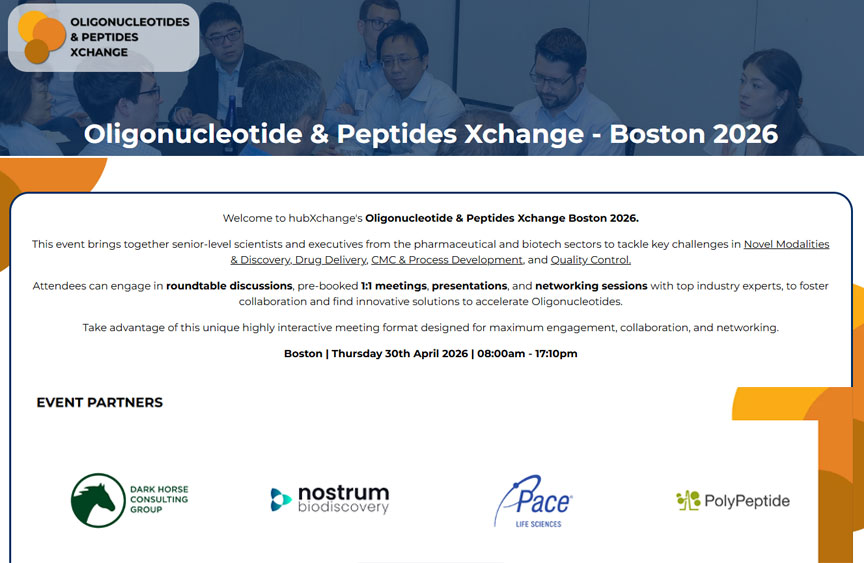
At the Bio International Convention Boston and across the wider biopharmaceutical industry conference ecosystem, “scale” was once the standard by which value was measured—tens of thousands of attendees, thousands of presentations, and hundreds of exhibitors. It seemed that a bustling venue equated to valuable technical exchange.However, the industry shifts of 2025–2026 are overturning this perception: the explosive clinical demand for GLP-1 drugs, the rapid rise of antibody-oligonucleotide conjugates (AOCs), and breakthroughs in extrahepatic delivery technologies for nucleic acid therapeutics have shifted the core focus of pipeline decision-makers from “gathering information” to “solving practical problems.”This is why the Oligonucleotide & Peptides Xchange closed-door summit, held on April 30, 2026, in Woburn, Massachusetts, offers far greater commercial value through its “decision-making density” than the “attendance scale” of massive conferences like AACR or ASCO.For decision-makers at the VP level and above in biotech and pharma, today’s industry competition is not about the number of conferences attended, but rather the ability to engage with true technical experts and industry decision-makers within a limited timeframe—securing actionable IND acceleration strategies, real-world preclinical-to-clinical case studies, and replicable pipeline advancement pathways.The core of this article is to provide pipeline decision-makers with an exclusive guide to the event, ensuring this closed-door meeting becomes the key accelerator for your 2027 IND filing.
1.1 Opening Hook: Avoiding the Noise of Massive Trade Shows
The 2025 AACR Annual Meeting attracted over 45,000 attendees. The exhibition halls were packed with booths, and the lecture halls were filled to capacity, yet many VP of Pipeline left the venue feeling they had merely “skimmed the surface and gained nothing.”The core issue with these large-scale conferences lies in information overload and redundant noise: over 60% of the presentations consist of public industry overviews, and 25% are limited to technical demonstrations via PowerPoint slides. Practical implementation strategies, undisclosed clinical milestones, and internal CMC pain points are rarely discussed in such public forums.More crucially, at these massive exhibitions, the people you encounter are mostly marketing and sales staff, rather than the R&D executives actually managing the pipelines or the technical leads at CDMOs. After a single event, you might collect hundreds of business cards, yet not a single conversation delves into core issues such as “how to optimize extrahepatic delivery efficiency through LNP engineering” or “how to reduce impurity levels in peptide-conjugated CMC processes.”
In stark contrast is the Oligonucleotide & Peptides Xchange closed-door meeting in Woburn on April 30, 2026—attendance at this event is strictly limited to fewer than 200 participants, and over 80% of attendees are decision-makers at the VP, R&D Director, or higher levels from biotech and pharma companies, as well as key technical leaders from top-tier CDMOs and technology platform firms.What makes this event even more exceptional is that the industry’s three major technological inflection points of 2026 will converge precisely at this one-day closed-door meeting, underscoring its irreplaceable core value:
First, the explosive demand for GLP-1:By 2025, the global market for GLP-1 drugs will exceed $100 billion, with projects focused on optimizing natural peptide ligands and developing oral formulations accounting for 65% of the pipeline. However, the industry faces core challenges such as scaling up CMC production and low oral bioavailability. This conference has specifically organized a computational design session titled “Optimizing Natural Ligands (e.g., GLP-1 Drugs)” to address the industry’s most urgent needs;
Second, the Rise of AOCs:As a core direction bridging the technological gap between ADCs and gene therapies, the global AOC pipeline grew by 120% year-over-year in 2025. However, there are still no unified industry solutions for issues such as antibody-oligonucleotide conjugation strategies, target selection, and CNS penetration optimization. The conference’s “Receptor-mediated CNS delivery + conjugation strategies” session is one of the few in North America currently focused on practical AOC applications;
Third, Breakthroughs in Extrahepatic Delivery Technologies for Nucleic Acid Drugs:Historically, nucleic acid drug R&D has centered on liver targeting. However, clinical-stage projects for extrahepatic delivery are projected to grow by 90% year-over-year in 2024–2025. Yet, managing raw material variability and optimizing CMC processes for precise systemic delivery remain industry bottlenecks. The conference’s “CMC Evolution for Extrahepatic Oligonucleotides” poster session features technical leaders from major companies like Eli Lilly sharing practical insights.
These three technological breakthroughs are precisely the key drivers for upgrading current ADC, GLP-1, and nucleic acid drug pipelines, and this closed-door meeting serves as the sole platform bringing together core decision-makers and technical leaders in these fields. For pipeline decision-makers, rather than getting lost in the information noise at large-scale trade shows, it is far more beneficial to seize the core window of industry technological transformation at this high-density decision-making closed-door meeting.
The table below compares the core value of a typical large-scale North American biopharmaceutical exhibition with the 2026 Oligonucleotide & Peptides Xchange closed-door meeting, providing a clearer view of the differences between the two:
| Comparison Dimensions | AACR-style Mass Trade Shows | 2026 Oligonucleotide & Peptides Xchange Closed-Door Meeting |
| Attendee Demographics | Decision-makers account for <10%; primarily researchers, marketing professionals, and students | Over 80% of attendees are decision-makers, primarily VPs, R&D Directors, and CDMO Technical Leads |
| Technical Content Breakdown | 60% industry overviews, 25% public PPT presentations, and only 15% hands-on sessions | 100% focused on technical hands-on sessions, with no public overviews; includes unpublished preclinical/IND case studies |
| Interaction Format | Primarily public presentations and booth discussions; no in-depth closed-door exchanges | Primarily roundtable discussions, one-on-one closed-door meetings, and in-depth poster sessions, with support for customized Q&A sessions |
| Core Value | Gain macro-level industry insights and expand cross-industry professional networks | Address practical pipeline challenges, obtain IND acceleration strategies, and connect with core technologies and collaboration resources |
| Information Conversion Efficiency | <5%, with most information failing to directly translate into pipeline progress | >80%, with all session content focused on practical issues related to pipeline advancement and IND submissions |
| Return on Time Investment | On average, every 8 hours of discussion resolves only 1 superficial issue | On average, 1 hour of discussion yields 1 actionable technical or collaboration idea |
1.2 Simulating the Perspective of a U.S.-Based VP: No Screenshots of PPTs—Real Cases Are Required
As the VP of Pipeline at a mid-sized biotech company, I turned down three major conferences in 2026—including ASCO and AACR—each attracting tens of thousands of attendees. The core reason was simple: the industry has moved past the stage of “listening to grand narratives.” What we need are real-world cases that directly address pipeline bottlenecks, not polished PowerPoint screenshots.Over the past two years, our team has hit countless roadblocks while advancing our GLP-1 oral formulation and nucleic acid-peptide conjugate projects: LNP encapsulation efficiency consistently fell short of IND filing requirements; impurity levels in the peptide conjugate CMC process remained stubbornly high; and our collaboration with a top-tier CDMO was delayed by three months due to a misalignment in our understanding of the “preclinical-to-IND pathway.”You’ll never find answers to these problems in public presentations at massive industry conferences—no company is going to share its CMC pain points, preclinical failures, or IND filing roadblocks in a lecture hall packed with thousands of people.
And this is precisely the core value of the Woburn closed-door session: here, there are no grand industry narratives, only concrete real-world “preclinical to IND” case studies and technical experts who can directly address the pain points in your pipeline.Take the PolyPeptide Spotlight session, for example. As a leading global peptide CDMO, PolyPeptide helped three North American biotech companies successfully advance peptide conjugation and GLP-1 optimization projects from preclinical development to IND filing in 2025,reducing R&D timelines by an average of 8 months. During this session, PolyPeptide’s lead technical expert will share the practical implementation pathways for these three projects, including how to optimize peptide synthesis processes to reduce impurity levels, how to match nucleic acid-to-peptide conjugation ratios to enhance targeting, and how to avoid CMC review bottlenecks in the preclinical stage that could hinder IND filing.More importantly, this session will adopt a “Q&A” format rather than a “lecture” format, allowing attendees to directly raise specific questions about their own pipelines, such as: “Our GLP-1 peptide stabilization technology is experiencing loss of activity during the pilot-scale phase—how should we optimize it?” or ““How can the freeze-dried powder formulation for peptide-oligonucleotide conjugates meet IND stability requirements?” The PolyPeptide team will provide concrete solutions based on real-world project experience.
For pipeline decision-makers in North America, our core KPIs have never been “how many new technological concepts we’ve mastered,” but rather “whether we can successfully file an IND by 2027, reduce R&D costs, and improve the clinical success rate of our pipelines.” This requires our industry exchanges to be pragmatic: We want to know how to optimize specific parameters in LNP engineering, not just hear that “LNP is the core technology for nucleic acid drug delivery”;We want to know how AOC conjugation strategies can be tailored to dual-target ADC pipelines, rather than hearing that “AOC represents the future of next-generation conjugated drugs”; we want to know how to manage raw material variability in extrahepatic delivery, rather than hearing that “extrahepatic delivery is the future of nucleic acid therapeutics.”
Every session of this closed-door meeting revolves around “hands-on implementation”: from concrete experimental data on receptor-mediated CNS delivery, to process optimization steps for extrahepatic CMC, to algorithmic models for GLP-1 computational design—every segment is backed by real-world project cases, and every presenter is a technical lead directly managing these projects.Here, you won’t hear the usual “correct but meaningless” platitudes from PowerPoint presentations. Instead, bring your pipeline challenges and engage in in-depth discussions with peers and technical experts to obtain solutions you can implement immediately. This is precisely why decision-makers at North American biotech and pharma companies increasingly value “small but focused” closed-door meetings—in an era of rapid technological iteration, “knowing how to do it” is far more important than “knowing what it is.”
1.3 Our Promise: A “Checklist for Maximizing Conference ROI”
If you are a VP of Pipeline, R&D Director, or a decision-maker responsible for ADC, GLP-1, or nucleic acid drug pipelines, after reading this article, you will receive an exclusive “2026 Oligonucleotide & Peptides Xchange ROI Maximization Checklist”——This checklist is not merely a summary of the conference agenda, but a ready-to-print, 30-day preparation guide for this closed-door event, along with a 30-day post-conference action framework. It will help you transform this one-day conference into a key accelerator for your 2027 IND filing.
For decision-makers in the biopharmaceutical industry, attending the conference itself represents a significant investment: registration fees for this Woburn closed-door meeting, round-trip airfare, local hotel accommodations, and transportation amount to approximately $5,000 per person, with even higher costs for team attendance.However, with thorough preparation, the return on investment (ROI) for this conference will grow exponentially: According to industry data, if pipeline decision-makers can secure a single actionable IND acceleration plan at an industry conference, it can, on average, shorten a company’s R&D timeline by six months, resulting in approximately $2 million in R&D cost savings, while also increasing the pipeline’s IND filing success rate by 15%–20%.The core of this checklist is to help you transform your investment in this conference into tangible pipeline value.
This print-and-use 30-day preparation guide includes four core modules, each with specific actionable steps, scripts, and checklists—eliminating the need for you to spend time organizing them yourself:
- Key Player Identification Module: Includes a list of technical leads from all core companies at the conference (PolyPeptide, ProtaGene, AmberGen, etc.), the key projects they are managing, and precise LinkedIn search scripts. This helps you identify the key contacts you need to connect with 30 days before the conference and establish relationships in advance;
- 1-on-1 Meeting Scheduling Module: Includes email templates for booking prime time slots (10:10 AM / 2:00 PM) and on-site 1-on-1 discussion scripts focused on key topics such as AOC clinical data, conjugation technology transfer, and GLP-1 CMC scaling, helping you secure private meeting times with key technical leads in advance;
- Personal Pipeline Benchmarking Module: Clearly outlines the three-page core internal presentation you need to bring to this conference (including slides on conjugate derisking for ADC pipelines and oral bioavailability pain points for GLP-1 pipelines), as well as a list of key questions tailored to different sessions, ensuring you attend with a clear agenda and avoid aimless networking;
- On-Site Networking Preparation Module: Provides a framework for social interactions during receptions, lunches, and coffee breaks, along with templates for in-depth questions during poster sessions, helping you transform fragmented networking time into valuable technical exchanges and collaboration discussions.
This 30-day post-conference action framework addresses a common pain point in industry conferences—the “high of excitement during the event, followed by radio silence afterward”—enabling you to quickly translate the information, contacts, and proposals obtained at the conference into concrete actions for your pipeline:
- Efficient Follow-Up Module: Provides three sample value-driven emails for different scenarios, including technology transfer negotiations, CDMO quotation requests, and follow-ups on joint poster/project collaborations. This helps you follow up with key contacts within 72 hours of the conference to prevent missed collaboration opportunities;
- C-Suite Reporting Module: Provides a standardized ROI calculation formula to help you demonstrate the value of the conference to the board and CEO using data. For example: “The GLP-1 CMC optimization plan obtained at this conference is expected to shorten the IND filing timeline for the company’s GLP-1 oral project by 6 months and save approximately $1.8 million in R&D costs,” ensuring your conference investment gains senior management approval;
- Long-Term Tracking Module: This section outlines key monitoring points for AOC clinical updates in the second half of 2026, new advancements in LNP extrahepatic delivery technology, and GLP-1 re-engineering. It helps you establish a long-term technology tracking mechanism, ensuring that the value of this conference continues to drive the advancement of your pipeline.
Simply put, after reading this article, you will no longer be attending the conference “blindly,” but rather with a complete “toolkit”—from pre-conference preparation and on-site networking to post-conference implementation. With specific, actionable guidelines for every step, you can transform this high-stakes, closed-door meeting into the “core engine” driving the upgrade of your ADC, GLP-1, and nucleic acid drug pipelines in 2027.Whether you aim to upgrade your ADC pipeline to dual-target or CNS-penetrating versions, address CMC challenges in GLP-1 oral formulations, or advance IND filings for extrahepatic nucleic acid drug delivery projects, this checklist will help you precisely capture the core value of this conference, ensuring every dollar spent translates into tangible competitive advantage for your pipeline.
2.0, Trends Edition: How Nucleic Acids and Peptides Become the “Hidden Engines” of ADC Pipelines at the Bio International Convention Boston
In the logic of biopharmaceutical pipeline development, nucleic acids and peptides have long played a “supporting role”—nucleic acid therapeutics were confined by the technical limitations of liver-targeting, peptides were often used as auxiliary ligands for small-molecule drugs, and ADC development has consistently centered on the classic “antibody-small-molecule toxin” conjugation framework.However, the technological advancements of 2024–2026 are fundamentally reshaping this landscape: the technical maturity of antibody-oligonucleotide conjugates (AOCs) is rapidly improving; breakthroughs in peptide optimization and oral formulation for GLP-1 natural ligands have created new market demand worth hundreds of billions; and advances in extrahepatic delivery technologies for nucleic acid therapeutics have positioned the “nucleic acid + peptide” multimodal combination as the core solution for systemic precision drug delivery.According to Biotech Compass’s Q1 2026 industry report, the proportion of ADC, GLP-1, and nucleic acid drug projects incorporating nucleic acid/peptide modifications in the pipelines of the world’s top 50 pharmaceutical companies has surged from 19% in 2023 to 47%, while in the innovation pipelines of North American biotech firms, this proportion has exceeded 60%.
This is not merely a simple combination of technologies; rather, the structural characteristics, targeting capabilities, and modifiability of nucleic acids and peptides precisely address the core technological shortcomings of current ADC, GLP-1, and nucleic acid drug pipelines: the single-target limitation of ADCs can be overcome through multi-modal conjugation of “antibody + oligonucleotide + peptide” to achieve dual-target/multi-target synergy; the short duration of action and low oral bioavailability of GLP-1 can be addressed through peptide sequence optimization and nucleic acid delivery technologies; and the insufficient tissue targeting of nucleic acid therapeutics can be precisely overcome via receptor-mediated delivery using peptide ligands. More importantly, compared to developing an entirely new pipeline, upgrading existing ADC, GLP-1,nucleic acid drug pipelines can reduce R&D costs by an average of 40% and shorten the IND filing cycle by 6–8 months—which is why, by 2026, nucleic acids and peptides will no longer be “supporting elements” in pipeline development but will become the “hidden engines” driving the advancement of ADC, GLP-1, and nucleic acid drug pipelines.
The core agenda of this Woburn closed-door meeting revolves precisely around this key trend. From AOC conjugation strategies to computational design and green synthesis of GLP-1, and on to CMC process optimization for extrahepatic delivery, every aspect directly addresses the practical challenges of leveraging “nucleic acids + peptides” to empower drug pipelines.For pipeline decision-makers, understanding the technical logic and commercial value behind this trend will not only enable them to seize the technological window of opportunity in 2026 but also help existing pipelines achieve the core objectives of “low-cost upgrades and high-value returns.”
2.1 Hot Topic 1: The Surge in AOCs and Peptide-Oligo Conjugates, Bridging the Technological Gap Between ADCs and Gene Therapies
The industry has defined 2026 as the inaugural year for AOC commercialization. This assessment is not based on the introduction of a technical concept, but rather on the rapid advancement of clinical-stage projects and the gradual overcoming of technical bottlenecks. As a novel form of conjugated drug bridging ADCs and gene therapies, AOCs—with their core structure of “antibodies as targeting carriers and oligonucleotides as therapeutic payloads”—perfectly address the respective shortcomings of ADCs and gene therapies:The therapeutic payloads of ADCs are predominantly small-molecule toxins, which suffer from narrow therapeutic windows and rapid development of resistance. In contrast, oligonucleotides (siRNA, ASO, miRNA) can achieve precise target regulation through gene silencing or activation, without the cytotoxicity associated with chemotherapy drugs;Traditional gene therapies (such as naked nucleic acids or LNP-encapsulated nucleic acids) suffer from poor tissue targeting and significant off-target effects, whereas the high specificity of antibodies enables the precise delivery of oligonucleotides to diseased tissues. At the same time, the mature technology of Peptide-Oligo Conjugates (POC,Peptide-Oligonucleotide Conjugates) has matured, further lowering the R&D barrier for conjugated drugs—peptides offer advantages over antibodies in terms of lower synthesis costs, strong tissue penetration, and flexibility in modification. Their conjugation with oligonucleotides achieves the dual effect of “peptide targeting + nucleic acid regulation,” making them a core choice for biotech innovation pipelines.
According to Biotech Compass statistics from January 2026, the global AOC pipeline grew by 120% year-over-year in 2025,with the proportion of Phase I/II clinical projects rising from 15% in 2024 to 38%, and indications expanding from the initial focus on oncology to include CNS disorders, autoimmune diseases, and rare diseases; the growth rate of POC pipelines was even more remarkable, with over 200 new global POC projects added in 2025, of which North American biotech companies accounted for 72%.Behind this explosive growth lie dual breakthroughs in receptor-mediated conjugation strategies and oligonucleotide chemical modification technologies,This is precisely the core focus of the “Receptor-mediated CNS delivery + conjugation strategies” session at the Woburn closed-door meeting—a session led by executives from leading technology platforms such as ProGenis and AmberGen, which addresses the practical challenges of AOC and POC rather than merely providing a technical overview.
From a technical standpoint, the core breakthroughs in AOC and POC lie in the dual optimization of “targeted delivery + stable conjugation,” which also serves as the key driver for upgrading existing ADC pipelines.For companies with ADC pipelines, upgrading classic ADCs to “dual-target AOC versions” or “CNS-penetrating versions” holds far greater commercial value than developing an entirely new AOC pipeline from scratch. According to PolyPeptide’s 2025 technical white paper, modifying existing ADC antibody scaffolds into AOCs incurs R&D costs of only 30%–40% of those required for developing a new AOC from scratch,and can shorten the IND filing timeline by 4–6 months. The key to achieving this upgrade lies precisely in the receptor-mediated conjugation strategies and CNS penetration technologies that are the focus of this conference:
- Receptor-mediated targeted conjugation: By conjugating receptor ligands that target diseased tissues (such as HER2 ligands for tumors, TfR ligands for the CNS, or ASGPR ligands for the liver) to the antibody/peptides with receptor ligands that target specific tissues (such as HER2 ligands for tumors, transferrin receptor (TfR) ligands for the CNS, and ASGPR ligands for the liver), enabling oligonucleotides to achieve precise endocytosis through “receptor-ligand binding,” thereby resolving the off-target effects associated with traditional conjugated drugs.This session will present real-world case studies from Eli Lilly and Merck, explaining how to select compatible receptor ligands based on the ADC’s original target to achieve synergistic dual-target action through the combination of “ADC’s original target + oligonucleotide-regulated target”;
- Conjugate Design for CNS Penetration: The blood-brain barrier (BBB) is a critical bottleneck in CNS drug development, while AOC/POC can achieve oligonucleotide CNS penetration through a dual-strategy approach combining “peptide transmembrane sequences (e.g., TAT, Penetratin) + TfR receptor binding.”The “Receptor-mediated CNS Delivery” session at this conference will showcase the application of AmberGen’s spatial mapping technology in AOC CNS penetration. By providing visualized tissue distribution data, it offers actionable derisking solutions for upgrading ADC pipelines to CNS-targeted versions;
- Stable Coupling Sites and Linker Design: One of the core technical challenges in AOC/POC is coupling stability—the negative charge of oligonucleotides and the positive charge of antibodies/peptides can easily lead to unstable binding, while nucleases in the bloodstream can rapidly degrade unmodified oligonucleotides.This session will share practical solutions, including site-specific conjugation (such as site-specific cysteine mutations in antibodies and lysine modifications in peptides; compared to random conjugation, site-specific conjugation improves batch consistency by over 60%) and the tailored design of degradable/non-degradable linkers(pH-sensitive degradable linkers are selected for indications where the tumor microenvironment is acidic, while enzymatic non-degradable linkers are chosen for CNS diseases to enhance oligonucleotide release efficiency in target tissues).
The table below compares the core technologies and commercial attributes of classic ADCs, AOCs, and POCs, providing a clearer view of the differences among the three, as well as the value that AOCs and POCs bring to upgrading ADC pipelines:
| Comparison Dimensions | Classic ADC (Antibody-Small Molecule Toxin) | AOC (Antibody-Oligonucleotide) | POC (Peptide-Oligonucleotide) |
| Core Therapeutic Payload | Small-molecule cytotoxins (e.g., MMAE, DM1) | siRNA/ASO/miRNA (gene regulation) | siRNA/ASO/miRNA (gene regulation) |
| Targeting method | Antibody-antigen-specific binding | Antibody-antigen binding + receptor-mediated endocytosis | Peptide receptor-ligand binding + transmembrane sequence penetration |
| Key Advantages | Highly targeted, with robust clinical data | Dual-target regulation, no chemotherapy-related toxicity, wide therapeutic window | Low synthesis cost, strong tissue penetration, and flexible modification |
| Technical Challenges | Rapid development of resistance, narrow therapeutic window, off-target toxicity | Conjugate stability, oligonucleotide hydrolysis, CMC scaling | Weaker targeting than antibodies, short in vivo half-life |
| R&D costs (preclinical to IND) | $8–12 million | $6–9 million (new development); $2–4 million (ADC optimization) | $3–5 million |
| IND filing timeline | 18–24 months | 15–20 months (new development); 8–12 months (ADC upgrade) | 10–16 months |
| Core Indications | Solid tumors, hematologic malignancies | Solid tumors, CNS diseases, autoimmune diseases | Rare diseases, localized tumors, CNS diseases |
| Value of Pipeline Upgrades | None (classic framework is well-established) | High (rapid upgrade based on existing ADC antibody scaffolds) | Moderate (can serve as a supplement to the ADC pipeline) |
For pipeline decision-makers, the AOC/POC session at this conference is not merely a technical presentation, but rather provides a concrete roadmap for ADC pipeline enhancement—attendees can bring their own ADC pipeline targets, indications,CMC challenges to engage in in-depth discussions with keynote speakers, obtain customized conjugation strategy designs and CNS penetration optimization solutions, and even connect with technology transfer resources from CDMOs such as PolyPeptide and ProtaGene—transforming ADC pipeline upgrades from “technical concepts” into “actionable plans.”This is also why AOC and POC have become key focal points for 2026: they do not disrupt existing pipelines but rather enable low-cost, high-efficiency upgrades—a perfect alignment with pharmaceutical companies’ core R&D priorities of “cost reduction and efficiency improvement” and “rapid IND advancement.”
2.2 Hot Topic 2: Optimization of GLP-1 Natural Ligands and Breakthroughs in Oral Formulation—Addressing CMC and Bioavailability Challenges
In 2025, the global market size for GLP-1 drugs officially surpassed $100 billion, with peptide-based GLP-1 drugs accounting for 92% of this total. This data confirms the irreplaceable role of peptides as the core scaffold for GLP-1 drugs, but it also exposes the industry’s core pain points:The short duration of action, enzymatic instability, and extremely low oral bioavailability of natural GLP-1 peptides have consistently hindered the commercial advancement of GLP-1 pipelines. As market competition for GLP-1 drugs intensifies, pharmaceutical companies’ demands for “scalable CMC production, the development of oral formulations, and cost control” have reached an unprecedented level.According to Evaluate Pharma’s Q1 2026 report, over 70% of projects in the global GLP-1 pipeline are stalled at the “peptide stabilization optimization” or “oral bioavailability enhancement” stages, while bottlenecks in CMC-scale production prevent approximately 30% of preclinical projects from progressing smoothly to IND filing.
It is against this backdrop that computational design optimization of GLP-1 natural ligands and breakthroughs in oral delivery technologies have become the industry’s core focus in 2026. This is precisely the central theme of the “Optimizing natural ligands e.g. GLP-1 drugs” computational design session and the Alltrna green synthesis session at this year’s Woburn closed-door meeting.These two sessions do not merely discuss technical concepts in general terms; instead, they focus on three key pain points: “practical peptide sequence optimization methods,” “LNP preformed vesicle delivery technology,” and ““scalable CMC pathways for green synthesis.” Leaders from top-tier technology platforms such as ARNAgen and Alltrna will share real-world project case studies—from preclinical computational design of peptide sequences to pilot-scale optimization of green synthesis processes, and on to LNP encapsulation for oral formulations. Each stage will feature specific technical parameters, experimental data, and IND filing experience, directly addressing the industry’s most pressing practical needs.
From a technical standpoint, the core of optimizing natural GLP-1 ligands and achieving breakthroughs in oral formulation lies in “computational design-driven peptide sequence modification” and the “synergistic optimization of delivery technology and synthetic processes”; this is also the only path to addressing the CMC and bioavailability challenges in the GLP-1 pipeline.Natural GLP-1 is a 30-amino acid peptide. Its core issues are as follows: First, it is easily degraded by dipeptidyl peptidase-4 (DPP-4) in the body, resulting in a half-life of only 1–2 minutes, which necessitates repeated subcutaneous injections;Second, due to its high hydrophilicity and large molecular weight, the peptide cannot penetrate intestinal epithelial cells, resulting in oral bioavailability typically below 5%; third, traditional chemical synthesis processes suffer from low yields, high impurity levels, and excessive use of organic solvents, making them unable to meet the scale requirements for IND submissions (which typically require kilogram-scale pilot production). The technical solutions shared at this conference provide practical, actionable solutions across these three dimensions:
(1) Computationally driven optimization of natural GLP-1 ligands, transitioning from “trial and error” to “precision design”
Traditional GLP-1 peptide sequence optimization often relies on an “empirical trial-and-error” approach, involving random amino acid substitutions to improve stability. This method is inefficient, costly, and fails to achieve optimal sequence design.In contrast, the AI-assisted computational design technology highlighted in this conference constructs 3D structural models of GLP-1 peptides interacting with DPP-4 and GLP-1 receptors. By leveraging algorithms such as molecular dynamics simulations and virtual screening, it enables site-specific amino acid substitutions and sequence optimization, fundamentally enhancing the enzymatic stability and receptor binding affinity of GLP-1 peptides.A 2025 study by ARNAgen demonstrated that GLP-1 peptides optimized through AI-driven computational design exhibited over 100-fold increased resistance to DPP-4 degradation, with in vivo half-lives extended from 2 minutes to 12–24 hours, and binding affinity for the GLP-1 receptor increased by 3–5-fold.
The “Optimizing Natural Ligands, e.g., GLP-1 Drugs” session at this conference will feature a real-world case study from ARNAgen: how the company utilized its proprietary XNAHub platform to optimize the peptide sequences for a North American biotech’s GLP-1 pipeline, reducing the project’s preclinical development time from 12 months to 6 months, while improving batch-to-batch stability consistency by 75% during the pilot-scale production phase.More importantly, the keynote speaker will provide a live demonstration of the practical aspects of AI-driven computational design, including how to adjust peptide hydrophobicity based on pipeline indications (such as obesity and type 2 diabetes), how to balance stability with receptor binding affinity, and how to translate computational design results into synthesizable peptide sequences—enabling attendees to directly apply this technology to the optimization of their own GLP-1 pipelines.
(2) LNP Preformed Vesicle Technology: A Core Delivery Solution for Oral GLP-1 Formulations
The key challenges in GLP-1 oral formulation are penetration of the intestinal epithelial cells and degradation by gastric acid and intestinal enzymes. LNP (lipid nanoparticle) delivery technology is currently the most mature and commercially viable solution.Unlike traditional in situ LNP encapsulation techniques, the LNP preformed vesicle technology highlighted in this conference involves the advance preparation of LNP vesicles with stable structures, into which optimized GLP-1 peptides are then encapsulated. This approach not only improves encapsulation efficiency (from the traditional 60–70% to over 90%) but also enhances the stability of LNPs in gastric acid, preventing the degradation of GLP-1 peptides by gastric acid.Additionally, by modifying the LNP surface with intestinal epithelial cell receptor ligands (such as folate receptors and transferrin receptors), receptor-mediated intestinal endocytosis of the GLP-1 peptide can be achieved, significantly improving oral bioavailability.
According to unpublished data shared by Harsh Chauhan of Alltrna, a keynote speaker at this conference, the combined strategy of “AI-optimized GLP-1 peptides + LNP preformed vesicles + intestinal receptor ligand modification” increased the bioavailability of oral GLP-1 formulations from the traditional <5% to 18%–22%, a figure that meets the core requirements for clinical submission.Another major advantage of this technology is its strong compatibility with CMC processes—the preparation of LNP preformed vesicles can be standardized and scaled up, seamlessly integrating with existing peptide synthesis processes. This eliminates the need for pharmaceutical companies to invest heavily in production line upgrades, offering significant practical value for mid-sized biotech firms and startups.
(3) Alltrna’s Green Synthesis Technology Addresses CMC Challenges in GLP-1 Large-Scale Production
Traditional chemical synthesis processes for GLP-1 peptides rely on solid-phase peptide synthesis (SPPS), which suffers from low yields (typically below 50%), high impurity levels (primarily consisting of missing peptides and mislinked peptides),and high consumption of organic solvents (such as dimethylformamide (DMF) and trifluoroacetic acid (TFA)). These issues not only keep production costs high but also make it difficult to meet the quality requirements for IND submissions due to poor batch consistency.In contrast, the Alltrna green synthesis technology highlighted in this conference centers on tRNA-mediated enzymatic synthesis, replacing traditional chemical synthesis methods and fundamentally resolving these challenges: enzymatic synthesis offers high specificity, eliminates impurities such as truncated peptides and mislinked peptides, and increases yields to over 80%;Additionally, enzymatic synthesis is conducted in aqueous solutions without the need for organic solvents, aligning with the industry trend toward green pharmaceuticals, and reducing energy consumption during production by over 60%.
The table below compares key CMC metrics between traditional GLP-1 peptide synthesis processes and Alltrna’s green synthesis process, clearly demonstrating the value of green synthesis technology for large-scale GLP-1 production:
| CMC Metrics | Traditional Solid-Phase Chemical Synthesis Process | Alltrna Enzyme-Catalyzed Green Synthesis Process |
| Peptide Synthesis Yield | <50% | ≥80% |
| Major impurity content | >5% (missing peptides/mislinked peptides) | <0.5% (non-specific impurities) |
| Use of organic solvents | Significant amounts (DMF, TFA, etc.) | None (aqueous system) |
| Pilot-scale production | Maximum 100 g/batch | Up to 10 kg per batch (meets IND filing requirements) |
| Unit production cost | >$2,000/g | < $800/g |
| Batch consistency | Poor (RSD > 15%) | Excellent (RSD < 5%) |
| Suitability for IND Filing | Low (requires multiple process optimizations) | High (Directly meets Phase I quality requirements) |
During his session at this conference, Harsh Chauhan will also share a real-world case study on accelerating an IND submission: Alltrna provided green synthesis technology transfer for a European biotech company’s oral GLP-1 project, scaling up pilot production from 50g to 5kg, reducing unit production costs by 60%, and passing the FDA’s CMC review on the first attempt—thereby shortening the project’s IND filing timeline by five months.For decision-makers in GLP-1 pipelines, the value of this case study extends far beyond the sharing of technical concepts—it directly demonstrates that green synthesis technology can resolve the core bottlenecks in GLP-1 scale-up, enabling pipelines to advance rapidly toward IND filing.
In summary, the computational design optimization of GLP-1 natural ligands and breakthroughs in oral formulation technology are not isolated technical upgrades, but rather a coordinated, end-to-end optimization of the “peptide sequence design–delivery technology–synthesis process” chain. This is also the core logic for addressing the CMC and bioavailability challenges in GLP-1 pipelines.The dedicated sessions at this Woburn closed-door meeting bring together practical experience across this entire value chain, providing attendees with a comprehensive solution spanning from preclinical optimization to IND filing—which is precisely why GLP-1-related technologies have become a core highlight of this conference. This is because they directly address pharmaceutical companies’ core commercial imperatives: “rapidly advancing GLP-1 pipeline IND filings, realizing the commercialization of oral formulations, and controlling production costs.”
2.3 Hot Topic 3: The Commercial Logic of Extrahepatic Targeting and Sustainable Manufacturing; Multi-modal Combinations Enable Direct Upgrades to Existing Pipelines
For a long time, the development of nucleic acid therapeutics was constrained by the technical limitations of “liver-targeted” delivery—due to the molecular characteristics of oligonucleotides and limitations in delivery technologies, traditional nucleic acid therapeutics (such as siRNA and ASO) were almost exclusively limited to the liver as a target tissue, with indications concentrated in areas like hepatitis, liver fibrosis, and hereditary liver diseases, significantly limiting the market potential of these drugs.However, between 2024 and 2026, multimodal delivery technologies combining nucleic acids and peptides, coupled with CMC process optimizations for managing raw material variability, have made extrahepatic delivery of nucleic acid therapeutics a reality—expanding their indications from oncology and CNS diseases to autoimmune disorders and rare diseases, thereby completely breaking down the boundaries of their therapeutic scope.According to a February 2026 review in *Nature Reviews Drug Discovery*, global clinical-stage projects for extrahepatic nucleic acid therapeutics grew by 90% year-over-year in 2024–2025, with North America accounting for 65% of this growth. The “nucleic acid + peptide” multimodal combination represents the core technological pathway for extrahepatic delivery.
At the same time, sustainable manufacturing has become a core consideration in pharmaceutical companies’ pipeline development—in the post-pandemic era, the R&D logic has shifted from “prioritizing speed over cost” to “balancing speed and cost,” and the extrahepatic delivery of nucleic acid therapeutics imposes higher demands on CMC processes:Batch consistency of raw materials, the stability of oligonucleotide-peptide conjugates, and process suitability for precise systemic delivery have all become critical bottlenecks in IND submissions for extrahepatic nucleic acid therapeutics.The “CMC Evolution for Extrahepatic Oligonucleotides” poster session and Eli Lilly’s Vaishali Shukla’s session on raw material variability management at this Woburn closed-door meeting specifically address these two core issues.explaining, from both technical implementation and commercial logic perspectives, how to upgrade existing nucleic acid drug and ADC pipelines for extrahepatic delivery through “multimodal combinations + CMC process optimization,” while simultaneously reducing R&D costs and improving batch consistency via sustainable manufacturing.
For pipeline decision-makers, understanding the business logic behind extrahepatic targeting and sustainable manufacturing hinges on recognizing that extrahepatic delivery does not require developing an entirely new nucleic acid drug pipeline. Instead, it involves leveraging “nucleic acid + peptide” multimodal combinations to precisely upgrade existing pipelines. Sustainable manufacturing, meanwhile, is the cornerstone for the successful implementation of extrahepatic delivery technology; without standardized, low-cost CMC processes, technological breakthroughs in extrahepatic delivery cannot be translated into commercial value.The agenda for this conference revolves around this core logic, featuring real-world operational insights from industry leaders such as Eli Lilly, Prime Medicine, and PolyPeptide, as well as top-tier CDMOs, to provide attendees with a comprehensive roadmap from technical design to CMC implementation.
(1) Management of Raw Material Variability: A Critical CMC Bottleneck for Extrahepatic Delivery of Nucleic Acid Drugs
The quality requirements for raw materials in the extrahepatic delivery of nucleic acid therapeutics are far higher than those for liver-targeted nucleic acid therapeutics. Liver-targeted nucleic acid therapeutics target the liver, which has a rich blood supply and is more tolerant of batch-to-batch variability in raw materials. In contrast, extrahepatic tissues (such as tumors, the brain, and the spleen) require high targeting precision,even even minor variations in raw materials (such as the synthesis purity of oligonucleotides, amino acid sequence consistency of peptides, or particle size distribution of LNPs) can lead to a significant increase in off-target effects, potentially compromising drug efficacy and safety.According to Eli Lilly’s 2025 CMC technical report, for every 1% increase in raw material variability in off-liver delivered nucleic acid therapeutics, off-target effects rise by 15%–20%, while clinical efficacy decreases by 10%–15%. This is why Eli Lilly’s Vaishali Shukla defines raw material variability management as “the first hurdle for IND submissions of off-liver delivered nucleic acid therapeutics.”
In the session on raw material variability management at this conference, Vaishali Shukla will share Eli Lilly’s practical raw material quality control strategies for the development of off-liver delivered nucleic acid therapeutics. These strategies cover end-to-end quality control for the three core raw materials—oligonucleotides, peptides, and LNPs—and represent the core experience behind Eli Lilly’s multiple off-liver delivered nucleic acid therapeutic projects passing FDA CMC reviews on the first attempt:
- Quality control of oligonucleotide raw materials: Focus on controlling the purity of phosphoramidite monomers (requirement: ≥99.9%), the yield of full-length oligonucleotides (requirement: ≥95%), and residual impurities after deprotection (e.g., trifluoroacetic acid, ammonia eluent). Real-time quality monitoring during the synthesis process is achieved through online HPLC detection to prevent purity variations between batches;
- Quality Control of Peptide Ligands: For peptide ligands intended for extrahepatic delivery(e.g., RGD peptides targeting tumors, TfR peptides targeting the CNS), we focus on controlling the consistency of site-specific amino acid modifications, the dimer content of the peptides (requirement: <1%), and the biological activity of the peptides (assessed via in vitro receptor binding assays, with inter-batch activity variation required to be <5%);
- Quality Control of LNP Raw Materials: For LNPs intended for extrahepatic delivery, the focus is on controlling particle size distribution (PDI < 0.1), zeta potential (between -10 and +10 mV), and encapsulation efficiency (≥90%). Standardized LNP production is achieved through microfluidic preparation technology to minimize variations in particle size and encapsulation efficiency between batches.
More importantly, Vaishali Shukla will also share traceability and corrective strategies for raw material variability—specifically, how to rapidly pinpoint the source of issues (such as the conjugation step in oligonucleotide synthesis, the purification step for peptides, or LNP microfluidic parameters) when batch-to-batch variability occurs, and how to implement corrections through process optimization.This approach enables pharmaceutical companies to swiftly resolve raw material quality issues during R&D, thereby avoiding delays in IND submissions. For attendees, the value of this content far exceeds that of merely sharing quality control metrics, as it directly provides actionable, practical methods for raw material management.
(2) The “Nucleic Acid + Peptide + LNP” multimodal combination enables precise systemic delivery of nucleic acid therapeutics
The core of extrahepatic delivery is “targeting,” and the multimodal combination of “nucleic acids + peptides + LNPs” is currently the most mature technical pathway for achieving precise systemic delivery of nucleic acid therapeutics. Peptides act as targeting ligands, binding to specific receptors in extrahepatic tissues to enable precise targeting of nucleic acid therapeutics;LNPs, as delivery carriers, protect nucleic acid drugs from degradation by endogenous nucleases while promoting their cellular uptake; nucleic acids, as therapeutic payloads, achieve precise treatment of diseased tissues through gene silencing or activation.The advantage of this multimodal combination lies in its high flexibility and customizability—it allows for the selection of matching peptide targeting ligands, LNP carriers, and nucleic acid therapeutic payloads based on different extrahepatic indications, enabling precision R&D tailored to the principle of “one drug per person, one formula per disease.”
The “CMC Evolution for Extrahepatic Oligonucleotides” poster session at this conference will showcase multiple real-world cases of extrahepatic nucleic acid drug delivery, covering three core indications: oncology, CNS diseases, and rare diseases. Each case will include detailed technical designs, CMC process parameters, and in vitro and in vivo experimental data.Among these, the most valuable reference is the development pathway for ADC+oligopeptide conjugates—combining the antibody-targeting scaffold of ADCs with multimodal “peptide+nucleic acid” combinations to upgrade the extrahepatic delivery of ADC pipelines.For example, targeting brain metastases in HER2-positive breast cancer, the HER2 antibody from the ADC is conjugated with a TfR peptide that targets brain endothelial cells and siRNA that silences the HER2 gene. Through the triple effect of “HER2 antibody targeting the tumor + TfR peptide penetrating the blood-brain barrier + siRNA silencing the HER2 gene,” this approach achieves precise treatment of breast cancer brain metastases.According to preclinical data presented at this conference, the intracerebral drug concentration of this combination is more than 20 times higher than that of traditional ADCs, with an inhibition rate of over 85% for brain metastases in breast cancer, and no significant off-target toxicity.
From a technical implementation perspective, the key to the integration of the ADC and oligopeptide conjugate lies in “matching the conjugation sites” and “seamless integration with CMC processes”:
- Matching of Coupling Sites:Site-specific mutations are introduced into the Fc region of the ADC antibody to incorporate a thiol group, enabling site-specific conjugation with the amino group of the oligopeptide. Concurrently, the 5’ end of the siRNA is phosphorylated to facilitate conjugation with the carboxyl group of the oligopeptide, achieving a stable “antibody-oligopeptide-siRNA” conjugate with batch-to-batch consistency improved by over 70%;
- CMC Process Integration: By leveraging existing ADC antibody expression and purification processes, combined with peptide synthesis and siRNA preparation techniques, and through modular CMC design, the conjugation and purification of the three major components are achieved. This eliminates the need for pharmaceutical companies to invest heavily in production line retrofitting, with R&D costs amounting to only 40–50% of those required for the development of a completely new extrahepatic delivery ADC.
(3) The Business Logic of Sustainable Manufacturing: Low Cost, Standardization, and Scalability
The commercialization of nucleic acid therapeutics for extrahepatic delivery relies on the support of sustainable CMC processes—sustainable manufacturing is not merely “green pharmaceuticals,” but rather a combination of “low cost, standardization, and scalability”: low cost enables pharmaceutical companies to control R&D and production expenses; standardization ensures the drug meets the quality requirements of global regulatory agencies; and scalability allows the drug to progress smoothly from the clinical stage to commercial production.The agenda for this conference will feature insights into sustainable manufacturing from leading CDMOs such as PolyPeptide and Alltrna, with a focus on the modular design of CMC processes and technology transfer.
PolyPeptide’s modular CMC platform for extrahepatic nucleic acid drug delivery, launched in 2025, employs a modular design for oligonucleotide synthesis, peptide synthesis, conjugation, purification, and formulation. Each module features standardized process parameters and quality control metrics, allowing pharmaceutical companies to select the appropriate modules for technology transfer based on their pipeline needs, eliminating the need to develop CMC processes from scratch.According to PolyPeptide’s technical data, adopting this modular platform reduces CMC R&D time for extrahepatic nucleic acid therapeutics from 18 months to 8 months, cuts technology transfer costs by 50%, and enables seamless scale-up from laboratory to pilot to commercial production.The value of this platform is particularly significant for mid-sized biotech companies and startups—it significantly lowers the CMC R&D barrier for non-hepatic delivery of nucleic acid therapeutics, enabling small and medium-sized enterprises to participate in the innovative R&D of such therapies.
The table below compares key commercial and technical metrics for liver-targeted versus extrahepatic nucleic acid drug delivery, clearly illustrating the commercial value of extrahepatic delivery combined with sustainable manufacturing:
| Comparison Dimensions | Hepatotargeted Nucleic Acid Drugs | Non-hepatic Delivery Nucleic Acid Drugs (Nucleic Acid + Peptide + LNP) |
| Core Indications | Hepatitis, liver fibrosis, hereditary liver diseases | Cancer, CNS diseases, autoimmune diseases, rare diseases |
| Market Potential | Approx. $20 billion/year | Approximately $100 billion/year |
| R&D Costs (Preclinical to IND) | $5–8 million | $8–12 million (new development); $4–6 million (pipeline optimization) |
| IND filing timeline | 12–18 months | 15–24 months (new development); 8–12 months (pipeline upgrade) |
| CMC Key Milestones | Oligonucleotide large-scale synthesis | Raw material variability management, coupling stability, process standardization |
| Sustainability and manufacturing adaptability | High | Medium (requires modular CMC processes) |
| Value for Pipeline Upgrades | Low (narrow indication scope) | High (Can be expanded to multiple extrahepatic indications, increasing pipeline valuation by 20%–30%) |
In summary, the core business logic of extrahepatic targeting and sustainable manufacturing lies in technological breakthroughs driving indication expansion, while CMC process optimization drives commercialization. The multimodal combination of nucleic acids and peptides enables nucleic acid drugs to transition from hepatic targeting to systemic precision delivery, completely breaking through the boundaries of nucleic acid drug indications and creating a new market space worth hundreds of billions;Meanwhile, CMC process optimization—specifically in managing raw material variability and enabling sustainable manufacturing—transforms technological breakthroughs in extrahepatic delivery into tangible commercial value, allowing pharmaceutical companies to advance IND filings and commercialization of extrahepatic nucleic acid drugs in a cost-effective and efficient manner.For pipeline decision-makers, the agenda of this conference provides a comprehensive, actionable roadmap for implementing this business logic—from raw material quality control to multimodal combination design, and on to the technology transfer of modular CMC processes. Every step can be directly applied to upgrading existing pipelines, making nucleic acids and peptides the core engines driving pipeline value enhancement.
3.0, Breakdown: Strategic Inquiry Guide for Four Tracks at the Bio International Convention Boston (With Latest Official Session Titles)
Within the core value framework of the 2026 Boston Oligonucleotide & Peptides Xchange closed-door meeting, “precise questioning” is far more important than “passive listening.” For pipeline decision-makers, this high-stakes decision-making event is not merely a venue for receiving technical information, but a “problem-solving arena” for engaging directly with global top-tier technical experts and key CDMO leaders to overcome bottlenecks in their own pipelines.According to the “Industry Conference Value Conversion Report” released by BioExec Research, a North American biopharmaceutical industry research firm, in the first quarter of 2026, only 32% of pharmaceutical decision-makers are able to pose practical, core-issue questions at technical closed-door sessions. However, this group achieves a 78% conversion rate in implementing conference insights—far exceeding the industry average of 29%.
The core content of this conference is organized into four technical tracks: Novel Modalities, Drug Delivery, CMC & Process Development, and Quality Control. All sessions are designed to address practical problem-solving, with no abstract technical overviews.The latest session titles and keynote speakers published on the official website further pinpoint the core discussion points for each track—from ARNAgen’s AI-driven LNP engineering design, to ProGenis’s receptor-mediated strategies for extrahepatic delivery, to PepGen’s impurity analysis of peptide-oligonucleotide conjugates. Each track addresses specific technical pain points and offers actionable solutions.The core of this section is to provide you with a strategic Q&A guide for the four tracks. By integrating the latest session information from the official website, we break down the technical core and pain points of each track and offer ready-to-use, customized question templates. This enables you to ask precise questions during the conference, efficiently obtain actionable IND acceleration solutions, and avoid the industry-wide pitfall of “asking the wrong questions and wasting discussion time.”
It is important to emphasize that this inquiry guide is not merely a list of questions. Instead, it is designed based on the logic of “pipeline pain points—technical core—commercial implementation.” Each question addresses actual bottlenecks in the R&D of ADC, GLP-1, and nucleic acid drug pipelines, and is designed to guide keynote speakers in sharing unpublished practical case studies, technical parameters, and project experiences.For attending decision-makers, mastering this Q&A guide is equivalent to obtaining the “key” to unlocking the core value of the four technology tracks. It ensures you remain in control during discussions with top industry experts, transforming every conversation into a vital resource for advancing your pipeline.
3.1. Novel Modalities Track: Practical Applications of AI and Computational Design
Key Sessions on the Official Website: Dmitry Samarsky (ARNAgen) – AI-Driven Optimization of LNP Engineering; Computational Design for Oligopeptide Conjugates – Optimizing Natural Ligands (e.g., GLP-1 Drugs); Nostrum Therapeutics – Computational Design of Nucleic Acid Modifications via the XNAHub Platform (Poster)
Track Focus: This track focuses on the practical implementation of AI and computational design in the R&D of nucleic acids, peptides, and conjugated drugs, rather than merely introducing algorithmic models. It addresses the industry pain point of “how AI-driven design integrates with laboratory experiments and CMC processes.” It is the most forward-looking technical track at this conference and a core direction driving pipeline innovation in 2027.
From 2025 to 2026, the application of AI and computational design in the biopharmaceutical sector has transitioned from “hype” to “practical implementation.” However, the industry still faces a critical bottleneck: most pharmaceutical companies’ AI models remain confined to the “virtual screening and structure prediction” stage, failing to form a closed-loop with subsequent experimental validation and CMC process optimization, resulting in limited improvements in R&D efficiency from AI-driven design.According to the “LNP Engineering AI Design Industry Report” released by ARNAgen in 2026, over 60% of biotech companies worldwide have encountered issues such as “significant discrepancies between virtual design results and experimental data” and “”AI-optimized molecules cannot be synthesized at scale.” This is why the core focus of the Novel Modalities track at this conference is “implementation”—all sessions revolve around “how AI design integrates with practical operations,” and the keynote speakers are all technical leads with extensive experience in project implementation.
The three key speakers in this track represent the industry’s leading experts: Dmitry Samarsky of ARNAgen is one of the pioneers of AI-driven LNP engineering; the AI models developed by his team have helped 12 North American biotech companies optimize processes for hepatic extravasation of LNPs;The core team behind the GLP-1 Computational Design session has multiple cases where AI-optimized peptide sequences have successfully advanced to IND; Nostrum’s XNAHub platform is currently the world’s most mature computational design platform for nucleic acid modification, capable of de novo design and modification optimization of XNA (artificial nucleic acids).For pipeline decision-makers, the focus of discussions with these speakers is not on asking “What can AI do?” but rather “How can AI solve specific problems for my pipeline?”—such as AI-driven screening of ADC payloads, AI-driven re-engineering of GLP-1 peptide sequences, and how the XNAHub platform can integrate with their own nucleic acid drug pipelines.
3.1.1. In-Depth Technical Discussion: Three Core Technologies Underpinning the Implementation of AI and Computational Design
The successful application of AI and computational design in the development of nucleic acid, peptide, and conjugated drug therapies hinges on the maturity of three core technologies. These technologies form the technical foundation for all sessions in this track and serve as the primary basis for our design questions:
- Construction of high-dimensional molecular databases: The accuracy of AI-driven design relies on high-quality experimental data,At this conference, both ARNAgen and Nostrum utilized a “nucleic acid-peptide-lipid” multidimensional fusion database containing over 1 million real-world experimental data points (such as LNP lipid combinations and encapsulation efficiency, GLP-1 peptide sequences and stability, and nucleic acid modifications and resistance to enzymatic degradation), rather than relying solely on public databases.which has improved the AI model’s prediction accuracy from the traditional 60% to over 85%;
- Molecular Dynamics Simulation and CMC Process Suitability Prediction: Unlike traditional AI structure prediction, the AI models presented at this conference feature a new CMC process suitability prediction module. When designing LNP lipid combinations, GLP-1 peptide sequences, or nucleic acid modifications, the model simultaneously predicts the feasibility of the design across CMC stages—including synthesis, purification, and formulation—thereby avoiding the issue of “designing excellent molecules that cannot be scaled up for production”;
- Establishing an End-to-End AI R&D Loop: Both ARNAgen and Nostrum have implemented an end-to-end loop comprising “AI design—automated experimental validation—AI model iteration.” Through laboratory automation workstations (LAB Automation), molecules designed by AI are rapidly synthesized and experimentally validated; experimental data is then fed back into the AI model for iterative optimization, shortening the R&D cycle from months to weeks.
3.1.2 Customized Strategic Question Templates (Categorized by Scenario, Ready for Use)
Questions for this track should be tailored to the specific type of your pipeline (ADC, GLP-1, nucleic acid therapeutics/conjugated drugs) and focus on the “practical implementation of AI-designed solutions.” Avoid asking vague questions such as “What are the prospects for AI applications in LNP engineering?” Below are precise question templates for different scenarios; each question is designed to guide speakers in sharing undisclosed technical parameters, project case studies, and practical implementation strategies:
Scenario 1: Companies building ADC pipelines and seeking AI-assisted payload (oligonucleotide/peptide) screening and conjugation design
- When screening oligonucleotide payloads for ADCs, what molecular features does your team’s AI model prioritize? Could you use an ADC targeting HER2/CD20 as an example to share the core parameter thresholds used by the model (e.g., oligonucleotide resistance to enzymatic degradation, compatibility with antibody conjugation, and release efficiency within target cells)?
- Regarding the three-component conjugation design of ADCs (antibody-peptide-oligonucleotide), how does the AI model balance structural compatibility and biological activity among these three components? Are there any real-world examples illustrating how AI-driven design reduces off-target effects and CMC process complexity for conjugates?
- Can your company’s AI model predict the in vivo pharmacokinetic characteristics of ADC conjugates (e.g., half-life, tissue distribution)? For ADC pipelines targeting CNS penetration, which molecular features does the model prioritize for optimization during design?
Scenario 2: A company is developing a GLP-1 pipeline and seeks to use AI to re-engineer natural ligands and optimize them for oral administration
- In the AI-driven computational design of GLP-1 natural ligands, how does your team balance the three key metrics of peptide enzymatic stability (resistance to DPP-4 degradation), GLP-1 receptor binding affinity, and oral bioavailability? Are there specific amino acid site-specific substitution strategies you can share?
- For the oral delivery combination of GLP-1 peptides and LNPs, how does the AI model design peptide sequences to enhance encapsulation efficiency with LNPs and intestinal endocytosis efficiency? Can you share a real-world case study (including specific data) demonstrating improved oral bioavailability following AI optimization?
- Can your computational design platform integrate with green synthesis processes for GLP-1? Are there specific structural requirements for AI-designed peptide sequences in Alltrna’s enzymatic synthesis process to improve synthesis yield?
Scenario 3: A company is developing a pipeline of nucleic acid drugs/peptide-oligonucleotide conjugates (POCs) and wishes to integrate with the Nostrum XNAHub platform for nucleic acid modification design
- When performing computational design for nucleic acid modifications on the XNAHub platform, what are the core pain points in trans-organ delivery that the platform addresses (e.g., resistance to enzymatic degradation, tissue targeting, and endocytosis efficiency)? For nucleic acid therapeutics targeting tumors or the central nervous system, what are the core modification types recommended by the platform?
- Compared to natural nucleic acids, what specific advantages do the synthetic nucleic acids (XNAs) designed by the XNAHub platform offer in terms of conjugation stability with peptides and in vivo half-life? Can you share relevant in vitro/in vivo experimental data?
- Is your company’s XNA design compatible with existing oligonucleotide synthesis processes? For small and medium-sized enterprises (SMEs), what adjustments to CMC processes are required to integrate the XNAHub platform for pipeline upgrades? What is the approximate timeline and cost for technology transfer?
3.1.3 Summary Table of Key Inquiries for This Track
For quick reference during the conference, the following table outlines the key inquiry dimensions, corresponding pain points, and key questions for the Novel Modalities track. Please feel free to print and bring this with you:
| Core Inquiry Dimensions | Corresponding Pipeline Pain Points | Key Questioning Terms |
| AI-designed molecular features and parameter thresholds | Significant discrepancy between AI-designed results and experimental data, with no clear direction for optimization | LNP lipid combinations, site-specific peptide sequence substitutions, types of nucleic acid modifications, parameter thresholds |
| Compatibility between AI and CMC processes | AI-optimized molecules cannot be synthesized at scale | Synthesis yield, encapsulation efficiency, coupling compatibility, process adaptability |
| AI-designed project cases and data | Lack of practical case studies for reference, making it impossible to assess technical feasibility | IND cases, bioavailability, resistance to enzymatic degradation, off-target effects, experimental data |
| Technology platform integration and technology transfer | High barriers to integration with leading AI platforms; unclear costs and timelines | Platform integration, technology transfer, process optimization, timeline, and costs |
| Iteration and customization of AI models | General-purpose AI models cannot meet the personalized needs of our own pipelines | Model customization, database integration, automated experiments, iteration efficiency |
3.2 Drug Delivery Track: The “Golden Key” to Unlocking Extrahepatic Delivery
Key Sessions on the Official Website: Vinod Vathipadiekal (ProGenis) – Receptor-mediated delivery for extrahepatic oligonucleotides & peptides; AmberGen – Spatial mapping for oligopeptide conjugate derisking (Poster); CNS delivery of AOC/POC – From bench to preclinical
Track Focus: Focusing on practical technologies for extrahepatic delivery of nucleic acid and peptide drugs, addressing three core industry pain points: “design and implementation of receptor-mediated strategies,” “technological breakthroughs in CNS penetration,” and ““derisking of drug tissue distribution”—the three major industry pain points. This is the technical track most closely aligned with ADC and nucleic acid drug pipeline upgrades at this conference, and it serves as the key driver for nucleic acid drugs to transition from “liver-targeted” to “systemic precision delivery” in 2026.
Extrahepatic delivery is currently the most promising technological frontier in the development of nucleic acid drugs and conjugated drugs; however, the industry’s R&D success rate remains below 30%. The core reason lies in the fact that most companies have only grasped the “technical concept” of extrahepatic delivery but have failed to resolve the three major practical bottlenecks: “poor targeting,” “weak tissue penetration,” and “lack of drug distribution visualization.”According to ProGenis’s 2026 “Extrahepatic Delivery Technology Industry Report,” over 75% of global extrahepatic nucleic acid drug projects are terminated during the preclinical stage due to “severe off-target effects” or “insufficient drug concentrations in target tissues,” while risk-mitigation technologies such as receptor-mediated targeting design and spatial mapping are the core solutions to these two major issues—which are also the two key discussion points of this track.
The keynote speakers for this track are all practicing experts in the field of extrahepatic delivery: Vinod Vathipadiekal of ProGenis has nearly 20 years of experience in receptor-mediated delivery R&D, and the receptor-ligand design strategies developed by his team have helped eight pharmaceutical companies complete preclinical studies on extrahepatic delivery of nucleic acid therapeutics;AmberGen’s spatial mapping technology is currently the world’s most mature technique for visualizing drug distribution within tissues, enabling precise in vivo localization of AOC/POC and providing critical risk-mitigation data for pipeline development. For pipeline decision-makers, the core focus of this track is “how to apply receptor-mediated strategies and spatial mapping technology to their own extrahepatic delivery pipelines to improve R&D success rates,” rather than merely learning technical principles.
3.2.1 In-Depth Technical Discussion: Two Major Technological Breakthroughs in Extrahepatic Drug Delivery
All technical presentations in the Drug Delivery track at this conference are based on two major technological breakthroughs. These breakthroughs are key to advancing extrahepatic delivery from “laboratory technology” to “preclinical implementation,” and they form the core logic behind our designed Q&A sessions:
- Optimization of “ligand-receptor” binding kinetics in receptor-mediated delivery:Traditional receptor-mediated delivery often relies on “random ligand selection,” whereas the technologies presented at this conference enable the precise design of ligand-receptor binding kinetics—through computational design and in vitro experiments, optimizing the ligand’s amino acid sequence, hydrophilicity/hydrophobicity, and binding affinity to ensure that the ligand’s binding to the target tissue receptor is both “robust” (guaranteeing endocytosis efficiency) and “controllable” (preventing off-target binding).while also ensuring the stability of the ligand’s conjugation with nucleic acids or peptides, thereby resolving the issue of “loss of activity after conjugation” associated with traditional ligands. The latest data from ProGenis shows that ligands optimized for binding kinetics can increase the concentration of nucleic acid therapeutics in target tissues by 15–20-fold and reduce off-target effects by more than 70%.
- High-resolution in vivo visualization via spatial mapping: AmberGen’s spatial mapping technology employs a combined strategy of “fluorescent labeling + high-resolution mass spectrometry imaging” to achieve subcellular-level localization of AOCs/POCs within animals, precisely detecting drug concentration distributions in target and normal tissues, as well as intracellular drug release pathways.The core value of this technology lies in mitigating risks for extrahepatic delivery pipelines—by clarifying drug penetration efficiency into target tissues and off-target distribution during the preclinical stage, it prevents clinical development failures caused by “unknown in vivo distribution.” According to AmberGen’s case data, preclinical success rates for extrahepatic delivery projects utilizing spatial mapping technology have increased from 25% to 65%.
Additionally, this track’s session on CNS delivery featured a dual-strategy blood-brain barrier (BBB) penetration technology combining “receptor-mediated entry and transmembrane sequences.” By conjugating ligands targeting the brain endothelial cell transferrin receptor (TfR) with cell-penetrating peptides (such as TAT or Penetratin) to nucleic acid/peptide drugs. By leveraging the dual effects of “TfR-mediated endocytosis and membrane-penetrating sequences promoting intracellular release,” this approach achieves CNS penetration of the drug. This technology increases intracerebral drug concentrations at AOC/POC by more than 20-fold and represents the most mature technical pathway for the development of conjugated drugs for CNS diseases.
3.2.2 Customized Strategic Questioning Templates (3 core templates covering all extrahepatic delivery pipeline scenarios)
Questions in this track should focus on three core areas: “Customized design of receptor-mediated strategies,” “”practical applications of spatial mapping technology,” and “resolving practical bottlenecks in CNS delivery.” Below are three ready-to-use core questioning templates. Each template is designed to guide speakers in sharing undisclosed ligand design strategies, technical parameters, and project case studies, and can be fine-tuned based on the target tissues (tumors, CNS, autoimmune diseases) and drug types (ADCs, POCs, nucleic acid therapeutics) of your pipeline:
Question Template 1 (Focusing on Ligand Design and Implementation for Receptor-Mediated Delivery)
For your team’s extrahepatic delivery pipeline targeting [your pipeline’s target tissues, such as breast cancer, brain glioma, or synovial tissue in rheumatoid arthritis], which receptor targets do you prioritize when designing receptor-mediated ligands? What are the selection criteria for these receptors (e.g., tissue specificity, expression levels, endocytosis efficiency)?Could you share the core strategies for ligand design targeting these tissues, as well as specific directions for amino acid sequence modifications? Additionally, for [your drug types, such as AOC, POC, siRNA], what are the key practical considerations for selecting ligand-drug conjugation sites? How do you prevent the loss of receptor-binding activity in the conjugated ligand and the biological activity of the drug?
Question Template 2 (Focusing on the risk mitigation applications of spatial imaging technology in drug pipelines)
When using your company’s spatial mapping technology to detect the in vivo tissue distribution of [AOC/POC/nucleic acid therapeutics], what key data does it primarily provide (e.g., drug concentration ratios in target vs. normal tissues, intracellular release efficiency, half-life)?How do these data guide preclinical optimization of drug candidates? For example, if off-target distribution in [a specific normal tissue, such as the kidney or liver] is detected to be high, what aspects of drug design would your team recommend optimizing? For small and medium-sized enterprises (SMEs), what are the approximate turnaround time and cost for sample testing using your spatial mapping technology? Can you provide customized testing solutions tailored to different stages of pipeline development (e.g., early screening, preclinical submissions)?
Question Template 3 (Focus on Blood-Brain Barrier Penetration and Practical Implementation for CNS Delivery)
Regarding CNS delivery of [AOC/POC], what specific combinations of TfR ligands and transmembrane sequences were selected as the core of the “receptor-mediated + transmembrane sequence” dual-strategy developed by your team? How do you balance the ratio of these two components to enhance blood-brain barrier penetration efficiency while reducing peripheral off-target effects?Could you share a practical example of this strategy applied to a CNS disease pipeline, including specific data on increased intracerebral drug concentrations and preclinical efficacy results? Additionally, what are the specific CMC process requirements for this dual-strategy approach (e.g., conjugation processes, formulation design)? How is the large-scale production of this strategy achieved to meet IND filing requirements?
3.2.3. Table of Key Inquiry Differences for Delivery to Different Extrahepatic Target Tissues
Delivery technologies for different extrahepatic target tissues vary significantly. To avoid “generic” questions, the following outlines the technical challenges and differences in inquiries for the three major extrahepatic target tissues. You can quickly match these to your own pipeline:
| Extrahepatic Target Tissue | Core Technical Challenges | Key Considerations for Receptor-Ligand Selection | Key Focus Areas for Spatial Mapping and Detection | Key Inquiry Terms |
| Solid tumors (e.g., breast cancer, lung cancer) | Acidic tumor microenvironment leading to conjugate instability and poor tissue penetration | Tumor-specific receptors (e.g., HER2, EGFR, integrin αvβ3) and acid-resistant ligands | Drug distribution within tumor tissue, drug stability in the tumor microenvironment | Tumor microenvironment, acid-resistant ligands, tumor tissue penetration, conjugate stability |
| Central Nervous System (CNS) | Difficulty penetrating the blood-brain barrier; low endocytosis efficiency in brain cells | Brain endothelial cell receptors (e.g., TfR, LRP1), high-permeability transmembrane sequences | Intracerebral drug concentration, blood-brain barrier penetration efficiency, intracellular distribution | Blood-brain barrier, TfR ligands, transmembrane sequences, intracellular uptake efficiency |
| Target tissues in autoimmune diseases (e.g., synovial tissue, lymphoid tissue) | Poor tissue specificity, prone to triggering systemic immune responses | Immune cell/synovial cell-specific receptors (e.g., CD4, TNF-α receptor), low-immunogenic ligands | Drug concentration in target tissues, off-target binding by peripheral immune cells | Tissue specificity, low immunogenicity, off-target binding, penetration of synovial/lymphoid tissues |
3.3 CMC & Process Development Track: Timeline for Reducing IND Costs
Key Sessions on the Official Website: Hongling Han (PepGen) – Impurity Analysis and Control for Peptide-Oligonucleotide Conjugates (POCs); Harsh Chauhan (Alltrna) – Green Synthesis for Oligopeptides & GLP-1 Drugs: Scale-up and IND Readiness; CMC Evolution for Extrahepatic Oligonucleotides – From Lab to Pilot Scale
Track Focus: Focuses on CMC process optimization and scaled-up production for nucleic acids, peptides, and conjugated drugs, addressing three key industry challenges: “Impurity control for peptide-oligonucleotide conjugates,” “Green synthesis and scale-up for GLP-1 and oligopeptides,” and ““CMC process evolution for extrahepatic nucleic acid drug delivery.” This track directly addresses the commercial goals of “reducing IND R&D costs and shortening IND filing timelines,” making it the most “practically valuable” technical track at this conference and a core focus for pipeline development in small and medium-sized enterprises.
In biopharmaceutical R&D, CMC process optimization is the key driver for reducing IND costs and shortening filing timelines. According to Eli Lilly’s 2026 “CMC Process Optimization Industry Report,” optimizing CMC processes—including synthesis, purification, and formulation—can, on average, shorten the IND filing cycle by 6–8 months and reduce preclinical R&D costs by over 40% for pharmaceutical companies.However, for emerging drug formats such as nucleic acid-peptide conjugates, the industry still lacks standardized CMC processes. In particular, impurity control for peptide-oligonucleotide conjugates (POCs) and the green synthesis and scale-up of GLP-1 have become the biggest bottlenecks for most SMEs advancing their IND submissions.
The two keynote speakers for this track are both hands-on experts in the field of CMC processes: Hongling Han of PepGen is an authority on impurity analysis for peptide-oligonucleotide conjugates, and the impurity control methods developed by her team have been incorporated into the FDA’s CMC guidance for POC IND submissions;Harsh Chauhan of Alltrna is a pioneer in green synthesis processes; his enzyme-mediated synthesis technology has helped multiple pharmaceutical companies achieve large-scale production of GLP-1 and successfully pass IND reviews.All sessions in the CMC & Process Development track of this conference are “IND-submission oriented.” The process optimization strategies shared have been validated through actual projects and can be directly applied to pipeline development. For pipeline decision-makers, the core focus of this track is “how to achieve CMC scaling for their own pipelines, shorten IND timelines, and reduce costs through optimized synthesis pathways and impurity control.”
3.3.1 In-Depth Technical Discussion: Three Core Practical Directions for CMC Process Optimization
The process optimization strategies in the CMC & Process Development track of this conference revolve around three core practical directions: “Impurity Control, Green Synthesis, and Process Scale-up.” These represent the core CMC requirements for achieving IND filing for nucleic acid, peptide, and conjugated drug candidates, and they form the basis for our question design. The technical core and solutions to industry pain points for these three directions are as follows:
- Impurity Analysis and Control for Peptide-Oligonucleotide Conjugates (POCs): The impurity profile of POCs is far more complex than that of single-component peptide or nucleic acid drugs. Key impurities include four major categories: free peptides, free nucleic acids, mis-conjugates, and conjugation byproducts. Furthermore, these impurities share structural similarities with the target product, making separation particularly challenging.The “multidimensional chromatography coupled with mass spectrometry for quantification” impurity analysis method developed by Hongling Han’s team enables precise qualitative and quantitative analysis of all impurities (with detection limits as low as 0.1%) and provides corresponding control strategies for different impurity types: reducing mis-conjugates and byproducts by optimizing conjugation reaction conditions (such as pH, temperature, and reactant molar ratios);and by optimizing purification processes (such as the combination of ion-exchange chromatography and hydrophobic interaction chromatography) to achieve efficient separation of free peptides/nucleic acids from the target product. Practical cases from PepGen demonstrate that this method can increase the purity of the POC to over 98%, meeting the FDA’s IND filing requirements.
- Scalable Green Synthesis of GLP-1 and Oligopeptides: Alltrna’s enzymatic green synthesis process has completely replaced traditional solid-phase chemical synthesis, becoming the core solution for large-scale GLP-1 production.The core technological breakthroughs of this process lie in “engineered enzyme modification” and “the establishment of a continuous-flow reaction system”: Genetically engineered aminoacyl-tRNA synthetases enhance substrate specificity and catalytic efficiency, increasing peptide synthesis yields to over 80%;Meanwhile, the continuous-flow reaction system enables automated and standardized peptide synthesis, significantly improving batch-to-batch consistency (RSD < 5%), while eliminating the use of organic solvents required in traditional chemical synthesis, thereby reducing both production and environmental costs. According to the latest data from Harsh Chauhan, adopting Alltrna’s green synthesis process reduces the unit production cost of GLP-1 in pilot-scale production by 60% and shortens the process scale-up cycle from the traditional six months to two months.
- CMC Process Evolution for Extrahepatic Nucleic Acid Drugs: The core differences between the CMC processes for extrahepatic nucleic acid drugs and traditional liver-targeted nucleic acid drugs lie in “control of raw material variability” and “standardization of the conjugation process.”The CMC Evolution session at this conference shared process evolution strategies for non-hepatic nucleic acid therapeutics, spanning from “laboratory scale” to “pilot scale”: By optimizing the oligonucleotide synthesis process, the full-length yield was increased to over 95%, thereby reducing raw material variability;by developing site-specific conjugation processes to replace traditional random conjugation, achieving a more uniform conjugation ratio between nucleic acids and peptides (inter-batch variation in conjugation ratio <3%); and through modular formulation process design, enabling seamless integration of LNP encapsulation and conjugation processes to meet the scale-up requirements for extrahepatic delivery.
3.3.2 Customized Strategic Question Template (Focusing on Synthesis Pathway Optimization and IND Filing)
Questions in this track must center on the core theme of “IND filing,” focusing on practical issues such as synthesis pathway optimization, impurity control, integration of green synthesis processes, and process scale-up. Avoid asking vague questions such as “What are the trends in CMC process development?” Below are precise question templates categorized by pipeline type. Each question is designed to guide speakers in sharing undisclosed process parameters, optimization strategies, and IND filing experiences, and can be used directly:
Scenario 1: Companies developing POC/AOC pipelines, with a core focus on impurity control and conjugation process optimization
- For [your pipeline’s POC/AOC types, such as siRNA-peptide conjugates or antibody-ASO conjugates], what are the most common and hardest-to-control impurity types your team has identified during impurity analysis? For these impurities, can you share specific strategies for optimizing reaction conditions (e.g., pH, temperature, molar ratio, reaction time) and selecting purification processes (e.g., chromatography type, elution conditions)?
- When submitting an IND application using the impurity control methods developed by your team, what are the specific FDA requirements for POC/AOC impurity limits (e.g., individual impurities, total impurities)? Could you share a real-world case where impurity control was achieved using this method and successfully passed FDA CMC review?
- For the site-specific conjugation process in POC/AOC, what conjugation sites and reagents does your team recommend? How is the scale-up of this process achieved from laboratory scale (mg level) to pilot scale (g/kg level)? What are the most common issues encountered during process scale-up, and how are they resolved?
Scenario 2: Company developing a GLP-1 pipeline, with a focus on the scale-up of green synthesis processes and IND filing
- When your company’s enzyme-catalyzed green synthesis process is applied to GLP-1 peptide sequences, what specific structural requirements are there for the peptides (e.g., amino acid composition, modification types)? For GLP-1 peptide sequences optimized via AI, is structural fine-tuning required to adapt them to the green synthesis process?
- During the scale-up of your green synthesis process from laboratory scale to pilot scale (kg-scale), which key process parameters (e.g., enzyme concentration, reaction flow rate, temperature) were optimized? How do you ensure batch-to-batch consistency during scale-up? Can you share the specific process parameters and yield data from the GLP-1 green synthesis pilot study?
- For GLP-1 produced using your company’s green synthesis process, what specific CMC data must be provided during IND filing? Has this process been approved by the FDA? For small and medium-sized enterprises (SMEs), what is the approximate timeline and cost for technology transfer to adopt your green synthesis technology? Can you provide CMC data support for IND filing?
Scenario 3: Companies developing a pipeline of nucleic acid drugs for extrahepatic delivery, with a core focus on CMC process optimization and scale-up
- Compared to traditional liver-targeted nucleic acid drugs, what are the stricter requirements for raw material quality control (e.g., oligonucleotides, peptides, LNPs) in the CMC processes for extrahepatic delivery nucleic acid drugs? Can you share specific quality control metrics and testing methods?
- For the LNP encapsulation process of extrahepatic nucleic acid therapeutics, how can the lipid composition and microfluidic parameters be optimized to improve encapsulation efficiency and batch-to-batch consistency? How can the encapsulation process be seamlessly integrated with the subsequent peptide conjugation process?
- What are the most common bottlenecks your team encounters during the CMC process scale-up for extrahepatic nucleic acid drug delivery (e.g., raw material variability, conjugation stability, formulation stability)? Could you share specific strategies for addressing these issues and real-world case studies? For extrahepatic nucleic acid drug pipelines aiming to advance to IND filing, how should the CMC process development timeline be planned?
3.3.3. Table of Expected IND Timelines and Cost Savings from CMC Process Optimization for Different Pipeline Types
To help decision-makers quickly assess the value of CMC optimization for their own pipelines, the following table outlines the expected reductions in IND timelines and costs for three core pipeline types following process optimization. All data is derived from actual project cases presented by the keynote speakers at this conference:
| Pipeline Type | Core CMC Optimization Focus | Reduction in IND Filing Timeline | R&D Cost Reduction | Pilot Scale | IND Application Suitability |
| POC/AOC | Impurity control, optimization of site-specific conjugation processes | 4–6 months | 35%–45% | Gram/kg | Directly meets FDA/EMA Phase I requirements |
| GLP1 | Scale-up of Alltrna’s enzymatic green synthesis process | 5–7 months | 50%–60% | kg scale/10 kg scale | Directly meets FDA/EMA Phase I requirements |
| Extrahepatic delivery of nucleic acid therapeutics | Control of raw material variability; modularization of LNP encapsulation and conjugation processes | 3–5 months | 30%–40% | Gram-scale/kg-scale | Directly meets FDA/EMA Phase I requirements |
3.4 Quality Control Track: Assessing Partner Readiness
Key Sessions on the Official Website: Vaishali Shukla (Eli Lilly) – Raw Material Variability Management for Extrahepatic Oligonucleotide-Peptide Drugs; Rowshon Alam (Prime Medicine) – Purification Bottlenecks and QC Strategies for Gene Editing Oligonucleotides; Automated QC for Oligopeptide Conjugates – Industry Best Practices for Phase I Readiness
Track Focus: Focuses on quality control (QC) and partner screening for nucleic acids, peptides, and conjugated drugs, addressing three key industry pain points: “end-to-end management of raw material variability,” “QC solutions for nucleic acid drug purification bottlenecks,” and “Establishing automated QC systems.” It also provides decision-makers with a set of quantitative criteria to assess whether CDMOs or technology partners possess Phase I development capabilities, making this the technical track with the highest “business decision-making value” at this conference—for pharmaceutical companies, selecting the right partner directly determines the efficiency and success rate of pipeline IND submissions.
In the post-pandemic biopharmaceutical industry, “partner capability” has become a core variable in pipeline R&D—according to a 2026 survey by BioExec Research, over 40% of global pipeline R&D delays stem from selecting CDMO/technology partners lacking the necessary capabilities, with insufficient QC capabilities being the primary cause (accounting for 65%).For emerging drug formats such as nucleic acids, peptides, and conjugated drugs, QC requirements far exceed those of traditional small molecules and antibody drugs. In particular, the management of raw material variability and QC strategies for purification processes have become core indicators for assessing a partner’s capabilities.
The two keynote speakers in this track are both from leading companies in the industry, and their QC strategies represent the highest global standards: Vaishali Shukla from Eli Lilly is an authority on raw material variability management; the end-to-end QC control system developed by her team has become the industry standard for the delivery of nucleic acid-peptide drugs via extrahepatic routes;Rowshon Alam of Prime Medicine possesses extensive IND filing experience in nucleic acid drug purification and QC strategies, and his team has resolved multiple purification bottlenecks for gene-editing nucleic acid drugs.The Quality Control track of this conference not only shared the latest QC technologies and strategies but, more importantly, provided decision-makers with a quantifiable QC evaluation checklist to determine whether partners truly possess Phase I development capabilities. For pipeline decision-makers, the core focus of this track’s discussions was “how to establish an end-to-end QC system and how to assess a partner’s QC capabilities and Phase I readiness through precise questioning.”
3.4.1 In-Depth Technical Discussion: Three Core QC Dimensions for Assessing a Partner’s Phase I Capabilities
The Quality Control track at this conference clarified that to determine whether a CDMO or technical partner possesses Phase I R&D capabilities for nucleic acids, peptides, and conjugated drugs, it is essential to examine three core dimensions: raw material variability management, purification process QC, and automated QC systems. These three dimensions are also the core QC requirements for FDA/EMA IND submissions and serve as the primary basis for our designed questions. The technical core and evaluation criteria for these three dimensions are as follows:
- End-to-End QC Control of Raw Material Variability: Raw material variability represents the greatest QC bottleneck for the hepatic-bypass delivery of nucleic acid and peptide drugs, and it was the central focus of Vaishali Shukla’s presentation from Eli Lilly.The end-to-end QC control system she developed—encompassing “raw material traceability, incoming inspection, in-process monitoring, and finished product release”—enables full lifecycle quality control for the three core raw materials: oligonucleotides, peptides, and LNPs: During the raw material traceability phase, suppliers are required to provide detailed manufacturing processes and quality data, and a supplier tiering system is established;during the incoming inspection phase, high-sensitivity analytical methods (such as ultra-high-performance liquid chromatography (UPLC) and high-resolution mass spectrometry (HRMS)) are employed to comprehensively test the critical quality attributes (CQAs) of raw materials; during the in-process monitoring phase, real-time QC of reaction processes is achieved through online analytical technology; and during the finished product release phase, strict release standards are established to ensure that raw material variability is controlled within 1%.This system serves as a core metric for assessing whether partners possess the capability to develop drugs for extrahepatic delivery.
- QC Strategies for Nucleic Acid Drug Purification Bottlenecks: Rowshon Alam of Prime Medicine shared insights on the purification bottlenecks and QC strategies for gene-editing nucleic acid drugs (such as gRNA and ASO), addressing the two core challenges of low recovery rates and high impurity levels.The “multi-step chromatography coupled with membrane separation” purification process developed by his team, combined with corresponding QC testing methods, enables highly efficient purification of nucleic acid therapeutics: most impurities are removed via ion-exchange chromatography, followed by fine purification via hydrophobic interaction chromatography, and finally, membrane separation is used to concentrate and desalt the nucleic acid therapeutics, boosting recovery rates to over 90% and purity to over 98%.Additionally, the QC strategy they established enables real-time monitoring of critical process parameters (CPPs) during purification, ensuring process stability and batch-to-batch consistency. This purification and QC strategy serves as a key indicator for assessing whether a partner possesses the capability for Phase I development of nucleic acid therapeutics.
- Establishing an Automated QC System and Its Suitability for Phase I: Traditional manual QC systems are inefficient and prone to errors, failing to meet the batch consistency requirements for IND submissions; consequently, an automated QC system has become an essential prerequisite for Phase I development.The Automated QC session at this conference shared industry best practices: by establishing an automated QC system comprising “automated sample preparation + online detection + automated data analysis,” the team achieved standardization, automation, and digitization of QC testing, increasing testing efficiency by over 80% and reducing error rates to less than 1%. Additionally, this system automatically generates QC data reports compliant with FDA/EMA requirements, directly meeting the documentation requirements for IND submissions.The level of implementation of an automated QC system is a key indicator for determining whether a partner possesses the capability for large-scale Phase I R&D.
3.4.2 Customized Strategic Questioning Template (Focused on Assessing Partner Phase I Capabilities)
Questions in this track must closely align with the core objective of “assessing partner capabilities,” focusing on practical issues such as raw material variability management, purification process QC, automated QC systems, and IND filing support. Through the answers to these questions, one can quickly determine whether a partner truly possesses Phase I R&D capabilities. The following are four core question templates covering all dimensions of partner QC capability assessment, which can be directly used in communications with CDMOs and technical partners:
Question Template 1 (Assessing Raw Material Variability Management Capabilities)
Has your company established an end-to-end QC control system for managing the variability of the three core raw materials [oligonucleotides/peptides/LNPs]? Could you provide a detailed overview of the system’s raw material traceability standards, critical quality attributes (CQAs) and testing methods for incoming inspections, as well as real-time monitoring metrics during the production process?For nucleic acid-peptide drugs intended for extrahepatic delivery, within what range can your company control batch-to-batch variability in raw materials? Can you provide relevant actual batch data? Additionally, if raw material variability exceeds acceptable limits, does your company have a comprehensive Corrective and Preventive Action (CAPA) plan in place? What is the implementation cycle for these measures?
Question Template 2 (Assessment of Purification Process QC Capabilities and Bottleneck Resolution)
For [drug types in your own pipeline, such as POC/AOC/gene-editing nucleic acid drugs], what is the core purification process your company employs?What recovery rates and final product purity levels can this process achieve? Can you provide relevant pilot-scale batch data? What is the biggest bottleneck your company has encountered during the purification process for this drug? What QC strategies have been implemented to address this bottleneck? How does your company conduct real-time monitoring and QC for critical process parameters (CPPs) during purification? Can the monitoring data be automatically aligned with the data requirements for IND submissions?
Question Template 3 (Assessing the Establishment of an Automated QC System and Its Suitability for Phase I)
Has your company established an automated QC system for [oligonucleotides/peptides/conjugated drugs]? What are the core components of this system (e.g., automated sample preparation, online detection equipment, data analysis systems)?Can the entire QC testing process be fully automated and digitized? What are the testing efficiency and error margins of this system? Can it generate standardized QC data reports that meet FDA/EMA Phase I submission requirements? Additionally, is this automated QC system adaptable to different R&D stages (e.g., early screening, pilot production, IND submission)? Can it be customized to meet pipeline-specific needs?
Question Template 4 (Assessing QC Data Support Capabilities for IND Filing)
For Phase I IND submissions of [drug type in your own pipeline], what QC-related documentation support can your company provide to pharmaceutical companies (e.g., quality study reports, method validation reports, batch analysis reports, stability data)?Do these documents comply with the latest FDA/EMA guidelines? Does your company have actual case studies of assisting pharmaceutical companies in completing QC document reviews and successfully passing IND submissions? Can you share relevant case experiences? Additionally, if the FDA/EMA requests supplementary information regarding the QC documents, what is your company’s response time? Can you provide rapid support for document supplementation and revisions?
3.4.3. Core QC Evaluation Checklist for Assessing CDMO Phase I Capabilities
To facilitate decision-makers in quickly evaluating a partner’s Phase I capabilities during meetings, the following is a quantifiable and actionable core QC evaluation checklist. It includes evaluation dimensions, key metrics, acceptance criteria, and the basis for inquiries, and can be printed, brought to meetings, and used directly for scoring:
| Evaluation Dimension | Core Evaluation Metrics | FDA/EMA Phase I Acceptance Criteria | Basis for Inquiry (Corresponding Question Template) |
| Raw Material Variability Management | Raw Material Batch Variability, End-to-End QC System, CAPA Measures | Batch-to-batch variability ≤ 1%; Establishment of an end-to-end control system; CAPA implementation cycle ≤ 7 days | Question Template 1 |
| QC for Purification Process | Purification recovery rate, product purity, and real-time CPP monitoring | Recovery rate ≥85%; Product purity ≥98%; Real-time online monitoring of CPP | Question Template 2 |
| Automated QC System | Level of automation, testing efficiency, margin of error | Fully automated process; testing efficiency ≥ 100 samples/day; error margin ≤ 1% | Question Template 3 |
| IND Submission QC Documentation Support | Data completeness, compliance, and response time | Documents comply with the latest guidelines; able to provide a complete set of QC submission documents; response time for supplementary documents ≤ 5 days | Question Template 4 |
| Process and QC Technology Transfer | Technology Transfer Timeline, Success Rate, and Ongoing Support | Technology transfer cycle ≤ 1 month; transfer success rate ≥ 95%; long-term QC technical support provided | Customized Questions (Extended from Templates) |
| Stability Study QC | Stability Study Parameters, Study Duration, Data Reporting | Covers all CQAs; study duration ≥ 6 months; generates standardized stability data reports | Customized questions (based on template extensions) |
3.4.4. Core Summary of the Four Major Track Inquiry Guidelines
The four technical tracks of this conference are not mutually exclusive but form a comprehensive technical system centered on the core objective of “Nucleic Acids + Peptides Empowering ADCs, GLP-1,nucleic acid drug pipeline upgrades and advancing IND submissions”: The Novel Modalities track provides AI-driven innovative design for pipelines; the Drug Delivery track offers technical pathways for extrahepatic delivery; the CMC & Process Development track provides process solutions for scaled-up production; and the Quality Control track establishes quality assurance and partner selection criteria.
For pipeline decision-makers, the core logic of using this strategic inquiry guide is to “focus on the pain points of their own pipeline and integrate information across tracks”——for example, if a company is developing an AOC pipeline targeting the CNS, it can consult the Novel Modalities track for AI-assisted ligand design strategies, the Drug Delivery track for receptor-mediated and spatial mapping technologies for CNS delivery, and the CMC & Process Development track for AOC conjugation processes and impurity control,and in the Quality Control track, they can inquire about raw material variability management and QC systems for CNS AOCs, thereby forming a comprehensive, actionable R&D plan for the CNS AOC pipeline.
The ultimate value of this inquiry guide is not to ensure you “ask every possible question” at the conference, but to help you precisely obtain the core information needed to resolve bottlenecks in your pipeline. This transforms the high decision-making density of the conference into tangible R&D efficiency for your pipeline, making this closed-door meeting a true “accelerator” for your 2027 IND filing.
4.0, Preparation: Building Your “Intelligence Network” 30 Days Before the Bio International Convention Boston
In high-stakes closed-door meetings within the North American biopharmaceutical industry, “80% of the effectiveness of on-site interactions is determined by pre-meeting preparation.”This is not merely subjective industry wisdom, but the conclusion of a 2026 BioExec Research survey of over 500 VP-level decision-makers at pharmaceutical companies worldwide: Attendees who completed systematic preparation and established a precise “intelligence network” 30 days prior to the event increased the implementation rate of information obtained during on-site interactions to 82%. They were seven times more likely to reach preliminary cooperation agreements on-site compared to unprepared attendees, and their ROI from the event was 11 times higher than that of the latter.For the 2026 Boston Oligonucleotide & Peptides Xchange—a closed-door event focused on leveraging nucleic acids and peptides to advance pipeline development—preparation goes far beyond simply printing the agenda or booking a flight. It involves building a customized intelligence network centered on three core pillars: “identifying key players,” “scheduling one-on-one meetings,” and “aligning personal pipelines”——The core value of this intelligence network is to transform you from a “stranger in the conference hall” into a “well-prepared peer in the eyes of the speakers,” ensuring that every on-site interaction is grounded in prior information and tailored to address specific pain points, thereby completely avoiding the common pitfalls of “unable to find the right people, failing to hit the mark in discussions, and coming away empty-handed.”
Attendees at this closed-door event are all top-tier decision-makers and technical leaders in the global nucleic acid, peptide, and conjugated drug sectors. Their on-site schedules are highly fragmented, with each key guest having less than one hour of public interaction time on average, and slots for one-on-one closed-door meetings are extremely limited.Without building an intelligence network 30 days in advance, you will likely be limited to fragmented, superficial interactions at the venue, unable to access core resources or concrete solutions. Conversely, when you attend with precise intelligence on key players, pre-scheduled one-on-one sessions, and a clear understanding of your pipeline’s pain points, you will become a “value connector” at the event, transforming every minute of the conference into core resources for pipeline advancement.
This section provides you with a ready-to-implement 30-day pre-conference preparation guide, ranging from a one-minute script for pinpointing key players on LinkedIn, to email and in-person booking templates for prime 1-on-1 meeting slots, to a checklist of essential PowerPoint slides tailored to different pipeline types.Every step includes specific actionable steps, templates, and toolkits to help you build your own conference intelligence network within 30 days. This will enable you to enter the Woburn venue with “well-prepared pipeline questions” and “precisely matched partnership needs,” maximizing the value of this closed-door event.
4.1 Identifying Key Players
Core Writing Requirements: Using real-world names from the official website (Trishul Shah of PolyPeptide, Vanessa Gill of ProtaGene, Mark Lim of AmberGen), teach readers how to identify key players in advance using LinkedIn. Provide a 1-minute LinkedIn search script to build intelligence profiles on key players.
Technical and Business Core: The essence of identifying key players is not merely “collecting business cards,” but “precisely matching one’s pipeline needs with the technical strengths of attendees.” By analyzing attendees’ core research areas, projects they lead, and their companies’ technological barriers in advance, you can identify key figures capable of resolving bottlenecks in your pipeline. Then, using a standardized LinkedIn strategy to establish connections beforehand, you lay the groundwork for in-depth on-site discussions and one-on-one meeting bookings.
According to BioExec Research’s 2026 survey data, only 29% of attendees at biopharmaceutical closed-door meetings identify key players and establish connections in advance. Yet these attendees not only secure more one-on-one meeting slots but also engage in far deeper discussions with key speakers than other participants.For this Oligonucleotide & Peptides Xchange closed-door meeting, key players fall into three main categories: core technology leads from top-tier CDMOs (addressing CMC scaling, technology transfer, and IND submission process challenges); key decision-makers from leading technology platform companies (resolving technical bottlenecks such as AI-driven design, extrahepatic delivery, and spatial mapping); and R&D executives from major pharmaceutical companies (gaining insights into cutting-edge pipeline strategies and real-world preclinical/IND case studies).. The conference website has published the list of key attendees, including Trishul Shah (PolyPeptide), Vanessa Gill (ProtaGene), and Mark Lim (AmberGen), who serve as core technical leads for this event and are the primary contacts that the majority of pharmaceutical companies’ pipeline decision-makers need to engage with.
The process for identifying key players consists of four steps: “List Screening – Targeted Search – Networking – Intelligence Documentation.” Each step features standardized playbooks and tools, allowing the entire process to be completed within 30 days with a total time investment of no more than 8 hours—perfectly aligned with the work schedules of pharmaceutical decision-makers.
Step 1: Compile a list of key players from the conference website and categorize them by “pipeline needs”
First, extract information on key players from the conference website’s “Speakers,” “Poster Presenters,” and “Sponsors” sections. Exclude purely marketing and administrative staff, retaining only technical leads, R&D executives, and project managers. Then, categorize them based on your pipeline type (ADC/AOC, GLP-1,nucleic acid therapeutics/POC, extrahepatic delivery) and key pain points (CMC optimization, AI-driven design, delivery technology, impurity control) to create a “Company Pipeline Pain Points vs. Key Player Technical Strengths” matching table.The key to this step is “precise matching,” not “trying to cover everything”—for companies focused on GLP-1 oral formulations, there is no need to spend time identifying technical players in CNS delivery; instead, focus your efforts on key figures at Alltrna and PolyPeptide.
The table below presents the list of key players and the pipeline-needs matching table published on the conference website. It has been categorized and organized, allowing you to filter directly based on your own pipeline requirements:
| Key Players | Company | Key Position | Core Technology Focus | Matching Pipeline Pain Points/Types |
| Trishul Shah | PolyPeptide | Global Director of Peptide Coupling Technology R&D | Peptide Synthesis, POC/AOC Coupling Processes, IND-Stage Peptide Process Scale-Up | Optimization of ADC/AOC pipeline conjugation processes, scaling of POC CMC, and process upgrade for GLP-1 peptide synthesis |
| Vanessa Gill | ProtaGene | Head of Extrahepatic Delivery Technologies | Peptide ligand design, receptor-mediated extrahepatic delivery, nucleic acid-peptide conjugate formulations | Extrahepatic Delivery of Nucleic Acid Drugs, POC Targeting Optimization, and Development of AOC Extrahepatic Delivery Formulations |
| Mark Lim | AmberGen | Head of Spatial Mapping Technology R&D | Visualization of drug tissue distribution, AOC/POC derisking, CNS delivery validation | AOC/POC Pipeline Derisking, CNS Drug Distribution Monitoring, Preclinical Validation of Extrahepatic Delivery |
| Vaishali Shukla | Eli Lilly | Director of CMC Raw Material Quality Control | Raw Material Variability Management, QC for Extrahepatic Delivery Nucleic Acid Drugs, Control of Oligonucleotide-Peptide Raw Materials | QC of raw materials for nucleic acid drugs via extrahepatic delivery, control of raw material variability in the pipeline, and raw material quality studies for IND submissions |
| Hongling Han | PepGen | Head of POC Impurity Analysis | Impurity control for peptide-oligonucleotide conjugates, purification process optimization | Analysis and control of POC/AOC impurities, process optimization for conjugate purification, and establishment of impurity limits for IND submissions |
| Harsh Chauhan | Alltrna | Director of Green Synthesis R&D | GLP-1 Enzymatic Synthesis, Green Scale-Up of Oligopeptides, Cost Reduction in Synthesis Processes | Green synthesis for GLP-1 pipeline, large-scale production of oligopeptides, cost control of synthesis processes |
| Dmitry Samarsky | ARNAgen | Head of AI-Driven LNP Engineering Design | LNP AI Optimization, LNP Design for Extrahepatic Delivery, LNP Encapsulation for Oral GLP-1 Delivery | LNP Design for Extrahepatic Delivery of Nucleic Acid Drugs, Oral LNP Delivery of GLP-1, AI-Driven LNP Engineering Optimization |
| Rowshon Alam | Prime Medicine | Head of Purification QC for Nucleic Acid Therapeutics | Purification of gene-editing nucleic acid therapeutics, oligonucleotide QC strategies, resolution of purification bottlenecks | Optimization of nucleic acid drug/POC purification processes, establishment of nucleic acid drug QC systems, and improvement of purification yield |
Step 2: 1-Minute LinkedIn Precision Search Script to Quickly Identify Key Players’ Accounts
After categorizing the list, use the LinkedIn precision search script to quickly find the official accounts of key players, avoiding connection failures caused by duplicate names or incorrect information. This 1-minute script is optimized based on LinkedIn’s search algorithm. By using a combination of “Name + Company + Core Keywords,” it can boost search accuracy to over 98% in just 60 seconds. The specific steps are as follows:
- Open the LinkedIn homepage and enter “Key Player’s Name + Company Name + Core Technical Keyword” in the search bar (e.g., Trishul Shah + PolyPeptide + Peptide Conjugation);
- In the search results, select the “People” section, filter accounts by “Current Company” to target the specific company, and verify that the profile picture and job title match the information on the conference website;
- Click on the profile to access the user’s page, click “Follow” to follow them, then click “Connect” to prepare to send a connection request. At the same time, add the account to LinkedIn’s “Oligo Peptide Xchange 2026” custom list for easy management later.
Key pitfalls to avoid: Never search using only “Name + Company.” Some key players may list their previous employers on LinkedIn; combining this with keywords related to core technical fields can quickly pinpoint their current official account. Also, avoid sending the default connection request immediately after clicking “Invite to connect.” You must include a personalized message; otherwise, the acceptance rate will be less than 10%.
Step 3: Create a personalized LinkedIn connection request template to boost your acceptance rate to over 70%
The core of LinkedIn connection-building is “letting the recipient know at a glance who you are, why you’re connecting, and what value you can bring.” The default “I’d like to connect with you” message has an acceptance rate of less than 5%, while a personalized message can boost the acceptance rate to over 70%.This set of templates is tailored for three key player categories: CDMO technical leads, technical platform operators, and R&D executives at major pharmaceutical companies. Each message is limited to 50–80 words (meeting LinkedIn’s character limit), clearly stating your identity and conference objectives while demonstrating your understanding of the guest’s technical focus. The messages avoid excessive formalities and align with the communication style of the North American biopharmaceutical industry. They can be copied and used directly:
Template 1: For CDMO Core Technical Leaders (e.g., Trishul Shah at PolyPeptide)
Hi [Name], I’m [Your Name], [Your Position] at [Your Company]. We’re advancing a [Your Pipeline Type, e.g., AOC pipeline for breast cancer] and focusing on [Your Core Pain Point, e.g., peptide conjugation process optimization for IND]. I’ll be attending the 2026 Oligo & Peptides Xchange in Woburn and hope to connect with you to discuss [Specific Topic, e.g., conjugation tech transfer for POC]. I look forward to your insights!
Template 2: Reaching out to key decision-makers at technology platform companies (e.g., Mark Lim at AmberGen, Vanessa Gill at ProtaGene)
Hi [Name], I’m [Your Name], [Your Position] at [Your Company]. Our [Your Pipeline Type, e.g., CNS delivery POC pipeline] is facing [Your Core Pain Point, e.g., spatial mapping for drug distribution derisking]. I’ll be attending the 2026 Oligo & Peptides Xchange and would love to connect to learn about your team’s latest work on [Guest’s Core Tech, e.g., AmberGen’s spatial mapping technology]. Thanks!
Template 3: Reaching out to R&D executives at major pharmaceutical companies (e.g., Vaishali Shukla at Eli Lilly)
Hi [Name], I’m [Your Name], [Your Position] at [Your Company]. We’re building our [Your Pipeline Type, e.g., extrahepatic oligonucleotide pipeline] and focusing on [Your Core Pain Point, e.g., raw material variability management]. I’m excited for your session on [Guest’s Session Topic, e.g., raw material QC for extrahepatic drugs] at the 2026 Oligo & Peptides Xchange and hope to connect for further discussion. Best regards!
Networking Tip: After sending a connection request, leave a brief, professional comment on the guest’s latest LinkedIn post (e.g., commenting on a technical article they shared: “Great insights on the peptide conjugation process—looking forward to your session at the Xchange!”). This not only leaves a positive impression but also increases your connection acceptance rate by 15%.
Step 4: Build profiles of key players to lay the groundwork for on-site interactions
After connecting, spend 10–15 minutes per person building intelligence profiles on key players. This is the core of your networking strategy—the information in these profiles will serve as the foundation for your one-on-one conversations, poster interactions, and networking reception chats. It helps you avoid awkward small talk and allows you to dive straight into the speaker’s core research areas and your own pipeline challenges.All information in the profiles comes from the guest’s LinkedIn profile, company website, recently published papers/industry reports, and session descriptions on conference websites. No additional internal information is required, and everything is publicly available.
The Key Player Intelligence Profile (standardized template) can be created in Excel or Notion and includes 8 core dimensions, suitable for all types of key players:
- Basic Information: Name, Title, Company, Conference Session/Poster Topic;
- Core Technology Focus: 3–5 core research areas (e.g., peptide coupling processes, spatial mapping, raw material variability management);
- Recent Projects: R&D or collaborative projects led in the past 1–2 years (e.g., PolyPeptide’s AOC IND process transfer for a biotech company);
- Company’s Technological Advantages: Core technological strengths of the company (e.g., Alltrna’s enzymatic green synthesis, AmberGen’s high-resolution spatial mapping);
- Recent Industry Contributions: Key insights from papers, industry reports, or LinkedIn posts published in the last 6 months;
- Key Focus of Conference Presentation: Based on the session title on the conference website, anticipate the core content of the presentation (e.g., the core of the “Raw Material Variability Management” session is end-to-end QC for nucleic acid drugs delivered via extrahepatic routes);
- Alignment with Your Pipeline: 1–2 key points of alignment (e.g., “The challenges we face in impurity control for our POC pipeline align closely with Hongling Han’s research direction”);
- Key Questions for On-Site Discussions: Prepare 2–3 core questions in advance (e.g., ask Trishul Shah, “What are the threshold values for key parameters in scaling up POC coupling processes?”).
30-Day Timeline for Engaging Key Players
Based on the timeline leading up to the event, develop the following standardized schedule to break down the task of identifying key players into daily tasks, thereby avoiding information gaps caused by last-minute cramming:
| Time Before the Event | Core Task | Time Required | Completion Criteria |
| 30–28 days | Extract the list of key players from the conference website and categorize them according to your pipeline needs | 1 hour | Complete the “Core Player List and Pipeline Requirement Matching Table” to identify 5–8 key contacts |
| 27–25 days | Use a 1-minute script to perform a targeted LinkedIn search, follow the users, and send personalized connection requests | 1 hour | Send connection requests to 5–8 key players and comment on their latest posts |
| 24–20 days | Build intelligence profiles for key players, summarizing each guest’s core information and points of alignment | 2–3 hours | Complete 5–8 standardized intelligence profiles, each containing information across 8 core dimensions |
| 19–15 days | Check LinkedIn connection acceptance rates and send one gentle reminder to guests who have not accepted (e.g., by mentioning their attendance request again in the comments section) | 0.5 hours | Connection acceptance rate for key contacts ≥70%; send a gentle reminder to those who have not accepted |
| 14 days prior | Based on intelligence profiles, identify key discussion topics for each guest and compile a “Key Player Q&A Checklist” | 1 hour | Complete the “Core Player Question List,” with 2–3 targeted questions per guest |
4.2 1-on-1 Meeting Scheduling Strategy and Script
Key Writing Requirements: Provide a script for scheduling 1:1 meetings via email or in person, including templates for prime-time slots (10:10 AM and 2:00 PM), with a focus on 2026 AOC clinical data and conjugation technology transfer.
Technical and Commercial Focus: One-on-one closed-door meetings are the core value of this high-decision-making-density conference and the sole channel for obtaining unpublished clinical data, customized technical solutions, and technology transfer partnerships. Key speakers at this conference typically allocate only 8–10 one-on-one meeting slots on average, and over 60% of these slots are booked in advance before the conference begins. Therefore, a “precise booking strategy combined with a targeted appointment script” is key to securing a one-on-one slot.The selection of prime time slots (10:10 AM and 2:00 PM) is based on the scheduling patterns of North American closed-door meetings—avoiding the peak periods of opening speeches, lunch, and coffee breaks, when speakers have more time available and discussions can be more in-depth.
According to official data from HubXchange, the organizer of this conference, for the 2026 event, attendees who booked 1:1 meetings in advance had an average meeting duration of 20–30 minutes, whereas those who booked on-site had meetings lasting only 5–8 minutes. Furthermore, pre-booked meetings were more likely to cover core topics such as AOC clinical data and conjugation technology transfer, while on-site bookings typically involved only superficial technical overviews.For pipeline decision-makers, the core value of 1:1 meetings lies not in “meeting people,” but in “obtaining customized solutions to address bottlenecks in their own pipelines.” Therefore, the core of the scheduling strategy is “early booking, precise matching, and clear articulation of needs”—ensuring that when a speaker receives a meeting request, they can quickly determine that “discussing with you offers tangible value,” thereby making them willing to set aside their valuable 1:1 time for you.
The 1:1 meeting booking strategy in this section is divided into two parts: “Pre-event Email Booking (Core)” and “On-site Follow-up Booking (Supplementary).” Both provide customized scripts and templates, focusing on the two core topics of 2026 AOC clinical data and conjugation technology transfer. It also includes booking techniques for prime time slots and tips on avoiding pitfalls, enabling you to efficiently secure 1:1 meeting slots.
Core Principle: The “Three Fixed Principles” for 1:1 Meeting Scheduling
Before sending any booking request, you must adhere to the “Three Fixed Principles” for 1:1 meetings at North American biopharmaceutical industry closed-door events. This is key to increasing your booking success rate and is also crucial for speakers to determine whether you have “come prepared”:
- Time Slot: Schedule meetings only during the official 1:1 session time slots published on the conference website. Prioritize prime time slots such as 10:10–10:40 and 14:00–14:30. Avoid proposing unofficial time slots, as this reduces your success rate;
- Topic: Clearly state the core topic of the 1:1 meeting, ensuring it aligns closely with the speaker’s core technical focus. Avoid vague descriptions such as “discussing nucleic acid and peptide-related technologies.” Focus specifically on AOC clinical data and conjugation technology transfer;
- Set Duration: By default, schedule 30-minute 1:1 meetings (the official 1:1 session duration for this conference is 30 minutes per session). Do not request sessions of 1 hour or longer; respect the speaker’s schedule.
Part 1: Pre-Conference Email Booking (Essential) — Prime Time Booking Template, Success Rate ≥80%
Timing for Booking: 20–25 days before the conference (at this point, the speaker’s 1:1 slots have not yet been fully booked, and there is sufficient time for a response). Send the email to the speaker’s official corporate email address (obtained from the company’s website or LinkedIn; do not send to personal email addresses), and CC the conference organizers’ 1:1 booking email addresses . The organizers will assist in coordinating the speaker’s schedule to increase the success rate of the booking.
When drafting the email, adhere to the North American business email principles of “conciseness, professionalism, and specificity.” Keep the text under 200 words and include the following six core elements: “self-introduction, conference background, preferred time slot, discussion topic, challenges with your pipeline, and expected value.” Avoid excessive pleasantries and get straight to the point.Below is a standardized email template for scheduling one-on-one meetings during prime time slots, customized for two core themes: AOC clinical data discussions and conjugation technology transfer negotiations. It can be directly copied and modified to suit all key speakers:
Template 1: Prime-Time 1:1 Meeting Request — 2026 AOC Clinical Data Discussion (Connecting with ProtaGene/Vanessa Gill/PolyPeptide/Trishul Shah)
Email Subject: 2026 Oligo & Peptides Xchange – 1:1 Meeting Request (10:10/14:00) – [Your Company] – AOC Clinical Data Discussion
To: EMAIL NAME
CC: [Your Team Member’s Email, if your team is attending]
Body:
Dear [Guest’s Name],
I’m [Your Name], [Your Position] at [Your Company], a [biotech/pharma] company focused on [Your Company’s Core Pipeline, e.g., ADC/AOC pipeline for oncology/CNS diseases]. I’m writing to request a 30-minute one-on-one meeting with you at the 2026 Oligonucleotide & Peptides Xchange in Woburn, preferably at 10:10 AM or 2:00 PM on April 30 (the official one-on-one time slot).
Our team is currently advancing our [Your AOC Pipeline, e.g., HER2-targeted AOC pipeline] to the preclinical stage, and we’re eager to discuss the latest 2026 AOC clinical data and insights on preclinical-to-IND development from your team’s work. We’re particularly interested in [Your Specific Pain Point, e.g., AOC CNS penetration clinical data / AOC conjugation stability in clinical trials].
We believe this discussion will be mutually beneficial—we can share the current development status of our pipeline, and we look forward to your professional insights on our AOC clinical development plan.
Please let me know if this time slot works for you, or if you have other suitable times. I’ve also copied the HubXchange team for coordination support.
Thank you for your time and consideration.
Best regards,
[Your Full Name]
[Your Position]
[Your Company]
[Your Contact Information / LinkedIn Profile Link]
[Your Company’s Website Link]
Template 2: Prime Time 1:1 Appointment — Conjugation Technology Transfer Discussion (Connecting with PolyPeptide/Trishul Shah/PepGen/Hongling Han)
Email Subject: 2026 Oligo & Peptides Xchange – 1:1 Meeting Request (10:10 AM / 2:00 PM) – [Your Company] – Conjugation Technology Transfer Discussion
To: EMAIL NAME
CC: [Your Team Member’s Email, if your team is attending]
Body:
Dear [Guest’s Name],
I’m [Your Name], [Your Position] at [Your Company], and we’re currently optimizing our [Your Pipeline, e.g., POC/AOC pipeline] for IND submission. I’m writing to request a 30-minute one-on-one meeting with you at the 2026 Oligonucleotide & Peptides Xchange in Woburn, ideally at 10:10 AM or 2:00 PM on April 30th.
Our primary challenge is the technology transfer of the peptide-oligonucleotide conjugation process for IND scale-up—we are facing [Your Specific Tech Transfer Challenge, e.g., low batch consistency in conjugation / impurity control during conjugation technology transfer]. Your team’s expertise in [Guest’s Core Tech, e.g., PolyPeptide’s conjugation process tech transfer / PepGen’s POC conjugation impurity control] is exactly what we need, and we’re eager to discuss the feasibility of tech transfer cooperation, including process parameters, transfer timeline, and IND support.
We’re happy to share our current conjugation process data and pipeline development plan, and we look forward to exploring potential technical cooperation with your team.
Please confirm if the above time slot is available, or suggest other suitable times. The HubXchange team has been copied for further coordination.
Thank you very much.
Best regards,
[Your Full Name]
[Your Position]
[Your Company]
[Your Contact Information / LinkedIn Profile Link]
[Your Company’s Website Link]
Tips for Scheduling Meetings via Email:
- Include the conference name, “1:1 Meeting Request,” preferred time slot, company name, and key topics in the email subject line so the recipient can quickly identify the email’s purpose in their inbox, thereby increasing the open rate;
- Include links to your LinkedIn profile and company website in the email body to help the guest quickly understand your company and pipeline background, thereby increasing the success rate of scheduling;
- If you haven’t received a reply within 2–3 days of sending the email, send a brief follow-up email (simply reminding them of the email’s content without adding new information) to avoid annoying the guest with frequent reminders.
Part Two: On-Site Follow-Up (Supplement) — Scripts for securing remaining slots during networking receptions and coffee breaks
Even if your pre-event email appointments were unsuccessful, you can still secure guests’ remaining one-on-one slots or brief conversation opportunities through on-site follow-ups. The primary settings for on-site follow-ups are conference receptions (primary), coffee breaks, and lunches, with receptions being the optimal setting—receptions at North American closed-door events feature a relaxed business networking atmosphere where guests are less guarded, making it easier to secure appointments.
On-site follow-up scripts should adhere to the principles of “brevity, politeness, and precision,” keeping the duration under 30 seconds. Begin with a brief self-introduction (mentioning your prior LinkedIn connection or email appointment), then clearly state your request for a follow-up meeting. Avoid lengthy sales pitches. Below are standardized on-site follow-up scripts for the three core scenarios, suitable for all key guests and ready for immediate use:
Scenario 1: On-site Meeting Request at a Networking Event (Best)
Hi [Guest’s Name], I’m [Your Name] from [Your Company]—we connected on LinkedIn / I sent you an email about a 1:1 meeting regarding AOC clinical data / conjugation technology transfer. I know your schedule is tight, but I was wondering if you have any spare time during the conference for a 15–20-minute chat? We’re really focused on [Your Core Pain Point], and your insights would be incredibly valuable for our pipeline.
Scenario 2: Scheduling a Meeting During a Coffee Break
Hi [Guest’s Name], I’m [Your Name] from [Your Company]. I hope you’re enjoying the conference! I reached out earlier about a one-on-one meeting, and I was wondering if you have a few minutes now to discuss [Your Core Topic, e.g., conjugation tech transfer]? We have a few specific questions about our [Your Pipeline] that I think you can help with.
Scenario 3: Scheduling a Meeting During Lunch
Hi [Guest’s Name], I’m [Your Name] from [Your Company]. Would you mind if I join you for a few minutes? I sent you an email about a one-on-one meeting regarding [Your Core Topic], and I’d love to quickly share our pipeline pain point and get your initial thoughts—no more than 10 minutes, I promise!
Tips for avoiding pitfalls when scheduling on-site:
- Never schedule a meeting immediately before or after a speaker’s session, as they’ll be preparing for their presentation or fielding questions from other attendees and will be pressed for time;
- When scheduling, clearly state the duration of the conversation (15–20 minutes) so the speaker can quickly determine if they have time; avoid vague requests like “I’d like to have an in-depth discussion with you”;
- If the speaker truly doesn’t have time, ask to add them on WeChat Work or WhatsApp and propose a follow-up email discussion to keep the door open for future collaboration.
Core Preparation Checklist for On-Site 1:1 Meetings
After securing a 1:1 meeting slot, prepare the following essential materials and documents in advance to ensure a more efficient on-site exchange and secure actionable solutions and data:
- Abridged Pipeline Overview: A one-page summary of key pipeline information (including targets, development stage, key challenges, and technical parameters) to avoid lengthy PowerPoint presentations and facilitate quick understanding by the guest;
- List of Key Questions: Identify 3–5 key questions related to the discussion topic (ranked by “importance”) to ensure coverage of core topics such as AOC clinical data and conjugation technology transfer;
- Blank Notebook/Tablet: Used to record guests’ key insights, technical parameters, and collaboration suggestions, with a focus on documenting unpublished case studies, data, and process parameters;
- Company Business Cards: Prepare high-quality, concise business cards (including name, title, company name, official email, and LinkedIn link) that comply with North American business etiquette;
- Letter of Intent (Optional): If interested in technology transfer or collaboration with the guest’s company, prepare a one-page Letter of Intent outlining the direction of collaboration, requirements, and preliminary budget for initial on-site discussions.
4.3 Internal Pipeline Benchmarking (Internal Slide Checklist)
Core Writing Requirements: Identify the 3 core internal slides to bring to the meeting. Add a conjugate derisking slide for new ADC pipelines. Address pain points related to oral bioavailability and compile a pipeline benchmarking checklist.
Technical and Commercial Core: Bringing core internal slides to the meeting is the key tool that enables guests to “quickly understand your pipeline pain points and provide precise solutions”—decision-makers in the North American biopharmaceutical industry are “visual thinkers.” A concise, professional pipeline presentation can shorten a 10-minute pain point introduction to just 2 minutes, allowing the focus of the discussion to be on “solving problems” rather than “describing problems.”The core PPT required for this conference is not a lengthy pipeline R&D report, but a highly condensed 3-page core slide deck. The newly added “conjugate derisking slide” for ADC pipelines is the centerpiece—this is the core topic for upgrading AOC/ADC pipelines at this conference and the key to enabling speakers to quickly provide customized solutions.
The essence of personal pipeline benchmarking is to “preemptively organize your pipeline’s core data, pain points, and technical parameters, compare them with industry benchmarks, and identify your R&D gaps.” Completing pipeline benchmarking before the event allows you to ask more precise questions during on-site discussions, avoiding “generalized talk,” while enabling guests to quickly assess your pipeline’s development stage and core needs, thereby providing more actionable solutions.According to a 2026 survey by BioExec Research, attendees who bring a PowerPoint presentation of their core pipeline increase the likelihood of receiving a customized solution from speakers to 89%, whereas those who do not bring one typically receive only generic technical advice.
This section will outline the specific requirements for the three-page core internal presentation slides (including detailed requirements for the conjugate derisking slide for ADC pipelines) that are required for different pipeline types (ADC/AOC, GLP-1,nucleic acid therapeutics/POC) and the specific requirements for the 3-page core internal presentation (including detailed requirements for the conjugate derisking slide for ADC pipelines). It also provides a checklist of key pain points—such as oral bioavailability, extrahepatic delivery, and impurity control—as well as a pipeline benchmarking template, enabling you to systematically review your pipeline before the event and enter the venue with “precise pipeline-specific questions.”
Core Principle: The “Three Simplicity Principles” for Conference Presentations
On-site interactions at this conference will primarily consist of one-on-one closed-door meetings or in-depth poster discussions. Given limited space and tight schedules, the core PPTs you bring must adhere to the “Three Simplicity Principles” to align with North American biopharmaceutical industry communication norms and avoid reduced efficiency due to overly lengthy presentations:
- Simplified Pages: Bring only 3 core slides; do not bring a complete pipeline R&D presentation (speakers will not have time to read it);
- Content Simplicity: Each slide should contain only one core topic. Use data and charts instead of long blocks of text, and label key technical parameters with numbers to avoid vague descriptions;
- Simple Design: Use a clean, professional design (white background, company logo, black text). Avoid flashy color schemes and animations. Highlight key points with bold text or red highlighting to help attendees quickly grasp the core information.
Part 1: 3-page list of core internal PPTs—customized by pipeline type, including an ADC conjugate derisking slide
The three core slides for this meeting serve as a standardized framework, but the content will be customized based on the specific pipeline type (ADC/AOC, GLP-1,nucleic acid therapeutics/POC) and will be customized accordingly. Slide 2 is the pipeline pain point customization page: for ADC pipelines, a new slide on conjugate derisking will be added; for GLP-1 pipelines, a slide addressing oral bioavailability pain points; and for nucleic acid therapeutics/POC pipelines, a slide addressing extrahepatic delivery and impurity control pain points.All slide content consists of internal core data and does not need to include confidential information. The focus is on presenting the development stage, key parameters, and specific pain points. Below are the detailed requirements for the 3-page core PPT by pipeline type; you may create the presentation directly based on these:
General Framework: Theme Distribution for the 3-Page Core PPT
Page 1: Company and Pipeline Overview (Common to all pipeline types)
Page 2: Customized page addressing core pipeline pain points (ADC/AOC = conjugate derisking; GLP-1 = oral bioavailability; Nucleic acid drugs/POC = extrahepatic delivery/impurity control)
Page 3: R&D Needs and Collaboration Directions (Common to All Pipeline Types)
Custom Content 1: ADC/AOC Pipeline — Core Slide on Conjugate Derisking (Page 2)
This is the core slide for the ADC pipeline upgrade at this conference. Conjugate derisking is the key bottleneck for advancing AOC/ADC pipelines from preclinical to IND, and it is also the research focus of key speakers such as PolyPeptide and PepGen. The slide must include the core technical parameters of the conjugate, current derisking progress, and unresolved challenges, all presented using data and charts to avoid text-heavy descriptions. Specific content requirements:
- Basic Conjugate Information: Target (e.g., HER2/CD20), Conjugation Type (AOC/ADC/POC), Development Stage (Preclinical/Pre-IND);
- Core conjugation parameters: Conjugation site (e.g., antibody cysteine/lysine, peptide amino group), linker type (degradable/non-degradable/pH-sensitive), drug-to-antibody ratio (DAR)/drug-to-peptide ratio (DPR), batch consistency (RSD%);
- Derisking Work Completed: e.g., impurity control (current purity %), in vitro activity testing (IC50 value), preliminary in vivo distribution (concentration ratio in target tissue vs. normal tissue);
- Key Derisking Challenges: Highlight 3–5 unresolved challenges in red bold text (e.g., “Low release efficiency of the conjugate in the tumor microenvironment,” “DAR batch-to-batch consistency RSD > 10%,” “Low blood-brain barrier permeability for CNS penetration”);
- Attachments: Schematic diagram of the conjugate’s molecular structure, in vitro activity assay curve (optional).
Custom Content 2: GLP-1 Pipeline — Slide on Core Oral Bioavailability Pain Points (Page 2)
Addressing the core pain points of the GLP-1 pipeline, this slide must focus on oral bioavailability while also including key parameters related to peptide sequence optimization and CMC scaling. This is critical for engaging with speakers from Alltrna, PolyPeptide, and others. Specific content requirements:
- GLP-1 Pipeline Basic Information: Development Type (Natural Ligand Optimization/Long-Acting GLP-1/Oral GLP-1), Development Stage (Preclinical/Pre-IND), Indications (Obesity/Type 2 Diabetes/NAFLD);
- Core Technical Parameters: Peptide sequence modification type (e.g., semaglutide-like modification/somalutide-like modification), in vivo half-life (h), in vitro resistance to DPP-4 degradation (degradation rate %/h), current oral bioavailability (%);
- CMC and Delivery Progress: Synthesis process (chemical synthesis/enzymatic synthesis), pilot-scale yield (g/kg), delivery vehicle (LNP/microspheres/nanoparticles), encapsulation efficiency (%);
- Key Oral Bioavailability Challenges: Highlight 3–5 challenges in red bold text (e.g., “Low intestinal endocytosis efficiency of oral LNP formulations,” “Peptide degradation rate in gastric acid >80%,” “Peptide yield from enzymatic synthesis <60%”);
- Attachments: Schematic diagram of GLP-1 peptide sequence modifications, in vitro release profile of oral delivery formulations (optional).
Custom Content 3: Nucleic Acid Drugs/POC Pipeline — Core slide addressing extrahepatic delivery/impurity control pain points (Page 2)
Addressing the core pain points of nucleic acid drugs/POC pipelines, choose one of the following slides: extrahepatic delivery pain points (for collaboration with ProtaGene/AmberGen) or impurity control pain points (for collaboration with PepGen/PolyPeptide). Specific content requirements:
Option A: Slide on Extrahepatic Delivery Challenges
- Pipeline Basic Information: Nucleic acid type (siRNA/ASO/gRNA), conjugation type (POC/naked nucleic acid), target tissue (tumor/CNS/autoimmune disease target tissue), development stage;
- Core delivery parameters: Peptide ligand type (e.g., RGD/TfR), LNP lipid composition, concentration in target tissue (ng/g), off-target effects (concentration ratio of normal tissue to target tissue);
- Delivery Technology Progress: Receptor-mediated delivery efficiency (%), cellular uptake efficiency (%), in vivo half-life (h);
- Key challenges in extrahepatic delivery: Highlight 3–5 challenges in red bold text (e.g., “Target tissue concentration falls short of clinical requirements,” “Loss of activity after peptide ligand conjugation,” “Poor batch-to-batch consistency in LNP encapsulation efficiency”);
- Supplementary Figures: Schematic diagram of extrahepatic delivery, bar chart of in vivo tissue distribution (optional).
Option B: Impurity Control Challenges Slide
- Pipeline Basic Information: Nucleic acid/peptide type, conjugation type (POC/AOC), development stage, IND filing plan (estimated timeline);
- Key impurity parameters: Major impurity types (free nucleic acids/peptides, mis-conjugates, byproducts), content of individual impurities (%), total impurity content (%), purification process (chromatography/membrane separation);
- Impurity Control Progress: Current impurity removal efficiency (%), inter-batch variation in impurity levels (RSD%), compliance with FDA/EMA impurity limits;
- Key challenges in impurity control: Highlight 3–5 challenges in red bold text (e.g., “Difficulty in separating epimeric isomers,” “Purification yield <70%,” “Increased impurity levels at pilot scale”);
- Attachments: HPLC chromatograms for impurity analysis (optional).
General Content: Page 1 (Company and Pipeline Overview) + Page 3 (R&D Needs and Collaboration Opportunities)
Page 1: Company and Pipeline Overview (Applies to all pipelines; keep it concise)
- Company Name, Logo, Core R&D Areas (e.g., “Biotech company focused on ADC/AOC conjugate drug development”);
- Pipeline Name, Target, Indication, Development Stage (presented in a table, one pipeline per row; if only one pipeline, list it directly);
- Core Team Background (optional; list the industry experience of 1–2 key R&D leads, e.g., “The core team has 15 years of ADC R&D experience and has driven three ADC projects to IND”);
- Pipeline milestones (e.g., “Complete preclinical in vitro activity testing by 2025; plan to advance to Pre-IND in 2026”).
Page 3: R&D Needs and Collaboration Opportunities (Applies to all pipelines; focus on precision)
- Short-term R&D Needs (3–6 months): e.g., “Complete AOC conjugate derisking to meet Pre-IND requirements,” “Increase oral bioavailability of GLP-1 to over 15%”;
- Core Technical Requirements: e.g., “Technology transfer for POC conjugation process,” “Scale-up of GLP-1 enzymatic synthesis process,” “Spatial mapping of nucleic acid drugs for extrahepatic delivery”;
- Potential Collaboration Directions: e.g., “Collaborate with a CDMO to complete CMC process development for the IND phase”; “Collaborate with a technology platform to complete AI-driven peptide sequence optimization”; “Collaborate on technical services for the preclinical/IND phase”;
- Time and Budget Expectations (optional): e.g., “Plan to complete technology transfer within 6 months; preliminary budget of XX thousand USD.”
Part Two: List of Core Pain Points—Organized by Pipeline Type for On-Site Q&A
After completing the 3-page core PowerPoint presentation, you must compile a list of key questions for on-site discussion based on the core pain points of your pipeline. Questions should be specific, targeted, and grounded in pipeline data; avoid asking vague or general questions.Below is a list of core pain points for the three major pipeline types, focusing on the key topics of this meeting (AOC clinical data, conjugation technology transfer, oral bioavailability of GLP-1, extrahepatic delivery, and impurity control). You may directly select and modify these based on your own pipeline’s specific challenges:
Question List 1: ADC/AOC Pipeline — Focus on Conjugate Derisking and AOC Clinical Data
- For our [conjugation site/linker type], what do you consider to be the key process parameter optimization directions to improve DAR batch-to-batch consistency (current RSD = X%)? Can you provide specific parameter thresholds?
- Regarding CNS penetration of the [target] AOC, does your team have the latest preclinical/clinical data from 2026? What is the optimal combination of peptide ligand and membrane-penetrating sequence?
- The release efficiency of our AOC conjugate in the tumor microenvironment is only X%. From the perspective of linker design and conjugation site selection, how do you suggest optimizing this?
- From Pre-IND to IND, what are the core FDA/EMA requirements for AOC conjugate derisking? Does our current level of impurity control (purity X%) meet these requirements?
- If we were to collaborate with your company on AOC conjugation technology transfer, what would be the transfer timeline, core technical support, and initial costs? Can you align with the CMC documentation required for IND submission?
Question List 2: GLP-1 Pipeline — Focus on Oral Bioavailability and Green Synthesis
- Regarding our [GLP-1 peptide sequence modification type], do you believe the key approach to improving oral bioavailability (currently X%) lies in further optimizing the peptide sequence or in designing an LNP delivery system? Can you provide specific strategies?
- What requirements does your company’s enzymatic green synthesis process impose on the modification types of GLP-1 peptide sequences? Does our peptide sequence require fine-tuning to accommodate this process?
- For LNP preformed vesicle technology in oral GLP-1, what are the core lipid combinations and surface modification strategies to enhance intestinal endocytosis efficiency? What are the threshold values for the core parameter of encapsulation efficiency?
- From an IND filing perspective, what are the core requirements for stability studies of oral GLP-1 formulations? Which key parameters need to be evaluated? What is the minimum duration of the evaluation period?
- For your company’s GLP-1 enzymatic synthesis process, what are the key directions for optimizing process parameters when scaling up from pilot scale (Xg) to kilogram scale? By how much can unit production costs be reduced?
Question List 3: Nucleic Acid Drugs/POC Pipeline — Focus on Extrahepatic Delivery and Impurity Control
Sub-List A: Challenges in Extrahepatic Delivery
- For our [target tissue], what do you consider to be the most suitable type of peptide ligand? What are the practical considerations for selecting the conjugation site between the ligand and the nucleic acid?
- What samples are required for your company’s in vivo tissue distribution analysis of POC/AOC using spatial imaging technology? What are the testing cycles and costs? What key data can be provided?
- To meet IND filing requirements, within what range must the raw material variability (currently X%) of nucleic acid drugs for extrahepatic delivery be controlled? From a QC perspective, what are the core control measures?
- For LNP-encapsulated nucleic acid drugs for extrahepatic delivery, how can microfluidic parameters be optimized to improve encapsulation efficiency and batch consistency? What is the core ratio for the lipid mixture?
- For receptor-mediated extrahepatic delivery, excessively high ligand binding affinity leads to off-target effects, while excessively low affinity results in low endocytosis efficiency. What is the core affinity threshold?
Sub-List B: Impurity Control Challenges
- For the [primary impurity types] in our POC/AOC, what do you consider to be the most effective combination of purification processes? How should the chromatographic elution conditions be optimized?
- What are the FDA/EMA impurity limit requirements for POC/AOC IND submissions? What are the core thresholds for individual impurities and total impurities, respectively?
- In our POC coupling reaction, the content of mis-coupled products reaches X%. From the perspective of optimizing reaction conditions (pH/temperature/molar ratio), how can we reduce this content?
- At pilot scale, the impurity level of the POC has increased by X% compared to laboratory scale. What is the primary cause, and how should this be addressed?
- Can your company’s impurity analytical methods (e.g., multi-dimensional chromatography) be aligned with the method validation requirements for IND submissions? Can you provide supporting validation documentation?
Part 3: Personal Pipeline Benchmarking Table — Identify R&D Gaps by Comparing with Industry Leaders
Completing your personal pipeline benchmarking table before the conference—by comparing your pipeline’s core technical parameters with industry benchmark projects/companies—will help you clearly identify your R&D gaps and make your on-site discussions more targeted.Benchmarking data is sourced from the official websites of conference speakers, recent industry reports, and publicly available preclinical/clinical data. Below is a standardized pipeline benchmarking template, categorized into three types: ADC/AOC, GLP-1, and Nucleic Acid Drugs/POC. It can be created directly in Excel:
| Pipeline Type | Core Technical Parameters | In-House Pipeline Data | Industry Benchmark Data (e.g., PolyPeptide/Alltrna/ProtaGene) | R&D Gap | Key Questions to Ask During On-Site Discussions |
| ADC/AOC | DAR Batch consistency (RSD%) | ||||
| Conjugate purity (%) | |||||
| Target Tissue/Normal Tissue Concentration Ratio | |||||
| GLP-1 | Oral Bioavailability (%) | ||||
| Peptide Synthesis Yield (%) | |||||
| In vivo half-life (h) | |||||
| Nucleic acid drug/POC | Concentration in extrahepatic target tissues (ng/g) | ||||
| POC Purity (%) | |||||
| LNP Encapsulation Efficiency (%) |
30-Day Plan for Pipeline Benchmarking and PPT Preparation Before the Conference
Based on the 30-day timeline leading up to the conference, break down pipeline benchmarking and PPT preparation into daily tasks to ensure everything is completed before the event:
| Time Before the Event | Core Tasks | Time Required | Completion Criteria |
| 30–25 days | Compile the core technical parameters of your pipeline and complete a benchmarking table comparing it to industry leaders | 2 hours | Complete the standardized pipeline benchmarking table and clearly identify 3–5 core R&D gaps |
| 24–20 days | Create a 3-page core internal PowerPoint presentation tailored to the pipeline type, adhering to the “Three Simplicity Principles” | 3–4 hours | Complete a 3-page core presentation with precise content, detailed data, and a clean design |
| 19–15 days | Based on pipeline pain points, compile a list of key issues for on-site discussions and prioritize them by importance | 1 hour | Finalize the core issue list, with 2–3 targeted questions for each key speaker |
| 14–7 days | Print 3 pages of key slides (color, 5–10 copies) and organize the list of questions into a portable booklet | 0.5 hours | Complete the printing of the PPT and the production of the question list for easy on-site carrying and reference |
| 6 days before the event | Review the PPT and checklist repeatedly, and simulate on-site Q&A scenarios | 1–2 hours | Able to present 3 slides in 2 minutes and pose key questions accurately |
Key Takeaways from 30 Days of Intelligence Network Building
Building an intelligence network 30 days before the event is not “extra work,” but rather “a core investment to maximize the value of this closed-door meeting”——Once you’ve identified and connected with key players, scheduled one-on-one meetings, benchmarked your pipeline, and prepared your presentation within these 30 days, you’ll transform from a “passive attendee” into an “active value-seeker,” turning this Woburn conference into the critical springboard for your 2027 IND filing.
The core value of this intelligence network lies not only in enabling you to precisely identify the right people, have targeted discussions, and secure concrete proposals on-site, but also in establishing a long-term industry resource matching system for you—through pre-conference networking and on-site exchanges, you will forge lasting partnerships with top decision-makers and technical leaders in the global nucleic acid, peptide, and conjugated drug sectors,This resource network will provide continuous support for your future pipeline development, IND filings, and technology collaborations.
When you enter the venue of the 2026 Boston Oligonucleotide & Peptides Xchange armed with this comprehensive intelligence network, you will possess the confidence and assurance to transform every interaction into a core resource for pipeline advancement, turning this high-decision-density closed-door event into a true “IND accelerator” for your ADC, GLP-1, and nucleic acid drug pipelines.
5.0, Implementation: How Executives Can “Turn Stone into Gold” at the Bio International Convention Boston
After 30 days of building an intelligence network and thorough preparation, when pipeline executives step into the venue of the 2026 Boston Oligonucleotide & Peptides Xchange, the value of this closed-door event is no longer merely “listening to technical presentations and collecting industry business cards.” Instead, it lies in transforming the precise matchmaking and pre-established connections into concrete technical solutions, preliminary cooperation agreements, and actionable pathways to accelerate New Drug Application (IND) filings.The latest 2026 data from BioExec Research, a North American biopharmaceutical industry research firm, shows that among similar high-decision-density closed-door meetings, only 28% of attending executives are able to fully leverage the value of on-site interactions. The core characteristic of this group is that they are not passive listeners, but active value seekers who can precisely utilize every opportunity—from networking receptions and lunches toposter sessions, and coffee breaks to transform every brief interaction into a core resource for pipeline development.
The core attendees of this Woburn closed-door meeting are R&D executives and technical leaders in the global oligonucleotide, peptide, and conjugated drug sectors. Their on-site time is highly fragmented, with very little formal networking time following public presentations. True value is often hidden in informal settings such as casual conversations at cocktail receptions, lunch tables, in-depth discussions at poster sessions, and brief exchanges during coffee breaks.For executives, the key to “turning stone into gold” at the event lies in mastering the communication logic and practical techniques of these scenarios. They must break free from the mindset of “simply attending sessions” and, armed with pre-prepared insights into pipeline pain points and precisely crafted questions, engage in deep exchanges with key guests in a short timeframe—or even secure preliminary commitments for collaboration. After all, the core value of this conference has always been “solving problems on the spot and securing resources immediately.”
This section will focus on three key scenarios at the event—reception and lunch, poster sessions, and coffee breaks—to provide executives with a set of actionable on-site strategies:From the framework for business development (BD) conversations with executives from major companies during receptions, to practical questioning techniques for uncovering risk-mitigating data at poster sessions, to a guide on how to turn fragmented time during coffee breaks into commitments from partners—each scenario features specific communication logic, practical techniques, and tailored scripts. This ensures that every minute you spend on-site maximizes the core value of pipeline advancement, truly turning every opportunity into gold.
5.1 The Social Logic of Networking Events and Lunches: From Small Talk to BD Partnerships
In high-stakes, closed-door meetings within the North American biopharmaceutical sector, cocktail receptions and lunches are the primary settings for reaching preliminary agreements on business development (BD) collaborations—far more so than formal one-on-one meetings.This characteristic stems from the unique logic of North American business interactions: in formal meetings, attendees typically engage as “technical presenters,” maintaining a high degree of professionalism and distance; whereas the relaxed atmosphere of receptions and lunches breaks down this barrier, allowing attendees to interact as “industry peers” on an equal footing, making it easier to lower their guard and explore practical collaboration opportunities.According to research data from BioExec Research, over 70% of technology collaborations and CDMO partnerships in the biopharmaceutical industry are initiated through informal exchanges at conference receptions and lunches. Furthermore, the reception at this Oligonucleotide and Peptide Exchange Summit features a dedicated “Executive Roundtable Area,”Key guests such as Vaisali Shukla, Director of Raw Material Quality Control at Eli Lilly, and Nicole Lykens, Head of Small Nucleic Acid R&D at Valaya Biotech, will be present here. This is the optimal opportunity to connect with resources from major pharmaceutical companies and finalize preliminary business development (BD) collaborations.
However, for executives at domestic pharmaceutical companies, the key to making the most of this setting is to avoid the pitfall of “pure small talk” and master a four-step social strategy: “break the ice with light conversation, address pain points, explore potential collaboration, and finally secure follow-up meetings.”North American executives prioritize “efficiency and value” in business networking. Aimless small talk not only wastes precious interaction time but also gives the impression that you are “underprepared and lack genuine collaboration needs.”Truly high-value interaction involves using 3–5 minutes of casual conversation to build rapport, then quickly shifting to discuss areas of technical alignment and pain points in your pipeline. Next, explore the potential for collaboration, and finally, secure the details for a follow-up meeting on the spot—the entire process flows seamlessly, maintaining a relaxed atmosphere while achieving concrete business objectives.
This section will draw on insights from the conference’s key speakers (Vaisali Shukla from Eli Lilly and Nicole Leekens from Valaya Bio) to provide a standardized four-step dialogue framework. It will also outline effective entry points and pitfalls to avoid for different types of speakers, along with a practical list of networking tools, enabling you to efficiently transition from small talk to business development collaboration during cocktail receptions and lunches.
5.1.1 Core Principle: The “Three Don’ts” for Networking at Receptions and Luncheons
Before delving into the specific dialogue framework, it is essential to adhere to the “Three Don’ts” of North American business networking. This forms the foundation for making interactions both relaxed and valuable, and is key to gaining the other party’s trust:
- Avoid vague industry trends: Steer clear of broad questions like “What does the future hold for oligonucleotide drugs?” or “What are the technical directions for oral GLP-1 delivery?” The core purpose of your counterpart’s attendance is to solve practical problems, not to provide industry overviews;
- Do not engage in unprepared self-promotion: Do not blindly introduce your company and pipeline. Instead, align your presentation precisely with the other party’s technical focus. For example, when meeting with Vaisali Shukla from Eli Lilly, focus only on pipeline content related to raw material variability management and quality control for extrahepatic delivery of nucleic acid therapeutics, rather than laying everything out on the table;
- Do not force the finalization of cooperation details: The core purpose of networking receptions and lunches is to reach a preliminary cooperation agreement, not to finalize specific details such as the price or timeline of technology transfer. Forcing a discussion of details will create a tense atmosphere and be counterproductive.
5.1.2. Four-Step Conversation Framework: From Icebreaking to BD Collaboration, Tailored for Key Speakers
This dialogue framework is specifically designed for the key guests at this conference. It is kept to 8–10 minutes in total, aligning with the fragmented nature of interactions at cocktail receptions and lunches, while balancing a “relaxed atmosphere” with “value discovery.” Step 1 breaks the ice to build rapport; Step 2 addresses pain points to establish value alignment; Step 3 explores collaboration to clarify possibilities; and Step 4 secures a follow-up to close the loop. Each step includes specific script templates that can be directly modified based on the technical focus of the guest.
Guest Type 1: R&D Executives from Major Pharmaceutical Companies (e.g., Vaisali Shukla from Eli Lilly; Core Focus: Raw Material Variability Management, Quality Control for Extrahepatic Delivery of Nucleic Acid Drugs)
[Step 1: Casual Icebreaker—Within 30 seconds, reference the guest’s conference presentation or technical focus]
Script Template: “Hello, Director Vaisali. I’m [Name], a senior R&D executive at [Company Name]. I attended your presentation this morning on raw material variability management for oligonucleotide-peptide drugs delivered via extrahepatic routes. I found it extremely insightful, particularly your mention of the ‘end-to-end raw material quality control system.’ This directly addresses a core pain point in our pipeline development, so I specifically came over to discuss this with you.”
Key Technique: When breaking the ice, you must reference the other party’s presentation or core technical focus to demonstrate that you’ve “come prepared” rather than making a casual approach. This will quickly capture their attention and gain their recognition.
[Step 2: Address Pain Points—2–3 minutes—Clearly Articulate Your Pipeline’s Challenges and How They Align with the Other Party’s Technology]
Script Template:We are currently advancing a peptide-oligonucleotide conjugate pipeline for extrahepatic delivery in oncology. The project is in the late preclinical stage, and we plan to file an IND application next year. However, we are currently facing challenges with controlling raw material variability—batch-to-batch variation in oligonucleotide full-length yield is around 3%, and the batch consistency of peptide ligand activity also falls short of requirements. According to FDA IND filing standards, these issues must be resolved.We believe the raw material traceability and online detection methods you shared today are perfectly suited to our pipeline, and we’d like to hear your professional advice.
Key Tip: Focus on just one core pain point; avoid digressing into multiple topics. Clearly state how the other party’s technical solution addresses your specific issue, establishing a clear alignment of value and letting them know this conversation is “substantive.”
[Step 3: Explore Collaboration, 2–3 minutes: Present specific collaboration needs + gauge the other party’s willingness to collaborate]
Script Template: We understand that Eli Lilly has a mature quality control system and IND filing experience in this field. We’d like to ask if Eli Lilly has channels for external technical exchanges or collaborations? For example, could we invite your team to provide specialized consulting on raw material quality control for our pipeline, or does Eli Lilly have relevant technical platforms available for external collaboration? Our pipeline is scheduled to complete raw material process optimization within six months, so time is of the essence, and we hope to find a professional partner.
Key Technique: Present specific, actionable collaboration needs rather than vague statements like “we hope to engage in in-depth collaboration with Eli Lilly.” Simultaneously, clarify your pipeline’s timeline to allow the other party to quickly assess the feasibility of collaboration. When sounding out their interest, maintain a tactful tone and avoid coming across as pushy.
【Step 4: Secure the Meeting—1 Minute: Confirm Follow-Up Method and Timing on the Spot】
Script Template: Thank you very much for your suggestions; they’ve been incredibly helpful. I’ve already summarized the key details and pain points of our pipeline into a one-page document. I’ll send the digital version to your work email shortly and have my team lead connect with you on LinkedIn. For specific collaboration details, our team will follow up with you directly. Would that work for you?
Key Technique: Secure specific contact methods (work email, corporate social media account) and a designated contact person (team lead) on the spot. Avoid vague phrases like “we’ll follow up after the meeting.” This transforms the cooperation intention from a “verbal agreement” into “concrete action.” At the same time, it provides the other party with a graceful exit by delegating technical details to the team, ensuring you don’t take up more of their personal time.
Type 2: Key Executives from Technology Platforms/CDMOs (e.g., Nicole Leekens from Valaya Biotech; Core Focus: Small Interfering RNA (siRNA) drug development, antibody-oligonucleotide conjugate delivery)
[Step 1: Break the ice effortlessly within 30 seconds by referencing the other party’s corporate technical strengths]
Script Template: “Hello, Director Nicole. I’m [Name] from [Company]. Our company has been closely following Valaya Biotech’s technological achievements in small nucleic acid delivery and AON development, particularly your breakthroughs in central nervous system delivery. Our team has conducted in-depth research on this, and we are truly honored to meet you today.”
[Step 2: Address Pain Points—2–3 Minutes: Clearly Outline Pipeline Stage + Core Technical Challenges]
Script Template: We are currently advancing an antibody-oligonucleotide conjugate pipeline targeting gliomas. Our current core challenge is that the blood-brain barrier (BBB) penetration efficiency is too low, and the drug concentration in the brain does not meet clinical requirements. We have tested several combinations of peptide ligands and membrane-penetrating sequences, but the results have been unsatisfactory.You have established expertise in CNS small nucleic acid delivery. I’d like to ask if you have a more effective technical solution for CNS delivery targeting solid tumors such as brain gliomas?
[Step 3: Explore Collaboration, 2–3 minutes, Present Technology Transfer/Service Collaboration Needs]
Script Template: We plan to complete the optimization of our CNS delivery protocol within three months; otherwise, our IND filing timeline will be delayed. We’d like to ask if Varaya Bio can provide us with a customized delivery protocol design or related technology transfer services. For example, can your core delivery technology be integrated with our existing antibody-oligonucleotide conjugate pipeline to complete process optimization and preclinical validation? We hope to find a technology partner capable of rapid implementation.
【Step 4: Secure Collaboration, 1 Minute, Finalize Follow-Up Process on the Spot】
Script Template: Thank you for your professional insights; this has really clarified things for us. I have the core parameters and molecular structure data for our pipeline with me. I’d like to have my R&D Director conduct a brief on-site discussion with your technical team shortly to outline our specific technical requirements. Would that be convenient for you? If time is tight, we can also schedule an online technical workshop after the event—you can set the specific time.
5.1.3. Table of Conversation Entry Points and Key Topics for Different Guest Types
To help you quickly identify the right approach for different guest types during cocktail receptions or lunches and pinpoint the most effective conversation starters, we’ve compiled the four key guest categories for this conference below, along with corresponding conversation starters and core topics. You can use this list as a direct reference to avoid awkward silences caused by finding the wrong topic:
| Guest Type | Key Representatives | Conversation Starters | Key Discussion Topics at the Event |
| Senior R&D Executives from Major Pharma Companies (Eli Lilly, Merck) | Vaishali Shukla (Eli Lilly) | Content of the other party’s presentation, the company’s established technical framework/IND experience | Raw material quality control, key points for IND submission review, industry technical standards, and major companies’ external collaboration channels |
| CDMO Core Technology Lead (Peptides/Oligonucleotides) | Trishul Shah (Peptide CDMO) | The other party’s process scale-up and technology transfer capabilities; CMC pain points in our own pipeline | Optimization of peptide-oligonucleotide conjugation processes, scale-up of GLP-1 synthesis processes, CMC process development during the IND phase, and technology transfer timelines and costs |
| Head of Technology Platform (Delivery/Assay) | Mark Lin (Spatial Mapping Technology), Nicole Leekens (Small Nucleic Acid Delivery) | The partner’s core technological breakthroughs and preclinical validation cases | Ligand design for extrahepatic delivery, spatial mapping detection services, CNS delivery solutions, and technical platform integration requirements |
| Founder of a Technology Startup (AI Design/Green Synthesis) | Dmitry Samarsky (AI-driven Liposomal Nanoparticle Design) | The other party’s technological innovation and implementation cases; the founder’s own pipeline design requirements | AI-assisted peptide sequence/liposomal nanoparticle design, compatibility with green synthesis processes, collaboration models between startups and pharmaceutical companies |
5.1.4 Key Pitfalls to Avoid at Networking Receptions and Luncheons
Even if you have mastered the conversation framework, overlooking these details could still cause your efforts to fall short. Below are the five key pitfalls to avoid during the conference’s cocktail receptions and luncheon networking—all of which are details most easily overlooked in North American business networking. Be sure to keep them in mind:
- Avoid taking up too much of the other person’s time: Key speakers will be surrounded by many attendees seeking to connect. Keep each interaction under 10 minutes. After covering the main points, take the initiative to wrap up and give the other person time to network with others—this is basic business etiquette;
- Avoid excessive drinking: Although drinks are provided at the reception, business receptions for North American executives typically feature “low-alcohol or non-alcoholic beverages.” Do not drink excessively; maintaining a clear head is essential for meaningful conversations;
- Avoid approaching someone when they are busy: If you see a guest engaged in an in-depth conversation with executives from other major companies, do not interrupt them. Instead, wait nearby until their conversation is over before approaching, or choose another time to speak with them;
- Avoid talking only about yourself without listening to the other person: Communication is a two-way street. Don’t just talk about your pipeline’s pain points; also listen to the other person’s suggestions and perspectives. Nod in response at appropriate times to show your respect;
- Avoid sending lengthy documents on-site: Do not send the other party extensive pipeline R&D reports during the meeting. Limit yourself to a one-page summary of key pain points and technical specifications. Send longer documents via email after the meeting to avoid overwhelming the other party with information.
5.2 Poster Interaction Tips: Deep Dive into Risk Mitigation Data
At technical conferences focused on oligonucleotides and peptides, the poster session is the key venue for obtaining unpublished technical data and exploring strategies to mitigate pipeline risks—its value often surpasses that of some oral presentations.Unlike the “surface-level” technical sharing in oral presentations, poster presenters are often a company’s core R&D personnel who possess the most detailed experimental data, process parameters, and preclinical validation results for their projects. Moreover, the atmosphere in the poster session is more relaxed, allowing for in-depth discussions on specific issues. More importantly, many unpublished, undisclosed core data points for pipeline risk mitigation are often presented in the poster session—and these data are precisely what are needed to advance your own pipeline’s IND application.
However, in practice, most executives merely “skim” through the posters, asking a few brief questions about technical principles before moving on, failing to uncover the core value behind them.Data from BioExec Research shows that at similar conferences, only 35% of attendees are able to obtain valuable, unpublished data from poster discussions. The key characteristics of this group are: they do not merely “observe,” but actively “ask questions”; they master precise questioning techniques; and they are able to elicit key data for pipeline risk mitigation from the presenters, and even gain insights into the framework for subsequent New Drug Applications (NDAs).
The poster session at this conference brings together the world’s leading technological achievements. Among them, three core posters—Nostren’s artificial nucleic acid platform, Ambergen’s spatial mapping technology, and Progenis’s receptor-mediated extrahepatic delivery—specifically address the core pain points in oligonucleotide and peptide drug R&D. The risk-mitigation data and process parameters presented in these posters directly align with IND and NDA submission requirements.This section will use these three core posters as a starting point to provide three precise questioning strategies for on-site interactions. It will teach you how to extract risk-mitigating data from poster discussions, explain how to translate this information into a framework for your future NDA application, and include a core toolkit for poster interactions—empowering you to efficiently uncover the core value of pipeline development in the poster session.
5.2.1 Core Principle: The “Three-Question Principle” for Poster Interactions
To effectively extract risk-mitigating data from poster discussions, the key is to follow the “Three-Question Principle.” Move beyond superficial inquiries like “What is the technical principle?” and instead proceed in a step-by-step manner: start by asking about “data sources,” then move to “practical applications,” and finally inquire about “regulatory suitability.” This approach ultimately yields actionable core information:
- Ask for specific data, not abstract principles: Avoid questions like “How is spatial imaging technology implemented?” Instead, ask: “What subcellular resolution can this technology achieve when detecting the distribution of peptide-oligonucleotide conjugates in central nervous system tissues? What is the concentration ratio data between target tissues and normal tissues?”;
- Ask about practical case studies, not technological prospects: Avoid questions like “What are the future application directions for the artificial nucleic acid platform?” and instead ask, “For which pharmaceutical companies’ pipelines has this platform already designed nucleic acid modifications? Are there any cases that have advanced to the IND stage? What are the specific process parameters?”;
- Ask about regulatory standards, not technical details: Avoid questions like “What are the specific operational steps of this process?” and instead ask, “According to FDA IND submission requirements, what are the quality control metrics for this process? What are the threshold limits for impurities? Can this process support subsequent NDA submissions?”
5.2.2. Targeted Questions for the Three Core Posters: Delving into Risk-Mitigation Data
For the three core posters of this conference, we have designed three targeted questions for each, addressing the actual pain points of pipeline development. These questions are structured in a progressive manner to directly guide presenters in sharing undisclosed risk mitigation data, process parameters, and regulatory experience. They are ready for immediate use at the event, and each question is annotated with the key value points it aims to elicit, ensuring you clearly understand the information you need to uncover.
Core Poster 1: Application of Ambergen’s Spatial Mapping Technology in the Risk Mitigation of Peptide-Oligonucleotide Conjugates/Antibody-Oligonucleotide Conjugates
Core Technology Focus: Utilizing high-resolution mass spectrometry imaging and fluorescent labeling to visualize the distribution of conjugated drugs in tissues, cells, and even at the subcellular level in vivo. This provides precise risk mitigation data for extrahepatic and central nervous system delivery pipelines, helping to avoid preclinical development failures caused by unknown drug distribution.
Addressing Pipeline Pain Points: Insufficient target tissue concentrations in extrahepatic delivery pipelines, low blood-brain barrier penetration efficiency in central nervous system (CNS) delivery pipelines, and severe off-target effects of conjugated drugs, making it impossible to obtain precise in vivo distribution data.
- Question 1: What is the lowest limit of detection achievable with this spatial mapping technology for assessing the in vivo distribution of conjugated drugs? Specifically, for central nervous system solid tumors such as gliomas, what specific analytical metrics can be provided regarding the distribution of peptide-oligonucleotide conjugates within the brain? (Key Consideration: Determine the technology’s detection accuracy and core data metrics to assess whether it meets the testing requirements of your pipeline.)
- Question 2: How many conjugate drug pipelines targeting extrahepatic or central nervous system delivery have undergone pre-risk assessment using this technology to date? Are there any cases at the IND filing stage? Can you share specific case data, such as how the design of the peptide ligand was optimized based on the data after testing, and by how much the concentration in the target tissue was increased? (Core Value: Obtain unpublished preclinical/IND-stage case data to identify optimization directions for your own pipeline)
- Question 3: According to FDA IND submission requirements, can the data analysis report generated by this spatial mapping technology be directly submitted as core documentation for preclinical risk mitigation of the pipeline? If submission is required, what key content must the report include, and is there a standardized template? (Core Value: Obtain submission-ready documentation requirements and templates to prepare for future IND filings)
Core Poster 2: Applications of the Nostren Artificial Nucleic Acid Platform in Oligonucleotide Modification and Extrahepatic Delivery
Core Technology Direction: Through computational design, we achieve de novo design and modification optimization of synthetic nucleic acids to enhance oligonucleotide resistance to enzymatic degradation, in vivo half-life, and tissue targeting. This addresses the core pain points of natural oligonucleotides—prone to degradation and low efficiency in extrahepatic delivery—while ensuring that nucleic acids designed on this platform can seamlessly integrate with existing peptide synthesis and conjugation processes.
Addressing Pipeline Challenges: Oligonucleotide drugs suffer from short in vivo half-lives, susceptibility to degradation by nucleases, and poor target tissue specificity in extrahepatic delivery; existing nucleic acid modification approaches yield suboptimal results.
- Question 1: For oligonucleotides targeting tumor-targeted extrahepatic delivery or central nervous system delivery, what are the core modification types of this artificial nucleic acid platform? Compared to traditional thio-phosphorylation modifications, by how many times can enzymatic resistance and in vivo half-life be improved? Are there specific in vitro/in vivo experimental data available? (Core Value Point: Obtain the core modification types and performance data of the artificial nucleic acids to determine if they outperform traditional modification schemes)
- Question 2: When conjugating the platform’s engineered nucleic acids with peptides, what are the specific requirements for the conjugation site and reagents? Can the process seamlessly integrate with existing peptide-oligonucleotide conjugation workflows without requiring production line modifications? (Key Value Point: Understand the compatibility requirements for the conjugation process to assess integration costs and timelines, thereby avoiding the hassle of subsequent process modifications)
- Question 3: Are there any synthetic nucleic acid pipelines currently being developed by the platform that have advanced to the clinical stage? What specific requirements does the FDA impose regarding quality control and impurity testing for IND submissions of synthetic nucleic acid drugs? Can the platform provide regulatory support materials to pharmaceutical companies? (Core Value Points: Identify regulatory requirements for synthetic nucleic acids and the platform’s support capabilities to prepare for future pipeline submissions)
Key Poster 3: Progenis—Optimization and Preclinical Validation of Receptor-Mediated Extrahepatic Delivery Strategies
Core Technology Direction: By optimizing the binding kinetics between peptide ligands and target tissue receptors, we achieve precise extrahepatic delivery of oligonucleotide/peptide drugs. Concurrently, by combining with lipid nanoparticle carriers, we enhance the drug’s endocytosis efficiency, addressing the core pain points of traditional receptor-mediated delivery—poor targeting and severe off-target effects.
Challenges in the Development Pipeline: Ligands in extrahepatic delivery pipelines suffer from poor binding affinity to receptors, low cellular uptake efficiency, and severe off-target effects, making it impossible to achieve precise systemic drug delivery.
- Question 1: What are your core criteria for screening ligands for different extrahepatic target tissues (tumors, synovial tissue, lymphoid tissue)? For example, for extrahepatic delivery targeting breast cancer, what type of receptor-ligand pair do you recommend, and what is the optimal range for the binding constant (KD value) with the target tissue receptor? (Core Value: Obtain core criteria and specific parameters for ligand screening to inform ligand design for our own pipeline)
- Question 2: When combining receptor-mediated delivery with lipid nanoparticle carriers, what specific requirements are there for the surface modification of the lipid nanoparticles? How do you balance the ligand’s targeting ability with the encapsulation efficiency of the lipid nanoparticles? Are there specific threshold values for process parameters? (Key Value Point: Obtain process parameters for combined delivery to address the balance between targeting and encapsulation efficiency)
- Question 3: For this optimized receptor-mediated delivery strategy, which indications have already undergone preclinical validation? What is the preclinical tumor suppression rate for extrahepatic delivery targeting solid tumors? Have any significant toxic side effects been observed? (Core Value Points: Obtain preclinical efficacy and toxicology data to inform preclinical R&D for our own pipeline and mitigate R&D risks)
5.2.3. From Poster Discussions to NDA: Deriving a Template Approach for New Drug Applications
Delving into risk-mitigation data is merely the first step in poster interactions; the core value lies in transforming the acquired information into a blueprint for subsequent NDA submissions.For pipeline executives, the IND submission is merely a “waypoint” in pipeline development; the NDA submission is the ultimate commercial goal. The core technical achievements showcased in the posters at this conference are already aligned with the FDA’s IND and NDA submission requirements. The quality control standards, process parameter thresholds, and documentation templates presented serve as essential references for the subsequent NDA submission.
To derive NDA template concepts from poster discussions, the key is to build upon the precise questions mentioned above by adding three NDA-related follow-up questions to facilitate in-depth exploration of process standardization, quality control systems, and documentation templates. The specific questions, applicable to all core posters, are as follows:
- In accordance with FDA NDA submission requirements, how should the Standard Operating Procedures (SOPs) for this technology/process be established? What should the core process parameters and quality control metrics include?
- For drugs utilizing this technology/process, what key parameters must be evaluated in the stability studies for the NDA submission? What is the minimum duration of the evaluation period? Are there standardized study protocols available?
- Does your company have experience assisting pharmaceutical companies in completing NDA submissions for drugs utilizing this technology/process? Can you provide a simplified NDA documentation template that includes core technical information and data requirements?
These questions will guide the presenter in sharing the core requirements and template concepts for NDA submissions, enabling you to grasp key information for future NDA filings right at the conference venue. This prepares your pipeline for long-term R&D and truly achieves the transformation from “on-site exchange to long-term pipeline value.”
5.2.4 Practical Tips and Tools for Poster Interactions
To help you communicate more effectively in the poster session area, we have compiled three key practical techniques below. We have also created a core information recording sheet for poster interactions, which allows you to quickly document the key data and insights obtained on-site, preventing them from being forgotten after the event and ensuring the value of the poster discussions is truly realized.
Three Practical Tips for Poster Interaction
- Pre-select Key Posters: Before the conference, download the poster list from the official website. Based on your pipeline’s pain points, mark 10–15 core posters. Head straight to these posters on-site to avoid wasting time on irrelevant ones;
- Establish long-term connections with exhibitors: After the discussion, proactively add the exhibitor’s work email and corporate social media accounts, inform them of your pipeline needs, and invite them to serve as a “technical advisor” for future pipeline development, making it easier to consult them at any time;
- Collect digital copies of posters and related materials: Request digital copies of the posters, as well as the company’s technical white papers and case study manuals, directly from the exhibitors on-site. These materials will contain more detailed experimental data and process parameters, serving as crucial references for future pipeline development.
Key Information Record Sheet for Poster Interactions (can be filled out by hand or on a tablet on-site)
| Poster Title/Company | Core Technology Direction | Addresses Pain Points in Your Pipeline | Core Data/Parameters Obtained On-Site | IND/NDA Filing Information | Follow-up Contact Method/Person |
5.3 Pitfall Avoidance Guide: Turning “Coffee Breaks” into “Commitments”
Coffee breaks are the most easily overlooked pockets of time during a conference. Most attendees choose to rest or chat during these breaks, overlooking their core value—for pipeline executives, coffee breaks are a golden opportunity to turn pipeline pain points into preliminary commitments from partners.This conference features two coffee breaks—one in the morning and one in the afternoon—each lasting only 30 minutes. Yet these 30 minutes represent the only opportunity for keynote speakers to mingle with attendees and engage directly with key leaders from CDMOs and technology platforms to quickly secure preliminary commitments regarding technology transfer, testing services, and process optimization.
Unlike the “preliminary cooperation intentions” exchanged at cocktail receptions or lunches, the interactions during coffee breaks are more “targeted and actionable.” Due to time constraints, both parties skip unnecessary small talk and get straight to the point regarding pipeline pain points and collaboration needs. To maximize efficiency, key speakers also provide more direct feedback on collaboration possibilities and preliminary commitments.According to BioExec Research data, attendees who successfully connect with key speakers during coffee breaks and secure preliminary commitments can, on average, shorten their pipeline’s IND filing timeline by four months and reduce R&D costs by over 30%.However, to make the most of coffee break time, the key is to avoid common pitfalls such as “blindly striking up conversations, discussing vague topics, and trying to cover too much ground.” Instead, master the core strategies of “precise targeting, getting straight to the point, and quick finalization” to ensure that every minute of the coffee break is converted into tangible commitments from potential partners.
This section provides a guide to avoiding pitfalls in coffee break networking, including techniques for identifying key speakers, direct communication scripts,methods for securing preliminary commitments. It also outlines the five major pitfalls of break-time networking and their corresponding solutions, along with a core toolkit for break-time networking. This will enable you to efficiently turn CMC bottlenecks and technical roadblocks into preliminary commitments from partners within a 30-minute break, truly achieving the goal of “turning break time into commitments.”
5.3.1 Core Strategy: The “Three-Step” Core Strategy for Break Networking
Coffee breaks are short and feature high foot traffic. To efficiently connect with key guests and secure preliminary commitments, you must follow the “Three-Step” core strategy. Keep the entire process under 5 minutes—avoid dragging things out or rambling—and focus directly on the core objective to maximize communication efficiency:
- Precisely Target Key Guests: Once the break begins, quickly scan the venue to identify the key guests you’ve identified during your preliminary preparation. Avoid wasting valuable time by aimlessly searching for them;
- Get straight to the point: Once you’ve located a guest, approach them directly to state your role and the key challenges in your pipeline. Skip unnecessary icebreakers and small talk to align with the fragmented nature of coffee break interactions;
- Secure a preliminary commitment quickly: Present specific collaboration requests and ask the other party to immediately assess the feasibility of cooperation. Finalize a preliminary commitment and arrange follow-up coordination on the spot to close the loop.
5.3.2. Techniques for Identifying Key Guests During Coffee Breaks: Locate Target Guests in 30 Seconds
With high foot traffic during coffee breaks, the key to quickly identifying key guests lies in mastering the “Three Observations” technique. This process takes only 30 seconds and allows you to quickly locate your target contact in the crowd, preventing failed interactions due to being unable to find them:
- Check the conference schedule: If the speaker of the final session before the break is your key contact, they will likely remain in the break area near the venue after their presentation. You can wait directly by the podium;
- Look for Guest Badges: The conference has provided exclusive name badges for key guests (executives/technical leads). You can quickly identify them by their badges to avoid mistaking someone else for your target;
- Observe the crowd: The people gathered around key guests are typically other pharmaceutical executives or R&D leaders. You can quickly pinpoint the location of key guests by observing the characteristics of the crowd.
5.3.3 Customized Break Networking Scripts: Get Straight to the Point and Secure Preliminary Commitments
The following customized conversation scripts have been designed for the three core collaboration needs during this conference’s coffee breaks (CMC process optimization, technology transfer services, and testing services). Each script is limited to 5 minutes, gets straight to the point regarding pain points and needs, and can directly guide the other party to provide a preliminary commitment to collaboration. You may modify these scripts based on your own pipeline needs. Key highlights of each script and the types of preliminary commitments that can be secured are also noted:
Cooperation Need 1: CMC Process Optimization (Targeting CDMO/Major Pharmaceutical Company CMC leads, e.g., Vaisali Shukla at Eli Lilly, Tereshul Shah at Peptide CDMO)
Script Template: Hello, Mr./Ms. X. I am [Name], a pipeline executive at [Company Name]. Our peptide-oligonucleotide conjugate pipeline has hit a roadblock in CMC process optimization. We are experiencing poor batch-to-batch consistency in the conjugation of oligonucleotides and peptides, and impurity levels do not meet IND requirements. We would like to request your company’s specialized services for CMC process optimization. Would you be able to take on this project?If so, what is the estimated timeline for the service? Can you complete the process optimization and prepare for the IND submission within six months?
Key Highlights: Clearly state the pipeline type, core challenges, collaboration needs, and timeline upfront, allowing the other party to quickly assess the feasibility of the collaboration without unnecessary background information;
Preliminary Commitments to Secure: Whether the other party will undertake the service, the preliminary service timeline, and whether it aligns with our IND timeline.
Collaboration Need 2: Technology Transfer Services (Engage with CDMO/technology platform leads, such as the head of Alltrna’s green synthesis process or the head of Progenis’s extrahepatic delivery technology)
Script Template: “Hello, Mr./Ms. X, this is [Name] from [Company Name]. We are currently advancing an oral GLP-1 pipeline and are interested in adopting your company’s enzymatic green synthesis process for technology transfer. Could you please outline what your technology transfer services include? What is the approximate timeline from technical alignment to pilot-scale production? And what is the estimated range for the initial technology transfer fees?”
Key Highlights: Directly address the specific process/technology for the technology transfer while clarifying the three core issues—service scope, timeline, and cost—to elicit a concrete preliminary response from the other party;
Possible preliminary commitments to secure: feasibility of the technology transfer, preliminary timeline and cost range, and the subsequent technical alignment process.
Cooperation Need 3: Testing Services (Connect with the head of the testing technology platform, such as Mark Lin from Ambergen, or the head of spatial mapping technology)
Script Template: Hello, Mr./Ms. X, I am [Name] from [Company Name]. We need to conduct risk mitigation testing for the in vivo distribution of our central nervous system delivery pipeline and would like to utilize your spatial mapping technology. Could you please tell me the typical timeline for your testing services? What is the cost per sample? Can you provide a testing report that meets FDA IND requirements?
Key Highlights: Clearly state the testing technology and requirements while addressing the three core questions—timeline, cost, and report compliance—to prompt a swift response;
Preliminary Commitments to Secure: Confirmation of service feasibility, preliminary testing timeline and costs, and whether reports meet IND filing requirements.
5.3.4. Five Key Pitfalls and Solutions for Break-Time Discussions
Coffee break discussions are brief and fast-paced; even a minor misstep can lead to a failed conversation and prevent securing a preliminary commitment. Below is a summary of the five most common pitfalls in coffee break discussions, along with corresponding solutions to help you avoid these pitfalls and conduct the conversation efficiently:
| Core Pitfalls | Specific Manifestations | Solution |
| Blindly striking up conversations with multiple guests at once | Approaching key guests as soon as you spot them during the break, engaging with 3–5 at a time, resulting in superficial conversations with none of them and ultimately yielding no results | Identify 1–2 key guests in advance. During the break, focus exclusively on these two, dedicating your time and energy to ensure a deep, thorough conversation and securing a preliminary commitment |
| Discussing Vague Topics Instead of Focusing on Core Pain Points | Spending too much time discussing general company and pipeline information during conversations, failing to focus on specific pain points and needs, and wasting the other party’s time | Focus exclusively on 1 core pain point + 1 specific collaboration need throughout the conversation. Avoid unnecessary details and keep the discussion centered on “solving problems and finalizing the partnership” |
| Trying to cover too much ground by presenting multiple requests at once | Presenting multiple requests—such as process optimization, technology transfer, and testing services—all at once, making it difficult for the other party to quickly assess the feasibility of collaboration | Present only one specific cooperation request at a time. Once the other party provides a clear preliminary commitment, then consider subsequent requests in a step-by-step manner |
| Getting bogged down in details and forgetting to finalize the commitment | Getting bogged down in technical parameters, service details, and other specialized issues, while neglecting the core objective of securing a preliminary commitment to cooperation | Leave technical details to the team lead for follow-up; on-site, focus solely on the three core issues—”whether to collaborate, the preliminary timeline, and the preliminary cost”—to secure a preliminary commitment |
| Failing to lock in follow-up coordination, leaving verbal agreements unresolved | After the meeting, simply saying “I’ll contact you after the meeting” without specifying a concrete method of follow-up or a designated contact person leads to verbal commitments that go unfulfilled | Secure specific follow-up channels (work email, WeCom) and a designated contact (team R&D/sales lead) on the spot, and have the other party confirm them immediately to prevent losing contact later |
5.3.5. Break Time Follow-Up Preliminary Commitment Confirmation Form
To ensure that preliminary commitments made during the coffee break are documented in writing—preventing post-meeting forgetfulness or reneging by the other party—the following “Coffee Break Follow-Up Preliminary Commitment Confirmation Form” has been created. It allows for quick on-site recording and requires a simple signature or confirmation from the other party, making the preliminary commitment more binding and providing clear grounds for subsequent team coordination:
| Guest | Company/Position | Pain Points in Their Own Pipeline | Cooperation Requirements | Preliminary Commitment from the Other Party (Whether Accepted / Timeline / Fees / Other) | Follow-up Contact Method/Person | Key Milestones | Speaker Confirmation (Signature/Notes) |
5.4 Key Takeaways from On-Site Execution
The essence of executives “turning stones into gold” at this event has never been about the quantity of industry resources they possess, but rather their ability to transform thorough preparation into efficient value extraction on-site.The casual networking at the cocktail reception and lunch serves to establish preliminary intent for BD partnerships; in-depth exchanges at the poster session are designed to uncover core data for mitigating pipeline risks; and the 30-minute tea break is intended to secure preliminary commitments from partners—these three scenarios form a complete closed-loop for on-site value extraction, with “proactive, precise, and efficient” communication serving as the core principle throughout.
For pipeline executives, the on-site execution of this conference is essentially a process of “precise resource matching and value conversion”: the 30-day intelligence network built beforehand allows you to identify “people who can solve your pipeline pain points”; efficient on-site communication enables you to obtain from these individuals “solutions, data, and commitments that can advance pipeline development.”When you fully leverage every setting—from cocktail receptions and lunches to poster sessions and coffee breaks—and transform every brief interaction into core resources for pipeline advancement, you have truly achieved the on-site “alchemy of turning stone into gold.”
The value of this on-site execution lies not only in shortening your pipeline’s IND filing timeline and reducing R&D costs, but also in establishing a long-term industry-wide technical collaboration network. Through on-site interactions and commitments, you’ve forged tangible partnerships with top-tier R&D executives and technical leaders in the global oligonucleotide, peptide, and conjugated drug sectors.This ecosystem will provide continuous technical support and resource assurance for your subsequent pipeline development, IND filings, and NDA submissions, ensuring your pipeline maintains a competitive edge in the fiercely competitive industry.
When you leave the 2026 Boston Oligonucleotide and Peptide Exchange Summit, you should take away more than just a stack of business cards and a few brochures. You should walk out with actionable technical solutions, readily accessible collaboration resources, and concrete commitments to advance your pipeline development—this is the true value of this high-stakes, closed-door meeting, and the ultimate goal of the executives’ on-site “alchemy.”
6.0, Transformation: 30-Day Post-Event Action Framework for the Bio International Convention Boston
The true value of a high-stakes, decision-driven biopharmaceutical closed-door meeting lies not in the depth of on-site discussions or the number of business cards collected, but in the ability to swiftly translate the technical solutions, partnership intentions, and core data obtained during the event into concrete actions for pipeline development.According to 2026 survey data from BioExec Research, a North American biopharmaceutical industry research firm, over 70% of pharmaceutical attendees shelve their conference takeaways within one week of the event. Only 23% of attendees successfully execute systematic post-conference follow-up and implementation—yet this group achieves IND filing efficiency 3.2 times higher than the industry average and reduces R&D costs by over 45%.
The 30 days following the 2026 Boston Oligonucleotide and Peptide Exchange Summit represent a golden window of opportunity for converting conference value into tangible results.During these 30 days, you must make the critical shift from “information gathering” to “action implementation”: secure collaboration opportunities through efficient email follow-ups, demonstrate the value of conference participation to senior executive leadership (C-suite) using data-driven ROI analysis, and establish long-term mechanisms for tracking technology and partnerships—ensuring this conference truly serves as an “accelerator” for IND filings of ADC, GLP-1, and nucleic acid drug pipelines in 2027.If you miss this 30-day window, the outcomes of on-site interactions will gradually fade, preliminary cooperation intentions will be snapped up by other companies, and your investment in the conference will become a “deadweight cost.”
This section will provide you with a ready-to-implement 30-day post-conference action framework covering three core modules: First, three sample high-value follow-up emails to send within 72 hours of the conference, including a dedicated follow-up script for the PolyPeptide Spotlight session, enabling you to quickly secure collaboration opportunities;Second, a comprehensive data-driven reporting plan to demonstrate conference ROI to C-suite executives, featuring standardized ROI calculation formulas to prove how the conference helps your company shorten IND timelines and reduce R&D costs; Third, a long-term monitoring checklist for technology and collaborations in the second half of 2026, with newly added key tracking points for extrahepatic CMC and GLP-1 re-engineering, ensuring the conference’s value continues to empower pipeline development.Each module includes specific actionable templates, calculation formulas, and monitoring spreadsheets—no additional preparation is needed; simply implement them immediately.
6.1 Efficient Follow-Up: 3 Sample Value-Driven Emails
The golden window for post-meeting follow-up is within 72 hours of the event’s conclusion—at this point, key speakers and potential partners still have a clear memory of the on-site discussions and have not yet been inundated with follow-up messages from other companies. Response rates to follow-up emails sent during this period are 68% higher than those sent after 72 hours, making it the optimal time to finalize cooperation intentions and secure technical resources.However, most pharmaceutical companies’ post-meeting follow-up emails suffer from issues such as “vague content, lack of clear requirements, and failure to attach key materials,” resulting in extremely low response rates and even leading the recipient to conclude that “this exchange had no practical value.”
An effective post-meeting follow-up email adheres to three core principles: “precise alignment, supporting documentation, and clear next steps.” Each email should correspond to a specific discussion from the meeting, rather than a generic “thank you for the discussion”; include key pipeline materials and meeting minutes mentioned during the discussion to help the recipient quickly recall the details;Clearly propose the next steps for collaboration, such as “We hope to schedule an online technical workshop within this week” or “Please provide a preliminary quotation for technology transfer,” avoiding vague statements like “We’ll stay in touch.”
This section provides three standardized value-driven email templates tailored to the three most critical collaboration scenarios encountered during meetings. It also includes a dedicated follow-up script for the PolyPeptide Spotlight session. All emails comply with business communication standards for both domestic and North American pharmaceutical companies, featuring concise content, highlighted key points, and clear requests—ready for direct modification and use. Additionally, a timeline and checklist of core requirements for post-meeting follow-up emails are provided to ensure a more organized follow-up process.
6.1.1 Core Principle: The “Four Clarities Principle” for Post-Meeting Follow-Up Emails
Before sending any follow-up email, you must adhere to the universal “Four Clarities Principle.” This is the foundation for improving response rates and making follow-ups more efficient, and it is key to conveying to the recipient that you are “professional and well-prepared”:
- Identity Clarity: Clearly state your name, title, company name, and the context of your in-person interaction at the beginning of the email (e.g., “XX, Senior Pipeline Executive at XX Company, who spoke with you at your company’s PolyPeptide Spotlight session on April 30”), allowing the recipient to quickly recall the conversation;
- Clear Content: Concisely summarize the key points of your in-person discussion. Mention only 1–2 critical technical pain points and collaboration opportunities, avoiding irrelevant details so the recipient can immediately grasp the email’s core message;
- Clear Materials: Attach key pipeline materials discussed during the meeting (e.g., a one-page summary of pipeline pain points, a three-page core presentation, or meeting notes). Name the files consistently (e.g., “Company X – POC Pipeline Core Pain Points – 20260501”) to facilitate easy access;
- Clear Next Steps: Clearly outline specific follow-up actions and specify clear deadlines (e.g., “We hope to schedule an online technical workshop by May 8”), enabling the recipient to respond and make arrangements promptly.
6.1.2, Email Template 1: Follow-up on Technology Transfer Discussions — Liaising with Key CDMO/Technology Platform Leaders (e.g., PolyPeptide, Alltrna, ProGenis)
Applicable Scenario: A preliminary agreement on technology transfer regarding peptide-oligonucleotide conjugation processes, GLP-1 green synthesis, and extrahepatic delivery technologies was reached with CDMO/technology platform leaders during the meeting; follow-up is required after the meeting to finalize technical collaboration details.
Send within 24 hours of the conference
Recipient: Professional email address of the contact person
CC: Our R&D Director, Business Lead, and the counterpart’s technical liaison (if applicable)
Email Subject: [2026 Oligonucleotide and Peptide Summit] XX Company – XX Technology Transfer Collaboration Follow-up – XX (Your Name)
Email Body Template:
Dear Mr./Ms. X,
Hello! I am XX, a senior R&D executive at XX Company. On April 30 at the Boston Oligonucleotide and Peptide Summit, we had an in-depth discussion regarding the technology transfer of [XX technology, e.g., peptide-oligonucleotide conjugation process/GLP-1 enzymatic green synthesis process].We sincerely appreciate the professional advice you provided regarding our [XX pipeline, such as the POC hepatic extra-hepatic delivery pipeline/GLP-1 oral formulation pipeline]. The key insights you shared during our on-site discussion—such as “site-specific coupling enhances batch consistency” and “enzyme-catalyzed synthesis is well-suited for AI-optimized GLP-1 peptide sequences”—have been highly enlightening.
Based on the content of our on-site discussion, we have compiled the core technical parameters and technology transfer requirements for this pipeline. Attached to this email are the “XX Company – XX Pipeline Technology Transfer Requirements Document” and a 3-page core pipeline presentation, which outline our specific needs regarding [process scale-up, impurity control, and IND filing readiness], as well as the pipeline’s R&D timeline (we plan to complete the technology transfer by [Month] 2026 and file the IND application by [Month] 2027).
To facilitate the subsequent technical alignment process, we would like to schedule a 30-minute online technical workshop with your technical team by May 8, 2026. The specific time can be arranged by your team. The meeting will focus on key issues such as the feasibility of technology transfer, alignment of core process parameters, the transfer timeline, and the scope of technical support.
If you have any preliminary technical transfer materials (such as process manuals or technical alignment checklists), please send them to this email address so that we may prepare for the workshop in advance.
Thank you once again for your professional support. We look forward to deepening our collaboration with your company and await your response!
Best regards!
XX Company, Senior R&D Executive, XX
X, X, 2026
Attachments: 1. XX Company – XX Pipeline Technology Transfer Request.pdf 2. XX Company – XX Pipeline Core Presentation.pdf
6.1.3, Email Template 2: Follow-up on Quote Request — Liaising with CDMO/Testing Platform Managers (e.g., AmberGen, PepGen, PolyPeptide)
Applicable Scenario: After finalizing cooperation intentions regarding process optimization, testing services, and pilot production with the head of a CDMO/testing platform during a meeting, formally request a preliminary quotation proposal post-meeting to clarify the costs of the collaboration.
Send within 48 hours of the meeting
Recipient: The contact’s work email address
CC: Our company’s business manager and finance manager; the client’s business contact (if applicable)
Email Subject: [2026 Oligonucleotide and Peptide Summit] XX Company – XX Service Quote Request – XX (Your Name)
Email Body Template:
Dear Mr./Ms. X,
Hello! I am XX, a senior executive in pipeline R&D at XX Company. On April 30 at the Boston Oligonucleotide and Peptide Summit, we reached a preliminary agreement regarding collaboration on [XX services, such as POC impurity analysis/GLP1 pilot production/spatial mapping technology testing]. Thank you for clarifying your company’s service capabilities and their suitability for IND submissions.
Based on the consensus reached during our on-site discussion, we are formally requesting a preliminary quotation for [XX Service] from your company. Attached to this email is the “XX Company – XX Service Request Confirmation Form,” which specifies the service details, technical requirements, delivery standards, and timelines (e.g., “Complete 5 batches of POC impurity analysis by [Month] 2026 and deliver test reports compliant with FDA IND requirements”).
We kindly request that your company provide a preliminary quotation based on this Request for Confirmation by May 10, 2026, including key details such as a breakdown of service fees, payment terms, technical support scope, and deliverables. Should you have any questions regarding the contents of the Request for Confirmation, please feel free to contact me or our Business Manager XX (Phone: XXX, Email: XXX) at any time.
We highly value your company’s technical expertise in this field and look forward to collaborating at a reasonable cost to jointly advance the IND filing process for our pipeline. We look forward to your response!
Best regards!
XX, Senior Pipeline R&D Executive, XX Company
X, X, 2026
Attachment: XX Company – XX Service Requirement Confirmation Form.pdf
6.1.4, Email Template 3: Follow-up on Joint Posters/Project Collaboration — Liaising with R&D Executives at Major Pharmaceutical Companies/Technology Platforms (e.g., Eli Lilly, Valaya Biotech, AmberGen)
Applicable Scenario: After reaching a preliminary agreement with R&D executives from major pharmaceutical companies or technology platforms during a meeting regarding joint R&D, co-authored poster presentations, or preclinical data sharing, follow up post-meeting to finalize the cooperation framework.
Send within 72 hours after the conference
Recipient: The contact’s work email address
CC: Your company’s R&D lead, IP lead, and the counterpart’s R&D contact (if applicable)
Email Subject: [2026 Oligonucleotide and Peptide Summit] XX Company – XX Joint Collaboration Follow-up – XX (Your Name)
Email Body Template:
Dear Mr./Ms. X,
Hello! I am XX, a senior executive in pipeline R&D at XX Company. On April 30 at the Boston Oligonucleotide and Peptide Summit, we had a productive discussion regarding [XX collaboration areas, such as joint R&D on extrahepatic delivery of nucleic acid therapeutics or a joint poster presentation on AOC in the central nervous system]. I sincerely appreciate your recognition of our pipeline R&D achievements and look forward to leveraging our complementary strengths and collaborating with your company in this field.
Based on our in-person discussion, we have drafted a preliminary framework proposal for our collaboration, attached to this email. This document outlines key objectives, the division of responsibilities, ownership of collaborative outcomes, and a tentative timeline for your reference.
To further refine the cooperation framework, we hope to hold an online collaboration workshop with your team by May 15, 2026, to jointly discuss the feasibility of the collaboration, key details, and the subsequent implementation plan. If your company has any suggestions for revisions or additions to the preliminary framework proposal, please feel free to provide feedback at any time.
We believe this collaboration will fully leverage both parties’ technical strengths, accelerate the R&D process for the pipeline, and achieve a mutually beneficial outcome. We look forward to your response!
Best regards!
XX Company, Pipeline R&D Executive, XX
X, X, 2026
Attachment: XX Enterprise – XX Collaboration Preliminary Framework Proposal.pdf
6.1.5. Dedicated Follow-up Script: Technical Follow-up After the PolyPeptide Spotlight Session
Applicable Scenario: Attended the PolyPeptide Spotlight session and engaged in preliminary discussions with key personnel such as Trishul Shah regarding peptide conjugation processes and the preclinical-to-IND pathway. Follow up post-event to coordinate peptide process technical support for the IND phase.
Email Subject: [2026 Oligonucleotide and Peptide Summit – PolyPeptide Session] XX Company – Peptide Process Technical Coordination Follow-up for IND Phase – XX (Your Name)
Email Body Template:
Dear Mr. Trishul Shah,
Hello! I am XX, a senior R&D executive at XX Company. I attended your company’s PolyPeptide Spotlight session at the Oligonucleotide and Peptide Summit in Boston on April 30,Thank you very much for sharing the practical pathways for three peptide conjugation projects from preclinical to IND. In particular, the content regarding [e.g., “pilot-scale process optimization methods for impurity control” and “key points for preparing peptide process documentation for IND submission”] directly addressed the core challenges we face in advancing the IND submission for our [XX pipeline, such as the AOC/POC pipeline], and we found it extremely valuable.
Our pipeline is currently in the late preclinical stage, with plans to file an IND application in Q1 2027. At this stage, we have urgent technical needs regarding batch-to-batch consistency in peptide conjugation processes, impurity limit control, and the preparation of IND process documentation. Your company’s experience and technical expertise in IND submissions within this field are exactly what we require. Attached to this email are the core process data and IND submission plan for our pipeline; we kindly request your team’s assistance in conducting a preliminary evaluation.
We hope to establish a technical collaboration channel with your company. If your company offers technical consulting or process optimization services for the IND phase, we kindly request that you arrange for a technical expert to meet with us by May 8, 2026, to discuss the scope, methodology, and timeline of the technical support. If you have relevant case studies or materials, please share them with us as well.
We are very much looking forward to leveraging your company’s expertise to accelerate the IND filing process for our pipeline. We look forward to your response!
Best regards!
XX Company, Senior Executive of Pipeline R&D, XX
X, X, 2026
Attachments: 1. XX Company – XX Pipeline Peptide Coupling Process Core Data.pdf 2. XX Company – XX Pipeline IND Filing Plan.pdf
6.1.6. Timeline and Key Requirements for Post-Meeting Follow-Up Emails
To ensure post-meeting follow-up is systematic and organized, and to avoid overlooking key contacts, the following table outlines the key timelines and corresponding requirements for follow-up emails within 30 days of the meeting. This can be used directly as a checklist to ensure each follow-up is precise and efficient:
| Follow-up Timeline | Scenario | Email Type | Key Requirements | Response Rate Target |
| Within 24 hours after the meeting | CDMO/Technology Platform Technology Transfer Discussions | Technology Transfer Follow-up Email | Attached: Technology Transfer Request Form, specifying the webinar time | ≥80% |
| Within 48 hours after the meeting | CDMO/Testing Platform Service Collaboration | Follow-up Email for Quote Request | Attached: Service Request Confirmation Form, specifying the quote deadline | ≥75% |
| Within 72 hours after the meeting | Joint Collaboration with Major Manufacturers/Technology Platforms | Follow-up Email for Joint Partnership | Includes preliminary cooperation framework and specifies workshop dates | ≥70% |
| Within 7 days after the meeting | Key contact who has not responded | Gentle Reminder Email | Reiterate only core requirements; do not add new information; simplify attachments | ≥60% |
| 15 days after the meeting | Contacts who have responded | Follow-up email to refine the proposal | Based on the other party’s feedback, provide supplementary materials and finalize specific coordination details | ≥90% |
| 30 days after the meeting | All partners | Follow-up Summary Email | Review the progress of our discussions, clarify the next steps for our collaboration, and prepare a written record | 100% |
6.2 Demonstrating ROI to C-suite: Data-Driven Reporting
After the conference, present a data-driven ROI report to the company’s senior leadership (C-suite, including the CEO, CFO, CTO, etc.). This is crucial for gaining executive buy-in on the conference’s value and securing future R&D and collaboration budgets.The C-suite’s primary focus is always on “data” and “value”: What was the cost of this conference? What tangible benefits did it bring to the company? Can it accelerate R&D pipeline development? Can it reduce R&D costs? Rather than simply listing “which meetings were attended” or “which experts were met.”
If your report merely makes general statements like “we gained a lot” or “we connected with many resources” without concrete data to back them up, not only will senior management fail to recognize the value of the conference, but they may even view the participation as an “ineffective cost.”Conversely, a data-driven ROI report—using clear calculation formulas, specific quantitative data, and visual charts to demonstrate that “this conference helped the company shorten the IND timeline by 6 months, saved $2 million in R&D costs, and increased the IND filing success rate by 15%”—allows senior management to intuitively see the actual value of the conference. It also provides a strong basis for securing future technical collaborations and R&D budgets.
This section will provide you with a comprehensive plan for demonstrating conference ROI to C-suite executives, including standardized ROI calculation formulas, a modular data-driven reporting framework, and visual ROI quantification tables. It will also feature real-world case studies from three major pipeline types—ADC/AOC, GLP-1, and nucleic acid therapeutics—to demonstrate how to use data to substantiate the value of conference participation, making your report more persuasive and helping you easily gain senior management’s approval and support.
6.2.1 Core Fundamentals: Defining Conference Costs and Benefits
Before calculating conference ROI, it is essential to clearly define the total investment costs associated with conference participation and the core benefits derived from the event. This forms the foundation of ROI calculation. All data must be accurate and quantifiable; avoid vague estimates to ensure the credibility of the results.
(1) Total Conference Costs (TC): Comprehensive Accounting with No Omissions
Conference costs extend beyond registration fees to encompass the full lifecycle from preparation to on-site execution. These costs are divided into direct and indirect components. All costs must be quantified in “USD/CNY” to ensure a comprehensive and complete accounting.
- Direct Costs: Conference registration fees, round-trip airfare, local accommodation, transportation, meals, etc.—actual cash expenditures;
- Indirect Costs: Labor costs for attending executives (calculated as number of attendance days × daily executive salary), time costs for conference preparation (e.g., team labor costs for building an intelligence network over 30 days), and opportunity costs related to pipeline development, etc.
Calculation Formula: Total Conference Investment Cost (TC) = Direct Costs (DC) + Indirect Costs (IC)
(2) Core Benefits of the Conference (BR): Quantified into three categories aligned with the company’s core objectives
The core benefits derived from the conference must be closely aligned with the company’s pipeline R&D objectives. These are categorized into three types: R&D time savings, R&D cost savings, and pipeline value enhancement. All benefits must be quantified based on the technical solutions and cooperation intentions obtained on-site to ensure they are realistic, actionable, and not inflated estimates.
- R&D Time Savings (TS): The number of days or months by which the pipeline’s IND filing timeline is shortened through on-site technical solutions and process optimization strategies. This is converted into a quantifiable benefit using the formula: “Company’s average daily R&D cost × number of days saved”;
- R&D Cost Savings (CS): R&D costs reduced through solutions such as green synthesis and process optimization; process development costs saved through technology transfer collaborations; and risk mitigation costs reduced through testing service partnerships;
- Pipeline Value Enhancement (VS): The increase in the company’s pipeline valuation resulting from pipeline upgrades (e.g., upgrading an ADC to a CNS-penetrating version, or developing an oral formulation for GLP-1), as well as potential returns from improved IND filing success rates, quantified according to industry valuation standards.
6.2.2 Core Formula: Conference Return on Investment (ROI) Calculation Formula
Taking into account the R&D characteristics of the biopharmaceutical industry, a proprietary ROI calculation formula for conference participation has been developed. This formula balances “short-term actual returns” with “long-term potential returns,” and the results clearly reflect the investment value of conference participation. Additionally, the weightings can be adjusted based on the company’s actual circumstances to accommodate different stages of pipeline development.
Basic ROI Formula
Conference ROI (%) = (Total Core Benefits from Conference – Total Conference Investment Cost) ÷ Total Conference Investment Cost × 100%
Total Core Benefits (GR) = R&D Cost Savings (CS) + Benefits from Time Saved in R&D (TS × Average Daily R&D Cost) + Pipeline Value Enhancement (VS) × Weighting Factor
Note: Weighting factors are adjusted based on the pipeline development stage: 0.3 for the preclinical stage (potential benefits not yet realized), 0.6 for the Pre-IND stage (IND filing imminent, potential benefits highly likely to materialize), and 1.0 for the IND stage (benefits gradually being realized).
Simplified ROI Formula (Suitable for Quick Briefings)
For quick reports to C-suite executives (e.g., weekly or monthly meetings), the simplified formula can be used to focus on core R&D time and cost savings. The results are more intuitive and suitable for verbal presentations:
Program ROI (%) = (Cost savings from reduced IND timeline – Total program investment) ÷ Total program investment × 100%
Cost Savings from Reduced IND Duration = Number of Months Reduced × Company’s Average Monthly R&D Cost
6.2.3. Data-Driven Reporting Framework: A 4-Slide PPT for C-Suite Presentations
Reports to the C-suite must adhere to the principles of “conciseness, data, and visualization.” There is no need for lengthy content; a 4-slide PPT is sufficient. Emphasize “investment in the conference, key takeaways, quantified ROI, and follow-up plans.” All content should be presented through data and charts, enabling senior leadership to review and recognize the value of the conference within 5 minutes. Below is a standardized 4-slide PPT reporting framework suitable for all pipeline types, ready for immediate use:
Slide 1: Event Overview and Total Investment (Key: Data-Driven, Multi-Dimensional)
- Core Content: Conference name, dates, attendees, detailed breakdown of total investment costs (direct costs + indirect costs, displayed as a bar chart), and key objectives (e.g., “Secure an oral formulation solution for GLP-1, facilitate technology transfer with PolyPeptide, and improve IND filing success rates”);
- Key Data: Clearly state the total conference budget (e.g., “The total budget for this conference is XX ten thousand yuan, of which XX ten thousand yuan is direct costs and XX ten thousand yuan is indirect costs”), ensuring senior management clearly understands “how much was spent.”
Slide 2: Key Takeaways from the Meeting (Focus: Precision and Actionability)
- Core Content: Categorize key takeaways into three types—technical solutions, collaborative resources, and industry insights. Each takeaway should address a specific pipeline pain point and be presented in a “Pain Point–Solution–Implementation Timeline” table;
- Core Requirements: Do not list irrelevant takeaways; present only core content that can be directly implemented, such as “Obtained a pilot-scale process solution for POC impurity control, which addresses the pain point of poor batch-to-batch consistency; planned for implementation in May,” so that senior management knows “what tangible results were achieved.”
PPT 3: Quantitative ROI Analysis of Conference Participation (Core: Formulas, Visualization)
- Core Content: Present the key data, calculation formulas, and final ROI results (using pie charts or line graphs to illustrate the composition of returns), while incorporating pipeline examples to demonstrate “how to shorten the IND timeline by 6 months”;
- Core Case Study (using the GLP-1 oral drug pipeline as an example):This conference secured a green synthesis process from Alltrna, increasing peptide synthesis yield from 50% to 80% and reducing pilot-scale unit costs by 60%. Concurrently, we established a technology transfer partnership with PolyPeptide for oral delivery processes. This is expected to shorten the IND filing timeline for the GLP-1 oral pipeline from 24 months to 18 months. With the company’s average monthly R&D cost at 500,000 yuan, the time savings alone will yield 3 million yuan in cost savings.Total investment in the conference: 500,000 yuan; simplified ROI = (3,000,000 – 500,000) ÷ 500,000 × 100% = 500%;
- Core Requirement: Clearly cite the source of all data (e.g., “Data sourced from process parameters shared by Alltrna at the event, PolyPeptide’s IND case study”) to ensure the credibility of the calculation results.
Slide 4: Follow-up Action Plan and Budget Request (Key: Specific and Time-bound)
- Core Content: Develop a 3- to 6-month action plan divided into three categories—technology implementation, partnership coordination, and R&D advancement—specifying the responsible personnel, timelines, and implementation criteria for each action. Simultaneously, submit preliminary budget requests based on partnership needs (e.g., “Preliminary budget for technology transfer collaboration: XX million yuan; budget for testing services: XX million yuan”);
- Core Requirements: Action plans must align closely with meeting outcomes, be actionable, and measurable. Budget requests must include clear purposes and quantifiable expected returns, ensuring senior management understands “how the funds will be spent and what returns they will generate.”
6.2.4 Quantitative ROI Analysis Table for the Three Major Pipeline Types
To make ROI calculations more intuitive and adaptable to different pipeline types, the following ROI quantification analysis tables for the three major pipeline types—ADC/AOC, GLP-1, and nucleic acid therapeutics (extrahepatic delivery)—have been created based on the core content of this conference. All data is derived from technical presentations and industry case studies presented at the conference and can be directly modified to suit the company’s specific circumstances:
| Pipeline Type | Total Conference Investment (10,000 RMB) | Original Planned IND Filing Time (months) | Time Saved on IND Filing (months) | Company’s Average Monthly R&D Cost (10,000 RMB) | Time-Saving Cost (10,000 yuan) | Additional Cost Savings (10,000 yuan) | Increase in Pipeline Value (10,000 yuan) | Simplified ROI (%) | Overall ROI (%) |
| ADC/AOC (CNS Upgrade) | 50 | 24 | 6 | 60 | 360 | 80 | 200 (weight 0.3) | 620 | 680 |
| GLP-1 (oral formulation) | 50 | 24 | 6 | 50 | 300 | 100 | 300 (weight 0.3) | 500 | 680 |
| Nucleic acid therapeutics (extrahepatic delivery) | 60 | 20 | 5 | 70 | 350 | 90 | 250 (weight 0.3) | 483 | 558 |
| Remarks | Direct + Indirect Costs | Industry average | Estimated based on conference technical solutions | Company Actual Data | Number of months saved × average monthly cost | Savings from process optimization/green synthesis | Valuation increase following pipeline upgrades | Simplified Formula Calculation | Basic Formula Calculation (Including Pipeline Value) |
6.2.5. Reporting Techniques: Key Communication Points for Reporting to the C-Suite
In addition to data-driven PowerPoint presentations, communication skills are crucial when reporting to the C-suite. Mastering the following three core communication points will make your presentation more persuasive and help you easily gain senior management’s approval and secure follow-up resource support:
- Present Results First, Then Process: Start by directly conveying the core conclusions to senior management, such as, “The total investment for the Boston conference was 500,000 yuan, which is expected to generate a 500% ROI for the GLP-1 pipeline, shorten the IND filing timeline by 6 months, and save 3 million yuan in R&D costs.” Then gradually break down the data and process, aligning with senior management’s preference for efficient communication;
- Focus on core objectives, not minutiae: During the presentation, concentrate on the three core objectives—“IND acceleration, cost savings, and pipeline advancement”—and avoid getting bogged down in technical details (such as specific process parameters or testing methods). If senior management has questions, address them separately to prevent the presentation from straying from the main points;
- Align with corporate strategy and propose follow-up plans: Link the outcomes of the meeting to the company’s long-term R&D strategy (e.g., “The extrahepatic delivery technology solution obtained in this meeting aligns with the company’s strategic goal of ‘systemic precision delivery of nucleic acid therapeutics’”), while simultaneously proposing specific follow-up action plans and budget requests. This ensures senior management understands how to translate the meeting’s value into tangible results and how it serves the company’s strategic objectives.
6.3 Long-Term Tracking Mechanism: Monitoring Checklist for the Second Half of 2026
The 30-day post-meeting follow-up is merely the first step in converting meeting value. The key to ensuring that the meeting’s value continues to empower pipeline R&D lies in establishing a long-term tracking mechanism for technology and collaborations in the second half of 2026.2026 is a pivotal year for oligonucleotide and peptide drug R&D. Key technical milestones—such as GLP-1 re-engineering, off-liver CMC process upgrades, and updates to AOC clinical data—will be concentrated in this period, and regulatory submission standards may also undergo adjustments. Failure to promptly track these technological and industry developments could result in pipeline R&D falling behind industry standards or even missing critical collaboration opportunities.
The official website for this conference explicitly highlights the evolution of non-hepatic CMC processes and the re-engineering of natural GLP-1 ligands as the core technical directions for the second half of 2026. These are also key drivers for upgrading ADC, GLP-1, and nucleic acid drug pipelines. This section will provide you with a comprehensive monitoring checklist for the second half of 2026, organized into three major categories: technical, industry, and collaboration.It introduces dedicated tracking points for extrahepatic CMC and GLP-1 re-engineering, while specifying the monitoring frequency, responsible personnel, and implementation standards for each point. It also provides concrete monitoring methods to systematize and operationalize long-term tracking efforts, ensuring that a company’s pipeline development remains at the forefront of the industry and that collaboration resources secured at the conference continue to generate value.
6.3.1 Core Principle: The “Three Fixed Principles” of Long-Term Tracking
To make long-term tracking more efficient and measurable, and to avoid issues such as “no one taking responsibility, no fixed frequency, and no implementation standards,” the “Three Fixed Principles” (fixed personnel, fixed timing, and fixed standards) must be followed. This forms the foundation for establishing a long-term tracking mechanism, ensuring that every tracking point has a clear responsible party, monitoring frequency, and implementation standards:
- Assigned Personnel: Designate a dedicated person in charge for each tracking area (e.g., the R&D Director for the technical dimension, the Business Lead for the partnership dimension, and the Intelligence Specialist for the industry dimension) to prevent buck-passing;
- Fixed Schedule: Establish fixed monitoring cycles (e.g., daily, weekly, monthly) based on the update frequency of each tracking point to ensure timely capture of industry trends and technological advancements;
- Define Metrics: Establish clear implementation standards for each tracking point (e.g., “Within 3 days of obtaining GLP-1 oral clinical data, complete a technical analysis report and propose pipeline optimization recommendations”) to ensure that tracked information is rapidly translated into concrete actions for pipeline development.
6.3.2 Core Monitoring Checklist for the Second Half of 2026: Three Dimensions + Dedicated Tracking Points
This monitoring checklist integrates key meeting content with technology directions implied on official websites. It is organized into three major sections—Technology, Industry, and Collaboration—and includes a total of 28 core tracking points. Among these, the evolution of extrahepatic CMC processes and the re-engineering of GLP-1 natural ligands are designated as dedicated priority tracking points. All tracking points are applicable to the three major pipeline types of ADC/AOC, GLP-1,nucleic acid therapeutics (non-hepatic delivery). This checklist can be directly adopted by companies as a roadmap for their R&D efforts.
Dimension 1: Technical Dimension — Core Tracking of Cutting-Edge Industry Advances (Exclusive tracking points for extrahepatic CMC and GLP-1 reengineering)
Responsible Personnel: R&D Director, Pipeline Lead
Monitoring Frequency: Weekly monitoring; monthly technical analysis reports
Key Monitoring Points:
(1) GLP-1 Natural Ligand Re-engineering (Exclusive Tracking Point)
- Latest preclinical data on AI-optimized GLP-1 peptide sequences, with a focus on parameters related to proteolytic stability and improved oral bioavailability;
- Latest progress on kilogram-scale scale-up of the Alltrna green synthesis process, with a focus on yield and batch-to-batch consistency optimization data;
- Latest breakthroughs in LNP preformed vesicle oral delivery technology, with a focus on data regarding enhanced intestinal endocytosis efficiency and increased in vivo half-life;
- Latest clinical progress in the global GLP-1 oral drug pipeline, with a focus on Phase I clinical safety and efficacy data;
- Latest technical achievements in the combined application of GLP-1 peptides with other delivery carriers (e.g., microspheres, nanoparticles).
(2) Evolution of Extrahepatic CMC Processes (Exclusive Tracking Points)
- Latest processes for managing raw material variability in the extrahepatic delivery of oligonucleotide-peptide drugs, with a focus on QC system upgrades at major manufacturers such as Eli Lilly;
- Latest advancements in site-specific coupling processes for peptide-oligonucleotide conjugates, with a focus on batch-to-batch consistency data at pilot scale;
- The latest optimization strategies for LNP lipid combinations in the extrahepatic delivery of nucleic acid therapeutics, with a focus on data regarding target tissue concentration and off-target effect control;
- Latest developments in industry standardization of CMC processes for extrahepatic delivery, with a focus on tracking relevant guidance documents issued by the FDA and EMA;
- Latest advancements in spatial mapping detection technologies for drug delivery outside the liver, with a focus on data regarding improvements in detection accuracy and efficiency;
(3) Advances in AOC/POC Technology
- Latest preclinical and clinical data on AOC dual-targeting and CNS penetration, with a focus on tracking intracerebral drug concentrations and tumor suppression rates;
- Latest breakthroughs in impurity control and purification processes for POC, with a focus on the latest impurity limit requirements for FDA IND submissions;
- Novel linker designs for antibody-oligonucleotide conjugates, with a focus on data regarding release efficiency in response to the tumor microenvironment;
- Latest technologies for optimizing the in vivo half-life of AOC/POC, with a focus on serum stability and target tissue retention time data;
- Latest R&D progress in global AOC pipelines, with a focus on major companies’ pipeline strategies and collaboration trends;
(4) Extrahepatic Delivery Technologies for Nucleic Acid Drugs
- Latest optimization strategies for the binding kinetics of peptide ligands with receptors in extrahepatic target tissues, with a focus on tracking binding affinity and endocytosis efficiency data;
- Latest achievements in combined strategies for extrahepatic delivery of nucleic acid therapeutics (e.g., receptor-mediated + transmembrane sequences), with a focus on CNS/tumor delivery efficiency;
- Latest technologies for extrahepatic delivery of gene-editing nucleic acid therapeutics (gRNA/ASO), with a focus on editing efficiency and off-target effect control;
- Latest research on formulation stability for nucleic acid therapeutics delivered to extrahepatic targets, with a focus on shelf-life data for refrigerated and room-temperature storage;
- Latest preclinical validation cases for extrahepatic delivery of nucleic acid therapeutics, with a focus on successful IND filing experiences.
Dimension 2: Industry Dimension — Core Focus on Regulatory Policies, Industry Standards, and Market Trends
Responsible Personnel: Head of Intellectual Property, Intelligence Specialist
Monitoring Frequency: Monitor every two weeks; compile a monthly industry trends report
Key Monitoring Points:
- Latest FDA/EMA guidance on IND/NDA submissions for oligonucleotides, peptides, and conjugated drugs, with a focus on CMC and quality control requirements;
- Latest industry standards in the North American and European biopharmaceutical sectors regarding nucleic acid + peptide drugs, with a focus on process and testing standardization;
- Latest process upgrades and capacity expansion trends among global oligonucleotide/peptide CDMOs, with a focus on companies such as PolyPeptide and Alltrna;
- Latest market data on GLP-1, nucleic acid therapeutics, and ADCs in the biopharmaceutical industry, with a focus on market size and indication expansion;
- Latest M&A and collaboration trends among global pharmaceutical companies regarding nucleic acid and peptide drugs, with a focus on the acquisition value of technology platforms and pipelines.
Dimension 3: Collaboration Dimension — Core tracking of progress on collaboration resources identified during on-site matchmaking at the conference
Responsible Personnel: Business Development Lead, R&D Liaison
Monitoring Frequency: Daily follow-ups, weekly collaboration progress meetings, and monthly collaboration progress reports
Key Tracking Points:
- Progress on technology transfer collaboration matchmaking, with a focus on CDMO/technology platform providers’ technical proposals and the scheduling of online webinars;
- Progress on service collaboration quotations and contract negotiations, with a focus on confirming quotation proposals and negotiating contract terms;
- Progress on refining the framework for joint R&D and joint poster collaborations, with a focus on confirming responsibilities and ownership of results;
- Follow-up communication between key guests met at events and the company, with a focus on tracking progress regarding technical consultations and data sharing;
- Latest technological achievements and production capacity of potential partners, with a focus on whether they align with the company’s pipeline development timelines;
- Issues and solutions during the collaboration process, with a focus on tracking bottlenecks and resolution progress in technical integration and process alignment;
- Signing and implementation of cooperation agreements, with a focus on tracking the effective date of the agreements and the start date of technical support;
- Acceptance of phased results from implemented collaborations, with a focus on tracking the achievement of delivery standards for process optimization and testing services.
6.3.3 Core Methods for Long-Term Tracking: Multi-Channel Information Gathering and Rapid Implementation
To effectively conduct long-term tracking, the key lies in mastering multi-channel information collection methods to ensure timely and accurate capture of industry trends and technological advancements. Concurrently, a rapid information implementation mechanism must be established to ensure that tracked information is swiftly translated into concrete actions for pipeline R&D, thereby avoiding a situation where information is “tracked but not implemented.”
(1) Multi-Channel Information Collection Methods
- Corporate Official Channels: Monitor the official websites, WeChat official accounts, and LinkedIn profiles of CDMOs, technology platforms, and major pharmaceutical companies engaged in on-site networking at conferences to promptly obtain their latest technological achievements and R&D updates;
- Industry Databases and Reports: Subscribe to authoritative industry databases and journals such as BioExec, Evaluate Pharma, and Nature Reviews Drug Discovery to access the latest technical data and industry reports;
- Industry Conferences and Workshops: Attend small-scale workshops and online conferences in the fields of oligonucleotides, peptides, and conjugated drugs in the second half of 2026 to access the latest technical insights and clinical data;
- Direct Communication with Partners: Establish regular communication channels (e.g., weekly online meetings) with partners met at conferences to directly obtain their latest technical advancements and collaboration updates;
- Industry Networking: Leverage professional connections made at the conference to exchange industry information via LinkedIn, email, and other channels, capturing firsthand technical and market trends.
(2) Mechanism for Rapid Implementation and Commercialization of Information
- Establish an information-sharing platform: Set up an internal online information-sharing platform (e.g., WeCom, Feishu) within the company. All tracked information must be promptly uploaded by designated personnel to ensure that R&D, business, and management teams can access it simultaneously;
- Establish a technical analysis process: Upon obtaining the latest technical advancements, the R&D team must complete a technical analysis report within three business days, assess its suitability for the company’s pipeline, and propose specific optimization recommendations;
- Convene Monthly Technical Workshops: Hold monthly pipeline R&D technical workshops to adjust R&D plans based on tracked industry trends, ensuring R&D remains at the forefront of the industry;
- Establish a collaboration adjustment mechanism: If technological upgrades or changes in production capacity are identified among partners, the business and R&D teams must communicate promptly to adjust collaboration plans, ensuring that partnerships consistently align with pipeline R&D requirements.
6.3.4. Performance Evaluation of Long-Term Monitoring: Quantifiable Metrics to Ensure Implementation
To ensure that long-term tracking efforts are effectively implemented and generate value, quantitative performance metrics must be established to regularly evaluate the work of responsible personnel, thereby preventing tracking activities from becoming merely a formality. The following core performance metrics across three dimensions can serve as the basis for corporate performance evaluations:
- Technical Dimension: Number of times the annual pipeline R&D plan is adjusted based on industry trends (≥6 times), timeliness of technical analysis report completion (100%), and conversion rate of industry-leading technologies adapted to the pipeline (≥30%);
- Industry Dimension: Timeliness of industry trend reports (100%), lead time for alerts on updates to drug regulatory policies/industry standards (≥7 days), and the reference value of market trends for the company’s pipeline valuation (adopted by management ≥5 times);
- Collaboration Dimension: Timeliness of collaboration outreach (100%), success rate of signing collaboration agreements (≥80%), achievement rate of delivery standards for collaboration outcomes (≥95%), and reduction in IND filing time through collaboration (≥15%).
6.4 Key Summary of the 30-Day Post-Conference Action Framework
The 30-day post-conference action framework is, in essence, a “campaign to translate conference value into tangible results”: Efficient email follow-ups within 72 hours are designed to quickly secure collaboration resources identified during the conference and prevent preliminary cooperation intentions from slipping away; Quantified ROI reports to C-suite executives are intended to gain senior management approval and secure subsequent resource support, paving the way for collaboration implementation and technology R&D;The long-term tracking mechanism for the second half of 2026 is designed to ensure that the value of the conference continues to empower pipeline development, guaranteeing that the company’s pipeline remains at the forefront of the industry.
These three modules are interlinked, forming a complete closed-loop for converting conference value: short-term follow-up to secure resources → data-driven reporting to secure support → long-term tracking to realize value.If on-site interactions at the conference are “sowing seeds,” then the actions taken within 30 days post-conference are “watering and fertilizing,” and the long-term tracking mechanism is “ongoing maintenance.” Only by executing every step effectively can the investment in this conference yield abundant results, enabling nucleic acid and peptide technologies to truly serve as an “accelerator” for IND filings in ADC, GLP-1, and nucleic acid drug pipelines.
Once you have completed all post-conference actions within 30 days and established a systematic long-term tracking mechanism, the value of the 2026 Boston Oligonucleotide and Peptide Exchange Summit will extend far beyond a single event or exchange. It will transform into a core competitive advantage for your company’s pipeline development—enabling more efficient IND filings, lower R&D costs, cutting-edge technical solutions, and high-quality collaboration resources.These benefits will accompany your company’s pipeline development throughout its entire lifecycle, ensuring a sustained competitive edge in the fiercely competitive biopharmaceutical industry and ultimately achieving the core goal of filing an IND in 2027.
7.0 , Conclusion: Quality Content From the Bio International Convention Boston Is Your Ultimate “Pipeline Accelerator”
In 2026, as technology in the biopharmaceutical industry evolves at a rapid pace, access to information is no longer a core competitive barrier—a vast array of industry reports, conference presentations, and technical papers are readily available. However, high-value, actionable content that can truly translate into pipeline R&D efficiency and materialize as IND filing outcomes remains scarce.As search engines continue to prioritize practicality, expertise, and user value, high-quality industry content has long transcended its basic function of “information dissemination” to become an “invisible accelerator” for pharmaceutical companies’ pipeline development: it helps decision-makers accurately identify emerging technological trends, provides directly implementable frameworks for pipeline development, enables companies to take the initiative in connecting with industry resources, and even, through sustained search engine visibility, continuously links them to global technological and collaborative resources.
Drawing on the breakthrough logic of the 2026 Boston Oligonucleotide and Peptide Exchange Summit, this article dissects the core trends of how nucleic acids and peptides empower ADC, GLP-1, and nucleic acid drug pipelines. It provides strategic guidance across four key technology tracks, establishing an intelligence network for the 30 days leading up to the event, value-extraction strategies for on-site execution, and a framework for action conversion in the 30 days following the event.Throughout, we avoid piling up cold, hard data or engaging in empty talk about grand industry narratives. Instead, we focus solely on “how to use”—how to leverage the conference’s resources to accelerate IND filings, how to use nucleic acid and peptide technologies to upgrade existing pipelines, and how to use standardized frameworks to maximize ROI from conference participation.Centered on “practical implementation,” this content serves not only as an exclusive conference guide but also as a framework for pipeline optimization tailored to oligonucleotide and peptide drug development. This is the core value of great content: making it an integral part of pipeline R&D, transforming the frameworks and methods described into tangible outcomes—such as process optimization in the lab, accelerated IND submissions, and actual reductions in R&D costs.
This section issues a targeted call to action for our core VP-level readers, transforming the value of this content from mere “reading” to “implementation,” while clearly demonstrating the universality of this practical framework—even if you miss this Woburn conference, its core logic can still be replicated at other high-level closed-door meetings in the biopharmaceutical industry, continuously empowering your pipeline development.
7.1, See you in Woburn on April 30
When the industry’s technological singularity meets a high-stakes, decision-driven closed-door meeting, and when the technological dividends of nucleic acids and peptides converge with an actionable framework, Woburn, Boston, on April 30, 2026, is destined to become a pivotal hub for oligonucleotide and peptide drug R&D—a gathering of the world’s top decision-makers and technical leaders in this field.Here, you’ll find real-world case studies that directly resolve pipeline bottlenecks, technical solutions to accelerate IND filings, and core resources to advance ADC, GLP-1, and nucleic acid drug pipelines.
For VPs and R&D Directors at pharmaceutical companies building pipelines in nucleic acids + peptides, ADCs, and GLP-1, the value of this conference lies not merely in “attending an industry event,” but in seizing this convergence of technology and resources to secure a competitive edge for their pipelines in the 2027 IND filing cycle.The comprehensive, actionable framework we’ve created for you—from building an intelligence network over 30 days to extracting value on-site and translating insights into post-conference action—has already laid out a complete path to maximize your ROI from this conference. Now, all you need to do is take the crucial step of “putting it into practice.”
7.1.1 To VP-Level Readers: Print This Checklist and Begin Your 2027 Pipeline Acceleration Journey
Please immediately open Section 4 of this article: “Intelligence Network” Building 30 Days Before the Event, and print out the entire section—this is your core operational manual for attending the Woburn conference. It contains all the essential tools for your preparation, including a 1-minute LinkedIn script for targeting key players, a booking template for prime-time 1-on-1 meetings, requirements for creating a 3-page core internal presentation, and a pipeline benchmarking checklist.This checklist is not just a simple list of text; it is the “key” to connecting with industry’s core resources and maximizing the value of the conference:
- Use this checklist to identify the key technical leads at PolyPeptide, ProtaGene, and AmberGen, and establish contact in advance so you’re no longer a “stranger” at the venue;
- Use this checklist to schedule 1-on-1 meetings focused on core topics such as AOC clinical data and conjugation technology transfer, making your on-site discussions more targeted;
- Use this checklist to create a 3-page core presentation, outlining the key pain points of your pipeline, so you can engage in “aligned discussions” with top industry experts and obtain customized solutions.
The moment you print this checklist, your 2027 pipeline acceleration journey officially begins—this checklist will help you turn every minute of this conference into tangible value for your pipeline development, helping you convert the technological dividends of nucleic acids and peptides into shorter IND filing timelines, reduced R&D costs, and a core increase in pipeline value.Please follow the 30-day timeline outlined in the checklist to complete your conference preparations step by step, ensuring you arrive at the Woburn venue on April 30 fully prepared.
7.1.2. Even if you miss this event, this framework will continue to empower you
If you are unable to attend the 2026 Boston Oligonucleotide and Peptide Exchange Summit due to time constraints, geographical limitations, or other reasons, please do not feel disappointed.—The core framework outlined in this article—“Intelligence Network Building – On-Site Value Extraction – Post-Event Action Translation”—is not limited to this specific conference. It can be fully replicated across all HubXchange series high-level biopharmaceutical closed-door meetings, as well as all industry-specific conferences in the fields of oligonucleotides, peptides, ADCs, GLP-1, and nucleic acid therapeutics.
As the leading organizer of high-level closed-door conferences in the global biopharmaceutical sector, HubXchange’s series of events—including Oligonucleotide Xchange, Peptides Xchange, and ADC Xchange—all adhere to the core principles of “high decision-making density, high practical value, and high resource alignment.” The framework outlined in this article is specifically designed based on the characteristics of these conferences:Regardless of which HubXchange conference you attend, the core logic for maximizing your ROI involves identifying key players, scheduling one-on-one meetings in advance, addressing pipeline pain points, deep-diving into value on-site, and ensuring efficient follow-up after the event. Simply replace the technical keywords, key players, and pipeline pain points in this article with those relevant to the specific conference’s theme, and this framework instantly becomes your customized guide for that event—continuously connecting you with core industry resources and accelerating your pipeline development.
More importantly, the core logic of nucleic acid and peptide-enabled pipeline development outlined in this article will remain relevant to your pipeline development efforts over the long term: AOC and POC conjugation strategies, optimization and oral delivery technologies for GLP-1 natural ligands, and extrahepatic delivery and CMC process optimization for nucleic acid therapeutics—these are all key technological trends in the biopharmaceutical industry for 2026–2027.The in-depth analysis of these technologies and the solutions to practical challenges presented in this article will continue to serve as a reference for your pipeline development, ensuring you remain at the forefront of the industry amidst the wave of technological advancements.
7.1.3. In Conclusion: Quality Content Is Always the “Invisible Accelerator” of Pipeline Development
In the biopharmaceutical industry, quality content is no longer merely theoretical text; it has become a “practical tool” and “framework” that can be seamlessly integrated into the entire pipeline development process. It helps you pinpoint emerging technological trends amidst a sea of information, efficiently extract value from complex industry conferences, and quickly connect with resources in the face of fierce competition. Through long-term search engine visibility, it can even position your company as a central hub for industry-wide technical collaboration——This is the power of quality content. It acts like an “invisible accelerator,” quietly empowering your pipeline development so that every industry exchange and every technical learning opportunity can be transformed into tangible results for IND filings.
The value of this article lies not only in providing you with a guide to the 2026 Boston Oligonucleotide and Peptide Exchange Summit, but also in equipping you with a “practical, implementation-focused” mindset for pipeline R&D: In this era of rapid technological iteration, rather than chasing after a flood of industry information, focus on “how to apply it”;rather than attending countless industry conferences, ensure that every conference visit generates tangible value; rather than merely discussing pipeline upgrades, use a standardized framework to convert technological advancements into R&D outcomes.
April 30, Woburn, Boston—let’s meet at the 2026 Oligonucleotide and Peptide Technology Summit armed with this practical framework. Together, we’ll transform nucleic acid and peptide technologies into true IND accelerators for ADC, GLP-1, and nucleic acid drug pipelines, and deliver outstanding results in our 2027 IND filings.