ISPOR Europe 2025 Preview: Latest Trends in Health Economics and Outcomes Research, Aligned with bio europe conference 2025 Industry Focus
I. Conference Overview: A Comprehensive Preview of ISPOR Europe 2025 and Its Synergies with bio europe conference 2025
1.1 Conference Details

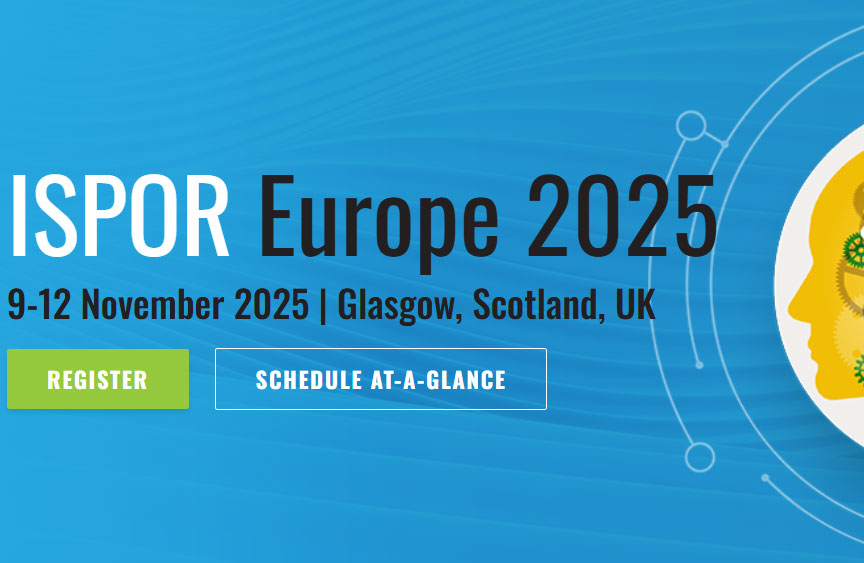
The International Society for Pharmacoeconomics and Outcomes Research (ISPOR) Europe Annual Meeting 2025 will convene in Glasgow, UK, from November 9–12, 2025, with key industry insights also relevant to the upcoming Bio Europe Conference 2025. This event stands as one of the most influential international conferences in the field. Founded in 1995 as a nonprofit international scientific and educational organization dedicated to pharmacoeconomics and outcomes research, ISPOR’s annual scientific meetings have become a vital platform for discussing and disseminating scientific information in health economics and outcomes research .
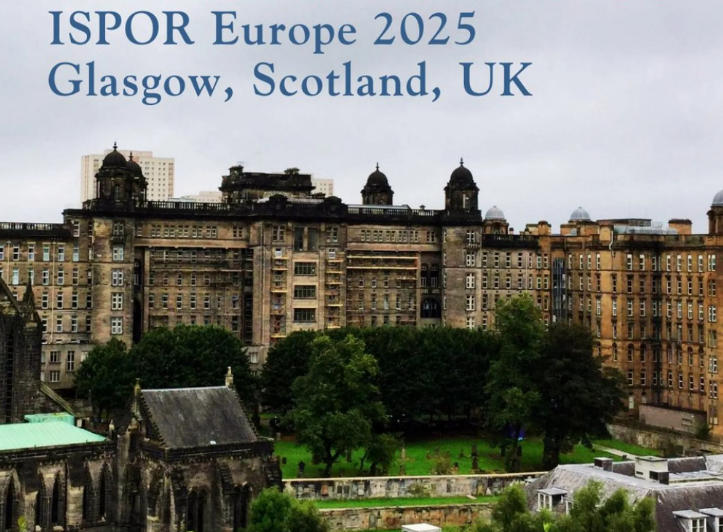
Glasgow, Scotland’s largest city, offers a rich cultural heritage and state-of-the-art conference facilities, providing an ideal environment for global attendees to connect. The Scottish Exhibition and Conference Centre (SEC Centre) will serve as the primary venue, offering professional exhibition and meeting spaces for this global HEOR gathering.
1.2 Conference Scale and Anticipated Impact
ISPOR Europe 2025 is projected to attract approximately 7,000 professionals from over 120 countries and regions, representing a 9% increase from the 6,400 attendees in 2024 . This growth trend reflects the sustained global focus and importance placed on the field of Health Economics and Outcomes Research (HEOR).
The conference will feature a compact 3-day agenda (Central European Time, CET), including 3 plenary sessions, focus sessions addressing key HEOR topics, diverse breakout sessions (including topic panels and workshops) across 12 thematic areas, 5 poster sessions and 8 poster tours, as well as academic activities such as educational workshops and the HEOR Theater . This diverse conference format will provide attendees with abundant learning and networking opportunities.
1.3 Conference Theme and Core Values
The conference theme is “Collaborating to Improve Healthcare Decision Making for All: Expanding HEOR Horizons” . This theme reflects the critical importance of multi-stakeholder collaboration in today’s healthcare landscape and HEOR’s central role in advancing the scientific rigor and sustainability of global healthcare decision-making.
Compared to previous editions, ISPOR Europe 2025 places particular emphasis on innovation and development in the following areas:
- Integration of Artificial Intelligence and Real-World Data: The conference will focus on scaling AI applications in healthcare evaluation, aligning closely with the European Commission’s two new strategies released on October 9, 2025: “Applying AI” and “AI in Science” .
- Patient-centered research and health equity: The conference will explore how HEOR can advance healthcare equity and systemic change—a critical challenge facing global healthcare systems today .
- Interdisciplinary Collaboration and Global Perspective: ISPOR Europe 2025 will advocate transcending disciplinary and geographic boundaries to build a sustainable global value assessment system capable of addressing complex global health system transformations.
II. Conference Schedule and Core Topics: In-Depth Analysis, Comparing Key Sessions with bio europe conference 2025
2.1 Pre-Conference Short Courses: In-Depth Professional Training
On November 9, preceding the main conference, a series of Short Courses will be held covering multiple cutting-edge topics:
- Health Economics Modeling: Practical hands-on training in health economics modeling using R software will equip participants with essential modeling skills .
- Artificial Intelligence and Health Technology Assessment: Exploring current applications and future trends of AI in healthcare decision-making, closely aligned with the EU’s recently released AI strategy .
- Real-World Evidence (RWE) Applications: Discuss leveraging real-world data and information systems to enhance the scientific rigor of healthcare decision-making.
- Patient-Reported Outcomes (PRO) Research Methods: In-depth exploration of patient-centered research methodologies to enhance the clinical relevance of research findings.
- Risk-Sharing and Performance Agreements: Focusing specifically on the design and implementation of risk-sharing/performance agreements in developing countries .
These short courses will be taught by leading experts in the field, offering participants opportunities for in-depth learning and exchange. They provide an excellent platform for advancing professional skills.
Table 2-1: Core Information Comparison of ISPOR Europe 2025 Pre-Conference Short Courses
2.2 Plenary Sessions and Key Topics
ISPOR Europe 2025 will feature 3 Plenary Sessions focusing on key issues and emerging trends in the HEOR field . While the full speaker lineup has not yet been announced, following past conference traditions, leading experts from academia, industry, and policy-making bodies are expected to share the latest research findings and practical insights.
B ased on currently available information, the conference will emphasize the following key themes:
- Health Policy and Health Technology Assessment: Examining recent developments in European and global health policies and their impact on HEOR, particularly innovative practices in drug pricing, reimbursement, and market access.
- Real-World Evidence and Digital Health: Analyzing the current application and future trends of real-world data in healthcare decision-making, and how digital health technologies are transforming traditional research methodologies.
- Patient-Centered Research and Health Equity: Discussing how patient-centered research approaches can advance healthcare equity and reduce health disparities across populations.
- Artificial Intelligence and Healthcare Decision-Making: Explore the scaled application of AI in healthcare evaluation and its implications for HEOR methodologies and practices.
- Value Assessment and Sustainable Healthcare Systems: Examining how scientific value assessment methods support sustainable healthcare system development, balancing innovation with affordability.
These focal topics reflect key challenges and developmental directions in the current HEOR field, offering valuable academic and practical guidance to attendees.
Table 2-2: Comparison of ISPOR Europe 2025 Plenary Session Topics with Previous Years
| Plenary Session | 2024 (Vienna) Topics | 2025 (Glasgow) Topics | Topic Upgrade Direction | Expected Speaker Profile |
| Session 1 (Morning of Day 1) | Progress in Implementing European HTA Regulations | Building a Global HTA Coordination Framework | From Regional to Global: Incorporating Developing Countries’ Perspectives | Heads of EU HTA Agencies, WHO Representatives |
| Session 2 (Second Morning) | Regulatory Applications of Real-World Evidence | AI-Driven Generation of Real-World Evidence | Technology-Enabled Focus on Evidence Quality and Efficiency | Pharmaceutical AI R&D Lead, Academic Institution Expert |
| Session 3 (Third Morning) | Balancing Drug Pricing and Accessibility | Value Assessment and Sustainable Healthcare Systems | Addressing Global Healthcare Expenditure Pressures with an Emphasis on Long-Term Sustainability | Representatives from National Health Insurance Agencies, Economists |
2.3 Breakout Sessions and Panel Discussions
ISPOR Europe 2025 will feature multiple breakout sessions and panel discussions spanning 12 thematic areas, including clinical outcomes, economic evaluation, epidemiology and public health, health policy and regulation, healthcare delivery and processes, health technology assessment, medical technology, methodological and statistical research, organizational practice, patient-centered research, real-world data and information systems, and real-world evidence.
Based on the latest information released, the following session topics warrant particular attention:
- AI and HEOR Methodological Innovation: Exploring how artificial intelligence is transforming HEOR research methods and practices, particularly in data processing, model building, and outcome prediction.
- Cross-Border Health Technology Assessment Coordination: Analyzing similarities and differences among European HTA systems, exploring possibilities and challenges for cross-border coordination.
- New Approaches to Patient Preference Research: Discussing the latest methodological advances in health preference studies and how to better integrate patient preferences into healthcare decision-making.
- Pharmacoeconomics in Rare Diseases: Exploring specialized HEOR approaches and challenges for rare diseases, and strategies to support access to rare disease medications.
- Value Assessment of Digital Health Technologies: Analyzing the characteristics of digital health technologies and their challenges to traditional value assessment methods, while exploring innovative evaluation frameworks.
These sessions will provide opportunities for in-depth exchange and collaboration among attendees from diverse professional backgrounds, fostering interdisciplinary thinking and innovation.
Table 2-3: Comparison of Key Session Information for ISPOR Europe 2025
| Session Topic | Fields Covered | Expected Sessions | Target Audience | 2024 Attendance | 2025 Anticipated Highlights |
| AI and HEOR Methodological Innovation | Methodology, Technology | 4 sessions | Data Analysts, Researchers | Approximately 180 attendees per session | Live AI model demonstrations, interactive hands-on sessions |
| Cross-border HTA coordination | Policy and Evaluation | 3 sessions | Policy makers, pharmaceutical access personnel | Approximately 220 attendees per session | Comparative Analysis of HTA Cases in the EU, Asia-Pacific, and North America |
| New Approaches to Patient Preference Research | Clinical and Patient Engagement | 5 sessions | Clinicians, patient representatives | Approximately 150 participants per session | Patient-led topic design with real-time feedback |
| Pharmacoeconomics of Rare Diseases | Rare Diseases, Economic Evaluation | 2 Sessions | Pharmaceutical companies’ rare disease divisions, clinical researchers | Approximately 160 attendees per session | Global Summary of Rare Disease Health Insurance Policies |
| Digital Health Value Assessment | Digital Health, Evaluation | 3 sessions | Digital health enterprises, evaluation agencies | Approximately 190 attendees per session | Digital Therapeutics Assessment Toolkit Launch |
III. Historical Data Analysis: ISPOR Conference Development and Trends, Benchmarked Against bio europe conference 2025’s Evolution
3.1 Attendance Scale and Growth Trends

By analyzing historical data from ISPOR conferences, we can better understand development trends in this field and shifts in the conferences’ influence. According to official figures, ISPOR Europe 2024 attracted over 6,400 registered attendees, setting a new record for the association’s conferences . This represents significant growth compared to previous years, reflecting the increasing importance of the HEOR field within global healthcare systems.
Table 1: Growth Trend in Attendance at ISPOR Europe Conferences
| Year | Attendance | Growth Rate | Location |
| 2022 | Approximately 5,500 | – | Lisbon |
| 2023 | Approx. 5,800 | 5.5% | Copenhagen |
| 2024 | 6,400 | 10.3% | Vienna |
| 2025* | Projected 7,000 | 9.4% | Glasgow |
*2025 figures are projections based on growth trends from previous years
Geographically, ISPOR conferences attract attendees from around the world, with European participants consistently dominating. According to 2024 data, European attendees accounted for approximately 65% of the total, North America for 20%, Asia for 10%, and other regions for 5%. This distribution reflects the varying levels of development and application of HEOR across different regions.
Table 3-2: Comparison of Geographic Distribution of ISPOR Europe Attendees, 2022–2025 (Unit: %)
| Region | 2022 | 2023 | 2024 | 2025 Forecast | Trend Analysis |
| Europe | 68% | 67% | 65% | 63% | Slightly decreased due to increased global engagement |
| North America | 18% | 19% | 20% | 21% | Steady increase, with growing participation from North American pharmaceutical companies |
| Asia | 8% | 9% | 10% | 12% | Fastest growth, driven by Asia-Pacific HTA development |
| Africa | 2% | 2.5% | 3% | 2.5% | Slight fluctuations, requiring policy support |
| South America | 3% | 2.3% | 1.8% | 1.3% | Slightly decreased, influenced by economic factors |
| Other | 1% | 0.2% | 0.2% | 0.2% | Essentially stable |
3.2 Evolution of Research Topics and Methods
By analyzing the distribution of research topics at recent ISPOR conferences, we can observe shifts in research priorities and methodological trends within the HEOR field. Analysis of abstracts from the 2020–2024 ISPOR conferences reveals significant increases in focus on the following themes:
- Application of Real-World Evidence (RWE): Growing from 12% in 2020 to 21% in 2024, reflecting RWE’s increasing importance in healthcare decision-making.
- Patient-Reported Outcomes (PRO) research: Rising from 9% in 2020 to 15% in 2024, indicating heightened emphasis on patient-centered studies.
- Artificial Intelligence and Machine Learning: Rapidly expanding from 3% in 2020 to 12% in 2024, this emerging technology is rapidly expanding its applications within the HEOR field.
- Health Equity and Health Economics: Growing from 7% in 2020 to 11% in 2024, reflecting heightened attention to health inequity issues.
Meanwhile, traditional topics such as cost-effectiveness analysis and budget impact analysis have seen a decline in share, yet remain foundational and core components of HEOR research.
Table 3-3: Changes in Research Topic Proportions at ISPOR Europe 2020-2024 (Unit: %)
| Research Topic | 2020 | 2021 | 2022 | 2023 | 2024 | 5-Year Growth Rate |
| Real-World Evidence (RWE) | 12% | 15% | 17% | 19% | 21% | +9% |
| Patient-Reported Outcomes (PRO) | 9% | 10% | 12% | 14% | 15% | +6% |
| AI and Machine Learning |
3.3 Research Methodology and Technological Innovation
The ISPOR conference has consistently served as a premier platform for showcasing methodological innovations in the field of Health Economics and Outcomes Research (HEOR). In recent years, the following research methods and technologies have garnered significant attention at the conference:
- Machine Learning and Artificial Intelligence: Applied to healthcare cost forecasting, patient stratification, and treatment outcome prediction, demonstrating robust predictive capabilities and data processing advantages.
- Multi-Criteria Decision Analysis (MCDA): As a tool for integrating multi-dimensional value assessments, its application in complex healthcare decision-making is increasingly widespread.
- Discrete Choice Modeling (DCE): As a primary method for assessing patient preferences, its application in drug and health technology assessments continues to deepen and innovate.
- Bayesian Network Models: Their strengths in handling uncertainty and integrating multi-source data have led to increased adoption in HEOR model development.
- Digital Health Technologies and Mobile Health: With the rapid advancement of digital health, related research methodologies and evaluation tools are undergoing continuous innovation.
These methodological innovations not only enrich the HEOR research toolkit but also provide new perspectives and approaches for tackling complex healthcare decision-making challenges.
IV. In-Depth Analysis of Hot Topics: Key Trends in HEOR for 2025, Cross-Referenced with bio europe conference 2025’s Priority Areas

4.1 Scalable Application of Artificial Intelligence in HEOR
The application of artificial intelligence (AI) in healthcare is rapidly expanding. ISPOR Europe 2025 will focus on the scaled application of AI in HEOR . In October 2025, the European Commission released two new strategies—”Applying AI” and “AI in Science”—aimed at accelerating AI adoption across healthcare, energy, manufacturing, and other sectors while driving scientific innovation . This policy landscape presents both new opportunities and challenges for AI implementation in HEOR.
AI applications in HEOR primarily manifest in the following areas:
- Healthcare Cost Forecasting and Management: Machine learning algorithms analyze vast healthcare datasets to predict patient costs and resource utilization, enabling more precise budget impact assessments and resource allocation strategies.
- Therapeutic Outcome Prediction and Personalized Medicine: By analyzing patient characteristics and treatment response data, AI can forecast individual patient responses to specific therapies, supporting personalized medical decision-making and value assessment.
- Real-World Data Processing and Analysis: AI technologies efficiently process vast real-world datasets to extract actionable insights, enabling faster, more accurate evidence generation and decision support.
- Patient Stratification and Risk Assessment: AI-based patient stratification models help identify high-risk patient groups, optimize resource allocation and intervention strategies, and enhance healthcare efficiency and effectiveness.
- HEOR Model Construction and Optimization: AI can assist in building and optimizing complex HEOR models, automatically identifying key variables and relationships to enhance predictive capability and interpretability.
At ISPOR Europe 2025, multiple panel discussions and case studies are expected to showcase the latest AI applications and practical experiences in HEOR, providing attendees with opportunities for learning and exchange.
4.2 Innovative Approaches to Real-World Data and Evidence Generation
Real-world data (RWD) and real-world evidence (RWE) are increasingly applied in healthcare decision-making. ISPOR Europe 2025 will delve into innovative methodologies and application cases in this domain. Recent statistics indicate that RWE-related research now accounts for 21% of ISPOR conference abstracts, making it one of the most prominent research areas.
Key trends in the RWE field for 2025 include:
- Data Integration and Interoperability: As healthcare data from diverse sources continues to grow, effectively integrating and utilizing this data presents a critical challenge. Technologies like blockchain and federated learning hold promise for enhancing data interoperability and security.
- Methodological Innovation: Researchers are developing new analytical approaches and statistical models tailored to RWD characteristics—such as propensity score matching, instrumental variable analysis, and Bayesian networks—to enhance RWE reliability and validity.
- Integration of RWE with Clinical Trials: Combining RWE with traditional clinical trial data to leverage complementary strengths has become a significant trend in evaluating the value of medical technologies. The use of hybrid study designs and meta-analysis approaches is increasing.
- AI in RWE: Artificial intelligence technologies can extract valuable insights from unstructured data, automatically identify patterns and trends, and improve the efficiency and quality of RWE generation.
- Regulatory and Policy Developments: Regulatory agencies and health technology assessment bodies worldwide are developing guidelines and standards for RWE application, establishing frameworks and norms for its use in decision-making.
At ISPOR Europe 2025, multiple sessions and workshops are expected to focus on the latest developments and applications of RWE, including key topics such as leveraging RWD for pharmacoeconomic evaluations and ensuring the quality and reliability of RWE.
Table 4-2: Comparative Progress in RWE Policies and Applications Across Major Global Regions (Updated 2025)
| Region | Core Regulatory Authority | RWE Application Scenarios | Policy Maturity (1-5 scale) | Key Projects for 2025 | Data Source Type |
| EU | EMA, HTA Agencies | Post-marketing surveillance, HTA assessments | 4.2 | EU Real-World Evidence Collaborative Network Development | Electronic Health Records, Health Insurance Databases |
| United States | FDA, CMS | Drug reevaluation, health insurance coverage decisions | 4.5 | FDA Real-World Evidence Program Phase II | Electronic Health Records, Claims Data, Patient Registries |
| China | NMPA, CDE | Post-marketing studies, health insurance negotiations | 3.5 | National RWE Platform Pilot | Hospital Information Systems, Medical Insurance Big Data, Cohort Studies |
| Japan | PMDA, MHLW | Drug Risk Assessment, Health Insurance Pricing | 3.8 | Japan Real-World Data Consortium Project | Medical Information Database, Disease-Specific Registry |
| United Kingdom | NICE, MHRA | HTA Decision-Making, Clinical Guideline Development | 4.3 | NICE Real-World Evidence (RWE) Evidence Standards Update | England Electronic Health Records, Clinical Practice Research Data Chain |
4.3 Patient-Centered Research and Health Equity
Patient-centered research methodologies and health equity have emerged as critical topics within the HEOR field, which will be explored in depth at ISPOR Europe 2025. As healthcare systems transition from disease-centered to patient-centered approaches, understanding patient needs, preferences, and experiences—and integrating these factors into healthcare decision-making—has become a key challenge.
Emerging trends in patient-centered research include:
- Expanded Application of Patient-Reported Outcomes (PROs): The development and use of PRO tools are expanding beyond clinical trials into routine clinical practice and health policy evaluation, providing more comprehensive data on patient experiences and quality of life.
- Shared Decision-Making and Patient Engagement: Research on how to facilitate shared decision-making between patients and healthcare providers, enhancing patient understanding and acceptance of treatment options, has become a significant research focus.
- Innovative approaches in patient preference research: Methods such as Discrete Choice Experiments (DCE) and Best-Worst Scaling (BWS) are being innovatively applied to more accurately capture patient preferences and value judgments.
- Health Equity and Reducing Health Inequalities: Research on how HEOR methodologies can assess and promote health equity to reduce disparities among different populations has become a global priority.
Key 2025 priorities in health equity include:
- The Impact of Social Determinants on Health: Researching the effects of socioeconomic status, education level, ethnicity, gender, and other factors on health, and how to incorporate these factors into Health Economics and Outcomes Research (HEOR) evaluations.
- Health Needs and Accessibility for Vulnerable Populations: Focusing on healthcare needs and service accessibility for vulnerable groups such as low-income individuals, rural residents, and ethnic minorities, while evaluating the equity impacts of various interventions.
- Equity Assessment in Health Resource Allocation: Develop and apply equity assessment tools to assist policymakers in making more equitable allocation decisions under resource constraints.
- Global Health Equity and Sustainable Development Goals: Exploring how HEOR can support the achievement of global health equity and the United Nations Sustainable Development Goals (SDGs).
ISPOR Europe 2025 will showcase the latest advances and practical experiences in patient-centered research and health equity through multiple thematic discussions and case studies, providing valuable learning and networking opportunities for attendees.
Table 4-3: Comparison of Patient-Centered Research Methodology Adoption Across Regions (2025)
| Research Method | Application Rate in Europe (%) | North America Application Rate (%) | Asia Application Rate (%) | Key Areas of Strength | Barriers to Adoption by 2025 | Recommendations for Improvement |
| Patient-Reported Outcomes (PRO) | 85% | 90% | 65% | Chronic Disease Management, Cancer Treatment | Cultural differences pose challenges in tool adaptation | Developing multilingual localized PRO tools |
| Discrete Choice Experiment (DCE) | 78% | 82% | 55% | Treatment Preference Assessment | Large sample size requirements, high costs | AI-Optimized Sample Design |
| Shared Decision-Making Tools | 72% | 75% | 48% | Chronic Disease Treatment Decisions | Significant gap in physician-patient understanding | Enhance training on shared decision-making between physicians and patients |
| Patient Advisory Committee | 68% | 70% | 42% | Drug Development and Policy Formulation | High time cost for patient involvement | Establish flexible remote participation mechanisms |
| Health equity assessment tools | 65% | 72% | 38% | Health insurance resource allocation | Difficulty in Data Acquisition | Establish a cross-departmental equity database |
4.4 Innovative Strategies for Drug Pricing and Market Access
Drug pricing and market access constitute one of the core domains of Health Economics and Outcomes Research (HEOR). ISPOR Europe 2025 will delve into related innovative strategies and practices. As global healthcare expenditures continue to rise, balancing drug innovation with affordability has become a significant challenge for nations worldwide.
Key trends in drug pricing and market access for 2025 include:
- Value-Based Pricing and Payment: An increasing number of countries are adopting value-based pricing approaches, incorporating a drug’s clinical value, cost-effectiveness, and patient preferences into pricing decisions, such as the UK’s NICE and Germany’s IQWiG.
- Risk-Sharing Agreements and Performance-Based Payments: In developing countries, the use of risk-sharing/performance agreements is increasing to enhance access to innovative medicines while controlling budgetary risks . These agreements typically adjust payments based on a drug’s actual therapeutic outcomes or patient prognosis metrics.
- Cross-Border Collaboration and Coordination: European nations are exploring cross-border coordination mechanisms for HTA and market access, such as the EU’s HTA Regulation (Regulation (EU) 2021/2282) and Joint Clinical Assessments (JCA).
- Transparency and Stakeholder Engagement: Enhancing transparency in drug pricing and reimbursement decisions while strengthening participation from patients, payers, manufacturers, and other stakeholders has become a global trend.
- Market Access for Digital Health Technologies: With the rapid advancement of digital health technologies, assessing their value and integrating them into reimbursement systems presents new challenges, requiring innovative evaluation methods and market access strategies.
At ISPOR Europe 2025, multiple panel discussions and case studies are expected to showcase the latest practices and innovative strategies in drug pricing and market access, providing attendees with opportunities for learning and exchange.
Table 4-4: Comparison of Drug Pricing and Market Access Strategies in Major Global Countries (2025)
| Country/Region | Pricing Mechanism | Core Market Access Agency | Risk-Sharing Agreement Adoption Rate (%) | Key Reform Focus for 2025 | Average Time for Innovative Drug Access (months) |
| United Kingdom | Value-Based Pricing | NICE, DHSC | 82% | Streamlined assessment process for rare disease drugs | 6-8 |
| Germany | Reference Pricing + Value-Added Assessment | IQWiG, G-BA | 75% | Enhanced Access Assessment for Digital Therapies | 7-9 |
| United States | Free pricing + Medicare negotiations | CMS, FDA | 68% | Expand scope of drugs subject to Medicare negotiations | 10-12 |
| France | Price Negotiation + HTA Assessment | HAS, CEPS | 78% | Advancing Cross-Border HTA Coordination | 8-10 |
| Japan | Cost-based pricing + health insurance pricing | PMDA, MHLW | 65% | Shortening the approval cycle for innovative drugs | 9-11 |
| China | Medicare negotiations + volume-based procurement | NMPA, National Healthcare Security Administration | 55% | Improve the mechanism for including innovative drugs in medical insurance coverage | 12-14 |
4.5 Global Coordination and Innovation in Health Technology Assessment
Health Technology Assessment (HTA) serves as a vital tool for supporting healthcare decision-making. ISPOR Europe 2025 will focus on the global coordination and innovative development of HTA. As medical technologies become increasingly globalized and complex, coordination and mutual recognition among national HTA systems have emerged as key pathways to enhance efficiency and reduce duplicative efforts.
Key trends in HTA for 2025 include:
- Global HTA Coordination Mechanisms: The full implementation of EU HTA regulations will promote coordination and mutual recognition among European HTA systems, enhancing evaluation efficiency and transparency. Other regions are also exploring similar coordination frameworks.
- HTA Methodological Innovation: Researchers are developing new evaluation methods and frameworks—such as Multi-Criteria Decision Analysis (MCDA) and Adaptive HTA—tailored to the characteristics of complex health technologies (e.g., gene therapy, cell therapy, AI-driven diagnostic tools).
- Patient Involvement in HTA: As patients and patient organizations increasingly participate in HTA processes, effectively gathering and integrating patient perspectives has become a key research focus.
- HTA and Sustainable Development Goals: Exploring how HTA can support the achievement of the United Nations Sustainable Development Goals, particularly health-related SDG 3, has become a global priority.
- Digital Transformation of HTA: The application of digital technologies in HTA processes continues to expand, including automated literature retrieval, intelligent evidence synthesis, and interactive decision support tools, enhancing the efficiency and quality of HTA.
At ISPOR Europe 2025, multiple sessions and workshops are expected to focus on the latest developments and innovative practices in HTA, including key topics such as the implementation progress of EU HTA regulations, methodological innovations in HTA, and patient engagement.
V. Conference Guide and Practical Information: Tips for Navigating Both ISPOR Europe 2025 and bio europe conference 2025

5.1 Registration and Schedule
Registration for ISPOR Europe 2025 will open in August 2025, with the early bird deadline set for September 30, 2025. Based on previous years, early bird registration fees are approximately €500–600, standard registration fees range from €650–750, and student registration fees are around €200–300.
The conference schedule is as follows (Central European Time, CET):
- November 9 (Sunday): Pre-conference Short Courses and Registration
- November 10 (Monday): Plenary sessions, Focus sessions, Breakout discussions, Poster presentations
- November 11 (Tuesday): Plenary sessions, focus sessions, breakout discussions, poster presentations
- November 12 (Wednesday): Plenary sessions, focus sessions, breakout discussions, closing ceremony
Detailed schedules and topic lists will be released in September 2025 via the ISPOR official website and conference app.
5.2 Pre-Conference Short Course Selection Guide
ISPOR Europe 2025 will offer a series of pre-conference short courses starting November 9, covering cutting-edge topics including artificial intelligence, real-world evidence, health economics modeling, and patient-reported outcomes ( ). Taught by experts in their fields, these courses provide an excellent opportunity to enhance professional skills and expand knowledge.
Based on the latest information, the following short courses are particularly noteworthy:
- Introduction to Health Economic Modeling with R: Suitable for beginners, this hands-on session teaches how to build and analyze health economic models using R.
- Risk-Sharing/Performance Agreements in Developing Countries: Explores designing and implementing effective risk-sharing agreements in resource-constrained settings. .
- Applications of Artificial Intelligence in HEOR: Introduces the latest AI applications and practical experiences in HEOR, including data processing, model building, and decision support.
- Advanced Methods in Patient Preference Research: In-depth discussion on the design, implementation, and analysis of advanced methods such as discrete choice experiments and best-worst scaling.
- Innovative Approaches to Generating Real-World Evidence: Introducing the latest methods and technologies for leveraging real-world data to generate high-quality evidence.
Registration for short courses will open concurrently with conference registration. Due to limited capacity, early registration is recommended to secure seats in preferred courses.
5.3 Practical Information for Glasgow
As Scotland’s largest city, Glasgow offers attendees a wealth of cultural, culinary, and sightseeing experiences. Below is practical information to help you plan your visit:

Transportation:
- Glasgow International Airport (GLA) is approximately 13 kilometers from the city center. Travel options include taxi (about 25 minutes) or the Airport Express bus.
- Glasgow Central Station and Queen Street Station serve as primary rail hubs connecting major cities across the UK.
- Local transportation relies primarily on the subway, buses, and taxis. The subway system (Clyde Subway) is one of Europe’s oldest underground railways, offering convenient and efficient service.
Accommodation:
- Glasgow offers diverse accommodation options ranging from luxury hotels to budget-friendly stays. Early booking is recommended to secure the best rates and locations.
- Hotels near the conference venue include the Hilton Glasgow, DoubleTree by Hilton Glasgow Central, and Glasgow Marriott Hotel, all conveniently located close to the Scottish Exhibition and Conference Centre (SEC Centre).
Weather:
- November in Glasgow is typically cool, with average temperatures ranging from 5-10°C (41-50°F). Rain is possible, so pack warm clothing and rain gear.
Sights and Activities:
- Glasgow Cathedral: One of Scotland’s oldest churches, built in the 12th century.
- George Square: The city center’s main square, surrounded by numerous historic buildings and cultural institutions.
- Glasgow Science Centre: An interactive science museum ideal for family visits.
- River Clyde Boat Trips: Enjoy views of Glasgow’s cityscape from the water.
- Shopping: Buchanan Street is the main shopping district, featuring numerous international brands and local boutiques.
Dining:
- Glasgow offers a diverse culinary scene, ranging from traditional Scottish fare to international cuisine. Try local specialties like haggis, steak pie, and fresh seafood.
- The city center and West End feature numerous restaurants, cafes, and bars, perfect for business meetings and social gatherings.
Table 5-3: Comparison of Accommodation and Transportation Convenience Near Glasgow Conference Venues (2025 Recommendations)
5.4 Conference Networking and Social Events
ISPOR Europe 2025 serves not only as a platform for academic exchange but also as an exceptional opportunity to build professional networks and expand connections. Multiple social events will be held during the conference, including:
- Welcome Reception: Held on the first evening of the conference, this reception provides attendees with an opportunity to mingle and connect.
- Poster Session Social: Dedicated networking time during poster presentations encourages interaction between attendees and poster presenters.
- Special Interest Group (SIG) Activities: Multiple ISPOR SIGs will organize small gatherings and discussions to explore hot topics within specific fields.
- Student and Early Career Activities: Dedicated networking and professional development opportunities for students and early-career researchers.
- Industry-Academia Exchange Dinner: A platform for representatives from industry and academia to network and explore collaboration opportunities.
These networking events provide valuable opportunities for attendees to expand their professional networks, establish collaborations, and gain insights into industry trends. Active participation is highly recommended.
Table 5-4: Comparison of Core Social Events and Participation Value at ISPOR Europe 2025
| Social Event Name | Time | Participants | Event Format | Expected Benefits | Preparation Recommendations |
| Welcome Reception | November 10, 6:00 PM–8:00 PM | All Participants | Buffet Dinner + Networking | Meet global attendees and start building your network | Bring business cards and prepare a brief self-introduction |
| SIG Networking Reception (AI & HEOR) | November 11, 7:30 PM–9:30 PM | SIG members, AI practitioners | Theme discussion + cocktail reception | In-depth exchange on AI application challenges and collaboration opportunities | Learn about SIG’s latest research directions; prepare 1-2 questions |
| Industry-Academia Collaboration Forum | November 11, 12:30 PM–2:00 PM | Pharmaceutical company representatives, academic researchers | Roundtable discussions + Free pairing | Seek collaborative projects, share research resources | Prepare institutional/project presentation materials and clarify collaboration needs |
| Student and Early Career Professionals Mixer | November 10, 12:00 PM–1:30 PM | Students, professionals within 5 years of graduation | Buffet lunch + mentor Q&A | Gain career guidance and expand professional networks | Prepare your resume and clarify career development questions |
| Closing Networking Dinner | November 12, 7:00 PM–10:00 PM | All attendees (separate registration required) | Formal dinner + keynote presentations | Strengthen professional connections and follow up on potential collaborations | Organize key contact information gathered during the conference |
VI. Exhibitor and Sponsor Analysis: Participation of Industry Leaders in ISPOR Europe 2025 and bio europe conference 2025

6.1 Exhibitor Overview and Trends
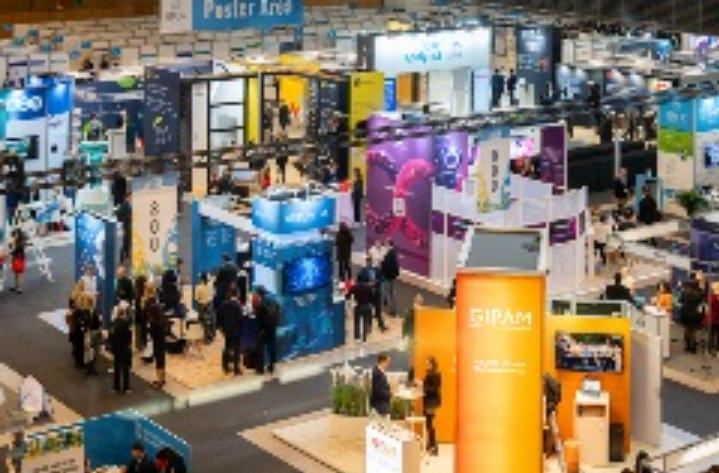
ISPOR Europe 2025 is projected to attract approximately 200 exhibitors showcasing the latest HEOR-related products, services, and technological solutions . Exhibitors primarily represent pharmaceutical and biotechnology companies, medical technology firms, consulting agencies, data analytics providers, academic institutions, and governmental organizations.
Based on the latest information released, the following categories of exhibitors warrant particular attention:
- Digital Health and Data Analytics Companies: As digital health technologies become increasingly integrated into HEOR, related technology providers and solution vendors will form a significant part of the exhibition. Exhibitors include Embleema, TriNetX LLC, Tempus, Castor, Red Nucleus, PicnicHealth, ModMed, and others .
- Health Economics and Outcomes Research Consulting Firms: Specialized consultancies offering HEOR advisory services, model development, evidence generation, and market access strategies will showcase their latest methodologies and case studies.
- Pharmaceutical and Biotech Companies: Global leaders in pharmaceuticals and biotechnology will showcase innovative products and related HEOR research, particularly in oncology, rare diseases, cardiovascular disorders, and respiratory diseases.
- Academic Institutions and Research Organizations: Renowned universities and research institutions will present their latest HEOR research findings and methodological innovations, fostering academic exchange and collaboration.
- Data Providers and Analytics Tool Developers: Companies offering healthcare data, analytical tools, and software solutions will showcase their latest products and services supporting HEOR research and decision-making.
From an industry perspective, the number of exhibitors related to digital health and real-world data will increase significantly, reflecting the rapid development and growing importance of this field.
Table 6-1: Comparison of Exhibitor Industry Distribution at ISPOR Europe 2023-2025 (Units: Number of Companies, %)
6.2 Major Sponsors and Partners
Sponsors and partners of ISPOR Europe 2025 are vital contributors to the conference’s success, and their participation reflects the industry’s commitment to the HEOR field. According to the latest information, the conference’s main sponsors include:
Gold Sponsors:
- Major pharmaceutical and biotechnology companies such as Sanofi, Merck KGaA, and Johnson & Johnson Innovation, which possess extensive research and practical experience in HEOR.
Silver Sponsors:
- Consulting firms and service providers, including Eversana, ICON Biotech, Lonza, and Syneos Health, offering HEOR consulting, market access, and evidence generation services.
Academic and Research Partners:
- Renowned universities and research institutions, such as Harvard University, Oxford University, and Cambridge University, providing academic support and a platform for showcasing research findings.
Industry Associations and Alliances:
- Industry associations and alliances representing diverse stakeholders in the HEOR field, including the European Federation of Pharmaceutical Industries and Associations (EFPIA) and various Special Interest Groups (SIGs) within the International Society for Pharmacoeconomics and Outcomes Research (ISPOR).
These sponsors and partners will engage with the conference through multiple channels, including exhibition displays, panel discussions, educational sessions, and networking events, offering attendees opportunities to connect and collaborate with industry leaders.
6.3 Industry Innovation and Technology Showcase
The exhibition area at ISPOR Europe 2025 will showcase the latest technologies and innovative solutions in the HEOR field, offering attendees insights into industry trends and cutting-edge advancements. Based on the latest information, the exhibition will highlight innovations in the following categories:
- Artificial Intelligence and Machine Learning Solutions: Showcasing AI applications and technical products in HEOR, including innovations in data processing, model building, predictive analytics, and decision support.
- Real-World Data Platforms and Analytics Tools: Platforms and tools for collecting, integrating, and analyzing real-world data to support more efficient evidence generation and decision support.
- Health Economics Modeling and Analysis Tools: Software and tools for constructing and analyzing health economics models, including R programming language, Excel add-ins, and specialized modeling software.
- Patient-Reported Outcomes (PRO) Assessment Tools: Showcase the latest PRO measurement tools, data collection platforms, and analytical methods to support patient-centered research and decision-making.
- Digital Health Technologies and Mobile Applications: Showcase digital health technologies and mobile applications supporting HEOR research and decision-making, such as remote monitoring devices, health management apps, and patient-reported outcome collection tools.
These innovative technologies and solutions will be presented to attendees through exhibits, live demonstrations, and panel discussions, offering new perspectives and tools for HEOR practice.
6.4 Interaction Opportunities for Exhibitors and Attendees
ISPOR Europe 2025 will provide multiple interaction opportunities for exhibitors and attendees to foster communication and collaboration. Key interaction formats include:
- Exhibits and Demonstrations: Exhibitors will showcase their products and services in the exhibition area, conduct live demonstrations and presentations, and answer attendee questions.
- Specialized Workshops: Selected exhibitors will host workshops to provide in-depth introductions to their latest products, services, and solutions, sharing practical experiences and case studies.
- Workshops and Training: Some exhibitors will host small workshops and training sessions to teach specific techniques and methodologies, such as model building, data analysis, and AI applications.
- One-on-One Consultations: Exhibitors will offer personalized consultations for attendees with specific needs, providing expert advice and tailored solutions to address individual challenges.
- Networking Events: Exhibitors may organize or sponsor networking events like receptions, dinners, or small gatherings to facilitate in-depth discussions and relationship-building.
These interactive opportunities provide attendees with valuable chances to learn about the latest industry developments, obtain professional advice, and establish collaborative relationships. It is recommended to participate selectively based on individual interests and needs.
Table 6-4: Comparison of Core Interaction Formats Between Exhibitors and Attendees at ISPOR Europe 2025
VII. Research Recommendations & Conference Value: Maximizing Your Benefits from ISPOR Europe 2025 and bio europe conference 2025
7.1 Preview of Academic Research Highlights
ISPOR Europe 2025 will showcase a wealth of high-quality academic research spanning all domains of Health Economics and Outcomes Research (HEOR). While specific abstracts are not yet fully released, based on past experience and current field trends, the following research categories warrant particular attention:
- AI Applications in HEOR: Numerous studies are anticipated exploring AI’s role in healthcare cost prediction, treatment outcome forecasting, patient stratification, and HEOR model development, demonstrating its potential to enhance efficiency and accuracy.
- Research on Real-World Evidence Generation and Application: Studies on real-world data (RWD) integration, real-world evidence (RWE) generation methodologies, and application cases will be a key focus, particularly hybrid study designs combining RWE with clinical trial data.
- Patient preference and decision-making research: Studies employing methods such as discrete choice experiments and best-worst scaling to assess patient preferences will continue to increase, focusing on integrating patient preferences into healthcare decision-making.
- Innovations in Health Technology Assessment Methods: Research on evaluation methodologies for complex medical technologies (e.g., gene therapy, cell therapy, digital health technologies) will be a hot topic, including innovative approaches such as Multi-Criteria Decision Analysis (MCDA) and Adaptive HTA.
- Drug Pricing and Market Access Strategy Research: Studies on value-based pricing, risk-sharing agreements, and cross-border coordination mechanisms will receive widespread attention, particularly practical cases under the implementation of European HTA regulations.
- Health Equity and Social Determinants Research: Studies examining the impact of health inequalities and social determinants on health will increase, focusing on how HEOR approaches can promote more equitable healthcare resource allocation and decision-making.
These studies will be presented through oral reports, poster displays, and panel discussions, offering attendees opportunities to learn about the latest research findings and methodological innovations.
Table 7-1: Comparison of Core Academic Research Highlights at ISPOR Europe 2025
7.2 Best Practice Case Studies
ISPOR Europe 2025 will showcase numerous best practice case studies from around the world, providing attendees with practical insights and lessons for application. Given current industry trends, the following case study categories warrant particular attention:
- AI Applications in HEOR: Demonstrate practical AI implementations in healthcare cost forecasting, patient stratification, and treatment outcome prediction, including successful experiences and challenges.
- Value Assessment of Complex Medical Technologies: Cases involving the valuation of complex therapies like gene therapy and cell therapy, exploring their integration into existing assessment frameworks.
- Cross-Border Coordination and Joint Assessment Cases: Share examples of cross-border coordination and joint assessments following the implementation of European HTA regulations, such as Joint Clinical Assessments (JCA) and Joint Scientific Advice (JSA).
- Risk-Sharing Agreement Design and Implementation Cases: Showcase examples of designing, implementing, and evaluating risk-sharing agreements across different countries and regions, with a focus on application experiences in developing nations .
- Value-Based Pricing and Payment Cases: Introduce practical examples of value-based pricing and payment models from different countries, such as the UK’s NICE, Germany’s IQWiG, and France’s HAS.
- Patient Involvement in HTA and Decision-Making: Showcase successful cases of patient and patient organization participation in HTA processes and healthcare decision-making, exploring effective engagement methods and mechanisms.
These case studies will be presented through oral reports, poster displays, and panel discussions, providing practical references and insights for attendees.
Table 7-3: Comparison of Conference Participation Strategies by Participant Role
7.3 How to Maximize Conference Participation Value
To maximize your experience at ISPOR Europe 2025, here are some practical tips:
- Plan Ahead and Set Goals:
- Before the conference, carefully review the agenda and mark presentations, discussions, and exhibits of interest.
- Set clear learning and networking objectives, such as mastering specific methodologies, exploring emerging trends, or building targeted connections.
- Reach out to speakers and exhibitors of interest in advance to schedule one-on-one meetings.
- Active Participation and Engagement:
- Ask questions and engage in discussions proactively—don’t just passively listen.
- Attend poster sessions and networking events to connect with fellow attendees and researchers.
- Join Special Interest Group (SIG) activities to engage in in-depth discussions on specific topics with like-minded professionals.
- Efficient learning and knowledge management:
- Document key insights, methodologies, and contact information for future review and follow-up.
- Collect conference materials and presentations, then organize your notes and action plans after the event.
- Stay updated on the latest research findings and methodological guidelines released during the conference to refresh your knowledge.
- Networking and Collaboration Expansion:
- Proactively connect with other attendees, speakers, and exhibitors by exchanging business cards and contact information.
- Identify potential collaboration opportunities, such as research partnerships, consulting projects, or career advancement prospects.
- Join ISPOR special interest groups and professional networks to maintain long-term connections and engagement.
- Post-Conference Follow-Up and Application:
- Timely organize conference takeaways, develop action plans, and apply acquired knowledge to your work.
- Follow up on research and projects of interest, maintaining contact with relevant individuals.
- Participate in ISPOR’s follow-up events and online communities for ongoing learning and exchange.
By implementing these strategies, attendees can maximize the value of their participation in ISPOR Europe 2025, gaining valuable opportunities for professional growth and career advancement.
7.4 Guide for Students and Early-Career Professionals
ISPOR Europe 2025 offers abundant learning and development opportunities for students and early-career researchers. Below are recommendations and resources specifically tailored for this audience:
- Student Programs and Activities:
- ISPOR Europe 2025 will host student research poster sessions and a student poster tour, providing a platform for students to showcase their research findings .
- Students can participate in specially designed career development workshops and seminars to learn about industry trends and career paths.
- The Student and Early Career Special Interest Group (SIG) will organize activities to foster networking and support.
- Career Development Opportunities:
- Participate in “Meet the Expert” sessions for face-to-face interactions with seasoned professionals in your field to gain career advice and mentorship.
- Stay informed about job postings and internship opportunities, as many exhibiting companies and organizations seek talent during the conference.
- Engage in presentations and discussions led by industry leaders to discover emerging research directions and career advancement opportunities.
- Financial Support and Scholarships:
- ISPOR offers various scholarships and funding opportunities to assist students and early-career researchers in attending the conference.
- Monitor the conference website and official ISPOR announcements to apply for relevant scholarships and funding in a timely manner.
- Reach out to your institution or advisor to explore potential funding sources.
- Strategies for Effective Participation:
- Prepare your research abstract and poster in advance to ensure clear communication of your findings and their value.
- Proactively engage with other attendees and experts; don’t hesitate to ask questions and share your perspectives.
- Take advantage of student discount registration rates to maximize the value of your participation.
- Long-Term Engagement and Growth:
- Join the ISPOR Student Membership Program to access member benefits and resources.
- Engage with ISPOR’s online communities and special interest groups for ongoing learning and networking.
- Stay informed about ISPOR’s educational programs and training opportunities to enhance your professional skills.
By actively participating and fully leveraging these opportunities, students and early-career researchers can gain valuable learning experiences, build professional networks, and lay a solid foundation for future career development at ISPOR Europe 2025.
VIII. Conclusion and Outlook: Future Directions in HEOR, Linked to bio europe conference 2025’s Strategic Vision

8.1 Key Achievements and Challenges in HEOR by 2025
ISPOR Europe 2025 will showcase significant achievements in the HEOR field over the past year while confronting current challenges. Analysis of conference topics and discussions reveals the following key accomplishments and challenges:
Key Achievements:
- Methodological Innovation and Advancement: The HEOR field has made significant strides in methodology, particularly in AI applications, real-world evidence generation, patient preference studies, and complex decision analysis.
- Policy Impact and Practical Application: HEOR research findings are increasingly applied in healthcare decision-making, positively influencing global healthcare policies and practices, particularly in drug pricing, reimbursement, and market access.
- International Collaboration and Coordination: Cooperation and coordination within the global HEOR community have strengthened, notably through cross-border collaboration and the establishment of coordination mechanisms under the European HTA regulatory framework.
- Digital Transformation and Technology Application: The integration of digital technologies and artificial intelligence in HEOR continues to deepen, enhancing research efficiency and decision support capabilities.
- Promotion of Patient-Centered Concepts: Patient-centered research methodologies and value assessment principles are gaining widespread recognition and adoption, fostering more comprehensive and equitable healthcare decision-making.
Key Challenges:
- Data Acquisition and Interoperability: Acquiring high-quality, diverse healthcare data and ensuring its interoperability remain critical challenges in supporting HEOR research and decision-making.
- Methodological Standardization and Comparability: Methodological differences across studies and evaluations impact the comparability and synthesis of results, necessitating further standardization and coordination.
- Resource Constraints and Scalability: Balancing research quality and cost-effectiveness to achieve scalable application of HEOR methodologies remains a significant challenge in resource-limited settings.
- Policy Implementation and Coordination: Translating innovative HEOR methods and concepts into tangible policies and practices requires overcoming multifaceted barriers, including institutional, cultural, and stakeholder coordination challenges.
- Ethics and Regulation of Artificial Intelligence: The application of AI in HEOR introduces new ethical and regulatory challenges, such as data privacy, algorithmic transparency, and accountability.
ISPOR Europe 2025 will provide a global platform for the HEOR community to collectively explore these achievements and challenges, fostering knowledge sharing and collaborative innovation.
8.2 HEOR Development Trends Forecast for 2026-2027
Based on the agenda of ISPOR Europe 2025 and current field dynamics, we anticipate the following key trends in HEOR for 2026-2027:
- Deep Integration of Artificial Intelligence and HEOR: AI will become more deeply embedded across all aspects of HEOR—including data collection, analysis, model building, and decision support—driving innovation in research methods and practices.
- Mainstreaming of Real-World Evidence: RWE will become a decision-making basis equally important to clinical trial evidence, driving faster and more precise medical decisions and value assessments.
- Heightened Focus on Global Health Equity: As global health inequalities intensify, HEOR will increasingly address health equity and the impact of social determinants on health, driving more inclusive and equitable allocation of healthcare resources.
- Integration of HEOR with Sustainable Development Goals: HEOR will align more closely with the United Nations Sustainable Development Goals (SDGs), particularly health-related SDG 3, supporting global health governance and sustainable development.
- Value Assessment Frameworks for Digital Health Technologies: Tailored to the characteristics of digital health technologies, more robust value assessment frameworks and methodologies will be developed to support their appropriate application and resource allocation.
- Deepening Global HTA Coordination: With the full implementation of EU HTA regulations, global HTA coordination will emerge as a significant trend, promoting more efficient and consistent health technology assessment and decision-making.
- Institutionalization of Patient Involvement: Patient participation in healthcare decision-making and HEOR research will become more institutionalized and standardized, ensuring patient voices are fully represented in the decision-making process.
These trends will be preliminarily reflected in discussions and presentations at ISPOR Europe 2025, charting the course for future developments in the HEOR field.
8.3 Action Recommendations for Attendees
Based on this forward-looking analysis of ISPOR Europe 2025, the following action recommendations are provided for different types of attendees:
Recommendations for Researchers:
- Focus on the application of AI and real-world data in HEOR, exploring innovative research directions that integrate these technologies with traditional methods.
- Strengthen methodological innovations in patient-centered research to develop more effective and inclusive patient preference assessment tools.
- Focus on the impact of global health equity and social determinants of health, integrating these factors into HEOR research frameworks.
Recommendations for policymakers:
- Leverage HEOR evidence to support more scientific and transparent healthcare decision-making, particularly in resource-constrained settings.
- Promote cross-border coordination and collaboration in HTA and market access to enhance decision-making efficiency and accessibility.
- Monitor advancements in AI and digital health technologies, establishing corresponding policy and regulatory frameworks to foster innovation and responsible application.
Recommendations for Industry Representatives:
- Develop value-based products and services, integrating patient needs and societal value into product development and market access strategies.
- Explore innovative collaboration models with payers and policymakers, such as risk-sharing agreements and performance-based payment mechanisms.
- Leverage AI and real-world data to enhance evidence generation and decision support capabilities, thereby improving product market competitiveness.
Recommendations for students and early-career professionals:
- Master cutting-edge methodologies such as AI, real-world data analysis, and patient preference research to enhance professional competitiveness.
- Actively participate in ISPOR special interest groups and community activities to build professional networks and support systems.
- Prioritize global health equity and sustainability issues, integrating them into research and career development plans.
General advice for all attendees:
- Maintain an open mindset, embrace change and innovation, and adapt to the rapid evolution of the HEOR field.
- Strengthen interdisciplinary exchange and collaboration to foster cross-disciplinary thinking and knowledge integration.
- Apply conference insights to practice, driving HEOR’s tangible impact on improving healthcare decision-making and health outcomes.
ISPOR Europe 2025 will offer invaluable opportunities for learning, networking, and collaboration. By actively engaging and leveraging these opportunities, we can collectively advance the HEOR field and make greater contributions to global healthcare decision-making and health outcomes.
IX. Appendix: Conference Key Dates and Resources for ISPOR Europe 2025 and bio europe conference 2025
9.1 Key Dates and Deadlines
Below are the key dates and deadlines for ISPOR Europe 2025 (subject to official ISPOR announcements):
- Abstract Submission Deadline:
- Symposia, Workshops, and Other Sessions: December 15, 2025
- Research and Case Studies: January 12, 2026
- Early Bird Registration Deadline: September 30, 2025
- Standard Registration Deadline: October 31, 2025
- Pre-Conference Short Course Registration Deadline: October 25, 2025
- Conference Dates: November 9–12, 2025
- Post-Conference Materials Access Deadline: December 31, 2025
9.2 Official Resources and Contact Information
Below are official resources and contact information related to ISPOR Europe 2025:
Conference Official Website:
- ISPOR Europe 2025 Official Website: https://www.ispor.org/conferences-education/conferences/upcoming-conferences/ispor-europe-2025/
Registration and Inquiries:
- Conference Registration and General Inquiries: conferences@ispor.org
- Exhibition and Sponsorship Inquiries: sales@ispor.org
- Abstract Submission Inquiries: abstracts@ispor.org
- Student Programs and Scholarships: students@ispor.org
Social Media:
- Follow ISPOR’s official social media accounts for the latest conference information and updates:
- Twitter: @ISPOR_HEOR
- LinkedIn: ISPOR – The Professional Society for Health Economics and Outcomes Research
- Facebook: ISPOR – International Society for Pharmacoeconomics and Outcomes Research
- Instagram: @ispor_heor
Special Interest Groups (SIGs):
- ISPOR hosts multiple Special Interest Groups focused on distinct HEOR subfields, such as AI, patient preferences, health equity, and more. For details, visit: https://www.ispor.org/membership/special-interest-groups/
9.3 Further Reading and Learning Resources
Below are some extended reading and learning resources related to ISPOR Europe 2025 topics:
- ISPOR Official Publications:
- Value in Health: ISPOR’s official journal, publishing high-quality HEOR research articles and reviews.
- Value Outcomes Spotlight: ISPOR’s electronic journal providing updates on the latest research and practice advances in HEOR.
- HEOR Methodology Guides:
- ISPOR has published a series of methodological guidelines, including standards for reporting health economic models and methodologies for patient preference studies, available on the ISPOR official website.
- Good Research Practices for Health Economic Modeling: An authoritative guideline published by ISPOR in collaboration with the International Society for Pharmacoeconomics and Outcomes Research.
- Policy and Regulatory Documents:
- EU HTA Regulation (Regulation (EU) 2021/2282): Legislation governing health technology assessment in the European Union, promoting coordination and cooperation among member states.
- Inflation Reduction Act of 2022 (United States): Significant legislation impacting drug pricing and reimbursement, with implications for global health economics and market access.
- Industry Reports and Analysis:
- European Health Economics and Outcomes Research Trends Report: Analyzes the latest developments and application trends in the European HEOR field.
- Global Healthcare Expenditure and Drug Pricing Report: Examines global healthcare spending growth trends and their implications for pharmacoeconomics and market access.
- Online Courses and Training:
- ISPOR Education Programs: Offers diverse online courses and training covering various domains and methodologies within HEOR.
- AI and HEOR Applications Online Course: Learn AI methodologies and practical case studies in HEOR.
- Real-World Evidence Generation and Application Course: Understand how to leverage real-world data to generate high-quality evidence.
By reviewing these resources and participating in relevant training, attendees can prepare thoroughly for ISPOR Europe 2025 to maximize the value of their conference participation.
X. Conclusion: Integrating Insights from ISPOR Europe 2025 and bio europe conference 2025

ISPOR Europe 2025 will serve as a vital platform for the global HEOR community to discuss the latest research findings, methodological innovations, and practical experiences. The conference will focus on hot topics including the scaled application of AI in HEOR, real-world data and evidence generation, patient-centered research and health equity, drug pricing and market access innovations, and global coordination in health technology assessment, showcasing the latest developments and applications in the HEOR field.
By analyzing historical conference data, trending topics, and exhibitor participation, we anticipate ISPOR Europe 2025 will attract approximately 7,000 global professionals. The event will feature over 200 exhibitors showcasing their latest products and services, host 3 plenary sessions, multiple focus meetings and breakout discussions, along with 5 poster sessions and 8 poster tours.
For attendees, ISPOR Europe 2025 serves not only as an opportunity to understand industry trends and learn cutting-edge methodologies, but also as a vital platform for building professional networks and advancing career development. Through advance planning, active participation, and effective follow-up, attendees can maximize the value of their conference engagement, contributing to both personal career growth and industry progress.
As the HEOR field continues to evolve and innovate, ISPOR Europe 2025 will further advance the scientific and sustainable development of global healthcare decision-making, contributing to improved health outcomes for all. We look forward to welcoming you to Glasgow in November 2025 to collectively explore the future development and application prospects of HEOR.