- Part 1: Introduction—BIO 2026 Boston and TIDES: Why 2026 Boston Holds the Future of Nucleic Acid Therapeutics
- Part 2: BIO 2026 Boston Industry Barometer—The Technical Subtext Behind the Agenda
- Part 3: Tailoring Your BIO 2026 Boston Itinerary—How to Turn a 3-Day Conference into a Project Accelerator
- Part 4: BIO 2026 Boston Survival and Networking Tactics (Notes from a Veteran)
- Part 5: Turning Your BIO 2026 Boston Outcomes into Action—The First Step After the Conference
TIDES USA 2026
Practical Guide to the Annual Summit on Nucleic Acid and Peptide Therapeutics
Boston · May 2026 | For Professionals Looking to Achieve Results in Boston
Part 1: Introduction—BIO 2026 Boston and TIDES: Why 2026 Boston Holds the Future of Nucleic Acid Therapeutics

Every May as BIO 2026 Boston approaches, the city’s lobster restaurants start to get busy.Locals book tables on the terrace at The Barking Crab well in advance, while out-of-towners start thinking about dinner the moment they arrive at Logan Airport with their luggage in tow. But this May 2026, the lobster stands outside the Hynes Convention Center are just the appetizer—what’s truly exciting the entire life sciences community is what’s happening behind those revolving doors.
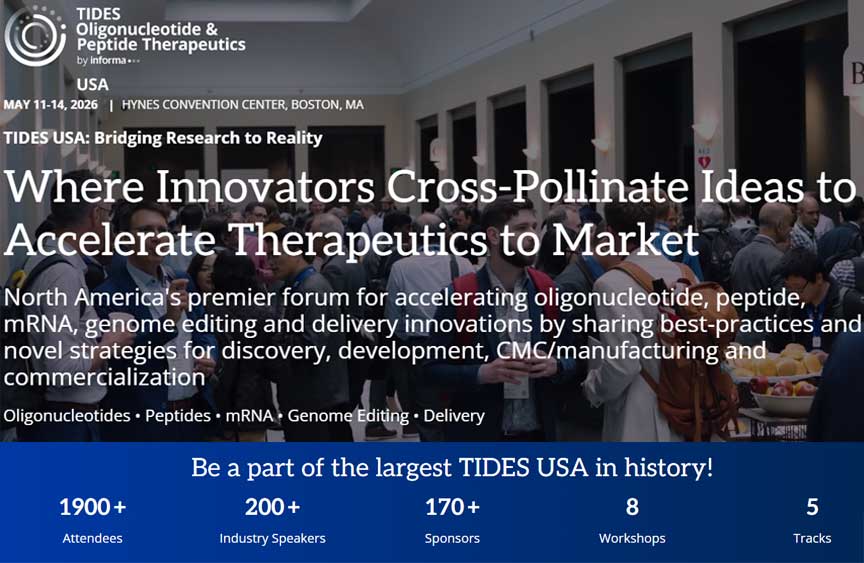
TIDES USA 2026, the world’s most important annual summit on nucleic acid and peptide therapeutics, will—for the first time at a major industry inflection point—directly address a question keeping everyone awake at night: Is this industry truly ready?
By “ready,” we don’t mean whether there have been technological breakthroughs—this industry has never lacked breakthroughs. What it lacks is the ability to turn breakthroughs into drugs and drugs into marketable products. GLP-1, an acronym once only murmured by endocrinologists, has single-handedly rewritten the landscape of hot money in the biopharmaceutical sector over the past three years.The combined market capitalization of Novo Nordisk and Eli Lilly once exceeded the combined GDP of several European countries, yet no one claims this is the finish line. The race for oral GLP-1 has only just begun; clinical data on multi-organ protection continues to emerge, and CDMOs that have staked their futures on capacity expansion are currently running reactors around the clock in factories across the globe.
Meanwhile, the nucleic acid therapeutics sector—which has waited thirty years for its moment in the spotlight—has been advancing faster than anyone anticipated over the past two years.From the 2016 approval of nusinersen to the textbook-perfect Phase 3 data for siRNA in cardiovascular indications in 2023, and now to the point where LNP delivery systems are no longer merely supporting players for mRNA vaccines—the technological boundaries of nucleic acid therapeutics are expanding at a rate of one breakthrough per quarter.Extrahepatic delivery, CNS targeting, combination strategies involving chemical modifications… these technical approaches, which once remained mere concepts in PowerPoint presentations, will all have real clinical data to discuss by 2026.
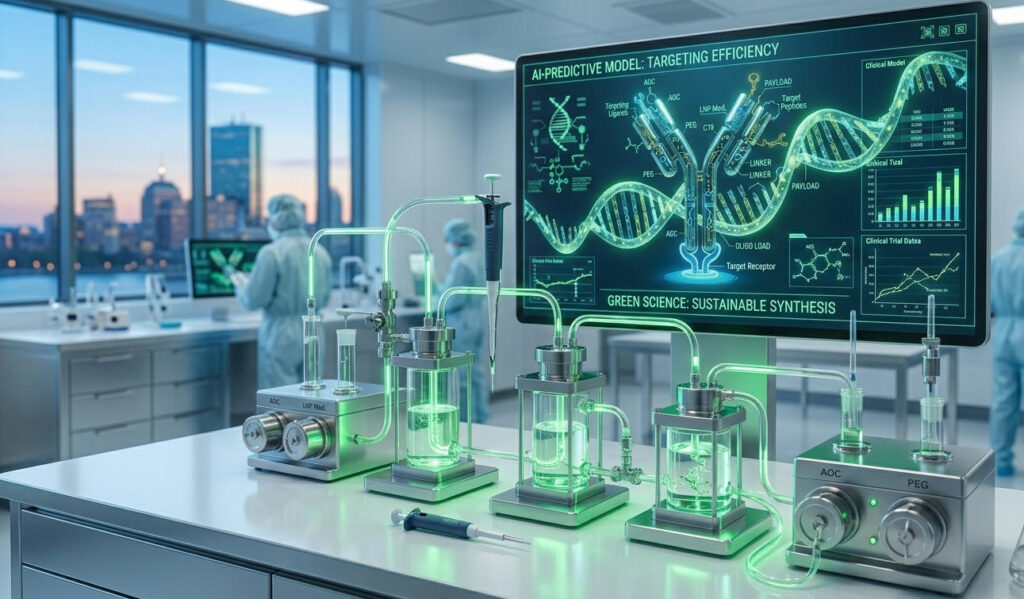
More importantly, a brand-new paradigm is taking shape—the boundary between small and large molecules is beginning to blur.ADCs (antibody-drug conjugates) are no longer merely a marriage between monoclonal antibodies and small-molecule toxins; they are now joining forces with nucleic acid payloads, giving rise to a new species: AOCs (antibody-oligonucleotide conjugates). Peptide-nucleic acid hybrid strategies are gaining increasing support from preclinical data. All of this will be presented to you in the most concentrated and authentic form at the 2026 TIDES conference.
This is not a PR piece, nor is it a translation of the official conference program. It is a practical handbook written for professionals who truly want to achieve results in Boston—whether you’re in R&D, CMC, BD, or an investor, or a business leader at a CRO/CDMO.Next, I’ll walk you through: the underlying technical implications of TIDES 2026, how different roles can turn the three-day conference into a project accelerator, and what your first move should be after the event concludes.
1.1 Defining the Industry Crossroads: Why 2026 Marks the Dawn of GLP-1 Production Explosion and the Convergence of ADCs and Nucleic Acid Therapeutics
I’ve been in the life sciences industry for nearly two decades and have attended at least three to five dozen summits, but rarely has a conference been held at a true industry inflection point. TIDES 2026 is one of them. To understand this, you need to first grasp what is happening on two distinct tracks and why they will truly converge for the first time in 2026.
Track One: The GLP-1 capacity war is reaching a fever pitch.
On the surface, GLP-1 appears to be a miracle weight-loss drug, but industry insiders know it’s actually a battle over peptide synthesis processes, CMC strategies, and global supply chains. In 2023, Novo Nordisk spent over $6.5 billion on expanding its solid-phase peptide synthesis (SPPS) capacity, with an additional $9 billion expected by 2027.Eli Lilly’s new production capacity in Indiana and Ireland will not come online until 2025, leaving a massive gap in meeting global patient demand. This capacity crisis has, in fact, created the largest expansion opportunity in the history of the CDMO industry—the top ten global peptide contract manufacturers have collectively expanded their capacity nearly threefold from 2022 to 2025.
However, the real issue is not the capacity figures, but the choice of process routes.SPPS has long been the standard paradigm for peptide synthesis, but as molecular weights increase and sequence complexity rises, the advantages of liquid-phase synthesis (LPPS) and hybrid strategies are becoming apparent. At the same time, flow chemistry is transitioning from a laboratory tool to commercial production, and green chemistry metrics (solvent consumption, carbon footprint) are beginning to genuinely influence major clients’ procurement decisions—especially against the backdrop of tightening European regulations and heightened ESG disclosure requirements.
The Peptide CMC track at TIDES 2026 will serve as the most concentrated showcase of technology in this capacity war. Here, you’ll hear top global CDMOs share the real pitfalls they’ve encountered during GLP-1 scale-up and gain access to process insights that others have acquired at a cost of tens of millions of dollars.
Track 2: The Era of Refined Nucleic Acid Therapeutics Has Arrived.
The foundational frameworks of nucleic acid therapeutics—antisense oligonucleotides (ASOs), siRNA, mRNA, and aptamers—have been validated over the past two to three decades. The question now is not whether they can be produced, but how to make them better, cheaper, and more targeted. It’s as if the shell of a building has already been constructed; the competition now centers on the quality of the finishing touches.
Among these, extrahepatic delivery is the hottest race track in the entire nucleic acid therapeutics field.The safety and efficacy of LNP systems for hepatic applications have been repeatedly demonstrated, but when you aim to deliver drugs to the central nervous system, lungs, or muscles, the challenges are entirely different. How do you cross the blood-brain barrier? How do you optimize particle size control and deposition efficiency for pulmonary inhalation formulations? Beyond GalNAc, are there better ligands for extrahepatic targeting? By 2026, teams will be presenting real preclinical data to answer these questions.
More importantly, a brand-new paradigm is taking shape: experience in the oral formulation of GLP-1 can inform the process exploration of oral nucleic acid formulations; breakthroughs in extrahepatic LNP delivery can provide carrier candidates for AOC targeting strategies; and the mature CMC regulatory pathway for ADCs can offer a reference framework for AOC IND filings. The technological assets across these three tracks are beginning to be cross-utilized and mutually empowering.This is why 2026 marks the dawn of convergence.
| Metric Dimensions | GLP-1 Peptide Track | Nucleic Acid Therapeutics Track | Small-to-Large Molecule Conjugation (AOC/XDC) |
| Current Commercial Maturity | High (several products have been approved for marketing) | Medium-high (several siRNA/ASO products have been approved) | Low (Most are in preclinical or early clinical stages) |
| Major Technological Breakthrough in 2026 | Breakthroughs in oral peptide delivery | CNS/pulmonary and extrahepatic delivery | AOC-targeted delivery and payload release mechanisms |
| Pressure to expand CDMO capacity | Extremely High (Supply Shortage) | Medium-High (Rapid Expansion of LNP Capacity) | Low (still in the technology validation phase) |
| Regulatory Review Complexity | Moderate (mature review process for peptide synthesis) | High (Complex safety assessment of delivery systems) | Extremely high (multimodal review standards are not yet mature) |
| Capital Market Outlook for 2026–2028 | Continued high heat, but with increasing polarization | Continued heating, with a pronounced “head effect” | High volatility in the early stages, with platform value gradually materializing |
At the 2026 TIDES conference, this cross-disciplinary convergence will unfold with unprecedented intensity: CMC experts and nucleic acid chemists with ADC backgrounds will sit together in the same workshop for the first time to discuss ligand strategies that balance stability and payload release efficiency; peptide synthesis engineers and gene therapy scientists will meet in the poster session to explore common design principles for tissue-targeting ligands.This cross-disciplinary collision is something no top-tier journal article or white paper can provide.
1.2 Data and Vision: The Energy of 4,000+ Attendees—How TIDES Has Evolved from an Academic Conference to an Industrial Implementation Hub
There’s a set of data that always surprises those who haven’t attended TIDES whenever I cite it: According to figures released by the conference organizer, Cambridge Healthtech Institute, registered attendance for TIDES USA in 2025 has already surpassed 3,800, and is projected to exceed the 4,000-mark for the first time in 2026. Notably, 79% of attendees come from the industry (including Pharma, Biotech, and CDMOs), while academic institutions account for just 21%.In 2015, this ratio was the exact opposite.
The significance behind these figures is far more important than the numbers themselves.Over the past decade, TIDES has transformed from an academic gathering in the nucleic acid chemistry community into a global summit for the nucleic acid and peptide drug industry. This is not the result of deliberate strategic maneuvering by the organizers, but rather a reflection of the industry’s own evolution. When TIDES’ list of sponsors shifts from university laboratories and reagent suppliers to the world’s top ten pharmaceutical companies, leading CDMOs, and top-tier PE/VC firms, you know the event has undergone a fundamental transformation.
What does an energy field of 4,000 people signify? It means the quality and density of the connections you can make here are unmatched by any other conference.You’ll have the chance to chat for 30 minutes with the vice president in charge of Alnylam’s next-generation siRNA platform at a cocktail reception; exchange business cards with the commercial director of a European CDMO seeking a nucleic acid synthesis partner in China; and, in an informal setting, learn about the regulatory authorities’ latest stance on AOC safety assessments from a member of the FDA CDER’s nucleic acid review team. These opportunities cannot be bought with money—they can only happen in person.
| Year | Number of Attendees | Percentage of Corporate Attendees | Key Focus Areas | Sponsor Breakdown |
| 2015 | Approx. 800 | Approx. 35% | Novel Modification Chemistry, Target Validation | Primarily academic institutions and reagent suppliers |
| 2018 | Approximately 1,500 people | Approx. 52% | Delivery system optimization, early-stage clinical translation | Rise of CROs/CDMOs and biotech companies |
| 2021 | Approx. 2,400 | Approx. 68% | LNP/GalNAc Processes, Mass Production of mRNA Vaccines | Dominated by Major Pharmas and Leading CDMOs |
| 2023 | Approx. 3,200 | Approx. 74% | GLP-1 production capacity, extrahepatic delivery, AOC platforms | Significant increase in PE/VC strategic investments |
| 2025 (actual) | 3,800+ | Approx. 79% | Oral Peptides, CNS Nucleic Acids, Small and Large Molecule Fusions | All executives from the world’s top 10 pharmaceutical companies in attendance |
| 2026 (Forecast) | 4,000+ | Expected 80%+ | Commercialization, regulatory strategies, supply chain localization | The first-ever cross-industry integration-themed sponsorship |
The 2026 edition of TIDES will also feature a particularly noteworthy structural change: for the first time, the conference will introduce a dedicated “Commercial Translation Track” to address the full spectrum of challenges—from IND to NDA and beyond to post-market commercial operations. This is a clear signal from the organizers: TIDES is no longer merely a platform for technical exchange; it is actively assuming the role of a transformation engine, driving the industry from the laboratory to the market.For teams that possess technology but are still exploring commercialization pathways, the value of this new track cannot be overstated.
1.3 Value of This Article: No PR Hype—A Practical Guide for Professionals Seeking Results in Boston
Before you decide whether to continue reading, I need to make it clear what this article is not. It is not an official TIDES agenda summary, nor is it promotional copy for conference sponsors, nor is it a “Top 10 Must-See Sessions” list written by some media outlet just to pad their content. Every piece of advice in this article is backed by real-world conference experience and industry insights—including the lessons learned from the detours and wasted time I encountered on the conference floor.
My core message can be summed up in one sentence: Go with questions, and come back with answers.
Most people attend industry summits with the mindset of “let’s see what’s new.” There’s nothing wrong with that, but this mindset ensures you’ll come away with information, not decisions. You can scroll through information on LinkedIn; decisions require you to be on-site, within that specific conversational context, where you can collide others’ technical insights with the current state of your own project to generate them.
Therefore, the underlying logic of this guide is to help you establish a conference framework centered on your own project needs before you even leave home.If you’re working on ADCs, I’ll tell you which sessions on nucleic acid payloads are highly relevant to you; if you’re advancing GLP-1 synthesis and amplification, I’ll point out which continuous flow manufacturing workshop can help you solve the process bottleneck you’re currently facing; if you’re in BD, I’ll show you how to assess the technical credibility of a startup’s underlying logic in just three minutes at the poster session.
Now, let’s officially dive into the core battleground of the 2026 Boston conference.
Part 2: BIO 2026 Boston Industry Barometer—The Technical Subtext Behind the Agenda

Every year, the TIDES program is as thick as a novel, and every year, people try to attend every single session, covering everything, only to end up not truly absorbing anything.Experience has taught me that while the surface of a conference consists of tracks and schedules, insiders read the underlying technical subtext: which topics are featured in the main hall keynotes, which workshops have attendance caps, and which panelists’ backgrounds reveal which industry players are currently vying for dominance—it is this information, taken together, that forms a three-dimensional picture of the industry’s true state in 2026.
The following four dimensions represent the technical themes I believe are most worthy of in-depth analysis at TIDES 2026. For each theme, I won’t just tell you what’s there; more importantly, I’ll explain what it means for your project and where you should focus your time once you’re there.
2.1 GLP-1 and the Next Wave: From Weight-Loss Wonder Drugs to Multi-Organ Protection, Practical Breakthroughs in Oral Delivery and Green CMC
If you think the GLP-1 story is just about weight-loss drugs, I suggest you take a close look at the clinical pipeline advancements over the past two years—spanning cardiovascular and renal protection, NASH, and neurodegenerative diseases.The mechanism of action of GLP-1 receptor agonists is being reinterpreted by the medical community—they are not merely drugs for lowering blood sugar and weight loss, but a class of multi-target molecules with broad regulatory effects on the metabolic-cardiovascular axis. This shift in narrative implies that the market ceiling for GLP-1 is far higher than you might imagine.
From an industry perspective, the most critical technical challenge for the GLP-1 sector in 2026 is the development of oral formulations.The patient compliance bottleneck associated with injectable formulations has become a real obstacle to commercialization—survey data shows that the discontinuation rate among patients receiving subcutaneous GLP-1 therapy reaches as high as 47% within one year in the European and American markets, with poor compliance (resistance to injections and operational inconvenience) accounting for 38% of the reasons for discontinuation. The success of oral peptides will completely reshape the competitive landscape of this market.
However, developing oral peptides is not merely a simple formulation switch. Peptide molecules face multifaceted challenges in the gastrointestinal tract: first, degradation by stomach acid and proteases—the half-life of an unprotected peptide molecule in the stomach is typically measured in minutes;second, the permeability barrier of the intestinal wall—the hydrophilic nature of peptide molecules makes it inherently difficult for them to cross the intestinal epithelial cell membrane; and finally, the first-pass effect, whereby even small amounts of peptide absorbed into the portal vein are extensively metabolized in the liver. If any of these three hurdles is not adequately addressed, oral bioavailability will struggle to exceed 2–3%.
This is precisely where the most excitement lies in 2026. Currently, three oral peptide technology routes worldwide have reached the human clinical data stage, but each route has its own core bottleneck, and none is considered by the industry to have found the ultimate solution.
| Technology Pathways | Representative Companies/Projects | Current R&D Stage | Core Technical Challenges | Key Highlights for 2026 |
| Transdermal Absorption Enhancers (Intestinal Permeation) | Novo Nordisk (Rybelsus) | Already on the market | Bioavailability of approximately 1%; must be taken 30 minutes before a meal; poor compliance | A next-generation combination strategy for absorption enhancers, with the potential to achieve over 3% bioavailability |
| Ionic Liquid Formulation (ILAD) | Ionic Pharmaceuticals, etc. | Phase I/II clinical trials | Gastrointestinal irritation and long-term formulation stability issues | First comprehensive PK data from a healthy volunteer study of an ILAD formulation released |
| Enteric-coated nanoparticle delivery | Peptide Sciences series | Preclinical | M cell targeting efficiency is less than 10%; endocytosis mechanisms require further optimization | In vitro human intestinal organoid model data (more reliable than animal models) |
| Chemical modification + extended half-life | Eli Lilly LY3324954, Shionogi SY-005 | Phase II/III Clinical Trials | Challenges in balancing modification sites and activity; high synthesis costs at kilogram scale | Is it possible to accelerate the timeline for Phase III first-line data readout? |
| Green SPPS process (DMF alternative) | CDMOs such as Bachem and PolyPeptide | Process development phase | 8–15% decrease in coupling efficiency under DMF-alternative solvent systems | Process Parameter Optimization Report: Which Alternative Solvent’s Data Is Most Convincing |
The 2026 TIDES Peptide CMC track will focus on two core topics that I believe are most worthy of your time.
The first is the large-scale application of continuous flow manufacturing in peptide synthesis. Flow chemistry is not a new technology, but it wasn’t until 2025 that sufficient real-world industrial data became available to discuss its stability performance under the massive batch demands of GLP-1, its return on equipment investment, and its compatibility with existing GMP facilities.It is expected that there will be at least two sessions dedicated to this topic in 2026, and among the presenting companies, there will be CDMOs from the Asia-Pacific region—this represents a once-in-a-lifetime learning opportunity for Chinese suppliers considering localized backup production capacity.Here’s a detail many are unaware of: for equivalent batch sizes, continuous flow processes can reduce solvent consumption by approximately 40% compared to traditional batch synthesis. Against the backdrop of increasingly stringent EMA regulations on green chemistry metrics, this represents a tangible competitive advantage rather than a mere concept.
The second topic is the trend toward regulatory oversight of green synthesis CMC metrics. The European Medicines Agency (EMA) released a draft technical guidance document on green chemistry metrics for API production at the end of 2024, with formal implementation expected in 2026. This means that traditional SPPS processes using highly toxic solvents such as DMF (dimethylformamide) will face regulatory pressure over the next five years. This is not an option but a mandatory requirement.CDMOs that proactively establish green process routes will enjoy a significant first-mover advantage during supplier qualification reviews by major clients.
Recommendations for R&D and CMC teams attending the conference: In the Peptide CMC track, focus on the two sub-tracks: optimization of oral peptide formulations and GMP compliance for continuous flow manufacturing. We recommend preparing answers to the following three questions in advance: ① Regarding the selection of intestinal permeability enhancers for oral GLP-1, which routes did you ultimately abandon, and why?② When using continuous flow systems for batches exceeding 500g, did unexpected new peaks appear in the product’s impurity profile? ③ After switching to green solvents, by how many percentage points did the coupling efficiency of Fmoc amino acids decrease? These three questions will help you determine within ten minutes whether a speaker is sharing real industrial data or carefully packaged PR materials.
2.2 The “Fine Tuning” of Nucleic Acid Drugs: Latest Advances in Extrahepatic Delivery and Chemical Modification
Extrahepatic delivery of nucleic acid therapeutics has been the most discussed, fastest-progressing, and most controversial technical direction in the industry over the past three years.The rapid progress stems from several teams presenting compelling preclinical data; the intense controversy arises because companies claiming to have solved the challenge of extrahepatic delivery often encounter drastically different results in validation experiments conducted by independent laboratories. This issue of reproducibility sparked an open industry-wide discussion in 2025, and a dedicated panel session is expected to address it directly at TIDES 2026.
To understand the challenges of extrahepatic delivery, one must first grasp a fundamental fact: LNP systems are naturally taken up in large quantities by the liver’s macrophages and hepatocytes. This is not a design flaw but a natural consequence of the interaction between lipid nanoparticles and living organisms. Reversing this inherent affinity for the liver requires either engineering the particle surface with targeted ligands or developing entirely new, non-lipid-based delivery systems—neither of which is a simple task.
I have summarized the technical approaches to extrahepatic delivery into four distinct pathways, each with vastly different levels of technical maturity, commercialization timelines, and key risk factors:
| Target Tissue | Mainstream Technical Approaches | Current Best Preclinical Data | Key Bottlenecks | Commercialization Timeline (Estimated) |
| Central Nervous System (CNS) | Intrathecal administration of ASO, modified mRNA + ligand LNP | Spinal cord targeting >60% (intrathecal ASO), brain parenchyma <5% (intravenous LNP) | Extremely low blood-brain barrier penetration efficiency; lack of data on long-term neurotoxicity assessment | 2027–2029 (intrathecal first), 2031+ (intravenous systemic) |
| Lung | Inhaled LNP, inhaled dry powder formulation | Bronchial epithelial cell transfection rate >45% (inhaled LNP, mice) | Particle size uniformity (target <200 nm); hygroscopic stability, dispersion uniformity | 2026–2028 (inhaled LNP indications first) |
| Skeletal muscle | Local injection of LNP, PMO (phosphoramidite morpholino oligonucleotide) | High local gene expression efficiency, with 1–5% systemic distribution | Local immune response with repeated injections; limited intramuscular diffusion range | 2026–2027 (indications for local injection, such as DMD) |
| Tumor microenvironment | Tumor-targeted LNP + siRNA, mRNA tumor vaccines | Response rate >70% in subcutaneous tumor models; limited penetration into solid tumors | Physical barriers in solid tumors; complex interactions between delivery systems and the immune microenvironment | 2027–2030 (Combination with immune checkpoint inhibitors) |
Several key signals from the Oligonucleotide Discovery track at TIDES 2026 are worth noting.
First, chemical modification strategies have shifted from “how to modify” to “how to predict modification outcomes.” Over the past decade, significant engineering progress has been made in chemical modifications such as LNA, 2’F, and PS, but the design-synthesis-testing iteration cycle remains lengthy.A key shift beginning in 2026 is the initial application of AI-assisted modification site prediction models—several teams have already used real-world in vitro/in vivo data to demonstrate that the correlation between AI predictions and experimental results exceeds 70% for specific molecular types. This implies that optimization processes, which previously required synthesizing 30 candidate molecules to identify a single high-quality sequence, may be compressed to synthesizing just 8–10 in the future.
Second, ligands targeting sites outside the liver, beyond GalNAc, are entering an accelerated validation phase. The liver-targeting efficiency and safety of GalNAc-siRNA have been thoroughly validated by clinical data from multiple companies, including Novartis and AstraZeneca. However, since GalNAc can only deliver drugs to the liver, what about diseases affecting other organs?Folate receptor targeting (for tumor cells with high folate receptor expression), integrin targeting (for muscle and endothelial cells), and transferrin receptor targeting (for blood-brain barrier endothelial cells)—these strategies have already accumulated sufficient evidence at the animal data level. 2026 marks a critical juncture for their entry into IND filing discussions, as well as a window of opportunity for patent positioning and collaboration.
Recommendations for R&D teams attending the conference: In the Oligonucleotide Discovery track, prioritize the two sub-sessions on the impact of chemical modifications on in vivo PK/PD and the preclinical safety evaluation of ligands for extrahepatic targeting.In the poster session, look for new developments from Alnylam, Ionis, BioNTech, and Arrowhead, as well as emerging European companies—particularly nucleic acid chemistry teams from the Netherlands and Denmark, which often deliver unexpected breakthroughs in the originality of chemical modifications.
2.3 Cross-Modality Convergence (XDC): How ADCs Empower Nucleic Acid Delivery, and Commercial Opportunities in Small-Large Molecule Hybrids
If you could only choose one technology theme to watch at TIDES 2026, I would say without hesitation: XDC/AOC—antibody-oligonucleotide conjugates—and, more broadly, small-molecule-macromolecule hybrid strategies. This is not because it is currently the most mature, but because it represents the industry’s greatest structural opportunity over the next five years, and its current valuation and level of attention do not yet fully reflect its true commercial potential.
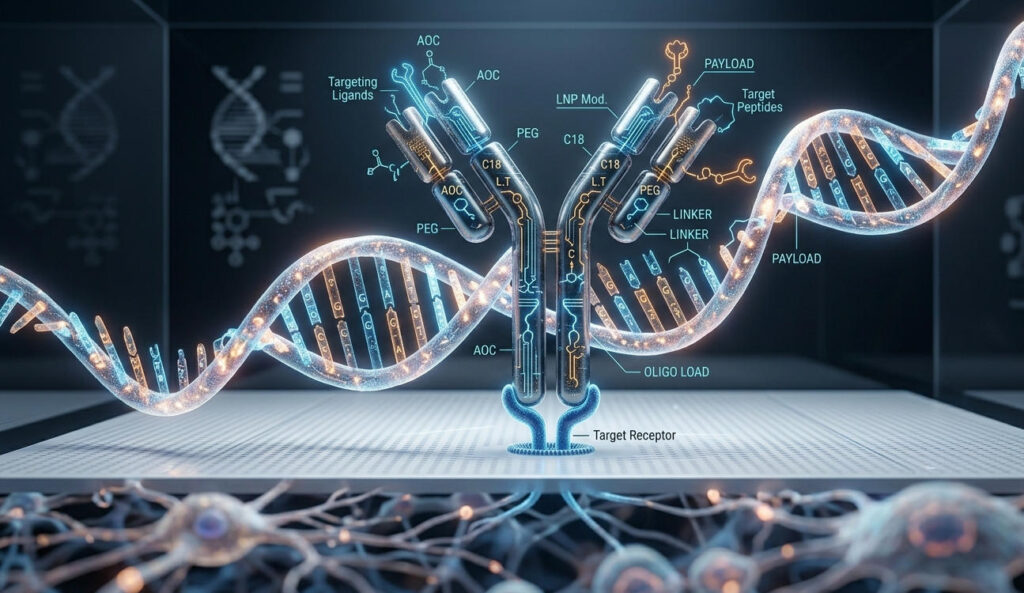
The basic framework of an ADC (Antibody-Drug Conjugate) consists of: an antibody (responsible for recognizing target cells) + a linker (responsible for releasing the payload at the target site) + a small-molecule toxin (responsible for killing cells). The feasibility of this framework has been validated by more than a dozen ADC drugs already approved by the FDA.AOC (Antibody-Oligonucleotide Conjugate) replaces the small-molecule toxin in this framework with oligonucleotides—such as siRNA, ASO, or other nucleic acid payloads—utilizing the antibody’s targeting capability to precisely deliver nucleic acid drugs to muscles, nerves, or specific immune cells that are difficult for traditional LNPs to reach.
But while this concept sounds elegant, how difficult is it to implement? Let me be blunt: it is extremely difficult. Nucleic acid payloads are hydrophilic macromolecules, and the antibody itself is already a complex protein. Their conjugation is not merely a matter of chemical reactions; it also involves the impact of post-conjugation conformational changes on antibody activity, the stability of the nucleic acid payload in the bloodstream, and the efficiency of endosomal escape after cellular uptake. Each of these steps presents a distinct engineering challenge.
| Dimensions | Traditional ADC | AOC (Antibody-Oligonucleotide Conjugate) | Peptide-Oligo |
| Targeting Mechanism | Monoclonal antibody-tumor antigen-specific binding | Monoclonal antibody-tissue/cell-specific receptor | Targeting of peptides to cell membrane receptors or transmembrane delivery |
| Payload Types | Small-molecule cytotoxins (MMAE/DM1, etc.) | siRNA, ASO, miRNA inhibitors, etc. | PMO, siRNA, aptamers, etc. |
| Linker Strategies | Mature (both cleavable and non-cleavable variants have approved products) | Still in the optimization phase (endosomal escape efficiency is the key challenge) | Emerging; requires fully custom design |
| Current highest stage of development | Over 10 products have been commercially launched | Phase I/II clinical trials (e.g., Dyne Therapeutics) | Primarily preclinical (with a few early Phase I trials) |
| CMC Regulatory Complexity | Medium to high (relatively mature pathways) | High (characterization standards for multi-component formulations are not yet established) | Extremely high (no precedents to reference) |
| Key commercialization bottlenecks | Payload resistance, off-target toxicity window | Lysosome escape efficiency is typically <5–10% | Chemical stability, poor reproducibility in preparation |
The endosome escape efficiency of AOCs is currently recognized as the greatest technical bottleneck.When antibody-nucleic acid conjugates enter cells via receptor-mediated endocytosis, most of the payload is trapped in endosomes and lysosomes where it is degraded; the proportion that actually reaches the cytoplasm to exert its effect is extremely low—data from multiple studies indicate this is typically between 3–8%, whereas siRNA theoretically requires nanomolar concentrations in the cytoplasm to exert its RNAi effect.This gap is the core reason why AOCs frequently fail during the transition from preclinical to Phase I trials.
Robert Langer, one of the most prominent translational scientists in MIT’s Department of Chemical Engineering, is scheduled to deliver a keynote speech at TIDES 2026 on novel cleavable linker strategies.According to the direction revealed in his lab’s recent preprint, they are exploring a combination strategy of pH-responsive linkers and endosome escape-enhancing peptides, which has achieved a threefold increase in endosome escape efficiency in a mouse muscle model. Although this is still animal data, the direction is very clear and has broad applicability—if the endosome escape issue can be systematically resolved, the entire business logic of AOCs will be reactivated.
Recommendations for the BD team: The 2026 TIDES session on XDC/AOC will be the best channel for identifying the next batch of potential collaboration targets. Focus on three types of companies: ① Mid-sized pharma companies with mature ADC platforms that are actively exploring the feasibility of nucleic acid payloads (these companies typically have resources but lack nucleic acid chemistry know-how, and their willingness to collaborate is genuine);② Platform companies specializing in endosome escape technology (extremely high technical barriers; the window for reasonable valuations may be only 2–3 years); ③ Specialized CROs with unique expertise in linker chemistry (true technology providers, not concept speculators).
2.4 mRNA and Gene Editing: Analysis of Clinical Translation Milestones for Cancer Vaccines and Rare Disease Treatments
mRNA therapeutic vaccines have transitioned from emergency tools during the COVID-19 pandemic back to their original mission: personalized cancer vaccines.Both BioNTech and Moderna’s personalized neoantigen mRNA vaccines delivered significant milestone data in Phase III clinical trials for melanoma in 2025, but the commercialization challenges of this approach are far more complex than the technical ones: each patient requires a custom-synthesized neoantigen sequence. How can the entire process—from tumor biopsy to mRNA synthesis to the patient’s first injection—be completed within 4–6 weeks?How can the cost of treatment per patient be kept within the range covered by insurance while ensuring quality?
These two issues are not merely operational; they are fundamentally manufacturing and regulatory challenges. Since each patient’s mRNA sequence is unique, this means that the QC standards for each batch are effectively personalized—posing a fundamental challenge to traditional GMP production models. How to establish a standardized quality control system within personalized manufacturing will be one of the core issues for the mRNA manufacturing sector in 2026.
| Technical Models | Representative Projects | Current Clinical Stage | Key Data Readouts in 2025–2026 | Commercialization Cost Challenges |
| Personalized neoantigen mRNA Vaccine | BioNTech BNT111/BNT112 Moderna mRNA-4157 | Phase III (Melanoma) | OS improvement data (in combination with PD-1), expected in the first half of 2026 | Per-patient production cost > $150,000; significant controversy regarding insurance coverage |
| Fixed-sequence tumor-associated antigen mRNA vaccine | Gritstone Bio GRANITE CureVac CV9202 | Phase II | Data showing PFS improvement, late 2025–early 2026 | Costs are relatively manageable, but tumor heterogeneity limits response rates |
| CRISPR in vivo gene editing | Intellia NTLA-2001 Caribuou Bio | Phase III (transthyretin amyloidosis) | Achievement of Phase III primary endpoints; 2026 is a pivotal year | Potential one-time benefit from a single treatment, but manufacturing costs are extremely high |
| Base Editing | Beam Therapeutics BEAM-101 | Phase I/II | Safety and preliminary efficacy data, first half of 2026 | Regulatory standardization of off-target editing assessment methods is the current biggest obstacle |
| Prime Editing | Prime Medicine PM359 | Preclinical/IND preparation | Timeline for the first human IND submission (currently planned for 2026) | Balancing delivery efficiency and editing efficiency remains a challenge |
In the field of gene editing, the most significant clinical milestone in 2026 is Intellia Therapeutics’ NTLA-2001 program—the first in vivo CRISPR gene editing drug to enter the critical Phase 3 data readout window. If the data meets expectations, it will not only mark a milestone for CRISPR-based treatments of rare diseases but will also directly trigger discussions regarding updates to the FDA’s regulatory framework for in vivo gene editing.This topic is expected to be featured in a keynote and panel discussion at TIDES 2026, with FDA representatives attending in person. This signal of proactive engagement from regulators indicates that the regulatory framework is currently under active discussion; no team with a gene editing pipeline should miss this event.
For teams working on mRNA or gene editing pipelines, I recommend focusing on two key areas at TIDES: First, the latest advances in mRNA stabilization technologies—including UTR optimization, cap structure modification, and the impact of next-generation modified nucleotides on in vivo translation efficiency and immunogenicity;Second, the regulatory authorities’ latest stance on the acceptable threshold for off-target editing—while there are no public documents on this issue, you can probe FDA attendees during informal discussions, and TIDES provides the perfect opportunity for such informal engagement.
Part 3: Tailoring Your BIO 2026 Boston Itinerary—How to Turn a 3-Day Conference into a Project Accelerator
The conference agenda is like a menu, but most people order the wrong way—they pick sessions in chronological order, choosing the ones that seem hottest, only to find themselves having attended seven or eight sessions throughout the day without recalling the key takeaways from any of them. The correct approach is to work backward: first identify the three most critical problems you hope to solve by coming to Boston, then use those problems as anchors to filter sessions, posters, and networking events in reverse.
Below, I’ve designed a project-acceleration-oriented itinerary strategy for four key attendee roles. The core logic of each strategy isn’t “what you should attend,” but rather “what questions you should ask while attending, and what your next steps will be afterward.”
3.1 R&D and Preclinical Teams (Discovery): Pinpoint the Research Paradigm for the Next 5 Years
If you are a scientist engaged in basic R&D or preclinical research, the core value of TIDES for you is not hearing reviews of the latest advancements—top-tier journal papers can tell you what has already been published. What TIDES offers, however, are research directions that have not yet been published but have already been validated in internal data, as well as the pitfalls your peers have encountered.The latter is often more valuable than the former, because negative data rarely appears in papers, but in TIDES workshops and informal conversations, you’ll frequently hear very candid accounts of failed experiments.
| Conference Schedule | Recommended Sessions/Activities | Key Focus Areas | Suggested Questions | Expected Takeaways |
| Day 1 Morning | Oligo Discovery Keynote (Opening Keynote) | Assessing the Overall Direction of Nucleic Acid Chemical Modification in 2026 | What do you think will be the most disruptive factor in chemical modification strategies over the next three years? | Gain a holistic perspective to determine whether to adjust your own strategy |
| Day 1 Afternoon | Peptide Discovery Sub-track (Oral Peptides) | Latest Breakthroughs and Lessons Learned in Oral Formulation Development | During animal testing, which oral delivery system demonstrated unexpected gastrointestinal stability? | Screening candidates for technology routes worthy of further investigation |
| Day 2 Morning | Genome Editing Platform Session | The Current Competitive Landscape Between Base Editing and Prime Editing | What is the minimum acceptable dataset for off-target rate assessment? What detection methods did you use when filing the IND application? | Understanding Regulatory Expectations for Safety Assessments of Novel Editing Technologies |
| Day 2 Afternoon | In-Depth Tour of the Poster Session (Focus: AOC/XDC-type posters) | Design Logic for Nucleic Acid Payloads in Early-Stage AOC Projects | When selecting nucleic acid sequences and modification schemes, did you consider the conformational changes that occur after antibody conjugation? | Identify potential partners or technology teams worth closely monitoring |
| Day 3 Morning | mRNA Stability and Translation Workshop | Quantitative Data on the Impact of Next-Generation mRNA Modification Schemes on Translation Efficiency | Apart from m1Ψ, which modified nucleotide combinations have you tested, and which one yielded the best results? | Gain access to unpublished technical data to guide your own mRNA stabilization strategies |
| Day 3 Afternoon | AI in Drug Discovery Panel | Practical reliability assessment of AI in predicting nucleic acid modification sites | Under what conditions do your models fail? For which types of molecules is the prediction accuracy lowest? | Rationally assess the current limitations of AI tools to avoid overestimating or underestimating their value |
For R&D teams, the poster session is an absolute must-attend. TIDES’ poster presentations are typically concentrated into a 3–4-hour block on the afternoon of Day 2, making this the most information-dense segment of the entire conference—each poster represents an ongoing project, and the authors are often more willing to discuss details than the speakers on stage, as they know you’re a colleague genuinely interested in the field.
My recommendation is: Download the TIDES app in advance, filter posters by keywords within the app, circle 20–30 of the most relevant ones, plan your route based on location, and set aside 90 minutes to systematically cover them all. Spend 3–5 minutes per poster; for those with genuine potential for in-depth dialogue, exchange contact information and schedule a follow-up discussion after the conference. This strategy will increase your information intake efficiency by at least four times compared to random wandering within those three hours.
3.2 CMC and Manufacturing Experts: Overcoming Scaling Challenges, Seizing Opportunities in Continuous Flow Manufacturing and Supply Chains
CMC experts are the most pragmatic group of attendees at TIDES. They come here not to hear trend analyses, but to solve specific process challenges: “New impurity peaks have appeared in my peptide synthesis after scaling up to the 10-kilogram level—has anyone encountered a similar situation?” “How can we ensure particle size uniformity in LNP production during continuous flow manufacturing?” “What should the capital planning look like for upgrading SPPS equipment in a GMP facility?”You won’t find answers to these questions in academic papers, but at the TIDES CMC Workshop, you might get them in just an afternoon.
| CMC Pain Points Categories | 2026 TIDES Related Sessions | Key Topics to Watch | Specific Questions to Bring |
| Peptide Scale-Up Synthesis (>1 kg) | Peptide Scale-Up Workshop (Day 1, AM) | Comparative impurity profiles of continuous-flow vs. batch synthesis at the 10 kg scale | From Lab Scale to GMP Scale: What Were the Most Unexpected Process Changes? |
| LNP Preparation and Scaling | LNP Manufacturing Track (Day 2, AM) | Comparison of Particle Size Consistency Between Microfluidic Mixing and T-Mixers in Large-Scale Production | How do you ensure a CV < 5% for batch-to-batch variation during large-scale production? What technical approaches do you use? |
| Oligonucleotide Synthesis Quality Control | Oligo CMC Panel (Day 1, PM) | IPC Parameter Selection and Regulatory Documentation Preparation Strategies | How is the deprotection efficiency of Fmoc quantified and controlled when using DMF-alternative solvents? |
| Flow Chemistry | Flow Chemistry Industrial Session (Day 2, PM) | Real-world ROI Data for Flow Chemistry Equipment in Peptide Synthesis | What is the annual production capacity of your flow system? What is the capital expenditure required to achieve a 1-ton production capacity? |
| CMC Regulatory Strategy (FDA/EMA) | Regulatory Strategy Workshop (Day 3, AM) | Latest Interpretations of ICH Q11 and EMA Green Chemistry Guidelines | How to Address FDA Process Change Control Requirements for Novel Chemically Modified Nucleic Acid APIs? |
| Supply Chain Localization | Supply Chain Resilience Panel (Day 3, PM) | Strategic Planning and Cost Estimation for Localizing Nucleic Acid Synthesis Capacity in the U.S. | Compared to Asia-Pacific suppliers, what cost premium range for U.S.-based CDMOs is acceptable to customers? |
A key structural topic of interest for CMC experts at TIDES 2026 is supply chain reshoring.Since 2024, the U.S. government has passed relevant legislation to continuously promote the domestic production of critical biopharmaceutical raw materials and intermediates. This has a two-fold impact on the nucleic acid and peptide drug industries: on one hand, procurement strategies that traditionally rely on Asia-Pacific CDMOs face compliance risks; on the other hand, the window of opportunity for establishing U.S. domestic CDMOs is opening. Those who can secure domestic production capacity by 2027 will gain a first-mover advantage in this policy-driven boom.
This topic will be the focus of a highly recommended closed-door roundtable discussion at TIDES 2026 (typically limited to 20–30 participants; advance registration is required). Such closed-door events are usually held outside the formal conference program and are not heavily promoted on the official website, but the quality of attendees and the depth of discussion far exceed those of standard public sessions.We recommend that CMC and supply chain leaders search for keywords such as “Supply Chain Reshoring” or “US Manufacturing” in the TIDES App in advance to identify relevant events and register as early as possible.
3.3 BD and Market Strategy: High-Value Collaboration Roadmap for ADC Hotspots and the Oral Peptide Delivery Track
The core mission for BD attendees at TIDES can be summarized in one sentence: to achieve the highest density of information screening and relationship building in the shortest amount of time. With TIDES’ 4,000-person scale, you won’t have time to speak with anyone for more than 10 minutes. Therefore, the key is to quickly determine within those 10 minutes whether this person or company is truly at the stage of collaboration you need, rather than wasting time on small talk without a genuine foundation for cooperation.
| Types of Potential Partners | Optimal Channels for Engagement at TIDES | 3 Questions to Quickly Assess Collaboration Readiness | 2026 Opportunity Window Assessment |
| Platform-based Technology Companies (AOC/LNP Platforms) | ConnectMe 1:1 Meetings + Day 2 Platform Technology Session | Does your platform already have projects that have reached the IND stage? Are the terms of external collaborations based on licensing or joint development? | High. Platform companies typically seek partnerships with major pharmaceutical companies after Series B funding; 2026 is the window of opportunity |
| CDMO capacity partnerships (nucleic acid synthesis/LNP preparation) | Supplier Showcase Area + CMC Workshop Coffee Break | What is your GMP nucleic acid synthesis capacity? What is your fastest recorded delivery time for an IND batch? | Extremely high. Localized CDMO capacity in the U.S. is scarce, and the risk of high-quality CDMOs being fully booked is very real |
| Early-Stage Technology Licensing (Preclinical Projects) | Poster Session + Early Bird Networking Breakfast (Day 1, 7:30 AM) | Has your core intellectual property already been filed under the PCT? Has the intention to license for commercialization been approved by the Principal Investigator (PI)? | Moderate. There are many early-stage licensing opportunities, but more time is needed for due diligence. |
| Cross-regional commercialization partnerships (Asia-Pacific market) | Asia-Pacific Networking Dinner + ConnectMe Regional Filtering Feature | Do you have clinical trial experience in China, Japan, or South Korea? Does your regulatory approval strategy account for localization? | Medium to high. Major pharma companies are actively seeking Asia-Pacific partners, but the review cycle is lengthy |
For BD attendees, I have a counterintuitive piece of advice: don’t spend most of your time at the keynote sessions in the main hall. Keynotes are meant for the entire industry; the information shared there will appear in various media outlets and on LinkedIn within days—this isn’t your competitive advantage.Your true competitive edge comes from the non-public insights available only through face-to-face conversations—which pipelines have been deprioritized following a company’s strategic restructuring; a CDMO considering a supply chain switch but not yet making it public; or a principal investigator (PI) expressing far greater pessimism about the actual data from their ongoing clinical trial than what’s shown in public presentations. You can only gather this information while chatting by the coffee machine, in the poster session area, or at dinner tables.
3.4 The Hidden Benefits of Workshops: How to Tackle Specific IND Filing Challenges Through Specialized Sessions
The TIDES Workshops are the most underrated component of the entire conference. Many people skip them because they require an additional registration fee, but I can say with confidence: over the past three years, I’ve gained more actionable, practical insights from TIDES Workshops than from all the main keynote sessions combined.
The reason is simple: Workshop attendance typically ranges from 15 to 30 people. Speakers know they are addressing a group of professionals with genuine, relevant experience, so they don’t waste time on basics. More importantly, the open discussion session following the Workshop is often the moment when speakers are most willing to speak candidly—because there are no recordings, no media, just a room full of peers who truly care about the topic.
| Workshop Topics | Ideal Roles for Attendees | Core IND Pain Points Addressed | Hidden Benefits (Non-Public Information) |
| IND Filing Strategies for Nucleic Acid APIs (From an FDA Perspective) | Regulatory Affairs and CMC Managers | Scope of ICH Q11 Application to Nucleic Acid APIs; Minimum Data Set Requirements for Chemical Characterization | Informal Stances of FDA Representatives; Recurring Deficiency Letter Types in Recent Reviews |
| LNP Formulation Process Validation and DOE Design | Formulation Development, CMC Engineer | Design of LNP Batch Consistency Validation Protocols; Methods for Identifying Critical Process Parameters (CPPs) | Internal DOE templates from a leading CDMO; the true cause of a frequently cited failure case |
| AOC Linker Selection and Stability Testing | R&D Scientists, Analytical Chemists | Structure-stability relationship in AOC linker design; Standard protocol for plasma stability testing | The True Technical Causes of a Failed AOC Project (Will Not Be Covered in the Poster, but Discussed in the Workshop) |
| Strategies for Improving Patient Enrollment Efficiency in Clinical Trials | Clinical Operations, Business Development | Enrollment bottlenecks for nucleic acid drugs targeting rare disease indications; strategies for utilizing patient registries | The size and access conditions of a specific CRO’s internal rare disease patient database |
| Green CMC Metrics and EMA Compliance Strategies | CMC, Regulatory Affairs | Implementation details of the EMA Green Chemistry Guidelines; preparation of regulatory documents for solvent alternatives | Informal Perspectives from an EMA Reviewer (Obtained through Informal Channels) |
One point deserves special mention: Workshop registration slots typically sell out 6–8 weeks before the conference begins. For TIDES 2026, we recommend finalizing your Workshop selection and registration by the end of March—don’t wait until early May to decide, as it will likely be fully booked by then.If you miss the optimal registration window, you can contact the TIDES organizing committee directly to request placement on the waiting list. In my experience, 10–15% of registered attendees cancel at the last minute, so the chances of getting a spot from the waiting list are quite high.
Part 4: BIO 2026 Boston Survival and Networking Tactics (Notes from a Veteran)

The conference schedule is merely the framework of TIDES; the true value often lies beyond it—in those chance encounters in the hallways, unexpected conversations over lunch, or a phone number exchanged at a late-night cocktail party. But such encounters are never purely random; they require you to be thoroughly prepared in advance and to be in the right place at the right time using the right methods. In this chapter, I’ve compiled all this informal knowledge into an actionable tactical guide.
4.1 In-Depth ConnectMe App Strategy: Pinpointing KOLs and CDMOs for Private Meetings Two Weeks Before the Event
The ConnectMe app used at TIDES is the most overlooked powerhouse tool of the entire conference. Most attendees don’t open the app until they arrive at the venue, whereas experienced attendees have already secured 60% of their key connections two weeks before the conference begins. This time gap determines whether you’ll ultimately meet the people you truly want to see.
| Pre-Conference Timeline | Recommended Actions | Expected Results | Execution Details |
| 8 Weeks Before the Conference (Immediately After Registration) | Complete your profile: Upload a photo, fill in your company, job title, and 3 key project keywords | Increase the likelihood of receiving meeting invitations from others | Use keywords in English and select industry-standard terms (e.g., siRNA CMC, rather than nucleic acid synthesis quality control) |
| 6 weeks before the conference | Use keywords to search for and identify 20–30 high-value targets (KOLs, potential CDMO partners, and BD prospects) | Create a list of attendees to ensure you don’t miss key contacts at the event | Prioritize screening: KOLs with a history of attending previous conferences; companies whose size and funding rounds align with your needs |
| 4 weeks before the conference | Send one-on-one meeting invitations to the top 10 targets, including a brief description (3 sentences or fewer) | Secure key meeting slots in advance to avoid arriving only to find the other party’s schedule is fully booked | Invitation content: Who I am; why I want to speak with you; specific topics I hope to discuss (not just a general request for collaboration) |
| 2 weeks before the event | Confirm meeting times with those who have accepted the invitation; send one follow-up to those who have not responded | Finalize the list of confirmed appointments and set aside buffer time to handle unexpected on-site requests | Keep follow-up emails brief—no more than two sentences—to show respect for the recipient’s time |
| The evening of arrival in Boston | Open the app to review new invitations sent that day and respond to all pending invitations that same evening | Leverage the time difference to secure key contacts before competitors have a chance to respond | KOLs may receive a large number of invitations on the same day; those who respond first are often the most likely to be accepted |
A quick tip: When sending a one-on-one meeting invitation, avoid writing “I’d like to learn more about your company’s products and services”—this is the most easily ignored template invitation.Instead, frame the invitation around a specific issue that can be discussed within 15 minutes, such as: “Our GLP-1 project is currently facing XXX challenges during the scale-up phase of continuous flow manufacturing. We’ve heard your company resolved a similar issue in a 2024 project and would like to learn about your approach.” I’ve tested this method, and the acceptance rate is at least 60% higher than that of template invitations.
4.2 Poster Session Etiquette: Assessing the Underlying Logic of a Startup Project in Three Minutes
The poster session is the area at TIDES with the highest information-to-time ratio, but it’s also where many people waste the most time. They stand in front of a poster, read every word from start to finish, then politely nod, ask nothing, and walk away. This completely wastes the true value of the poster presentation—the author is right there, and you can ask them directly.
My “Three-Minute Assessment Rule” breaks down the conversation with a poster presenter into three stages:
Level 1 (0–60 seconds): Verify the authenticity of the technology. Ask: “What was used as the positive control in your in vivo model? What is the statistical significance of the results?” If the presenter can immediately provide the sample size, p-value, and confidence interval, it indicates genuine experimental data, and you can continue the conversation. If they are evasive, the poster is likely more of a conceptual presentation than a display of real data.
Second Level (60–120 seconds): Assess the team’s depth of technical understanding. Ask: “What were the primary exclusion criteria when designing the ligand-receptor scheme?” Or: “At what stage did you begin optimizing the endosome escape efficiency of the delivery system?” There are no standard answers to these questions, but the quality of the responses directly reflects the team’s depth of understanding of their core technology.
Third Tier (120–180 seconds): Assess commercialization intentions and openness to collaboration. Ask: “Is this project currently seeking external partners?” If the other party is open to this at this stage, it indicates they are genuinely looking for partnerships at the conference and are worth investing more time in.
| Background of the Poster Author | The Most Effective Icebreaker Questions | Signals for Quickly Assessing Collaboration Potential | Recommended follow-up actions |
| Academic Team (PI presenting with students) | Is this data from your published papers, or is it new data? | The PI is present and willing to discuss IP commercialization pathways, indicating an intention to commercialize | Ask for the PI’s email address, not the student’s; propose a follow-up call after the meeting |
| Biotech Startups (Early-Stage Funding) | In your pre-IND research plan, where is the largest funding gap? | Being able to clearly articulate funding rounds, legal entities, and IP ownership demonstrates mature business acumen | Exchange business cards and send a brief follow-up email within 48 hours of the meeting |
| In-house project team at a major pharmaceutical company | Is this a project the company is opening up for external collaboration, or is it internal validation work? | Mentioning “we are evaluating external partners” indicates genuine interest in collaboration | Request a formal meeting with the BD team (rather than continuing to chat with scientists) |
| CDMO technology demonstration | Do you have GMP batch data for this process route? | If they can present or provide a GMP batch COA (Certificate of Analysis) on the spot, it demonstrates the authenticity of the technology’s maturity | Request a GMP capability overview and capacity quotation (follow up via email after the meeting) |
4.3 Cross-Cultural Communication Skills: How Asian Teams Can Network Effectively at Dinners and Receptions
This is one of the most frequently asked questions I receive every year from colleagues in China and Asia: At conferences like TIDES, which are dominated by North American professionals, how can Asian teams effectively build genuine professional relationships rather than just exchanging business cards superficially?
First, let me share an observation that may not be pleasant to hear but is very true: Many Asian teams fail at networking at TIDES not because of insufficient English proficiency or weak technical capabilities, but because they adopt a sales-oriented approach in social settings—actively promoting their company, products, and pipeline, and rushing to establish cooperation intentions. As a result, the other party feels they are being sold to rather than engaging in a sincere exchange.The networking culture in the North American life sciences community is exactly the opposite: the most well-received networkers are often those who ask questions first, truly listen to others, and don’t rush to promote themselves.
| Networking Settings | Common Pitfalls for Asian Teams | Suggested Alternative Strategies | Difference in Actual Outcomes |
| Cocktail Reception | Immediately introducing the company’s background and partnership intentions, turning the conversation into a one-way sales pitch | First ask the other party about their technical specialization and approach the conversation from topics of their interest | The probability of the other party voluntarily extending the conversation increases by more than three times |
| Dinner Roundtable | Sitting only with Chinese/Asian peers you already know, forming small cliques | Proactively choose to sit with unfamiliar North American or European attendees and position yourself as a conversation starter | The probability of gaining unexpectedly high-value connections increases significantly |
| Post-event gatherings (Bar/Lounge) | Avoid these gatherings due to unfamiliarity with the drinking and socializing culture | Order a non-alcoholic drink to participate, treating this as the premier venue for gathering high-quality information | Much internal information not disclosed in the formal venue circulates only in these informal settings |
| Breakfast networking time | Arriving late or skipping it, believing breakfast is unimportant | Breakfast is the most relaxed time slot before all formal sessions begin, and the best opportunity to build genuine relationships | Early Bird Breakfast (7:30 AM) Attendees are typically the most dedicated group at the conference, and the quality of conversation is exceptionally high |
A specific suggestion for starting a conversation: If you meet a stranger at a cocktail reception, don’t say, “I’m from XXX Company, and we do XXX”—instead, ask: “Which session did you find most interesting today?” This question immediately puts the other person in sharing mode; you simply need to respond sincerely and ask follow-up questions, and the conversation will flow naturally.Once a certain level of trust has been established, the other person will usually ask you what you do—introducing yourself at this point is ten times more effective than actively pitching yourself.
4.4 On-Site Checklist: Essential Items for Attendees and Recommended Dining Spots Near the Hynes Center
| Category | Essentials/Preparations | Quantity/Specifications | Notes |
| Business Cards | Double-sided business cards in English, including company name, job title, and keywords related to your field of expertise | At least 150 | Special Note for the China Team: QR code business cards are rarely used in North America; we recommend retaining traditional printed business cards |
| Equipment | Laptop + power bank (20,000 mAh or higher) + power adapter (US standard) | 1 of each | Power outlets are limited in the seating areas at the Hynes Convention Center; a power bank is essential |
| Conference App | TIDES ConnectMe App (complete your profile in advance) | Activate 2 weeks before the conference | The window for securing priority reservations is only two weeks; delay means missing out |
| Attire | Business Casual; May temperatures in Boston range from 10–18°C | Bring a jacket | It’s about a 10-minute walk from the conference center to the Back Bay restaurant, so you’ll need a jacket |
| Note-taking tools | Paper notebook (for jotting down keywords) + OneNote/Notion (for detailed notes) | One set of each | Important data and contacts: Record them on paper first at the venue, then organize them into digital tools in the evening |
| Follow-up email templates | Prepare three follow-up email templates in advance (R&D collaboration / CDMO evaluation / BD liaison) | Draft them in advance | The 48 hours following the event is the golden window for follow-up; having templates significantly improves follow-up efficiency |
Regarding social dining spots near the Hynes Center in Boston, here are a few truly reliable locations based on years of conference experience:
Top choice for formal business dinners: Grill 23 and Bar (Barry Square), Boston’s most iconic dry-aged steakhouse, located an 8-minute walk from the Hynes Center. It has hosted countless partnership signing dinners for the life sciences industry; private dining rooms require 2–3 weeks’ advance booking.
Informal group gatherings: The Salty Pig (Boylston Street). Craft beer paired with artisanal Italian-style deli meats. Moderate noise level, ideal for semi-formal conversations among 4–6 people. No advance reservation required.
Quick lunch + meeting discussion: Flour Bakery (Back Bay location), a brunch mecca recommended by Boston locals. Expect a 10-minute wait, but the food is high-quality and perfect for a lunch meeting for two.
Late-night socializing (after the cocktail reception): Lolita Back Bay, a Mexican-style tequila bar just a 5-minute walk from Hynes. It’s one of the TIDES informal social circles’ favorite late-night hangouts, where you can often run into unexpected industry heavyweights.
Part 5: Turning Your BIO 2026 Boston Outcomes into Action—The First Step After the Conference
On the night most attendees fly home from Boston, their luggage is packed with business cards, conference handbooks, and free swag, while their minds are filled with a vague sense of satisfaction from feeling like they’ve learned a lot. But usually within two weeks, that satisfaction gradually fades, replaced by a sense of confusion—as if they attended a great conference but can’t quite articulate what they actually brought back. This isn’t your fault—it’s the inevitable result of not having a system in place to convert conference outcomes into tangible results.
5.1 Digitizing Notes and Consolidating Insights: How to Quickly Share Conference Takeaways with Your Domestic Team or BD Pipeline
The 48 hours following the conference are the golden window for information conversion. By completing three tasks within this 48-hour window, you’ll derive at least five times more value from TIDES than attendees who fail to organize their notes:
First: Follow up with high-priority contacts. Open the list of contacts you jotted down during the conference, identify the top 10 rated as high-value, and send follow-up emails within 24 hours. The email doesn’t need to be long—three paragraphs will suffice: ① Remind the recipient where you spoke; ② Recap 1–2 specific points from your conversation that you found most valuable;③ Propose a clear next step (send materials, schedule a video call, or introduce them to a colleague). Follow-up emails with concrete content like this have a response rate four times higher than generic “nice to meet you” templates.
Second: Compile your three-point conclusion memo. This isn’t a full transcript of your meeting notes; instead, force yourself to answer three questions on a single sheet of A4 paper: ① Based on this TIDES session, what is the most critical change needed in our current pipeline? ② Who is the person or company I met that warrants the most in-depth follow-up, and what is my follow-up plan?③ Based on the information from this conference, what is one initiative we should add, drop, or accelerate in the next six months? This single sheet of paper is more valuable than any meeting summary report because it forces you to translate information into decisions.
Third: When debriefing the team, use the “Insights + Action” format, not the “What I Heard” format. Many people hold a debriefing meeting after returning home, spending two hours describing which sessions they attended and presenting a 30-page PowerPoint. This is not what the team needs. What they need is: what you think we should do next, and the basis for your judgment. Restructure your report as follows: ① Key industry trend assessments (3 points, one sentence each);② Direct impact on our pipeline and recommendations (2–3 points); ③ External collaboration opportunities worth pursuing (1–2).
| Post-Conference Timeline | Key Actions | Priority | Estimated Execution Time |
| Within 24 hours after the meeting | Send follow-up emails to the top 10 high-priority contacts | Max | Approx. 2 hours |
| Within 48 hours of the meeting | Complete three summary memos and send them to your direct supervisor or key team members | High | Approx. 1.5 hours |
| Within 72 hours after the meeting | Compile abstracts of unpublished data collected from the poster session and share them with relevant R&D colleagues | High | Approx. 1 hour |
| Within 1 week after the conference | Submit a conference report to the team in the “Insights + Actions” format | Medium to high | Approx. 3 hours (including preparation) |
| Within 2 weeks after the meeting | Send a second follow-up to high-priority contacts to drive the process to the next concrete action | Medium to high | Approx. 1 hour |
| Within 1 month after the meeting | Based on TIDES data, conduct a minor adjustment assessment of the pipeline strategy | Medium | Approx. 4 hours (team discussion) |
5.2 Summary of 2026 Industry Forecast: Where Will the Next Technological Inflection Point Occur After TIDES?
Standing in Boston in May 2026 and looking five years ahead, I believe the three most significant technological breakthroughs in the nucleic acid and peptide therapeutics industry will occur in the following sequence:
2026–2027: The first key Phase 3 data for in vivo CRISPR gene editing. If Intellia’s NTLA-2001 delivers data meeting the primary endpoint in its Phase 3 trial for transthyretin amyloidosis, the valuation logic for the entire in vivo gene editing sector will be rewritten.Capital will quickly follow suit, and early-stage projects in base editing and Prime Editing will undergo a round of valuation repricing. The investment window during this period is very narrow; positioning early is better than chasing high prices—this is a classic scenario I’ve seen many times, where investors act only after the first wave of Keynote media coverage, only to find that their entry price is already 3–5 times higher than that of early investors.
2027–2028: Approval of the first major non-GLP-1 indication for an oral peptide drug. Oral somatropin has demonstrated the technical feasibility of oral peptide delivery, but the industry is now fully aware of the challenges regarding its bioavailability and patient compliance.The true technological inflection point will be marked by FDA approval of a next-generation oral peptide delivery system for a non-GLP-1 indication. This approval will trigger a capacity race across the entire oral peptide CDMO sector, as well as a wave of multi-billion-dollar mergers and acquisitions centered on oral delivery as a core selling point.
2028–2030: The first NDA submission for AOC/small-molecule hybrid therapies. This timeline is later than many anticipate, but it is more realistic.Significant technical breakthroughs regarding endosome escape efficiency are expected in 2026–2027, but the path from technical breakthrough to IND filing, key clinical data, and NDA submission will take at least 4–5 years. For companies that have taken the lead in establishing AOC platforms, now is the optimal window to build technological barriers, rather than waiting until the technology matures before entering the market.
| Technological Inflection Point | Expected Trigger Date | Direct Beneficiaries (by Value Chain Position) | Action Window for Chinese/Asian Teams |
| Key Phase 3 Data Readout for In Vivo CRISPR Gene Editing | Late 2026–First Half of 2027 | Platform companies such as Intellia, LNP delivery CDMOs, gene editing CROs | Establish in vivo delivery partnerships around the time of TIDES 2026; monitor opportunities for differentiation in delivery technologies among local teams |
| First FDA-approved oral peptide (non-GLP-1) | Late 2027–2028 | Oral peptide CDMOs, permeability enhancers suppliers, and clinical CROs | Establish partnerships with CDMOs capable of both SPPS and oral formulation development; build in-house testing capabilities in the U.S. |
| First AOC NDA submission | 2029–2030 | AOC platform company, linker chemical supplier, analytical testing CRO | 2026–2027 Complete technical evaluation of the AOC platform; consider early-stage co-development models with European and American teams |
| Routine application of AI-assisted nucleic acid sequence optimization | 2027–2028 (Tool Maturity) | AI-powered drug discovery platform, nucleic acid chemistry companies, CROs | Begin accumulating internal training datasets now; avoid over-reliance on external models while the tools are still immature |
Finally, I’d like to state a prediction outright—one that may still be in the minority among industry consensus in 2026: The greatest competitive threat to nucleic acid and peptide drugs does not stem from competition among similar therapies, but from the accelerating pace of iteration in the entire R&D paradigm.When AI-assisted design, continuous flow manufacturing, and platform-based CMC strategies converge to compress the time from concept to IND for a new molecule from 3 years to 18 months, companies relying on unique targets as their moat will face unprecedented competitive pressure. The true moat will be industrialization capability—whoever can most quickly transform validated science into producible, regulatable, and affordable drugs will be the winner of the next era.
5.3 Discussion on ADC Delivery and GLP-1 Capacity at ” “—Get a Free TIDES Conference Note Template
If you’ve read this far, I’m guessing you’re not just a casual reader. You’re either advancing a nucleic acid drug pipeline, evaluating CDMO partnership strategies, or preparing your first TIDES conference itinerary—whichever the case, I hope this article has provided you with something genuinely useful, not just information.
First, if you have any thoughts or questions regarding the convergence of ADC and nucleic acid delivery technologies—whether it’s choosing AOC linkers, evaluating endosome escape strategies, or figuring out how to find teams actually doing this at TIDES 2026—please leave your questions in the comments section. I’ll select the most valuable ones to address systematically in future articles.
Second, if you’re planning your GLP-1 production capacity—whether building in-house lines, seeking CDMO partnerships, or evaluating cost projections for different process routes—please feel free to share your challenges in the comments section. This topic is hotly debated in China’s life sciences industry, but there’s a severe lack of practical, real-world experience. We need more voices willing to speak honestly.
Finally, I’ve prepared a conference note-taking template for readers attending TIDES 2026. It includes: a pre-conference checklist, a session note structure template (three versions tailored to different roles: R&D, CMC, and BD), a quick evaluation form for the poster session, and a post-conference follow-up email template. Leave a comment saying “TIDES Notes” in the comments section, and I’ll send the template directly to you.
See you in Boston in May 2026.