- 1.0 At the biological conference Ai4 2026: What’s truly worth watching isn’t what AI can still discover, but whether it dares to venture into high-cost R&D decision-making
- 2.0 Biological Conference Spotlight: The Rise of Dual-Toxin ADCs Exposes AI Pharmaceuticals’ Toughest Question
- 3.0 The Next Battle in AI-Driven Pharmaceuticals at the biological conference: The Shift from “Discovery Tools” to “Decision-Making Systems”
- 4.0 What to Focus on at the biological conference: Life Sciences Track at Ai4 2026
- 5.0 Biological Conference Prep: Deriving a Q&A Checklist for AI Vendors Using a Bitoxin ADC
- 6.0 Different attendees should come to the biological conference Ai4 2026 with different questions
- 7.0 Biological Conference Insight: The Greatest Challenge in AI-Driven Healthcare Isn’t Innovation, but Taking Responsibility
- 8.0 The biological conference Ai4 2026 Is Not the Answer, but a Screening Process
- 9.0 Biological Conference FAQ: Providing Readers with a Framework Worth Saving
1.0 At the biological conference Ai4 2026: What’s truly worth watching isn’t what AI can still discover, but whether it dares to venture into high-cost R&D decision-making

1.1 The narrative of “faster molecular discovery” will no longer hold water by 2026
Over the past three years, ahead of every major biological conference, the easiest narrative to promote in AI-driven drug discovery has been “faster target identification and faster generation of candidate molecules.” This narrative was persuasive in 2023 and 2024 because it addressed a real industry pain point: the early stages of drug discovery are inefficient and costly, and AI can indeed accelerate molecular generation and target screening. But by 2026, this narrative will no longer suffice.
Bitoxin ADCs, combination immunotherapy strategies, GLP-1 indication expansion, and assessing the developability of large molecules—none of these, which represent the most active areas in the pharmaceutical industry today, can be solved by a single-point prediction. Their common characteristic is that they involve the joint optimization of multiple variables, requiring a balanced assessment of efficacy, safety, manufacturability, and regulatory pathways.An AI model capable of rapidly generating molecules has virtually no say when faced with questions such as “How feasible is the process scale-up for this molecule?”, “Will the toxicities of the two toxins add up?”, or “What is the patient stratification strategy for this indication?”
This implies that AI’s role in the pharmaceutical industry is undergoing a substantial shift. The question for 2026 has become: Can AI be integrated into the most expensive, error-prone, and most heavily regulated aspects of R&D decision-making within pharmaceutical companies? If AI is limited to early-stage molecule generation, its value is capped at saving some time and cost on experimental screening. But if AI can participate in decisions to eliminate clinical candidates, predict the risks of process scale-up, and explain to the CMC team why a particular molecule is worth advancing—then its value is entirely different. This difference is far greater than the gap between “a little faster” and “a little slower.”
This is precisely where the value of the Life Sciences & Biotech track at Ai4 2026 (Healthcare: Life Sciences & Biotech) lies. It won’t give you a definitive answer to whether “AI can develop drugs,” but it will showcase how a group of AI companies perform when faced with real R&D challenges: some succeed, while others fall short. Distinguishing between these two types of companies will be the greatest takeaway for attendees.
1.1.1 Three Specific Manifestations of the Narrative Discontinuity in 2026
The first manifestation is the “inflation” of molecular generation. In 2023, an AI company could attract investment by claiming to generate 100,000 molecular candidates within 30 days. By 2026, such claims have lost all traction—because every platform can do it, and what pharmaceutical companies truly care about is how many of those 100,000 molecules can pass developability screening. Generative capability alone is no longer a barrier to entry; the ability to screen and eliminate candidates is what truly matters.
The second manifestation is a crisis of confidence in “end-to-end platforms.” In 2024, many AI companies claimed to offer end-to-end platforms “from target discovery to preclinical candidates.” However, in actual collaborations, pharmaceutical companies discovered that data was not integrated across different modules of many platforms, models lacked consistency checks, and output formats were incompatible with the companies’ internal systems. “End-to-end” had become a marketing narrative rather than a genuine technical implementation.Attendees at the 2026 conference should ask: Is your “end-to-end platform” truly end-to-end in terms of data flow, model flow—or is it just a stream of PowerPoint slides?
The third issue is the absence of regulatory dialogue. The implementation of AI in the pharmaceutical industry ultimately cannot bypass review by the FDA, EMA, and NMPA. Yet most AI companies’ presentations still focus solely on “model performance,” with little discussion of how to explain the AI’s decision-making logic to regulatory agencies.An AI system that cannot be explained to regulators will not progress beyond the preclinical stage in the pharmaceutical industry. In 2024, the FDA released draft guidance on the use of AI in drug development, explicitly requiring AI models to be traceable and explainable. If an AI company makes no mention of regulatory compliance in its presentation at Ai4 2026, its product still has a long way to go before commercialization.
1.1.2 What Are “High-Stakes R&D Decisions”?
“High-cost R&D decisions” is a concept that requires specific definition. It refers to decision points where a single misjudgment can result in millions or even tens of millions of dollars in sunk costs. Typical examples include: the final selection of a clinical candidate (choosing the wrong molecule results in all subsequent Phase I clinical trial expenses becoming sunk costs); the formulation of an indication strategy (selecting the wrong indication may lead to failure even if the molecule itself is effective, due to an inappropriate patient population);finalizing the process route (once the CMC route is set, the cost of subsequent changes is extremely high), and designing the clinical protocol (dosage strategy, dose-escalation plan, patient stratification criteria—an error in any of these areas can lead to clinical failure).
These decisions share the following characteristics: they occur in the middle to late stages of the R&D process, where the cost of error is far higher than in the early discovery phase; they require the integration of information across multiple dimensions (activity, toxicity, PK, manufacturability, patents, market), which cannot be supported by single-dimensional AI predictions; and their decision-making logic must be explained to internal management and external regulatory agencies, a requirement that black-box predictions cannot meet.If AI can provide valuable and interpretable decision support at this level, it truly enters the realm of a “decision-making system.” If it can only offer assistance during the early stages of molecular generation, it remains merely a “discovery tool.”
| Narrative Phase | Time | Core Arguments | Pharmaceutical Companies’ Actual Responses | 2026 Benchmark |
| Proof-of-Concept Phase | 2022–2023 | AI Can Accelerate Molecular Discovery | Interested but cautious; small-scale pilot projects | How many pilot projects have been converted into actual pipeline projects |
| Platform Expansion Phase | 2023–2024 | AI Covers Discovery Through Preclinical Stages | Increased collaboration, but complaints about integration difficulties | Is data truly integrated across the platform’s modules? |
| Decision-Making Penetration Phase | 2025–2026 | AI Involvement in R&D Decision-Making and Risk Management | A few projects are beginning to experiment | Are AI recommendations formally incorporated into project decision records? |
1.2 Single-point predictions cannot support complex drug systems—this is the true challenge facing AI-driven drug discovery today
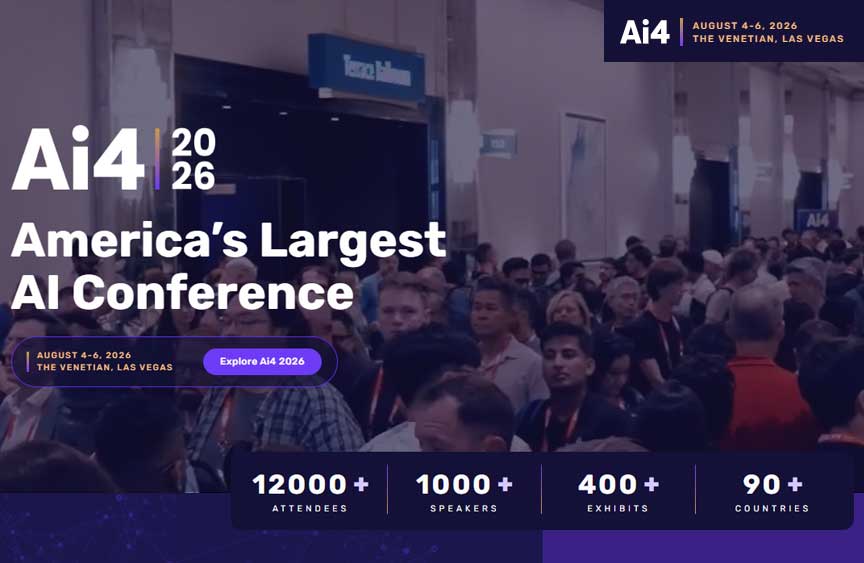
Ai4 2026 will be held August 4–6, 2026, at The Venetian in Las Vegas, USA. It is one of the world’s largest conferences on AI applications, with over 12,000 attendees in 2025; the 2026 event is expected to be of similar or greater scale.The conference covers multiple industries, including finance, retail, manufacturing, and healthcare. Among these, “Healthcare: Life Sciences & Biotech” is a dedicated track focusing on the application of AI in drug discovery, clinical development, biotechnology, and medical data.
The attendee base at this biotech innovation expo is quite diverse, including product and R&D teams from AI companies, digital and innovation teams from pharmaceutical companies, business development and strategy teams from biotech firms, analysts from investment firms, and researchers from academic institutions.This cross-industry nature is what sets Ai4 apart from purely pharmaceutical conferences (such as BIO and the JPM Healthcare Conference)—you can not only see the AI technology itself but also compare how AI companies perform when applied to other industries, which helps determine which AI capabilities are universal and which are specific to the pharmaceutical sector.
For professionals in the biopharmaceutical industry at this life sciences summit, the core value of Ai4 2026 lies in its role as a window into how AI companies tackle the practical challenges of implementing their technologies in real R&D scenarios. AI products that can only demonstrate their capabilities in general scenarios but hit a wall as soon as they enter the drug development process will be exposed at this conference. Conversely, AI companies with deep collaboration cases in the pharmaceutical industry will also use this event to showcase what they have learned from their partnerships with pharmaceutical firms.
1.2.1 Agenda Structure for the Life Sciences Track
At this pharma AI summit, the Life Sciences track typically covers several categories of topics: the application of AI in target discovery and validation; advances in AI for molecular design (small molecules, large molecules, and ADCs); the application of AI in clinical development (patient stratification, trial design, and dose optimization); the application of AI in real-world data; and the compliance and regulatory pathways for AI platforms.The 2026 agenda is expected to follow this structure, though the depth of content may vary—while “concept demonstrations” dominated the presentations in 2024 and 2025, 2026 should feature more “implementation case studies,” as AI companies are likely to have accumulated practical project data to share after two years of collaboration.
When reviewing the agenda, attendees can use a simple classification system: label each presentation as “concept demonstration” (focusing on platform capabilities and technical architecture), “implementation case study” (focusing on specific projects and collaboration data), or “methodology” (focusing on algorithmic innovation and model improvements). Prioritize attending “implementation case study” presentations, as only these will help you assess the true implementation capabilities of AI.
| Information Items | Content |
| Conference Name | Ai4 2026 |
| Date | August 4–6, 2026 |
| Location | The Venetian, Las Vegas, USA |
| Attendance | Estimated 12,000+ attendees (based on 2025 data) |
| Related Sectors | Healthcare: Life Sciences & Biotech |
| Organizer | Ai4 |
| Conference Website | ai4.io |
| Attendee Demographics | AI companies, digital teams at pharmaceutical companies, biotech business development professionals, investment firms, and academia |
1.3 The Framework for Evaluating This Article: Four Questions
This article will not provide a detailed overview of every presentation at Ai4 2026—that kind of press release has no reading value. Instead, it does something else: it provides you with an evaluation framework so you can decide for yourself which content is worth listening to and which AI companies are worth engaging with.
This framework consists of four questions that run throughout the article: Is the data authentic? Have the results been validated? Is the model interpretable? Can the process be scaled? These four questions correspond to the four biggest obstacles to AI adoption in the pharmaceutical industry; if any one of these areas has a critical flaw, the AI system will be unable to play a role in real-world drug development.
What Each Question Tests
The data question examines the “input side” of AI. No matter how sophisticated a model may be, if its training data comes from idealized public datasets that haven’t been tested in real R&D projects, its performance in practical applications will be significantly diminished. For complex scenarios like dual-toxin ADCs, there are virtually no public datasets containing data on the combined effects of the two toxins—which means any AI claiming to “design dual-toxin ADCs” must clearly explain its data sources.Probing these data-related questions can help you quickly identify AI companies that are merely “putting on a show with public data.”
Validation questions test the “output end” of the AI. Have the model’s predictions or recommendations been fed back into wet lab experiments for closed-loop validation? Have they been confirmed by independent teams using independent datasets? In drug development, an AI recommendation without a path to experimental validation is equivalent to a worthless recommendation—because no one would proceed with multimillion-dollar experiments based on unverified predictions.Asking about validation helps you distinguish between AI with a “closed-loop experimental process” and AI with only a “closed-loop in PowerPoint.”
Explainability questions test the AI’s “intermediate layer.” Why did the model provide this recommendation? Which features did it rely on? If the R&D team cannot understand the model’s decision-making logic, they cannot judge whether the recommendation is reasonable, let alone correct the model when it makes a mistake. In drug development, black-box models are not strictly off-limits, but black-box recommendations must be supported by a traceable chain of evidence—otherwise, if something goes wrong, no one will know where the problem originated. Probing for explainability helps you identify AI systems that “provide conclusions without justifications.”
Process-related questions test the AI’s “practical implementation.” Can the model’s recommendations be integrated into standard operating procedures (SOPs) or project decision-making workflows? Can they be understood and executed by the medicinal chemistry, biology, and CMC teams respectively? If an AI tool can only generate reports but cannot be embedded into actual workflows, it remains at the “demonstration-only AI” stage. Asking process-related questions helps you determine whether an AI company’s product is a “usable tool” or just a “flashy demo.”
| Evaluation Criteria | Core Questions | What to Evaluate | How to Observe This at Ai4 2026 | Common Misconceptions |
| Data Issues | What Data Does AI Use? What Is the Data Quality Like? | Reliability of the Input | Check if the presentation specifies the data source, scale, and preprocessing methods | Assuming the AI comes with its own data and failing to inquire about data quality |
| Validation Issues | How are the AI’s results verified? Has there been independent validation? | Reliability of the Output | Check whether wet lab validation or validation results from independent datasets are provided | Assuming that good model metrics are sufficient |
| Explainability Issues | How does the AI reach its conclusions? Can it explain the reasoning? | Transparency of the hidden layers | Check whether explanatory tools such as feature importance and decision paths are provided | Thinking that visualizing the model’s structure through dimensionality reduction is enough |
| Process Issues | What does the AI explain? What’s the next step? | Feasibility of implementation | Check whether it outlines plans for follow-up experiments or integration strategies for decision-making processes | Thinking that the AI’s conclusions mark the end of the process |
Action Recommendation: Take these four questions with you to Ai4 2026, and you’ll find that many presentations fall short on the first or second question alone. The teams that can answer all four questions are the ones truly worth engaging with in depth. Write these four questions on the first page of your notebook and check them off after each presentation—you’ll quickly discover that far fewer AI companies meet three or more of these criteria than the media would have you believe.Try a quick exercise before the conference: Pick three AI-driven pharmaceutical companies you’re familiar with and rate them based on these four questions. You’ll find that even highly renowned companies often fail to score perfectly on the validation and process dimensions. This exercise will help you make faster judgments during the conference.

2.0 Biological Conference Spotlight: The Rise of Dual-Toxin ADCs Exposes AI Pharmaceuticals’ Toughest Question
2.1 The True Signals Behind Eli Lilly’s Acquisition of CrossBridge Bio
In 2025, Eli Lilly acquired CrossBridge Bio, a company specializing in dual-toxin ADC technology, in a deal valued at up to $300 million (source: public acquisition announcement and industry media reports). The business logic behind this event is straightforward: Eli Lilly needed a more differentiated technology platform in the ADC space, and CrossBridge Bio’s dual-toxin conjugation technology provided exactly that.
However, the signal conveyed by this acquisition is more valuable than the transaction amount itself. It indicates that competition in the ADC space is shifting from “who has the best targets” to “who can design drug delivery systems that are more complex, more controllable, and better equipped to address tumor heterogeneity.” Competition in the single-toxin ADC space has already reached a fever pitch—popular targets such as HER2, TROP2, and CLDN18.2 are overcrowded, making it difficult for latecomers to establish differentiation. Dual-toxin ADCs represent a new dimension of competition: while companies may target the same receptor, they can achieve true differentiation through payload design.
This signal has a direct impact on AI in pharmaceuticals. If the focus of ADC competition shifts from “finding targets” to “designing complex drug delivery systems,” then the value of AI in ADCs must be redefined. AI tools that only perform target screening will quickly become marginalized; only those capable of multivariate joint optimization will have a chance. Dual-toxin ADCs clearly illustrate this dividing line.
2.1.1 Timeline of Acquisitions and Their Technological Implications
CrossBridge Bio’s core technology is a dual-payload conjugation platform—capable of loading two toxins with different mechanisms onto a single antibody at a controlled DAR (drug-to-antibody ratio). The challenges of this technical approach lie in the fact that the chemical reactions for conjugating the two toxins may interfere with each other, the release kinetics of the two toxins need to be regulated separately, and the toxicity profiles of the two toxins may overlap. None of these issues can be resolved through “single-variable prediction.”
Eli Lilly’s decision to acquire CrossBridge Bio rather than develop the technology in-house indicates that the technical barriers for dual-toxin ADCs are sufficiently high, and that the time and trial-and-error costs of in-house development are not cost-effective.This assessment holds significance for the entire industry: if an R&D giant like Eli Lilly deems in-house development uneconomical, other pharmaceutical companies are highly likely to opt for external collaboration or licensing when evaluating dual-toxin ADC technology. This means that companies possessing dual-toxin ADC technology—including those providing related AI design tools—will have stronger bargaining power in business development (BD) negotiations.
Looking at the timeline, the pace of development for bitoxin ADCs is accelerating.CrossBridge Bio was founded in 2023 and acquired by Eli Lilly in 2025—a span of just two years. This is significantly shorter than the time it typically takes for most biotech companies to go from founding to acquisition. The reason behind this speed is that major pharmaceutical companies have an urgent need for differentiated ADC technologies and are willing to pay a premium for early-stage technologies. For AI companies, this means that if you can demonstrate that your AI tools can accelerate the design and optimization of bispecific toxin ADCs, your commercial value will also be quickly recognized.
2.1.2 Changes in the ADC Competitive Landscape
The traditional ADC competitive landscape can be summarized as a “target + toxin” combination matrix. Companies typically select validated targets (such as HER2) and pair them with validated toxins (such as DM1 or DXd), making minor innovations in linker and conjugation technologies. Under this model, the scope for differentiation is shrinking.
Dual-toxin ADCs have disrupted this landscape. They introduce a new design dimension: strategies for combining two toxins. These two toxins can share the same mechanism of action but be different molecules (e.g., two DNA-damaging agents), or they can have different mechanisms (e.g., a DNA-damaging agent paired with a microtubule inhibitor).Different combination strategies correspond to different approaches to overcoming resistance, different toxicity management strategies, and different clinical positioning. The complexity of this design space far exceeds that of single-toxin ADCs, and this is precisely where AI can add value—provided that AI models can understand this complexity.
| Event | Time | Technical Implications | Impact on AI in Pharmaceuticals |
| CrossBridge Bio Founded | 2023 | Establishment of the dual-payload conjugation technology platform | A new scenario for testing AI’s multivariate optimization capabilities was added |
| Eli Lilly acquires CrossBridge Bio | 2025 | Dual-toxin ADCs receive endorsement from major pharmaceutical companies | Competition in the ADC field shifts from targets to payload design |
| Multiple bitoxin ADCs enter clinical trials | 2025–2026 | This technical approach begins to gain clinical validation | AI Must Process Clinical Data Feedback |
| Bivalent ADCs Become a Hot Topic in Business Development | 2026 | Capital and technological resources pour in | AI companies face a real-world test of whether they can rise to the challenge |
2.2 Why Dual-Payload ADCs Can Test AI’s True Capabilities
Dual-toxin ADCs are not simply a matter of combining two payloads. They involve the joint optimization of at least seven dimensions: mechanism complementarity (whether the mechanisms of action of the two toxins can synergistically cover resistance pathways),DAR distribution (the DAR of each toxin and their ratio), linker stability (whether the stability of the two linkers in the bloodstream is consistent), payload release (whether the release rates of the two toxins in the tumor microenvironment are matched), toxicity additivity (whether the toxicity profiles of the two toxins are additive or synergistically amplified), impurity profile (the types and levels of byproducts from the two conjugation reactions), and scale-up manufacturing (whether the process conditions for the two conjugation reactions are compatible).
There are numerous interdependent relationships among these seven dimensions. Changing the DAR of Toxin A affects the release efficiency of Toxin B; adjusting the stability of the linker affects the ratio of in vivo exposure between the two toxins; and optimizing the yield at a specific step may introduce new impurity peaks. This high-dimensional, interdependent optimization is precisely why the traditional experimental approach of “adjusting one parameter at a time” is inefficient—and it is also where AI can theoretically deliver immense value.
However, there is a vast gap between “theoretical potential” and “practical feasibility.”An AI model trained solely on single-toxin ADC data is essentially extrapolating when faced with the multivariate space of dual-toxin ADCs—and the reliability of such extrapolation cannot be taken for granted in drug development. This is why dual-toxin ADCs serve as the “litmus test” for AI: they are complex enough to expose all the shortcomings of AI models in terms of data coverage, multivariate modeling, and interpretability.
A Detailed Breakdown Across Seven Dimensions
Mechanism complementarity requires AI to understand biology—not just the mechanisms of the two toxins individually, but also how they overlap in resistance pathways. For example, if toxin A kills cells through DNA damage and toxin B inhibits cell division by blocking microtubules, can their combination overcome resistance to a single agent? This requires the AI model to integrate knowledge of pharmacology and cell biology, rather than merely predicting structure-activity relationships.
The DAR distribution requires AI to perform multivariate joint optimization. A single-toxin ADC requires optimization of only one DAR value, whereas a dual-toxin ADC requires simultaneous optimization of DAR_A, DAR_B, and their ratio. The search space shifts from one dimension to three, and there are constraints among the three variables (the total DAR cannot be too high, otherwise the antibody will aggregate). Most existing AI molecular design models lack the capability for this type of multi-constraint joint optimization.
Linker stability and payload release require AI to perform in vivo PK/PD modeling. This involves predicting the behavior of chemical molecules within the body—including stability, enzymatic cleavage rates, and tissue distribution. Such data is extremely scarce in public datasets, and AI models are largely unable to make reliable predictions without the support of internal PK data from pharmaceutical companies.
Toxicity additivity requires AI to perform combined toxicological predictions. The toxicity of two toxins may be simply additive, or there may be a synergistic amplification effect. Predicting combined toxicity requires an understanding of the accumulation and damage mechanisms of both toxins in different organs, which places far greater demands on data volume and model capabilities than predicting the toxicity of a single drug.
Impurity profiles and scale-up production require AI to understand chemical reactions and process engineering. Byproducts from two coupling reactions may cross-react, and the process conditions (temperature, pH, concentration) for the two-step reaction may be incompatible during scale-up. Resolving these issues requires reaction kinetics modeling and process simulation, which exceed the capabilities of most AI-driven drug discovery platforms.
| Technical Dimensions | Requirements for Single-Toxin ADCs | New Requirements for Bitoxin ADCs | Challenges Facing AI | Can Current AI Meet These Demands? |
| Mechanism Complementarity | Single-Toxin Mechanism | Complementary Mechanisms of Two Toxins Plus Resistance Coverage | Requires an understanding of the biological logic of resistance pathways | Partially capable, depending on the training data |
| DAR Distribution | Single DAR optimization | Joint optimization of two DARs with proportional weighting | Multivariate joint optimization: the search space grows exponentially | Theoretically feasible, but with limited practical validation |
| Linker Stability | Single-linker stability | The stability of the two linkers must be matched | Differences in chemical stability must be predicted | Single-point predictions are possible, but joint predictions are difficult |
| Payload Release | Single-release kinetics | The two release rates must be matched | In vivo PK/PD modeling is required | Severe lack of data |
| Toxicity additivity | Single toxicity profile | Prediction of the combined effects of the two toxicities | Requires combined toxicological data | Virtually no publicly available data |
| Impurity Spectrum | Single coupling byproduct | Two coupling byproducts plus cross-reactions | Reaction chemistry modeling required | Largely not covered |
| Scale-up to production | Single coupling process | Compatibility of the two coupling processes | Process simulation required | Exceeds the capabilities of most AI platforms |
2.3 Dual-toxin ADCs Are the “Litmus Test” of the Current State of AI in Pharmaceuticals
“Litmus test” refers to a scenario of sufficient complexity to reveal the true limits of an AI system’s capabilities. Dual-toxin ADCs meet this criterion for three reasons.
2.3.1 They involve a sufficiently high level of technical complexity.
Joint optimization across seven dimensions, each with its own data requirements and modeling challenges. If an AI platform can only handle one or two of these dimensions, its value for dual-toxin ADCs is very limited—because bottlenecks often arise in the dimensions not covered by the AI.
2.3.2 there is a genuine commercial need.
Eli Lilly’s $300 million acquisition of CrossBridge Bio demonstrates that major pharmaceutical companies are willing to pay for bispecific toxin-ADC technology. This means that AI investments in bispecific toxin-ADCs have a clear path to commercial returns, rather than merely spinning their wheels on pure proof-of-concept projects. Driven by commercial demand, the pace of technological iteration will accelerate, and data accumulation will also proceed more rapidly.
2.3.3 It involves collaborative decision-making across multiple disciplines.
2.3.4 The R&D of bitoxin ADCs requires collaboration among multiple teams, including medicinal chemistry, bioassay, toxicology, CMC, and clinical.
Fifth, If AI can only make single-point predictions for a specific stage (such as predicting the IC50 of a toxin), its value remains limited to that of a discovery tool. However, if AI can simultaneously provide molecular design recommendations to the medicinal chemistry team, process feasibility assessments to the CMC team, and dosage strategy guidance to the clinical team—then it enters the realm of a decision-making system.The complexity of dual-toxin ADCs precisely demands this multi-stage collaboration, as no single aspect can be overlooked.
| Capability Levels | Performance on Single-Toxin ADCs | Requirements for Bivalent ADCs | Indicators of Capability Leap | Assessment Methods |
| Data Integration | Training with a Single-Toxin Dataset | Requires fusion of data from both toxins plus data on their combined effects | Transition from single-source to multi-source data fusion | Inquire about the sources and coverage of the training data |
| Prediction Task | Single-point property prediction (e.g., IC50, DAR) | Multivariate joint optimization (DAR plus dosage ratio plus toxicity plus process parameters) | From Single-Point Prediction to System Optimization | Ask how many variables the model can optimize simultaneously |
| Interpretability | Explaining a single prediction result | Explaining the synergistic or antagonistic mechanisms of two toxins | From Explaining Results to Explaining Mechanisms | Can the model output feature importance? |
| Experimental validation | Wet lab validation of a single hypothesis | Joint validation of multiple hypotheses with prioritization | From Validation Tool to Decision Support | Inquire whether there are any forward-looking experimental validation cases |
| Implementation Path | Delivering Prediction Results Directly to the Experiment Team | From Prediction to Decision-Making to Risk Assessment to Action Recommendations | From Tool to Decision-Making System | Ask whether AI recommendations have ever been incorporated into the project decision-making process |
Action Recommendation: At Ai4 2026, when you hear an AI company say, “Our platform can design ADCs,” ask three specific questions: Can your platform simultaneously optimize the DAR and ratio of both toxins? Can you predict the additive toxicity effects of the two toxins? Does your design take into account process compatibility for scale-up production?If they cannot answer any of these three questions, it indicates that the platform is still confined to the cognitive framework of single-toxin ADCs. If they can answer one, it’s worth continuing the conversation. If they can answer all three and back them up with data, this company deserves serious evaluation—because the ability to provide evidence-based answers in the context of dual-toxin ADCs demonstrates that its AI platform has crossed the threshold of being merely a “discovery tool.”

3.0 The Next Battle in AI-Driven Pharmaceuticals at the biological conference: The Shift from “Discovery Tools” to “Decision-Making Systems”
3.1 Shifting from the “Speed” Narrative to the “Cost of Error” Narrative
Over the past two years, the mainstream narrative in AI-driven drug discovery has revolved around “speed”: AI can complete molecular design in X days, shortening a process that traditionally took Y years to just Z weeks. This narrative was valuable during the proof-of-concept phase—it demonstrated AI’s genuine technical capabilities in drug discovery. However, as AI-driven drug discovery moves into the practical implementation phase, the limitations of the speed narrative are becoming increasingly apparent.
Where does the problem lie? The value of speed hinges on being “on the right track.” If AI rapidly generates a molecule that is subsequently eliminated in preclinical toxicology testing, then “speed” actually increases costs—because all investments in synthesis, purification, in vitro testing, and in vivo testing become sunk costs. Errors are the most costly consequence.The wrong target, the wrong molecule, the wrong indication, the wrong patient population, the wrong process route—every mistake will impose a massive cost on the project in later stages.
This is why the narrative surrounding AI in pharmaceuticals is shifting: pharmaceutical companies are increasingly concerned with “Can AI help us detect errors earlier and correct them at a lower cost?” rather than “Can AI help us generate molecules faster?” The technological paths driven by these two narratives are entirely different. The speed-driven narrative focuses on generative models—the more and faster, the better. The error-cost-driven narrative focuses on screening and elimination models—the earlier unpromising directions are eliminated, the more costs are saved.
3.1.1 Quantifying the Cost of Errors: A Simple Calculation
Suppose the cost of a drug R&D project, from candidate molecule to completion of Phase I clinical trials, is $50 million. If a molecule with serious developability defects can be identified during the molecular design phase (at a cost of approximately $100,000), thereby preventing it from advancing to subsequent stages, the potential cost savings amount to $49.9 million.Even if an AI model has only a 70% accuracy rate in predicting developability defects, its expected savings would exceed $34 million—which is far greater than the value of “rapidly generating 100 molecules.”
This calculation explains why pharmaceutical companies are more interested in AI tools that address the “cost of error” narrative. The magnitude of the cost of error far exceeds that of the cost of speed. An AI tool capable of reducing the preclinical attrition rate by 10% may have far greater economic value than one that increases molecular generation speed by a factor of 10. Pharmaceutical CFOs understand this calculation better than R&D directors—because CFOs focus on net expenditures, not R&D speed rankings.
3.1.2 Technical Differences Between the Speed Narrative and the Error-Cost Narrative
The “speed narrative” and the “error cost narrative” require fundamentally different technical capabilities. The speed narrative demands “generative capability”—the ability to rapidly produce a large number of molecular candidates, with throughput and diversity as the primary metrics. The error cost narrative demands “judgment capability”—the ability to accurately predict which molecules will fail in subsequent stages, with false negative and false positive rates as the primary metrics.
The technology stack for generative capability is relatively mature: various generative models (VAE, GAN, diffusion models, large language models) can all be utilized. However, the technology stack for discriminative capability is not yet mature: it requires predicting a molecule’s developability (solubility, permeability, metabolic stability), synthesizability (complexity of the synthetic route and yield), manufacturability (feasibility of scale-up), and patentability (whether it infringes on existing patents).Each prediction requires a specific type of data and a specific model architecture, and the results must be interpretable—because pharmaceutical R&D teams need to understand why the AI deems a particular molecule “not worth pursuing.”
| Narrative Types | Key Metrics | Typical Statements | Limitations | Alternative Metrics for the New Generation of Narratives |
| Speed-Based Narrative | Time Saved | AI reduces molecular design from 12 months to 2 weeks | Fast but with high error costs and significant sunk costs | Time to Error Detection, Cost of Error Correction |
| Accuracy Narrative | Prediction Accuracy | The model achieved an AUC of 0.95 on the test set | Test set accuracy does not equate to real-world performance | Consistency of Results in Prospective Studies |
| Narrative on the Cost of Errors | Time to Error Detection and Correction Costs | The system identified 80% of development risks during the preclinical phase | Long-term data validation is required; quantification is difficult in the short term | Changes in preclinical dropout rates and clinical failure rates |
This narrative shift should be clearly evident at this AI drug discovery conference.Attendees can observe a simple metric: how many presentations still focus on “how fast we are,” and how many have started discussing “what mistakes we’ve helped pharmaceutical companies avoid.” The higher the proportion of the latter, the more mature the AI-driven pharmaceutical industry becomes. If an AI company’s entire presentation centers on generation speed and model accuracy but avoids addressing “how many of your predictions have been refuted by experiments,” then that company is still stuck in the “speed narrative” phase, and its products remain far from meeting the real needs of pharmaceutical companies.
| Types of Errors | Stage of Occurrence | Typical Costs | Can AI Predict It? | Prediction Difficulty |
| Off-target | Target Discovery | $2–5 million | Partially possible, depending on biological data | High |
| Misfit Molecules | Candidate Screening | $500,000–$2,000,000 | Yes, requires developability data | In progress |
| Target Indications | Clinical Strategy | $10–30 million | Partially feasible, dependent on patient stratification data | High |
| Inappropriate patient population | Clinical Design | $5 million–$20 million | Possible, depending on biomarker data | Moderate |
| Incorrect process route | CMC development | $2–8 million | Partially feasible, depending on process data | Medium-high |
3.2 Shifting from Model Performance to Organizational Usability
Another narrative shift currently underway is that pharmaceutical companies’ focus on AI is shifting from “model metrics on benchmarks” to “whether AI systems can be integrated into the company’s actual workflows.” These two focuses are fundamentally different.
An AI system with good model performance does not necessarily possess organizational usability. There are five reasons for this. First, the model’s output format does not align with pharmaceutical companies’ data standards—pharmaceutical companies use internal structure-activity relationship databases for compounds, while AI models output lists of SMILES strings, requiring manual conversion between the two. Second, the frequency of model updates cannot keep pace with the pace of R&D—pharmaceutical companies generate new experimental data every week, but AI models may only be updated once every three months.Third, the models lack audit trail functionality—in a GxP environment, every decision recommendation must be traceable, yet most AI models lack version control and decision logs.Fourth, embedding the model into workflows increases operational complexity for staff—R&D personnel must perform additional tasks with AI tools on top of their existing workload, rather than having the AI tools integrated into existing processes. Fifth, accountability is unclear when the model makes errors—if a molecule recommended by AI fails in clinical trials, who bears the responsibility? Unless this issue is resolved, pharmaceutical companies will be reluctant to use AI recommendations for core project decisions.
| Dimensions | Model Performance Perspective | Organizational Usability Perspective | Gaps | What to Focus on at Ai4 2026 |
| Performance Metrics | AUC, Accuracy, F1 | Prospective study results, regulatory approval | Disconnect Between Academic and Industry Metrics | Are there any examples of prospective studies? |
| Data compatibility | Standard datasets such as ChEMBL | Compatibility with proprietary corporate data | Differences in the distribution of public and corporate data | Can the model be fine-tuned using proprietary corporate data? |
| Output Format | Standard formats such as SMILES | Integration with Internal Enterprise Systems | Requires an additional data conversion layer | Are there any APIs or examples of integration with enterprise systems? |
| Update Mechanism | Regular release of new versions | Model version management and audit trails | Most AI tools lack audit capabilities | Are there model version management and audit features? |
| Personnel Requirements | Users with an AI background are required | Can be used by general R&D staff | High learning curve, difficult to adopt | How long does it take to train regular R&D staff? |
| Assignment of Responsibility | The paper’s authors are responsible | Liability after a company implements AI | Legal and Compliance Risks | Are there mechanisms for assigning liability and handling errors? |
Many AI systems can be featured in PowerPoint presentations, but far fewer make it into pharmaceutical companies’ project meetings and decision-making sessions. This gap is the biggest bottleneck in the practical implementation of AI in the pharmaceutical industry. A model achieving an AUC of 0.95 on a test set is a completely different level of achievement from a model being used by a pharmaceutical and chemical research team to screen candidates during weekly project meetings. The former serves as material for academic papers, while the latter forms the basis for commercial contracts.
3.2.1 Criteria for Assessing Organizational Usability
How can we determine whether an AI system is organizationally usable? Three evaluation criteria can be applied. First, can R&D personnel at pharmaceutical companies use the tool independently without relying on technical support from the AI company? If an engineer from the AI company must be present every time the tool is used, the tool has not truly been implemented.Second, can the AI tool’s outputs be directly integrated into the pharmaceutical company’s existing decision-making processes (such as project review meetings or candidate screening SOPs)? If additional data conversion or manual processing is required, the efficiency of implementation will be significantly reduced. Third, after using the tool for six months, has the pharmaceutical company modified its SOPs to accommodate the AI’s recommendations? If the company’s processes have not changed at all due to the AI tool, it indicates that the tool’s impact and practical value are very limited.
These three criteria build upon one another: standalone use is the basic threshold, process integration is an advanced requirement, and SOP impact is the hallmark of deep implementation. Most AI tools fail to meet even the first criterion—they require technical support from the AI company’s engineers, and the pharmaceutical company’s R&D personnel cannot operate them independently. Few AI tools meet the second criterion. Those that meet the third criterion are currently few and far between across the entire industry.
3.2.2 Why Revising SOPs Is a Sign of Deep Implementation
SOPs (Standard Operating Procedures) form the backbone of a pharmaceutical company’s R&D system. They define the operational steps, data formats, review criteria, and responsible parties for each stage. Modifying SOPs signifies that a pharmaceutical company is willing to adjust its workflows to accommodate AI tools—something that only occurs when the AI tool has proven to deliver sustained value.
For example: A pharmaceutical company’s original candidate screening SOP was “synthesis—in vitro testing—in vivo testing—review.”If an AI tool can predict developability risks in advance, the company might revise the SOP to “AI prediction—synthesis of a subset of high-risk molecules—in vitro testing—in vivo testing—review.” Such a revision signifies that the AI tool has evolved from an “optional auxiliary tool” to a “mandatory decision-making step”—the most direct evidence that AI has transitioned from a discovery tool to a decision-making system.
| Organizational Adoption Dimension | AI Not Yet Fully Implemented | Partially Implemented AI | Fully Implemented AI | Test Methods |
| Standalone Use | Requires support from the AI company’s engineers each time | Can be operated independently after training | R&D personnel can use it independently | Assess whether technical support is still needed after six months of use by the pharmaceutical company |
| Process Integration | Output requires manual conversion to be usable | An API is available but requires additional configuration | Direct integration with the pharmaceutical company’s internal systems | Check for system integration case studies |
| Impact on SOPs | The pharmaceutical company’s SOPs remain completely unchanged | Some SOPs have added AI-assisted steps | Pharmaceutical companies proactively modify SOPs to accommodate AI | Ask pharmaceutical companies if they have adjusted their workflows as a result |
| Decision Records | AI recommendations are not included in project records | AI recommendations are included as reference attachments | AI recommendations are formally incorporated into decision records | Check whether there are any formal project decision records that cite the AI |
Action Recommendation: When evaluating AI companies at Ai4 2026, do not focus solely on model demonstrations. Ask three questions regarding organizational usability: Do you have any cases where a pharmaceutical company has used your tool independently (without relying on your technical support) for more than six months? How do your tools integrate with the pharmaceutical company’s internal systems? Has any pharmaceutical company modified its SOPs as a result of using your tools?Only AI companies that provide positive answers to all three questions have truly entered the implementation phase. Companies that focus solely on model performance without addressing organizational usability are still quite far from meeting the real needs of pharmaceutical companies. Another detail to observe during the conference: Do representatives from pharmaceutical partners appear in the AI company’s presentation (as co-presenters or through references to the partner’s feedback)? If so, this indicates sufficient depth of collaboration; if the entire presentation consists solely of the AI company speaking on its own behalf, the depth of collaboration may be limited.

4.0 What to Focus on at the biological conference: Life Sciences Track at Ai4 2026
4.1 Small-Molecule Discovery: Don’t Just Look at Generated Structures—Focus on Reducing Iterations
Small-molecule drug discovery is the most mature sector for AI applications in pharmaceuticals, and it was also the most frequently discussed topic at the 2023–2024 Ai4 conferences. However, industry experience over the past few years has revealed an overlooked issue: “generating molecules” and “generating developable molecules” are two entirely different matters.AI can generate millions of molecules that meet activity criteria, but the real bottleneck lies in how many of them are actually developable—in terms of synthetic feasibility, ADMET properties, and patent avoidability.
The biggest challenge facing pharmaceutical companies in small-molecule discovery has changed. In 2023, pharmaceutical companies complained about “not having enough candidate molecules.”By 2025, pharmaceutical companies were complaining that “there are too many candidate molecules, but too few that can be advanced.” AI generates a vast number of molecules, and medicinal chemistry teams spend a great deal of time evaluating and screening them; ultimately, only 1–2% may pass the developability screening. This means that the more powerful the AI’s generation capabilities become, the heavier the screening burden on medicinal chemistry teams—unless the AI also provides recommendations for both selection and elimination.
4.1.1 Four Types of Progress to Watch for at the Conference
The first category is multi-objective optimization methods.
A good AI should not only optimize activity but also simultaneously consider activity, selectivity, ADMET properties, synthesizability, and patent space. At Ai4 2026, if an AI company only showcases the AUC for activity prediction without discussing multi-objective joint optimization, its technology is still stuck at the 2023 level. What you should focus on is: Can the model simultaneously optimize five or more objectives within a unified framework? Does it include trade-off analysis among the multi-objectives?
The second category consists of reverse synthesis planning tools.
AI-generated molecules have no practical value if they cannot be synthesized or if the synthesis cost is too high. A good AI system should be able to predict synthetic routes and estimate yields and costs. At the event, you should pay attention to: Have the synthetic routes predicted by the model been validated in the lab? What is the margin of error for yield predictions? Can the model handle complex molecules containing non-standard reaction steps?
The third category is IP-aware molecular design.
Patent space is the most easily overlooked yet highest-cost dimension in small-molecule drug development. If a molecule infringes on existing patents, all subsequent investments will go down the drain. AI should be able to assess the patent avoidability of generated molecules and steer clear of known patents during the design phase. Key points to consider on-site: Is the AI model integrated with patent databases? Can it generate a freedom-to-operate (FTO) analysis?
The fourth category is customized models.
General-purpose models are trained on public datasets, but the distribution of a pharmaceutical company’s internal data often differs from that of public datasets. A good AI solution should be able to be fine-tuned using the company’s proprietary data (historical R&D data, internal screening data). Key questions to ask during a demo include: Does the AI company provide an interface for data fine-tuning? How much data is required for fine-tuning? By how much does the model’s performance improve after fine-tuning?
| Technical Directions | Mainstream Solutions for 2023 | New Developments to Watch in 2025 | Actual Value for Pharmaceutical R&D | Follow-Up Questions to Ask During the Meeting |
| Molecule Generation | Generative Models Based on VAE and GAN | Molecular Optimization Using Large Language Models with Developability Filtering | Generating Molecules with Both High Activity and Good Developability | Models Capable of Simultaneously Optimizing Multiple Objectives |
| ADMET Prediction | Single-endpoint prediction models | Multi-endpoint joint prediction combined with human PK simulation | Reducing the attrition rate of clinical candidates | Have the prediction results been prospectively validated? |
| Synthesis Planning | Rule-Based Retrospective Synthesis | Reaction Knowledge Graph-Based Retrospective Synthesis with Yield Prediction | Reducing Synthesis Costs and Timelines | Has the synthetic route been validated in the laboratory? |
| Patent Avoidance | Avoidance Design Based on Similarity Search | IP Knowledge Graph-Based Design-Around with FTO Analysis | Reducing Intellectual Property Risks | Is the model connected to a real-time patent database? |
| Customization | Generic Model | Fine-tuning with the company’s own data | Improve the model’s performance on the company’s internal data | How much data is required for fine-tuning? |
4.2 Macromolecule and Antibody Design: Affinity Is Not the End Goal; Developability Is the True Hurdle
The design of macromolecular antibody drugs has undergone a significant transformation in recent years. Early AI-driven antibody design primarily focused on “humanization”—reducing the immunogenicity of murine antibodies. However, the focus has now shifted to “functional design”: improving antibody properties such as specificity, affinity, and half-life while ensuring safety.
The true bottleneck in antibody design lies in developability, not affinity. Antibodies with high affinity that are prone to aggregation, have low expression levels, poor stability, or high immunogenicity will suffer significant setbacks during late-stage process development and clinical trials. Pharmaceutical companies have seen far too many antibodies with “impressive affinity but disastrous developability”—molecules that appeared promising in the early stages but were abandoned during the CMC phase.
4.2.1 Five Dimensions of Developability Prediction
Aggregation Risk: Does the antibody form aggregates at high concentrations? Aggregates not only affect efficacy but may also trigger immune responses. AI should be able to predict an antibody’s tendency to self-aggregate, providing predicted values for the aggregation temperature (Tagg) and monomeric purity.
Expression Level: The expression level of an antibody in CHO cells directly determines production costs. Antibodies with expression levels below 1 g/L are unlikely to be commercially competitive. AI should be able to predict the expression levels of different antibody sequences, helping pharmaceutical companies eliminate low-expression candidate molecules early on.
Stability: An antibody’s thermal stability (Tm value) and colloidal stability influence formulation development and storage conditions. Antibodies with poor stability require more complex formulation designs, increasing development costs.
Immunogenicity: Even humanized antibodies may still pose immunogenicity risks. AI should be able to predict an antibody’s T-cell epitope density to assess immunogenicity risks.
Process Suitability: An antibody’s purification behavior (Protein A binding, CEX/AEX chromatography behavior) influences downstream process design. If AI can predict purification behavior, it can help CMC teams plan process routes in advance.
| Developability Dimensions | Impact | AI Prediction Difficulty | Current Technical Maturity | What to Focus On in the Field |
| Aggregate Risk | Impact on Efficacy and Safety | Moderate | Some AI tools can predict | Are there Tagg predictions validated by wet lab experiments? |
| Expression levels | Impact on production costs | High | Low prediction accuracy | Is there prospective validation of CHO expression levels? |
| Stability | Impacts formulation and storage | Moderate | Partially predictable | What is the margin of error for Tm prediction? |
| Immunogenicity | Affects clinical safety | High | Progress in T-cell epitope prediction | Are there any clinical immunogenicity data for backtesting? |
| Process Suitability | Impact on CMC Development | High | Largely Uncovered | Is there the ability to predict purification behavior? |
The rise of dual-toxin ADCs has placed new demands on antibody design. Antibodies must not only be capable of targeting and delivering toxins but also account for how the coupling sites of the two toxins affect antibody function. This means that antibody design can no longer be conducted in isolation but must be jointly optimized alongside toxin selection, linker design, and coupling strategies.The value of AI in this regard is very clear: it can handle multivariate joint optimization problems in high-dimensional design spaces—provided the model has sufficient data and the correct architecture. At Ai4 2026, if any AI company showcases a case study of “joint antibody-toxin-linker design,” it will be worth paying close attention to, as very few platforms are currently capable of achieving this.
4.3 Immunotherapy: The Real Challenge for AI Is Explaining Why Patients Respond
The application of AI in immunotherapy is undergoing a shift: early work focused on “biomarker discovery”—predicting which patients would respond to treatment. Current efforts are shifting toward “designing combination therapy regimens”—determining which drug combinations yield better outcomes in specific patient subgroups.
However, the greatest challenge AI faces in immunotherapy is explanation—why one patient responds while another does not. The complexity of the tumor microenvironment, the diversity of drug resistance mechanisms, and individual differences in patients’ immune systems make “why this patient responded but that one did not” an extremely difficult question to answer.If an AI model can only provide a “response score” but cannot explain the basis for that score, clinicians will be reluctant to use it to guide treatment decisions—because in immunotherapy, the cost of a wrong decision could be the patient’s life.
4.3.1 Three Evaluation Criteria for Immunotherapy AI
The first criterion is feature interpretability.
When an AI model predicts that a patient will respond to a PD-1 inhibitor, it must specify which features it relies on—is it PD-L1 expression? TMB (tumor mutation burden)? Or a specific T-cell infiltration pattern? If the model cannot output feature importance, clinicians cannot determine whether the prediction is reasonable.
The second criterion is mechanistic plausibility.
The feature importance identified by the AI must not only exist but also make biological sense. If the AI states that “a patient’s serum sodium level is the most important feature for predicting response to immunotherapy,” clinicians will not accept this—even if it is statistically valid—because it lacks a mechanistic explanation. A good AI should be able to link predictive features to known immune mechanisms.
The third criterion is subgroup coverage.
The efficacy of immunotherapy varies greatly across different cancer types and patient populations. If an AI model is trained solely on data from non-small cell lung cancer, its predictions may be completely inapplicable to melanoma patients. A good AI should clearly specify the model’s scope of applicability and provide uncertainty warnings when predictions fall outside that scope.
| AI Capabilities | Current Level | Clinical Needs | Gaps | Key Areas to Watch at Ai4 2026 |
| Biomarker Discovery | Relatively mature, with multiple validation cases | Need for more precise stratification markers | Accuracy of existing biomarkers is limited | Are there any new multi-omics integration methods? |
| Design of Combined Protocols | Early exploratory stage | Need to predict synergistic or antagonistic effects | Limited data on drug combinations | Are there any AI-driven design cases for combination therapy? |
| Response Explanation | Virtually none | Need to explain why a response occurs or does not occur | Insufficient model interpretability | Are there explanations for feature importance and mechanisms? |
| Patient Stratification | Partially achievable | Finer-grained stratification is needed | Current stratification criteria are too broad | Are there AI-based dynamic stratification strategies? |
The combination of bispecific ADCs and immunotherapy is one of the current research hotspots. AI can play a role in this area by predicting which patients are most likely to benefit from the “bispecific ADC plus immunotherapy” combination regimen, as well as by optimizing dosing and administration timing within the regimen. The decision-making process involves a vast number of variables (patient characteristics, tumor characteristics, drug PK/PD, and immune response dynamics), which is precisely the type of scenario where AI decision-making systems excel—provided that the AI can explain its recommendations.
4.4 GLP-1-Related Applications: How AI Is Entering Clinical Optimization Through the Blockbuster Drug Boom
The commercial success of GLP-1 receptor agonists (such as semaglutide) has prompted the entire industry to reevaluate development strategies for metabolic disease drugs. Competition in the GLP-1 space is shifting: while early competition centered on “who will develop the next weight-loss drug,” the focus has now shifted to “who can provide a comprehensive management solution for metabolic diseases.”
This shift has also altered the demand for AI. In the early stages, AI was primarily used for molecular design—discovering new GLP-1 analogs or dual- or triple-target agonists. Now, the value of AI is shifting toward clinical optimization—indication expansion strategies, analysis of patient response variability, long-term safety monitoring, real-world data mining, and optimization of dosing strategies.
4.4.1 Four Application Directions for AI in the GLP-1 Context
Indication Expansion: Beyond diabetes and obesity, GLP-1 is being explored for new indications such as cardiovascular protection, renal protection, MASLD (metabolic-associated steatohepatitis), and even neurodegenerative diseases. By analyzing real-world data, AI can identify potential signals of benefit from GLP-1 across different patient populations, helping pharmaceutical companies design clinical trials for new indications.
Patient Response Variability: The weight-loss effects of GLP-1 vary significantly among patients—some lose more than 15% of their body weight, while others lose only 5%. AI can analyze multi-omics data (genomics, proteomics, metabolomics) to identify predictors of response variability, helping physicians select patients most likely to benefit.
Long-Term Safety: As GLP-1 is a medication requiring long-term use, its long-term safety (such as muscle loss, decreased bone density, and risk of pancreatitis) requires continuous monitoring. AI can detect potential safety signals early through real-world data analysis.
Optimization of Dosage Strategies: GLP-1 dosage escalation regimens, administration frequency, and strategies for integrating the medication with diet and exercise all influence efficacy and tolerability. AI can optimize individualized dosage strategies by integrating PK/PD modeling with digital therapy data.
| Application Areas | The Value of AI | Data Requirements | Current Maturity Level | Key Focus Areas at Ai4 2026 |
| Expansion of Indications | Identifying Signals of Benefit for New Indications | Real-world data, multi-omics data | Early-stage exploration | Are there any real-world data (RWD) analysis case studies? |
| Differences in Patient Response | Predicting Which Patients Are Most Likely to Benefit | Genomics, proteomics, metabolomics | Partially feasible | Is there prospective validation of response prediction? |
| Long-term safety | Early detection of safety signals | Real-world adverse event data | Signal detection is possible | Are there any examples of AI systems for safety monitoring? |
| Optimization of dosing strategies | Personalized dosing and administration regimens | PK/PD data, digital therapeutics data | Theoretically feasible | Are there any examples of AI models for dosing optimization? |
Action Recommendation: At Ai4 2026, prioritize presentations across the four areas listed above. Give top priority to presentations that demonstrate both “AI prediction results” and “wet lab/clinical validation results.” Presentations that show only AI predictions without providing validation data have limited reference value. Pay special attention to cases demonstrating that “AI recommendations were adopted by clinical teams and influenced treatment decisions”—this is the most direct evidence of AI integration into decision-making systems. If presentations cover all four areas, rank them by “validity of validation”: clinical validation > wet lab validation > in vitro validation > purely computational validation > no validation.

5.0 Biological Conference Prep: Deriving a Q&A Checklist for AI Vendors Using a Bitoxin ADC
5.1 Data Question: Has Your Model Been Trained on Real ADC Project Data?
Data-related questions are the first hurdle in assessing an AI system’s capabilities. The performance of an AI model is highly dependent on the quality and suitability of its training data. For complex scenarios like bitoxin ADCs, data issues are particularly prominent—because publicly available data on bitoxin ADCs is extremely scarce, with most data locked away in the internal databases of pharmaceutical companies and biotech firms.
When asking AI companies about data-related issues at Ai4 2026, be specific to the following levels. Data Sources: Which datasets were used to train the model? Are they public data (such as PubChem, ChEMBL), data from collaborative projects, or real internal R&D data from the company? The advantage of public data is that it is verifiable, but its coverage is limited; the advantage of internal corporate data is its high authenticity, but it is unverifiable.A good AI company should be able to demonstrate the use of both types of data. Data coverage: How many types of toxins does the data cover? How many types of linkers? How many types of antibodies? Does it include data from failed projects (failed data is equally important for the model to learn “what not to do” and “what to do”)? Data quality: Has the data been manually reviewed and cleaned? How consistent is the annotation? Are there any known data biases?
5.1.1 The Progressive Logic of Data Inquiry
The first question is “What data did you use?”—this is a basic question that most AI companies can answer. The second question is “Does your data cover failed projects?”—this question can weed out a number of companies, because data on failed projects is the most valuable yet least willing to be shared by pharmaceutical companies, and most AI companies cannot access it.The third question is “How much does your data differ from the distribution of our internal data?”—this is the most critical question, because if the distributions differ significantly, the model’s performance on the pharmaceutical company’s internal data will drop dramatically. If an AI company hesitates or evades this third question, it indicates that it has never tested its model on real pharmaceutical company data.
| Follow-up Questions | Basic Questions | Advanced Questions | Fatal Questions | Answering Criteria |
| Data Sources | Which Datasets Were Used | Ratio of Public to Internal Data | Is there data from real-world ADC projects? | Can you specify the exact data sources and their scale? |
| Data Coverage | How many types of toxins are covered? | Is there data on the combined effects of two toxins? | Is there data on failed projects? | Can you present a data coverage matrix? |
| Data Quality | How is the data cleaned? | How consistent is the annotation? | Are there any known data biases? | Can you describe the data quality control process? |
| Data Applicability | What scenarios does the data cover? | How well does the data align with new scenarios? | Differences in distribution between the data and our internal data | Can provide a comparative analysis of distributions |
5.2 Validation Issues: Have the prediction results been validated through closed-loop wet experiments?
Validation is the second hurdle in assessing the capabilities of an AI system. Even if an AI model performs exceptionally well on the training and test sets, it still requires independent laboratory validation or confirmation using an independent dataset. In drug development, there is a vast gap between “good performance on the test set” and “passing wet lab validation”—many models achieve an AUC exceeding 0.9 on the test set but have a success rate of less than 30% in wet lab validation.
For dual-toxin ADCs, validation is even more complex: it requires simultaneous validation of multiple dimensions, including the efficacy of both toxins, combined toxicity, and release kinetics. Passing validation in one aspect does not guarantee the feasibility of the overall approach. When probing validation issues, it is essential to delve into the following specific levels.Validation Method: Were the predicted results validated through wet lab experiments? Was it retrospective validation (using existing data) or prospective validation (using new experiments)? Validation Scope: Which dimensions were validated? Was only activity validated, or were toxicity, DAR distribution, and release kinetics also validated? Validation Results: What was the validation success rate? What were the false positive and false negative rates, respectively? Were there any cases of validation failure, and was the cause analyzed?
5.2.1 Core Metrics for Validation Follow-Up
Proportion of prospective validation: Retrospective validation (validating model predictions using existing data) is far less valuable than prospective validation (validating model predictions using new experiments). A good AI company should be able to provide data from prospective validation—because this demonstrates that the model has generalization capabilities and isn’t merely “overfitting to known data.”
Definition of validation pass rate: Some AI companies may claim, “Our prediction accuracy reaches 90%,” but upon further inquiry, it turns out that this 90% refers to “1 out of the top 10 predicted molecules meeting the activity threshold”—which is a completely different concept from “90% of the predicted molecules passing validation.”Be sure to ask for the specific definition of “accuracy”: Is it the top-k hit rate? Is it the correlation coefficient between predicted and experimental values? Or is it the decision accuracy (the percentage of molecules that succeed when advanced based on AI recommendations)?
Analysis of Failure Cases: A good AI company will not only showcase successful validation cases but also analyze failed ones—because failure analysis reveals the model’s limitations. If an AI company only talks about success stories and avoids discussing failures, it either has no failure cases (which is unlikely) or is trying to conceal the model’s limitations.
| Validation Dimensions | Retrospective Validation | Prospective Validation | Independent Validation | Evaluation Criteria |
| Activity Prediction | Backtesting using existing IC50 data | Synthesize new molecules and test their activity | Re-testing by a third-party laboratory | Correlation coefficient between predicted and experimental values |
| Toxicity Prediction | Backtesting using existing toxicity data | In vitro toxicity testing of new molecules | Re-testing by an independent toxicology laboratory | False-negative rate (failure to identify toxic molecules) |
| DAR Prediction | Backtesting using existing DAR data | DAR Assay for New Conjugated Molecules | Independent HPLC confirmation | Deviation between predicted and measured DAR values |
| Synergistic Effect | No published data available for backtesting | Combined Toxin Experiment | Independent Laboratory Validation | Accuracy of Predicting Combined Effects |
| Process Feasibility | Virtually no data available for backtesting | Process validation at pilot scale | Scale-up production validation | Degree of alignment between process predictions and actual process performance |
5.3 Interpretability: Can the R&D team understand why the model makes these recommendations?
Explainability is the third hurdle in determining whether an AI system can be adopted by pharmaceutical companies. The “black box” nature of AI models is a serious drawback in the pharmaceutical industry. If an AI designs an optimization scheme for a dual-toxin ADC but cannot explain why this scheme is superior to others, R&D personnel at pharmaceutical companies will be unable to determine whether the scheme is worth further investment.
When examining explainability, the following specific aspects must be considered: Explanation methods: What explanatory tools does the model provide? Feature importance ranking? Visualization of decision paths? Comparison with similar molecules? Counterfactual analysis (how would the prediction change if a specific variable were altered)?Granularity of Explanations: Are the explanations at the molecular level (why this molecule is better than that one) or at the mechanism level (why this toxin combination can overcome drug resistance)? Consistency of Explanations: For multiple predictions of the same molecule, are the model’s explanations consistent? If the explanations are inconsistent, it indicates that the model’s interpretability is unreliable.
5.3.1 Three Levels of Interpretability
The first level is “result explanation”—the model can tell you what the predicted outcome is and how confident it is in that prediction. Most AI tools can achieve this level. The second level is “feature explanation”—the model can tell you which features it relied on to make the prediction, such as “This molecule has a relatively high LogP value, leading to a lower predicted oral absorption rate.”Some AI tools can achieve this level. The third level is “mechanism explanation”—the model can link the predicted features to known biological mechanisms, such as “This molecule’s high LogP value affects transmembrane transport efficiency, thereby reducing oral absorption.” Currently, very few AI tools can achieve this third level.
| Levels of Explanation | What It Can Answer | Technical Implementation | Current Maturity | Pharmaceutical Industry Needs |
| Interpretation of Results | Predicted Values and Confidence Levels | Predicted Probability Output | All AI tools can do this | Basic Requirements |
| Feature Explanation | Which features are used | SHAP, LIME, etc. | Some AI tools can do this | Advanced Requirements |
| Mechanism Explanation | Correlation between features and biological mechanisms | Knowledge graphs combined with causal reasoning | Very few AI tools can do this | Core Requirements |
| Counterfactual Analysis | Predicting how outcomes would change if a variable were altered | Counterfactual Generation | Cutting-edge research | Advanced Requirements |
5.4 Implementation Challenges: Can Model Recommendations Be Integrated into Standard Operating Procedures (SOPs) or Project Decision-Making Processes?
Implementation is the fourth hurdle in determining whether an AI system can truly deliver value. It marks the dividing line between “demonstration-level AI” and “production-level AI.” If an AI tool can only generate reports but cannot be integrated into processes such as project reviews, candidate screening, experimental design, or clinical strategy adjustments, its value remains at the “demonstration” level and fails to generate tangible R&D impact.
When examining implementation issues, the following specific aspects must be considered.Process Integration: Can the AI tool’s outputs be directly integrated into the pharmaceutical company’s existing processes? Do the output formats match the company’s internal systems? How much additional manual conversion work is required? Decision Documentation: Are the AI’s recommendations formally documented in project decision documents? Are there project decision records that cite AI recommendations? Impact Assessment: How significant is the actual impact of AI recommendations on project decisions? Are they merely “for reference” or “used as the basis for decision-making”? Are there specific cases where the project direction was changed based on AI recommendations?
5.4.1 Four Progressive Questions for Implementation Follow-Up
First Question: “Has your tool been used by pharmaceutical companies for more than six months?”—This filters out companies with only short-term collaborations. Second Question: “Can pharmaceutical R&D personnel use it independently?”—This filters out tools that rely heavily on technical support from the AI company.Third question: “Have AI recommendations ever been included in a pharmaceutical company’s project decision-making records?”—This filters out tools that are treated merely as “reference opinions” rather than “the basis for decision-making.” Fourth question: “Have any pharmaceutical companies modified their SOPs as a result of using your tool?”—This is the most critical question; only a handful of AI companies across the entire industry can pass this test.
| Implementation Dimensions | Demo-Based AI | Reference-Based AI | Decision-Making AI | Evaluation Criteria |
| Duration of Use | Demo phase, not deployed | Deployed but in use for less than 6 months | Used independently for more than 6 months | Follow-up: Collaboration Timeline |
| Used independently | Requires full support from the AI company’s engineers | Can perform basic operations after training | R&D personnel can use it independently | Follow-up: Does the pharmaceutical company require ongoing technical support? |
| Decision Record | Not included in project records | Included as a reference attachment | Formally included in the decision record | View project decision documents |
| Impact on SOP | No impact | AI steps added to some SOPs | Pharmaceutical companies proactively revise SOPs | Inquire about SOP changes at pharmaceutical companies |
Action Recommendation: Print the four evaluation criteria from Chapter 5 (data, validation, interpretability, and implementation) on a single page and bring it to the Ai4 2026 event.After each discussion with an AI company, evaluate them against these criteria. AI companies that pass all four criteria are worth scheduling for follow-up in-depth meetings. Those passing three criteria are worth staying in touch with. Those passing two or fewer can generally be skipped. This screening method is more effective than listening to presentations—because presentations are carefully prepared showcases, while follow-up questions are impromptu tests. An AI company’s performance during follow-up questions more closely reflects its true capabilities than its performance during a presentation.

6.0 Different attendees should come to the biological conference Ai4 2026 with different questions
6.1 R&D Teams at Pharmaceutical Companies and Biotech Firms
For pharmaceutical R&D teams attending Ai4 2026, there is only one core question: Can AI help us reduce trial-and-error in our projects? This question may seem simple, but answering it requires AI companies to provide compelling evidence across multiple dimensions.
The types of presentations R&D teams from pharmaceutical companies should focus on most are those that demonstrate how AI achieves predictive accuracy on real-world datasets, how AI integrates with the company’s existing data systems, and how AI provides actionable decision-making recommendations. There is only one criterion for evaluation: After listening to the presentation, can you say, “This tool can change how we proceed with our project next”? If all you can recall afterward is that “this model has a high AUC,” then the presentation offers limited value to you.
6.1.1 Specific Areas of Focus for R&D Teams
Target identification phase: Can AI integrate multi-omics data (genomic, transcriptomic, proteomic) to assess a target’s druggability? Are there case studies where AI was used to evaluate targets in real projects, followed by validation through subsequent experiments?
Candidate molecule screening phase: Can AI simultaneously evaluate both activity and developability to help pharmaceutical companies eliminate molecules not worth pursuing early on? What is the false negative rate (the rate at which good molecules are mistakenly eliminated)?
Antibody Optimization Phase: Can AI predict an antibody’s developability attributes (aggregation, expression levels, stability) to help pharmaceutical companies reduce rework during the CMC phase?
Patient stratification stage: Can AI predict patient response based on biomarker data to help clinical teams design more precise enrollment criteria?
Toxicity Prediction Phase: Can AI predict specific toxicity risks (cardiotoxicity, hepatotoxicity, immunotoxicity) during the preclinical phase to help pharmaceutical companies design safety monitoring protocols in advance?
| R&D Process | Current Challenges | Value AI Should Provide | Follow-up Questions from the Audience | Evaluation Criteria |
| Target Identification | Uncertain Drugability of Targets | Mult omics Data Integration and Evaluation | Are there any cases where target assessments were followed by experimental validation? | Consistency Between Predictions and Experimental Results |
| Candidate Screening | Many candidate molecules, but few that can be advanced | Simultaneous evaluation of activity and developability | What is the false-negative rate? | Are there any molecules that were eliminated but later proven to be effective? |
| Antibody Optimization | Developability issues are not revealed until the CMC stage | Early prediction of aggregation, expression levels, and stability | Is there prospective validation of CHO expression levels? | Prediction accuracy |
| Patient stratification | Enrollment criteria are too broad | Precision stratification based on biomarkers | Are there any AI cases involving clinical stratification? | Differences Between Groups After Stratification |
| Toxicity prediction | Toxicity detected only in late preclinical stages | Early prediction of specific toxicity risks | Is there prospective validation of toxicity prediction? | False-negative rate |
6.2 BD, Strategy, and Investment Teams
For BD and investment teams attending Ai4 2026, the core question is: What exactly is this AI company’s “moat”? Is it the model, the data, project experience, partnerships with pharmaceutical companies, or a specific pipeline already in place? In the ADC and immunotherapy sectors, be wary of companies that rely solely on a platform narrative without supporting evidence.
The most common mistake BD teams make when evaluating AI-in-pharma projects is being drawn in by “technological advancement” while overlooking “commercial viability.” An AI platform with advanced technology but no stable business model—including who pays, how much they pay, and for how long—has significantly diminished investment value.
6.2.1 Four Dimensions BD Teams Should Focus On
Technical Maturity: At what stage is the AI company’s technology? Is it at the proof-of-concept stage, in early-stage collaboration, in deep collaboration, or has it produced pipeline candidates? Different stages correspond to different valuations and risks.
Data Barriers: What are the AI company’s data sources? Does it have exclusive access to data? Are these data barriers sustainable? If competitors can achieve similar results using publicly available data, the data barrier is invalid.
Depth of Collaboration: Is the collaboration between the AI company and the pharmaceutical company superficial (one-time projects) or deep (multi-year strategic partnerships)? Deep collaboration typically indicates that the pharmaceutical company recognizes the AI company’s capabilities.
Pipeline Output: Does the AI company have its own pipeline? What is the status of that pipeline? AI companies with a pipeline have greater commercial certainty than pure-play platform companies—because the pipeline itself serves as validation of the AI capabilities.
| Evaluation Criteria | Low Risk | Medium Risk | High Risk | Assessment Method |
| Technical Maturity | Products in the pipeline, validated by clinical data | In-depth collaboration underway, with wet lab validation | Proof-of-concept stage, no validation | View pipeline progress and collaboration stages |
| Data Barriers | Exclusive data, with sustainable access | Collaborative data, subject to a time limit | Purely public data | Inquire about data sources and exclusivity |
| Depth of Collaboration | Long-term strategic partnership; the pharmaceutical company has revised its SOP | Project-based collaboration with proven success stories | Only an MOU or preliminary cooperation | Review the type of collaboration agreement |
| Pipeline Outputs | In-house pipeline has entered clinical trials | In-house pipeline in preclinical development | No in-house pipeline | View Pipeline Disclosure Information |
6.3 CMC, Analytical, and Quality Teams
CMC teams attending Ai4 2026 might feel that “this doesn’t really apply to me”—after all, Ai4 is not a traditional CMC conference. But precisely because of this, the CMC team’s perspective is particularly valuable. If complex drug designs cannot be supported by analytical methods, quality attributes, and process scale-up, the value generated in early discovery will be offset by the realities of later stages.
The types of presentations CMC teams should focus on are: whether AI has considered the feasibility of scale-up (rather than just molecular design), whether AI provides recommendations for optimizing process parameters, and whether AI supports impurity profiling and the design of purification strategies.
6.3.1 Specific Focus Areas for the CMC Team
Process Feasibility: Are AI-designed molecules feasible for scaled-up production? Are the process conditions for coupling reactions compatible? Has the AI predicted yield and impurity levels?
Analytical Method Adaptation: Is the impurity profile of the AI-designed molecule analyzable? What new analytical methods need to be developed? Does the AI help predict impurity structures?
Control of Quality Attributes: Did the AI predict the molecule’s core quality attributes (CQAs)? For example, uniformity of the DAR distribution, free toxin content, and aggregate levels?
Change Management: If the AI recommends modifying the molecular design, what impact will this have on the locked-in process route? Can the AI assess the impact of design changes on the process?
| CMC Considerations | AI Should Provide | Current Maturity Level | Follow-up Questions | Evaluation Criteria |
| Process Feasibility | Prediction of Scalability to Mass Production | Largely Uncovered | Are there any process simulation case studies? | Degree of alignment between the prediction and the actual process |
| Analytical Methods | Impurity Structure Prediction | Partially possible | Is there any validation of impurity predictions? | Prediction Accuracy |
| Quality Attributes | CQA Prediction (DAR, Free Toxins, Aggregation) | Partially possible | Is there any prospective validation of CQA predictions? | Deviation between predicted and actual values |
| Impact of changes | Assessment of the impact of design changes on the process | Largely not covered | Are there any case studies on change impact assessments? | Assessment Accuracy |
6.4 Digital and Data Teams
The Digital Team is attending Ai4 2026. The core question is: Can this AI tool integrate into our data ecosystem? Implementing AI in the pharmaceutical industry means reconnecting data, processes, and accountability; purchasing a tool is only the first step.
The underlying issues the digital team should focus on include: data governance (What data formats and standards does the AI tool require? How are data permissions managed?), model traceability (How are model versions managed? How can prediction results be traced?), access control(Who is authorized to use the AI tool? Who is authorized to view AI prediction results?), audit trails (Are audit logs maintained for every use of the AI? Does the log format comply with GxP requirements?), system integration (How does the AI tool interface with the pharmaceutical company’s ELN, LIMS, and ERP systems?), and model update mechanisms (How often are models updated? Do they require revalidation after an update?).
6.4.1 Integration Checklist for Digital Teams
Data Interfaces: Does the AI tool provide standard APIs? What are the data input and output formats? Does it support REST/GraphQL? Is an SDK available? If there are no standard interfaces, integration costs will be high.
Authentication: Does the AI tool support SSO (Single Sign-On)? Does it support enterprise-level authentication (e.g., OAuth2, SAML)? Is data transmission encrypted?
Compliance: Does the AI tool comply with GxP requirements? Are audit logs available? Are the logs tamper-proof? Where is the data stored (on-premises/in the cloud)? Does it comply with data localization requirements?
Maintainability: Do model updates require downtime? What is the update frequency? Is revalidation required after updates? Is there a rollback mechanism?
Scalability: What is the maximum data volume the AI tool can handle? What is the limit on concurrent users? Can it scale horizontally?
| Integration Aspects | Non-Integrated AI | Partially Integrated AI | Deeply Integrated AI | Evaluation Criteria |
| Data Interfaces | Manual Import/Export | API available but format is non-standard | Standard API plus SDK | View API Documentation and SDK |
| Authentication | Standalone accounts without SSO | Supports SSO | Enterprise-level Authentication with Permissions Management | View Authentication Solutions |
| Compliance | No audit logs | Logs are available but incomplete | GxP-compliant audit trail | View Compliance Certifications |
| System Integration | Standalone operation | Basic integration with ELN | Deep integration with ELN/LIMS/ERP | View Integration Case Studies |
| Model Updates | Manual updates require downtime | Scheduled updates include a rollback option | Automatic updates with a verification mechanism | View the Update Process |
Action Recommendation: Different roles attending Ai4 2026 should bring different “evaluation cards.” The R&D team’s evaluation card should focus on “whether it can reduce trial and error”; the BD team’s should focus on “where the moat lies”; the CMC team’s should focus on “whether the manufacturing boundaries are understood”; and the Digital team’s should focus on “whether it can be integrated.”After each presentation, rate it using your role-specific evaluation card. By the end of the day, you’ll likely find that no more than three presentations are truly valuable—but those three are worth your time for follow-up. After the conference, organize your evaluation cards, prioritize them, and schedule in-depth follow-up discussions.

7.0 Biological Conference Insight: The Greatest Challenge in AI-Driven Healthcare Isn’t Innovation, but Taking Responsibility
7.1 Why “Responsibility” Is a Better Measure of AI in Healthcare Maturity Than “Capability”
Most articles on AI in pharmaceuticals focus on how AI drives innovation—how it discovers new molecules, accelerates R&D, and reduces costs. This chapter takes a different angle: the greatest challenge in AI-driven pharmaceuticals is taking responsibility.
Drug R&D has one fundamental characteristic that sets it apart from recommendation systems. If a recommendation system gives the wrong suggestion, the user’s cost is simply having to view one piece of content they’re not interested in. In drug R&D, if AI gives the wrong suggestion, the cost could be millions of dollars in sunk costs, months of R&D delays, or even risks to patient safety. When AI recommendations begin to influence a project’s trajectory, they involve time, funding, patient safety, and regulatory communication—responsibilities that AI companies cannot avoid.
Capabilities can be demonstrated in presentations. An AI model achieving an AUC of 0.95 on a test set, or generating 100,000 molecules within 30 days—these are all performance metrics that can be showcased in speeches and PowerPoint presentations. But accountability can only be demonstrated through the process itself.Whether an AI system is capable of assuming responsibility depends on whether it can account for where the data comes from, why the model makes certain judgments, how experiments are validated, how failures are reviewed, and who is responsible for the final decision. The answers to these questions are not found in PowerPoint slides, but in contract terms, standard operating procedures (SOPs), and project decision records.
7.1.1 Five Levels of Accountability
The first level is data accountability. If the training data for an AI model contains biases or errors that lead to systematic deviations in predictions, who is responsible? Is it the AI company (the data provider) or the pharmaceutical company (the data user)? This issue must be clearly stipulated in the contract.
The second level is model liability. If an AI model’s prediction is incorrect, leading the pharmaceutical company to advance a defective molecule, who bears the loss? Does the AI company provide a confidence score for its predictions? Does it proactively flag uncertainty when the confidence score is low?
The third aspect is decision-making responsibility. When AI recommendations conflict with the judgment of the pharmaceutical company’s R&D team, who has the final say? If the pharmaceutical company adopts an AI recommendation that later proves to be incorrect, does the AI company bear partial responsibility? If the pharmaceutical company ignores an AI recommendation that later proves to be correct, should the company reevaluate its decision-making process?
The fourth level concerns regulatory responsibility. Once AI is involved in R&D decision-making, how will the role of AI be explained to the FDA, EMA, or NMPA? If regulatory agencies question the AI’s decision-making logic, who will provide answers? Does the AI company have the capacity to cooperate with regulatory audits?
The fifth aspect is safety responsibility. If a molecule designed by AI leads to serious adverse events in clinical trials, does the AI company bear joint liability? Has the AI model undergone a specialized safety assessment?
| Liability Aspects | Core Issues | Current Industry Landscape | What AI Companies Should Possess | What Pharmaceutical Companies Should Require |
| Data Accountability | Training Data Bias Leading to Prediction Deviations | Rarely explicitly stipulated in contracts | Data quality assurance and bias disclosures | Contractual provisions regarding data sources and quality |
| Model Liability | Prediction errors leading to the advancement of defective molecules | AI companies typically do not assume liability | Quantification of Prediction Confidence and Uncertainty | Confidence Thresholds and Disclaimers |
| Decision-Making Responsibility | Discrepancies between AI recommendations and human judgment | Ambiguity Regarding Decision-Making Authority | Recommendation Tiering and Decision-Making Documentation Mechanisms | Clear Allocation of Decision-Making Authority |
| Regulatory Responsibilities | How to Explain the Role of AI to Regulatory Authorities | Most AI companies lack experience | Capacity to Support Regulatory Audits | Terms of cooperation for regulatory communication |
| Safety Responsibilities | AI Design Elements Leading to Adverse Events | AI companies bear virtually no liability | Specialized Safety Assessments | Contractual Provisions on Safety Liability |
Demonstrating capability takes only the time of a single presentation, while establishing accountability requires years of collaboration. This is why “accountability” is a better measure of maturity in AI-driven pharmaceuticals than “capability.” An AI company may showcase impressive model performance in a presentation, but if it cannot address the issue of liability, pharmaceutical companies will be reluctant to rely on its AI for core decision-making.
7.1.2 Three Stages of Establishing Liability
The first stage is the “Disclaimer Stage”:
The AI company’s contract states, “Prediction results are for reference only; we assume no responsibility for decision-making.” This is the stage where most AI companies currently find themselves. At this stage, pharmaceutical companies use AI tools as “reference opinions” that do not influence core decision-making.
The second phase is the “shared liability phase”:
AI companies and pharmaceutical companies agree in their contracts to share responsibility to a certain extent. For example, the AI company guarantees the model’s prediction accuracy within a certain confidence threshold; if the accuracy falls below the guaranteed value, the AI company provides compensation. At this stage, pharmaceutical companies use AI tools as “decision aids,” which have some influence but are not decisive.
The third phase is the “Liability Phase”:
The AI company assumes explicit responsibility for AI recommendations in specific scenarios. For example, the AI company guarantees that “for molecules screened based on AI recommendations, the false-negative rate for preclinical toxicity prediction will be less than 5%; otherwise, the AI company will cover the experimental costs.” Currently, virtually no AI company has reached this stage—but this is the hallmark of true maturity for AI in the pharmaceutical industry.
| Liability Phase | Contract Characteristics | Role of the AI Company | Pharmaceutical Company Usage | Current Industry Percentage |
| Disclaimer | “For reference only; no liability assumed” | Tool Provider | Recommendations | Approximately 80% |
| Shared Liability Phase | Partial Liability Sharing | Partners | Decision Support | Approximately 18% |
| Assumption Phase | Clear allocation of responsibility | Decision-Makers | Key Decision-Making Criteria | Approx. 2% |
7.2 This is also what makes Ai4 2026 more worthwhile to attend than a typical technology exhibition
Ai4’s cross-industry nature is its most distinctive feature compared to purely pharmaceutical conferences. At purely pharmaceutical conferences (such as BIO, AACR, and ASCO), what you see is a one-way presentation by AI companies to an audience from the pharmaceutical industry. At Ai4, you can observe the interaction among AI technology providers, industry adopters, and corporate decision-makers—the interplay among these three groups reveals insights that mere technology demonstrations cannot.
7.2.1 Three “Differences” in the Life Sciences Industry
The life sciences industry’s requirements for AI implementation differ fundamentally from those of other industries in three key ways.
The first difference is that the process is “slower.”
Drug R&D cycles are typically measured in years; a project may take 3–5 years from target discovery to a clinical candidate, and another 6–8 years from candidate to market launch. If AI tools can only support short-term projects (a few months), their value in drug R&D is very limited. AI companies need to be mentally prepared for long-term collaboration and committed to investing the necessary resources.
The second difference is “greater complexity.”
Drug R&D involves substantial capital investment, strict regulatory requirements, and complex organizational processes. If AI tools perform well only in a laboratory setting but cannot align with pharmaceutical companies’ processes, compliance standards, and budget requirements, they cannot be truly implemented. AI companies need to understand pharmaceutical companies’ decision-making processes and budget cycles.
The third difference is “greater rigor.”
Drug R&D involves patient safety and lives; the cost of a wrong decision is far higher than in other industries. AI tools must possess extremely high reliability, explainability, and traceability. AI companies need to establish quality management systems that comply with GxP requirements, which represents a massive cultural shock for most AI companies coming from a consumer internet background.
| Industry Differences | Life Sciences Industry | Other Industries (e.g., Consumer, Finance) | Requirements for AI Companies | Common Cognitive Biases Among AI Companies |
| R&D Cycle | 3–10 years | Weeks to months | Commitment to Long-Term Partnership | Expecting results in a matter of months |
| Funding and Regulation | High investment, strict regulation | Moderate investment, flexible regulation | Compliance and Quality Management Systems | Believing that agile iteration is sufficient |
| Safety Requirements | Patient lives at stake | Primarily involves money or user experience | Extremely high reliability and traceability | Believing that a 95% accuracy rate is high enough |
| Data Sensitivity | Involves clinical and patient data | Involves user behavior data | Strict data protection and access control | Assuming standard data security measures are sufficient |
| Organizational Complexity | Cross-departmental and cross-role collaboration | Relatively simple decision-making chains | Cross-departmental communication and understanding of processes | Assuming that good technology is enough |
Ai4’s cross-industry nature makes these differences even more apparent. When you compare a presentation by the same AI company in the financial sector with one in the life sciences sector, you’ll find that the depth of content and level of implementation can vary significantly—the financial sector presentation might showcase complete implementation cases and ROI data, while the life sciences presentation might only feature proof-of-concept demonstrations. This contrast itself is revealing: it tells you where this AI company has truly invested its efforts and where it’s merely “making a show of being present.”
7.2.2 What to Look for at the Conference
At this biotechnology trade show, you can assess the maturity of an AI company by making the following observations. Look to see if representatives from pharmaceutical partners appear in the presentation—if there is a co-presenter from a pharmaceutical company, it indicates a sufficiently deep partnership. Observe whether regulatory compliance is discussed in the presentation—if there is no mention of regulations whatsoever, it suggests the product is still a long way from commercialization.See if the presentation includes case studies of failures—companies that only talk about successes and never mention failures either lack experience or are avoiding issues.Observe the nature of interactions at the booth—can the AI company’s sales staff answer technical questions, or do they only recite marketing scripts? Ask a technical question at the booth (such as, “How does your model handle data imbalance?”) and observe their response—if they can engage in an in-depth discussion, it indicates a capable technical team; if they only say, “I’ll have the technical team follow up,” it suggests limited technical depth.
| Evaluation Criteria | Immature AI Companies | Mature AI Companies | Observation Methods |
| Partner Involvement | Presentations by the AI company alone | Pharmaceutical company partner as co-presenter | View the list of speakers |
| Regulatory Discussions | No mention of regulatory issues | Proactively discuss regulatory pathways and compliance design | Listen to the presentation |
| Failure Case Studies | Focusing only on success | Proactively analyze failure cases and model limitations | Listen to the presentation |
| Technical Depth | Salespeople only use marketing pitches | Able to answer technical questions | Asking follow-up technical questions at the booth |
| Evidence of Implementation | Only proof of concept | Have case studies and data | Review partnership disclosures |
Action Recommendation: At Ai4 2026, don’t just listen to AI companies touting how advanced their technology is. Observe how they address the implementation requirements of the life sciences industry: Do they have compliance-by-design? Do they have a liability attribution mechanism? Do they have a failure handling process? Do they have a security assessment mechanism? The answers to these questions determine whether an AI company can truly survive in the pharmaceutical industry. After the conference, organize the information you gathered into an “AI Vendor Evaluation Sheet” and categorize each company based on two dimensions: liability stage (exemption/shared/full liability) and evidence of implementation (proof of concept/collaboration cases/pipeline outputs). This evaluation sheet will be more valuable than any presentation notes.

8.0 The biological conference Ai4 2026 Is Not the Answer, but a Screening Process
8.1 Five Questions More Valuable Than Any Presentation
Having read this far, you might be expecting a “the future looks bright” kind of conclusion: AI in pharmaceuticals is about to explode, Ai4 2026 is a milestone—hurry up and attend the conference. But the reality is far more complex than that.
From start to finish, this article focuses on one thing: providing you with a set of criteria to evaluate AI’s actual implementation capabilities in the pharmaceutical industry. These criteria consist of four questions: Is the data authentic? Have the results been validated? Is the model interpretable? Can the workflow accommodate it? Plus one additional dimension: Is someone accountable for the risks?
These five questions should form part of your standard mindset when evaluating any AI-driven pharmaceutical product; they apply equally to evaluations at conferences and to day-to-day collaborations. They apply to Ai4 2026, and they apply to any interactions you have with AI companies after the conference.
Practical Application of the Four Dimensions During the Conference
Application of the data question during the conference: After each presentation, check whether the speaker clearly explains the data sources, scale, and preprocessing methods. If a presentation only shows model results without discussing the data, the credibility of those results should be discounted. Ask specifically: Does the data include failed projects? How significant is the difference in distribution between this data and your company’s internal data?
Application of Validation Issues During the Conference: Check whether the presentation provides results from wet lab validation or validation on independent datasets. If only test set metrics (AUC, F1) are presented without prospective validation, the model’s actual performance may be far below what is demonstrated. Key follow-up questions: What is the false negative rate in validation? Are there any cases where validation failed?
Application of Explainability in Conference Presentations: Check whether the presentation demonstrates feature importance analysis or decision path visualization. If a model can only output predictions without explaining the reasoning behind them, pharmaceutical R&D teams will be reluctant to use it for critical decision-making. Key follow-up questions: Can the model provide explanations at the mechanistic level? How stable are these explanations?
Application of Process-Related Issues at the Conference: Check whether the presentation explains how the AI tool integrates with pharmaceutical companies’ existing workflows. If the AI tool can only run in a standalone environment and cannot integrate with a pharmaceutical company’s ELN/LIMS/ERP systems, the implementation costs will be very high. Specific follow-up questions: Are there any cases where a pharmaceutical company has used the tool independently for more than six months? Have any pharmaceutical companies modified their SOPs as a result of using your tool?
| Evaluation Criteria | Key Observation Points During the Event | Follow-up Questions | Pass/Fail Criteria | Signs of Failure |
| Data | Does it specify the data source and scope? | Does the data include failed projects? | Clearly explains the source, scale, and scope | Mentioning only “massive amounts of data” without providing details |
| Validation | Are prospective validation results provided? | What is the false negative rate? | Are there wet lab experiments or independent validation data? | Only the AUC for the test set |
| Interpretable | Does it show feature importance or decision paths? | Can it provide a mechanistic explanation? | Multi-level explanation tools | Provides only conclusions, not reasoning |
| Process | Does it explain how the tool integrates with pharmaceutical company systems? | Are there any cases where a pharmaceutical company has used it independently for more than six months? | Are there integration case studies and examples of SOP modifications? | Only a demo, no actual implementation |
| Responsibility | Have compliance and liability issues been discussed? | Who is responsible if the AI’s recommendations are incorrect? | There is a mechanism for sharing responsibility | Contracts state “for reference only” |
The value of this evaluation framework lies in its ability to help you filter out AI narratives that are purely conceptual. If an AI company cannot clearly explain its data sources, provide independent verification, explain the rationale behind its decisions, or outline its follow-up plans, then its “AI decision-making system” is still stuck at the stage of an “AI discovery tool.” The greatest benefit of attending the conference is using this framework to identify which AI companies are worth further discussion; the number of presentations itself is not important.
8.2 The Meaning of “Screening”: What Ai4 2026 Can and Cannot Do
The term “screening” requires precise understanding. It means that Ai4 2026 is not a venue that can directly answer the question “Can AI develop drugs?” but rather a venue that helps attendees rule out unreliable options. There is a fundamental difference between these two roles.
If attendees go to Ai4 2026 expecting to find an answer to “Can AI develop drugs?”, they will likely be disappointed—because no single presentation can answer this overarching question. However, if attendees go with the expectation of identifying “which AI companies are worth further engagement,” Ai4 2026 can provide a wealth of information—because through follow-up questions, comparisons, and observation, you can quickly rule out AI vendors that do not stand up to scrutiny.
Three Things Ai4 2026 Can Do
The first is “horizontal comparison.”
Ai4 brings together a large number of AI companies, allowing you to engage with multiple vendors in a short period of time and compare their different solutions to the same problem. This kind of side-by-side comparison typically requires months of business negotiations to complete, but at Ai4, you can likely finish a preliminary screening in just two days.
The second is “exposing weaknesses.”
Presentations and booth conversations are different ways of gathering information. Presentations are thoroughly prepared demonstrations, while booth conversations are spontaneous interactions. Asking technical follow-up questions at a booth often reveals weaknesses that weren’t apparent during the presentation. Ai4’s in-person environment makes this kind of follow-up possible—something online conferences simply can’t achieve.
The third point is “spotting signals.”
Some AI companies may not be on your radar, but a particular presentation or booth at the conference might catch your attention. These unexpected signals are an added value of attending the event. You don’t need to lock in all your targets before the conference; leave some time for “unplanned” interactions.
Three Things You Shouldn’t Do at Ai4 2026
The first thing is “providing definitive answers.”
Ai4 won’t tell you whether AI can develop drugs, when it will be able to do so, or whether the resulting drugs will be approved for the market. The answers to these questions will only emerge after years of clinical validation. What Ai4 can do is help you determine which directions are worth investing your time in.
The second thing is “replacing in-depth evaluation.”
Discussions and follow-up questions on Ai4 serve only as a preliminary screening tool; they cannot replace in-depth technical evaluations. After the initial screening, you’ll still need to schedule follow-up in-depth meetings, data reviews, and interviews with reference customers.
The third point is “providing industry consensus.”
There is currently no consensus in the AI-in-pharmaceuticals industry—every company has a different answer to the question “What can AI do?” It’s normal to hear conflicting viewpoints on Ai4. You’ll need to rely on your own decision-making framework to weigh the pros and cons; don’t expect the meetings to provide a standard answer.
| What Ai4 2026 Can Do | What Ai4 2026 Cannot Do | Participants’ Realistic Expectations | Attendees’ Misplaced Expectations |
| Compare Multiple Vendors Side-by-Side | Provide a definitive answer on whether AI can develop drugs | Preliminary Screening of Suppliers Worth Pursuing | Reaching an industry consensus or standard answer |
| Exposing Suppliers’ Weaknesses Through Follow-Up Questions | Replace in-depth technical evaluations | Complete the initial screening within two days | Make a decision on collaboration within two days |
| Identify unexpected signals and directions | Provide industry consensus | Allow time for unexpected discoveries | Aim to gain insights from every presentation |
| Observe how AI companies respond to real-world problems | Predicting Long-Term Trends in AI in Healthcare | Gain firsthand insights and a basis for judgment | Gain investment advice or forecasts |
8.3 Final Sentence
The life sciences industry is not short of AI stories. What it lacks are AI systems that can withstand repeated scrutiny regarding experimentation, processes, quality, and commercial realities. What truly makes Ai4 2026 worth watching is whether such systems have begun to emerge. If an AI system can provide convincing answers across the four dimensions of data, validation, explainability, and processes—and is willing to take some responsibility for its recommendations—then it is the one that will survive this screening process.
Attendees should leave with a set of evaluation criteria, not a stack of business cards. Evaluation criteria will last a lifetime, while most business cards will be forgotten on the flight home.
| Before the Conference | During the Conference | After the Conference |
| List 3–5 target AI companies | Use the four-dimensional framework to thoroughly evaluate each company | Compile an evaluation sheet and rank them by priority |
| Prepare a list of four-dimensional probing questions | Ask technical questions at the booths | Schedule in-depth meetings with the top 3 companies |
| Select must-attend presentations | Set aside time for unplanned discoveries | Incorporate evaluation criteria into the SOP |
| Set preliminary screening criteria | Record the quality of each company’s responses | Complete the in-depth evaluation within 30 days |
Action Recommendation: Write down the evaluation framework from this article—data, validation, interpretability, process, and accountability—on a card and slip it behind the lanyard of your conference badge. After speaking with each AI vendor, use this framework to rate them. By the end of the two days, your screening efficiency will far exceed that of any of your peers. Attending the conference isn’t the goal; the goal is to identify AI partners worthy of a long-term collaboration.
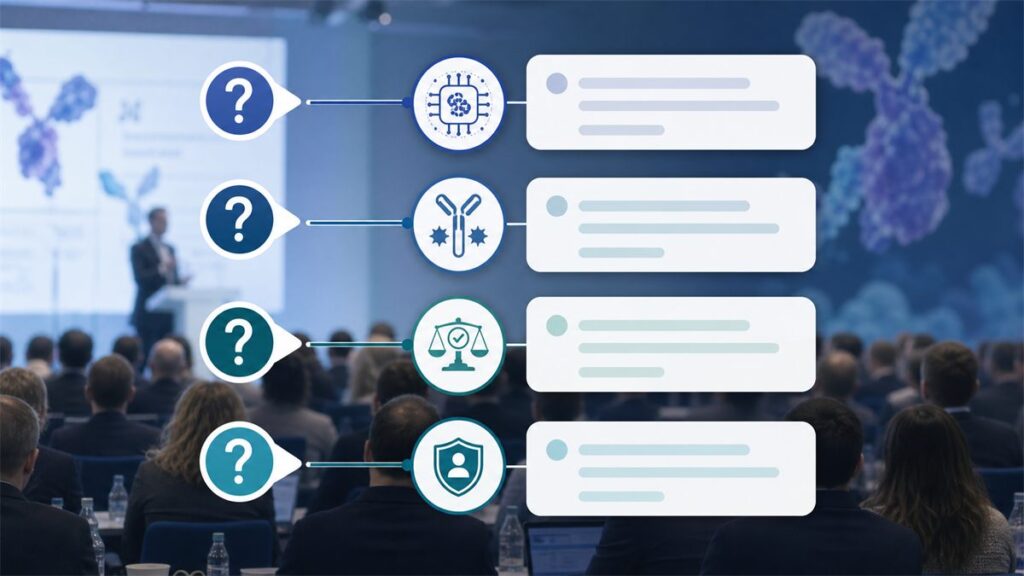
9.0 Biological Conference FAQ: Providing Readers with a Framework Worth Saving
9.1 Is Ai4 2026 suitable for traditional biopharmaceutical professionals?
That depends on what you hope to gain from it. If you’re only interested in traditional CMC, clinical operations, or drug R&D agendas, Ai4 isn’t the most typical pharmaceutical conference—events like BIO, DIA, and AACR offer greater depth in pharmaceutical expertise. However, if you’re focused on how AI is being integrated into drug discovery, clinical optimization, biotechnology strategy, and corporate digital decision-making, Ai4 offers unique insights.
The role of traditional biopharmaceutical professionals at Ai4 is to “assess the feasibility of AI implementation”; learning about AI technology itself is merely a means to that end. You don’t need to understand the mathematical principles of deep learning, but you do need to be able to judge whether an AI company’s claims are credible, where the capabilities of AI tools end, and whether AI recommendations can be applied within your R&D workflow.Your industry experience is your greatest assessment tool—an intuitive judgment from a professional with ten years of experience in drug R&D regarding whether “this AI recommendation is credible” may be more accurate than any technical metric.
| Attendee Background | Roles at Ai4 | Topics to Focus On | What Not to Expect | Unique Value |
| Traditional Pharmaceutical R&D | Feasibility Assessment of AI Implementation | Case Studies on AI Applications in Drug Discovery | In-Depth Explanation of AI Technology Principles | Assessing the Reliability of AI Recommendations Based on Industry Experience |
| Clinical Development | Evaluation of AI Applications in Clinical Settings | Patient Stratification and Trial Design Optimization | Training on Clinical Workflows | Evaluating Whether AI Can Improve Clinical Decision-Making |
| CMC | Evaluation of AI Applications in Process Development | Process Optimization and Quality Attribute Prediction | Traditional CMC Technical Reports | Assessing Whether AI Understands Manufacturing Constraints |
| BD/Strategy | Commercialization Assessment of AI Projects | Moats and Collaboration Models for AI Companies | Specific Transaction Terms | Comparative Analysis of Multiple AI Vendors |
9.2 What Kind of AI Narratives Should Be Avoided at All Costs During Conferences
The narratives you should avoid most are those that are “grand but vague.” Such stories typically exhibit the following characteristics: a lack of specific industry case studies, showcasing only generic technical capabilities; highlighting AI performance metrics without discussing practical implementation outcomes; using a lot of technical jargon but failing to answer specific questions such as “data sources” or “validation design”; avoiding failure cases and focusing solely on success stories; and sidestepping issues of regulatory compliance and liability.
Narratives truly worth listening to have three characteristics: they include specific collaboration cases and data; they can answer at least three of the four-dimensional questions; and they proactively discuss the model’s limitations and failure cases. If a presentation does not include any specific data, case studies, or partner information within the first 10 minutes, you can generally conclude that it is a “concept demonstration” rather than a “practical implementation sharing,” and you may want to consider moving on to another session.
| AI Narratives to Avoid | Characteristics | Why It Has No Value | Narratives to Look For |
| “Vague and Overly Broad” Narratives | Focuses only on general capabilities, with no industry-specific examples | It’s impossible to assess how they’d perform in real-world scenarios | Narratives with Specific Collaboration Examples and Data |
| “Metrics-Driven” Narratives | Focuses solely on model metrics such as AUC | Test set metrics do not equate to real-world performance | Narratives featuring prospective validation results |
| “Jargon-Heavy” Narratives | A flood of technical jargon with no concrete answers | Inability to assess feasibility of implementation | Narratives that explain technical logic in plain language |
| “Success Showcase” Narrative | Focuses only on successes, not failures | Unable to determine the model’s limitations | Narratives that proactively analyze failure cases |
| “Compliance-Blind” Narrative | No mention of regulation or accountability | The product is far from commercialization | Narratives that proactively discuss regulatory pathways |
9.3 Why Dual-Toxin ADCs Serve as an Entry Point for Understanding AI in Medicine
Dual-toxin ADCs represent a scenario that is “too complex to ignore the details.” They involve multiple variables, including the combination of two toxins, linker design, DAR distribution and ratio, matching release kinetics, prediction of toxicity add-up, impurity profiling, and compatibility with scaled-up manufacturing processes. There are numerous couplings among these variables—changing one affects several others.
The significance of this complexity lies in the fact that it clearly highlights the need to move AI from being a “discovery tool” to a “decision-making system.” If AI can only predict a single variable (such as the IC50 of a toxin), its value in the context of dual-toxin ADCs is very limited.However, if AI can perform joint multivariate optimization (simultaneously optimizing DAR, ratio, toxicity, and process) and explain why one approach is superior to others, then it truly enters the realm of a decision-making system. Dual-toxin ADCs act like a magnifying glass, amplifying all of AI’s shortcomings—in data coverage, multivariate modeling, interpretability, and process implementation—to a level that cannot be ignored.
| Dimensions of Entry | Why Are Bivalent Toxin ADCs Suitable | for Understanding the Value of AI in Pharmaceuticals |
| Technical Complexity | Conjoint Optimization Across Seven Dimensions | Can Test AI’s Multivariate Optimization Capabilities |
| Data Scarcity | There are virtually no publicly available datasets on the combined effects of dual toxins | Tests the AI’s data sourcing strategies |
| Business Needs | Eli Lilly’s $300 million acquisition validates the commercial value | AI investments have a clear path to return on investment |
| Cross-Functional Collaboration | Requires collaboration among multiple teams, including pharmaceutical chemistry, biology, toxicology, and CMC | Demonstrates AI’s ability to provide decision support across multiple stages |
| Need for explainability | The synergistic mechanism between the two toxins requires a biological explanation | Tests the AI’s explainability capabilities |
9.4 What should readers take away from this article?
You don’t need to remember how many AI topics are covered in Ai4—that information is available on the official website. What readers should take away is a set of criteria: Is the data authentic? Are the results validated? Is the model explainable? Is the process scalable? Is someone accountable for the risks?
These five questions form a framework that applies not only to Ai4 2026 but also to your post-conference discussions with any AI vendor. Put it to use, and you’ll find that many AI companies fall short on the first or second question—which isn’t a bad thing. Quickly eliminating unreliable options allows you to focus your time on teams truly worth engaging with in depth.
| Reader Profile | What to Take Away | First Step After the Meeting | Follow-Up Actions |
| Pharmaceutical R&D | Four-Dimensional Question Checklist and Evaluation Method | Scoring Existing AI Vendors Using the Four-Dimensional Framework | Schedule in-depth evaluations of high-scoring vendors |
| BD/Investment | Framework for AI Company Evaluation Dimensions and Responsibility Stages | Compile vendor information gathered during the meeting | Conduct in-depth meetings with the top 3 vendors within 30 days |
| CMC | AI Evaluation Checklist for Manufacturing Applications | Assess whether existing AI tools take CMC requirements into account | Discussing process feasibility validation with AI companies |
| Digitization | AI Tool Integration Checklist | Assessing the Depth of Integration of Existing AI Tools | Develop an AI tool integration roadmap |
| All Roles | Assessment Framework (Data/Validation/Explainability/Process/Accountability) | Incorporate the framework into the evaluation SOP | Update evaluation results quarterly |
Final thought: The life sciences industry is not short of AI stories; what it lacks are AI systems that can withstand repeated scrutiny in terms of experimentation, processes, quality, and business realities. What makes Ai4 2026 worth watching is precisely whether such systems are beginning to emerge.