- 1. CPHI Korea 2026 Bio Meeting: A Comprehensive Test of Asia’s Ability to Commercialize Innovative Drugs
- 2. GLP-1 is already a hot topic at this bio meeting; what’s truly lacking are better product solutions
- 3. For GLP-1 and peptide companies at this bio meeting, once the pitch is over, manufacturing capabilities will begin to diverge
- 4. The challenges of ADCs and TPDs at this bio meeting often lie in areas least suited for promotion
- 5. The Value of the Clinical Trials Policy Track at This Bio Meeting: Determining Whether Asian Data Can Be Included in Global Development Plans
- 6. At this bio meeting, different attendees should not approach CPHI Korea in the same way
- 7. The Most Important Pre-Event Preparation for This Bio Meeting: Shift from Itinerary Planning to Designing Validating Questions
- 8. When leaving Seoul after this bio meeting, attendees should know which technologies are merely “trends” and which are nearing productization
- 9. Bio Meeting Frequently Asked Questions (FAQ)
1. CPHI Korea 2026 Bio Meeting: A Comprehensive Test of Asia’s Ability to Commercialize Innovative Drugs
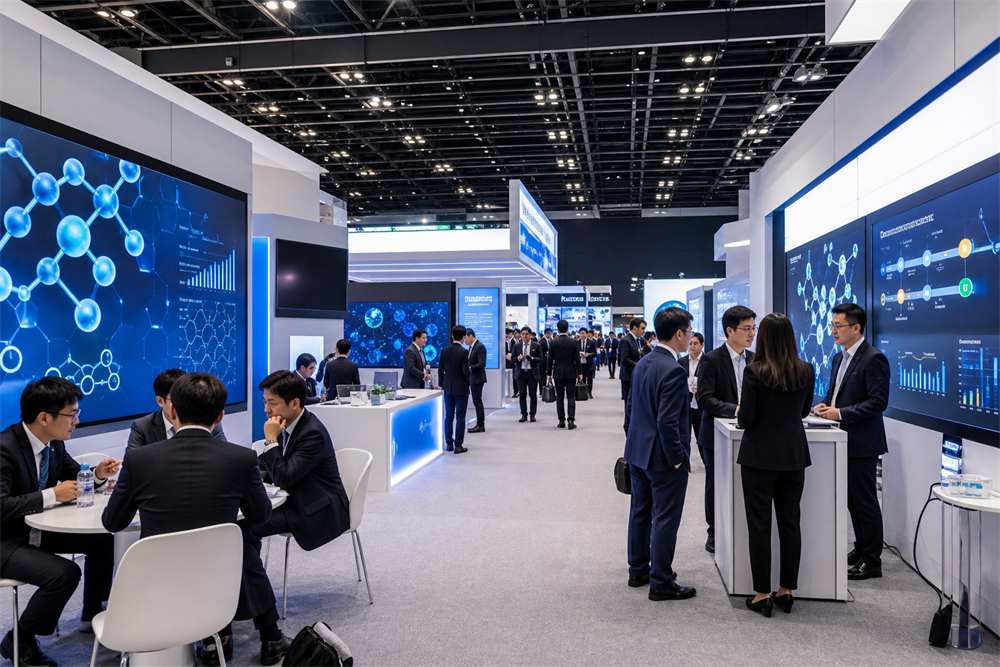
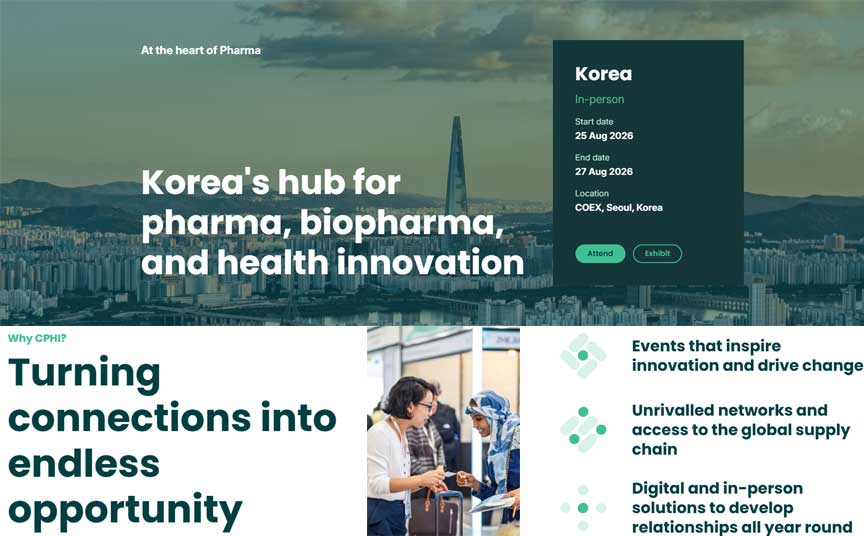
From August 25 to 27, 2026, CPHI & Hi Korea 2026 will be held at COEX in Seoul. Following last year’s CPHI Korea, which brought together 360+ global suppliers and put the country’s $21.5 billion pharmaceutical market on full display, the 2026 edition returns to COEX Seoul as more than a regional showcase. This bio meeting is often categorized as a “window into the Korean market,” but viewing it solely through this lens would mean missing its true value. Currently, therapeutic areas such as ADCs, GLP-1, and TPD have moved beyond the proof-of-concept phase and entered a more practical stage of commercialization. The central question in 2026 is no longer “which technology is the hottest,” but rather who can transform these technologies into products that are manufacturable, subject to quality control, scalable, and accepted by both the clinical community and regulatory authorities. CPHI Korea 2026 provides the perfect venue to observe this process firsthand.
Looking at the global landscape of pharmaceutical exhibitions, the CPHI series spans multiple cities—including Frankfurt, Shanghai, Seoul, and Mumbai—with each stop showcasing its own regional characteristics. The Seoul event stands out because it is backed by an industrial ecosystem that has rapidly transitioned from generic drugs to innovative medicines over the past decade, while also being deeply integrated into the R&D networks of global pharmaceutical companies.The production capacity and quality management capabilities established by Samsung BioLogics and Celltrion in the biosimilars sector, Hanmi Pharmaceutical’s pipelinelayout in peptides and ADCs, and the efficiency of Korean CROs in conducting early-phase clinical trials—when combined, these factors make CPHI Korea a window into the true manufacturing capabilities of the Asian pharmaceutical industry, far surpassing a typical commercial event focused solely on selling exhibition booths.
The expansion of the Bio Zone signals a key trend for 2026. Organized jointly by CPHI and the Korea Biopharmaceutical Industry Association (KoBIA), the event has dedicated tracks specifically for ADCs, GLP-1 drug development, targeted protein degradation (TPD), and clinical trial policies and technologies. These tracks are not merely a random assortment of buzzwords; they correspond to the four areas in innovative drug development that most urgently require industrial validation.The conjugation processes and quality control for ADCs are far more complex than those for small molecules; GLP-1 production capacity bottlenecks have already left global pharmaceutical companies scrambling; the transition of TPD from concept to clinical trials still requires answers to numerous CMC questions; and changes in clinical trial policies directly determine whether Asian data can be used for global registration.When viewed together, the message conveyed by CPHI Korea 2026 is clear: industrialization capabilities in the latter half of the R&D process are becoming the watershed that distinguishes companies’ competitiveness.
1.1 Basic Conference Information: A Starting Point, Not Just a Notice
The basic information for CPHI / Hi Korea 2026 is straightforward, but it’s worth taking the time to understand it clearly, as it determines how you should approach the event.
Table 1: CPHI & Hi Korea 2026 Basic Information at a Glance
| Item | Information | Practical Implications for Attendees |
| Event Name | CPHI & Hi Korea 2026 | The Korean edition of CPHI, the world’s largest pharmaceutical exhibition, covering the entire value chain of active pharmaceutical ingredients (APIs), finished dosage forms, and biopharmaceuticals |
| Date | August 25–27, 2026 | A 3-day event with seminars running concurrently with the exhibition; plan your schedule in advance |
| Location | COEX, Seoul, South Korea | Convenient transportation and well-developed surrounding amenities, ideal for intensive business meetings |
| Expected Scale | 12,000+ trade visitors | Far exceeding the baseline of 4,000 exhibitors, demonstrating strong industry representation |
| Bio Zone | Expanding in 2026, co-organized with KoBIA | Dedicated to biopharmaceuticals, including ADC/GLP-1/TPD/Clinical Trials Track |
| Official Website | cphi.com/korea | Agenda, exhibitor list, and registration information are all available on the official website |
The data in this table isn’t meant to be memorized. With an expected attendance of over 12,000, it’s impossible to “see everything” at the show—you must identify your targets before you arrive.A three-day event may seem ample, but if you try to fit in both seminar tracks and booth meetings, your schedule will be very tight. The expansion of the Bio Zone is a practical indicator: if your company specializes in ADCs, GLP-1, TPD, or clinical trials, the Bio Zone is where you’ll spend the most time. Researching the exhibitor list and schedule in advance is far more effective than flipping through the handbook once you’re on-site.
For pharmaceutical companies, the value of CPHI Korea as a pharmaceutical conference Seoul lies in its ability to bring CDMOs, API suppliers, equipment manufacturers, and testing service providers together under one roof. You can compare quotes and delivery capabilities from three or four peptide synthesis suppliers at the same time, discuss isolation system configurations face-to-face with the head of a highly active pharmaceutical ingredient (HAPI) production facility, and hear a competitor’s technical lead discuss process route selection at a seminar. This level of intensity cannot be replicated by online meetings or remote email communication.For business development (BD) teams, the efficiency of meetings during the exhibition far exceeds that of regular business days. A company’s technical director might meet with five or six potential partners in a single afternoon, so you need to make your project stand out and leave a lasting impression within 15 minutes. For suppliers, CPHI Korea serves as a testing ground to validate their technical capabilities; clients’ questions will directly expose any weaknesses.
COEX, as a venue, has both advantages and limitations. Located in Gangnam District, it offers convenient transportation and a wide selection of nearby hotels and dining options, making it ideal for biotech networking Asia and scheduling a packed schedule of business meetings. However, while COEX’s exhibition space is substantial, the expanded Bio Zone may result in higher foot traffic density than in previous years, so it’s essential to familiarize yourself with the routes between seminar venues and exhibition areas in advance. We recommend arriving in Seoul the day before the event opens and spending half a day scouting the venue, especially if you plan to attend multiple seminar tracks.
Regarding registration, the early-bird ticket deadline for CPHI Korea is typically 2–3 months before the event. If you plan to attend seminar tracks (rather than just visiting the exhibition), you’ll need to purchase a pass that includes seminar access. The Bio Zone tracks co-organized by KoBIA may have separate registration requirements; it’s advisable to confirm these on the official website. Additionally, business travelers from certain countries need to apply for a South Korean visa in advance, allowing at least two weeks for processing.
One detail that’s easy to overlook: The full CPHI Korea agenda is usually released 6–8 weeks before the event, but information on some keynote and invited talks is released earlier. Follow CPHI’s official social media channels and KoBIA’s announcements to identify key sessions in advance. If there are specific exhibitors you wish to meet, obtain their contact information from the exhibitor directory on the official website and schedule appointments beforehand; the success rate of walk-in meetings drops significantly during peak times.
1.2 The Story Behind the Expansion of the Bio Zone: From “R&D Boom” to “Industrialization Validation”
If you look at the press release alone, the expansion of the Bio Zone might seem like a routine expansion of the exhibition area. However, when viewed within the context of the South Korean pharmaceutical industry’s development over the past decade, its significance is entirely different.
The South Korean pharmaceutical industry experienced a “R&D boom” in the 2010s. Samsung BioLogics and Celltrion bet on biosimilars, Hanmi Pharmaceutical built out its pipeline in peptides and ADCs, and companies like SK Biopharm and JW Pharmaceutical advanced projects in their respective fields. An influx of capital and policy support led to rapid growth in the number of pipeline projects. However, an increase in the number of pipeline projects does not equate to an increase in commercialization capabilities.Just because a molecule performs well in preclinical trials does not mean it can be stably manufactured under GMP conditions; just because a technology platform receives applause at academic conferences does not mean it can support the process development of multiple projects.
By 2024–2025, the industry began to reach a turning point. Samsung BioLogics’ capacity expansion—with the commissioning of its fourth plant in Songdo—established it as one of the world’s largest CDMOs, but this achievement was underpinned by billions of dollars in capital investment and years of quality system development. Celltrion’s market share in biosimilars continued to grow, but the company also faced pressure from price competition following patent expirations.Hanmi Pharmaceutical’s ADC platform (including licensing partnerships with pharmaceutical companies outside South Korea) has garnered attention in the business development (BD) market, but the CMC complexity of ADCs means that each project requires independent process development and quality strategies.
Table 2: Stage Transitions Across Four Major Sectors and Key Observations at CPHI Korea
| Track | Status Before 2020 | Key Challenges for 2025–2026 | Key Observations at CPHI Korea 2026 |
| ADC | Rapid growth in pipeline size; proof-of-concept completed | Coupling uniformity, impurity control, high-potency GMP manufacturing capacity, linker stability | Exhibitors’ presentations on process details and discussions on DAR distribution and release testing during workshops |
| GLP-1 | Explosive growth in the injectable market (semaglutide/tirzopotide) | Oral formulation development, muscle protection, long-acting sustained-release formulations, and production capacity bottlenecks | Progress on oral GLP-1 by South Korean companies and expanded data on PLGA microsphere technology |
| TPD | High Academic Interest, Emergence of Early-Stage Pipelines | Degradation selectivity, PK/PD relationships, CMC complexity, and clinical endpoint design | Discussion on the Path from “What Can Be Degraded” to “Can It Advance to Clinical Trials” |
| Clinical Trials | South Korea’s Early-Phase Clinical Efficiency Gains Recognition | Use of Asian Data for Global Registration, MRCT Design, and Regulatory Communications | Policy Track: Discussion on Data Acceptability and Bridge Studies |
This table illustrates that every therapeutic area has reached a point where “industrial validation” is required. In the ADC field, partnerships aren’t secured simply by claiming “our linker is more stable”; companies must provide data on DAR distribution and records of batch-to-batch consistency.GLP-1 cannot enter the market simply by claiming, “We have an oral formulation”; one must demonstrate that the stability and cost structure of the oral formulation can support commercialization. TPD cannot advance to clinical trials simply by claiming, “Our molecule can degrade the target protein”; one must address degradation selectivity, PK/PD relationships, and the CMC strategy. Clinical trials cannot attract global projects simply by claiming, “Enrollment in South Korea is fast”; one must prove that data quality is acceptable to the FDA and EMA.
The expansion of the Bio section is precisely a response to these needs. Placing ADCs, GLP-1, TPD, and clinical trial policies within the same section signifies that both CPHI officials and KoBIA recognize the overlap between these fields.An ADC project requires high-potency formulation capabilities (which share some equipment logic with the solid-phase synthesis of GLP-1 peptides), clinical execution capabilities (related to clinical trial tracks), and quality analytical methods (which partially overlap with the analytical challenges of TPD). A company’s performance at CPHI Korea—and its ability to demonstrate how these elements are integrated—is itself a reflection of its maturity in commercialization.
From the perspective of South Korea’s own industrial strategy, the expansion of the Bio Zone also reflects a shift in the South Korean government’s positioning. Over the past few years, the Ministry of Food and Drug Safety (MFDS) has continuously optimized the review pathway for innovative drugs, and companies such as Hanmi Pharmaceutical and SK Biopharm have already secured FDA approval for their products. South Korea is no longer content with the label of “generic drug powerhouse” but aims to secure a more advantageous position in the global supply chain for innovative drugs.As a showcase, the expansion of the Bio Zone at CPHI Korea signals to global attendees that South Korea is not just about Samsung and Celltrion—it also boasts a cohort of small and medium-sized enterprises (SMEs) and contract development and manufacturing organizations (CDMOs) with proven expertise in ADCs, peptides, and TPDs, all of which are worth taking the time to explore.
However, it is important to remain realistic. What is displayed at the exhibition does not necessarily reflect actual capabilities. Just because a CDMO displays a sign reading “ADC CDMO” at its booth does not mean it has a mature quality system for highly active compounds. Just because a peptide supplier claims to have an “annual production capacity of X kilograms” does not mean its batch-to-batch consistency meets your standards.A CRO claiming “rapid patient enrollment” does not guarantee that its data quality will withstand an FDA inspection. The expansion of the Bio Zone provides more entities to evaluate, but it also requires attendees to enter the event with more incisive questions.
Table 3: Key Indicators and Pitfalls for Different Roles in the Bio Zone
| Attendee Role | Signals to Watch for in the Bio Zone | Presentation Pitfalls to Watch Out For |
| Pharmaceutical Company CMC Team | Does the supplier provide specific process parameters and batch data? | Presenting only conceptual diagrams and technical roadmaps while avoiding actual production data |
| BD/Strategy Teams | Does the partner have a track record of actual deliveries and customer case studies? | Focuses only on the number of projects and pipeline layout, avoiding details on production capacity and quality |
| Investment Team | Does the company have verifiable technological barriers and a commercialization roadmap? | Using academic publications and conference presentations as substitutes for evidence of commercial progress |
| CROs/Service Providers | Do peers have expertise in developing ADC/GLP-1/TPD projects? | Claims of “full pipeline coverage” but lacks in-depth experience in specific therapeutic areas |
| Equipment/Raw Material Suppliers | Does the client have a track record of actual procurement in high-end therapeutic areas? | Using total revenue and number of clients as substitutes for penetration depth in specific therapeutic areas |
Action Recommendation: Before arriving at the event, make a list of 5–8 target companies you want to meet in the Bio section, and prepare 2–3 specific questions for each one. Don’t limit your questions to superficial inquiries like “Can you develop ADCs?” Instead, delve into details such as “What is the range of your DAR distribution?”, “What are the half-life data for linker stability in plasma?”, and “What is the OEL level in your high-potency facility?”—questions that help distinguish genuine capabilities from marketing rhetoric.During the conference, prioritize attending technical presentations in the seminar tracks, as speakers typically discuss process challenges more candidly than sales representatives at the booths. After the event, cross-verify the information gathered during your meetings with what you heard in the seminars to form your own judgment.
Regarding the historical context of South Korea’s pharmaceutical industry, there are several key milestones worth understanding, as they explain why the expansion of the Bio Zone at CPHI Korea 2026 is grounded in industry fundamentals rather than a marketing gimmick.In the 1990s, South Korea’s pharmaceutical industry was dominated by generic drugs, with domestic companies such as Hanmi Pharmaceutical and Dong-A Pharmaceutical selling generics in the domestic market. Beginning in the 2000s, the South Korean government promoted a “biopharmaceutical powerhouse” strategy, leading to the establishment of Samsung BioLogics and Celltrion, which targeted the biosimilar market.By the 2010s, South Korean companies’ biosimilar products—such as Samsung BioLogics’ Benepali and Celltrion’s Remsima—had been approved in European and U.S. markets, solidifying South Korea’s position in the global biopharmaceutical supply chain. During the same period, Hanmi Pharmaceutical expanded into the ADC and peptide sectors, gaining international recognition through technology licensing agreements (such as deals with Sanofi and Merck).
What does this historical context mean for attendees of CPHI Korea 2026? It means that South Korea did not start from scratch in commercializing innovative drugs; it has accumulated GMP experience from the biosimilar era, has experience in technology transfer through collaborations with global pharmaceutical companies, and has a track record of products approved by the FDA and EMA. These accumulated strengths provide a solid foundation for South Korean companies’ commercialization capabilities in areas such as ADCs, GLP-1, and TPD.At the same time, however, there remains a gap between capabilities in biosimilars and those in innovative drugs. While biosimilars have reference products to follow, innovative drugs require the independent development of manufacturing processes and quality standards. Whether South Korean companies can transform the experience gained during the biosimilar era into industrialization capabilities for the innovative drug era is a key issue worth watching at CPHI Korea 2026.
Table 32: Stages of South Korea’s Pharmaceutical Industry Development and Their Relationship with CPHI Korea
| Stages of the South Korean Pharmaceutical Industry | Time | Representative Events | Impact on CPHI Korea 2026 |
| Generic Drug Era | 1990s–2000s | Domestic companies focused primarily on generic drugs, leading to competition in the domestic market | Established basic pharmaceutical manufacturing facilities and quality systems |
| Transition to Biosimilars | 2000s–2010s | Samsung BioLogics and Celltrion were founded; biosimilars received FDA/EMA approval | Accumulated GMP experience and experience collaborating with global pharmaceutical companies |
| Strategic Focus on Innovative Drugs | 2010s–2020s | Licensing of Hanmi’s ADC technology; SK Biopharm products receive FDA approval | Transition from biosimilars to the industrialization of innovative drugs |
| Commercialization Validation Phase | 2025–2026 | Expansion of the Bio Division; establishment of ADC, GLP-1, TPD, and Clinical Tracks | Validating whether South Korean companies can support the commercial production of innovative drugs |
It is also worth noting some comparisons between CPHI Korea and other Asian pharmaceutical exhibitions. CPHI Shanghai (typically held in June) is larger in scale and covers a more comprehensive range of the Chinese pharmaceutical supply chain, but it also attracts a much larger crowd, which may limit the time available for in-depth discussions.CPHI Korea is smaller but more focused; the tracks in its Bio Zone are of higher quality, and the environment for one-on-one meetings is relatively more relaxed. BIO Asia (Japan) leans toward investment and business development (BD) matchmaking, with relatively less technical content. Which exhibition to choose depends on your objectives: if you need broad exposure to Chinese suppliers, CPHI Shanghai is more suitable; if you need an in-depth understanding of South Korean companies’ ADC and peptide capabilities, CPHI Korea is more suitable; if you are seeking investment or BD deals, BIO Asia is worth considering.
Regarding the specific agenda structure for CPHI Korea 2026, although the full agenda is typically released only 6–8 weeks before the event, some predictions can be made based on past years’ patterns and information already available. Workshops are usually divided into keynote speeches, technical tracks (ADC/GLP-1/TPD/clinical trials), and roundtable discussions.Keynote presentations are usually delivered by industry leaders (executives from major pharmaceutical companies, representatives from regulatory agencies) and focus on industry trends. Presenters in the technical tracks are often corporate technical leads or academic experts, and the content is more practice-oriented. Roundtable discussions typically feature multi-party dialogues centered on hot industry topics (such as GLP-1 production capacity or ADC CMC challenges). For attendees with specific technical objectives, the technical tracks offer the highest return on time invested.
Regarding transportation and accommodations in Seoul, COEX is located near Samseong Station (Line 2) in Gangnam District, with a wide selection of nearby hotels.We recommend choosing a hotel within a 15-minute walk of COEX to save commuting time. Seoul’s subway system has extensive coverage, making travel from hotels to COEX generally convenient. If meetings are scheduled at locations outside COEX, we recommend confirming the address and transportation routes in advance. While South Korea’s taxi system is convenient via apps (such as KakaoTaxi), communication in English may be limited; we recommend preparing the destination’s address in Korean beforehand.
Recommendations for planning your conference budget: The registration fee for CPHI Korea (including a seminar pass) typically ranges from $500 to $800. Hotel rates in Seoul are moderate in August (off-peak season), with four-star hotels costing approximately $100–$150 per night.Airfare varies depending on your departure location. The total budget for the three-day event (airfare + hotel + registration fee + meals + transportation) is approximately $2,000–$3,500. If attending as a group, you may be eligible for a group registration discount. Startups with limited budgets may consider purchasing only an exhibition pass (excluding the seminar) to gather information through booth meetings, though this means missing out on the technical presentations.
It is worth making some preliminary assessments regarding the exhibitor composition at CPHI Korea 2026.CPHI Korea exhibitors are typically divided into several major categories: active pharmaceutical ingredient (API) suppliers, excipient suppliers, CDMOs/CMOs, equipment manufacturers, testing instruments/services, packaging materials, and CROs/clinical services. With the expansion of the Bio Zone, the proportion of biopharmaceutical-related exhibitors will increase, including peptide synthesis CDMOs, ADC conjugation service providers, highly active formulation CDMOs, and bioanalytical service providers.Domestic Korean exhibitors (such as Samsung BioLogics, Celltrion, Hanmi Pharmaceutical, and SK Biopharm) will occupy a central position, but exhibitors from Japan, China, India, Europe, and the United States will also participate. Understanding the exhibitor composition will help you plan your exhibition route in advance. If your goal is to find a peptide synthesis CDMO, heading directly to the Korean exhibitor area within the Bio Zone will be the most efficient approach.
Regarding potential hot topics for industry discussion at CPHI Korea 2026, several predictions can be made based on current industry trends. First, GLP-1 production capacity bottlenecks and competition in oral formulations. Following the release of data at ADA 2026, the intensity of this industry discussion will carry over to CPHI Korea. Second, CMC challenges for ADCs—as more ADCs enter late-stage clinical trials and commercialization, discussions on conjugation processes, quality control, and scale-up will deepen.Third, the clinical translation of TPD—whether South Korean companies have made substantial progress in their TPD initiatives. Fourth, the global acceptability of South Korean clinical data—discussions on MRCT and multi-regional registration strategies. Fifth, supply chain security—in the post-pandemic era, pharmaceutical companies’ focus on supply chain diversification (including the selection of Asian CDMOs) continues to intensify. Familiarizing yourself with these hot topics before the event will help you ask more targeted questions during sessions and one-on-one meetings.
Regarding specific predictions for each track in the Bio Zone: The ADC Track is expected to cover topics such as comparisons of conjugation technology routes, new trends in linker design, requirements for high-potency manufacturing facilities, and the development of ADC analytical methods and release testing. The GLP-1 Track is expected to cover topics such as formulation strategies for oral dosage forms, the latest research on muscle-preserving mechanisms, the scale-up of long-acting sustained-release technologies, and the optimization of peptide synthesis capacity and costs.The TPD Track is expected to cover topics such as PK/PD modeling for PROTACs, discovery strategies for molecular glues, methods for assessing degradation selectivity, and CMC roadmaps for TPDs. The Clinical Trial Policy Track is expected to cover topics such as MFDS policy updates, the implementation of ICH guidelines in South Korea, the role of Asian data in MRCTs, and bridging study designs. These predictions are based on industry trends and the agenda patterns of previous CPHI Korea events; the actual agenda is subject to official announcements.
It is worth keeping an eye on social media and industry media coverage of CPHI Korea 2026 before attending. CPHI officials typically post agenda updates and exhibitor highlights on LinkedIn and Twitter. KoBIA’s official website and announcements will also feature relevant information in the Bio section.Industry media outlets (such as BioProcess International and Endpoints News) may publish attendee guides and preview articles before the event. These sources can help you build a basic understanding of the conference agenda and exhibitor trends prior to the event, as well as identify small and medium-sized exhibitors that might otherwise be overlooked. Gathering information beforehand doesn’t have to be time-consuming, but spending 15 minutes each day browsing relevant social media and industry media will ensure you’re better prepared than the vast majority of attendees when you arrive.
It’s also worth conducting an overall analysis of CPHI Korea’s attendee profile and networking value. CPHI Korea’s 12,000+ professional visitors come from approximately 60 countries and regions worldwide, with about 40% from South Korea, 30% from other Asian countries (China, Japan, India, and Southeast Asia), and the remaining 30% from Europe, the United States, and other regions.In terms of job functions, attendees can be broadly categorized as follows: procurement/supply chain (30%), R&D/technology (25%), business development (20%), marketing/strategy (15%), and regulatory/quality (10%).This attendee profile means that the people you meet at the exhibition are, in all likelihood, industry peers who can make direct decisions or provide technical assessments—they are professionals actively involved in the pharmaceutical supply chain, rather than agents or information brokers. The concentration of such professional attendees is one of the core values that sets CPHI Korea apart from ordinary trade shows.
Here are a few additional details regarding practical advice on transportation and accommodations for CPHI Korea. COEX is located in Gangnam-gu, Seoul, approximately a 60-minute drive from Incheon International Airport (accessible via a direct airport bus) and about a 30-minute drive from Gimpo Airport. The COEX business district features an underground passage from Samseong Station leading directly to the exhibition hall. Nearby hotels include the InterContinental Hotel (adjacent to the exhibition hall, a 1-minute walk),the Parnas Hotel, and the Grand InterContinental, among others. Room rates will increase by 20–40% during the exhibition, so it is recommended to book 2 to 3 months in advance to secure availability and the best rates. Lunch during the exhibition can be enjoyed at restaurants in COEX Mall (there is a food court on the 4th floor, and Korean and Western cuisine options on B1), eliminating the need to wait in line inside the exhibition hall.Additionally, Seoul’s August temperatures range from approximately 25 to 33 degrees, with high humidity. While the exhibition halls are well-air-conditioned, we recommend bringing a light jacket. These logistical and transportation details may seem trivial, but if your physical condition is affected on the first day by transportation delays, lunch lines, or temperature differences between indoors and outdoors, the overall efficiency of your meetings and sessions will be significantly compromised. Ultimately, this will be counterproductive and severely impact your overall conference experience and return on investment.
2. GLP-1 is already a hot topic at this bio meeting; what’s truly lacking are better product solutions
GLP-1 receptor agonists may be the hottest segment in the global pharmaceutical industry over the past three years. Clinical data from injectable formulations of semaglutide and tirzopotide have demonstrated their weight-loss efficacy, and the market has expanded at a pace exceeding everyone’s expectations. However, hype alone does not equate to product maturity.The signals emerging from the 2026 ADA Annual Meeting are clear: industry competition is shifting from “whether weight loss is possible” to “whether the weight loss is healthy, whether the product is convenient to use, and whether production capacity can keep up.”
At the GLP-1 Track of CPHI Korea 2026, attendees will see South Korean companies’ strategies in peptide synthesis and formulation. But if you go just to hear “who is working on what projects,” you’ll miss the truly substantive information.The real questions worth asking are: Can the oral formulation process be stably scaled up? Have muscle-preserving strategies been clinically validated? Can long-acting sustained-release technology maintain consistent release profiles in commercial batches? The answers to these questions will determine which companies survive the second half of the GLP-1 race.
Let’s first look at the market context. Global sales of GLP-1 drugs surpassed $50 billion in 2024, with Novo Nordisk and Eli Lilly virtually monopolizing the market. But a monopoly does not guarantee security. Production capacity shortages have forced Novo Nordisk to restrict supplies in some markets, and Eli Lilly’s tirzopotide faces similar pressures.Patient acceptance of injectable formulations is limited, especially among those with chronic conditions requiring long-term treatment. The issue of weight regain after discontinuing treatment is drawing increasing attention. These pain points all point in the same direction: existing products are not yet good enough, and the market is waiting for better solutions.
Table 4: Comparison of GLP-1 Approaches: From “Can It Promote Weight Loss?” to “How Can It Promote Better Weight Loss?”
| Dimension | Existing Injectable GLP-1s (semaglutide/tirzopotide) | Goals for Next-Generation GLP-1 | Technical Challenges |
| Route of Administration | Weekly subcutaneous injection | Oral small molecules or once-monthly injections | Oral bioavailability, sustained-release, and high stability |
| Weight loss | 25–40% of the weight lost is muscle | Prioritizes fat loss while preserving muscle | Requires combination with other targets or new mechanisms |
| Production capacity | Peptide solid-phase synthesis; production capacity is limited | Small-molecule chemical synthesis or sustained-release formulations to reduce dosing frequency | Optimization of synthetic routes and formulation processes |
| Pricing Structure | High costs for injectables; supply shortages in some markets | Oral formulations reduce costs and expand accessibility | Can the cost structure support low pricing? |
| Long-term management | High relapse rate after discontinuation | Maintain weight loss and reduce weight regain | Requires a strategy for sustained medication use or a new mechanism of action |
Each row in this table corresponds to a real business opportunity and a technical hurdle. Oral formulation is not simply a matter of changing the dosage form; it involves molecular design (small molecules vs. peptides), formulation processes (selection of absorption enhancers), optimization of bioavailability, and ensuring stability.Preserving muscle mass isn’t just a matter of adding an ingredient; it requires an understanding of how GLP-1 affects muscle metabolism and may necessitate combining it with targets such as GIP, GCG, or even muscle-protective pathways. Long-acting sustained-release isn’t merely “one injection for a month”; it requires PLGA microspheres or similar technologies to maintain precise release profiles even after scale-up to commercial production. While there are players working on every front, the quality of their work varies significantly.
2.1 Oral GLP-1 Changes More Than Just the Route of Administration
At the ADA Annual Meeting in June 2026, both Eli Lilly’s oral small-molecule GLP-1 drug Orforglipron (brand name Foundayo) and Novo Nordisk’s oral Wegovy (semaglutide oral formulation) presented their latest data. The significance of these two products goes far beyond simply “adding another way to take medication.”
Orforglipron is a small-molecule GLP-1 receptor agonist, which fundamentally differs from peptide drugs like semaglutide. Being a small molecule means it can be produced via chemical synthesis rather than solid-phase synthesis, thereby addressing the root cause of production capacity bottlenecks. Small-molecule oral formulations typically offer greater stability than peptides and require less stringent storage and transportation conditions.From the patient’s perspective, adherence to oral tablets is far higher than that for injections. Especially for patients with obesity and diabetes who require long-term or even lifelong treatment, a change in the method of administration could directly reshape the market landscape.
However, oral small-molecule GLP-1 drugs also face challenges. Clinical data for Orforglipron show that its weight-loss efficacy is comparable to that of injectable formulations, but the first-pass effect in the liver and oral bioavailability of small-molecule drugs present significant challenges in formulation development.Eli Lilly has invested significant resources in formulation development, utilizing absorption enhancers to improve bioavailability. This means that the complexity and cost of the manufacturing process cannot be overlooked—while oral small molecules may seem cheaper than peptide injections, their cost advantage could be offset if the formulation is complex and yields are unstable.
Novo Nordisk’s oral Wegovy takes a different approach. It still uses the same peptide molecule, semaglutide, but enables oral administration through the absorption enhancer SNAC. The challenges with this approach include the peptide’s poor stability in the gastrointestinal tract, the dose-dependent limitations of SNAC’s absorption-enhancing effect, and the requirement to take the medication on an empty stomach, which affects convenience.Novo Nordisk has developed higher-dose formulations of oral Wegovy, but bioavailability remains a limiting factor—the bioavailability of orally administered peptides is typically only 1–2%, meaning that most of the drug is wasted, and raw material consumption is significantly higher than for injectable formulations.
Table 5: Multidimensional Comparison of Oral GLP-1 vs. Injectable GLP-1
| Comparison Dimensions | Orforglipron (Eli Lilly, small-molecule oral) | Oral Wegovy (Novo Nordisk, oral peptide) | Injectable Semaglutide (Reference) |
| Molecular Type | Small-molecule chemical entity | Peptide (semaglutide) | Peptide (semaglutide) |
| Production Method | Chemical synthesis, scalable to large-scale production | Solid-phase synthesis + oral formulation | Solid-phase synthesis + oral dosage form |
| Bioavailability | Relatively high (advantage of small molecules) | Approx. 1–2% (SNAC enhances absorption) | 100% (injection enters the bloodstream directly) |
| Administration Conditions | Oral tablets | Administered on an empty stomach | Weekly subcutaneous injection |
| Production Capacity Bottlenecks | The chemical synthesis route can be optimized; production bottlenecks are minimal | Peptide synthesis capacity + formulation complexity | Peptide solid-phase synthesis capacity is limited |
| Weight-loss efficacy | Comparable to injectable formulations (ADA 2026 data) | Comparable to injectable formulations | Approximately 15% weight loss |
| Cost Structure | Expected to decrease following optimization of the synthesis route | High raw material consumption + formulation costs | High costs for peptide synthesis |
From the perspective of CDMOs and suppliers, the rise of oral GLP-1 drugs has brought new business opportunities but also presented new challenges. Small-molecule GLP-1 drugs require capabilities in chemical synthesis route development and process optimization, which represent a different technological framework from peptide solid-phase synthesis.Oral formulations require formulation expertise in absorption enhancers, as well as capabilities in dissolution testing and stability studies. If a CDMO has historically focused primarily on peptide injectables and now seeks to serve oral GLP-1 projects, it must demonstrate practical experience in small-molecule synthesis or oral formulation development—rather than merely claiming, “We can do it too.”
The potential changes to the rules of commercial competition posed by oral GLP-1 drugs are reflected in several aspects. First, pricing. If the cost structure of oral small-molecule GLP-1 drugs is significantly lower than that of peptide injections, it could disrupt the existing high-price model and make GLP-1 drugs accessible to a broader patient population. Second, distribution. Oral tablets can be distributed through pharmacy channels and do not require the specialized logistics needed for cold-chain injections.Third, chronic disease management. The compliance advantages of oral medications are amplified in long-term management, particularly for indications like diabetes that require lifelong treatment. Fourth, the competitive landscape. Unlike peptides, small-molecule GLP-1 agents have different patent landscapes; latecomers may enter the market through “me-too” or “me-better” strategies, leading to fiercer competition than during the era of injectables.
At CPHI Korea 2026, South Korean companies’ strategic moves in the oral GLP-1 space are worth watching.South Korea possesses infrastructure for peptide synthesis (e.g., Hanmi Pharmaceutical) as well as capabilities in small-molecule chemical synthesis. However, the core question is: Will South Korean companies choose to develop oral peptide formulations (following the Novo Nordisk model), small-molecule GLP-1 agents (following the Eli Lilly model), or pursue their own differentiated strategies? The answer to this question is more revealing than the sheer number of pipelines showcased at the exhibition booths.
Action Recommendation: During sessions in the GLP-1 Track, take detailed notes on the formulation strategies, bioavailability data, and scale-up experience mentioned by the speakers.When speaking with CDMOs at the booths, ask directly: “Do you have experience developing formulations for oral GLP-1 projects? What type of absorption enhancer do you use? What are the data from scale-up batches?” If the other party hesitates or evades the question, it indicates that their oral formulation capabilities are still in the conceptual stage. Also, pay attention to whether South Korean companies are advancing clinical trials for oral GLP-1 molecules with their own intellectual property—this is more persuasive than the PowerPoint slides on the pipeline charts.
2.2 “Preserving Muscle Mass” Will Become a Key Differentiator in the Next Generation of Weight-Loss Drugs
A long-underestimated issue with injectable GLP-1 drugs is coming to light: 25–40% of the weight lost is muscle. This figure comes from body composition analyses in multiple clinical studies, meaning a patient who loses 10 kilograms may lose 2.5–4 kilograms of muscle.
Why is this a problem? Muscle is not dispensable tissue. Skeletal muscle is the body’s largest metabolic organ, responsible for approximately 80% of insulin-mediated glucose uptake. A decline in muscle mass directly leads to a lower basal metabolic rate, meaning patients burn fewer calories daily without changing their diet, increasing the risk of weight regain.For older adults, muscle loss is even more dangerous, as it increases the risk of falls, fractures, and functional decline. If a 70-year-old obese patient experiences excessive muscle loss after losing weight with GLP-1, they may transition from being “obese but independent” to “normal weight but functionally impaired”—which is not a favorable clinical outcome.
Table 6: Risk of Muscle Loss and Clinical Considerations for Different Populations
| Population | Risk of Muscle Loss | Clinical Concerns | Criteria an Ideal Weight-Loss Medication Should Meet |
| Older Adults (65+) | High: Compounded risk of sarcopenia | Functional preservation, fall prevention, quality of life | Prioritize fat loss while preserving or increasing muscle mass |
| Patients with Type 2 Diabetes | Medium to high: Decreased insulin sensitivity | Blood glucose control, metabolic health | Weight loss combined with improvement in insulin resistance |
| Young obese individuals | Moderate: Long-term metabolic effects | Weight regain after discontinuing medication, body composition | Sustainable weight loss with a low rate of weight regain |
| Long-term users | : Cumulative effects | Muscle mass monitoring, nutritional intervention | Long-term medication safety is assured |
The “muscle-preserving” weight loss solutions showcased by companies such as Hanmi Pharmaceutical of South Korea at ADA 2026 are specifically designed to address this pain point.Based on publicly available information, South Korean companies’ strategies primarily follow two directions: first, developing combination agonists that simultaneously target GLP-1 and other metabolic pathways (such as GIP and GCG) to achieve “fat-only loss and muscle preservation” through multi-pathway regulation; second, exploring combinations of targets related to muscle-preservation pathways. While these strategies are conceptually appealing, the true test lies in clinical data.Can body composition analysis (DEXA or MRI) demonstrate muscle preservation, and does this effect remain stable during long-term treatment?
The logic behind “muscle preservation” becoming a key differentiating metric is as follows: the weight-loss efficacy of existing GLP-1 injectables has already been proven, making it difficult for new entrants to achieve significant differentiation in terms of “weight loss magnitude” (unless they achieve a reduction of 30% or more, which may pose safety risks). However, body composition remains an area where unmet needs exist.If a product can significantly reduce muscle loss (for example, lowering the rate of muscle loss from 30% to less than 10%) while achieving comparable weight loss, it would have a clear competitive advantage among the elderly, people with diabetes, and those on long-term medication.
From a regulatory perspective, the inclusion of body composition data may alter the evaluation criteria for weight-loss drugs. As early as 2024, the FDA began discussing whether to add body composition endpoints to the review of obesity drugs.If this trend continues, future weight-loss drugs may be required to report changes in muscle mass in clinical trials, rather than just the percentage of weight loss. This has a direct impact on R&D strategies: clinical trial designs will need to incorporate body composition assessments (DEXA scans or bioimpedance) early on; sample size calculations may need to account for the statistical power of body composition endpoints; and data analysis will need to distinguish between changes in fat mass and lean body mass.
At CPHI Korea 2026, information related to “muscle preservation” can be obtained through several channels. First, attend presentations by Korean companies in the workshop tracks to see if they present body composition data. Second, engage with peptide synthesis CDMOs to understand whether peptide molecules targeting muscle preservation have specific requirements regarding synthesis and formulation.Third, engage with clinical CROs to understand South Korea’s clinical capabilities regarding body composition assessment, including the prevalence of DEXA equipment, the standardization of procedures, and the level of data quality control.
Action Recommendations: When evaluating any “muscle-preserving” weight-loss program, request that the other party provide evidence at three levels: First, a quantitative analysis of changes in muscle mass in preclinical data (not just a qualitative description); second, the methodology for body composition assessment in clinical studies (DEXA/MRI/BIA, frequency, quality control);third, an explanation at the mechanistic level (why the molecule’s design preserves muscle—whether due to target selection or differences in signaling pathways). If the other party can only provide qualitative statements such as “our molecule has the potential to preserve muscle,” this indicates that the approach remains at the conceptual stage and is still a considerable distance from clinical validation.
2.3 A once-monthly injection sounds appealing, but the key question to ask on-site is whether stability can be maintained at higher dosages
Long-acting sustained-release technology is another hot trend in the GLP-1 peptide field. Using carriers such as PLGA (poly(lactic-co-glycolic acid)) microspheres to achieve dosing once a month or even less frequently sounds like a huge improvement in patient compliance. Korean companies such as Hanmi Pharmaceutical have made strategic moves in this area, and there were related presentations at ADA 2026.
However, the challenge with long-acting sustained-release technology lies not in the concept, but in the process.The development and scale-up of PLGA microsphere formulations involve a series of complex process parameters, each of which can affect the release profile and stability of the final product. Formulations that perform well in small-scale trials may encounter issues such as shifts in release curves, exacerbated burst release effects, broadening of particle size distribution, and reduced drug loading during pilot-scale or commercial scale-up. These problems cannot be solved simply by claiming “technological advancement”; they require solid process engineering expertise and accumulated data.
Table 7: Key Risk Factors for PLGA Microsphere Extended-Release Formulations from Laboratory to Commercialization
| Core Process Parameters | Performance in the Pilot-Scale Phase | Potential Deviations After Scale-Up | Impact on Product Quality |
| PLGA Material Properties (Molecular Weight, Ratio) | Can be precisely controlled | Molecular weight distribution may vary between different batches of PLGA | Affects degradation rate and release profile |
| Microsphere size distribution | Uniformity is controllable | Particle size distribution broadens upon scale-up, and the proportion of large particles increases | This affects the uniformity of the release rate and alters the burst release effect |
| Drug Loading Capacity | Can reach the theoretical value | Drug loading decreases or fluctuates after scale-up | Factors Affecting Dosage Accuracy |
| Residual Solvents | Controllable | Solvent removal efficiency may decrease upon scale-up | Affects safety and stability |
| Sudden release effect | Can be controlled within an acceptable range | The surge effect may intensify upon scale-up | May lead to excessively high initial plasma drug concentrations, posing a safety risk |
| Batch-to-batch consistency | Easier to control in small batches | Variability between commercial batches may increase | Directly affects the consistency of clinical efficacy |
Every parameter listed in this table warrants further inquiry at CPHI Korea. When a supplier states, “We have PLGA microsphere technology,” specific questions you should ask include: What is the scale of your pilot production?Do you have release profile data for commercial batches? What is the CV value for particle size distribution across different batches? What is the range of inter-batch variability in drug loading? How does the burst release effect vary during accelerated stability testing? Is your PLGA material supplier reliable, and do you have alternative suppliers?
The surge effect is a parameter that warrants particular attention. Within the first 24–48 hours after implantation or injection, PLGA microspheres may release a large amount of drug, leading to a sudden spike in blood drug concentration. For drugs like GLP-1, which have dose-related side effects (such as nausea and vomiting), this surge may trigger serious adverse reactions.During the pilot-scale phase, the surge effect can be controlled through formulation optimization (e.g., altering the PLGA ratio, adding porogens, or adjusting the manufacturing process). However, upon scale-up, even minor changes in process parameters may cause the surge effect to reoccur. If a supplier cannot provide surge data for scaled-up batches, you cannot determine whether their technology has successfully overcome this hurdle.
Another consideration is the supply stability of the PLGA material itself. PLGA is a medical-grade polymer with a limited number of suppliers (primarily a few manufacturers such as Evonik and Corbion). If a pharmaceutical company relies on a single source for PLGA and lacks validation data for alternative suppliers, this represents a risk in the supply chain. At CPHI Korea, you may want to explore whether there are local PLGA suppliers in South Korea or if Korean companies are developing alternative sustained-release carrier materials.
From a business development and investment perspective, the evaluation of long-acting, sustained-release GLP-1 projects cannot rely solely on the novelty of the concept.A more pragmatic evaluation framework includes: whether the technical team has experience in formulation scale-up (beyond laboratory formulation development); whether pilot-scale or commercial-scale production facilities are available; whether there are past cases of successful commercialization of long-acting formulation projects (even for different drug molecules); and whether the suitability of PLGA microsphere technology for GLP-1 has been validated (the stability of GLP-1 peptides may be affected during microsphere preparation).
Action Recommendation: When focusing on long-acting, sustained-release formulations at CPHI Korea 2026, prioritize attending technical presentation sessions over booth presentations. Speakers in technical sessions typically provide more detailed process data, including particle size distribution charts, release profile comparisons, and stability data. During booth discussions, directly request to see release profile data from scaled-up batches. If the other party can only present small-scale trial data, it indicates that their technology is not yet mature enough to support commercialization.At the same time, pay attention to whether Korean companies have explored other long-acting technology routes (such as in-situ gelation and implantable formulations) beyond PLGA microspheres; these alternative routes may circumvent the process bottlenecks associated with PLGA.
A deeper analysis of the GLP-1 market competitive landscape requires a longer-term perspective. In 2024–2025, the GLP-1 market will be dominated by Novo Nordisk’s semaglutide (Ozempic/Wegovy) and Eli Lilly’s tirzopotide (Mounjaro/Zepbound).Both products are injectable formulations administered once weekly. Their weight loss effects range from 15% to 22% of body weight, but both face production capacity bottlenecks and muscle loss issues.In 2026, the release of data on oral GLP-1 agents (Orforglipron and oral Wegovy) will mark the beginning of a new phase of competition. Looking further ahead, muscle-preserving regimens and long-acting sustained-release technologies may enter late-stage clinical trials in 2027–2028, at which point the competitive landscape of the GLP-1 market will become even more complex.
Table 33: Timeline Analysis of the GLP-1 Market Competitive Landscape
| Time Period | Dominant Products | Competitive Dimensions | Manufacturing Challenges | Demand for CDMOs |
| 2024–2025 | Semaglutide/Tirzopentide Injections | Weight loss efficacy, safety | Insufficient capacity for peptide solid-phase synthesis | Expand solid-phase synthesis capacity, optimize yield |
| 2026 | Oral GLP-1 (Orforglipron/Oral Wegovy) | Convenience of administration, bioavailability | Oral formulation development, absorption enhancers | Small-molecule synthesis or oral formulation development capabilities |
| 2027–2028 (Projected) | Muscle-preserving regimens, long-acting sustained-release formulations | Improvement of body composition, dosing frequency | Multi-target molecule synthesis, PLGA microsphere scale-up | Complex peptide synthesis, formulation scale-up capabilities |
| 2029+ (Projected) | Generic drug competition, next-generation mechanisms | Cost, differentiation | Cost control, process optimization | Low-cost, high-efficiency production |
The impact of oral GLP-1 on the distribution system is also worth discussing. Injectable GLP-1 requires cold-chain logistics, with temperature control necessary at every stage from production to the patient. This limits distribution channels, restricting delivery to hospital pharmacies or retail pharmacies with cold-chain capabilities.Oral tablets do not require a cold chain and can be distributed through conventional pharmacy channels, or even delivered via mail-order pharmacies. This has a direct impact on market penetration: oral GLP-1 may reach patient populations that injectable formulations cannot serve, particularly in regions where cold-chain logistics are underdeveloped.
From the perspective of chronic disease management, oral GLP-1 has even more far-reaching implications. Type 2 diabetes is a chronic condition requiring lifelong management, and patient adherence is one of the key factors determining treatment outcomes. Weekly GLP-1 injections already offer an adherence advantage over daily insulin injections, but oral tablets may further improve adherence, particularly for patients who have psychological barriers to injections.If the compliance advantage of oral GLP-1 can be validated in real-world studies, it may alter GLP-1’s position in diabetes treatment guidelines. However, whether this compliance advantage can translate into a commercial advantage depends on the cost structure and pricing strategy of the oral formulation.
Discussions regarding the mechanisms underlying muscle preservation require more in-depth analysis. The mechanisms by which GLP-1 receptor agonists cause muscle loss have not yet been fully elucidated. Current hypotheses include: GLP-1 may lead to reduced protein intake by suppressing appetite; GLP-1 may directly affect the balance between muscle protein synthesis and breakdown; and weight loss itself (regardless of the mechanism) may result in a decrease in muscle mass.Understanding these mechanisms is essential for developing muscle-preserving strategies. If muscle loss is primarily caused by appetite suppression, nutritional interventions (such as guidance on a high-protein diet) may partially mitigate it; if GLP-1 directly affects muscle metabolism, the issue must be addressed at the molecular design level.
The strategies adopted by South Korean companies in the area of muscle preservation are worth noting. The approaches demonstrated by companies such as Hanmi Pharmaceutical—particularly those involving multi-target co-activation (e.g., the GLP-1/GIP/GCG triple-target approach)—are based on the logic of improving body composition by simultaneously regulating multiple metabolic pathways.GIP (glucose-dependent insulinotropic polypeptide) may influence fat metabolism, while GCG (glucagon) may promote lipolysis rather than muscle catabolism. While this multi-target strategy is conceptually appealing, it increases the complexity of molecular design and synthesis; multi-target molecules typically have more complex structures, require more steps in solid-phase synthesis, and may yield lower yields.The manufacturing challenges for multi-target molecules are entirely different from those for single-target molecules, representing a new dimension in the tiering of CDMO capabilities.
We need to anticipate how the ADA 2026 data will influence discussions at CPHI Korea. ADA 2026 takes place in June, while CPHI Korea is held in August—a gap of about two months. Key data releases at ADA (such as the latest data on Orforglipron and oral Wegovy) will serve as the backdrop for discussions in the GLP-1 Track at CPHI Korea.Attendees should review the key data releases from ADA 2026 prior to the conference so they can ask in-depth questions during sessions and one-on-one meetings at CPHI Korea. If you do not have time to follow all the data from ADA, you should at least be familiar with the weight loss magnitude of Orforglipron, the bioavailability data for oral Wegovy, and the preclinical or early clinical data on muscle-preserving strategies from Korean companies.
Regarding the long-term competitive landscape of the GLP-1 track, one question worth considering is: How will the market for peptide GLP-1 injectables evolve once oral small-molecule GLP-1 agents mature? There are historical precedents: when statins transitioned from injectable to oral formulations, the market for injectable lipid-lowering drugs shrank dramatically. However, the situation for GLP-1 may be different.Long-acting, sustained-release injectables (administered once a month) may be just as convenient as oral tablets, and peptide injectables may offer an advantage in terms of weight loss.A more likely scenario is the coexistence of oral and injectable formulations, each targeting different market segments: oral formulations would be suitable for newly diagnosed patients and those with compliance issues, while injectables would be suitable for patients requiring more potent weight loss. This assessment has direct implications for business development and investment decisions—the demand for production capacity among peptide CDMOs will not disappear due to the shift to oral formulations, but the growth curve may slow.
Regarding the landscape of Korean companies in the GLP-1 sector at CPHI Korea, there are several key points worth noting. Hanmi Pharmaceutical has established expertise in peptide synthesis and long-acting formulations; its GLP-1 pipeline and technology platform warrant close attention. Information on the GLP-1 strategies of other Korean biotech firms and CDMOs is relatively scattered and must be identified through the exhibitor directory and session agendas.Before the event, we recommend using the exhibitor search function on the CPHI website to filter relevant exhibitors using search terms such as “GLP-1,” “peptide,” and “oral formulation,” thereby identifying potential meeting partners in advance. The capabilities of South Korean GLP-1 companies span a wide spectrum, ranging from leading firms with commercialization experience to startups with only early-stage pipelines; you’ll need to use the tiered framework mentioned earlier to distinguish among them.
3. For GLP-1 and peptide companies at this bio meeting, once the pitch is over, manufacturing capabilities will begin to diverge
A harsh reality in the GLP-1 space is becoming apparent: telling a compelling story can help you secure funding and business development deals, but whether you can turn a molecule into a product depends on manufacturing capabilities. And these capabilities are rapidly diverging in 2026.
Over the past two years, nearly every CDMO with peptide synthesis capabilities has claimed to be capable of producing GLP-1. The number of booths displaying “GLP-1” signage at trade shows has multiplied. But if you peel back the marketing facade, you’ll find that the actual capabilities of these companies vary vastly.Some companies have complete production capacity and quality systems spanning from pilot-scale trials to commercial production, while others possess only laboratory-scale synthesis capabilities. Some can provide consistency data across multiple batches, while others cannot even produce records for a single GMP batch. This stratification is not a temporary phenomenon; it will intensify as the GLP-1 market shifts from “supply falling short of demand” to “survival of the fittest.”
The GLP-1-related content at CPHI Korea 2026 can serve as a real-world window into assessing companies’ true capabilities. The focus should be on who can advance projects in a stable, cost-effective, and reproducible manner, rather than on who has the latest projects.No matter how impressive a candidate’s clinical data may be, if the manufacturing side cannot support commercial-scale supply, the project will inevitably hit a bottleneck sooner or later. Even Novo Nordisk and Eli Lilly are struggling with production capacity issues—let alone companies with weaker manufacturing foundations.
Table 8: Tiered Framework for Peptide CDMO Manufacturing Capabilities
| Manufacturing Capability Dimensions | Tier 1 (Capable of Supporting Commercialization) | Second Tier (Capable of Supporting Clinical Supply) | Third Tier (Laboratory Capabilities Only) |
| Synthesis Scale | Peptide synthesis lines with commercial-scale capacity (kilogram-scale or larger) | Pilot-scale (hundreds of grams) synthesis capability | Laboratory-scale (gram-level) synthesis only |
| Quality System | Has a comprehensive GMP quality system that has passed multiple audits | Has a basic GMP system, with limited audit experience | No GMP system or only R&D-level quality control |
| Batch Consistency | Can provide CV data for multiple batches; impurity profile is stable | Limited batch data; consistency remains to be verified | No multi-batch data |
| Cost Structure | Clear unit cost model and optimization path | Cost data is opaque, and the direction for optimization is unclear | Costs are uncontrollable; laboratory pricing is out of sync with commercial pricing |
| Delivery Track Record | Commercial delivery cases | Clinical batch delivery cases | No delivery records or only sample deliveries |
| Scale-up Experience | Experience with multiple process scale-ups, including both failures and successes | Limited experience with pilot-scale upscaling | No scale-up experience |
This tiered framework can be directly applied by BD teams to screen suppliers; it is derived from practical experience rather than theoretical speculation. At CPHI Korea, you can roughly determine which tier a company falls into through a 15-minute conversation and a few targeted questions. Ask about their commercial production scale in kilograms, inquire about the results of their most recent FDA or EMA audit, and ask if they can provide impurity profile comparison charts for three consecutive batches. The answers to these questions are more revealing than any promotional brochure.
3.1 Don’t Judge a Peptide Platform Based on Data from a Single Candidate
The true value of a peptide synthesis platform lies not in its ability to synthesize a single specific molecule, but in its capacity to support process development, scale-up, and production across multiple projects. A “platform” that is merely packaged around a single star pipeline is, in essence, a one-off project. A true platform should feature reusable process modules, standardized quality control procedures, and cross-project scale-up experience.
When evaluating a peptide synthesis platform, there are several key dimensions to consider.Raw material control is the first line of defense. The quality of the starting materials for peptide synthesis (amino acid derivatives, resins) directly affects the final product’s purity and impurity profile. A mature platform should have a stable network of raw material suppliers, incoming inspection standards, and validation data for backup suppliers. If a company’s raw material supply is unstable or its incoming inspection is merely a formality, batch-to-batch consistency cannot be guaranteed.
Purity and the impurity profile are core indicators of peptide product quality. GLP-1 peptides typically consist of 30–40 amino acid residues, and each coupling step in solid-phase synthesis may generate sequence deletions, truncated products, or diastereomeric impurities.A mature platform should be able to provide detailed impurity profiles (HPLC, LC-MS) and explain the source and control strategies for each impurity. If a company can only tell you that “purity > 98%” but cannot provide impurity profiles, it indicates that its analytical capabilities remain rudimentary.
Table 9: Maturity Assessment Matrix for Peptide Synthesis Platforms
| Platform Capability Metrics | Criteria for a Mature Platform | Performance of an Immature Platform | On-site Validation Methods |
| Raw Material Control | Incoming material inspection standards, dual-supplier verification, and batch traceability | Opaque raw material sourcing; no inspection standards | Require a Certificate of Analysis (COA) and supplier list for incoming materials |
| Impurity Profile Analysis | Can provide HPLC/LC-MS impurity profiles, indicating the source of each impurity | Only reports purity percentage; no impurity profile | Require impurity chromatograms for representative batches |
| Yield | Yield data for each step is available, along with optimization records | Yield data is unclear or inconsistent | Inquire about the coupling yield for each step and the overall yield |
| Scale-up experience | Data on scale-up from pilot to pilot-scale to commercial production | Only laboratory-scale data is available | Ask about the biggest technical challenges encountered during scale-up |
| Cost Structure | We have a unit cost model and can quote a price per kilogram | Pricing is opaque or significantly higher than the market rate | Require pricing per kilogram and a breakdown of costs |
| Supply Stability | Has production capacity planning and scheduling capabilities | Unable to commit to delivery lead times | Inquire about current capacity utilization and production scheduling cycles |
| Platform Reusability | A single platform supports multiple projects | Each project is developed from scratch | Ask how many molecules with different sequences the platform has supported |
Yield is another metric that distinguishes platform quality. The overall yield in solid-phase peptide synthesis is directly related to sequence length, coupling efficiency, protecting group strategy, and purification methods. The theoretical overall yield for a 40-peptide molecule (assuming a 99% coupling yield at each step) is approximately 67%, but in actual production, the yield at each step may fluctuate between 95% and 99%, resulting in significant variations in the overall yield.A mature platform should be able to report yield data for each coupling step as well as the overall yield, and maintain a record of ongoing process optimization. If a company cannot clearly account for its yield data, it indicates that its understanding of the process remains at the “follow-the-protocol” stage.
The cost structure directly impacts a product’s commercial viability. The cost of peptide synthesis primarily consists of raw materials (amino acid derivatives, resins, solvents), labor, equipment depreciation, and waste liquid treatment. A mature platform should have a clear unit cost model, be able to quote prices for different scales (gram, 100-gram, and kilogram levels), and outline directions for cost optimization.If a CDMO’s quote is significantly higher than market rates but cannot explain why, or if the quote is unreasonably low, you should be wary. The former may indicate inefficiency, while the latter may suggest compromises on quality.
Supply stability has become particularly important amid the GLP-1 boom. When all pharmaceutical companies are scrambling for peptide production capacity, a CDMO’s scheduling capabilities directly determine whether your project can proceed on schedule.A CDMO whose capacity utilization has already reached 95% or higher may be unable to deliver within your timeframe. At CPHI Korea, ask CDMOs directly about their current capacity utilization, the earliest available production slot, and annual capacity plans—this information is far more valuable than a sign stating, “Our annual capacity is X kilograms.”
Action Recommendation: When evaluating a peptide synthesis platform, don’t just look at which “star molecules” it has produced; instead, assess how many projects with different sequences its platform has supported. A true platform should be able to complete process development and pilot-scale testing for a new sequence within 2–4 weeks, and scale up to pilot production within 3–6 months.If a company claims that every new project requires “more than six months of research from scratch,” it indicates that its platform has very low reusability and is essentially a custom service provider rather than a platform-based CDMO. At CPHI Korea, request to see process development timelines and batch data comparisons for two to three different projects—this is the most direct way to assess platform reusability.
3.2 Delivery and Sustained-Release Suppliers: Prove Themselves with Process Details
Suppliers of GLP-1 delivery and sustained-release technologies are another group that requires careful vetting. From absorption enhancers for oral formulations to long-acting sustained-release via PLGA microspheres, to novel delivery methods like microneedle patches, new technical concepts are constantly emerging. However, the gap between concept and product is often much wider than suppliers are willing to admit.
On-site questioning should focus on process details rather than technical concepts. The following questions are more effective at distinguishing supplier capabilities than simply asking if their “technology is advanced”:
Pilot-scale or commercial batch experience: What is the largest batch size you have produced? Do you have release profile data for commercial batches?
Release curve control: How do your release curves change during accelerated stability testing? Do you have stability data spanning more than three months?
Sources of key excipients: Who are your suppliers for PLGA or absorption enhancers? Do you have alternative suppliers? What are your incoming material inspection standards?
Particle Size and Drug Loading Consistency: What is the CV value for D50 particle size between different batches? What is the range of variation in drug loading?
Local Reactions and Safety: What are the local reactions at the injection site in animal models? Do you have histopathology data?
Quality Variability During Scale-Up: As you scale up from the laboratory to pilot-scale and then to commercial production, does the burst release effect on the release profile change?
These questions are critical because they address the core challenges of scaling up sustained-release technology from the laboratory to commercial production.A formulation that performs perfectly in small-scale trials may exhibit shifts in the release profile during the pilot-scale stage due to changes in parameters such as stirring speed, temperature gradients, and solvent evaporation rates. At the commercial production stage, changes in equipment geometry, increased batch sizes, and extended process times can further amplify these deviations. Only suppliers who have undergone a complete scale-up process have the ability to anticipate and control these changes.
Table 10: Guide to Key Questions and Follow-ups for Delivery and Sustained-Release Suppliers
| Supplier Type | Typical Sales Pitch | Questions You Should Ask | Red Flags |
| PLGA Microsphere Suppliers | “We have advanced microsphere technology” | What are the sudden release data for commercial-scale batches? | We can only provide pilot-scale data; no scale-up batches are available |
| Oral Formulation CDMO | “We can develop oral peptides” | What absorption enhancers have you used? What are the bioavailability data? | Avoids providing specific bioavailability figures |
| Developer of sustained-release formulations | “A once-a-month injection is no longer a dream” | How consistent are the release profiles when magnified? | No accelerated stability data |
| Delivery device supplier | “Our microneedle patches are very convenient” | Stability validation for GLP-1 peptides? | Only model drug data available; no GLP-1 data |
| Peptide Synthesis CDMO | “We have ample production capacity” | What is the current capacity utilization rate? What is the production scheduling cycle? | A capacity utilization rate >90% indicates scheduling difficulties |
A real-world example can help illustrate the risks of scale-up. Suppose a supplier prepares PLGA microspheres in a 50-mL reactor in the lab, with a D50 particle size controlled between 20 and 50 micrometers and a burst release rate within 15%.When scaled up to a 5-liter reactor, changes in stirring power density may cause the particle size distribution to broaden (D50 may shift to 30–80 micrometers), and the immediate release rate may rise to over 25%. If scaled up to a 50-liter commercial reactor without sufficient process engineering experience, particle size may become even more uncontrollable, and the immediate release rate may reach 30–40%, which is unacceptable for GLP-1 safety.
At CPHI Korea 2026, South Korean delivery and sustained-release suppliers are worth paying close attention to. South Korea has built up a certain level of expertise in formulation technology (such as Hanmi Pharmaceutical’s long-acting formulation platform and drug delivery research at South Korean universities), but compared to leading European and American formulation CDMOs, its commercialization experience may be limited.This is not necessarily a disadvantage. If South Korean suppliers offer differentiated technical approaches (such as novel carrier materials or innovative manufacturing processes) and have robust data from the pilot to pilot-scale stages, they may provide more cost-effective options. However, this is contingent on your ability to verify their scale-up capabilities.
Action Recommendation: At CPHI Korea, request that sustained-release and drug delivery suppliers provide a “scale-up comparison data package”—that is, a comparison of core quality attributes (particle size distribution, drug loading, release profiles, and burst release effects) for the same formulation at pilot, pilot-scale, and commercial scales.If a supplier cannot provide this cross-scale comparison data, it indicates that its technology is still at the laboratory stage. At the same time, pay attention to whether Korean companies have sustained-release technology routes other than PLGA microspheres (such as biodegradable implants and in-situ gels); these alternative routes may circumvent the scale-up bottlenecks associated with PLGA.
3.3 BD Teams Should Not Get Carried Away by the GLP-1 Craze
BD activity in the GLP-1 space has been exceptionally brisk over the past two years. Large pharmaceutical companies have been bolstering their GLP-1 pipelines through licensing, collaborations, and acquisitions, while small and medium-sized enterprises hope to realize value through BD transactions. However, this hype carries a risk: BD teams may be prone to making irrational decisions driven by sentiment.
When screening projects, one must not rely solely on the popularity of the therapeutic area and preliminary clinical data. To determine whether a GLP-1 project is worth in-licensing or investing in, it must be evaluated based on at least the following dimensions:
Table 11: Six-Dimensional Framework for Evaluating GLP-1 Projects in Business Development
| Evaluation Dimensions | Key Issues | Common Pitfalls | Evaluation Criteria |
| Clinical Differentiation | What unique advantages does this product offer compared to existing therapies? | Being blinded by the notion that “others are also developing GLP-1” | Differentiation supported by clear data (e.g., improvements in body composition, convenience of oral administration) |
| Manufacturing Costs | Will the unit cost after commercialization support the pricing? | Focusing only on clinical data without considering costs | Verifiable cost models and process optimization pathways |
| Patent Landscape | What is the expiration timeline for core patents, and what is the FTO analysis? | Ignoring patent risks | FTO report available; patent portfolio has clearly defined protection periods |
| Indications Expansion | Beyond weight loss and diabetes, what other opportunities for expansion exist? | Focusing Only on Current Indications | A reasonable plan for expanding indications (NASH, cardiovascular, renal, etc.) |
| Partner’s Ability to Fulfill Obligations | Does the partner have a track record of on-time delivery? | Attracted by brand reputation | Verifiable track record of past deliveries |
| Product positioning | Where will this product stand in the competitive landscape five years from now? | Evaluate tomorrow’s product based on today’s competitive landscape | Can clearly articulate the product’s differentiation in the face of generic competition |
Clinical differentiation is the most easily overlooked dimension. When a market segment is sufficiently hot, the mere fact that “we’re also developing a GLP-1” can attract attention. But that does not equate to differentiation.A “me-too” GLP-1 injectable, in a market already dominated by semaglutide and tirzopotide, will have very limited commercial value without clear differentiation (better weight loss efficacy, improved safety, more convenient administration, or a lower price). The BD team needs to ask: Is this product’s differentiation supported by clinical data? Is the degree of differentiation sufficient to persuade doctors and patients to switch?
Manufacturing costs are particularly critical in the GLP-1 space, as price pressures in this market are intensifying. Novo Nordisk and Eli Lilly’s products will face generic competition once their patents expire. If your project cannot launch for another five years, market prices may have already dropped significantly by then. If manufacturing costs cannot withstand low-price competition, the project’s business model will collapse.The BD team must require the project team to provide preliminary cost estimates and a roadmap for process optimization, rather than waiting until after the project is acquired to discover that the costs are unfeasible.
Patent landscape is a hidden landmine in BD transactions. The GLP-1 space features an extremely dense patent landscape, with patents covering everything from molecular structures to formulation compositions to delivery devices. A project may hold a patent for its core molecule, but if its formulation or delivery method infringes on another company’s patents, it may not be able to operate freely.BD teams must commission a professional FTO (Freedom to Operate) analysis to confirm that the project poses no infringement risk in the target market. This process may take 2–3 months, but driven by market hype, many BD teams skip this step and end up paying a much higher price later.
Partners’ ability to fulfill their obligations is often underestimated amid the GLP-1 boom. When a South Korean company claims to have a GLP-1 project, do its production capacity, quality control standards, and delivery track record support its commitments? At CPHI Korea, BD teams can directly inspect partners’ production facilities, quality systems, and past delivery records. A company with no experience in commercial-scale production—no matter how promising its pipeline data may be—may disappoint you during the manufacturing phase.
Action Recommendation: BD teams should attend CPHI Korea 2026 armed with a project evaluation checklist, rather than a vague goal of “finding a GLP-1 project.” When engaging with potential partners, request evidence in two areas: first, data supporting clinical differentiation (not just concepts on a PowerPoint slide); and second, preliminary proof of manufacturing feasibility (process routes, cost estimates, and production capacity planning).If the other party cannot provide substantive information on either dimension, it indicates that the project is still in its early stages, and the timing for a BD deal may not be right. Staying calm is more important than getting carried away—especially in a field where everyone is chasing the same opportunities.
Regarding the global landscape of peptide synthesis capacity, there are several background details BD teams should be aware of. Capacity for solid-phase peptide synthesis (SPPS) is primarily concentrated among leading CDMOs in Europe and the U.S. (such as Bachem, Polypeptide, and Corden Pharma) and Asian manufacturers (including companies in South Korea and China).The GLP-1 boom has led to a severe shortage of peptide production capacity, with lead-time for top CDMOs extending to 12–18 months. This means that even if your GLP-1 project has outstanding clinical data, your commercialization timeline will be forced to delay if the CDMO cannot accommodate your production schedule. At CPHI Korea, focus on understanding the current capacity utilization rates and future expansion plans of South Korean CDMOs—this directly impacts whether your project can proceed on schedule.
Table 34: Comparison of Global Peptide Synthesis CDMO Capacity Landscapes
| Capacity Dimensions | Leading CDMOs (Europe and the U.S.) | South Korean CDMOs | Chinese CDMOs | Impact on BD Decision-Making |
| Annual Production Capacity | Hundreds of kilograms to metric tons | Tens to hundreds of kilograms | Tens to hundreds of kilograms | Leading CDMOs have large production capacity but long lead times |
| Production scheduling cycle | 12–18 months | 6–12 months | 6–12 months | CDMO lead times in South Korea and China may be shorter |
| GMP Audit Experience | Multiple successful FDA/EMA/PMDA approvals | Approved by FDA/MFDS; limited experience with EMA | Approved by FDA and NMPA; EMA experience is growing | Selection depends on the target market |
| Cost Structure | High (labor and facility costs in Europe and the U.S.) | Medium (lower than in Europe and the U.S., higher than in China) | Medium-low | Costs affect product pricing flexibility |
| Technical Capabilities | Extensive experience with complex and modified peptides | Established expertise in medium- and long-chain peptides | Rapid growth in capabilities for medium- and long-chain peptides | Complex molecules may require a leading CDMO |
| Quality System Maturity | High | Medium-high | Medium (rapidly improving) | Impact on Acceptance of Regulatory Submissions |
In-Depth Analysis of Impurity Control in Peptide Synthesis: Solid-phase synthesis of GLP-1 peptides (such as semaglutide, 31 amino acids) involves 30 coupling reactions. If the yield of any single coupling step is not 100%, a truncated impurity missing one amino acid will be generated.Cumulatively, across 30 reaction steps, the impurity profile may contain dozens or even hundreds of different truncated products, diastereomers, and addition products. A mature peptide platform should be capable of identifying major impurities via LC-MS and explaining the origin of each impurity (which coupling step produced it and what type of side reaction occurred). This ability to understand the impurity profile is a hard metric for distinguishing the caliber of a CDMO.
Regarding a practical example of yield optimization, for the solid-phase synthesis of a 40-peptide molecule, if the coupling yield at each step is increased from 98% to 99.5%, the overall yield can rise from approximately 45% to approximately 82%.This difference has a massive impact on the cost of commercial production—if raw material costs account for 60% of total costs, an increase in yield from 45% to 82% translates to a reduction in unit cost of approximately 45%. However, yield optimization requires a significant investment of process development time and resources, and not all CDMOs are willing or able to make such an investment. At CPHI Korea, asking a CDMO about its history of yield optimization and current yield levels provides a better gauge of its technical capabilities than inquiring about its annual production capacity.
Regarding key points for technical due diligence in business development (BD) transactions, there are several dimensions that are easily overlooked. First, intellectual property due diligence is not limited to patents on the core molecule; it must also cover formulation patents, delivery device patents, and use patents. The patent landscape in the GLP-1 space is extremely dense, and a project that appears to be free of patent issues may actually infringe on another party’s formulation patent.Second, assess the feasibility of manufacturing technology transfer—can the project’s process be replicated at your CDMO facility? Technology transfer typically takes 3–6 months; if the process complexity exceeds the CDMO’s capabilities, the transfer may fail. Third, evaluate supply chain risks—are the suppliers of starting materials stable? Are there alternative sources? If there is only one supplier for a core starting material, this represents a single point of failure risk in the supply chain.
Regarding valuation benchmarks for GLP-1-related business development (BD) transactions, it is important to note that valuations in high-profile sectors tend to be inflated. Between 2023 and 2025, the valuation levels of GLP-1-related BD transactions (licensing, collaborations, and acquisitions) were significantly higher than those in other sectors. This means that BD teams need to assess a project’s true value more rigorously to avoid paying excessive premiums driven by market hype.A practical valuation method involves constructing a risk-adjusted net present value (rNPV) model based on the project’s clinical stage, degree of differentiation, manufacturability, and patent protection period, using data—rather than sentiment—to guide BD decisions. Once the hype subsides, data-driven BD decisions will prove their value, while sentiment-driven decisions will reveal their costs.
Regarding audit preparation for peptide synthesis CDMOs, here are some recommendations from the project owner’s perspective. Before selecting a CDMO, project owners typically arrange quality audits (including document reviews and on-site inspections). Document reviews require the CDMO to provide its quality manual, SOP index, past audit reports, and records of deviations and CAPA actions. On-site audits examine facilities, equipment, personnel operations, and data integrity.At CPHI Korea, you can get a head start on assessing a CDMO’s audit readiness—ask when its most recent FDA or EMA audit took place, what the results were, and whether there were any Form 483s or serious deficiencies. If a CDMO is unwilling to share the results of even its most recent audit, it suggests potential risks in its quality system. The level of audit readiness is directly related to the maturity of the quality system—a CDMO that can withstand an audit will typically also stand up to the challenges of commercial production.
There is one more point worth adding regarding the significance of peptide manufacturing capabilities at the organizational level. Manufacturing capabilities are not merely a collection of equipment and process parameters; rather, the underlying organizational capabilities—including the technical staff training system, deviation handling procedures, change management mechanisms, and the maturity of knowledge management—are the factors that truly determine a CDMO’s sustainability.A CDMO may rely on one or two technical experts to sustain its manufacturing capabilities, but without a knowledge management system and a talent pipeline, those capabilities could be disrupted if key experts leave. At CPHI Korea, you can assess a CDMO’s organizational capabilities by asking indirect questions: inquire about staff turnover rates, training cycles, the completeness of deviation handling records, and the history of analytical method validation.A CDMO’s organizational maturity determines the stability and sustainability of its services—manufacturing capabilities are underpinned by human capabilities.
Risk management clauses in CDMO contracts are a topic often overlooked during discussions at CPHI Korea.Service contracts for peptide synthesis CDMOs typically include capacity lock-in clauses, price adjustment mechanisms, compensation clauses for quality non-compliance, and intellectual property protection clauses. During negotiations, the client should focus on several risk points: How are capacity lock-in fees handled if the project is delayed or suspended? If quality issues on the CDMO’s part result in batch write-offs or regulatory delays, is the compensation cap reasonable? If the CDMO’s process changes affect product quality, how much decision-making authority does the client have?At CPHI Korea, you can tactfully inquire about the CDMO’s risk management experience in past contracts—a mature CDMO should be able to discuss these clauses openly, rather than evading the topic or providing vague explanations; such a lack of transparency is itself a warning sign that warrants caution.The overall level of maturity in contract risk management is directly correlated with the depth of a CDMO’s commercialization experience—CDMOs that have collaborated with large pharmaceutical companies typically have a more comprehensive system of contract terms and can proactively alert the project owner to potential risk points and provide corresponding risk mitigation strategies.
4. The challenges of ADCs and TPDs at this bio meeting often lie in areas least suited for promotion
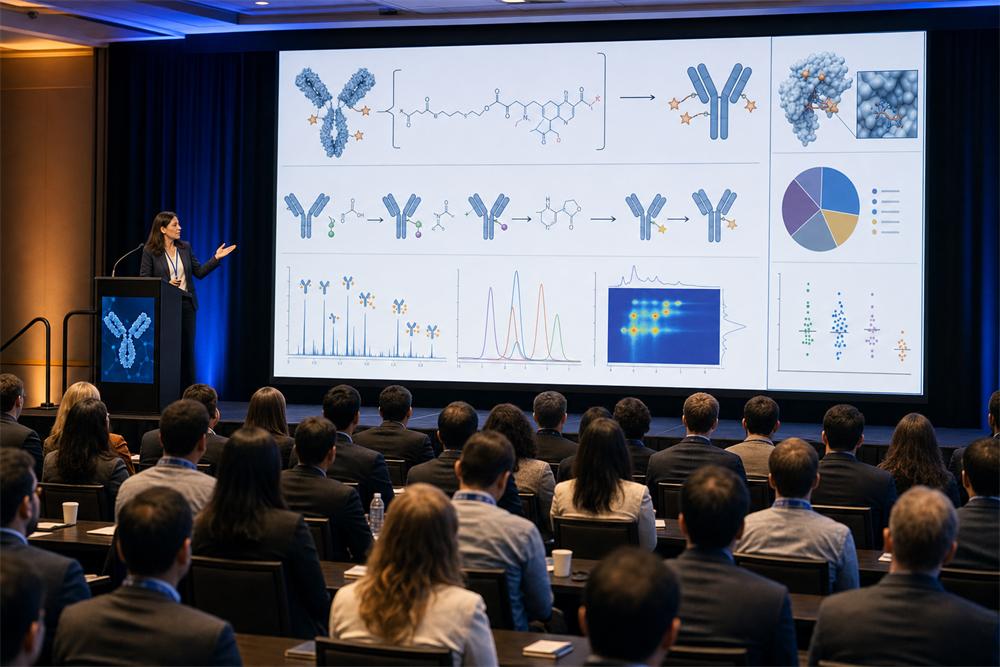
ADCs (antibody-drug conjugates) and TPDs (targeted protein degradation) have been the most closely watched technological directions in innovative drug development over the past few years.Their scientific rationale is exciting: ADCs combine the specificity of antibodies with the lethality of toxins to precisely target tumor cells; TPDs harness the cell’s own protein degradation machinery to eliminate disease-causing proteins that traditional small molecules cannot target. However, behind these impressive concepts, the challenges in the development process are concentrated precisely in areas that are not suitable for inclusion in promotional materials.
The challenges with ADCs do not lie in “whether coupling is possible,” but rather in the uniformity of the coupling, the stability of the linker in systemic circulation, the toxicity window of the payload, and the reliability of release testing methods.For TPDs, the challenge lies not in “whether degradation can occur,” but in the selectivity of degradation, whether the PK/PD relationships sufficiently support clinical dosing regimens, and whether the CMC pathway can support commercial-scale production. These challenges are not suitable for promotion because they expose the technology’s immaturity rather than its advanced nature. Yet it is precisely these challenges that determine whether a project can advance to clinical trials or even market approval.
CPHI Korea 2026 has placed ADCs and TPDs in the Bio Zone’s dedicated track, providing an opportunity to address these challenges head-on. Technical presentations at the symposium typically delve into deeper process and analytical issues, while discussions at exhibition booths allow attendees to verify suppliers’ actual CMC expertise. The following three sections explore these topics from the perspectives of ADC conjugation and quality, high-potency manufacturing, and TPD development pathways, respectively.
Table 12: The Gap Between Hype and Reality in ADC/TPD
| Technical Perspectives | Common Claims in Marketing | Challenges in Actual Development | Key Information to Focus on at CPHI Korea |
| ADC | “Precise Coupling, Efficient Tumor Cell Killing” | DAR distribution control, linker plasma stability, free payload toxicity, release testing methods | DAR distribution data, impurity profile analysis, batch-to-batch consistency |
| High-Potency Manufacturing | “GMP Production Capacity for High-Potency Formulations” | OEL Class, Isolation System Validation, Cleaning Validation, Cross-Contamination Control | Specific OEL levels, types of containment technologies, cleaning validation data |
| TPD | “Degradation of traditionally undruggable targets” | Degradation selectivity, hook effect, PK/PD relationships, CMC complexity | Data on degradation selectivity, rationale for dosing regimens, CMC strategy |
4.1 ADC attendees should ask about the relationship between conjugation, impurities, and safety
In ADC development, the DAR (Drug-to-Antibody Ratio) distribution is the first hurdle. DAR refers to the number of payloads conjugated to each antibody molecule.Ideally, all antibody molecules should have the same DAR (e.g., DAR = 4), but in actual conjugation reactions, the DAR exhibits a distribution (DAR = 0, 2, 4, 6, 8, etc.). The width of this distribution directly affects the safety and efficacy of the ADC: molecules with too low a DAR lack sufficient potency, while those with too high a DAR may pose safety risks due to increased payload toxicity.
At CPHI Korea, when a company claims, “Our ADC platform features advanced conjugation technology,” the specific questions you should ask include:
DAR distribution: What is the DAR distribution achieved by your coupling technology? What is the average DAR? Can you provide an HIC-HPLC chromatogram showing the DAR distribution?
Coupling site: At which site does coupling occur (cysteine, lysine, or an engineered site)? Is the coupling site-specific or random?
Linker Stability: What are the stability data for the linker in human plasma? Over what time period does the free payload release rate fall below acceptable levels?
Payload Safety: What is the MTD of the free form of the payload in animal models? How wide is the safety margin for the ADC formulation?
Conjugation uniformity: How consistent is the DAR distribution across different batches? What is the CV value?
Impurity Profile: What are the respective levels of unconjugated antibody, over-conjugated products, free payload, and linker-payload intermediates?
Release Testing: What methods do you use to release ADC products? HIC-HPLC, SEC, RP-HPLC, or mass spectrometry? To what extent have these methods been validated?
These questions are essential for assessing a company’s true technical capabilities; they are asked for verification purposes, not to be difficult. A company with a mature ADC platform should be able to answer each question fluently and provide supporting data. If the other party hesitates or changes the subject when asked a particular question, that area is likely their weak point.
Table 13: Core ADC Quality Attributes and Testing Methods
| Quality Attribute | Detection Method | Key Focus | Batch Consistency Requirements |
| DAR Distribution | HIC-HPLC (Hydrophobic Interaction Chromatography) | Percentage of Main Peak, Distribution Width | Inter-batch CV of average DAR < 10% |
| Free Payload | RP-HPLC or LC-MS | Free payload content should be <1–2% | Must be tested for each batch |
| Unconjugated antibody | SEC-HPLC or HIC-HPLC | The proportion of unconjugated antibodies affects potency | Should be controlled within an acceptable range |
| Aggregates | SEC-HPLC | Percentage of high-molecular-weight species (HMWS) | HMWS should be <5% (depending on the product) |
| Linker Stability | Plasma Stability Test | Release rate over 72 hours in human plasma at 37°C | Consistent release behavior between batches |
| Potency | Cytotoxicity or Binding Assay | Potency as a percentage of the reference standard | Potency should be within 80–125% of the reference standard |
Linker stability is a safety-related parameter of particular concern. Once an ADC enters the bloodstream, the linker should remain stable until it reaches the target cells to prevent premature payload release and subsequent systemic toxicity. However, if the linker is too stable, it may fail to effectively release the payload upon reaching the target cells, thereby compromising therapeutic efficacy.Striking this balance is one of the core challenges in ADC design. Cleavable linkers (such as acid-sensitive or enzyme-sensitive types) and non-cleavable linkers each have their own advantages and disadvantages; the choice depends on the nature of the payload and its mechanism of action.
At CPHI Korea, South Korean ADC companies are worth watching. Hanmi Pharmaceutical’s ADC platform—including its licensing partnerships with multinational pharmaceutical companies—has gained some recognition in the industry. However, the focus should not be on the mere fact that “South Korea also has an ADC platform,” but rather on what coupling technology routes South Korean companies are using (enzyme-catalyzed coupling, click chemistry, or traditional chemical coupling), their ability to control DAR distribution, and whether they have data from commercial-scale batches.At the same time, whether South Korea’s infrastructure for manufacturing highly active formulations is sufficient to support GMP production of ADCs is a question that requires on-site verification.
The impurity profile and release testing are often overlooked yet critically important components of the ADC quality system. The sources of impurities in ADCs are more complex than those in traditional antibodies or small molecules: unconjugated antibody, over-conjugated products, free payload, linker-payload intermediates, aggregates, degradation fragments, and others.Each type of impurity may affect safety and efficacy. Release testing methods must be capable of quantitatively detecting these impurities, and the methods themselves must be validated (specificity, accuracy, precision, linear range, and robustness). A company with a mature ADC quality system should be able to provide complete impurity profile analysis reports and method validation data.
Action Recommendation: During the ADC Track sessions, take detailed notes on the conjugation technology routes and DAR control strategies mentioned by the speakers.When engaging with exhibitors at booths, request to see HIC-HPLC chromatograms and impurity profile analysis reports for representative batches. If the exhibitor can only provide conceptual diagrams and molecular structure diagrams, this indicates that its analytical capabilities are insufficient to support clinical-stage development. Additionally, pay attention to whether ADC exhibitors have products in the clinical or commercial stages—this is a better indicator of their technological maturity than the number of pipeline candidates.
4.2 High-Potency Manufacturing Capabilities Should Not Be Judged by Production Capacity Figures Alone
ADC payloads are typically highly active compounds (with OELs ranging from 1 to 10 micrograms per cubic meter or even lower), imposing extremely high demands on a production facility’s containment capabilities, cleaning validation, and occupational safety. A supplier claiming to “be able to produce ADCs” does not necessarily mean it has a mature quality system for highly active compounds.
The safety classification for manufacturing highly active compounds is determined by the OEL (Occupational Exposure Limit). The lower the OEL, the higher the required containment level. The OEL for ADC payloads typically ranges from 1 to 10 micrograms per cubic meter, falling under OEB (Occupational Exposure Class) 4 or 5, which requires operations to be conducted using isolators or closed systems. Facility design must meet requirements such as negative pressure, airlocks, and HEPA filtration.
Table 14: Maturity Assessment of Highly Active Production Facilities
| Safety Dimensions | Criteria for Mature High-Potency Facilities | Performance of Immature Facilities | On-site Validation Methods |
| OEL Level | Clearly state the OEL level for the facility design (e.g., <1 microgram per cubic meter) | Avoid specifying concrete OEL values or using vague terminology | Ask directly about the minimum OEL for facility design |
| Containment systems | Use isolators or enclosed systems for highly active operations | Use conventional glove boxes or open operations | Request photos of the facility or an on-site tour |
| Cleaning Validation | Cleaning validation protocols and data specific to highly reactive compounds | Use of a generic cleaning protocol without compound-specific validation | Inquire about the basis for setting residue limits in cleaning validation |
| Cross-Contamination Control | Dedicated facilities or strict changeover procedures | Shared facilities; changeover procedures are unclear | Inquire whether there are dedicated production areas or separate production lines |
| Waste Disposal | Specialized processing procedures for highly radioactive waste | Disposed of as regular waste | Ask about the methods for treating liquid and solid waste |
| GMP Experience | A track record of successfully passing multiple GMP audits for highly active products | No audit experience or serious deficiencies identified during audits | Inquire about the results of the most recent FDA/EMA/PMDA audit |
Cleaning validation is the most commonly underestimated risk in the production of highly active substances. If residues of highly active compounds on equipment surfaces are not thoroughly removed, they may contaminate the next batch of product. For ADC payloads, the consequences of cross-contamination can be extremely severe.Cleaning validation requires establishing residue limits for each highly active compound (typically based on toxicological assessments) and verifying that cleaning procedures effectively reduce residues below these limits. A mature facility for highly active compounds should be able to provide cleaning validation protocols, data, and the rationale for setting residue limits.
Cross-contamination control is a hard constraint in high-potency manufacturing. Ideally, high-potency compounds should be manufactured in dedicated facilities. In reality, however, many CDMOs share facilities by implementing strict changeover procedures. This requires thorough cleaning and validation during product changeovers to ensure that residues from the previous product do not affect the subsequent one. The rigor of changeover procedures and the records of their execution serve as direct indicators of a CDMO’s ability to control cross-contamination.
High-potency production facilities in South Korea warrant attention. South Korea has several specialized HPAPI (Highly Potent Active Pharmaceutical Ingredients) CDMOs that have established capabilities in ADC payload production. However, the overall scale of South Korean facilities may not match that of leading CDMOs in Europe and the United States (such as Carbogen Amcis and Novasep). At CPHI Korea, focus on understanding the OEL levels, types of isolation systems, and past experience with high-potency projects at South Korean high-potency facilities.If South Korean CDMOs can provide production capacity with an OEL < 1 microgram per cubic meter and have prior experience in GMP manufacturing of ADC payloads, they may represent cost-effective alternatives to CDMOs in Europe and the United States.
Action Recommendation: When evaluating high-potency manufacturing suppliers, request the following three documents: a facility safety level description (including OEL), a cleaning validation protocol and summary report, and the conclusions from the most recent GMP audit.If the supplier cannot provide any of these documents, it indicates that its high-potency quality system is not yet mature. Additionally, inquire whether the supplier has actual production experience with ADC payloads—some CDMOs have high-potency facilities but lack experience with ADC projects, which means they may not understand the specific requirements of ADC payloads (such as light sensitivity and hydrolytic instability).
4.3 The Biggest Risk in TPD Projects: A Promising Mechanism but an Unclear Development Path
Targeted protein degradation (TPD) is one of the most exciting technological directions in innovative drug development.Two types of technologies—PROTACs (Protein Degradation-Targeting Chimaeras) and molecular glues—degrade disease-causing proteins by hijacking the intracellular ubiquitin-proteasome system. In theory, they can target proteins that cannot be treated with traditional small molecules. However, a series of development challenges lie between “theoretically possible” and “actually feasible as a drug.”
The most common pitfall in TPD projects is this: the mechanism validation looks impressive—with effective degradation of the target protein observed in cell experiments, and compelling Western blot and proteomics data—but there are still numerous questions that need to be answered before these results can be translated into clinical candidate compounds.
Table 15: Dimensions of Challenges in TPD Development from Proof of Concept to Clinical Trials
| Development Dimensions | Results from the Proof-of-Concept Phase | Questions to Be Addressed for Progress to Clinical Trials | Common Pitfalls |
| Target Selection | The target protein is highly expressed in the disease; degrading it may be effective | Is degrading this protein safe? Does it have any physiologically essential functions? | Focusing solely on disease relevance without considering the protein’s physiological functions |
| Selective Degradation | The target protein is effectively degraded | Are other proteins degraded at the same time (off-target degradation)? | Only the degradation of the target protein is reported; no proteomic analysis is performed |
| PK/PD relationship | High degradation efficiency in cell-based assays | Can in vivo PK support sufficient exposure in the target tissue? What is the relationship between the duration of degradation and dosing frequency? | Concentrations in cell experiments are much higher than those achievable in vivo |
| Drugability | The molecule exhibits degradation activity | Are the molecule’s physicochemical properties (solubility, permeability, metabolic stability) acceptable? | Focusing solely on degradation activity while neglecting the molecule’s pharmacokinetic properties |
| CMC complexity | Small quantities of the compound can be synthesized for experimental use | Can the synthetic route be scaled up? What about purity and impurity control? | The laboratory synthesis route is not suitable for scale-up to production |
| Clinical endpoints | Theoretical basis for degrading the target protein based on the mechanism | How will the degradation effect be measured in clinical studies? What endpoints will be used? | Lack of quantifiable pharmacodynamic biomarkers |
Degradation selectivity is the most easily overlooked issue in TPD projects. A PROTAC molecule consists of three parts: the target protein ligand, the E3 ligase ligand, and the linker. Its mechanism of action involves simultaneously binding to the target protein and the E3 ligase to form a ternary complex, which then ubiquitinates and degrades the target protein.However, PROTAC molecules may also degrade off-target proteins—either because the length and rigidity of the linker allow it to bind to other proteins, or because the E3 ligase ligand itself alters the E3 ligase’s substrate profile. This “off-target degradation” may lead to unexpected safety issues in clinical settings.
A mature TPD program should conduct systematic proteomic analyses (such as TMT quantitative proteomics) early on to confirm the selectivity of degradation. If a company can only report Western blot degradation data for the target protein but cannot provide a selectivity analysis of the entire proteome, it indicates that its understanding of degradation selectivity remains superficial. This is a key issue worth probing at the TPD session of CPHI Korea.
PK/PD relationships are particularly complex in TPD programs. The efficacy of traditional small-molecule drugs is directly correlated with plasma drug concentrations; as plasma concentrations rise after dosing, efficacy increases. However, the mechanism of action for TPDs is different: they induce protein degradation rather than directly inhibiting protein function.Protein degradation is an event-driven process; even after plasma drug concentrations have declined following administration, it may take several days for protein levels to recover (depending on the protein’s resynthesis rate). This implies that the dosing interval for TPDs may be significantly longer than the half-life of plasma drug concentrations, but this interval must be determined through PK/PD modeling—it cannot be guessed.
The complexity of CMC is another major obstacle to the commercialization of TPDs. PROTAC molecules typically have high molecular weights (700–1,000 Da) and poor physicochemical properties (low solubility, poor permeability, and low oral bioavailability). The synthetic route involves multi-step coupling reactions, and the purification of intermediates is challenging.During scale-up, both the yield of each reaction step and impurity control must be optimized. If a company has only milligram-scale synthesis experience with a PROTAC molecule, scaling up to gram- or even kilogram-scale production may pose significant challenges.
At CPHI Korea 2026, South Korean companies focused on TPD are worth watching. South Korean universities have built up a certain body of research in PROTACs and molecular glues, and some South Korean biotech firms are also developing TPD pipelines. However, the key questions to consider are: Have South Korean companies’ TPD projects entered the clinical stage? How are they addressing the challenges of degradation selectivity and PK/PD?Have their CMC routes been validated through scale-up? If a TPD project has only in vitro data—without in vivo PK/PD data or proteomic selectivity analysis—it still has a long way to go before becoming a clinical candidate.
Action Recommendation: During sessions in the TPD Track, take careful notes on whether speakers discuss degradation selectivity, PK/PD modeling, and CMC routes. If a presentation merely states, “We degraded the target protein” without addressing these development challenges, it indicates the project is still in its early stages. When speaking with representatives at booths, ask directly: “What are the PK parameters of your PROTAC molecule in animal models? How long does degradation last?Have you conducted proteomic selectivity analyses?” The answers to these questions reveal more about the project’s maturity than the molecular structure diagrams in a PowerPoint presentation.
Regarding more in-depth technical discussions on ADCs, there are several areas worth noting at CPHI Korea. The first is site-specific coupling technology.Traditional ADCs use lysine or cysteine residues for random coupling, resulting in a mixture with a non-uniform DAR distribution. Site-specific coupling technologies (such as engineered cysteine, non-natural amino acids, enzyme-catalyzed coupling, and click chemistry) can produce products with a uniform DAR, which theoretically improves safety and efficacy.However, site-specific coupling technologies involve greater process complexity and pose greater challenges for scale-up. At CPHI Korea, pay attention to which coupling technology routes Korean companies are using and the specific challenges they face during scale-up.
Table 35: Comparison of ADC Coupling Approaches and Scalability Feasibility
| Coupling Technology Routes | DAR Uniformity | Process Complexity | Scalability | Suitable Applications |
| Random Lysine Coupling | Low (DAR distribution of 0–8) | Low | High (mature process) | Early-stage ADC products (e.g., Kadcyla) |
| Random cysteine coupling | Medium (DAR 0, 2, 4, 6, 8) | Medium | High | Mainstream ADC products (e.g., Adcetris) |
| Engineered cysteine | High (DAR = 2 or 4) | Medium-high | Medium | Next-generation ADC products |
| Non-natural amino acids | High (DAR = specific value) | High | Low (complex cell culture) | Research and Development Stage |
| Enzyme-catalyzed coupling | High (DAR = specific value) | Medium-high | Medium | Emerging Areas |
| Click chemistry | High (DAR = specific value) | Medium | Medium-High | Emerging Trends |
Second are new trends in linker technology. Cleavable linkers (such as acid-sensitive, enzyme-sensitive, and GSH-sensitive linkers) release the payload upon reaching the target cells, but may release prematurely in the circulation, leading to systemic toxicity. Non-cleavable linkers are more stable in the circulation but may affect the efficiency of intracellular payload release.Next-generation linker technologies aim to strike a better balance between stability and release efficiency, such as by employing dual-sensitivity mechanisms (e.g., pH + enzyme dual-sensitivity) or introducing self-degradable spacer arms. At CPHI Korea, attention will focus on whether Korean companies’ linker technologies offer innovations, as well as their plasma stability data.
A more detailed discussion is needed regarding the alignment of OEL levels for high-potency facilities with ADC payloads. The potency of ADC payloads is typically in the nM range, corresponding to OELs in the 0.1–10 micrograms/cubic meter range. This means that facilities producing these payloads must meet OEB Class 4 or 5 standards (corresponding to OELs <10 micrograms/cubic meter or <1 microgram/cubic meter).Not all CDMOs that claim to “be capable of producing ADCs” have facilities of this grade. At CPHI Korea, ask CDMOs directly what the OEL is for their facility design—if the answer is vague or they say “we can do it,” it suggests they may not have facilities of the appropriate grade. A CDMO with an OEB Level 5 facility will tell you directly, “Our isolator is designed for an OEL of 0.1 micrograms per cubic meter.”
A comparison between molecular gels and PROTACs in the context of TPD also warrants in-depth analysis. PROTACs are bifunctional molecules: one end binds to the target protein, and the other binds to an E3 ligase, connected by a linker.In contrast, molecular gels are small molecules that alter the substrate specificity of an E3 ligase by binding to it, thereby inducing the degradation of a specific target protein. Molecular gels have a lower molecular weight (typically <500 Da) and may exhibit superior physicochemical and pharmacokinetic properties compared to PROTACs. However, the discovery of molecular gels relies on phenotypic screening, making them difficult to design.PROTAC design is more rational (based on known ligands for the target protein and E3 ligase), but the challenges to drugability posed by their large molecular weight are more pronounced. At CPHI Korea, attention is focused on the strategic positioning and progress of Korean companies in both molecular glue and PROTAC development.
Regarding CMC challenges in TPD, there is one issue that is often underestimated: the solubility of PROTAC molecules. PROTAC molecules typically contain multiple aromatic rings and hydrogen bond donors/acceptors, resulting in poor solubility (<10 micrograms/milliliter). This poses a significant challenge for formulation development—poor solubility implies that oral bioavailability may be low, and the formulation of injectable preparations may be complex.Some PROTAC projects have stalled in the preclinical stage due to solubility issues. At CPHI Korea, if a company claims to have a PROTAC molecule advancing into clinical trials, ask for its solubility data and formulation strategy. If the company evades this question, it may indicate that the molecule has fundamental flaws in its physicochemical properties.
There is also room for discussion regarding combination strategies involving ADCs and TPDs. The payload of certain ADCs could be a TPD molecule—that is, using the ADC to deliver the PROTAC to specific cells to achieve cell-specific protein degradation. This “ADC-PROTAC” concept is academically appealing, but the process complexity is extremely high (requiring simultaneous resolution of both ADC conjugation issues and the physicochemical properties of the PROTAC).At CPHI Korea, if any company discusses this combined strategy, pay close attention to whether it remains at the conceptual stage or is supported by actual data. No matter how good the concept may be, without data and process validation, it remains nothing more than a story on a PowerPoint slide.
Regarding ADC safety monitoring and clinical considerations, these topics are also worth paying attention to during the ADC Track at CPHI Korea.The toxicity profiles of different ADCs vary greatly and are directly related to target selection, payload type, and linker design. For example, the risk of interstitial pneumonia associated with trastuzumab deruxtecan (Enhertu) requires close monitoring in clinical trials, while the risk of peripheral neuropathy associated with vetuximab vedotin (Adcetris) necessitates dose-adjustment strategies.A mature ADC development team should establish a comprehensive safety monitoring plan as early as the clinical design phase, including DLT definitions, dose adjustment rules, monitoring frequencies for specific adverse events, and management protocols. When engaging with ADC companies at CPHI Korea, inquiring about their safety monitoring plans and historical safety data can help you assess the depth of the company’s clinical development experience. The transparency of safety data and the depth of discussion are directly correlated with the company’s clinical development maturity.
Regarding the landscape of Korean companies in the ADC and TPD sectors at CPHI Korea, similar to GLP-1, identification requires reviewing the exhibitor directory and session agendas.Hanmi Pharmaceutical’s ADC platform is well-known in the industry, but there are other Korean companies active in ADC conjugation, high-potency formulations, and TPD. Before the conference, we recommend using search terms such as “ADC,” “antibody-drug conjugate,” “high potency,” “PROTAC,” and “protein degradation” on the CPHI website to filter relevant exhibitors and sessions.The number of South Korean ADC/TPD companies is smaller than that of GLP-1 companies, but their technical depth may be greater—since the technical barriers for ADC and TPD are higher than those for peptide synthesis, companies entering this field typically possess a certain level of technical expertise.
5. The Value of the Clinical Trials Policy Track at This Bio Meeting: Determining Whether Asian Data Can Be Included in Global Development Plans
The Clinical Trial Policy Track at CPHI Korea 2026, a key Korea pharma summit, may sound like a session focused on policy and could easily be overlooked by attendees with a technical background. However, for any innovative drug project with global development plans, the information conveyed in this track directly impacts project strategy: Can your Asian clinical data be used for registration applications with the FDA or EMA? Can clinical resources in South Korea and the broader Asian region help you advance your project more quickly?What role should Asian sites play in the design of multi-regional clinical trials (MRCTs)?
Over the past decade, the status of Asian clinical data in global regulatory submissions has changed significantly.Japan’s PMDA, South Korea’s MFDS, and China’s NMPA are all promoting regulatory harmonization following their accession to the ICH (International Council for Harmonization of Technical Requirements for Pharmaceuticals for Human Use). However, ICH membership does not automatically equate to mutual recognition of data. When reviewing Asian data, the FDA and EMA continue to focus on ethnic differences, consistency in trial design, data quality, and the results of on-site inspections. A project sponsor that assumes “conducting clinical trials in South Korea means the data is globally usable” may encounter obstacles during the actual registration process.
Table 16: Key Considerations for Asian Clinical Data by the FDA and EMA
| Regulatory Dimensions | FDA’s Stance | EMA’s Approach | Materials Project Sponsors Need to Prepare |
| Acceptability of Asian Data | Accepted, but requires ethnic bridging data or PK/PD comparisons | Accepted, but with concerns regarding ethnic differences and trial consistency | Bridge study data, PK analysis comparing different ethnic groups |
| Proportion of Asian Sites in MRCTs | No mandatory proportion requirement, but reasonable regional representation is required | Attention to regional representation; explanation of sample size allocation required | Basis for sample size calculation and regional allocation plan |
| On-site audits | Remote or on-site audits of Asian sites may be conducted | A GCP audit report may be required | GCP compliance documentation, source data traceability system |
| Data Quality | Requires an EDC system and data management SOP | Data submission must comply with CDISC standards | Data Management Plan, CDISC SDTM/ADaM datasets |
| Regulatory Communications | Encourage pre-IND and Type B meetings | Encouragement of scientific advice | Meeting Request Packages, Question Lists |
The key takeaway from this table is: Asian clinical data can be used, but not automatically. Sponsors need to consider global registration strategies during the trial design phase, rather than waiting until after the trial is complete to figure out how to use the data.A common mistake is when a sponsor conducts a Phase II trial in South Korea, obtains promising results, and then presents them to the FDA only to discover that the FDA requires ethnic PK bridging data—even though the trial design did not include a PK sampling plan. This rework not only wastes time but can also delay the entire development plan by 1–2 years.
The Clinical Trials Policy Track at CPHI Korea 2026 is expected to cover the latest policy developments from South Korea’s MFDS, progress in implementing ICH guidelines, and practical experience with multi-regional clinical trials in Asia. For project teams with global development plans, this information directly impacts trial design decisions.
5.1 Questions for Innovative Drug Companies: What Role Do Korean or Asian Clinical Data Play?
When planning a global development strategy, an innovative pharmaceutical company needs to clarify the role that Asian clinical data (including data from South Korea) plays in the overall development plan. This role is not singular; depending on the project stage and indication, it may include the following:
Source of early safety and PK data: Conducting Phase I trials in South Korea to obtain PK and safety data from the Asian population, providing a basis for dose selection in subsequent global trials.
Component of a Multi-Regional Phase III Trial (MRCT): Including South Korean sites in a global multi-regional Phase III trial enhances representation of the Asian population while accelerating patient enrollment.
Source of bridging study data: For products with existing non-Asian data, conduct bridging studies in South Korea to meet local regulatory requirements.
Rapid Validation for Specific Indications: South Korea’s advantage in patient populations for certain indications—such as gastric cancer and liver cancer, which are highly prevalent in Asia—can accelerate development for those specific indications.
Data support for global registration strategies: Incorporating South Korean data into global registration dossiers reduces the need for duplicate trials across different regions.
Recruitment efficiency is the most frequently cited advantage of South Korea’s clinical resources. South Korea’s healthcare system is highly centralized, with a few large hospitals (such as Samsung Medical Center, Seoul National University Hospital, and Asan Medical Center) covering a large patient population, and the processes for ethical review and contract signing are relatively standardized.South Korea is indeed competitive in terms of enrollment speed for oncology clinical trials—a Phase II oncology trial may complete enrollment faster in South Korea than in the United States. However, rapid enrollment does not necessarily equate to high data quality; sponsors must pay attention to both factors simultaneously.
Table 17: Assessment of the Advantages and Risks of Clinical Resources in South Korea
| Evaluation Dimensions | Advantages of Clinical Resources in South Korea | Risks to Consider | Validation Methods |
| Enrollment Speed | Large hospitals have a high concentration of patients and standardized processes | Excessively rapid enrollment may compromise data quality | Review the CRO’s timeline for patient enrollment in past trials |
| Data Quality | Widespread use of EDC systems and strong adherence to GCP | Significant variations in quality among different CROs | Request to review GCP audit reports and query rates |
| Ethnic Representation | Data from Asian populations is helpful for global registration | Does the South Korean population represent Asia as a whole? | Consider including sites from other Asian countries |
| Regulatory Communication | The MFDS has a pre-IND and consultation meeting mechanism | MFDS review speed and quality fluctuate | Understand the MFDS’s recent review timelines |
| Cost | Lower than in the U.S., slightly higher than in China | Hidden costs (translation, document notarization, etc.) | Require the CRO to provide a detailed breakdown of costs |
| Multi-regional Coordination | South Korean CROs have experience coordinating global trials | Coordination capabilities vary by CRO | Inquire about the Korean site’s coordination experience in MRCTs |
Data acceptability is the top concern for sponsors. Will Phase I PK data from South Korea be accepted by the FDA as the basis for global dose selection? Can Phase III data from South Korean sites be included in global registration analyses? The answers to these questions depend on the quality of the trial design, the degree of data standardization, and the level of preparedness for on-site inspections. Sponsors need to communicate with regulatory authorities during the trial design phase to confirm the scope of data usage, rather than discovering after the trial is complete that the data is not accepted.
The patient population is another factor that requires careful consideration. South Korea has a natural advantage in certain indications—gastric cancer, liver cancer, and thyroid cancer, for example, have higher incidence rates in the country, making patient enrollment relatively easy. However, for other indications (such as certain rare diseases or cancers not prevalent in Asia), the patient pool in South Korea may be insufficient. Sponsors need to assess, based on the indication and trial design, how much South Korean data can contribute to the overall development plan.
From an operational perspective, conducting clinical trials in South Korea requires an understanding of local regulatory processes. The MFDS’s clinical trial approval (IND) process was streamlined following reforms in 2015, with approval times reduced to within 30 business days. However, Institutional Review Board (IRB) approval may take an additional 2–4 weeks, and IRB efficiency varies significantly across different hospitals. Contract negotiations and budget approvals are also key factors affecting trial start-up timelines.An experienced South Korean CRO should be able to provide a comprehensive timeline estimate from IND submission to first-subject enrollment.
Action Recommendations: At the Clinical Trial Policy Track of CPHI Korea 2026, focus on three key areas: first, the latest changes in MFDS clinical trial policies and progress toward alignment with ICH guidelines; second, use cases and lessons learned regarding the use of Asian data in FDA and EMA registrations; and third, the coordination capabilities and track records of South Korean CROs in multi-regional clinical trials (MRCTs).When communicating with CROs, request to see the actual timelines for 2–3 past projects (from IND submission to last-subject enrollment to database lock), rather than the “average time” listed in their brochures. The most important question sponsors should ask CROs should focus on “How do you ensure data quality?” rather than “How fast can you do it?”
5.2 CROs and Service Providers Must Demonstrate Their Ability to Bridge Clinical, CMC, and Regulatory Functions
A good CRO does more than just execute trials. For complex projects such as GLP-1, ADCs, and TPD, a CRO must understand the development timeline and specific requirements of the drug and be able to integrate clinical needs, sample supply, quality documentation, and regulatory communications. This “integration capability” is the key factor that distinguishes CROs from one another.
In a clinical trial for an ADC project, the supply chain for clinical samples is far more complex than that for traditional small molecules. ADCs require the production of conjugates under GMP conditions, cold-chain transportation, and strict shelf-life management (since the linker may degrade during storage). If a CRO is only responsible for clinical execution and does not understand the CMC characteristics of ADCs, it may encounter issues with sample supply, shelf-life management, and quality documentation, leading to trial delays.
Table 18: Requirements for CRO Linkage Capabilities by Project Type
| Project Type | Special Requirements for Clinical Execution | CRO Integration Requirements | Key Points for Evaluating CRO Capabilities |
| GLP-1 | Long-term administration, large sample sizes, body composition assessment | Stability of sample supply (peptide production capacity), shelf-life management, and administration guidelines for oral/injectable formulations | Do you have experience conducting GLP-1 projects? Can you coordinate the supply of peptide samples? |
| ADC | Safety monitoring (DLT), complex PK sampling, and biosample analysis | ADC GMP production scheduling, cold-chain logistics, and development of bioanalytical methods | Do you have experience executing ADC clinical trials? Can you manage the ADC sample supply chain? |
| TPD | Biomarker detection for drugs with unique dosing intervals and target-specific degradation | PK/PD modeling, proteomics sample preparation, specialized bioanalytical testing | Do you have experience with TPD/PROTAC projects? Can you support the analysis of degradation biomarkers? |
The clinical execution of GLP-1 projects has its own unique challenges. First is sample size: weight loss and diabetes trials typically require large sample sizes (Phase III trials may involve thousands of participants), entailing significant enrollment management and data volume. Second is long-term medication use: GLP-1 requires long-term or even lifelong administration, resulting in extended safety follow-up periods.Third is body composition assessment: if the trial includes body composition endpoints, DEXA scans or BIA equipment are required, which increases the trial’s complexity and cost. Fourth is peptide sample supply: if the peptide synthesis capacity for clinical samples is limited, it may lead to sample shortages, affecting trial continuity. An experienced CRO should be able to anticipate these risks and provide solutions.
Clinical execution of ADC projects is even more complex. Safety monitoring must focus on dose-limiting toxicities (DLTs); since the toxicity profiles vary among different ADCs (e.g., interstitial pneumonia, peripheral neuropathy, ocular toxicity), the CRO must have corresponding safety monitoring protocols in place. PK sampling protocols are complex—requiring simultaneous measurement of total antibody, conjugated antibody, and free payload concentrations—and bioanalytical methods must be specifically developed.The handling and storage of biological samples (plasma, tissue) must comply with the stability requirements of bioanalytical methods. If a CRO lacks experience with ADC projects, it may make errors in these areas, compromising data quality or even trial outcomes.
The clinical execution of TPD projects faces greater uncertainty. Due to limited clinical experience with TPD drugs, dosing intervals may need to be designed based on PK/PD models rather than traditional PK half-lives. Assessing target degradation requires specific biomarker detection methods (such as targeted proteomics), and the stability and reproducibility of these methods in clinical samples must be validated.If a CRO does not understand the unique characteristics of TPD drugs, it may conduct TPD trials using traditional small-molecule methods, resulting in missing core data.
Regulatory communication is another dimension of a CRO’s capabilities. A good CRO should be able to assist the sponsor in preparing pre-IND meeting packages, designing trial protocols that comply with regulatory requirements, maintaining communication with regulatory agencies during the trial, and preparing registration application materials upon trial completion. For projects with global development plans, the CRO must also understand the differences in requirements among various regulatory agencies (FDA/EMA/MFDS/PMDA) and help the sponsor design trial protocols that meet multi-regional registration needs.
Action Recommendation: When evaluating CROs at CPHI Korea 2026, do not focus solely on their size and number of projects. Focus on asking three key questions: First, “Have you conducted clinical trials for [your project type]? What were the biggest challenges?” If the CRO lacks relevant experience, it may be unable to anticipate project-specific risks. Second, “How does your clinical team collaborate with the CMC team? How do you handle issues with sample supply?”” If the CRO responds, “That’s the sponsor’s responsibility,” it indicates limited coordination capabilities. Third, “When was your most recent pre-IND meeting with the MFDS/FDA? What were the key conclusions from the meeting minutes?” If the CRO cannot clearly explain even its most recent regulatory communications, its competence in registration strategy is questionable. A CRO’s value lies in ensuring that trial data can be used for registration; conducting the trial is merely a basic function.
A few additional observations regarding the clinical trial environment in South Korea. Since South Korea joined the ICH in 2020, the international acceptability of its clinical trial data has been institutionally guaranteed. Following reforms, the MFDS’s IND approval process has been shortened to 30 working days, while ethics committee approval typically takes an additional 2–4 weeks.South Korea’s major clinical trial centers are concentrated in Seoul and the surrounding areas (Samsung Seoul Hospital, Seoul National University Hospital, Asan Medical Center, Yonsei University Hospital, etc.). These institutions rank among the top in Asia in terms of GCP compliance and EDC system adoption.
However, the clinical environment in South Korea also has its limitations. First is the size of the patient pool: with a population of approximately 51 million, South Korea may not be able to meet the enrollment requirements for Phase III trials requiring large sample sizes (such as GLP-1 weight-loss trials) relying solely on domestic sites; it is usually necessary to include sites in other Asian countries (Japan, China, Taiwan, etc.) to form a multi-regional clinical trial (MRCT).Second is cost: The cost of clinical trials in South Korea is higher than in China but lower than in the United States; for projects with limited budgets, a trade-off must be made between enrollment speed and data quality. Third is language and culture: Protocols, informed consent forms, and CRFs require translation into Korean, and the project management team must be able to communicate in Korean or have access to a translator.
Table 30: Detailed Analysis of the Advantages and Limitations of the Clinical Trial Environment in South Korea
| Dimensions of the South Korean Clinical Environment | Advantages | Limitations | Impact on Project Strategy |
| Approval Speed | MFDS IND approval within 30 business days | Ethics review: an additional 2–4 weeks | Suitable for rapid launch in early stages |
| Patient Pool | Patients are concentrated in large hospitals, enabling rapid enrollment of cancer patients | Total population of 51 million; large-scale trials require MRCT | Phase II can be conducted in a single country; Phase III requires a multi-regional approach |
| Data Quality | Strong GCP compliance; widespread use of EDC | Quality varies significantly among CROs | Need to select an experienced CRO |
| Cost | 30–50% lower than in the U.S. | 20–40% higher than in China | Budget-sensitive projects require careful consideration |
| Regulatory Communication | The MFDS has a pre-IND mechanism | MFDS’s review capabilities are still under development | Global registration strategies require additional validation |
| Ethnicity Data | PK data from Asian populations are of reference value | The Korean population is not representative of all of Asia | Consider incorporating data from other Asian countries |
Regarding the strategy for the South Korean site in the MRCT design, there are several practical considerations. First, sample size allocation: The sample size for the South Korean site should be based on statistical power calculations, rather than simply “allocating a portion to South Korea.” If the South Korean data is to support subgroup analyses for the Asian population, the sample size may need to reach 15–20% of the total sample size.Second, ensuring consistency: protocols, CRFs, and EDC systems should be standardized across all sites, and the South Korean site’s operational SOPs must align with global SOPs. Third, data merging strategy: the statistical analysis plan must predefine the methods for merging South Korean data with data from other regions (e.g., predefined subgroup analyses, tests for regional interaction effects, etc.) to avoid subjectivity in post-hoc analyses.
Regarding the selection criteria for Korean CROs, in addition to the previously mentioned assessment of connectivity capabilities, there are several operational metrics worth noting. First is the query rate: a mature CRO’s query rate typically falls within the 5–10% range; a rate that is too high indicates poor data entry quality, while a rate that is too low may suggest that monitors are not being thorough enough.Second is the deviation rate: this should generally be kept below 5%; a rate that is too high indicates problems with protocol design or execution. Third is the dropout rate: while acceptable dropout rates vary by indication, if a CRO’s dropout rates in past projects are significantly higher than the industry average, this may indicate issues with patient management and adherence. When discussing with CROs at CPHI Korea, directly request to review historical data for these metrics.
From a regulatory strategy perspective, the use of Korean data in FDA and EMA registrations requires advance planning. The FDA’s 2014 guidance, “Considerations for the Use of Real-World Data in Regulatory Decision Making,” along with subsequent guidance on MRCTs, provides a framework for the use of Asian data. However, this framework does not guarantee automatic acceptance—sponsors need to confirm the scope of Korean data usage with the FDA during pre-IND meetings and incorporate bridge data that the FDA may require(such as ethnic comparisons in pharmacokinetics) into the trial design from the outset. The EMA’s stance is similar, but it places greater emphasis on regional representativeness in trial design and consistency in data quality. Communicating with regulatory authorities in advance is far more effective than explaining after the fact why Asian data should be accepted.
Action Recommendations: In the Clinical Trials Policy Track, focus on three key topics: First, the latest changes to MFDS clinical trial policies (particularly updates to guidelines on MRCTs and bridging studies); second, success stories and lessons learned regarding the use of Korean data in FDA/EMA registrations; and third, best practices from Korean CROs in bridging clinical, CMC, and regulatory functions.After the conference, integrate the information on these three topics into your global development strategy document to serve as input for trial design decisions. If your project has global registration plans, we recommend scheduling in-depth meetings with one or two Korean CROs during CPHI Korea to validate your approach using the clinical and collaboration-focused checklist in Chapter 7.
Regarding South Korea’s evolving role in global clinical development, several trends are worth noting for conference attendees. First, South Korea is expanding from “rapid early-phase clinical execution” to “full-phase clinical development.” In the past, South Korea’s strengths were primarily focused on the speed of patient enrollment in Phase I and Phase IIa trials. Now, an increasing number of global multi-center randomized controlled trials (MRCTs) are establishing sites in South Korea, and South Korean CROs are gaining experience in managing Phase III trials.Second, South Korea is transitioning from “local registration” to serving as a “source of global registration data.” Following South Korea’s accession to the ICH, its clinical data can, in theory, be accepted by regulatory authorities in other ICH member countries. However, acceptance does not equate to automatic adoption—sponsors still need to confirm the scope of data usage with the FDA or EMA through pre-IND meetings.Third, South Korean CROs are evolving from “service execution” to “strategic development consulting.” Some leading South Korean CROs have begun offering end-to-end services ranging from trial design to regulatory submissions, rather than merely executing trials. These trends indicate that South Korean clinical resources are playing an increasingly significant role in project development, and CPHI Korea serves as a window into these changes.
Table 38: Trends in the Evolution of South Korean CRO Capabilities
| Dimensions of South Korean CRO Capabilities | Level 3–5 Years Ago | Current Level | Methods Demonstrated at CPHI Korea |
| Phase I Trial Execution | Experienced, rapid patient enrollment | Well-established, with a track record of multiple successful FDA inspections | Inquire about the inspection results of past Phase I projects |
| Phase II/III Trial Management | Limited experience | Still developing; some CROs have experience with MRCTs | Inquire about management experience with South Korean sites in MRCTs |
| Bioanalytical Services | Basic Capabilities | Currently expanding; challenges exist in the ADC/TPD areas | Ask if there is experience in developing bioanalytical methods for ADCs or TPDs |
| Regulatory Strategy Consulting | Primarily handles local registration in South Korea | Beginning to offer global registration strategy services | Question: Do you have experience with FDA/EMA pre-IND submissions? |
| Data Management | EDC systems are in place, but standardization varies | Capabilities for CDISC format output are improving | Ask if they can generate SDTM/ADaM datasets |
| Project Management | Executed according to the plan | Begin providing development strategy recommendations | Inquire about the CRO’s Medical Director’s background and experience |
There are several common misconceptions regarding the client’s conduct of clinical trials in South Korea that are worth noting. First, “Fast enrollment in South Korea equals fast project progress”—enrollment is only one part of the trial. If data quality is poor, the query rate is high, or there are frequent protocol deviations, the advantages of rapid enrollment will be offset by delays in data cleaning and data lock.Second, “Cheaper Korean CROs equal better value for money”—while Korean CRO fees are lower than those in the U.S. but higher than in China, if a CRO’s lack of experience leads to trial delays or poor data quality, the hidden costs (lost time, data remediation, regulatory communications) may far exceed the cost savings.Third, “Korean data is automatically accepted by the FDA”—the FDA’s acceptance of Korean data is contingent upon the trial design meeting FDA requirements, data quality passing audits, and ethnic differences being properly assessed. If these misconceptions are not clarified at CPHI Korea, they may come at a cost in actual projects.
Regarding a practical issue in CRO selection—whether to use multiple CROs simultaneously. For large-scale MRCTs, it is typically necessary to use different CROs (or different regional offices of the same CRO) in different regions. If the sponsor uses both a Korean CRO and CROs from other regions, they must ensure that all CROs follow uniform SOPs and use the same EDC system and data standards. While this increases the complexity of project management, it helps avoid inconsistencies in data formats during the later data consolidation phase.At CPHI Korea, you can ask Korean CROs whether they have experience collaborating with CROs from other regions to conduct MRCTs, and how they handle cross-regional data standardization issues.
Regarding specific topics likely to be discussed in the South Korean Clinical Trial Policy Track, some predictions can be made based on the current policy environment. First, the MFDS’s reform of the review pathway for innovative drugs in 2024–2025, including the expansion of the scope of conditional approval and priority review. Second, the implementation details of the MRCT guidelines in South Korea, including minimum sample size requirements for South Korean sites in global trials.Third, the exploration of real-world evidence (RWE) applications in South Korean drug registration. Fourth, updates to clinical trial guidelines for cell and gene therapy (CGT) products—although this is not traditionally within the scope of CPHI Korea, the topic may arise given South Korea’s growing investment in CGT. These policy issues have direct operational implications for project sponsors planning clinical trials in South Korea and warrant close attention during the session.
Another value of the Clinical Trials Policy Track is that it serves as a window into the maturity of South Korea’s overall regulatory environment. The style of presentations and the depth of discussions by MFDS officials at CPHI can indirectly reflect the MFDS’s attitude and capacity for industry engagement.If MFDS officials are willing to discuss specific details of review criteria in public sessions, answer attendees’ practical questions, and provide a clear timeline for South Korea’s implementation of international regulations (ICH)—these signals all indicate that the MFDS is shifting from a passive approver to a proactive communicator. For companies planning clinical trials in South Korea, this transition means a clearer registration pathway and less policy uncertainty. The level of regulatory transparency directly impacts the information costs associated with a company’s decision on where to conduct clinical trials.
Another practical focus of the Clinical Trials Policy Track is the alignment of South Korean clinical data formats and standards with those of the FDA and EMA. Clinical trial data in South Korea is typically submitted in accordance with CDISC standards (SDTM and ADaM formats), and the MFDS also accepts these standards. This means that clinical data generated in South Korea can be used directly for NDA/BLA submissions to the FDA and EMA at the format level.However, data format compatibility does not guarantee acceptance of data quality—the FDA conducts BIMO (Biological Investigations Monitoring) inspections at South Korean sites, and if issues are identified during an inspection, the data may not be accepted even if the format is correct. At CPHI Korea, you can ask CROs which of their projects have undergone FDA BIMO inspections and what the results were. CROs that have undergone FDA BIMO inspections typically have data quality and record integrity that can withstand international audits.
6. At this bio meeting, different attendees should not approach CPHI Korea in the same way
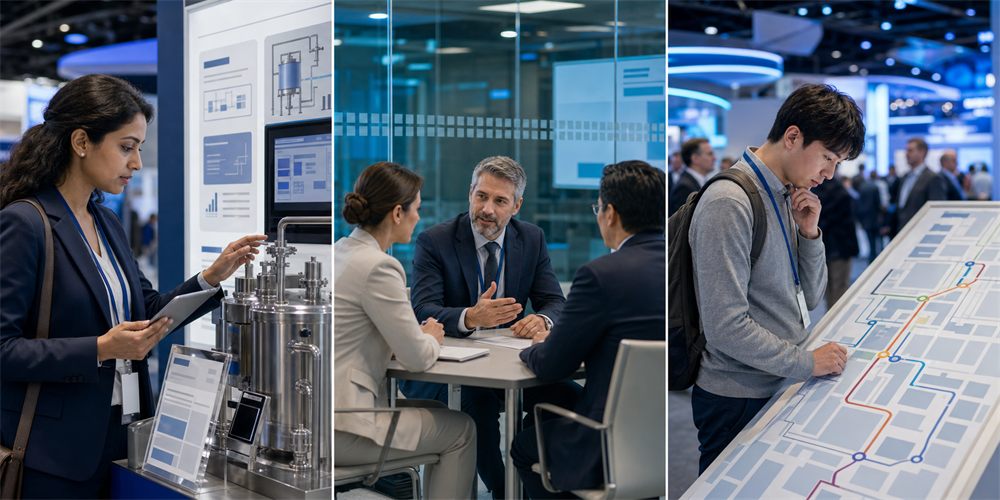
The CPHI Korea exhibition is expected to attract over 12,000 professional attendees. These individuals come from pharmaceutical companies, CDMOs, business development (BD) teams, investment firms, CROs, equipment suppliers, and API manufacturers, and their objectives for attending the event vary significantly. Approaching the exhibition in the same way for everyone is tantamount to wasting three days.
An engineer on a CMC team needs, above all, to engage in in-depth discussions about process parameters with suppliers’ technical staff at the booths. A BD director needs, above all, to build trust with senior executives from potential partners and exchange project information. A company representative attending for the first time needs, above all, to quickly gain an understanding of the exhibition layout and identify target exhibitors. The agendas, question lists, and attendance strategies for these three types of attendees should be entirely different.
The following three sections are broken down by attendee role, so that different teams know exactly what questions to bring to the event. These are role-specific strategies tailored to the specific context of CPHI Korea 2026, not a general guide for attending trade shows.
Table 19: Overview of Strategies for Different Attendee Roles
| Attendee Role | Core Objectives | Recommended Time Allocation | Key Attendee Strategy Points |
| CMC/Process/Analytical Teams | Verify the supplier’s technical capabilities and process details | 70% booth discussions + 30% technical presentations | Focus less on concepts; ask more about reproducibility and batch data |
| BD/Strategy/Investment Teams | Assess project value and partners’ ability to fulfill commitments | 50% one-on-one meetings + 30% workshops + 20% booth visits | Focus on the project, not the industry sector; staying level-headed is more important than getting excited |
| First-time exhibitors | Build awareness + identify key targets | 40% Booth Visits + 40% Workshops + 20% One-on-One Meetings | Prepare a list of questions in advance; don’t let the event turn into just a business card exchange |
June 1: CMC, Process, and Analytical Teams: Listen Less to Concepts, Ask More About Reproducibility
The most common mistake CMC teams make at CPHI Korea is getting caught up in technical concepts at booths, spending a lot of time listening to product presentations without asking questions that truly distinguish supplier capabilities. After three days, they end up with a pile of business cards and brochures but no clear understanding of any supplier’s actual capabilities.
Key areas CMC teams should focus on:
Process Scale-Up: Does the supplier have comprehensive scale-up experience—from small-scale trials to pilot-scale to commercial production? What technical issues did they encounter during scale-up? How were they resolved?
Core Quality Attributes (CQA): How does the supplier define and monitor CQAs? What is the range of batch-to-batch variation for CQAs? Is trend analysis available?
Method Transfer: Have the supplier’s analytical methods been validated? What is their experience with method transfer? Are there any examples of collaboration with QC laboratories?
Batch Consistency: How many consecutive batches of CQA comparison data can the supplier provide? What are the CV values?
Impurity Control: What is the supplier’s capability for impurity profiling? Which impurities can they detect and quantify? What is the basis for setting impurity limits?
Supplier Technical Details: What are the equipment models, the range of process parameters, and the control strategies for critical process parameters (CPPs)?
These questions share a common characteristic: they are not suitable for inclusion in promotional brochures. No supplier would display their batch CV values or highlight failed scale-up cases on a booth display. Yet it is precisely this information that helps you assess a supplier’s true capabilities. A supplier willing to candidly discuss process challenges and scale-up risks is typically a more valuable partner than one who merely touts “advanced technology.”
Table 20: Four-Stage Strategy for Engaging with CMC Teams at Trade Shows
| Communication Stage | Your Goal | Types of Questions to Ask | Signal Assessment |
| Opening (2–3 minutes) | Confirm the supplier’s basic scope of capabilities | What types of APIs/formulations have you produced? What was the largest scale? | Quick response → Confident; Hesitation → Lack of experience |
| In-Depth Discussion (5–10 minutes) | Verify depth of process understanding | What was the biggest technical challenge during scale-up? How was it resolved? | Specific examples → genuine experience; vague answers → lack of experience |
| Verification (3–5 minutes) | Confirm the maturity of the quality system | What were the results of the most recent GMP audit? Were there any 483s or serious deficiencies? | Proactive disclosure → transparency; evasion → potential risks |
| Wrap-up (2–3 minutes) | Establish channels for follow-up communication | Can you arrange a video call with the technical team? Can you provide the DMF? | Willingness to arrange → Sincere intent to collaborate; Evasiveness → Production capacity may be at full capacity |
The transfer of analytical methods is a critical aspect that the CMC team must pay special attention to. During collaborative development, analytical methods must be transferred between the supplier and the sponsor. If the supplier’s analytical methods have not been fully validated or if the method descriptions are unclear, the transfer process may be compromised, leading to data inconsistencies. A reputable supplier should be able to provide a complete method validation report (specificity, accuracy, precision, linear range, limit of quantification, limit of detection, and robustness) and clear standard operating procedures (SOPs) for method execution.
During the technical presentation sessions at CPHI Korea, the CMC team should focus on presentations that present specific process data. A good technical presentation will outline “what problems we encountered, what experiments we conducted, what data we obtained, and what decisions we made.” Such presentations offer far more substantive information than product introductions at exhibition booths. If a presenter is merely promoting a product, move on without hesitation.
Action Recommendations: The CMC team’s attendance strategy for CPHI Korea 2026 should be “fewer but deeper” rather than “more but broader.” Instead of spending 5 minutes with 20 suppliers, spend 30 minutes with 5–8 suppliers.Pre-screen target suppliers using the exhibitor directory and prepare 3–5 specific questions for each one. Within 48 hours after the event, organize the meeting notes, highlight key information for each supplier (scale, quality system, delivery capability, technical features), and compile an internal evaluation report. The most substantive questions asked on-site are often those that wouldn’t fit in a brochure.
6.2 BD, Strategy, and Investment Teams: Evaluate Projects, Not Just Market Segments
The core mission of the BD and investment teams at CPHI Korea is to identify promising projects and collaboration opportunities. However, driven by market hype, a common pitfall is focusing solely on the market segment (“GLP-1 is a hot segment”) rather than evaluating the project itself (“How does this GLP-1 project differentiate itself from competitors?”). Market segment popularity can help narrow your scope of interest, but it cannot guide your investment or BD decisions.
Evaluating a project requires examining four levels:
Table 21: Four-Tier Framework for Project Evaluation by BD/Investment Teams
| Evaluation Level | Core Questions | Data Sources | Red Flags |
| Clinical Data | Is the differentiation supported by data? Is the efficacy superior to existing therapies? | Clinical reports, conference presentations, published literature | Concepts without data, or data that cannot be verified |
| Manufacturing Feasibility | Can the product be commercially manufactured at an acceptable cost and quality level? | CMC reports, process routes, cost models | Unclear manufacturing strategy or costs significantly higher than competitors’ |
| Partner Capabilities | Does the partner have a track record of on-time delivery? Is their quality system well-established? | Audit reports, customer references, delivery records | No delivery cases or audits revealing serious defects |
| Business Prospects | Does the product have a clear position in the competitive landscape 5–10 years from now? | Market analysis, patent landscape, competitor pipeline | Inability to describe a strategy for dealing with generic drug competition |
Clinical data forms the basis of BD evaluation. However, “having clinical data” does not equate to “having good data.” A GLP-1 project with weight-loss efficacy comparable to semaglutide will no longer be a differentiator by 2026—because there will be more than a dozen projects on the market capable of achieving the same results.True differentiation must be demonstrated through: better body composition improvements (preserving muscle mass), more convenient administration (oral/long-acting), better safety (fewer GI side effects), or lower manufacturing costs (supporting a lower price point). The BD team needs to ask the project team: In which dimension does your differentiation lie? Do you have head-to-head data? If not, how do you plan to obtain it?
Manufacturing feasibility is often overlooked in high-profile therapeutic areas. A project with excellent clinical data will see its commercial value significantly diminished if the manufacturing side cannot support commercial-scale supply. The production capacity bottleneck for GLP-1 peptides is a real-world example: even if your molecule is more effective, you cannot capture the market if production capacity cannot keep up. The BD team needs to request that the project team provide a preliminary CMC roadmap and cost estimates to assess the risks associated with manufacturing feasibility.
The capabilities of the partner are particularly important in cross-border BD transactions. If you’re discussing a licensing partnership with a Korean company at CPHI Korea, you need to evaluate its manufacturing capabilities, quality systems, and track record of deliveries. A Korean biotech company with no experience in commercial-scale production—no matter how promising its pipeline data may be—may disappoint you during technology transfer and commercial manufacturing.The BD team should arrange a site visit to the partner’s manufacturing facilities during the conference (if possible), or at the very least request GMP audit reports and examples of past deliveries.
Commercial prospects must be evaluated within a timeline. A GLP-1 project still in Phase II in 2026 may not reach the market until 2030. By then, semaglutide’s patent may have expired, and generic competitors may already be on the market.Where does your product stand in this competitive landscape? Is its differentiation sufficient to survive the price pressure from generics? These questions need to be thoroughly considered before making BD decisions, rather than waiting until after the product has been launched.
Especially amid the GLP-1 boom, a level head is more important than excitement. When a sector is hyped by everyone, prices are driven up and value for money declines. BD teams need to resist the FOMO (Fear of Missing Out) mentality and use a systematic evaluation framework to filter out the noise. A BD team that remains calm amid the hype is more likely to secure profitable deals than one that chases the trend.
Action Recommendation: BD and investment teams should attend CPHI Korea 2026 equipped with a project evaluation checklist. For each potential partner they engage with, they should use a four-tier framework to quickly score them: clinical data (1–5 points), manufacturing feasibility (1–5 points), partner capabilities (1–5 points), and commercial prospects (1–5 points).Projects with a total score below 12 are not worth pursuing further. During the event, prioritize meetings with projects scoring 15 or higher, allocating limited time to the most substantive opportunities. Complete a detailed evaluation report within one week after the event, as the information gathered at the exhibition quickly loses its value.
6.3 First-Time Attendees at CPHI Korea: Bring a List of Questions to the Show
For companies attending CPHI Korea for the first time, the greatest risk lies not in missing out on opportunities, but in seeing too much and retaining nothing. With over 12,000 attendees, hundreds of booths, and dozens of seminar sessions, without advance planning, the three-day event may end up being nothing more than collecting a pile of business cards and listening to a barrage of concepts—only to return to the office and realize you’ve brought back no useful information.
Preparations for first-time attendees:
Identify key areas in advance: The Bio Zone is where you’re most likely to spend your time. Filter target exhibitors from the official exhibitor directory on the website and note their booth numbers.
Identify sessions in advance: The seminar schedule is typically released 6–8 weeks before the event. Mark 3–5 technical presentations most relevant to your project and schedule them into your itinerary.
Schedule meetings in advance: Contact key exhibitors via email to schedule appointments. Walk-in meetings during peak hours have a low success rate.
Prepare a list of questions: Prepare 2–3 specific questions for each target exhibitor. Avoid generic questions like “Can you do X?” and instead delve into process and quality details.
Schedule a site visit: Arrive in Seoul the day before the event and spend half a day familiarizing yourself with the COEX layout, particularly the location of the Bio Zone and the flow of the conference venues.
Table 22: Recommended Three-Day Itinerary for First-Time Attendees
| Time | Activity | Objective | Points to Note |
| Day 1, Morning | Bio Zone Booth Tour | Gain an overall understanding of the event and identify which exhibitors are worth scheduling in-depth meetings with | Do not spend more than 15 minutes at any single booth |
| Day 1 Afternoon | Meetings with Target Exhibitors (2–3) | Gain an in-depth understanding of target suppliers’ technical capabilities and process details | Bring a list of questions and take thorough notes |
| Day 2, Morning | Technical presentation sessions (2–3) | Gain insights into industry technology trends and process details | If a presentation is not useful, switch sessions without hesitation |
| Day 2 Afternoon | Meetings with Target Exhibitors (2–3) + New Exhibitors Discovered on-site | In-depth discussions + further exploration | Allow a 30-minute buffer |
| Day 3, Morning | Follow-up meetings + revisit key exhibitors | Confirm information and establish channels for follow-up communication | Take advantage of the exhibitors’ lighter schedules on the final day for in-depth discussions |
| Day 3, Afternoon | Organize notes + summarize | Organize meeting notes and key information while memories are still fresh | Don’t wait until you’re back in the office to organize them |
Don’t turn the conference into a business card collection spree. A common mistake made by first-time attendees is to stop at every booth to grab a business card, pick up a brochure, and chat for two minutes—ending up with 100 business cards over three days. But once back in the office, you’ll find you can’t remember which card corresponds to which technology or project.A more effective strategy is to engage in in-depth conversations with a select few exhibitors—spending 15–30 minutes with each—to gather substantive information you can remember and follow up on. Ten annotated business cards are far more useful than 100 unannotated ones.
Companies attending CPHI Korea for the first time should also be aware of some practical details regarding the event.First is language: Booth staff can usually communicate in English, but in-depth technical discussions may require an interpreter. If you have key technical meetings scheduled, consider bringing a Korean interpreter or using professional interpretation services. Second is business card etiquette: In Korean business culture, exchanging business cards is a formal affair—present them with both hands, carefully review the other person’s card before putting yours away. Third is conference attire: CPHI Korea leans toward business casual; wear business attire for formal meetings and smart casual for walking the exhibition floor.
Action Recommendations: For companies attending CPHI Korea for the first time, we recommend completing three tasks before departure: First, list 5–8 target exhibitors and 3–5 target sessions, noting booth numbers and times; second, prepare 2–3 specific questions for each target exhibitor, print them as a list, and bring it to the venue;Third, prepare a concise “elevator pitch” (explaining who you are, what project you’re working on, and what you’re looking for in under 30 seconds) to quickly establish a foundation for communication during booth interactions. Spending two hours preparing before the event is far more effective than spending 20 hours organizing information afterward.
Collaboration strategies among different roles are also worth discussing. In reality, many companies send multiple people to CPHI Korea, but each person tends to wander around on their own, resulting in no information sharing. A more effective approach is for the CMC team and the BD team to spend 30 minutes each day after the show ends to synchronize information. Technical details about suppliers discovered by the CMC team may directly influence the BD team’s project evaluation decisions.Project information gathered by the BD team may prompt the CMC team to ask follow-up questions regarding specific manufacturing processes. This cross-functional exchange of information can multiply the efficiency of each participant’s attendance.
Table 31: Daily Information-Sharing Strategy Between the CMC and BD Teams
| Collaboration Scenarios | Information Provided by the CMC Team | Information Provided by the BD Team | Outputs of Cross-Verification |
| Supplier Evaluation | Process parameters, batch data, facility classification | Willingness to collaborate, price range, delivery lead time | Comprehensive assessment of whether a supplier is worth partnering with |
| Project Evaluation | Manufacturing feasibility, CMC route risks | Clinical data, patent landscape, commercial prospects | Determining whether the project is worth pursuing through a business development (BD) transaction |
| Competitor Analysis | Process Changes by Competitor Suppliers | BD developments in competitors’ pipelines | Forming an Assessment of Competitors’ Overall Competitiveness |
| Technology Trends | Emergence of New Processes and Analytical Methods | New collaboration models and transaction structures | Identifying Industry Trends and Opportunities |
The investment team’s conference strategy requires a separate explanation.The objectives of investment teams at CPHI Korea differ from those of pharmaceutical companies and business development (BD) teams. Pharmaceutical companies are seeking suppliers and partners; BD teams are looking for projects and deal opportunities; and investment teams are searching for investment targets and signals of industry trends. The investment team’s attendance strategy should take a more macro-level approach: attending technical presentation sessions to understand industry technology trends, engaging in comparative discussions with multiple companies to assess the competitive landscape, and cross-validating investment hypotheses with CMC and BD teams.
Investment teams should pay attention to several key indicators at CPHI Korea. First, which technological directions are frequently discussed in the seminars (indicating rising industry interest). Second, which companies attract the most professional visitors at their booths (indicating high market recognition). Third, which CDMOs are announcing new capacity expansions (indicating they have identified market demand). Fourth, which Korean biotech companies are presenting clinical data(indicating that their projects are progressing). Taken together, these signals can help the investment team form judgments on industry trends and investment opportunities.
Equipment suppliers and API manufacturers also have their own specific strategies for attending the event. Equipment suppliers aim to understand changes in their customers’ process requirements in order to optimize their product positioning. API manufacturers aim to understand trends in their customers’ procurement needs so they can adjust their capacity planning. These two types of attendees should focus on process discussions during technical sessions—the process challenges customers are discussing indicate which equipment and APIs are in demand. At the same time, they should monitor the activities of local Korean competitors to understand their product positioning and customer base.
Regarding post-conference information organization and internal reporting, there is an efficient framework to follow. Upon returning to the office, complete an internal conference report within 48 hours, including the following: First, key findings (3–5 most important observations and assessments); second, a supplier evaluation table (tiered by category, with key technical data and contact information); third, a list of project/collaboration opportunities (ranked by priority, with preliminary assessments and follow-up action plans);fourth, an assessment of industry trends (a comprehensive analysis based on observations from sessions and exhibition booths). This report should be shared within the team so that those who did not attend can also access the key information. The value of attending the event does not automatically translate into organizational capability; it must be realized through systematic information organization and internal sharing.
Finally, here’s a tip on time management. While the three-day duration of CPHI Korea may seem ample, the actual available time is less than you might expect. The exhibition is open for about 8–9 hours each day; after deducting time for lunch and breaks, effective working time is approximately 6–7 hours. If each meeting is scheduled for about 30 minutes (including travel time between booths), you can meet with a maximum of 10–12 suppliers per day.That totals about 30–36 companies over the three days. Considering that some meetings will require follow-up visits, the number of suppliers with whom you can have in-depth discussions is actually around 15–20. By planning your list of these 15–20 companies in advance and treating the rest as supplementary opportunities, you’ll significantly improve your return on time investment.
There are also a few cultural factors to keep in mind during booth meetings. Korean business culture emphasizes etiquette and hierarchical relationships. If the person you’re meeting with holds a senior position (Director or VP level), it’s recommended that a team member of a corresponding rank lead the discussion.Korean businesspeople tend to be relatively reserved and will not directly say, “We can’t do that.” If they say, “We’ll need to check on this back at the office” or “We’re still exploring this direction,” it usually implies a lack of capability or limited experience. Learning to interpret these subtle expressions can help you evaluate suppliers more accurately. During meetings, what the other party says they “can do” and “cannot do” are equally important, but “cannot do” is often hidden in vague phrasing.
Understanding exhibitors’ motivations and mindset will help you better design your meeting strategy. The primary purposes of exhibitors are to acquire potential customers, maintain existing client relationships, understand competitive dynamics, and gather market intelligence. Sales staff at exhibitors’ booths are typically business development representatives with limited technical expertise. If you need in-depth technical discussions, you should request a direct meeting with their technical team (such as the head of process development or the director of quality).At CPHI Korea, some exhibitors schedule technical experts to be present at their booths during specific time slots—finding out these times in advance and scheduling meetings accordingly can significantly enhance the depth of your discussions.
Table 39: Information-Gathering Strategies for Different Meeting Partners
| Meeting Partner | Type of Information You Can Obtain | Depth of Information | Recommendations for Follow-Up |
| Business Development Representatives | Company Overview, Scope of Services, Pricing Framework | Surface-level | Request to schedule a follow-up meeting with the technical team |
| Technical Lead | Process flow, technical specifications, past project experience | In-Depth | Directly record core technical data |
| Director of Quality | GMP system, audit experience, deviation handling | In-depth | Requires review of the Quality Manual summary and audit reports |
| Senior Executive (VP/C-level) | Strategic direction, willingness to collaborate, resource planning | Strategic Level | Build high-level relationships to pave the way for business development negotiations |
| Booth Technicians | Specific product specifications, equipment models, and parameter ranges | Product Level | Collect product materials and technical specifications |
From an attendee’s perspective, exhibitors can prioritize meeting requests using the following logic. First priority: Exhibitors whose technical focus is directly related to your project (e.g., if you work in ADCs, prioritize meetings with ADC CDMOs and HPAPI suppliers). Second priority: Exhibitors with differentiated technical approaches (e.g., PLGA microsphere alternatives, novel coupling technologies, etc.). Third priority: Competitors of your existing suppliers(for benchmarking and as leverage in negotiations). Fourth Priority: Exhibitors new to the market or exhibiting for the first time (who may offer undiscovered opportunities). Fifth Priority: Non-core exhibitors with potential synergies (e.g., if you work on GLP-1, you might also explore high-potency facilities for ADCs to prepare for future pipeline expansion). This prioritization helps you allocate your limited meeting time to the exhibitors with the highest return on investment.
Regarding the timing and method of post-event follow-up, there is a “golden window.” Within 1–2 weeks after the exhibition ends, exhibitors will still recall your interactions at the event, making this the optimal time to initiate follow-up. Follow-up emails should be concise and clear: mention the key points of your discussion at the exhibition, propose specific next steps (such as scheduling a technical video call, providing a DMF, or sending a quote), and provide a timeframe for these actions.If an exhibitor does not respond within two weeks, you can send another email and CC other contacts you met at the show. If there is still no response, it indicates that the exhibitor has limited interest in your project or is at full capacity; you should not continue to follow up. The effectiveness of your post-show follow-up directly determines the ultimate return on your attendance—the value of contact information obtained at the show will rapidly diminish if it is not converted into follow-up actions within two weeks.
It’s also worth noting the importance of networking events and relationship-building during the exhibition. CPHI Korea typically organizes several networking events during the show—such as exhibitor receptions, partnership dinners hosted by KoBIA, and reader gatherings organized by industry media. These events are excellent opportunities to build informal connections.At these social events, you can interact with senior executives from potential partners in a relaxed atmosphere and gain insights that are difficult to obtain during formal meetings (such as corporate strategic direction, industry insights, and undisclosed pipeline progress). However, social events also carry risks—alcohol and a relaxed atmosphere may lead to information leaks or inappropriate commitments. Information obtained at social events must be cross-verified with information from formal meetings; decisions should not be made based solely on conversations held in social settings.
Regarding the supporting role of social media during the event, there’s another practical feature: reaching out to exhibitor representatives in advance via LinkedIn. Two to four weeks before the event, search for key technical staff or business development leads at your target exhibitors on LinkedIn and send a brief self-introduction along with a meeting invitation; this typically improves both the success rate and quality of your meetings.Staff at South Korean exhibitors generally use LinkedIn, resulting in high response rates. If you can secure 10–15 formal meetings before the show, 80% of your three-day schedule will already be filled. Social media helps you turn chance encounters into prepared exchanges—a low-cost way to boost your return on attendance.
Managing your notes during the trade show is a seemingly trivial but far-reaching task. Over the course of three days, you may accumulate more than 50 business cards, over 20 pages of session notes, and records of more than 10 meetings. If this information is scattered across a pile of notebooks, phone memos, and business card holders, you may only remember about 30% of it once you return to the office.A practical approach is to spend 30 minutes each day after the show (between 8 and 10 p.m.) organizing the day’s key information—using tables or bullet points to document each exhibitor’s core capabilities, technical highlights, risk indicators, and follow-up actions. This habit of daily debriefing is a low-cost way to build up a dense repository of industry information over the course of a year.
7. The Most Important Pre-Event Preparation for This Bio Meeting: Shift from Itinerary Planning to Designing Validating Questions
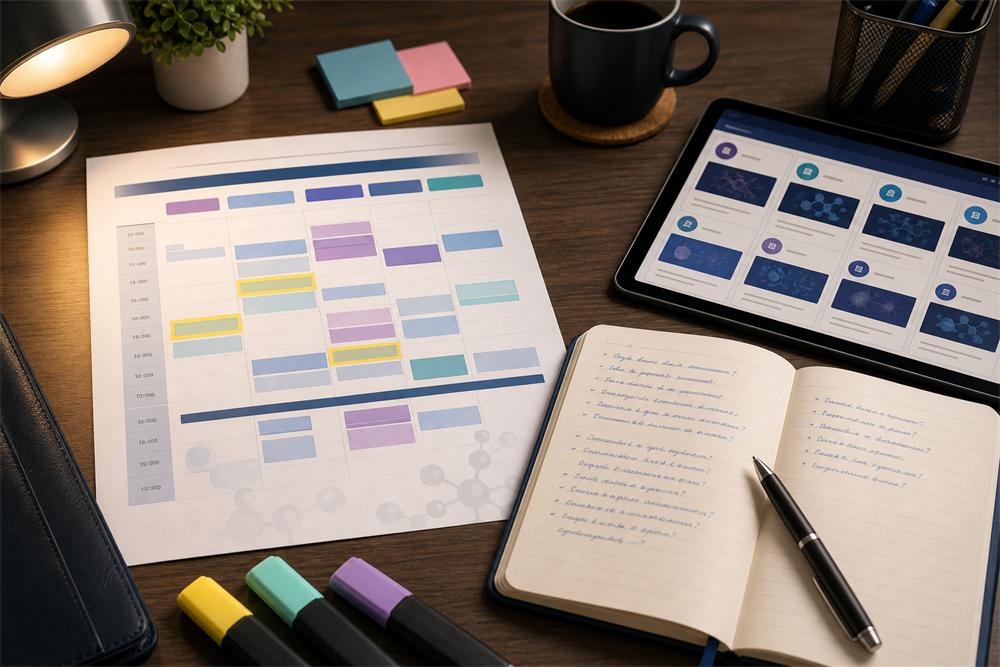
Most attendees spend a great deal of time planning their itinerary before the event: booking flights, reserving hotels, scheduling sessions, and setting up meetings. While these are certainly necessary, they address “efficiency,” not “effectiveness.” What truly determines the outcome of your attendance is the set of questions you bring with you.
A set of well-crafted validation questions can help you quickly identify, at booths and during sessions, which suppliers are worth exploring further, which projects are worth pursuing, and which technologies are merely concepts. The following three sections are organized by focus area and provide lists of ready-to-use questions. These are specific technical validation questions tailored to GLP-1/peptides, ADCs/highly active compounds, and clinical trials/collaborations—not generic checklists.
Behind each question lies a core criterion: Is this product, technology, or collaboration truly better than existing solutions, or is it simply more trendy? By entering the event with this criterion in mind, you won’t lose your way amid the hype.
Table 23: Overview of Validation Questions for the Three Areas
| Area | Core Criterion | Number of Questions | Applicable Scenarios |
| GLP-1/Peptides | Is this product better than existing solutions, rather than just more popular? | 8 | Booth meetings, technical presentations, BD evaluations |
| ADC/High Potency | Has the technical complexity been adequately addressed by the quality system? | 8 | CDMO evaluations, supplier screening, facility inspections |
| Clinical and Collaboration | Can the collaboration drive the project forward, rather than remaining at the level of mere business contact? | 8 | CRO evaluation, BD meetings, project evaluation |
7.1 GLP-1 / Peptide Area
The core criterion for GLP-1 and peptide-based approaches is whether the product is genuinely superior to existing treatments, rather than simply being a trend. The following questions can be directly applied when evaluating oral formulation, muscle preservation, long-acting sustained-release, raw material supply, process scale-up, stability, cost, and clinical differentiation.
Regarding oral formulation:
Is your oral GLP-1 formulation a small molecule or a peptide? What is its bioavailability?
What absorption enhancers are used in the oral formulation? Are there any comparative data against competitors?
What are the stability data for the oral formulation? How many months of accelerated testing (40°C/75% RH) have been conducted?
Has scale-up production been conducted for the oral formulation? What is the maximum batch size?
Regarding Muscle Preservation:
What method do you use to assess body composition? DEXA, MRI, or BIA?
What are the quantitative data on muscle preservation in animal models? Is there statistical significance?
What is the mechanism of muscle preservation? Is it a combination of targets or differences in signaling pathways?
Regarding long-acting sustained-release:
Is your sustained-release technology based on PLGA microspheres or other carriers? Do you have release profile data from scaled-up batches?
How does the burst release effect change during accelerated stability testing? Do you have data spanning more than 3 months?
Who is the supplier of the PLGA material? Are there any alternative suppliers?
What is the CV value for D50 particle size after scale-up? What is the range of variation in drug loading?
Regarding the Peptide Synthesis Platform:
How many molecules with different sequences has your platform supported? Are there any examples of process reuse across projects?
What is the commercial-scale production capacity in kilograms per year? What is the current capacity utilization rate?
What impurities can be detected by the impurity profile? What are the typical purity levels and impurity distributions for a typical batch?
What is the overall yield? Are there records of optimized yields for each coupling step?
Regarding BD Evaluation:
Compared to semaglutide and tirzopentide, in what ways is this project differentiated? Are there any head-to-head data available?
What is the estimated manufacturing cost after commercialization? Can it withstand price competition after the patent expires?
When do the core patents expire? Is there an FTO analysis?
The logic behind these questions is to delve deeper layer by layer—from technology to business to patents. The first few questions verify the technical aspects, while the latter ones address commercial viability and intellectual property. If a company cannot provide clear answers to the technical questions, the subsequent questions can be skipped—projects with an unsound technical foundation are not worth further evaluation.
7.2 ADC / Highly Active Areas
The key assessment for ADC and high-potency drug candidates is whether the technical complexity has been adequately addressed by the quality system. Every stage of ADC development—coupling, linker, and payload—presents technical hurdles, but what truly determines a project’s success is whether these hurdles are covered by a corresponding quality system.
Regarding ADC coupling and quality:
What is the coupling approach? Is it site-specific or random coupling?
What is the DAR distribution? Can an HIC-HPLC chromatogram be provided? What is the CV value for DAR between batches?
What are the stability data for the linker in human plasma? What is the free payload release rate after 72 hours at 37°C?
What does the impurity profile include? What are the respective levels of free payload, unconjugated antibody, and aggregates?
Regarding high-potency manufacturing:
What is the facility’s OEL classification? Are there isolators or closed systems?
What are the residual limits for cleaning validation? What is the basis for these limits?
Is there any actual GMP production experience with ADC payloads? What is the maximum batch size?
What were the results of the most recent GMP audit? Were there any 483 observations or serious defects?
Regarding TPD Development:
How was degradation selectivity validated? Are there any whole-proteomics data available?
What is the PK/PD profile? Is the dosing interval based on the PK half-life or a PK/PD model?
Are the molecule’s physicochemical properties (solubility, permeability) suitable for oral administration? Are there any preliminary data for an oral formulation?
To what scale can the synthesis route be scaled up? Are there any challenges in purifying the intermediates?
Table 24: Criteria for Evaluating ADC/High-Potency/TPD Validation Issues
| Question Category | Key Considerations | Acceptance Criteria | Action for Failure |
| Coupling Quality | Is the DAR distribution controllable and consistent across batches? | HIC-HPLC data and CV < 10% must be provided | The supplier’s coupling technology is not yet mature; proceed with caution |
| Linker Stability | Is the linker sufficiently stable in plasma? | Free payload release rate <10% after 72 hours | High safety risk; further evaluation is required |
| High-containment facility | Does the OEL level meet the payload requirements? | OEL < 1 microgram per cubic meter; isolator available | Facility classification is insufficient; excluded |
| Cleaning validation | Is there compound-specific cleaning validation? | Residue limits and validation data are available | High risk of cross-contamination; corrective action required |
| TPD selectivity | Has a full proteomics analysis been performed? | TMT or SILAC data available | Selection unknown; high risk |
| TPD PK/PD | Is there in vivo PK/PD modeling? | Data on degradation kinetics from animal models | Lack of rationale for the dosing regimen |
The guiding principle behind these questions is “let the data speak for itself.” Each question points to a quantifiable metric: DAR CV value, percentage release rate, OEL classification, residue limits, or proteomics data. If a supplier’s response is qualitative (“Our technology is excellent” or “Our quality system is well-established”) without providing specific data, it indicates that either they do not have this data or the data is unfavorable. In either case, you should proceed with caution.
Action Recommendation: Print these questions on a single A4 sheet and bring it to the meeting. After each discussion with a supplier, quickly note the key points of their response and any relevant data next to the corresponding question. By the end of the three days, this sheet will serve as your most effective supplier evaluation tool. Suppliers who provide comprehensive answers backed by solid data should be placed on your shortlist, while those with vague or evasive responses should be downgraded or excluded. An annotated list of questions is far more reliable than vague memories three days later.
7.3 Clinical and Collaboration Directions
The core criterion for evaluating clinical and collaboration opportunities is whether the partnership can drive the project forward, rather than remaining merely at the level of business contact. Many BD deals are met with great fanfare at signing but stall during the execution phase due to coordination issues related to clinical trials, CMC, or regulatory affairs. Verifying a partner’s execution capabilities in advance at CPHI Korea can help mitigate subsequent risks.
Regarding clinical execution:
Have you ever conducted clinical trials for [your project type]? What was the largest scale?
What is the typical timeframe from IND submission to first-subject enrollment? And from first to last subject?
What is the typical query rate? How is it managed?
What were the results of your most recent GCP inspection? Were there any serious findings?
Regarding Data Quality and Registration:
What EDC system do you use for data management? Can it generate datasets in CDISC format?
Do you have any experience with pre-IND or scientific advice from the FDA or EMA?
Have data from South Korea been accepted for registration in other regions? Are there any specific examples?
What is your experience with designing bridging studies? What is the typical required sample size?
Regarding collaborative execution:
How does your clinical team collaborate with the CMC team? How do you handle issues with sample supply?
Are there any cases where cross-border business development collaborations successfully progressed to market launch? What were the biggest challenges during the collaboration process?
How are milestones typically structured in contracts? Are there any cases where a collaboration was terminated due to failure to meet milestones?
What is your experience with technology transfer? How long does it typically take to move from the laboratory to GMP production?
Table 25: Collaboration Risk Warnings and Response Strategies
| Type of Collaboration Risk | Early Warning Signs | Mid-Stage Signals | Mitigation Strategies |
| Poor Clinical Execution | The CRO cannot provide specific timelines for past projects | Enrollment rate is significantly lower than promised | Include enrollment milestones and exit clauses in the contract |
| Poor data quality | High query rate or inability to respond to queries | Systemic issues identified during data audits | Schedule a data quality audit early on |
| Failure of CMC coordination | CRO lacks understanding of the ADC/GLP-1 sample supply chain | Trial suspension due to sample supply disruption | Requested that the CRO demonstrate its sample management SOP |
| Mismatched registration strategies | CRO lacks experience communicating with the FDA/EMA | Trial design does not meet regulatory requirements | Hire an independent regulatory consultant to review the protocol |
| Partner’s failure to fulfill obligations | Collaborators unable to provide examples of past successful deliveries | Consecutive delays in milestone dates | Include breach-of-contract clauses and milestone payments in the contract |
The logic behind these issues is “verification, not trust.” At CPHI Korea, you’ll encounter many charismatic business professionals and exciting projects. However, business development deals should be based on decisions grounded in verified capabilities, not personal rapport. Every contract should be built on the premise that the other party can provide data to support its commitments. If the other party cannot answer these questions at the trade show, it is even less likely to do so after signing the contract.
Milestone design is the core mechanism for protecting the interests of both parties in a collaboration contract.A well-designed milestone structure should align with the project’s technical risks and development stage: safety milestones (e.g., Phase I DLT assessment) in the early stages, efficacy milestones (e.g., Phase II primary endpoints) in the mid-stage, and regulatory milestones (e.g., NDA submission) in the late stage. If a partner is unwilling to accept data-driven milestones or demands substantial upfront payments without tying them to milestones, this is typically a sign of insufficient capability or ulterior motives.
Action Recommendation: When meeting with potential partners at CPHI Korea 2026, use a checklist of clinical and collaboration-related questions as a “second-round screening tool.”Use brief conversations at the booth during the first round to assess a partner’s basic scope of capabilities, and use these questions during the second round (one-on-one meetings) to thoroughly verify their execution capabilities. For each partner that passes the second-round screening, request detailed timelines for 1–2 past projects as references. If a partner cannot provide even one verifiable past case, its ability to fulfill obligations is questionable.
Additional Note: In practice, the question lists for the three areas above should be adjusted based on the specific characteristics of your project. If your project involves an oral GLP-1 drug, the GLP-1/peptide question list is key, while the ADC/high-potency section can be simplified. If your project involves an ADC, the ADC/high-potency section is key, and you should focus on asking detailed questions regarding the ADC sample supply chain within the clinical and collaboration sections.The priority of the question list should align with your project’s risk areas—prepare the most questions for the stage where you are most concerned about potential issues.
Here are a few practical tips on how to use the question list. First, do not pull out a piece of paper at the booth and read the questions verbatim; this makes the conversation feel mechanical. Memorize the key questions in advance and bring them up naturally during the conversation.Second, when the other party responds, quickly jot down key data (numbers, specifications, timelines) rather than writing down every word they say. Third, if the other party evades a question or gives a vague answer, don’t press for details on the spot; make a note of it and follow up later to gain a deeper understanding. Fourth, spend 30 minutes each day after the exhibition ends reviewing the information collected that day and noting which suppliers are worth revisiting the next day.
Table 29: The Five Stages of Information Gathering and Their Core Tasks
| Information Gathering Stage | Timeline | Core Tasks | Deliverables |
| Pre-meeting Preparation | 1–2 Weeks Before Departure | Screen target exhibitors and sessions; prepare a list of questions | Question list (A4 paper) + meeting schedule |
| Exhibition Day 1 | August 25 | Tour the Bio Zone + 2–3 in-depth meetings + technical reports | Meeting notes + preliminary supplier ranking |
| Exhibition Day 2 | August 26 | 2–3 in-depth meetings + technical report + further exploration | Update supplier rankings + identify companies to revisit |
| Exhibition Day 3 | August 27 | Revisit key exhibitors + confirm follow-up communication channels | Final supplier shortlist + follow-up action plan |
| Post-event follow-up | Within 48 hours of returning to the office | Compile meeting notes + prepare evaluation report | Internal evaluation report + assignment of follow-up tasks |
Strategy for Selecting Technical Report Sessions: The CPHI Korea seminar agenda is typically released 6–8 weeks prior to the event. When selecting sessions, do not rely solely on the titles; consider the speakers’ backgrounds and affiliations. Speakers from corporate R&D departments typically share more process details and practical case studies, while those from academic institutions may focus more on basic research.For CMC teams, prioritize sessions whose titles include key terms such as “process,” “scale-up,” “quality,” and “analytical methods.” For BD teams, prioritize sessions containing key terms such as “collaboration,” “licensing,” and “commercialization.” If a session features a speaker from a potential partner you are evaluating, be sure to attend—the speaker’s presentation may offer more candid insights than booth discussions.
Regarding how to take notes during booth meetings: In a noisy exhibition environment, handwritten notes may not be feasible. We recommend using your phone to record audio (with the other party’s consent) or using a speech-to-text tool to capture the conversation in real time.Immediately after each meeting, spend 2–3 minutes adding key details: vendor name, contact’s name and title, assessment of core technical capabilities (1–5 points), key data points, and follow-up items. These notes will become your most reliable basis for evaluation three days later. The human brain’s memory reliability drops significantly after three consecutive days of intense information intake; written records are your only safeguard.
Finally, regarding the iteration of your question list.The list of questions you use at CPHI Korea should be revised after the event based on your actual experience. Determine which questions were effective (quickly distinguishing supplier capabilities), which questions the other party tended to evade (requiring a different phrasing), and which questions omitted important dimensions (needing to be supplemented). After 2–3 iterations across trade shows, your list of questions will evolve into a highly effective supplier evaluation tool. The iterative process of refining this tool is, in itself, a process of enhancing your ability to participate in such events.
Prioritizing your list of questions should be adjusted based on your project’s stage. If your project is in the early stages (preclinical/Phase I), questions regarding manufacturing feasibility and clinical design are key—you need to confirm whether the technical approach can be scaled up and whether clinical trials can proceed as planned.If your project is in the mid-to-late stages (Phase II/III), the focus shifts to manufacturing stability and regulatory strategy—you need to confirm whether commercial supply can be guaranteed and whether the data can be used for global regulatory submissions. If your role is in business development (BD) or investment, the focus is on clinical differentiation and partner capabilities—you need to assess whether the project has commercial value and whether the partner can deliver. The question list is not static; it should be dynamically adjusted according to the project stage and your role.
Regarding techniques for using the checklist in different scenarios, a few points are worth adding. During technical presentation sessions, you cannot ask questions directly, but you can use the checklist as a “listening framework”—while listening to the presentation, use the checklist to note down relevant information mentioned by the speaker. If the speaker proactively discusses a specific aspect on the checklist (such as a DAR distribution control strategy), it indicates that the company has real-world experience.If the speaker avoids a particular dimension (such as discussing weight loss results without mentioning body composition), it suggests that dimension may be a weakness for the company. Use the checklist for “passive verification” during sessions and for “active verification” at exhibition booths; combining both approaches allows for a more comprehensive assessment.
When using the checklist during booth discussions, there are several communication techniques that can improve the efficiency of information gathering. First, discuss the background before asking core questions—start by asking about the company’s size, major clients, and core business focus; once you’ve established a conversational atmosphere, delve into technical details.Second, use open-ended questions instead of closed-ended ones—don’t ask, “Can you do ADC?” (they’ll inevitably say yes), but rather, “What was the biggest process challenge you faced when working on an ADC project?” (they’ll have to provide a specific answer).Third, ask about the source of the data—when the other party provides a figure, ask, “Which batch does this data come from? What was the scale of that batch?” This will help you assess the credibility of the data. Fourth, pay attention to nonverbal cues—hesitation, evasion, or changing the subject during their response all suggest that area is their weak point.
Table 37: Techniques for Using the Question List in Different Scenarios and Interpreting Signals
| Question Type | Example | Possible Genuine Responses | Signal Interpretation |
| Open-Ended Technical Questions | What was the biggest process challenge you faced when developing ADCs? | Provide a specific description of DAR control or linker stability issues → Indicates experience | Vague responses such as “high technical barriers” → Lack of experience |
| Follow-up Questions on Data | What batch size does this yield data come from? | Clearly state the volume and lot number → backed by data | Vague statements such as “around this level” → Inaccurate data |
| Failure Cases | Have you encountered any batch failures during the scale-up process? | Openly discuss the causes and corrective actions → Demonstrates manufacturing experience | Saying “We’ve never had a failure” → Untruthful or inexperienced |
| Competitor Comparison | What advantages do you have over XX? | Specific, data-driven comparisons → Demonstrates market understanding | Simply saying “We’re better” → Lack of competitive analysis |
| Timeline Validation | How long did it take for your last project to go from IND to the first patient enrollment? | Provide specific months and an analysis of the reasons → Demonstrates execution experience | Saying “it was fast” but failing to provide specific numbers → Lack of practical experience |
Supplementary notes on the GLP-1/peptide question list: Following the release of the ADA 2026 data, the buzz surrounding oral GLP-1 will carry over to CPHI Korea. When attendees ask follow-up questions about oral formulation, they should use the ADA data as a reference—if a Korean company claims to have an oral GLP-1 solution, ask how its weight-loss efficacy compares to Orforglipron.How does its bioavailability compare to that of oral Wegovy? If the representative cannot clearly explain the ADA 2026 data, it indicates limited understanding of the competitive landscape. Desk research prior to the conference (at a minimum, reviewing the key data releases from ADA 2026) is a prerequisite for the effective use of this question list.
Supplementary notes on the ADC/High-Potency Track question list: Sessions in the ADC Track typically feature presentations on conjugation technology and quality control.While listening to these presentations, be sure to note the specific testing methods and parameter ranges used by the speakers—this information can be used to verify a supplier’s responses during booth discussions. If the parameter ranges cited by sales representatives at the booth do not match those in the session presentations, it indicates either that the sales representatives lack technical knowledge or that the supplier’s technical capabilities do not match those of the presenters. Cross-verifying information from session presentations and booth discussions is one of the most effective methods for evaluating suppliers at CPHI Korea.
Supplementary notes on the checklist for clinical and collaboration topics: During the Clinical Trials Policy Track, be sure to record details of policy changes mentioned by MFDS officials or experts. This information can be used during discussions with CROs to test their policy awareness—if a CRO is unaware of recent updates to MFDS guidelines, it indicates limited capability in registration strategy.Similarly, during business development (BD) meetings, use the partner’s past project timelines to verify the credibility of their commitments—if a partner claims “technology transfer can be completed in 6 months,” but their past projects have taken an average of 12 months, you have reason to question that commitment. The ultimate purpose of the checklist is to compare the other party’s commitments with verifiable facts.
Here are a few key points regarding the final use of the question checklist. First, the question checklist is a tool, not a dogma—during actual discussions, you should flexibly adjust the order and depth of your questions based on the flow of the conversation, rather than mechanically asking each item on the list one by one. Second, the effectiveness of the question checklist depends on your industry knowledge—if you do not understand the meaning of DAR distribution, you will not be able to judge the credibility of the other party’s response even if you ask the question. Pre-meeting desk research is just as important as the question checklist.Third, the list of questions should cover three dimensions: technical, commercial, and collaborative. Do not focus solely on technical aspects while neglecting commercial feasibility and the ability to execute the partnership. Fourth, the output of the list of questions should be a set of assessments regarding the supplier, project, or partner—these assessments should be supported by data, not based on gut feelings. Do not aim to obtain a complete set of answers to the questionnaire. Enter the meeting with questions and leave with assessments—this is the core principle for maximizing the effectiveness of your participation at CPHI Korea.
A deeper principle regarding question design: precise questions allow the other party to demonstrate their capabilities, while vague questions only elicit standard answers. For example, “Can you perform ADC conjugation?”—the other party will almost always say “yes.” Instead, ask: “In one of your recent ADC conjugation projects, what type of linker was used? What is the narrowest DAR distribution you’ve achieved? What is the CV value of DAR between batches?”—These three follow-up questions present the other party with two choices: either provide specific data to prove their capabilities, or admit they cannot do it. During meetings at CPHI Korea, the quality of your questions directly determines the quality of the information you obtain. You can practice your questions before the event using role-playing—have a colleague play the role of an exhibitor answering your questions to see if your questions can elicit substantive information.
Regarding the design framework for verification questions, there’s also a “reverse verification” technique. After obtaining a positive response from a supplier, verify it from another angle: on Day 1, speak with Supplier A to obtain their technical specifications; on Day 2, attend a session featuring a relevant technical presentation; and on Day 3, speak with Supplier B (A’s competitor) to test whether B acknowledges A’s technical specifications. This triangulation method helps you identify exaggerated claims and false promises.If the technical specifications from all three sources align, their credibility increases significantly. During the three days of CPHI Korea, you’ll have ample time for cross-verification—take advantage of this window of opportunity and don’t let a supplier’s one-sided statements be your sole basis for judgment.
There’s also a deeper technique for verification: designing a chain of follow-up questions. A single question yields only partial information, but a series of progressive follow-ups can thoroughly expose a supplier’s capabilities. For example, ask first, “What is the yield of your coupling process?” If the answer is 60–70%,ask a second question: “At what reaction scale was this yield measured?” If the answer is “gram scale,” ask a third question: “How much does the yield drop when scaled up to the kilogram scale?” If the other party begins to hesitate or evade the question, it indicates insufficient data at larger scales. The technique behind this progressive line of questioning is to first open the conversation with a broad question, then follow up with more specific data-driven inquiries to test the credibility and depth of the response. During your meetings at CPHI Korea, the depth of your follow-up questions determines the depth of the information you can obtain.You can improve your proficiency in follow-up questioning through pre-meeting mock exercises—ask a colleague to play the role of an exhibitor representative and run through your list of questions to see if the line of questioning flows smoothly and if the other party’s answers can be further explored. Another benefit of mock exercises is that they help you determine whether your questions are clearly phrased, avoiding awkward situations during formal discussions where the other party doesn’t understand what you’re asking or gives vague answers.We recommend noting during the simulation any instances where a follow-up question was evaded or answered vaguely. These points often reveal the other party’s weaknesses and areas requiring further verification; they should be marked as “high risk” in the meeting minutes for reference during subsequent in-depth research and supplier audits.
8. When leaving Seoul after this bio meeting, attendees should know which technologies are merely “trends” and which are nearing productization

After the three-day CPHI Korea event concludes, attendees should leave Seoul with more than just business cards and brochures in their suitcases—they should also have a set of assessments regarding the maturity of various technologies.
The true significance of CPHI Korea 2026 is not to confirm that GLP-1, ADC, and TPD remain hot topics—you don’t need to fly to Seoul to verify that. Its value lies in helping attendees identify which companies, platforms, and service providers truly possess the capability to bring projects to fruition. Hype will fade, but the ability to deliver will translate into long-term competitiveness.If, over the course of three days, you only remember who is working on which projects, you’ve wasted the trip. If you can determine who has the capability to turn those projects into products, you’ve brought back real value.
Looking back at the eight chapters of this article, one central theme runs throughout: innovative drug development has entered its second half. The first half relied on proof of concept and clinical data; the second half depends on process, quality, manufacturing, and the supply chain. This assessment is not abstract; it is evident in every track, every booth, and every meeting at CPHI Korea.
Table 26: Distinguishing Between “Just a Hype” and “Close to Product” in the Four Major Tracks
| Track | Technologies in the “Just a Hype” Stage | Technologies Close to Commercialization | Key Indicators Distinguishing the Two |
| GLP-1 | Oral or long-acting formulations that are merely conceptual, with no data to support their scale-up | Oral small molecules with commercial batch data or clinically validated muscle-preserving regimens | Availability of release profiles from scaled-up batches and clinical data on body composition |
| ADC | ADC platforms that only present molecular structures | ADC pipelines with DAR distribution data and GMP manufacturing experience | Are there HIC-HPLC data and commercial manufacturing experience? |
| TPD | PROTACs with only in vitro degradation data | TPD molecules with in vivo PK/PD data and degradation selectivity analysis | Are there proteomics-based selectivity data and PK data from animal models? |
| Clinical | A CRO that only promises rapid patient enrollment | CROs with global registration experience and MRCT coordination capabilities | Do they have a track record of FDA/EMA communications and the capability to submit CDISC data? |
This table serves as a post-conference self-assessment tool. Once back in the office, fill in the corresponding cells with the companies and projects you encountered at CPHI Korea. For those falling into the “Just Hype” category, keep an eye on them but don’t rush into action. For those in the “Close to Product” category, prioritize in-depth evaluation and collaboration discussions. This simple classification provides more decision-making value than a thick notebook full of conference notes.
8.1 Summarizing the Entire Article with Three Questions
If you want to take a set of decision-making tools with you when you leave Seoul, the following three questions can serve as the core framework to wrap up this article. They apply to every project, every supplier, and every partner you encountered at CPHI Korea.
First question: Is this project’s differentiation recognized by both the clinical and market communities?
This question combines technical differentiation with commercial viability. A project’s differentiation may hold true only on a technical level (such as a new target or mechanism), but if clinical data cannot demonstrate that it is superior to existing therapies, or if the market does not accept its pricing and administration methods, that differentiation has no commercial value.In the GLP-1 space, the answer to this question is particularly harsh: “me-too” products with efficacy comparable to semaglutide—even if they follow a different technical approach—struggle to gain market acceptance. True differentiation must hold up both in clinical data and market positioning.
Second question: Can its manufacturing and quality systems support scaling up?
This question shifts the focus from the laboratory to the manufacturing facility. A project with outstanding clinical data will see its commercial prospects severely diminished if the manufacturing side cannot support commercial-scale supply. Production capacity bottlenecks in GLP-1, the high-activity production barriers for ADCs, and the CMC complexity of TPDs are all examples where manufacturing capabilities determine a project’s success or failure. At CPHI Korea, by probing process parameters, batch data, and facility classifications, you are addressing this very question.A company with a mature manufacturing system can maintain stable quality and costs during the scaling-up process; a company with only laboratory capabilities will encounter endless problems when scaling up.
The third question: Can the partner turn technical commitments into deliverables?
This question shifts the focus from PowerPoint presentations to execution. The essence of business development (BD) transactions is exchanging capital for technical commitments, but whether those commitments can be turned into deliverables depends on the partner’s execution capabilities. A partner who makes grand claims at the booth but cannot provide past delivery records, GMP audit reports, and specific timelines off the booth remains merely making promises. A partner’s value lies not in what they say, but in what they have accomplished in the past.
Table 27: Decision-Making Framework for the Three Convergence Questions
| Question | Evaluation Dimensions | Methods for Gathering Information at CPHI Korea | Consequences of Failure |
| Can the differentiation be recognized by both the clinical community and the market? | Clinical Data + Market Positioning | Session Reports + BD Meetings + Competitor Comparisons | Product lacks commercial value; low return on investment/BD |
| Can the manufacturing and quality systems support scaling up? | Process Maturity + GMP System | Booth Meetings + Facility Tours + Batch Data | Commercial supply is hindered, causing project delays |
| Can the partner turn technical commitments into deliverables? | Execution Capability + Track Record | Delivery Cases + Audit Reports + Timeline | Stalled Collaboration, Wasted Time and Resources |
These three questions cannot be answered once and for all; they require repeated verification at every stage of the project’s progression. The information gathered at CPHI Korea serves as the foundation for the initial verification, while subsequent technical due diligence, facility audits, and contract negotiations will provide more in-depth insights. However, if you fail to pass the preliminary verification of these three questions at the CPHI Korea stage, further investment is likely to be a waste of time.
CPHI Korea 2026 won’t give you all the answers, but it will provide enough signals to make preliminary judgments. Over three days at COEX in Seoul, with 12,000 attendees and four tracks—ADC, GLP-1, TPD, and Clinical Trials—every booth and every session conveys information. Whether you can turn this information into sound judgments depends on the questions you bring to the event, the framework you use to process the information, and the actions you take after the conference.
I hope the list of questions and the evaluation framework provided in this article will help you spend your three days at CPHI Korea 2026 where you can derive the most meaningful insights. The value of the exhibition lies not in its scale, but in the insights you take away from it.
Returning to the central assessment raised at the beginning of this article: The core question in 2026 is no longer “which technology is the hottest,” but rather who can turn that technology into a product that is manufacturable, quality-controllable, scalable, and accepted by both the clinical community and regulators. Every meeting, every technical report, and every booth conversation during the three-day event can be filtered through this lens.A project that makes grand claims at the booth but lacks batch data is nothing more than hype, no matter how popular it may be. A supplier who is quiet but can present impurity profile comparisons from three consecutive batches is the partner you can trust.
From a broader perspective, CPHI Korea 2026 reflects a turning point for the Asian pharmaceutical industry. Over the past decade, the role of the Asian pharmaceutical industry (including South Korea, China, and India) in the global supply chain has been shifting from “low-cost manufacturing” to “the commercialization of innovative drugs.” South Korea’s accumulated capabilities in peptide synthesis, ADC conjugation, and biosimilar production have positioned it as a pioneer in this transformation. But being a pioneer does not equate to maturity.Can South Korean companies transform their laboratory technology platforms into commercially viable production systems? Can they integrate South Korean clinical data into global registration strategies? Can they meet FDA and EMA standards during GMP audits? Clues to the answers to these questions can be found at the booths and sessions of CPHI Korea.
For attendees in the GLP-1 sector, CPHI Korea 2026 offers a window into the true manufacturing capabilities of South Korean peptide companies.Oral formulation, muscle preservation, and long-acting sustained-release—all three directions present technical challenges as well as commercial opportunities. You need to assess which Korean companies possess genuine platform reusability (rather than merely packaging a star pipeline), which delivery and sustained-release suppliers have release curve data for scaled-up batches, and which business development targets can stand their ground on both the dimensions of clinical differentiation and manufacturing feasibility.Data presented at ADA 2026 for Eli Lilly’s Orforglipron and Novo Nordisk’s oral Wegovy have set the benchmark. Whether Korean companies’ solutions can compete with this benchmark lies in their process data—not in their PowerPoint presentations.
For attendees in the ADC and TPD sectors, the ADC Track and high-potency manufacturing facilities at CPHI Korea 2026 are key focal points. ADC coupling uniformity, linker stability, impurity profiles, and release testing methods are hard metrics that distinguish a company’s technical maturity.For high-potency manufacturing, OEL levels, isolation systems, cleaning validation, and cross-contamination control are hard metrics that distinguish the tier of CDMO facilities. For TPDs, degradation selectivity, PK/PD relationships, and CMC strategies are hard metrics that distinguish project maturity. A checklist covering these three dimensions is provided in Chapter 7; bring it with you, and you won’t waste a single day of the three-day event.
For attendees from clinical and business development (BD) teams, the Clinical Trials Policy Track and the BD opportunities in the Bio Zone at CPHI Korea 2026 are key focuses.The global acceptability of Korean clinical data, a CRO’s ability to bridge clinical, CMC, and regulatory functions, and a BD partner’s track record of performance are the three dimensions that require verification. A good CRO should understand the development timelines for GLP-1, ADC, and TPD projects and be able to coordinate clinical needs, sample supply, quality documentation, and regulatory communications. A reliable BD partner should have a verifiable track record of past deliveries and a clear milestone plan.
Table 28: Key Considerations and Next Steps for Different Roles Upon Departing Seoul
| Attendee Role | Key Takeaways Upon Departure from Seoul | Basis for Assessment | Follow-Up Actions |
| CMC Team | Which Suppliers Meet the Actual Manufacturing Capability Standards | Batch data, impurity profiles, facility classification, audit reports | Schedule a technical video call or factory audit |
| BD Team | Which project differentiators are supported by data | Clinical data, manufacturing cost models, patent FTO | Proceed to the detailed due diligence process |
| Investment Team | Which companies have verifiable technological barriers | Commercialization progress, customer case studies, and delivery track record | Arrange management meetings and site visits |
| CROs/Service Providers | Peer companies’ actual capabilities in high-end market segments | Project experience, team composition, data quality | Evaluate collaboration or competition strategies |
| First-time exhibitors | Preliminary Assessment of the Exhibition Landscape and Target Exhibitors | Records of booth meetings and session notes | Develop a follow-up plan |
Finally, it is worth noting that CPHI Korea is just one stop on the global pharmaceutical exhibition circuit. It takes place in August, followed by CPHI Frankfurt (October) and BIO Europe (November), among others. The information gathered and connections made at CPHI Korea can be validated and deepened at subsequent exhibitions. An effective participation strategy involves linking multiple exhibitions together to continuously track industry trends, rather than treating each event as an isolated occurrence.
The weather in Seoul, South Korea, remains relatively hot in late August (average temperature 25–30 degrees Celsius). While the COEX is well-air-conditioned, it can feel stuffy when the exhibition halls are crowded.Business casual attire is recommended for the event; business suits are appropriate for formal meetings. The COEX basement features a shopping mall and dining area, so lunch can be taken within COEX to save time. If your meeting schedule is tight, it is advisable to book meeting rooms in advance—either inside COEX or in the surrounding area (some exhibitors have private meeting rooms set up away from their booths). Seoul’s subway system serves COEX (Samseong Station), providing convenient transportation.
If attendees are to take away just one thing from their visit to Seoul, it should be this framework: once the initial hype subsides, the ability to deliver tangible results will become a long-term competitive advantage.Every booth, every session, and every meeting at CPHI Korea 2026 can be filtered through this framework. Companies that can provide data to back up their technical claims are worth following closely, while those that offer only concepts and sales pitches should be kept at a distance. With only three days available, focus your attention on the people and projects that can present data—the insights you take away from Seoul will be sufficient to support your future decisions.
Returning to the first question—whether differentiation can be recognized by both the clinical community and the market—requires further elaboration. In the GLP-1 space, achieving differentiation has become extremely difficult. The weight loss effects of semaglutide and tirzopotide (15–22% body weight loss) have set a very high benchmark.For latecomers seeking to differentiate themselves against this benchmark, options include: exceeding the weight loss magnitude (though safety may be compromised); improving body composition (preserving muscle mass); achieving breakthroughs in dosing convenience (oral/long-acting); or gaining a cost advantage (supporting lower pricing). The difficulty and commercial returns vary across these four directions, so attendees need to assess which path is most viable based on their project’s specific characteristics.
In the ADC space, assessing differentiation is even more complex. ADC differentiation can manifest across multiple dimensions, including target selection (new targets vs. validated targets), payload type (microtubule inhibitors vs. DNA-damaging agents vs. novel payloads), linker design (cleavable vs. non-cleavable vs. novel linkers), and conjugation technology (random vs. site-specific).However, differentiation does not necessarily equate to superiority—if an ADC targeting a new target lacks sufficient safety data, if a new payload lacks a sufficient therapeutic window, or if a new linker lacks sufficient plasma stability data, these differentiating factors may become clinical disadvantages. At CPHI Korea, assessments of differentiation should be based on data rather than concepts.
In the TPD space, differentiation currently manifests primarily in target selection and molecular type (PROTAC vs. molecular glue). However, since no products have yet been approved in the TPD category, there is a lack of benchmarks for clinically validating differentiation. This means that assessing the differentiation of TPD projects relies more heavily on preclinical data (degradation efficiency, selectivity, PK/PD) and early clinical data (safety, efficacy biomarkers).At CPHI Korea, if a TPD project claims differentiation but lacks supporting data, that differentiation is nothing more than a story on a PowerPoint slide.
Returning to the second question—whether the manufacturing and quality systems can support large-scale production—this needs to be understood on two levels. The first level is “whether it can be produced,” that is, whether the company has the complete process development capabilities to scale up from the laboratory to GMP production.The second level is “whether it can be produced consistently,” meaning whether the company has the capability to control batch-to-batch consistency and maintain a robust quality system. Many companies can meet the first level (as long as they have a GMP facility), but the second level is the true dividing line. Batch-to-batch consistency depends on the depth of understanding of the process, the ability to monitor core quality attributes, and the capacity to investigate and correct deviations—these capabilities require time to build and cannot be acquired overnight.
Methods for verifying manufacturing capabilities at CPHI Korea have already been discussed in detail in previous chapters. Here, I’ll add a practical assessment tip: observe how a company discusses its failure cases. A company with genuine manufacturing experience can candidly discuss the challenges encountered during scale-up, the causes of batch failures, and the effectiveness of corrective actions. A company with only concepts and no practical experience will avoid discussing failure cases and will only say, “Our technology is very mature.” The level of candor regarding failures is directly proportional to the depth of manufacturing experience.
Returning to the third question—whether a partner can turn technical commitments into deliverables—requires further discussion at the contract design level. The design of milestones in business development (BD) contracts is the core mechanism for protecting the interests of both parties.However, designing milestones is a technical art in itself: if milestones are set too loosely (e.g., requiring only “submission of an IND”), the partner may lose motivation after receiving payment; if milestones are set too tightly (e.g., requiring “achievement of the primary endpoint in Phase III”), the partner may be unable to meet them due to uncontrollable factors (such as slow patient enrollment). A well-designed set of milestones should align with the project’s technical risks and development timeline, and each milestone should have clear, verifiable criteria for achievement.
Table 36: Risks and Protective Measures for BD Contract Elements
| Contract Elements | Risk Points | Protective Measures | Verifiable Information at CPHI Korea |
| Milestone Design | Milestones Too Loose or Too Tight | Align with the project development pace and set verifiable standards | Partner’s historical project milestone achievement rate |
| Payment Structure | Excessive upfront payments, with insufficient constraints on subsequent payments | Upfront payments account for <30%; subsequent payments are tied to milestones | The partner’s financial condition and funding needs |
| Intellectual Property | Unclear Ownership of Core IP | Clarify ownership of background IP and prospective IP | Partner’s patent portfolio and FTO analysis |
| Termination Provisions | Unclear Termination Conditions | Establishing Data-Based Termination Rights and Exit Mechanisms | Partner’s history of terminated collaborations |
| Delivery Timeline | Timeline Is Too Optimistic | Establish buffers and mechanisms for handling delays | Actual vs. Committed Timelines for the Partner’s Past Projects |
These three questions form a progressive evaluation framework. The first question (differentiation) addresses “Is it worth doing?”—if differentiation is not recognized, the project has no commercial value.The second question (manufacturing capability) addresses “Can it be produced?”—if the manufacturing side does not support it, the project cannot be commercialized. The third question (partner capability) addresses “Can it be successfully executed?”—if the partner cannot deliver, the project will stall. Only projects that pass all three questions are worth investing time and resources in. During the three days at CPHI Korea, your goal is to use these three questions to filter out projects and partners worth pursuing further.
Finally, regarding the action plan after the conference. Once you return to the office, you should complete the following tasks within one week: First, organize all meeting transcripts and session notes into structured information documents (categorized by vendor, project, or technology area). Second, conduct a preliminary evaluation of the vendors and projects on the shortlist (using a three-question framework to assign scores). Third, arrange follow-up actions—schedule technical video calls or factory audits for high-scoring vendors, and arrange detailed due diligence for high-scoring projects.Fourth, integrate the industry trend insights gained during the conference into your team’s strategic planning. The value of attending lies in the follow-up actions it triggers, not in the attendance itself.
Regarding the positioning of CPHI Korea 2026 within your annual conference schedule, we recommend planning it for August. The ADA (June) and ASCO (June) conferences in the first half of the year provide updates on clinical data, while CPHI Korea (August) serves to validate manufacturing and commercialization capabilities. In the second half of the year, BIO Europe (November) and CPHI Frankfurt (October) offer business development (BD) transaction opportunities and supplier comparisons.By placing CPHI Korea within this timeline, its role is defined as “validating manufacturing and commercialization capabilities after clinical data updates and before the business development (BD) transaction season.” This positioning determines what you should focus on at CPHI Korea: manufacturing capabilities, process maturity, and partners’ execution capabilities—rather than clinical data (which you’ve already seen at ADA and ASCO).
Finally, let’s summarize CPHI Korea 2026’s unique positioning within the global pharmaceutical exhibition calendar. CPHI Korea occupies a special time window—following the first-half clinical data updates (ADA/ASCO in June) and preceding the second-half business development season (BIO Europe in November).This positioning makes it a “validation window”: using the clinical data updates from the first half of the year as a benchmark, you can validate manufacturing capabilities and partner execution at CPHI Korea to prepare for business development decisions in the second half. If you compare your annual conference schedule to an assembly line, CPHI Korea is the quality control station on that line—it doesn’t generate clinical data or execute business development deals, but it helps you make more reliable judgments between the two.
Regarding post-conference knowledge management, this is an often-overlooked yet far-reaching aspect. The information and insights an individual brings back from CPHI Korea have limited value to the organization if they remain solely in that person’s mind. A better approach is to establish a structured “post-conference reporting mechanism”: In the first week, organize all meeting records, session notes, and technical materials to compile a conference report (including supplier evaluations, industry trend assessments, and competitive landscape analyses);in the second week, hold a post-conference sharing session within the team so that colleagues who did not attend can also access key information; in the third week, archive the data and insights from the conference report into the team’s knowledge base to provide a baseline reference for the next conference (or for the next colleague attending). This knowledge management mechanism transforms an individual’s conference experience into a collective accumulation of team capabilities—this is the closed-loop process that maximizes the return on investment from CPHI Korea.
Finally, regarding the relationship between CPHI Korea 2026 and long-term industry trends. By 2026, the pharmaceutical industry will be at a turning point: the GLP-1 sector will transition from clinical validation to commercial-scale production; ADCs will move from early approvals to expansion into major indications; TPD will progress from proof of concept to clinical validation; and the role of Asian clinical trial data in global regulatory approvals will continue to grow.CPHI Korea 2026 provides the perfect venue to observe how these trends are taking shape. If you’re on a business development (BD) team, you’ll see which projects have reached commercialization maturity; if you’re on a CMC team, you’ll witness the actual manufacturing capabilities of Asian CDMOs; and if you’re on a clinical team, you’ll have the opportunity to discuss policy details directly with the MFDS.CPHI Korea is not just another industry gathering—it is a concentrated showcase of the Asian pharmaceutical industry’s true capabilities. All you need to do is spend three days transforming what you see into a set of data-driven assessments.
Regarding the attendance budget for CPHI Korea 2026: if your team sends one person, the total cost (airfare, hotel, registration fee, meals, and transportation) is estimated to be between $3,000 and $5,000. If you send two people (one from CMC and one from BD), the total cost will be approximately $6,000 to $9,000.While this may seem like a significant expense, the cost of attending CPHI Korea is extremely low compared to the losses resulting from a failed technology transfer or the selection of a substandard supplier. If your team is on a tight budget, you may consider limiting attendance to non-core personnel, but ensure that at least one or two key personnel (CMC or BD) attend. In terms of budget allocation, the cost of attending CPHI Korea should be viewed as an investment in supplier validation and staying current on the latest technological developments, rather than an administrative expense.For companies considering exhibiting or sending multiple attendees, the total ROI (return on investment) for booth fees and multi-attendee registration costs can be quantified: if a single attendance helps you weed out an unqualified supplier, validate a promising project direction, or gain insight into a technological trend that competitors have not yet identified—thereby avoiding at least hundreds of thousands or even millions of dollars in subsequent R&D or BD decision losses—this investment in attendance has already paid for itself and delivered a substantial return.From this perspective, CPHI Korea is a highly cost-effective investment in industry intelligence and technology validation, offering a very substantial return on investment. Given budget constraints, sending a small team (2–3 people) to CPHI Korea—with each member responsible for different tracks and exhibitor meetings, followed by post-event information consolidation and cross-verification—can maximize the informational returns from the event.
Finally, a note on how to distribute information within the team after the event. If you are the only one attending, your colleagues will have to rely on your verbal account upon your return to the office, which can result in a significant loss of detail.We recommend starting to organize key takeaways on your return flight (making use of travel time) and completing a 3–5-page conference briefing—including key findings, recommended actions, and risk warnings—within 24 hours of landing, then sharing it with the team. This briefing serves not only as a communication tool but also as an archived document that establishes a baseline for future conferences. For executives with limited time but sufficient budget, this briefing may be their sole basis for making follow-up decisions.
9. Bio Meeting Frequently Asked Questions (FAQ)
Q1: What is the difference between CPHI Korea 2026 and CPHI Shanghai? Which one should I choose?
Both events are part of the CPHI Global series but have different focuses. CPHI Shanghai is larger in scale and covers a more comprehensive range of the Chinese pharmaceutical supply chain, making it ideal for finding local Chinese suppliers and gaining insight into the Chinese market.CPHI Korea is smaller but more focused. South Korea has unique strengths in peptide synthesis, ADCs, and biosimilars, and the Bio Zone features high-quality tracks. If your project is directly related to the capabilities of South Korean companies (peptides, ADCs, highly active compounds), or if you want to understand the progress of innovative drug commercialization in Asia, CPHI Korea is worth attending. If your budget and schedule allow, attending both events will provide a more comprehensive view of the Asian pharmaceutical industry.
Q2: I’m part of a CMC team and only have one day to attend. How should I plan my schedule?
One day is very tight, so we recommend adopting a “3+2+1” strategy: identify three target exhibitors for in-depth meetings (20–30 minutes each), attend two technical presentation sessions most relevant to your project, and set aside one hour to quickly walk through the Bio Zone for additional exploration.Avoid stopping at any non-target booths and focus your time on interactions that provide substantive technical information. Within 24 hours after the event, organize your meeting notes and highlight key information for each supplier. One day isn’t enough to see the entire exhibition, but it’s sufficient to evaluate the capabilities of 3–5 key suppliers.
Table 40: Reference for CMC Team’s One-Day Conference Time Allocation — Breakdown of the “3+2+1” Strategy
| Time Block | Activity | Objective | Specific Recommendations |
| 09:00–10:30 | Attend the Core Technology Session | Gain insights into industry trends and technical details | Review the agenda in advance, select the two sessions most relevant to your project, and take notes on data and parameters |
| 10:30–12:00 | In-depth meeting with the first supplier | Verify the supplier’s technical capabilities and manufacturing standards | Use a list of questions to probe in depth into technical and quality-related details |
| 12:00–1:00 PM | Lunch/Break | Recharge and organize morning notes | Quickly summarize the morning’s key points within 30 minutes; otherwise, you’ll forget them by the afternoon |
| 1:00 PM–2:30 PM | In-depth meeting with the second supplier | Verify the second supplier’s capabilities and conduct a cross-comparison | Ask questions using the same checklist to facilitate later comparison |
| 2:30–3:30 PM | Quick Tour of the Bio Zone | Follow up with exhibitors not yet interviewed | Limit to no more than 10 minutes per person; simply collect business cards and product materials |
| 3:30–5:00 PM | In-depth meeting with the third supplier | Final verification to ensure all key suppliers have been covered | Focus on assessing collaboration dimensions and delivery capabilities |
Q3: How do South Korean CDMOs’ capabilities in the ADC field compare to those of CDMOs in Europe and the U.S.?
South Korea’s CDMO capabilities in the ADC field are among the leading in Asia, but compared to top CDMOs in Europe and the U.S. (such as Lonza and Carbogen Amcis), they may have less commercialization experience. South Korea’s advantages include relatively lower costs, close technical collaboration with Korean ADC biotech companies (such as Hanmi Pharmaceutical), and a deeper understanding of the Asian market.The gaps include: the facility scale of some South Korean CDMOs may not match that of leading European and American companies, and their experience with FDA/EMA audits may be limited. It is recommended to request on-site at CPHI Korea to review facility classification (OEL), audit reports, and delivery records of past ADC projects, using data rather than brand reputation to assess the gaps.
Table 41: Reference Framework for Comparing ADC CDMO Capabilities in South Korea vs. Europe and the U.S.
| Comparison Dimensions | South Korean ADC CDMOs | Leading European and U.S. ADC CDMOs | Recommendations for Project Partners |
| Commercialization Experience | Relatively new; most projects are in the clinical stage | Extensive; multiple projects have already been commercialized | If the project has reached Phase III, prioritize Europe and the U.S.; if in Phase I/II, South Korea may be sufficient |
| Facility Grade (OEL) | OEL levels of 1–10 µg/m³, meeting most ADC requirements | OEL can be as low as 0.1–1 µg/m³ | If the payload has extremely high toxicity (e.g., PBD), it is necessary to confirm whether the facility supports it |
| Cost Levels | 20–40% lower than in Europe and the U.S. | Benchmark price | Cost is South Korea’s strength, but it must not come at the expense of quality and reliability |
| Audit experience | There may be few recent audit records | Extensive audit experience; well-established procedures for addressing 483s | Check the most recent audit dates and results on-site at CPHI; do not rely solely on historical records |
| Technical Collaboration Network | Close collaboration with South Korea’s ADC Biotech | Deeply integrated with major global pharmaceutical companies | If a project involves technology from a South Korean biotech company, the localization advantages of a South Korean CDMO are evident |
Q4: Can oral GLP-1 formulations truly replace injectable formulations?
From a technical perspective, oral GLP-1 may replace injectables in certain patient populations, but it will not completely replace them. Bioavailability issues with oral small-molecule GLP-1s (such as Orforglipron) are being resolved, and their cost structure is expected to be lower than that of peptide injectables, which is an advantage for the long-term management of chronic diseases.However, the bioavailability of oral peptide formulations (such as oral Wegovy) remains very low (approximately 1–2%), and due to high raw material consumption, their cost advantage is not significant. Injectable formulations may still hold an edge in terms of weight loss efficacy, and if long-acting, sustained-release formulations (once-monthly injections) become technically mature, they will be just as convenient as oral options. A more likely scenario is that oral and injectable formulations will coexist, each targeting different market segments.
Q5: How does the Bio Zone “Track” at CPHI Korea differ from a typical trade show? What would you miss out on if you skipped the Track?
The Bio Zone Track is the key differentiator that sets CPHI Korea 2026 apart from the general exhibition. Discussions at booths during the general exhibition are primarily business-oriented, with limited technical depth. In contrast, the Track features technical presentations by industry experts, MFDS officials, and technical leaders from leading companies, offering content that is far more in-depth than booth discussions.Missing the Track means you’ll have to rely solely on exhibitors’ self-promotion to assess their capabilities, without the technical reports from industry experts as a reference. If you can only attend for one day, we recommend attending the Track in the morning and scheduling booth meetings in the afternoon—using the technical information gained from the Track as background knowledge for your booth discussions can significantly enhance the depth of those conversations. If you can attend for two or three days, we suggest scheduling 1–2 Track sessions each day and using the remaining time for booth meetings and networking.
Q6: If I find a suitable CDMO at CPHI Korea, what should I do next?
The CDMO you identify at CPHI Korea is only the result of an initial screening. The subsequent process includes: Step 1—Within one week after the exhibition, send a follow-up email with a project overview and non-confidential process information, requesting the signing of a Confidentiality Agreement (CDA); Step 2—After the CDA is signed, send a more detailed project description and request a preliminary technical evaluation and quotation;Step 3—Based on the technical evaluation and quote, schedule a technical video call (1–2 hours) to discuss process details and quality requirements in depth; Step 4—If the technical evaluation is approved, schedule an on-site audit (typically lasting 1–2 days) to inspect facilities, equipment, quality systems, and personnel; Step 5—After the audit is approved, proceed to contract negotiations and the signing of the master service agreement.The entire process, from the initial contact at the trade show to contract signing, typically takes 2–4 months. CPHI Korea serves as the starting point for screening and validation, not the final decision-making stage—subsequent audits and contract negotiations are equally important.
Table 43: Complete Process from CPHI Korea to Signing a CDMO Collaboration Agreement
| Stage | Time | Key Activities | Deliverables | Evaluation Criteria |
| Exhibition Selection | During the Exhibition | Meetings, sessions, and floor visits | Shortlist (3–5 CDMO candidates) | Scoring based on a three-question framework |
| Post-event follow-up | 1–2 weeks after the exhibition | CDA signing, request for technical evaluation | CDA signing acknowledgment, preliminary technical evaluation | CDMO responds to follow-up email within 1 week |
| Technical evaluation | 1–2 months after the exhibition | Technical Video Call, Quote Comparison | Technical Evaluation Report, Quote Comparison Table | Technical Capability Match, Quote Within Budget |
| On-site Audit | 2–3 months after the exhibition | Facility audit, quality system audit, staff interviews | Audit Report, Corrective Action Tracking | No serious defects; CAPA plans in place for all observations |
| Contract Negotiations | March–April following the exhibition | Master Service Agreement, Quality Agreement, Pricing Terms | Signed Master Service Agreement | Fair terms and comprehensive risk management mechanisms |
Q7: Are TPD projects currently worth investing in or acquiring through business development?
The TPD field is currently at the “proof-of-concept completed, clinical validation in progress” stage. A small number of TPD molecules have entered early-stage clinical trials (e.g., Arvinas’ ARV-471 and ARV-110), but no products have yet been approved for market release. Investing in or acquiring TPD projects through business development requires evaluating several risks: clinical safety risks related to degradation selectivity, uncertainties in PK/PD relationships, and the feasibility of scaling up the CMC process.If you have a high risk tolerance and can identify projects with in vivo PK/PD data and proteomic selectivity analyses, TPD is worth considering. However, if a project relies solely on in vitro data and is still a considerable distance from clinical validation, the risk is high. You can monitor the progress of South Korean TPD companies at CPHI Korea as a reference for industry maturity.
Table 42: Reference Framework for TPD Project BD/Investment Risk Assessment
| Evaluation Dimensions | High-Risk Indicators | Moderate Risk Indicators | Low-Risk Indicators |
| Maturity of Clinical Data | Only in vitro data available; no in vivo efficacy data | Animal efficacy data available, but no PK/PD modeling | In vivo PK/PD data and proteomic analysis of selectivity are available |
| Degradation selectivity | No proteomics data; selectivity unknown | Incomplete proteomics data with limited coverage | Proteomics depth > 8,000 proteins covered; off-target effects limited to 3 or fewer |
| CMC Feasibility | No process development data; long synthesis route (>15 steps) | Preliminary process data available, but scalability not verified | Scaling-up data available; reproducible yields for key steps |
| IP Protection | No patents or known patent risks | Patents exist, but the scope of the claims is narrow | Strong patent portfolio covering the molecule, uses, and process |
| Competitive Landscape | More than 3 clinical-stage competitors in the market, with no differentiation | 1–2 clinical-stage competitors exist, but differentiation is unclear | Few competitors (0–1 in clinical trials), with a clear differentiation strategy |
Q8: Is language a barrier? Can I attend the conference normally if I don’t speak Korean?
The official language of CPHI Korea is English; all track presentations, exhibitor materials, and business meetings are conducted in English. Exhibitors’ technical staff and sales representatives typically have strong English communication skills, and teams from major South Korean pharmaceutical companies (such as Samsung BioLogics, Celltrion, and Hanmi Pharmaceutical) are fluent in English. If you only speak Chinese, we recommend bringing an English interpreter or sending a colleague with strong English skills to accompany you.During meetings, you should inform the other party of your English proficiency in advance to ensure smooth communication. Most exhibitors provide promotional materials in both English and Korean, and some major exhibitors also offer Chinese versions. Overall, communicating in English is not a barrier, but if you rely entirely on an interpreter, the efficiency of your meetings and the depth of information exchanged will be compromised.