- 1. The Real Question for bio korea Attendees at WCLC 2026: How Can Lung Cancer Innovation Break Free from Homogenization?
- 2. The key to ADC competition at bio korea has shifted from whether a payload is present to whether the therapeutic window is sufficiently wide.
- 3. The next step in immunotherapy at bio korea is not unlimited combination therapy, but identifying patient populations that will derive genuine benefit
- 4. Beyond EGFR, KRAS, and ALK at bio korea: Targeted Therapy Competition Shifts to Resistance Pathway Management
- 5. bio korea attendees should enter the session with different elimination questions in mind
- 6. A bio korea On-Site Verification Checklist Is More Valuable Than Chasing Every Abstract
- 7. Conclusion from bio korea: The next round of competition in lung cancer innovation will not be determined by any single technological label
- 8. bio korea WCLC 2026 Frequently Asked Questions
WCLC 2026 Preview for bio korea: New Lung Cancer Drugs Will No Longer Be Judged Solely by Their Mechanisms; Treatment Windows and Patient Selection Will Be the Next Key Distinguishing Factors
1. The Real Question for bio korea Attendees at WCLC 2026: How Can Lung Cancer Innovation Break Free from Homogenization?

The World Conference on Lung Cancer (WCLC), organized by the International Association for the Study of Lung Cancer (IASLC) as the IASLC World Conference on Lung Cancer, will be held in Seoul, South Korea, as part of the broader Seoul biotech conference calendar, from September 11 to 14, 2026. The previous conference in Barcelona in 2025 attracted more than 7,700 delegates, cementing its status as a premier Korea life sciences summit from over 100 countries worldwide; this figure alone demonstrates that the WCLC is the most comprehensive international academic platform in the field of lung cancer.The 2026 Seoul conference is expected to maintain this scale or even expand further—for a simple reason: the lung cancer field is currently experiencing an intensive period in which key data from three technological pathways—ADCs, immunotherapy, and targeted small molecules—are being updated simultaneously, and the WCLC happens to be one of the most important Asia biopharma industry event and international stages where these three pathways converge.
However, the conference’s scale and buzz are merely the backdrop. The real questions worth asking at WCLC 2026 are not “How much new data has been released on ADCs?” or “How many new bispecific antibodies have entered clinical trials?” but rather: When the daily agenda is filled with the dense stream of early-stage data and results from registration studies across these three therapeutic areas,do attendees have a universal set of criteria to determine which data truly signal potential changes in clinical practice, which data are merely scientifically interesting but lack a clear clinical pathway, and which data—despite their superficial highlights—fail to withstand systematic scrutiny regarding therapeutic windows and patient selection?
1.1 These Three Hot Therapeutic Areas Ultimately All Lead to the Same Clinical Answer
Flip through any list of early-stage projects at WCLC 2026, and you’ll find that the three therapeutic areas—ADCs, immunotherapy, and targeted small molecules—each offer ample new data, new combinations, and new mechanisms to discuss. However, if we shift our focus from “what new mechanism does this project employ” to “to what extent do the data from this project address real-world clinical questions,” we’ll discover that competition across these three therapeutic areas essentially amounts to answering questions on the same exam.
This exam can be broken down into five specific questions. The first is the depth of efficacy—in which patient populations and under what assessment criteria were the objective response rate (ORR) and disease control rate (DCR) achieved. The second is duration of response (DoR) and progression-free survival (PFS)—whether initial responses can translate into meaningful disease control time.The third is toxicity profile—the incidence, severity, and manageability of adverse events, as well as their actual impact on patients’ functional status. The fourth is the post-resistance pathway—whether biopsy data after disease progression reveal clear mechanisms of resistance, and whether evidence-based follow-up treatment options exist. The fifth is patient selection strategy—whether there are actionable, verifiable biomarkers to identify the patient subgroups most likely to benefit.
| Evaluation Dimensions | Key Issues in the ADC Field | Key Issues in Immunotherapy | Key Issues in Targeted Therapy |
| Depth of Efficacy | To what extent does target expression heterogeneity affect ORR? How consistent is efficacy across different DAR batches? | What factors account for differences in efficacy beyond PD-L1 stratification; is a bispecific antibody superior to the combination of two monoclonal antibodies? | Can new mutation coverage and intracranial response rates support differentiation? What is the re-inhibition effect following the emergence of resistance mutations? |
| Response Duration | The extent of the disconnect between median DoR and treatment discontinuation rates; the proportion of treatment discontinuations attributable to ILD versus other AEs | Does treatment discontinuation due to immune-related AEs also reduce clinical benefit? What is the time course of acquired resistance? | Timing and sequence of emergence of resistance-associated mutation clusters; differences in the impact of different resistance pathways on PFS |
| Toxicity Profile | Whether dose-related myelosuppression and neurotoxicity constitute dose-limiting toxicities; the true incidence and fatality rate of ILD | Whether the cumulative toxicity of immunotherapy bispecific antibodies exceeds the sum of their effects when used as monotherapies; the distribution of organ-specific immune-related adverse events | Cumulative toxicity with long-term use; practical limitations of drug interactions for patients on combination therapy |
| Post-resistance pathways | Does acquired resistance correspond to detectable mechanisms such as target downregulation, endocytosis defects, or drug efflux? | Do changes in the microenvironment following immune resistance provide new targetable nodes? | Can complex resistance mutations be overcome by next-generation inhibitors or combination regimens? |
| Patient selection | Have the cut-off values for target expression levels been independently validated? Can liquid biopsy replace tissue biopsy for target detection? | Are there predefined composite biomarker strategies in addition to PD-L1? What is the reliability of retrospective subgroup analyses? | Sensitivity for detecting rare mutations; do the inclusion criteria for patients with brain metastases reflect the real-world population? |
Regarding ADCs, first-generation products have demonstrated that the concept of “delivering cytotoxic drugs to the vicinity of tumor cells” also holds true in lung cancer. The DESTINY-Lung series of studies on Enhertu (trastuzumab deruxtecan) in HER2-mutated non-small cell lung cancer expanded the narrative of ADCs from breast cancer and hematologic malignancies to lung cancer.However, as the field has evolved, competition in the ADC space has shifted from “whether or not a company has an ADC platform” to “just how much the therapeutic windows of different ADCs targeting the same target differ.” The choice of target—whether TROP2, HER3, c-MET, or B7-H3—is less important than whether “the ADC designed for that target truly achieves a therapeutic window superior to standard treatment.”
In terms of immunotherapy, PD-1 and PD-L1 inhibitors have already been incorporated into multi-line treatments for both non-small cell lung cancer and small cell lung cancer. The KeyNote-024 trial brought pembrolizumab into first-line treatment for non-squamous lung cancer with PD-L1 expression of at least 50%, while the CheckMate-227 and CheckMate-9LA trials expanded the scope of indications for combination regimens.However, by 2026, the focus of competition in immunotherapy has shifted from “whether adding immunotherapy is superior to chemotherapy” to “whether dual immune checkpoint blockade or bispecific immunotherapy is better than monotherapy, and in which patients.”This is not a simple matter of additive effects—bispecific antibodies such as LVGN6051 have already demonstrated promising signals in some early-stage studies, but there remains a gap between these signals and definitive evidence, which requires randomized controlled trials with pre-specified endpoints and independent biomarker validation.
In terms of targeted therapy, EGFR, KRAS, and ALK inhibitors have already formed a mature, multi-generation product portfolio.Osimertinib has established itself as the standard of care for first-line treatment of EGFR mutations, while the FLAURA2 study has brought chemotherapy combination regimens to the forefront. Sotorasib and adagrasib have bridged the gap from “undruggable” to “druggable” for the KRAS G12C mutation, but the rate and patterns of resistance emergence are more complex than in the EGFR field.Lorlatinib has set a new standard in the ALK-positive setting with its potent intracranial activity and coverage of multiple resistance mutations. By 2026, the competitive focus for these three classes of targeted therapies will no longer be “whether there are new targets,” but rather “which drug can present a more comprehensive evidence base regarding resistance management, control of brain metastases, and the rationality of combination regimens.”
| Market Segment | Key Issues for 2021–2022 | Key Issues for 2026 | Nature of the Change |
| ADC | Is there an ADC platform and preliminary clinical data? | Is the therapeutic window wide enough? Are the mechanisms of resistance well understood? Can production be scaled up stably? | From Proof of Concept to Product Differentiation |
| Immunotherapy | Is immunotherapy plus chemotherapy superior to chemotherapy alone? | Is a bispecific antibody or dual-immunotherapy superior to monotherapy? Can biomarkers be accurately identified? | From Broad-Spectrum Coverage to Precision Gains |
| Targeted Therapy | Can it be developed into a drug (e.g., KRAS)? Can resistance to first-generation therapies be overcome? | Management of resistance pathways; control of brain metastases; the logical basis for combination regimens | From Breaking Through “Undruggable” Challenges to Systematic Management |
This table is not intended to establish precise correspondences—the nature of the challenges in these three areas is entirely different, and their timelines vary—but it provides a unified framework for thinking: Regardless of which track’s data you hear at WCLC 2026, first apply these five dimensions to it, and then assess the significance of the data. This approach is far more reliable than simply looking at abstract titles and ORR figures.
1.2 Convenience and Strong Efficacy May Both Mask a Product’s True Cost
Here, we need to introduce an observation spanning multiple fields to illustrate a universal principle: standout results in a single dimension are insufficient to replace a comprehensive assessment of a product’s risk-benefit profile. Two events that occurred in the GLP-1 field during the first half of 2026 serve as excellent examples of this principle.
The first signal concerns oral convenience.Eli Lilly’s non-peptide oral GLP-1 receptor agonist, Orforglipron (Foundayo), achieved a key milestone in 2026: as a small molecule, it enables “administration with meals”—unlike traditional oral peptide GLP-1 agents (such as semaglutide oral tablets), it eliminates the strict fasting and fluid restriction requirements before and after dosing.The significance of this goes beyond patient convenience: it means that production capacity bottlenecks for oral GLP-1 agents can be significantly alleviated, as they do not require the complex processes involved in peptide synthesis. However, equating “can be taken with meals” with “this product is definitely better than injectables” overlooks a fundamental issue: while convenience is part of a product’s attributes, only data on efficacy, safety, and long-term adherence can reveal the product’s overall performance in the real world.
The second signal concerns a reevaluation of the quality of weight loss. Novo Nordisk’s CagriSema—a combination of cagrilintide and semaglutide—achieved an average weight loss of over 22% in Phase III clinical trials, a figure that is quite substantial in the field of weight loss.However, following the release of the data, the industry began to focus on an issue that had previously received insufficient attention: during weight loss with high-dose GLP-1 or GLP-1 combination regimens, 25% to 40% of the weight lost by patients comes from muscle (lean body mass), not just fat. The weight loss figure alone does not indicate whether patients’ functional status and quality of life have truly improved.The industry’s response has been to accelerate the development of GLP-1 regimens combined with molecules that combat sarcopenia or preserve muscle mass. This illustrates an important principle: impressive data from a single dimension—whether it be weight loss or tumor response rates—must be supplemented by data on functional benefits to form a complete product profile.
Returning to the field of lung cancer: While oral targeted therapies are indeed more convenient than intravenously administered ADCs or immunotherapies, if such an oral medication requires multiple daily doses, involves complex dietary restrictions, or interacts with various commonly used drugs, the “convenience” label must be reevaluated in the context of actual medication management.Similarly, if a high response rate for an ADC is accompanied by a treatment discontinuation rate exceeding 20% and a significant risk of interstitial lung disease, the statistical significance of the response rate is substantially diluted by the real-world safety costs. If a bispecific immunotherapy demonstrates a higher response rate than a monotherapy in certain subgroups, but the increase in Grade 3 or higher immune-related adverse events outweighs the benefit, then the net benefit of that bispecific must be defined more rigorously.
| Product Signals in the GLP-1 Field | Methodological Implications for the Evaluation of Anticancer Drugs | Application Scenarios at WCLC 2026 |
| Oral Convenience Does Not Equate to Overall Advantage (Orforglipron: Can Be Taken with Meals, but Whether It Is Superior to Existing Regimens Remains Unresolved) | Convenience of administration is only one dimension of a product’s attributes and cannot replace a comprehensive assessment of efficacy, safety, and adherence | When comparing oral targeted therapies with intravenous ADCs or immunotherapies, the route of administration alone should not be used to determine superiority |
| Weight loss magnitude does not equate to weight loss quality (CagriSema: 22% weight loss, but 25–40% of this loss was muscle mass) | Single-number measures of efficacy (e.g., ORR) require supporting data on functional benefits (e.g., physical function, quality of life, treatment persistence) | When evaluating the ORR of ADCs and the PFS of bispecific antibodies, concurrently assess DOR, discontinuation rates, and patient-reported outcomes |
| Early hype driven by a single highlight does not equate to a product’s ultimate value (the timing for muscle-preserving combination regimens to become the next trend) | Early clinical data should be interpreted with caution, pending more comprehensive safety, durability, and biomarker data | At WCLC 2026, early-stage data should be categorized into “establishing a baseline” and “potentially practice-changing” types; these should not be conflated |
With this framework in place, we can now proceed to a detailed discussion of the three therapeutic areas: ADCs, immunotherapy, and targeted therapy. The analysis of each area will revolve around the same set of questions: To what extent can the leading regimens in this area translate their mechanistic advantages into measurable clinical differences? And are these differences consistent across different patient populations, durable, and achieved at an acceptable cost?
Before delving into the analysis of each specific therapeutic area, we must clarify a key principle: competition among these three therapeutic areas is not a zero-sum game. The rise of ADCs does not necessarily signal the decline of targeted therapies, nor does new data on immunotherapy mean that ADCs have lost their value.The reality of lung cancer treatment is that different patient subgroups—stratified by driver gene status, PD-L1 expression levels, number of prior treatment lines, and performance status—may each be best suited for one of the three therapeutic pathways.The real highlight of WCLC 2026 will be whether each treatment strategy can demonstrate more definitive and sustained advantages within its most suitable patient subgroup. A treatment that is effective in only 2% of patients but delivers exceptional results has entirely different commercial and clinical implications than one that provides moderate efficacy in 40% of patients; yet at the conference, both are easily packaged equally as “positive data.”The core tool for distinguishing between these two scenarios is the five-dimensional evaluation framework proposed above: efficacy depth indicates effectiveness; duration indicates persistence; toxicity profile indicates cost; post-resistance pathways indicate future options; and patient selection criteria indicate the scope of applicability.
Another reality that cannot be ignored is that a significant proportion of the data across these three tracks presented at WCLC 2026 came from single-arm Phase II or early-stage randomized Phase II trials. These data inherently lack head-to-head comparisons with standard of care, and therefore require even greater caution in interpretation than Phase III data.Even if the response rate in a single-arm study exceeds 50%, if that rate was achieved in a highly selected patient population—for example, excluding patients with brain metastases or autoimmune diseases, requiring an ECOG performance status of 0–1, and normal organ function—the proportion of patients in the real world who can achieve such results will be significantly lower than the figures reported in the study.Applying the ORR from a single-arm Phase II trial directly to cross-regimen comparisons has been one of the most common misinterpretations at recent lung cancer conferences. This error can be largely avoided by placing each data point within a five-dimensional framework and requiring sufficient information disclosure for each dimension.
2. The key to ADC competition at bio korea has shifted from whether a payload is present to whether the therapeutic window is sufficiently wide.
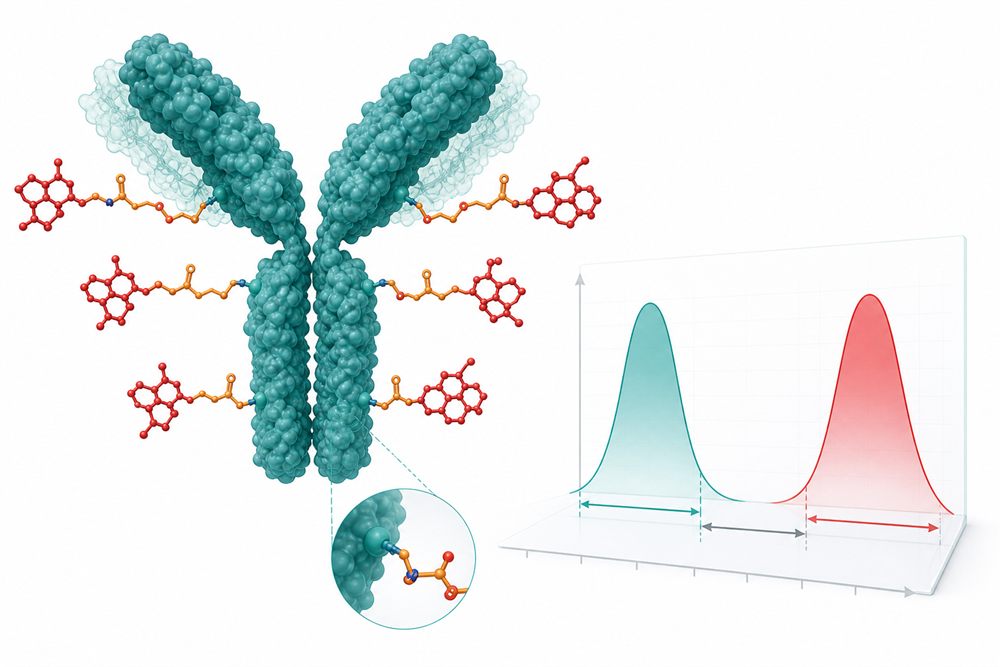
The rise of ADCs in the field of lung cancer has outpaced most people’s expectations. If we look back five years, the industry’s focus on ADCs for solid tumors was primarily on breast cancer—where T-DM1 and T-DXd virtually defined the early narrative of ADCs—and on brentuximab vedotin for hematologic malignancies.Lung cancer was once considered an “exploratory indication” in the ADC landscape because the target expression heterogeneity in non-small cell lung cancer (NSCLC) and small cell lung cancer (SCLC) is far greater than in HER2-positive breast cancer, and the targeted delivery mechanism of ADCs faces greater biological challenges in lung cancer.
By 2026, however, the landscape had changed completely. ADCs targeting TROP2, HER3, c-MET, and B7-H3 had accumulated a substantial body of Phase II and Phase III data in both non-small cell lung cancer and small cell lung cancer.Patritumab deruxtecan (HER3-DXd) demonstrated a clear signal of efficacy in patients with EGFR-mutated NSCLC whose disease had progressed following osimertinib and platinum-based chemotherapy. The PFS data from datopotamab deruxtecan (Dato-DXd) in the TROPION-Lung series of studies sparked widespread discussion regarding TROP2 as a target in lung cancer.Sacituzumab govitecan has also been explored in small-cell lung cancer. These studies have driven a fundamental shift in the competitive landscape: the ADC race has moved from Phase 1—“Who has an ADC platform and preliminary clinical data?”—to Phase 2—“Whose ADC truly outperforms competitors in terms of therapeutic window?”
The concept of the therapeutic window in the ADC field must be understood from multiple technical perspectives. The antibody’s affinity and endocytosis efficiency determine the efficiency with which the ADC enters tumor cells, but they also influence drug exposure in cells with low target expression within normal tissues.The stability of the linker—which prevents payload release in the bloodstream while ensuring efficient release in the tumor microenvironment or lysosomes—directly determines the upper limit of the therapeutic window. The choice of payload—whether a microtubule inhibitor, topoisomerase I inhibitor, or DNA-damaging agent—determines the toxicity profile and resistance patterns. The uniformity of the DAR (drug-to-antibody ratio) determines whether the drug’s pharmacokinetic behavior in vivo is predictable.The bystander effect—the ability to kill neighboring tumor cells that do not express the target after payload release—is particularly important in lung cancer, where target expression is highly heterogeneous; however, it is also a double-edged sword: a stronger bystander effect may imply greater toxicity to normal tissues.
This framework reveals that ADCs are not simply the sum of “antibody plus chemotherapy,” but rather complex molecular entities requiring systematic engineering optimization. At WCLC 2026, if an ADC program reports not only high response rates but also provides detailed pharmacokinetic analyses, safety stratification data, and preliminary exploration of resistance mechanisms, the quality of its data will far exceed that of programs reporting only ORR and PFS.
| Technical Elements of ADCs | Mechanisms Affecting the Therapeutic Window | Special Considerations in Lung Cancer | Details to Inquire About at WCLC 2026 |
| Target Selection and Expression | Differences in Target Expression Between Tumor and Normal Tissues Determine Selectivity | Lung cancer exhibits significant target heterogeneity, and IHC scoring criteria vary across studies | Are the target expression levels and detection methods standardized across enrolled patients? Efficacy data for low-expression/non-expression subgroups |
| Antibody Design and Endocytosis | Excessively high affinity may increase uptake by normal tissues; endocytosis efficiency affects intracellular release of the payload | There is a lack of systematic comparisons of target endocytosis efficiency across different lung cancer subtypes | Have endocytosis-related pharmacodynamic parameters been reported? Target occupancy at different dose levels |
| Ligand Stability | Premature release in circulation leads to off-target toxicity; insufficient release in lysosomes affects therapeutic efficacy | Do the pH and protease activity of the lung cancer tumor microenvironment affect the selectivity of cleavable linkers? | Are PK data for the free payload provided?; Toxicity differences among different linker chemotypes |
| Payload type and efficacy | Different payloads exhibit distinct toxicity profiles (bone marrow, nervous system, ILD); the intensity of the bystander effect influences efficacy in heterogeneous tumors | Lung cancer patients often have comorbidities; prior treatments (including platinum-based chemotherapy, immunotherapy, and radiation therapy) may alter toxicity tolerance | Incidence, severity, and time courses of payload-related toxicities (e.g., ILD, bone marrow suppression); whether a predefined safety management protocol is in place |
| DAR Homogeneity | A wide DAR distribution leads to unpredictable PK behavior; high-DAR components may increase toxicity | DAR control capabilities vary significantly across different ADC platforms | Have DAR distribution data been reported? Inter-batch DAR consistency |
2.1 Beyond an impressive response rate, it is important to assess whether patients can continue treatment
The objective response rate (ORR) for ADCs is the data point that attracts the most attention across the entire lung cancer field.If a single-arm Phase II study reports an ORR of over 50%, news headlines are highly likely to label it a “breakthrough” or “milestone.” However, the concerns of clinicians and regulatory agencies are far more complex than just the ORR: How long do these remissions last? What percentage of patients require dose reductions, treatment interruptions, or permanent discontinuation during therapy? Among the reasons for discontinuation, which are due to tumor progression, which are due to adverse events, and which are a combination of both?
Interstitial lung disease (ILD) has been the most widely discussed safety issue in the ADC field over the past few years. The incidence of drug-related ILD reported for T-DXd in the DESTINY-Lung01 and DESTINY-Lung02 trials triggered industry-wide systematic attention to ADC-related pulmonary toxicity.The incidence of ILD varies significantly among different ADCs and is associated with target expression in normal lung tissue, payload type, and linker stability. However, just because the ILD data for T-DXd are relatively transparent, we cannot assume that the risk of ILD is the same for all ADCs—the mechanisms, time courses, severity, and reversibility of ILD differ among ADCs and must be discussed based on specific products and study data.
When evaluating ADC safety data at WCLC 2026, there are four figures more worth noting than the ORR. The first figure: the proportion of dose reductions due to treatment-related adverse events (TRAEs) of any grade—this indicates the level of compromise required in clinical practice to maintain treatment.The second figure: the rate of permanent discontinuation due to treatment-related adverse events—this is the bottom-line safety metric; a permanent discontinuation rate exceeding 15% often has a far greater impact in the real world than is reflected in clinical trial reports. The third figure: the specific composition of Grade 3 and higher adverse events—the proportion attributable to bone marrow suppression, ILD, neurotoxicity, and gastrointestinal toxicity, as well as the median time to onset and duration of these toxicities.The fourth figure: In the safety analysis, the number of patients who did not complete the prespecified treatment cycles for any reason—this figure often reflects real-world treatment persistence more accurately than the incidence rate of specific adverse events.
| Safety Assessment Dimensions | Why It Is More Important Than ORR | Minimum Information to Be Recorded at WCLC 2026 |
| Proportion of Dose Reductions | Reflects the extent of compromises required to maintain efficacy in clinical practice | Overall Dose Reduction Rate and Distribution Across Dose Levels; Changes in Efficacy Following Dose Reduction |
| Permanent Discontinuation Rate | Key safety endpoints that directly impact patient benefits in the real world | Proportions of discontinuations due to TRAE vs. disease progression vs. other reasons |
| Composition of Grade 3 and higher AEs | Differences in the toxicity profiles across different payloads determine the target patient populations and monitoring protocols for different ADCs | Incidence of ILD (all grades and fatal), myelosuppression (neutropenia, thrombocytopenia, anemia), neurotoxicity, and gastrointestinal toxicity |
| Treatment completion rate | Reflecting the overall tolerability and feasibility of the treatment regimen | Proportion of patients completing the prespecified number of treatment cycles; list of the most common reasons for early discontinuation |
2.2 ADC resistance cannot be explained solely by changing the payload or target
ADC resistance is currently one of the least-discussed topics in the field of lung cancer.The higher the response rates reported for most ADCs in early clinical stages, the more likely it is that a fundamental question will be overlooked: Why do some patients fail to respond? For those who respond but later progress, what are the mechanisms underlying their progression? Without systematic, prospective exploration of these two questions, the development of ADCs may repeat the mistakes made with chemotherapy and targeted therapy—first raising expectations with response rates, then shattering those expectations with data on resistance.
From a mechanistic perspective, ADC resistance involves at least the following independent yet interrelated factors. Antigen downregulation—where tumor cells evade ADC binding by reducing the expression of the target antigen—has been repeatedly validated in preclinical and clinical samples of T-DM1, but lacks similarly systematic investigation in other ADCs.Tumor heterogeneity—even among different lesions in the same patient, or even between different regions of the same lesion, the expression levels of the target antigen may vary significantly, meaning it is difficult for a single ADC to comprehensively target all tumor cells. Defects in endocytosis and lysosomal processing—reduced endocytosis efficiency or altered lysosomal function may lead to insufficient payload release, allowing tumor cells to survive without being fully exposed to the payload.Upregulation of drug efflux pumps—Upregulation of ABC transporters, such as P-glycoprotein (P-gp), can actively efflux the payload from cells; this mechanism is particularly common with microtubule-inhibiting payloads. Activation of DNA damage repair pathways—If the payload’s mechanism of action involves DNA damage (e.g., topoisomerase I inhibitors), it is an expected resistance pathway for tumor cells to counteract the damage by upregulating DNA repair pathways.
When evaluating ADC data at WCLC 2026, the focus should not be on “whether resistance is present,” but rather on “whether the resistance analysis is based on sufficient tissue or liquid biopsy samples.”If an ADC program reports paired biopsy data following resistance—comparing tumor tissue or ctDNA analysis at baseline versus after progression—and identifies specific mechanisms of resistance, even if this analysis is small-sample and exploratory, its scientific value far exceeds that of a study with a larger sample size but lacking an analysis of resistance mechanisms.The use of genomic and transcriptomic analyses to identify alternative therapeutic targets following drug resistance is already well-established in the field of targeted therapy for non-small cell lung cancer, but is only now beginning to be taken seriously in the ADC field.
| ADC Resistance Mechanisms | Incidence (Based on Existing Literature) | Detectability | Potential Countermeasures | Key Topics to Watch at WCLC 2026 |
| Antigen Downregulation | Relatively common in some ADCs (e.g., HER2 downregulation in T-DM1) | Requires IHC analysis via biopsy after drug resistance develops | Switch to an ADC targeting a different antigen; combine with drugs that enhance antigen expression | Are data comparing target expression at baseline and after disease progression provided? |
| Tumor Heterogeneity | Is widespread, particularly in highly heterogeneous lung cancers | Multisite biopsy or multi-region sequencing | Payloads with a strong bystander effect; combination with radiotherapy to enhance antigen release | Data on response consistency across different lesions (if multiple lesions were evaluated) |
| Endocytosis/lysosomal defects | Well-studied mechanisms, but clinical prevalence is uncertain | Difficult to detect directly in clinical samples | Switching to ADCs with different endocytic pathways; non-endocytic delivery technologies | Was the baseline expression of endocytosis-related markers reported? |
| Upregulation of drug efflux pumps | Common in microtubule inhibitor payloads | IHC detection of P-gp and other markers in post-resistance biopsies | Use of non-P-gp substrate loads; combination with efflux pump inhibitors | History of prior multi-line therapy (which may induce efflux pump expression) |
| Activation of DNA damage repair | More common in TOP1 inhibitor-loaded regimens | Genetic sequencing to detect mutations in DDR pathways | Combination with DDR inhibitors (e.g., PARP inhibitors) | Whether genomic analysis was performed following the development of resistance |
2.3 Manufacturability Determines How Far an ADC Can Go
The core argument of this section is simple: if an ADC has impressive early clinical data but its CMC attributes—chemistry, manufacturing, and control—are problematic, the journey from Phase II to Phase III and from Phase III to commercialization will be fraught with uncertainty. This is not a matter of technical detail, but a strategic issue that determines the overall feasibility of the project.
Specifically, when evaluating ADC projects at WCLC 2026, business development and R&D teams should incorporate the following manufacturing attributes into their assessment framework. Conjugation uniformity—the narrower the DAR (drug-to-antibody ratio) distribution, the more predictable the pharmacokinetic behavior; the wider the DAR distribution, the greater the differences in PK and toxicity among individual molecules, which are significant sources of risk during clinical dose optimization and late-stage scale-up.Free payload and impurity profile—The presence of free payload (payload molecules not conjugated to the antibody) not only affects safety but also results in wasted drug activity; the complexity of the impurity profile directly impacts process reproducibility and the difficulty of regulatory approval.Batch-to-batch consistency—If there are significant fluctuations in the DAR distribution, aggregate content, or potency across different production batches, the reproducibility of clinical data becomes questionable. Protection against highly active substances—ADC payloads are typically cytotoxic, and the containment requirements in the production environment are much higher than those for conventional antibodies, which directly impacts production capacity planning and cost structures.
Papers submitted to WCLC 2026 do not need to delve into the regulatory details of CMC, but should leave this assessment to the reader.For an early-stage ADC, if its manufacturing information is completely opaque—lacking DAR distribution data, free load levels, and batch-to-batch consistency information—then when readers encounter data showing high response rates for this program, they should at least retain one question: Under what product definition were these response rates obtained? Can this product definition be consistently replicated in larger-scale production? If the answers are unclear, then the early data for this program will require more follow-up validation than programs with greater transparency.
| CMC Attributes | Its Impact on Clinical Development and Commercialization | Key Focus Areas for BD Teams at WCLC 2026 | Recommendations for Assessment When Information Is Missing |
| Conjugation Uniformity (DAR Distribution) | Wide DAR distribution → Unpredictable PK → Difficulty in dose optimization → Increased risk in late-stage scale-up | Has the company disclosed DAR distribution data (e.g., HIC-HPLC profiles); mean DAR and DAR distribution range | Lack of DAR data → It is recommended to review technical batch records before making an evaluation |
| Free Payload Content | Dual risk to safety and efficacy: Unbound payload contributes to toxicity but not to therapeutic efficacy | Has the percentage of free payload been reported? What is the range of variation across different batches? | Lack of free payload data → The safety margin for this ADC should be assessed more conservatively |
| Impurity Profile and Aggregates | Core concerns regarding process reproducibility and regulatory approval | Are characterization data (e.g., SEC-HPLC) available? Does the aggregate content comply with ICH guidelines? | Lack of characterization data → Significantly increased risks for later-stage scale-up and regulatory approval |
| Batch-to-batch consistency | Differences between clinical study batches and future commercial batches determine the extrapolability of data | Are the number, scale, and technical route of clinical batches consistent with the planned commercial scale? | Only single-batch data → The representativeness and generalizability of clinical data are questionable |
| High-potency containment | Determines production capacity planning (dedicated vs. shared production lines) and cost structure (COGS) | Has information regarding production facilities and containment levels been disclosed? | Not disclosed → May indicate bottlenecks in production capacity expansion |
Key Conclusion: By 2026, competition in the ADC space will no longer be about “who gets to market first,” but rather “whose entire product portfolio—from molecular design to CMC to clinical data—can withstand systematic scrutiny.”WCLC 2026 offers an excellent window of data density. Only projects that can simultaneously demonstrate in-depth efficacy, transparency in safety, exploration of resistance mechanisms, and CMC reliability within this window will truly be at the forefront of the next round of product competition.
There is another dimension in the ADC discussion that is often overlooked: ADCs with different payload types face distinct challenges in lung cancer.The risk of interstitial lung disease (ILD) associated with topoisomerase I inhibitor payloads (such as the DXd payload in the deruxtecan series and the SN-38 payload in sacituzumab govitecan) in lung cancer has drawn widespread attention; however, the absolute incidence, severity distribution, and reversibility of this risk vary significantly across different targets and linker designs.Myelosuppression and neurotoxicity associated with microtubule-inhibiting payloads (such as MMAE and DM1) present challenges on another dimension. For BD and clinical teams, a practical approach would be to establish a separate safety profile for each tracked ADC program at WCLC 2026, rather than discussing safety in broad terms by treating ADCs as a single category.This dossier should include: ILD (all grades and fatality rates), myelosuppression (proportion of patients with febrile neutropenia, proportion requiring G-CSF support), gastrointestinal toxicity (Grade 3 or higher diarrhea and vomiting), and fatigue (proportion leading to dose interruptions).If these data are missing from oral presentations and posters, the information gap should be explicitly noted in the evaluation, even if the ORR data are impressive.
3. The next step in immunotherapy at bio korea is not unlimited combination therapy, but identifying patient populations that will derive genuine benefit

PD-1 and PD-L1 inhibitors have achieved quite extensive coverage in non-small cell lung cancer. From first-line treatment of advanced disease to consolidation therapy for locally advanced disease, and from neoadjuvant to adjuvant therapy, the spectrum of indications for immune checkpoint inhibitors has expanded rapidly over the past five years.Studies such as KEYNOTE-024, KEYNOTE-042, KEYNOTE-189, and KEYNOTE-407 have established pembrolizumab’s first-line status in both non-squamous and squamous cell lung cancer. CheckMate-227 and CheckMate-9LA, meanwhile, have validated the value of nivolumab in combination with ipilimumab or chemotherapy across patient populations with varying PD-L1 expression levels.The IMpower150 trial added atezolizumab to the bevacizumab plus chemotherapy regimen, exploring the potential of anti-angiogenic therapy combined with immunotherapy. In limited-stage small cell lung cancer, the results of the ADRIATIC trial—which evaluated durvalumab as consolidation therapy—have also transformed clinical practice.
However, the core challenge facing immunotherapy at this stage is that adding more targets does not necessarily translate to greater clinical value.Various combinations of bispecific immunotherapy antibodies—such as PD-1/VEGF, PD-L1/TIGIT, PD-1/CTLA-4, and PD-1/LAG-3—as well as regimens combining immunotherapy with ADCs, radiation therapy, or anti-angiogenic agents have all demonstrated some degree of efficacy signals in early exploratory studies. However, once randomized controlled data became available, a recurring pattern emerged:The benefits of combination regimens in terms of PFS are often more pronounced than those in OS, while the cumulative safety profile—particularly the increase in Grade 3 or higher immune-related adverse events—has posed a challenge to assessing net benefit in multiple studies.
3.1 Bispecific Antibodies Must Demonstrate Synergy, Not Merely the Co-presence of Two Targets
The design of bispecific antibodies for lung cancer immunotherapy can be broadly categorized into several types. One type is the bridging type—which draws T cells to the vicinity of tumor cells, such as bispecific antibodies targeting CD3 in combination with a tumor target (e.g., DLL3 in small cell lung cancer).The mechanism of action for this class of bispecific antibodies is relatively clear: they physically bring effector cells closer to target cells, and their efficacy is highly dependent on the tumor specificity of the targets and the degree of activation of the effector cells. The second category consists of dual immune checkpoint inhibitors—which simultaneously block two immune inhibitory pathways, such as PD-1/L1 combined with CTLA-4, TIGIT, or LAG-3.The core hypothesis of this class of bispecific antibodies is that simultaneously neutralizing two immunosuppressive signals can more effectively activate antitumor immunity; however, the relative contributions of these two signals, their mechanisms of synergy, and the optimal dosage relationships remain far from established. The third category involves immunomodulation combined with other mechanisms—such as PD-L1 combined with TGF-β, or PD-L1 combined with VEGF. This class of bispecific antibodies is mechanistically more complex, and demonstrating synergy between the pathways is more challenging.
There are three specific criteria for determining whether a bispecific antibody has truly achieved “synergy” rather than simply representing the “simultaneous presence of two targets.” First, does the bispecific antibody demonstrate superior efficacy compared to a combination regimen of two monoclonal antibodies? If the bispecific antibody’s response rate and PFS show no significant difference from data reported for the combination of a PD-1 antibody and a CTLA-4 antibody in a comparable population, then the value of the “bispecific antibody” label must be reevaluated.Second, is the toxicity of the bispecific antibody simply the sum of the toxicities of the two monoclonal antibodies? If the incidence of Grade 3 or higher immune-related adverse events for the bispecific antibody is similar to or even higher than that observed with the combination of the two monoclonal antibodies, then the narrative that “bispecific antibodies are safer” requires data to substantiate it and cannot be inferred solely from molecular design.Third, can the contributions of the two functional arms be independently quantified and verified in vivo? If there is a lack of pharmacodynamic markers to demonstrate that both targets are effectively inhibited in vivo, then the claimed synergistic mechanism lacks a verifiable foundation.
| Bispecific Antibody Types | Representative Programs in Lung Cancer | Key Questions Regarding Evidence of Synergy | A Cautious Approach to Adopt by 2026 |
| PD-1/VEGF Bispecific Antibodies | Ivonescimab (AK112) | Are head-to-head data available comparing this drug to PD-1 monoclonal antibodies plus bevacizumab? Does VEGF inhibition contribute to additional immunomodulatory effects? | Data from studies such as HARMONi-2 are currently being released; attention should be paid to pre-specified endpoints and independent reviews |
| PD-L1/TIGIT Bispecific Antibodies | Multiple programs are in early-stage clinical trials | Is the incremental value of TIGIT inhibition over PD-L1 alone measurable? Does the PFS benefit translate into an OS benefit? | Phase III results from TIGIT monoclonal antibodies combined with PD-L1 inhibitors (e.g., SKYSCRAPER-01) provide a baseline for comparison |
| PD-1/CTLA-4 bispecific antibodies | Cadonilimab, etc. | Comparison of safety with nivolumab plus ipilimumab; whether the dosage and exposure of the bispecific antibody achieve optimal inhibition of both targets | The design of CTLA-4 bispecific antibodies faces the challenge of selectivity between tumor-specific and peripheral immune activation |
| DLL3/CD3 bridging bispecific antibodies | Tarlatamab, etc. | Is DLL3 expression sufficiently specific in small cell lung cancer? Is the management protocol for CRS well-established? | Experience with bridging bispecific antibodies in solid tumors is still accumulating, and safety management remains a key bottleneck |
3.2 Biomarkers Must Be Able to Influence Treatment Selection
PD-L1 expression is currently the most widely used biomarker in immunotherapy for non-small cell lung cancer, but its limitations have been discussed extensively—intratumoral and intertumoral heterogeneity, the lack of interchangeability among different detection antibodies and scoring systems, and the fact that a subset of PD-L1-negative patients still benefits from immunotherapy all indicate that relying solely on PD-L1 for patient selection is insufficient.By 2026, if immunotherapy studies continue to rely solely on PD-L1 stratification without introducing more refined biomarker strategies, the clinical applicability of these studies will remain at the level of five years ago.
When evaluating biomarker data presented at WCLC 2026, it is necessary to distinguish among three categories of biomarkers. Exploratory associative biomarkers—indicators found to have a statistical association with efficacy in post-hoc analyses but not prospectively validated in independent cohorts. These biomarkers provide scientific hypotheses but lack the strength of evidence required to directly guide clinical decision-making.Prognostic biomarkers—those associated with the natural course of the disease that can distinguish between patient groups with different rates of progression, but do not necessarily predict benefit from a specific treatment regimen. Predictive biomarkers—those demonstrated in randomized controlled trials, through a pre-specified statistical analysis plan, to identify patient subgroups that will benefit from a specific treatment. Only the third category of biomarkers—independently validated predictive biomarkers—possesses the evidence base to change clinical practice.
Tumor mutation burden (TMB), microsatellite instability (MSI), immune gene expression profiles (e.g., GEP, T-cell inflammatory gene expression profiles),tumor-infiltrating lymphocyte (TIL) density and distribution, peripheral blood immune cell subsets (e.g., neutrophil-to-lymphocyte ratio, NLR), and dynamic changes in circulating tumor DNA (ctDNA)—each of these tools provides a piece of the puzzle, but no single marker can fully predict the response to immunotherapy.A composite biomarker strategy that integrates these markers is theoretically more promising, but as of 2026, it remains a considerable distance from routine clinical use; the core obstacles lie in standardization, reproducibility, and prospective validation.
| Biomarker | Type (Prognostic/Predictive/Exploratory) | Evidence Maturity | Criteria to Consider at WCLC 2026 |
| PD-L1 (TPS/CPS) | Predictive Biomarker (Approved) | High, but with clear limitations | As a baseline stratification tool; benefits for low-expression and negative populations still require supplementation with other biomarkers |
| TMB | Prognostic marker (partially approved) | Moderate; cut-off values vary across studies | Consider whether there are predefined TMB thresholds and analysis protocols; verify in randomized controlled trials whether the difference in benefit between TMB-H and TMB-L populations is validated |
| MSI/dMMR | Prognostic marker (approved across tumor types) | High (applicable to rare subgroups) | Very low positive rate in lung cancer; limited applicability |
| Immune gene expression profile | Exploratory/Predictive (under investigation) | Low to moderate; insufficient standardization | Verify whether the validation cohort is independent of the discovery cohort; verify whether the testing platform is standardized |
| TIL Density and Spatial Distribution | Exploratory/Prognostic Marker | Low; inconsistent analytical methodologies | Are there predefined scoring criteria? Is there independent validation? |
| Dynamic changes in ctDNA | Exploratory/Predictive (Under Study) | Moderate; multiple studies are currently underway | Standardization of testing time points and predefined cut-off values are key to assessing reliability |
3.3 Combination therapies must withstand scrutiny regarding functional benefits
Returning to methodological insights from the GLP-1 field: the extent of weight loss does not indicate the quality of weight loss—the fact that 25% to 40% of weight loss comes from muscle has prompted the industry to rethink the definition of “successful weight loss.”Similarly, in oncology, tumor shrinkage does not automatically equate to patient benefit. In the evaluation of immunotherapy combination regimens, overall survival (OS) remains the gold standard that cannot be bypassed; however, even OS only answers the question of “how long patients lived,” not “how well they lived.”
A typical scenario requiring careful judgment is when an immunotherapy combination regimen demonstrates a statistically significant difference in progression-free survival (PFS)—with a hazard ratio (HR) less than 0.7 and a p-value less than 0.01—but the trend toward benefit in overall survival (OS) is not significant, with an HR around 0.85 and a confidence interval that includes 1.0.At the same time, the incidence of Grade 3 or higher immune-related adverse events rose from 8% in the control group to 22% in the combination group, and the rate of treatment discontinuation due to adverse events increased from 5% to 18%.In this scenario, the numerical advantage in PFS must be examined layer by layer through the lens of functional benefits: Do patient-reported outcomes (PROs) indicate improvements in symptom burden and quality of life? Are subsequent treatment options and efficacy affected by the use of a more complex regimen in the first-line setting? Have patients who discontinued treatment due to adverse events lost the sustained benefit they could have gained from a monotherapy regimen?
| Functional Benefit Dimension | Specific Questions for Evaluation | Data Sources | Noteworthy Signals from WCLC 2026 |
| Overall Survival (OS) | Do Patients Live Longer? | Final or interim OS analyses from randomized controlled trials | Hazard ratio (HR) and confidence interval for OS; if there is no significant difference in OS, the clinical significance of the PFS benefit should be viewed with caution |
| Patient-Reported Outcomes (PRO) | Whether symptom burden and quality of life have improved | Analysis results from questionnaires such as the EORTC QLQ-C30/LC13 | PRO data collection rate, time points of analysis, and minimum clinically important difference (MCID) |
| Treatment exposure and persistence | How much treatment patients actually received and why they discontinued it | Number of treatment cycles, dose intensity, and reasons for discontinuation | Proportion of discontinuations due to adverse events (AEs) vs. disease progression; median number of treatment cycles prior to discontinuation |
| Subsequent Treatment | Did the choice of first-line treatment limit the efficacy of subsequent treatments? | Type, number of lines, and efficacy of subsequent treatments | Did delays in or loss of access to effective regimens during subsequent therapy offset the PFS benefit observed in the first-line setting? |
| Functional impact on safety | Do adverse events affect daily functioning? | Impact of Grade 3 or higher adverse events on ECOG performance status and daily activities | Long-term sequelae of immune-related adverse events (e.g., lifelong hormone replacement therapy due to endocrine dysfunction) |
Key Conclusion: In the evaluation of combination immunotherapy regimens, an increasingly important principle is that the more complex the regimen, the higher the threshold for evidence should be. If a bispecific antibody or combination regimen demonstrates a PFS benefit but no significant OS benefit, while simultaneously exhibiting markedly increased safety risks, then the value of that regimen requires a higher standard of evidence than that required for a “monotherapy PFS advantage.”When presenting data on combination regimens at WCLC 2026, PFS, OS, safety, and functional benefits should be evaluated within a single framework, rather than examining efficacy and safety data in isolation.
Before concluding the discussion on immunotherapy, there is one more area of development that warrants special attention at WCLC 2026: the application of immunotherapy in the perioperative setting—neadjuvant and adjuvant therapy—is becoming one of the most active research frontiers in the field of lung cancer.CheckMate-816 demonstrated the superiority of nivolumab combined with chemotherapy in achieving pathological complete response (pCR) in the neoadjuvant treatment of resectable non-small cell lung cancer, while KEYNOTE-671 also showed an EFS benefit in a perioperative pembrolizumab regimen.Peroperative data on durvalumab from the AEGEAN trial have further enriched the evidence base. However, the core questions facing peroperative immunotherapy are: Can the advantages in pCR and EFS be translated into improved OS? Will the use of immunotherapy during the neoadjuvant phase affect the timing and quality of surgery? How should the necessity of continuing immunotherapy during the adjuvant phase be defined? Updates on these issues—particularly long-term follow-up data—may be presented at WCLC 2026. For clinical teams, the criteria for evaluating perioperative data need to evolve from “statistical significance” to “clinical feasibility”—that is, whether improved pathological response rates correspond to genuine improvements in patient prognosis, and whether this improvement comes at the cost of acceptable surgical delays and postoperative complications.
4. Beyond EGFR, KRAS, and ALK at bio korea: Targeted Therapy Competition Shifts to Resistance Pathway Management

In the field of lung cancer, targeted small-molecule inhibitors have already formed the most mature multi-generation product portfolio. For EGFR-mutated NSCLC, the landscape has evolved from first-generation gefitinib and erlotinib, to second-generation afatinib and dacotinib, and then to third-generation osimertinib; now, fourth-generation EGFR inhibitors are in clinical development targeting third-generation resistance mutations such as C797S.In the KRAS G12C space, the landscape is rapidly evolving, from sotorasib to adagrasib, and on to a new generation of KRAS G12C inhibitors and pan-KRAS inhibitors. For ALK fusions, options for later-line treatment have become quite extensive, ranging from crizotinib to alectinib, ceritinib, brigatinib, and lorlatinib.Inhibitors targeting rare targets such as ROS1, RET, MET exon 14, NTRK, and HER2 are also gradually being approved or entering pivotal clinical trials.
4.1 Oral Administration Does Not Automatically Mean a Lower Burden
Oral targeted therapies—compared to ADCs or immunotherapies that require regular hospital visits for intravenous infusions—do indeed offer patients greater freedom in their daily lives.Not having to reserve an infusion chair, not having to wait for hours at the hospital, and being able to take medication on time at home—these are all tangible advantages in terms of convenience. However, reflections on the convenience of oral treatments in the GLP-1 field offer a useful reminder: convenience is one aspect of a product’s attributes, but when considered in isolation, it is insufficient to form a comprehensive assessment of a product’s advantages.
In the real world, oral targeted therapies for lung cancer present the following challenges: Dosage frequency and dietary restrictions—some oral targeted therapies must be taken on an empty stomach or with meals, which poses an ongoing challenge for patients with irregular meal schedules; if the dosage frequency is twice daily rather than once daily, adherence may decline significantly.Drug interactions—Oral targeted therapies are often metabolized via the CYP450 enzyme system and may interact with other medications commonly used by patients—such as proton pump inhibitors, statins, anticoagulants, antidepressants, and even certain herbal medicines—requiring a detailed medication review at the time of prescribing. However, this review is often omitted or simplified in busy outpatient settings.Management of Chronic Toxicity—Unlike intravenous therapy, the chronic toxicity associated with oral therapy (such as diarrhea, rash, stomatitis, and fatigue) is managed by patients on their own at home. Without effective follow-up and symptom monitoring mechanisms, mild chronic toxicity may progress to serious events leading to treatment discontinuation or dose reduction.Time-Dependent Decline in Adherence—During long-term oral therapy, adherence may decline significantly within 6 to 12 months after treatment initiation, particularly once the condition has stabilized and patients become fatigued by long-term side effects.
| The Burden of Oral Targeted Therapies | Specific Issues | Impact on Patients | Potential Improvements in Next-Generation Molecular Design |
| Dosage Frequency | Adherence to twice-daily (BID) dosing is significantly lower than that for once-daily (QD) dosing | Adherence poses greater challenges for the elderly, patients on multiple medications, and those with mild cognitive impairment | Long-acting formulations (e.g., weekly or biweekly formulations) are currently being explored |
| Dietary Restrictions | Requirements to take medication on an empty stomach can lead to delayed breakfast or missed doses | This affects quality of life and medication adherence | Formulations that do not require administration on an empty stomach; molecular designs that allow for administration with meals |
| Drug Interactions | Interactions via the CYP450 metabolic pathway with other commonly used medications | Limits options for concomitant medication and increases the difficulty of prescription review | Molecular frameworks that do not rely on CYP450 metabolism and carry a lower risk of drug interactions |
| Chronic Toxicity | Cumulative effects of long-term, low-grade adverse events (diarrhea, rash, fatigue) | Reduced quality of life, potentially leading to decreased adherence or self-discontinuation | Higher selectivity (reduced off-target effects) and an optimized exposure-response relationship |
| Declining adherence | Decline in adherence after 6–12 months of treatment | May affect long-term efficacy and create a window for the development of acquired resistance | Simplified treatment regimens, digital adherence management tools |
4.2 Data on brain metastases should be reported separately and not buried within the overall results
The incidence of brain metastases in lung cancer varies among patients with EGFR, ALK, and KRAS mutations; however, overall, the probability of non-small cell lung cancer (NSCLC) patients developing brain metastases during the course of the disease is quite high—some studies estimate that 30% to 50% of patients with EGFR mutations will develop brain metastases during the course of the disease, and the incidence of brain metastases is even higher in patients with ALK fusions.Therefore, whether a targeted therapy exhibits intracranial activity, how long that activity persists, and whether it aligns with the control of extracranial lesions are among the core considerations in clinical decision-making.
However, in conference abstracts and oral presentations, intracranial data are often presented in an inadequate manner. The most common issues include: conducting descriptive analyses with extremely small sample sizes while implying clinical significance; extrapolating study results from patients excluded for active brain metastases to the entire brain metastasis population; performing retrospective analyses without predefined intracranial endpoints; and equating an increase in intracranial ORR with a reduction in the risk of CNS progression.When evaluating brain metastasis data at WCLC 2026, a separate checklist should be established rather than relying on indirect inferences from overall efficacy data.
| Dimensions for Evaluating Brain Metastasis Data | Specific Information to Be Documented | Red Flags for Data Quality |
| Patient Population | Whether patients with active brain metastases were included; presence or absence of symptomatic brain metastases; history of brain radiation therapy | Patients with active brain metastases were excluded, but the findings suggest efficacy in patients with brain metastases |
| CNS Characteristics of Enrolled Patients | Number and size of brain metastases at enrollment; detailed records of prior CNS treatment | Baseline data on brain metastases were missing or incomplete for the enrolled population |
| Intracranial Efficacy | Intracranial ORR, intracranial DoR, intracranial PFS | Intracranial ORR was reported, but intracranial PFS and DoR were not; the sample size for the intracranial efficacy analysis was less than 10 cases |
| Pre-specified vs. post-hoc analysis | Whether intracranial endpoints were prespecified in the trial protocol | Post-hoc intracranial data were discussed as a pre-specified endpoint |
| Patterns of CNS Progression | Whether CNS progression occurs in isolation or in conjunction with systemic progression; treatment following CNS progression | The incidence and patterns of CNS progression were not reported |
| Safety | Risk of hemorrhage in intracranial lesions, edema management, and neurological assessment | No CNS-related safety information provided |
4.3 Drug-Resistant Samples Determine Whether Next-Generation Drugs Are Truly Effective
A structural issue facing targeted therapy is that drug resistance is inevitable for the vast majority of targeted drugs.Acquired resistance to EGFR inhibitors almost invariably occurs after one to two years of use; resistance to KRAS G12C inhibitors emerges more rapidly and follows a more complex pattern; while multiple generations of ALK inhibitors have significantly extended the duration of effective treatment, compound resistance mutations eventually emerge. Against this backdrop, resistance management—rather than delaying resistance—has become the most critical competitive factor in the field of targeted therapy.
The core of resistance management lies in the ability to systematically collect tissue and liquid biopsy samples upon disease progression and perform comprehensive genomic and transcriptomic analyses on them.The mechanisms of drug resistance in EGFR-mutated NSCLC have been described relatively systematically—T790M as the primary resistance mechanism in the pre-osimertinib era, C797S as the main intratargeted resistance mutation in the post-osimertinib era, as well as bypass and phenotypic resistance mechanisms such as MET amplification, HER2 amplification, PIK3CA mutations, BRAF fusions, and SCLC transformation.However, the resistance profile of KRAS G12C is far more complex than that of EGFR—involving secondary mutations within KRAS itself (such as secondary mutations within G12C, G12D/R/V, etc.),activation at multiple nodes within the RAS-MAPK pathway (such as NRAS, BRAF, and MAP2K1 mutations), and multiple RTK fusions and amplifications upstream of the RTK-RAS pathway—this complexity means that a single “next-generation KRAS G12C inhibitor” is unlikely to cover all resistance mechanisms; a reasonable approach is a combination therapy strategy based on resistance genotypes.
| Resistance Management Dimensions | EGFR Mutations | KRAS G12C | ALK fusions |
| Major Resistance Mechanisms | T790M→C797S (intramolecular); MET amplification, HER2 amplification, SCLC transformation (bypass) | KRAS secondary mutations (various), RTK-RAS pathway activation, cell cycle alterations | ALK secondary mutations (L1196M, G1202R, and other compound mutations); bypass activation |
| Feasibility of Post-Resistance Biopsy | High; both tissue and liquid biopsies can detect the primary mechanisms | High; the sensitivity of liquid biopsy for detecting secondary mutations depends on the mutation type and ctDNA levels | Moderate; detection of compound mutations requires a larger NGS panel |
| Follow-up strategies based on resistance mechanisms | Fourth-generation EGFR inhibitors (for C797S); EGFR-MET bispecific antibodies or combination therapy; chemotherapy | Selection based on specific resistance mechanisms: next-generation KRAS inhibitors, SHP2 inhibitor combinations, ERK inhibitors, etc. | Next-generation ALK inhibitors (e.g., lorlatinib, which covers most resistance mutations); chemotherapy |
| Implications for the development of next-generation drugs | Fourth-generation drugs should be designed to cover C797S and common compound mutations | It is unrealistic for a single agent to cover all KRAS resistance mutations; a genotype-based combination strategy is required | The development of ALK inhibitors has nearly reached its ceiling; bypass mechanisms and phenotypic resistance are the areas the next generation must address |
5. bio korea attendees should enter the session with different elimination questions in mind
5.1 Clinical and Medical Affairs teams should focus first on control groups and subsequent treatments

For clinicians and medical affairs teams, the most critical task at WCLC 2026 is not to understand how many new mechanisms are in development, but to determine which data may influence clinical practice within the next one to two years. The core basis for this judgment is not the magnitude of ORR or PFS figures in the abstracts, but whether the study’s control group aligns with current standard of care, whether the choice of subsequent treatments affects the interpretation of survival data, and whether patient-reported outcomes support the conclusion of net benefit.
The appropriateness of the control group is the first hurdle in assessing a study’s clinical significance.If a randomized controlled trial reported in 2026 uses a control group regimen that represents the standard of care prior to 2020—such as platinum-based dual-agent chemotherapy as the first-line control for non-squamous cell carcinoma—and does not include immunotherapy or targeted therapy (depending on the patient population), then even if the study data look impressive, its clinical generalizability must be discounted: the control group does not represent the actual prognosis of patients currently receiving standard treatment.Similarly, if a study allows patients in the control group to cross over to the treatment group after disease progression, and the OS data show no significant difference, then the PFS benefit actually suggests that “early and late use yield similar outcomes.” Such study results should be interpreted as supporting flexibility in treatment selection rather than mandating first-line use.
Transparency regarding subsequent treatments is the second key factor. In studies where OS is the primary endpoint, the balance of subsequent treatments—the regimens received after disease progression—between the treatment and control groups directly determines the interpretability of the OS data. If the treatment group receives more or more effective subsequent treatments after progression than the control group, the OS advantage in the treatment group may stem in part from this imbalance in subsequent treatments rather than from the trial drug itself.When reporting study data at WCLC 2026, the type, number of lines, and proportion of subsequent treatments should be included as a standardized data disclosure requirement, rather than an optional data point.
| Clinical Decision Checklists | Information to Be Recorded | Considerations for Interpretation |
| Does the control group represent the current standard of care? | Control group protocol and dosage; time frame of inclusion criteria | An outdated control group may systematically overestimate the efficacy advantage of the trial group |
| Impact of Crossover Designs | Whether crossover is permitted; crossover rate; efficacy after crossover | A high crossover rate combined with no difference in OS suggests equivalence between early and late treatment |
| Balance of follow-up treatments | Types, number of lines, and proportions of subsequent treatments in both groups | Imbalance in subsequent treatments may confound the interpretation of OS |
| Patient-reported outcomes | PRO collection rates, analysis time points, and clinical significance thresholds | Interpretations should be very conservative when the PRO data missing rate exceeds 20% |
| Impact of safety on clinical practice | Management strategies and resource requirements for Grade 3 and higher AEs | Feasibility of managing AEs requiring intensive monitoring in community hospitals |
| Clinical applicability of the evidence | Feasibility of treatment regimens in routine clinical settings | Limited applicability of protocols requiring specialized equipment or skills in non-research centers |
5.2 R&D Teams Should First Look for Evidence of Mechanism Failure
For drug R&D teams, the most critical information at WCLC 2026 is often not the “successful” data—high response rates, impressive PFS curves—but rather the “failure” signals: Which patients did not respond? Which patients progressed, and at what time points? What were the specific manifestations of dose-limiting toxicities? To what extent does target expression heterogeneity explain the variability in efficacy?
A useful way of thinking is to interpret each clinical trial as an experiment testing a molecular design hypothesis, rather than as a mere “interpretation of results.”The success of pembrolizumab in KEYNOTE-024 is certainly noteworthy, but the fact that it failed to achieve statistical significance in overall survival (OS) when exploring the low PD-L1 expression cohort in KEYNOTE-042 also provides insight into the limitations of PD-L1 as a predictive biomarker—such “negative” or “less-than-positive” data may be just as valuable as positive success data for optimizing the design strategies of next-generation molecules.
In the materials for WCLC 2026, R&D teams should pay particular attention to the following categories of information. First, the characteristics of the non-responder subgroup—baseline mutation profiles, target expression levels, prior treatment history, and immune microenvironment status—any feature that distinguishes non-responders from responders represents a potential starting point for the design of next-generation molecules or combination strategies.Second, the classification of mechanisms underlying dose-limiting toxicity—whether it is target-mediated toxicity in normal tissues (i.e., adverse pharmacology of the target itself) or off-target effects of the molecule—the former suggests that target selection may need to be reevaluated, while the latter indicates that there is room for optimization of the molecular scaffold.Third, adaptive changes observed in biopsies taken after drug resistance develops—if new targetable mutations or pathway activations emerge in resistant samples, this provides a clear direction for the design of next-generation molecules or combination regimens.
| Dimensions of R&D Decision-Making | Key Information to Document at WCLC 2026 | Risks Associated with Missing Information |
| Characteristics of Non-Responder Subgroups | Baseline molecular and clinical characteristics of non-responders; comparative analysis with responders | Unknown Causes of Non-Response → Increased Uncertainty in Next-Generation Molecular Design |
| Timing and Patterns of Acquired Resistance | Median time to resistance; classification of resistance mechanisms (intra-target, bypass, phenotypic) | No data on time to resistance → Unclear true length of the therapeutic window |
| Dose-Exposure-Effect Relationships | Efficacy and toxicity at different dose levels; results of exposure-effect modeling | Unclear PK/PD relationships → Inefficient subsequent dose optimization |
| Classification of toxicity mechanisms | Target-mediated toxicity vs. off-target toxicity vs. immune-related toxicity | Unclear source of toxicity → Uncertain direction for improvement |
| Cross-tumor translational potential | Comparison of efficacy and safety of the same molecule across different tumor types | Lack of cross-indication data → Difficulty in assessing platform value |
5.3 BD Teams First Assess Clinical Differences, Then Evaluate Deal Interest
For BD teams, the high volume of data releases at WCLC 2026 presents both opportunities and pitfalls.The opportunity lies in the fact that data from a single study can significantly alter the valuation of an asset—for better or for worse. The pitfall is that high response rates in conference abstracts and the narrative packaging in company press releases may create an atmosphere where “everyone wants to buy,” and this atmosphere alone can drive up transaction valuations—even if the actual competitiveness and differentiation underlying the data do not support that valuation.
When evaluating an asset with data presented at WCLC 2026, BD teams should ask four questions before considering valuation.First question: How significant is the difference between this data and that of existing standard-of-care treatments? If the difference exists only in an unprespecified subgroup, or if the magnitude of the difference (such as a 1.2-month extension in median PFS) translates to negligible patient benefit in the real world, then the commercial value of this “differentiation” needs to be reassessed.Second question: How large is the patient population for these data? If the data come from a rare mutation subgroup (such as ROS1 or NTRK fusions) that accounts for only 2% to 3% of non-small cell lung cancer patients, then even with outstanding efficacy, the asset’s market ceiling will be limited.Third question: How intense is the competition? If there are already 3 to 5 comparable products in Phase III clinical trials targeting the same target, the room for differentiation for a late entrant is very narrow—unless its data clearly outperforms all comparators in at least one key dimension.Fourth question: Are the asset’s CMC and IP attributes sufficient to support independent commercialization and global market access? If a product has significant barriers to replication in its manufacturing process or weaknesses in IP protection, its commercial value must be discounted.
| BD Evaluation Criteria | Core Questions | Data-Driven Assessment Methods | Common Valuation Pitfalls |
| Degree of Clinical Differentiation | How significant is the difference from SOC, and in which patient populations? | HR values and absolute differences in PFS/OS; consistency across different subgroups | Creating the Impression of Differentiation Through Post-hoc Subgroup Analysis |
| Target Population Size | How many patients are likely to benefit from this product | TAM (Total Addressable Market) estimation based on epidemiological data | Overestimating the market by multiplying the biomarker positivity rate by the overall incidence rate of NSCLC |
| Competitive Intensity | How many comparators targeting the same target or mechanism are in development | Competitors’ clinical stage, data maturity, and commercialization timeline | Assumption that a late entrant can succeed based on slight differentiation |
| CMC and manufacturing barriers | Does the product have the capability for stable scaled-up production and cost control? | Transparency of CMC data; complexity and uniqueness of the manufacturing process | Overlooking the manufacturing challenges of ADCs and complex antibodies |
| Strength of IP protection | Does the patent portfolio cover the molecule, manufacturing process, and methods of use? | Patent expiration dates, scope of protection, and the likelihood of circumvention by competitors | Focusing solely on molecular patents while neglecting process and use patents |
| Commercial Feasibility | Whether the product’s treatment pathway can be accommodated by the existing healthcare system | Complexity of the treatment regimen and resource requirements; payer acceptance | Assuming that good efficacy automatically leads to reimbursement and market adoption |
Key Conclusion: The most critical decision for BD teams at WCLC 2026 is not to chase early-stage projects with the highest ORR, but to establish their own independent evaluation framework, apply this framework to every asset releasing data, calculate its true level of differentiation and commercial viability—and only then consider pricing.
6. A bio korea On-Site Verification Checklist Is More Valuable Than Chasing Every Abstract

WCLC 2026 abstracts will be available online several weeks before the conference, and the schedule for oral presentations and poster sessions will be published on the official website. Faced with a vast sea of information, the most efficient approach is not to frantically scan through abstracts in the days leading up to the conference, but to prepare a standardized checklist in advance, collect information selectively once at the venue, and make structured notes on every piece of data worth noting.
6.1 Separate known facts from marketing claims before the conference
The core task of pre-conference preparation is to distinguish between “verifiable facts” and “expectations expressed by companies or researchers.” Rely on the IASLC official website and the officially released schedule for conference dates and locations; do not cite information from secondary news sources or social media. For a company’s project stage, regulatory status, and data cutoff dates, refer to original press releases, SEC filings (for publicly traded companies), or records in regulatory databases.Data in conference abstracts should be treated as preliminary results and may differ from data presented in the final oral presentation or full-text publication—this has occurred many times in the past (e.g., data reported in an abstract was updated in the oral presentation to include results from a longer follow-up period). When taking notes, allow room for updates.
| Pre-Conference Preparation Tasks | Information Sources | Verification Criteria |
| Confirm basic conference information (date, location, schedule) | IASLC official website wclc.iaslc.org | Directly cite information from the official website and record the date of the query |
| Verify the company’s project stage and regulatory status | Company press releases, SEC filings (10-K/10-Q), ClinicalTrials.gov | Cross-verify using multiple independent sources, giving priority to original announcements |
| Verify the design and endpoints of key studies | ClinicalTrials.gov records, published study protocols | Compare whether the pre-specified endpoints in the protocol align with those highlighted in the report |
| Flagging potential data updates | Items in the abstract that specify a data cutoff date | Reserve space in the checklist for updates to oral presentations |
| Identify statements requiring verification | Items in the press release that contain explicit data claims but are not adequately supported in the abstract | Mark as “Pending on-site verification”; do not accept prematurely |
6.2 Update the article after the conference based on the maturity of the evidence
Following the conclusion of WCLC 2026, faced with a large volume of collected data points, a classification framework is needed to distinguish results based on their level of evidence maturity. It is recommended that each piece of noteworthy data be categorized into one of the following four categories. Category 1: Likely to change clinical practice—the study provides high-quality evidence for a pre-specified endpoint (e.g., randomized Phase III OS results), the control group represents the current standard of care, and safety and patient-reported outcome data support a net benefit.Category 2: Clear signal for further development—Phase II or early Phase III data show a clear trend toward efficacy on prespecified endpoints, with safety within acceptable limits; however, larger sample sizes and longer follow-up are needed for definitive confirmation.Category 3: Requires further follow-up—Early data show preliminary signals, but the sample size is small, the follow-up period is short, or key secondary endpoint data are lacking (e.g., a signal for ORR but DoR of less than 6 months). Category 4: Insufficient evidence—The trial design is flawed (e.g., non-randomized, primarily post-hoc subgroup analyses) or the data quality is insufficient to support any clear conclusions.
| Evidence Maturity Classification | Definition | Typical Examples from WCLC 2026 | Follow-up Recommendations |
| May Change Practice | High-quality evidence, pre-specified endpoints, appropriate control group, clear net benefit | Positive Phase III randomized trial results for overall survival (OS); confirmatory data for approved indications | Monitor the timeline for guideline updates and regulatory decisions |
| Clear signal established | Clear efficacy trend for pre-specified endpoints; safety is manageable but more data is needed | Positive PFS results from a randomized Phase II trial; high response rate in a single-arm Phase II trial with sufficient DoR | Monitor milestones for the initiation, enrollment, and data readout of subsequent Phase III trials |
| Requires further follow-up | Preliminary signals but small sample size or short follow-up | Single-arm Phase I/II study with fewer than 20 patients; DoR not yet mature | Marked as “Early Follow-up,” updated every 6 months |
| Insufficient evidence | Design flaws or incomplete data | Post hoc subgroup analysis, non-prespecified endpoints, or excessively high rate of missing data | Not included as a basis for decision-making; await higher-quality data |
There’s another practical detail that’s easy to overlook: At WCLC 2026, there may be a significant physical distance between the poster session area and the oral presentation halls, and different sessions may run concurrently. If you don’t mark the key presentations you want to attend on the map in advance and calculate the travel time between sessions before you go, you’ll likely end up wasting time moving around the venue instead of absorbing information.A rule of thumb is to target no more than three must-attend oral presentations per half-day, using the remaining time to browse posters and network, rather than trying to cover every session. Regular sleep and meals—though they may not sound very “academic”—are actually crucial for maintaining information retention efficiency over several consecutive days. Given Seoul’s September weather, the venue’s air conditioning may be on the cooler side, so bringing a light jacket is a good idea.
7. Conclusion from bio korea: The next round of competition in lung cancer innovation will not be determined by any single technological label

Returning to the core question posed at the beginning of this article: With ADCs, immunotherapy, and targeted small molecules—these three technological pathways—all advancing simultaneously at WCLC 2026, what is the focal point of competition in lung cancer innovation?After analyzing each of these three tracks individually, the conclusion is that the focus of competition has shifted from “who has the more novel mechanism” to “who can translate that mechanistic advantage into clearer patient selection criteria, a broader therapeutic window, more manageable long-term toxicity, and a more coherent post-resistance pathway.”
In the ADC field, first-generation products have already demonstrated the viability of this modality in lung cancer. However, competition in 2026 will no longer be about “who has a higher ORR,” but rather “whose ADC can withstand systematic scrutiny regarding ILD risk, bone marrow toxicity, and transparency of resistance mechanisms, while also possessing a stable and scalable CMC foundation.”. ADC programs with high response rates but incomplete safety data, unclear resistance mechanisms, and opaque CMC will face increasingly significant risks in late-stage development and commercialization.
In the field of immunotherapy, the widespread adoption of PD-1 and PD-L1 monotherapies has squeezed the growth potential for combination regimens and bispecific antibodies.The key question for 2026 is: Which combination regimens or bispecific antibodies can demonstrate in pre-specified randomized controlled trials—not merely a statistically significant difference in PFS, but a net improvement in OS and functional benefits—while keeping the safety trade-offs within acceptable limits? Subgroup analysis and retrospective studies still hold value for generating scientific hypotheses, but they cannot replace pre-specified, well-designed, and independently validated clinical trials.
In the field of targeted therapy, the evolution of EGFR, KRAS, and ALK inhibitors has expanded from target coverage to resistance management, control of brain metastases, and systematic planning of combination regimens.The competitiveness of next-generation molecules depends not only on how many mutations they can cover, but also on whether they are aligned with a clear post-resistance strategy—including the systematic collection of resistant samples, comprehensive analysis of resistance mechanisms, and the exploration of individualized follow-up regimens based on resistance genotypes.
Looking across therapeutic areas, the product evaluation methodology established in the GLP-1 field—where single-dimensional highlights (such as oral convenience and high weight loss) are insufficient to replace a comprehensive assessment of a product’s risk-benefit profile—applies equally to the field of oncology, and may be even more critical there: lung cancer patients have a narrower treatment window, face a higher risk of irreversible consequences, and must navigate more complex trade-offs between functional status and quality of life.At WCLC 2026, this methodology can be distilled into a single sentence: If you focus solely on response rates, you will miss most of the critical information.
WCLC 2026 will not provide definitive answers—no conference ever does. However, it offers a high-density, multidimensional window into the data, allowing all stakeholders in lung cancer drug development to simultaneously examine the latest evidence across the three therapeutic pathways: ADCs, immunotherapy, and targeted therapy. The key to making the most of this window lies not in reading more abstracts, but in establishing an independent framework for judgment that is not reliant on technical labels.This framework—therapeutic window, patient selection, resistance pathways, and functional benefits—ultimately determines which early signals may translate into next-generation clinical standards and which are merely fleeting data points.
8. bio korea WCLC 2026 Frequently Asked Questions

8.1 When and where will WCLC 2026 be held? How can I access the official program?
WCLC 2026 will be held in Seoul, South Korea, from September 11 to 14, 2026. The specific venue and detailed schedule will be announced through official IASLC channels several months prior to the conference.The most reliable way to obtain the latest information is to visit the official WCLC website (wclc.iaslc.org), subscribe to IASLC email alerts, or follow IASLC’s official social media accounts. It is recommended to confirm the venue and transportation arrangements at least two weeks before the conference. While the weather in Seoul in September is typically mild, it is advisable to monitor the weather forecast as the conference approaches.
8.2 What treatment areas should be watched at WCLC 2026?
Based on currently disclosed conference information and industry trends, the three most noteworthy therapeutic areas at WCLC 2026 are: ADCs—with a focus on new data and safety updates regarding ADCs targeting TROP2, HER3, and B7-H3 in non-small cell lung cancer (NSCLC) and small cell lung cancer (SCLC), as well as preliminary explorations into mechanisms of ADC resistance;Immunotherapy—Focus on randomized controlled trial data for bispecific antibodies targeting PD-1/VEGF, as well as progress in biomarker-guided patient selection strategies; Targeted Therapy—Focus on new data for next-generation EGFR, KRAS, and ALK inhibitors in treatment-resistant populations and brain metastases, as well as early data on combination therapy strategies based on resistance genotypes.Which specific sessions and presentations are most worth attending depends on each attendee’s role and area of interest; it is recommended to develop a personalized conference itinerary prior to the event based on the decision-making framework outlined in Section 5 above.
8.3 What is most easily overlooked when reviewing data from lung cancer conferences?
Based on our experience presenting data at past WCLC conferences and other lung cancer meetings, the following factors are most likely to be overlooked during a quick review, yet they often determine whether eye-catching numbers can be translated into meaningful clinical judgments. First, the quality of the control group—whether the control regimen represents the current standard of care directly affects the clinical interpretation of differences in efficacy. Second, the specific patient selection criteria—inclusion and exclusion criteria, as well as baseline characteristics, determine the extent to which study results can be generalized.Third, duration of response and treatment discontinuation rates—ORR and PFS figures may be significantly diluted by short durations of response (DoR) and high treatment discontinuation rates. Fourth, data from the brain metastasis subgroup—if intracranial efficacy and patterns of CNS progression are not reported separately, one cannot assume that intracranial and extracranial responses are consistent. Fifth, balance and type of subsequent therapy—differences between the two groups in the subsequent treatments received after progression may confound the interpretation of OS.Sixth, the data quality and collection rate of patient-reported outcomes (PROs)—PRO data with low collection rates (below 80%) or high missing values (over 20%) must be interpreted with great caution. It is recommended that, when reviewing each key study on-site, you refer to the checklist in Section 6 above to verify, item by item, whether these dimensions have been sufficiently disclosed.
There is another, more fundamental cognitive bias that must be actively guarded against when reviewing data: confirmation bias. If you already hold a positive (or negative) expectation regarding a particular product or class of mechanisms before the meeting, you will unconsciously seek more reasons to support a positive (or negative) interpretation when reviewing the data.An effective way to counter this bias is to write down your initial expectations before reviewing each study, and then compare those expectations with the actual data after reviewing it. If the data supports your initial expectations, ask yourself: “In what ways is this data weak?”” If the data does not support your expectations, ask: “Are there any methodological factors or patient selection criteria that could explain this unexpected result?” Maintaining this conscious cognitive correction will enhance your ability to extract information from WCLC 2026 more effectively than any specific analytical technique.